Contents
Related Topics
Pediatric Liver Transplant in Turkey | 2026 Costs & Clinics
Turkey has quietly become one of the few destinations in the world performing high-volume pediatric liver transplantation, with several Istanbul centers operating specialist child transplant units that handle infants under 10 kg. The total cost of a pediatric liver transplant in Turkey typically ranges between USD 55,000 and USD 100,000 in 2026, covering surgery, ICU, donor procedure, and post-operative follow-up, while the same procedure averages USD 600,000 to USD 900,000 in the United States and around GBP 120,000 to GBP 160,000 in private UK hospitals. Beyond price, families also choose Turkey because there is no national waiting list for living-donor transplants, and most pediatric cases at top centers are scheduled within 3 to 6 weeks of medical clearance. This guide walks parents through real costs, the leading hospitals, donor rules under Turkish law, and what to plan for once the surgery is done.
What Is a Pediatric Liver Transplant?
A pediatric liver transplant is the surgical replacement of a child's diseased liver with a healthy whole or partial liver from a donor. In Turkey, the overwhelming majority of pediatric procedures are living-donor liver transplants (LDLT), in which a parent or close relative donates the left lateral segment (segments II and III) of their liver. This segment regenerates to near-original size within 6 to 8 weeks in the donor, and grows with the child in the recipient. Surgeons sometimes perform split-liver transplants from a deceased donor, where one liver serves both an adult and a child, but this pathway is less common for international families because of cadaveric donor restrictions.
When Does a Child Need a Liver Transplant?
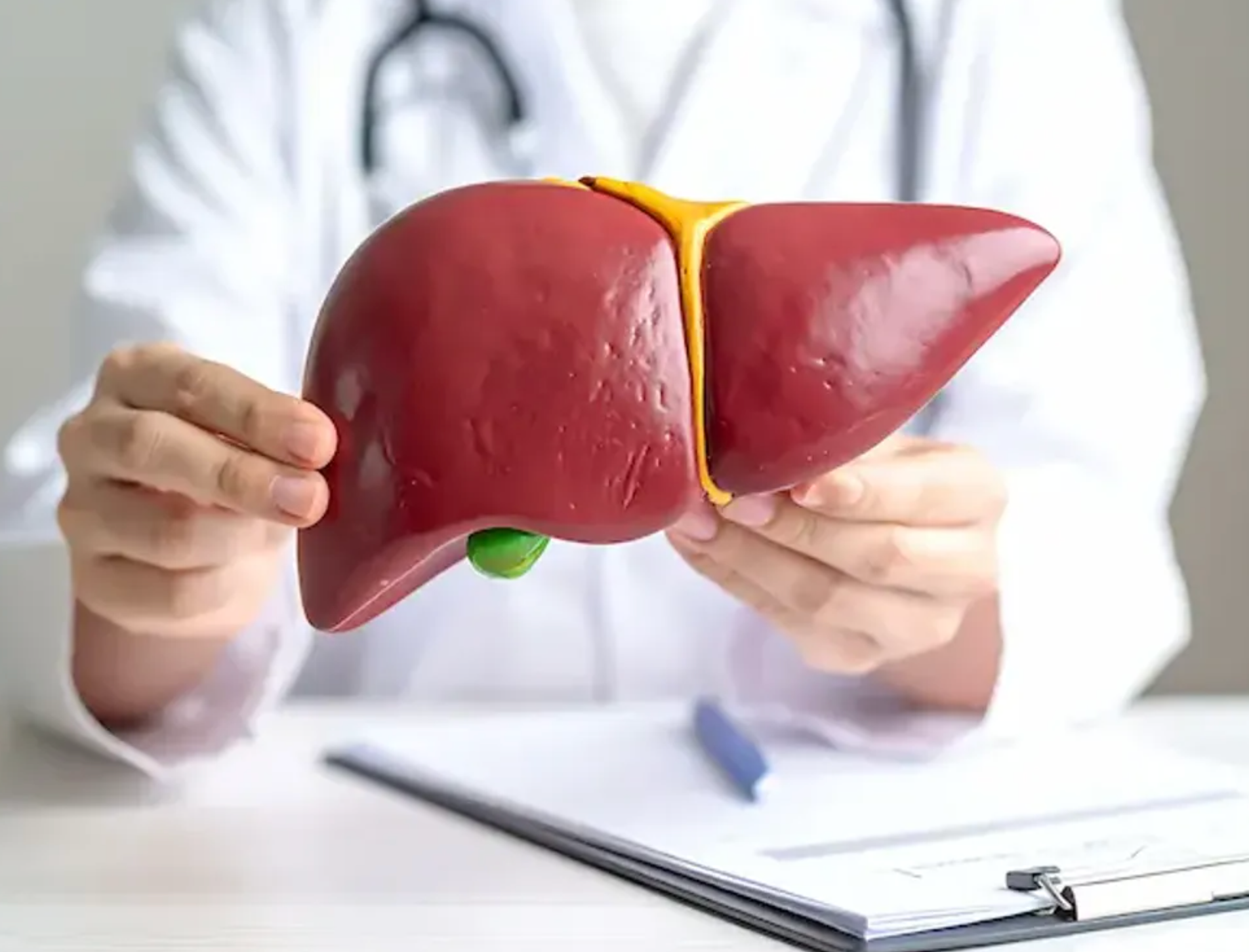
Most pediatric cases referred to Turkish centers involve end-stage liver disease that no longer responds to medication. The most frequent indications include:
- Biliary atresia (the leading cause worldwide, accounting for roughly 40 to 50 percent of pediatric cases)
- Acute liver failure from viral hepatitis, paracetamol toxicity, or unknown cause
- Metabolic disorders such as Wilson's disease, tyrosinemia, urea cycle defects, and Crigler-Najjar syndrome
- Progressive familial intrahepatic cholestasis (PFIC types 1, 2, and 3)
- Hepatoblastoma and other liver tumors that cannot be resected
- Alagille syndrome with severe cholestasis and poor weight gain in infancy
- Cryptogenic cirrhosis and autoimmune hepatitis unresponsive to immunosuppression
Warning signs that often trigger a transplant referral include persistent jaundice past 14 days of life, unexplained ascites, repeated variceal bleeding, failure to thrive despite nutritional support, and a Pediatric End-stage Liver Disease (PELD) score that climbs above 15.
Pediatric Liver Transplant Cost in Turkey (2026)
Pricing in Turkey is bundled differently from Western hospitals. Most Istanbul transplant centers quote a single package that already includes pre-operative evaluation for both the donor and the child, the surgery itself, ICU care, ward stay, immunosuppressive medication during admission, and a defined window of follow-up (usually 30 to 60 days). Typical 2026 ranges look like this:
|
Procedure Type |
Typical Cost (USD) |
What Is Usually Included |
|---|---|---|
|
Living-donor pediatric transplant |
$55,000 to $80,000 |
Donor and recipient surgery, ICU, 15 to 20 days hospital stay, follow-up |
|
Split-liver / cadaveric transplant |
$70,000 to $100,000 |
Surgery, ICU, immunosuppressives, post-op care |
|
ABO-incompatible or high-risk case |
$85,000 to $120,000 |
Plasmapheresis, additional ICU days, extended monitoring |
|
Post-transplant medication (12 months) |
$3,000 to $6,000 |
Tacrolimus, mycophenolate, steroids |
Final pricing depends on the child's weight, blood-type compatibility, presence of portal vein thrombosis, and how many ICU days are needed. All quoted figures are estimates and may vary by clinic, surgeon experience, and patient condition.
Pediatric Liver Transplant Cost: Turkey vs USA, UK & Germany
Cost is one of the main reasons families fly to Istanbul, but the gap is rarely just a price difference. It also reflects how different healthcare systems bill the procedure (Turkey bundles, the US itemizes) and how long families wait for treatment.
|
Country |
Average Cost (USD) |
Wait Time (Living Donor) |
Notes |
|---|---|---|---|
|
Turkey |
$55,000 to $100,000 |
3 to 6 weeks |
Bundled package, JCI hospitals, no national queue |
|
USA |
$600,000 to $900,000 |
4 to 12 months |
Itemized billing, insurance dependent |
|
UK (private) |
$150,000 to $220,000 |
6 to 18 months on NHS |
Pediatric centers limited to 3 NHS units |
|
Germany |
$250,000 to $400,000 |
2 to 6 months |
Strong university hospitals, costly to foreign patients |
|
Canada |
$300,000 to $500,000 |
3 to 9 months |
Rare access for non-residents |
The lower price in Turkey reflects three things: lower wage costs across the medical workforce, government incentives for the medical-tourism sector through the USHAŞ program, and high case volume at a small number of specialist transplant centers, which keeps unit costs down. Quality is not sacrificed; many surgeons in this list trained at, or co-publish with, programs in the US, France and the UK.
Want a case-specific cost estimate based on your child's medical reports? Send your file to the A-Medical pediatric coordinator and receive a same-day quote from at least three transplant centers.
Why Turkey Leads Pediatric Liver Transplantation
Turkey performs more living-donor liver transplants than almost any other country relative to its population. A few structural reasons explain why pediatric outcomes are competitive with North American and European centers:
- Living-donor preference: more than 80 percent of liver transplants in Turkey are LDLT, which is exactly the procedure most pediatric patients need.
- Volume: Istanbul-based centers like Florence Nightingale, Memorial Şişli and Medipol perform 200 to 400+ liver transplants per year each, including a significant share of children.
- Accreditation: most major facilities used for international pediatric cases are JCI-accredited and supervised by the Turkish Ministry of Health (USHAŞ).
- Surgical reach: programs in Turkey now perform transplants on infants under 10 kg and even under 5 kg, which only a handful of centers worldwide attempt.
- Bundled pricing: most quotes already include donor surgery, ICU and translator services, removing the surprise-billing risk that families face in the US.
Best Hospitals for Pediatric Liver Transplant in Turkey
The following six centers handle the majority of international pediatric liver cases. Each has a JCI accreditation, an active pediatric transplant unit, and English-speaking coordinators who manage parents through the entire process.
1. Florence Nightingale Hospital (Istanbul)
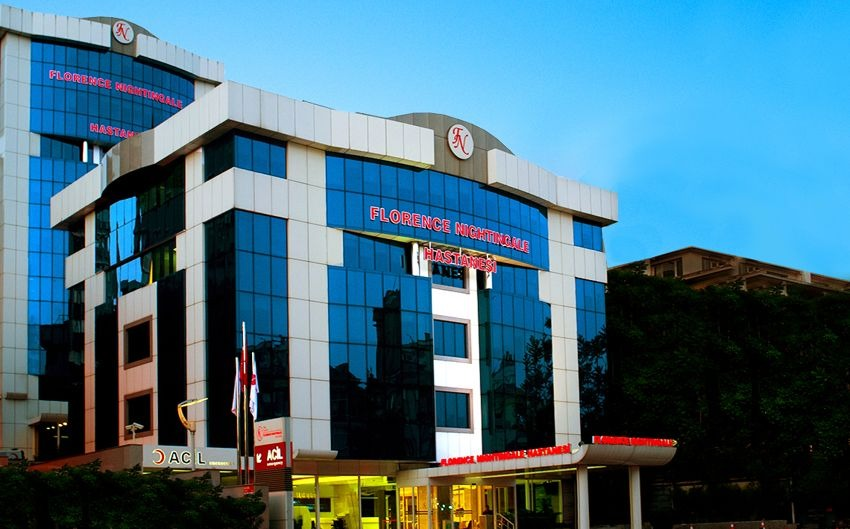
Florence Nightingale is one of the few Turkish hospitals officially certified by the European Society for Organ Transplantation (ESOT) as a training center for living-donor liver transplant. The pediatric program is led by surgeons who collectively have performed more than 1,500 liver transplants since the early 2000s, with over 80 percent from living donors. Their team has been the first in Turkey to perform several technically complex variants, including dual left-lobe living donor transplant and split-liver transplant for two adult recipients in a single session. Reported five-year graft survival in pediatric cases at this center is in the 90 to 95 percent range.
2. Memorial Hospital (Şişli, Istanbul)

Memorial Şişli's Organ Transplant Center is one of the largest pediatric programs in the country. The lead transplant surgeon has performed over 1,000 liver transplants, including roughly 280 pediatric cases, primarily from living donors. The hospital reports a transplant success rate around 95 to 96 percent and operates pediatric ICU rooms with parent-accompanied beds. Memorial also runs an internal split-liver program, which means that in some cadaveric donor situations a small child can receive a partial graft on the same day an adult patient is treated.
3. Medipol Mega University Hospital (Istanbul)
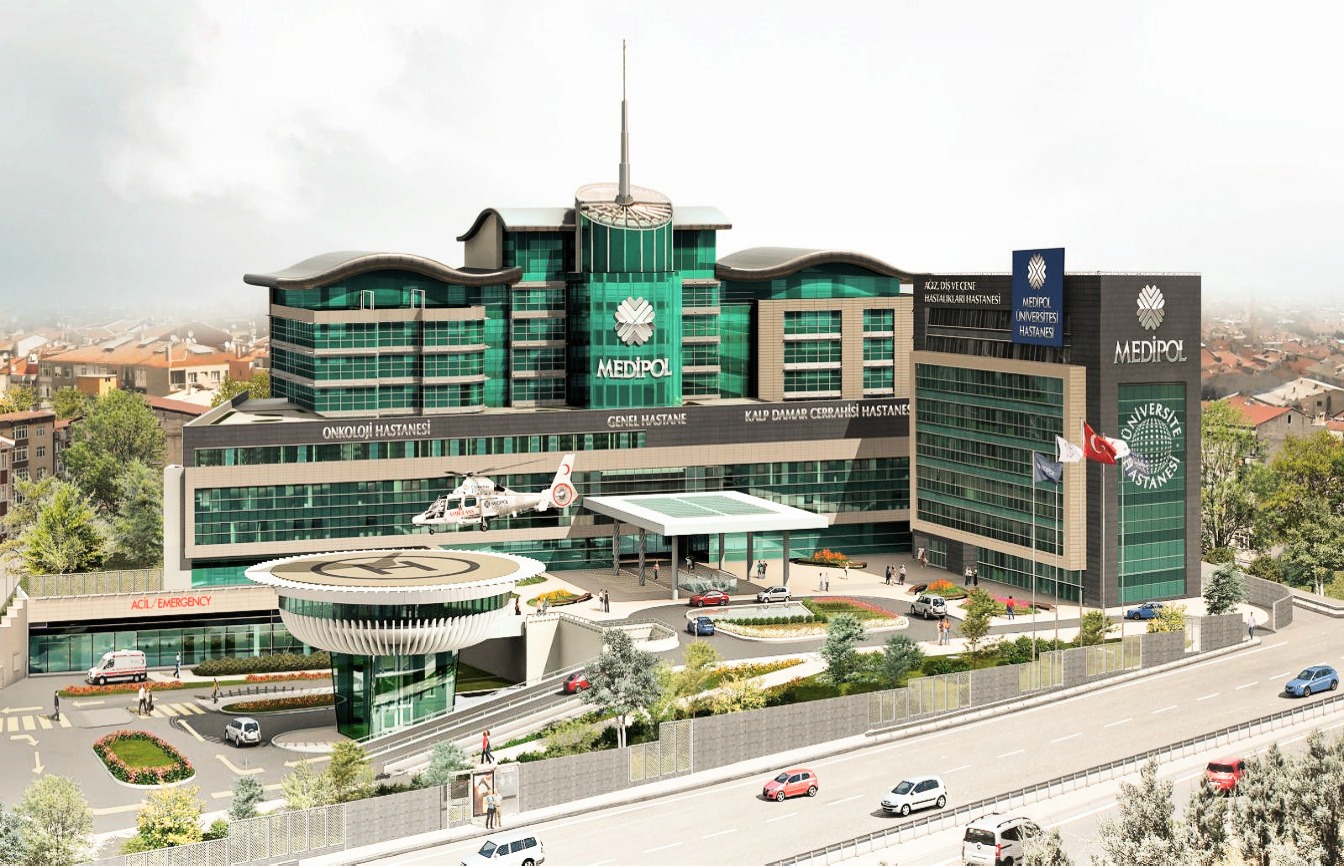
Medipol was the first hospital in Turkey to receive Joint Commission International accreditation and ranks among the top hospitals globally for transplantation volume. Its pediatric program is unusual in that it accepts infants under 10 kg, including patients under 1 year of age, a threshold that most international centers will not cross. Over 400 liver transplants have been performed by the team, supported by pediatric hepatologists, transplant anesthesiologists, and a specialist pediatric ICU. Average package pricing here starts around USD 55,000 for living-donor cases.
4. Acıbadem Healthcare Group (Istanbul)

Acıbadem operates one of Turkey's largest hospital networks and runs a well-known liver transplant unit at Acıbadem Atakent and Acıbadem Maslak. Pediatric cases benefit from on-site pediatric hepatology, genetic counseling for metabolic disease patients, and an in-house cell-therapy laboratory used for rare cases. Liver transplant packages start near USD 40,000 for adults and trend higher for pediatric cases due to longer ICU stays. Acıbadem hospitals carry JCI accreditation and are integrated with Turkey's national e-health network, which simplifies follow-up after the family returns home.
5. Liv Hospital (Istanbul)

Liv Hospital, part of the Istinye University network, runs a pediatric living-donor program led by a director of organ transplantation with more than 1,000 personal cases including complex liver-kidney transplants in children. The 300+ bed Liv Bahçeşehir campus is purpose-built for high-acuity surgery, with private recipient and donor rooms, in-house translation, and 50 days of post-operative follow-up included in the package price (typically around USD 45,000 for an adult LDLT and higher for pediatric cases).
6. Medical Park Hospitals (Antalya & Istanbul)

Medical Park is the country's largest hospital chain by number of organ transplants, performing roughly 600 transplant procedures per year across its sites. Three of its hospitals carry JCI accreditation. The Antalya campus is a magnet for Middle Eastern, North African and European pediatric families because of its 30-minute airport-to-hospital transfer and integrated rehabilitation services. Pediatric liver packages typically start around USD 45,000 for living-donor cases and include pre-operative tests, donor evaluation, ICU and ward stay, and language support.
Donor Eligibility and Turkish Legal Framework
Donor rules are stricter in Turkey than many parents expect, and getting them wrong is the single most common reason a transplant gets delayed. The legal framework comes from the Turkish Ministry of Health and is enforced by an ethics committee at every hospital.
- Family relationship requirement: the donor must be a relative up to the fourth degree (parents, grandparents, siblings, aunts, uncles, first and second cousins). Friend or unrelated donors are not permitted for foreign patients.
- Documented proof: birth certificates, family tree records and apostilled relationship documents must be provided before surgery is scheduled.
- Age and health: donors are typically between 18 and 55 years old, in good general health, free of hepatitis B/C, HIV, diabetes complications, and with compatible blood type.
- Liver volume: the donor's left lateral segment must be sufficient to support the child but leave at least 30 to 35 percent residual liver volume in the donor.
- Ethics committee approval: a hospital ethics board reviews every living-donor case before the operation date is fixed.
Step-by-Step Process for International Families
From first contact to operating room, a typical pediatric liver case takes between 4 and 8 weeks. Here is a realistic breakdown of how the process actually unfolds:
- Week 1 (remote): Send recent imaging, lab reports, PELD score and the proposed donor's basic medical history. Two or three Turkish centers issue an initial assessment within 48 to 72 hours.
- Week 2 (remote): Online video consultation with the surgeon. Family receives a detailed cost quote and a list of legal documents to gather (birth certificates, marriage certificates, proof of relationship).
- Week 3: Travel to Turkey. Both child and donor undergo a 5 to 7 day in-person evaluation including imaging, blood crossmatch, anesthesia review and psychological assessment.
- Week 4: Ethics committee review and surgery scheduling. Operation is usually performed within 7 days of approval.
- Week 5 to 7: Surgery, ICU stay (5 to 10 days for the recipient), and recovery on the ward. Donor is usually discharged after 7 to 10 days.
- Weeks 8 to 12: Outpatient follow-up in Istanbul before clearance to fly home.
What to Expect: Hospital Stay and Recovery Timeline
A pediatric liver transplant in Turkey is a major operation, and recovery follows a fairly predictable pattern when there are no complications. The first 72 hours after surgery are spent in pediatric ICU, where the new liver function is monitored hour by hour through bile output, INR, and Doppler ultrasound. Children are typically extubated within 24 to 48 hours and transferred to a step-down ward by day 5 to 7.
Total inpatient time runs 15 to 25 days for the recipient and 7 to 10 days for the donor parent. Most children return to a normal diet within 2 weeks, and to school around the 3-month mark. Long-term immunosuppression is taken for life, but doses are reduced significantly after the first 6 months.
How Long Should You Plan to Stay in Turkey?
Most centers ask families to budget 65 to 90 days in Turkey total. This breaks down roughly as: 7 to 10 days of evaluation, 15 to 25 days of inpatient care, and 30 to 60 days of close outpatient monitoring before international travel is medically safe. Skipping this third phase is the most common cause of preventable readmissions, since the highest risk window for acute rejection and infection is days 30 to 60 after surgery.
A-Medical typically arranges fully equipped serviced apartments within 10 minutes of the partner hospital, with a daily nurse visit option for the first two weeks after discharge.
Visa, Travel and Accommodation for Parents
Most international families flying to Turkey for medical reasons enter on either an e-visa (90 days within a 180-day window) or a medical visa, which can be extended on the ground if treatment runs longer than expected. Turkish embassies issue medical visas faster than tourist ones when an official invitation letter from a hospital is presented; A-Medical handles this paperwork directly.
Practical points many families do not see online:
- Istanbul has two airports. The European-side hospitals (Florence Nightingale, Memorial Şişli, Medipol Mega) are 25 to 50 minutes from Istanbul Airport (IST). Asian-side hospitals are closer to Sabiha Gökçen (SAW).
- A second adult relative is usually allowed to stay in the patient's room overnight in pediatric wards, free of charge.
- Apart-hotels and serviced apartments are cheaper than hotels for stays over 2 weeks and are commonly used by transplant families.
- Most international debit and credit cards work in Turkish hospitals, but it is wise to notify your bank in advance about expected large medical charges.
Risks and Possible Complications
Even at experienced Turkish centers, a pediatric liver transplant carries real medical risks that families need to understand:
- Acute rejection: affects up to 30 percent of pediatric recipients in the first year, almost always treatable with medication adjustment.
- Vascular complications: hepatic artery thrombosis is the most serious early event, occurring in 4 to 8 percent of pediatric cases.
- Biliary complications: bile leak or stricture, often manageable with endoscopic procedures.
- Infections: bacterial, viral (CMV, EBV) and fungal infections during the first 6 months while immunosuppression is highest.
- Post-transplant lymphoproliferative disease (PTLD): a long-term risk linked to EBV exposure in immunosuppressed children.
- Donor risks: though rare, the donor parent faces a small chance of bile leak, infection or transient liver dysfunction.
These risks are not unique to Turkey. They are intrinsic to the procedure and exist in equal measure at any major transplant center worldwide.
Why Choose A-Medical for Your Child's Liver Transplant
A-Medical works directly with the pediatric liver transplant teams at the centers above and acts as a single point of coordination from the first message until your child is cleared to fly home.
- Priority scheduling without national waiting lists: most living-donor cases are operated within 4 to 6 weeks of approval.
- Best price guarantee with a fully transparent cost plan, including donor surgery, ICU and post-op follow-up.
- Surgeon and hospital matching across JCI-accredited Turkish centers based on your child's specific diagnosis.
- Airport VIP greeting and private medical transfers for both arrival and discharge.
- Family accommodation arranged in 4 or 5-star hotels or fully equipped serviced apartments near the partner hospital.
- 24/7 multilingual support in English, Russian, Arabic, German and French.
- Free pre-treatment online consultation with the proposed transplant surgeon.
- Post-discharge remote follow-up and lab review for the first 12 months at no extra fee.
- Visa support letter and ethics committee documentation handled end-to-end.
Send your child's medical reports to A-Medical today and a pediatric transplant coordinator will respond within 24 hours with a complete assessment, hospital options, and a binding cost estimate.
Related Reading on A-Medical
If you are still researching where to treat your family member, these guides cover adjacent procedures and broader country comparisons in detail:
- The Ultimate Guide to Liver Transplant Cost in Turkey (2026): the full adult cost and procedure breakdown.
- Best Countries in the World for Liver Transplant: global comparison covering India, Israel, the US and Turkey.
- How Medical Travel to Turkey Works: step-by-step guide for international families.
- Bone Marrow Transplant in Turkey: useful for parents of children with hematologic complications alongside liver disease.
Frequently Asked Questions
How successful is a pediatric liver transplant in Turkey?
One-year graft survival at top Turkish pediatric centers ranges from 90 to 95 percent, and five-year survival from 80 to 88 percent, in line with leading European programs.
Can foreign children receive a liver from a deceased donor in Turkey?
It is very rare. Cadaveric organs are prioritized for Turkish citizens through the national list. Almost all foreign pediatric cases use a living donor from the child's own family.
How young can a child be for a liver transplant in Turkey?
Centers like Medipol and Florence Nightingale routinely operate on infants under 1 year and below 10 kg. Specific cases are reviewed individually, and decisions depend on weight, blood type and overall stability.
Will my child need lifelong medication after the transplant?
Yes. Children take immunosuppressive medication (most often tacrolimus and mycophenolate) for life, but doses are gradually reduced and most patients live a fully active life including school, sports and travel.
Does the cost include the donor's surgery and hospital stay?
At all six hospitals listed in this guide, the package quote covers the donor's pre-op tests, surgery, hospital stay (usually 7 to 10 days) and outpatient follow-up. This is one of the main differences from US hospitals, where the donor is often billed separately.
How long should we plan to stay in Turkey after the surgery?
Plan for 65 to 90 days in Turkey in total. The first 15 to 25 days are inpatient, followed by 30 to 60 days of close outpatient monitoring before the medical team clears your child to fly home.
What happens if there is a complication after we go home?
All major Turkish transplant centers run a remote follow-up program for international patients. A-Medical also schedules monthly virtual reviews of lab results during the first year, and arranges a return visit if the surgical team needs to assess the child in person.