Contents
Related Topics
Living Donor Liver Transplant in Turkey | 2026 Costs & Clinics
Patients with end-stage liver disease who cannot afford to wait years on a deceased-donor list increasingly look at Turkey for a living donor liver transplant, a procedure that uses a partial graft from a healthy relative to replace a failing liver. In 2026, the average all-in cost of a living donor liver transplant in Turkey sits between USD 75,000 and USD 110,000, while the same operation runs USD 450,000 to USD 800,000 in the United States and around GBP 200,000 privately in the United Kingdom. Add to that the multi-year wait for a cadaveric organ in NHS or German systems and the picture becomes clear: Turkey offers one of the few high-volume programs worldwide where a recipient can be evaluated, matched with a related donor, and operated within four to six weeks. This guide walks through real 2026 pricing, the hospitals running the highest-volume LDLT programs, and the practical steps a foreign patient takes from first consult to discharge.
What Is a Living Donor Liver Transplant?

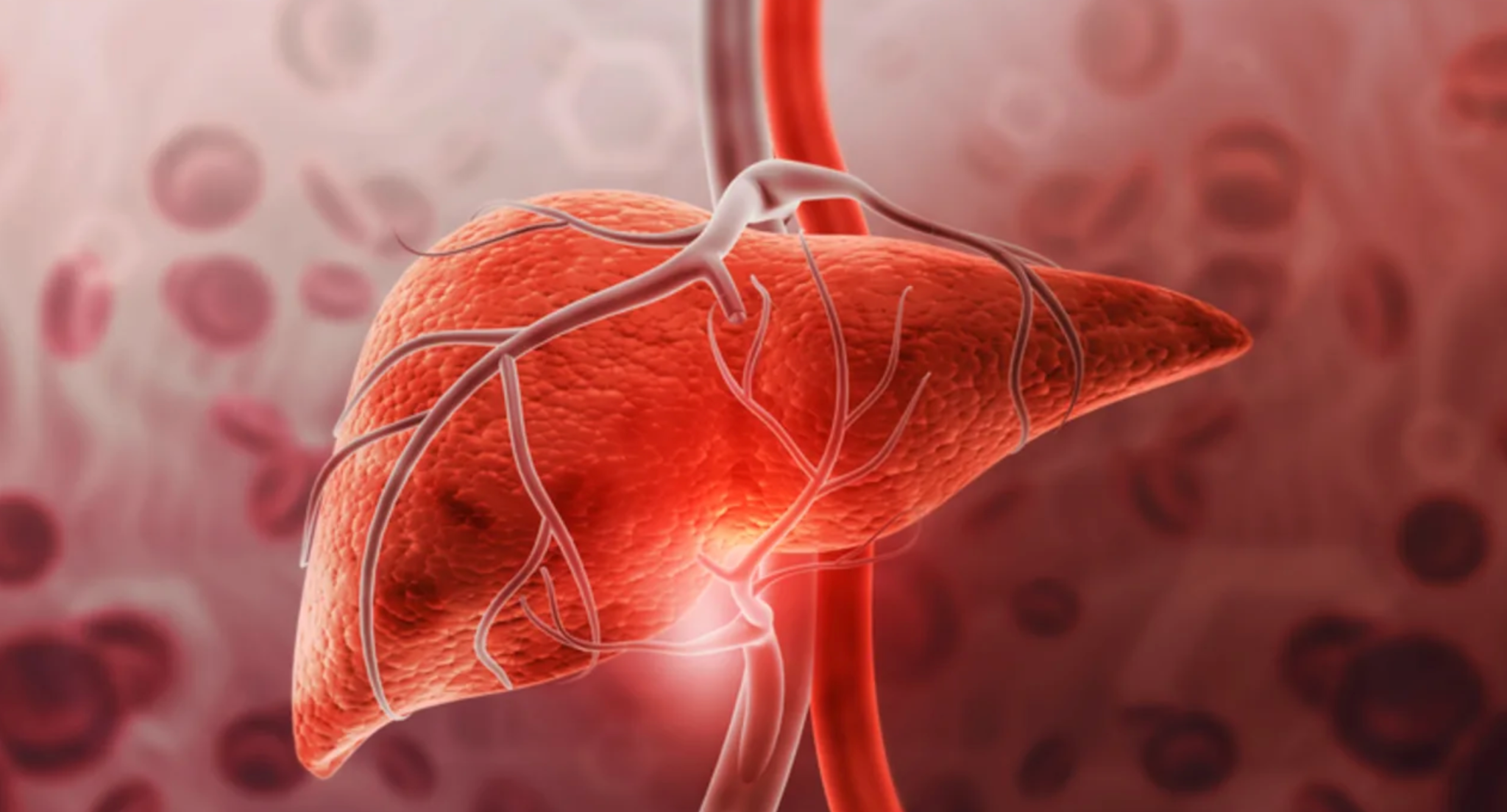
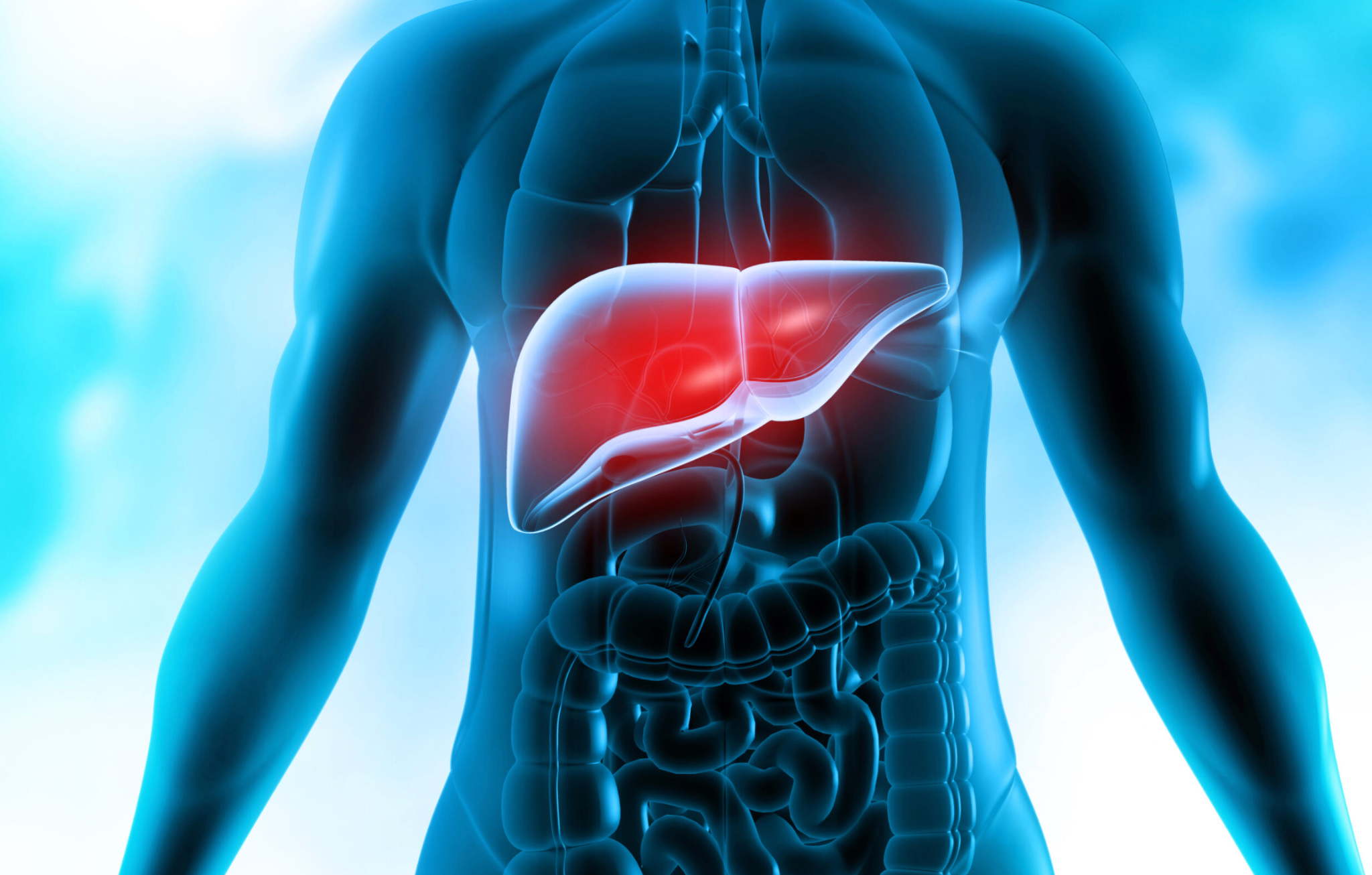
A living donor liver transplant (LDLT) replaces a diseased liver with a partial graft taken from a healthy living person, usually a first or second-degree blood relative. The donor gives up either the right lobe (around 60 percent of liver volume, used for adult recipients) or the left lateral segment (used for children and small adults). Both the donor and recipient livers regenerate to roughly 90 percent of normal volume within six to eight weeks. The procedure was pioneered in Asia in the late 1990s as a response to the chronic shortage of cadaveric organs and is now the dominant transplant method in countries with low brain-death donation rates, including Turkey.
Why Patients Choose Turkey for LDLT
Turkey performs more than 1,500 liver transplants per year, and roughly 80 percent of these are from living donors, the highest LDLT ratio in the world. Several Turkish surgeons sit among the top ten globally by case volume, with individual centers logging 250 to 400 LDLTs annually. The combination of high case volume, JCI-accredited facilities, and competitive pricing delivers a price-to-outcome ratio that few other destinations match.
- Surgeons average 2,000+ LDLT cases over a career, putting them well past the proficiency curve.
- One-year graft survival at top Turkish centers reaches 88 to 92 percent, comparable to leading US programs.
- Wait time from first consult to surgery is typically 4 to 6 weeks, against 2 to 5 years in the UK or Canada.
- Direct flights from London, Frankfurt, Dubai, Doha and most CIS capitals make medical travel logistically simple.
- Turkish Health Ministry (USHAŞ) regulates international patient services and licenses every JCI-accredited transplant unit.
Who Is a Candidate for LDLT in Turkey?
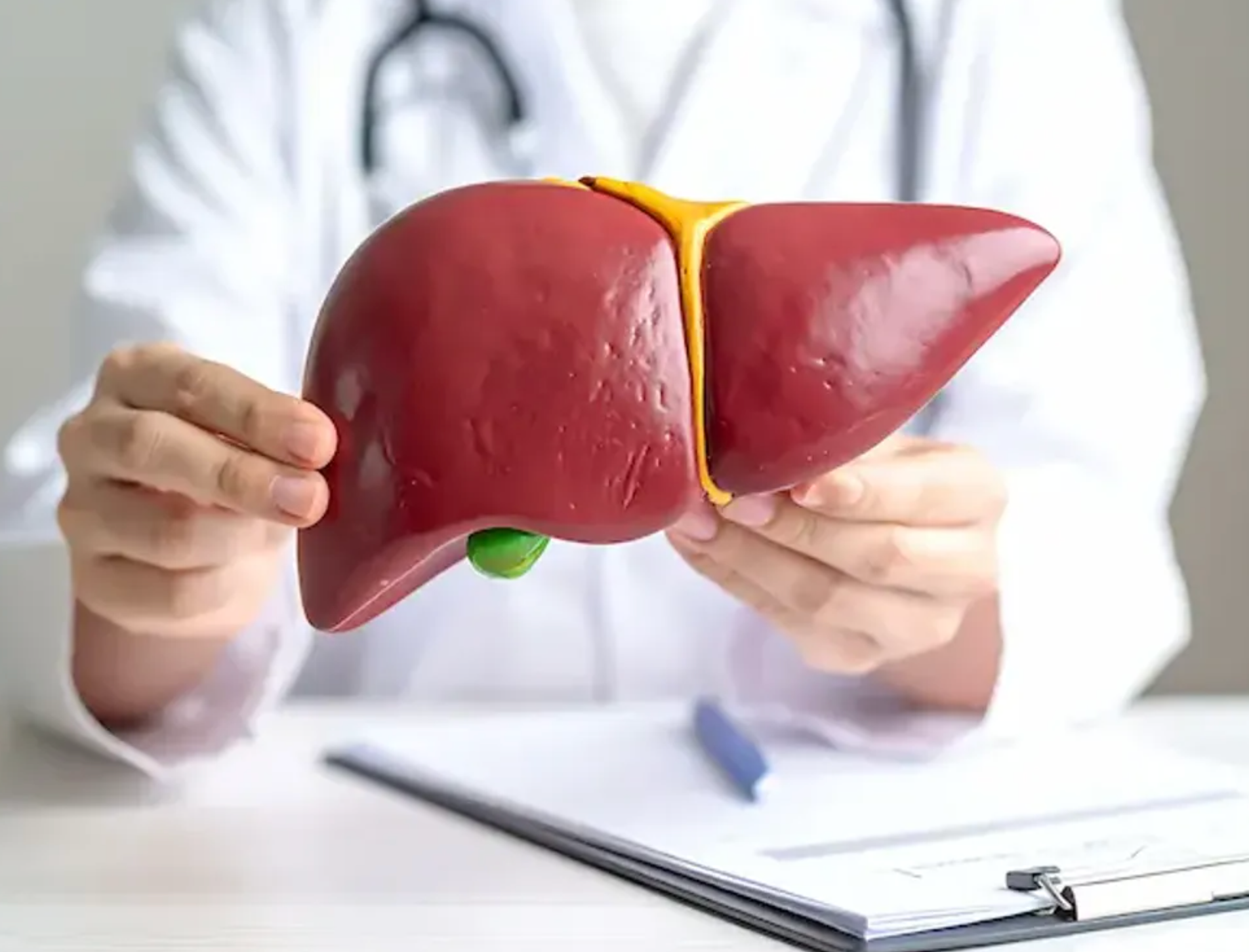
Turkish transplant boards generally accept foreign patients who meet the following clinical criteria, although final eligibility is decided after pre-op imaging and lab review:
- Decompensated cirrhosis from hepatitis B, hepatitis C, alcohol-related liver disease, or non-alcoholic steatohepatitis (NASH).
- Hepatocellular carcinoma (HCC) within Milan or extended UCSF criteria.
- Acute liver failure where time on the cadaveric list is not survivable.
- Pediatric biliary atresia, Wilson disease, tyrosinemia, or other metabolic liver disorders.
- MELD score generally between 15 and 35; higher scores are reviewed case-by-case.
- A blood-related donor under 55 with compatible blood type, healthy BMI, and no significant comorbidities.
Cost Comparison: Turkey vs USA, UK, Germany, India
Pricing for LDLT varies sharply across countries because of labor costs, regulatory burden, and how each system bundles donor expenses. The table below uses 2026 averages for an adult right-lobe transplant including donor surgery, 14 to 21 days of hospital stay, and standard post-op medication.
|
Country |
LDLT Cost (USD) |
Typical Wait Time |
|
Turkey |
75,000 to 110,000 |
4 to 6 weeks |
|
United States |
450,000 to 800,000 |
Living donor: 6 to 12 weeks; deceased: 2 to 5 years |
|
United Kingdom (private) |
approx. 250,000 |
NHS deceased-donor list: 2 to 4 years |
|
Germany |
200,000 to 320,000 |
Eurotransplant list: 1 to 3 years |
|
India |
40,000 to 65,000 |
3 to 6 weeks |
|
Israel |
180,000 to 250,000 |
8 to 16 weeks |
Why is Turkey roughly one-fifth of US pricing? Three structural reasons. First, Turkish hospital staff salaries and overhead remain significantly lower than Western counterparts despite equivalent training. Second, the Turkish government subsidizes high-volume transplant centers as part of its medical tourism strategy, lowering per-case fixed costs. Third, the Turkish lira exchange rate against the dollar and euro keeps imported pharmaceuticals and consumables affordable. Final pricing depends on the hospital, the surgeon's seniority, the recipient's MELD score, and any complications during the ICU stay.
Want a quote built around your case? Send your latest MELD score and imaging to A-Medical and get a fixed-price proposal from three suitable Turkish centers within 48 hours.
Top Hospitals for Living Donor Liver Transplant in Turkey
The hospitals below operate standalone hepatobiliary and transplant units with the case volume and ICU capacity required for complex LDLT. All hold Joint Commission International (JCI) accreditation and accept international patients through A-Medical.
Florence Nightingale Hospitals (Istanbul)
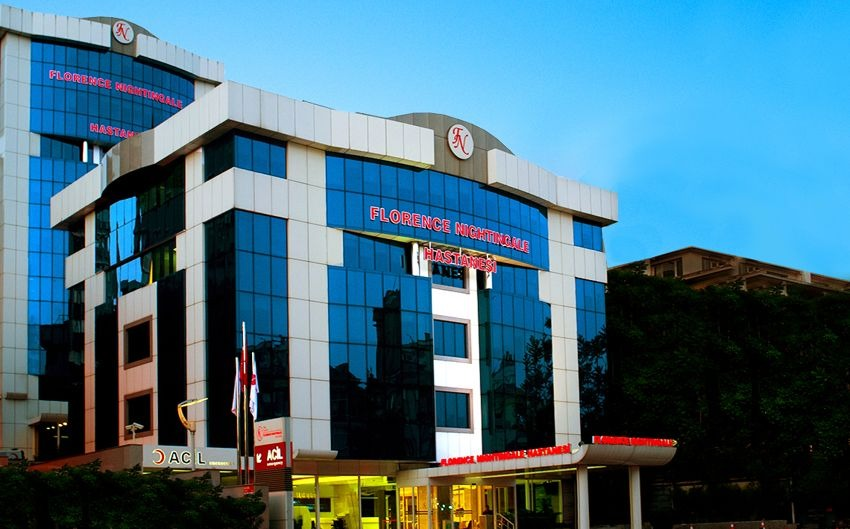
Group Florence Nightingale Hospitals run an organ transplant center on the European side of Istanbul that has performed liver transplants since 1988, the longest unbroken track record in Turkey. The hepatobiliary team handles roughly 150 LDLTs a year and is one of the few Turkish units to publish peer-reviewed survival data in journals such as Liver Transplantation. The hospital's intensive care unit is staffed by board-certified intensivists, and a separate transplant floor isolates immunosuppressed patients to reduce post-op infection risk. The campus sits 35 km from Istanbul Airport, around 45 minutes by transfer.
VKV American Hospital (Istanbul)
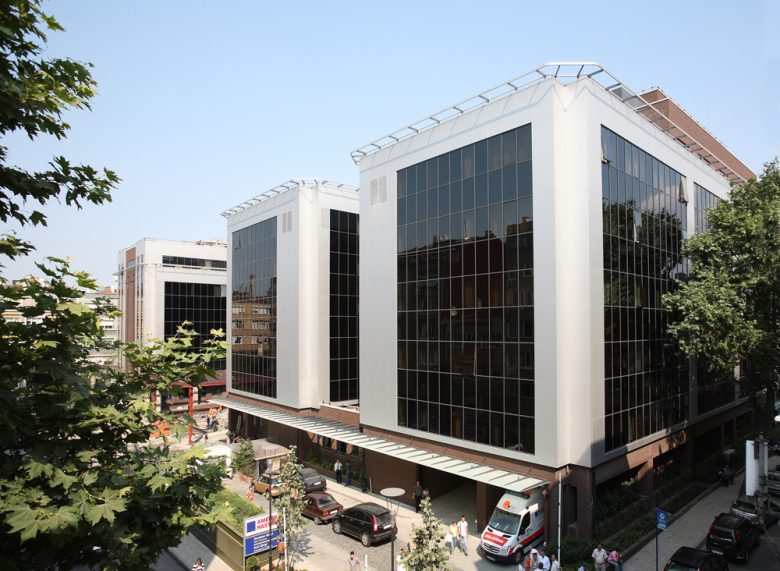
Founded in 1920 and operated by the Vehbi Koç Foundation, VKV American Hospital is the oldest private hospital in Istanbul and runs a tightly integrated organ transplant program with Koç University School of Medicine. The LDLT team works alongside hepatologists, interventional radiologists, and infectious disease specialists in a single multidisciplinary tumor board, which is particularly valuable for HCC patients. The hospital's lab turnaround for tacrolimus levels is under two hours, useful during the first ICU week when immunosuppression dosing is volatile. International patients are housed in a private VIP wing on the fourth floor, with adjacent companion rooms.
Medipol Mega University Hospital (Istanbul)
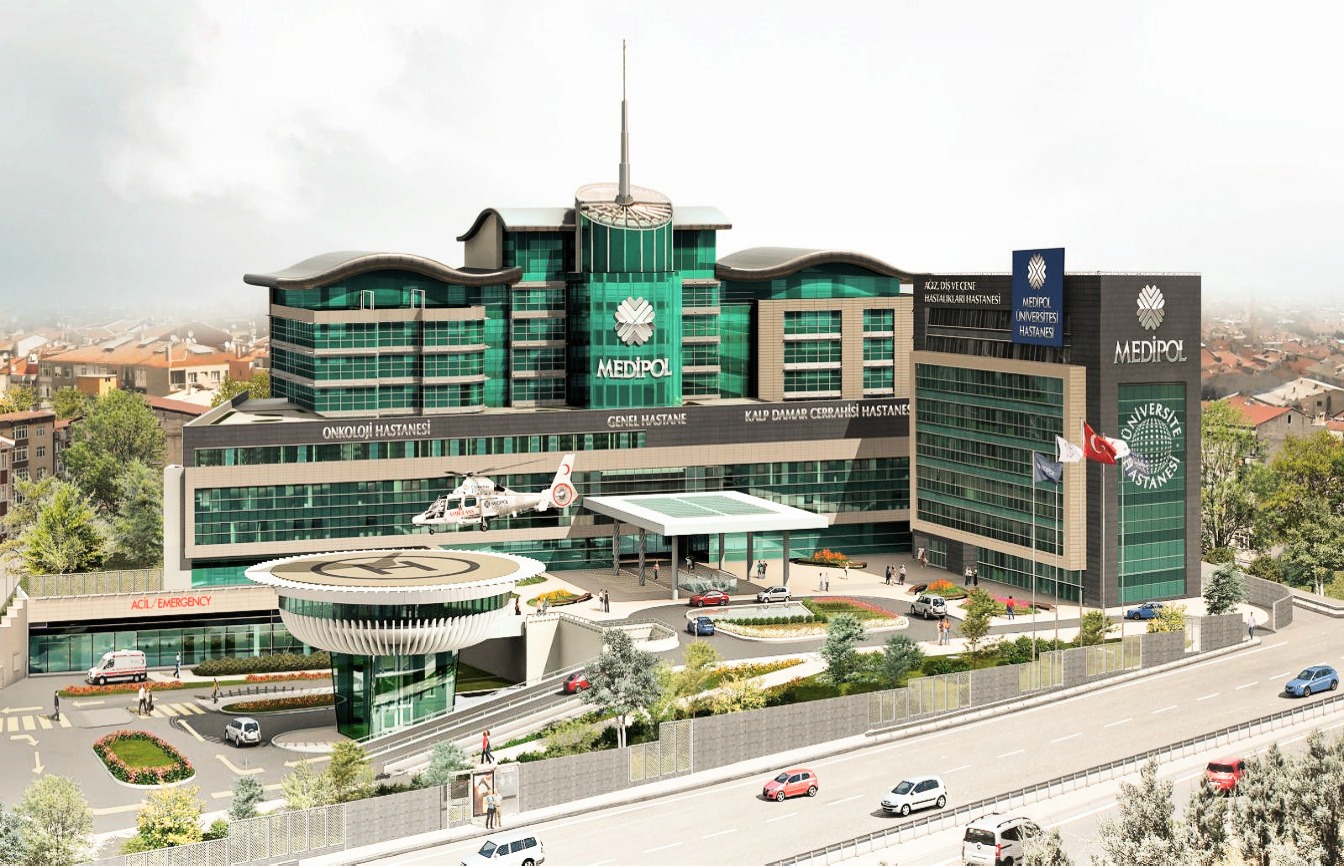
Medipol Mega is the flagship of the Medipol University healthcare group and houses one of Turkey's largest organ transplant centers, with separate operating suites for liver, kidney, and heart transplants running simultaneously. The center logs 200+ LDLTs per year and accepts pediatric cases as young as five months old, which few other Turkish hospitals do. The 470-bed campus in Bağcılar includes a 60-bed transplant ICU and a hepatobiliary radiology suite for pre-op donor vascular mapping. Medipol's pricing is generally 10 to 15 percent below the Istanbul private average, which makes it a popular option for patients funding the procedure out of pocket.
Acıbadem Healthcare Group (Istanbul)

Acıbadem is the largest private healthcare network in Turkey with 22 hospitals nationwide, but adult LDLT is concentrated at Acıbadem Atakent and Acıbadem Altunizade in Istanbul. Both campuses hold full JCI accreditation and are connected by a shared electronic medical record, so a recipient evaluated at one site can move to the other for surgery without losing imaging or labs. Acıbadem reports a one-year graft survival rate above 90 percent in published outcomes, and the group operates one of Turkey's three liver assist device (MARS) units for patients in acute liver failure waiting for surgery. International patient services include a 24/7 hotline in 11 languages.
Medical Park Hospitals (Antalya)
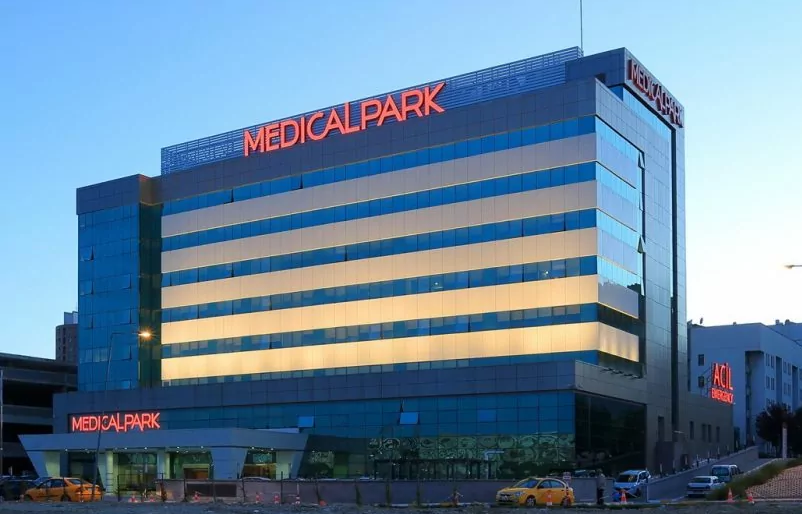
Medical Park's flagship in Antalya houses an organ transplant center that combines hepatobiliary surgery with the milder Mediterranean climate often preferred by recipients during the recovery weeks. The unit performs around 100 LDLTs per year and is led by surgeons with training at Memorial Sloan Kettering and Kyoto University. Antalya International Airport is 10 km from the hospital, with direct flights from over 60 European cities including Frankfurt, London Gatwick, and Amsterdam. The hospital is part of Turkey's MLPCare network, the second-largest private hospital group in the country.
Anadolu Medical Center (Istanbul)
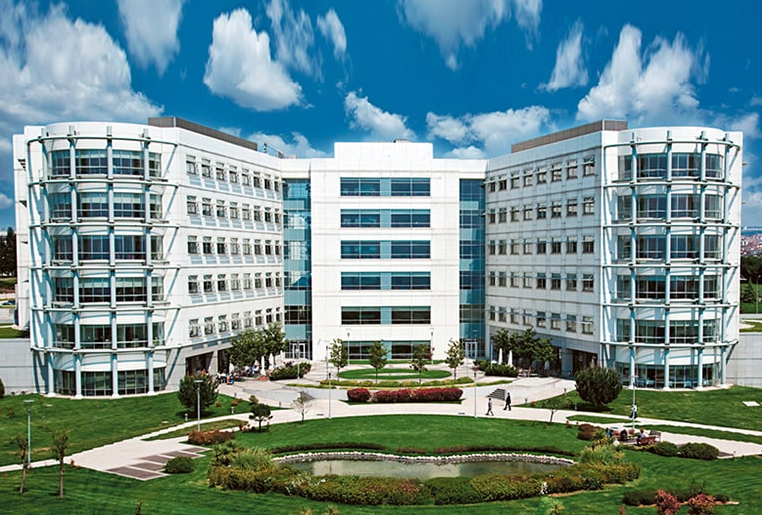
Anadolu Medical Center is a strategic partner of Johns Hopkins Medicine and applies US-modeled clinical protocols to its transplant program. The campus in Kocaeli, on Istanbul's Asian outskirts, includes a hematology and oncology hospital adjacent to the transplant unit, which is useful for HCC recipients who may need bridging therapies (TACE, Y90 radioembolization) before surgery. Anadolu's LDLT volume is smaller than Medipol or Acıbadem, around 60 cases a year, but the case-to-staff ratio is among the most favorable in Turkey. Patients reach the hospital via a 60-minute transfer from Istanbul Sabiha Gökçen Airport or a 90-minute transfer from Istanbul Airport.
Liv Hospital (Istanbul)

Liv Hospital is part of the MLPCare group and operates two Istanbul campuses, Ulus and Vadistanbul, both of which run transplant programs. The Vadistanbul campus opened in 2017 and houses one of the most modern hybrid operating theaters in Turkey, equipped with intraoperative ultrasound and fluorescence imaging that helps surgeons map donor vasculature with high precision. Liv's hepatobiliary team includes surgeons trained at Inönü University in Malatya, the Turkish institution that pioneered LDLT in the region. The hospital is known for transparent pricing and short pre-op wait times, often scheduling surgery within three weeks of donor approval.
Memorial Hospital (Istanbul)

Memorial Healthcare Group runs liver transplant programs at its Şişli, Bahçelievler, and Ataşehir campuses, with Memorial Şişli being the busiest LDLT center in the network. Memorial Şişli was the first hospital in Turkey to receive JCI accreditation in 2002 and continues to publish strong outcome data, including a one-year recipient survival rate of approximately 89 percent. The hospital operates a separate international patient floor with private patient rooms that include a sofa bed for one family member. Memorial accepts complex retransplant cases, which not every Turkish center will do.
Step-by-Step Process for Foreign Patients
The full LDLT pathway from first email to discharge typically runs 5 to 8 weeks. A-Medical coordinates the entire timeline so the patient and donor focus on health, not logistics.
- Week 1, Remote evaluation: Patient sends MELD score, imaging, viral panel, and donor candidate details. Two transplant centers review the file and issue indicative quotes.
- Week 2, Donor screening: Donor completes a structured workup including blood type, liver volumetry CT or MRI, hepatology consult, and psychiatric evaluation.
- Week 3, Travel and arrival: Patient and donor fly to Istanbul or Antalya. VIP transfer to the hotel, same-day check-in for in-person consults the next morning.
- Week 4, Final pre-op: On-site cardiology, pulmonology, and infectious disease clearance. Transplant board votes on the case. Surgery date confirmed.
- Week 5, Surgery and ICU: Simultaneous donor and recipient operations, around 8 to 14 hours combined. Recipient transferred to ICU for 4 to 7 days, donor for 1 to 2 days.
- Week 6, Ward and rehab: Recipient moves to the transplant floor for 10 to 14 days. Donor is usually discharged within 7 days.
- Week 7 to 8, Post-op observation: Patient stays in Turkey for at least three more weeks of outpatient follow-up before flying home.
How Long Should You Stay in Turkey?
Plan for a minimum of six weeks in Turkey, split roughly into one week of pre-op workup and five weeks of post-op recovery and follow-up. The first three weeks after surgery are critical because immunosuppression dosing is being titrated and rejection risk peaks around days 7 to 14. Most transplant teams require at least two outpatient liver function panels after discharge before clearing the patient to fly. Donors usually return home after 14 to 21 days, sometimes earlier if recovery is uncomplicated.
Risks and Realistic Outcomes
LDLT is a complex operation and full transparency about risk is part of informed consent. Turkish centers report outcome figures consistent with leading European and US programs:
- Recipient 30-day mortality at high-volume Turkish centers is typically 3 to 6 percent.
- Donor mortality risk is around 0.2 percent globally and similar in Turkey, comparable to a healthy person undergoing major elective surgery.
- Acute rejection occurs in 15 to 25 percent of recipients in the first year and is usually managed with adjustment of immunosuppressant dosing.
- Biliary complications affect 10 to 20 percent of LDLT recipients, sometimes requiring endoscopic intervention months after surgery.
- One-year graft survival at top Turkish hospitals is 88 to 92 percent; five-year graft survival is approximately 75 percent.
Visa, Donor Documentation, and Travel Logistics
Citizens of the EU, UK, USA, Canada, and most Gulf states can enter Turkey visa-free for stays up to 90 days, which covers the LDLT timeline comfortably. Patients from countries that need a visa apply for an e-visa online in roughly 10 minutes. The donor must travel on a separate ticket and present notarized proof of relationship to the recipient at the hospital, since Turkish law requires a documented blood or marital relationship for living-donor transplants. A-Medical helps notarize and translate these documents in advance to avoid delays at hospital admission. For practical guidance on the broader treatment process, see the A-Medical guide on how medical travel to Turkey works.
How to Choose the Right Clinic for Your Case
Not every LDLT recipient fits every center. Use the criteria below when comparing quotes and clinical proposals:
- Annual case volume above 100 LDLTs is a strong proxy for surgical proficiency.
- Published one-year graft survival should be reported in writing, not just verbally.
- ICU bed capacity matters more than overall hospital size. Look for at least 30 transplant ICU beds.
- Pediatric and adult programs require different expertise. Confirm the surgeon has the relevant subspecialty.
- HCC patients should pick centers with on-site interventional radiology for bridging therapies.
- Retransplant cases are higher risk and only specific Turkish centers accept them.
Related Transplant Programs in Turkey
If you are evaluating other transplant pathways, A-Medical also publishes practical guides for the most common procedures performed in Turkey. The kidney transplant in Turkey overview covers cost, surgeon selection, and donor logistics for renal cases, while the global liver transplant comparison benchmarks Turkey against India, South Korea, and Western Europe.
Advantages of Booking Your LDLT Through A-Medical
A-Medical specializes in coordinating high-acuity transplant cases for international patients and offers operational support that walk-in bookings rarely include:
- No waiting list. Surgical date typically scheduled within 3 to 5 weeks of donor approval.
- Affordable fixed pricing with full transparency on every line item, including donor coverage.
- Hospital and surgeon matching based on the recipient's MELD score, indication, and donor profile.
- VIP airport pickup at Istanbul (IST/SAW) or Antalya (AYT), and inter-city medical transfers if needed.
- 4 or 5-star hotel arrangement near the hospital, plus apart-hotel options for longer stays.
- Round-the-clock interpreter in English, Russian, German, Arabic, and other languages.
- Free pre-treatment online consultation with the transplant team before any travel commitment.
- 12-month remote post-op follow-up coordination with the operating surgeon.
- Single point of contact across pre-op, surgery, donor logistics, and discharge.
Ready to start? Send your medical records and donor candidate details to A-Medical and receive a fixed-price LDLT proposal from suitable Turkish hospitals within 48 hours.
Frequently Asked Questions
How much does a living donor liver transplant cost in Turkey in 2026?
All-in pricing through A-Medical ranges from USD 79,000 to USD 95,000 and covers both donor and recipient surgery, hospital stay, accommodation for one companion, and 12 months of follow-up. Walk-in pricing at the same hospitals starts around USD 90,000 and excludes donor and travel costs.
Who can be a living liver donor for a foreign patient?
Turkish law requires the donor to be a documented blood relative up to the fourth degree, or a spouse with notarized marital records. The donor must be aged 18 to 55, have a healthy BMI, compatible blood type, and pass a full hepatology and psychiatric evaluation.
What is the success rate of LDLT in Turkey?
One-year graft survival at high-volume Turkish centers ranges from 88 to 92 percent, and five-year survival sits around 75 percent. These figures are equivalent to outcomes published by leading US and European programs.
How long does the donor stay in the hospital?
Donors are typically discharged 5 to 7 days after surgery and stay in Turkey for another week of outpatient checks, totaling 14 to 21 days from arrival to flight home.
Will I need anti-rejection medication for life?
Yes. Lifelong immunosuppression with tacrolimus, mycophenolate, and steroids (tapered over time) is standard. The Turkish team prescribes the first three months and coordinates a handover to your home hepatologist for ongoing supply.
Can children get a living donor liver transplant in Turkey?
Yes. Several Istanbul centers accept pediatric recipients, including infants under one year. Pediatric LDLT typically uses the donor's left lateral segment, and total package pricing is often slightly lower than adult cases due to shorter ICU stays.
How soon can I fly home after the surgery?
Recipients are usually cleared to fly 4 to 6 weeks after surgery, once liver enzymes stabilize and immunosuppression is in steady state. Donors can normally fly within 14 to 21 days.