Contents
How Medical Travel to Turkey Works
If you are considering treatment in Turkey, this guide explains what the process actually looks like from first inquiry to returning home. Turkey has become one of the world's most active medical tourism destinations because it combines broad hospital capacity, short waiting times, and a price advantage that remains significant for self-pay patients.
Reports tied to Turkey's health tourism sector indicate that international patient numbers rose past 1.8 million in 2023 and reached about 2 million in 2024. The country now functions as a real treatment hub rather than a niche option. Hospitals, patient coordinators, hotel partners, interpreters, and airport transfer services are already familiar with international cases across many specialties.

Key Takeaways:
- Turkey welcomed over 2 million international patients in 2024, making it one of the largest medical tourism markets in the world.
- Most patients save between 50% and 70% compared to private treatment prices in the US or the UK.
- The process works best when the medical plan and the travel plan are built together, not separately.
- Major hospital groups hold JCI accreditation and offer dedicated international patient departments.
- A-Medical helps patients compare providers, understand quotes, and coordinate the full treatment pathway.
Why Patients Choose Turkey for Medical Tourism

Patients usually choose Turkey for a combination of cost, access, and organization. Many treatments are priced 50% to 70% below US and UK private pay levels, while private hospital groups actively market international departments, all-inclusive package planning, and faster scheduling than patients may find at home.
Turkey also works well logistically. For patients traveling from Europe, the Middle East, North Africa, and Central Asia, the flight time is often short. Major cities like Istanbul, Antalya, Ankara, and Izmir have strong international airport connections, and many providers already structure treatment around short-stay international arrivals.
Government support has also played a role. The Turkish Ministry of Health regulates health tourism providers through a licensing system called the Health Tourism Authorization Certificate. This regulatory framework, along with government-backed investment in hospital infrastructure and medical technology, has helped Turkish hospitals earn global recognition.
Who Can Benefit From Medical Travel to Turkey

Medical travel to Turkey can suit several different patient groups. Some patients are looking for elective treatment with a strong price advantage, while others need hospital-based care with shorter waits and clearer private pay pathways.
The most common profiles include:
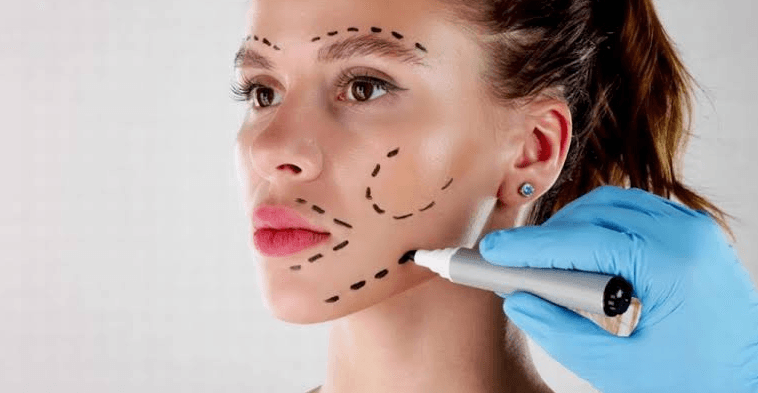
- Patients seeking cosmetic or plastic surgery (rhinoplasty, breast surgery, facelifts, liposuction)
- Patients comparing dental implants, crowns, veneers, or full mouth work
- People traveling for hair transplant procedures (FUE, DHI, Sapphire FUE)
- Patients considering bariatric surgery (gastric sleeve, gastric bypass)
- Orthopedic patients seeking joint replacement or spine care
- Patients exploring IVF or fertility treatment
- Patients seeking eye procedures such as LASIK, cataract surgery, or lens implants
- Selected patients seeking complex hospital-based care in oncology or cardiology
Turkey's treatment mix is now broad enough that the country is no longer defined by a single procedure category.
How Medical Travel to Turkey Works Step by Step

A successful treatment trip follows a structured pathway. The safest approach is not to book the flight first and figure out the rest later. The better method is to build the medical plan and the travel plan together.
1. Choosing the Right Treatment and Destination
The first step is defining exactly what treatment you need and whether it belongs in a clinic setting or a hospital setting. A hair transplant or cosmetic dental case is different from bariatric surgery, hip replacement, or oncology care.
The right city also depends on the treatment type. Istanbul dominates many procedure categories, including hair transplant and cosmetic surgery. Antalya is popular for dental tourism and wellness-focused packages. Ankara and Izmir offer strong hospital-based care, and Bursa is also emerging as a medical travel destination.
2. Sharing Medical Records and Receiving a Treatment Plan
For procedures that involve real medical decision-making, the patient usually shares scans, blood tests, photographs, prior reports, or pathology documents before travel. This allows the clinic or hospital to review whether the patient is a suitable candidate and what the likely treatment plan will be.
This step matters because a provider cannot build a reliable quote or travel plan without understanding the case. It is especially important for orthopedics, fertility treatment, oncology, bariatric surgery, and revision procedures. Many hospitals in Turkey also offer video consultations before travel, so patients can speak directly with a doctor before committing.
3. Comparing Clinics, Doctors, and Treatment Quotes
The next step is comparing the responses properly. This is where many patients make mistakes. Two quotes can look similar while covering very different things.
A good comparison should check:
- What exactly is included in the quoted price
- Whether the quote covers pre-treatment diagnostics and blood work
- Whether anesthesia and hospital stay are included
- Whether airport transfers and hotel accommodation are part of the plan
- Whether medication during the stay is covered
- Whether follow-up checks before departure are included
- Whether the quoted doctor is the actual treating doctor
- What the policy is for complications or revision procedures
This is one of the moments where A-Medical can add real value. The practical advantage is not only collecting quotes, but helping patients understand whether they are comparing like with like.
4. Scheduling Treatment and Confirming Travel Dates
After choosing the provider, the patient confirms the treatment date, the likely hospital or clinic timeline, and the expected stay length. This step should also clarify whether the patient needs to arrive a day early for evaluation, whether a companion is recommended, and whether there is flexibility if the first in-person consultation changes the final plan.
5. Booking Flights, Accommodation, and Transfers

Once the treatment timeline is clear, travel logistics can be booked. Turkey's medical tourism market often includes airport pickup, hotel coordination, and transfer support, especially in major private hospitals and internationally focused clinics.
At this stage, patients should also confirm their visa status. Turkey's official e-Visa system is available for eligible nationalities and is valid for touristic and trade purposes. Other travelers may need a sticker visa or may be visa-exempt depending on nationality. Every traveler, including children, needs their own valid travel authorization where required. Passports generally must remain valid for at least 60 days beyond the permitted stay period.
6. Arriving in Turkey and Attending Your First Consultation
The first in-person consultation usually confirms the treatment plan. This may include a physical examination, repeat imaging, blood work, or a final procedural discussion. Some treatments move forward quickly after this step, while others require small adjustments before the definitive procedure.
This is also the point where the patient should confirm once again what is included in the package and what post-treatment checks will happen before departure.
7. Undergoing Treatment or Surgery
The treatment itself depends on the specialty. A hair transplant or dental procedure may happen in a clinic setting, while bariatric surgery, orthopedics, and many oncology pathways require a full hospital environment.
Turkey's larger international hospital groups, including Acibadem, Memorial Healthcare Group, Anadolu Medical Centre, Liv Hospital, and Florence Nightingale Hospital, offer operating room infrastructure, ICU access where needed, and broad specialty support.
8. Recovery, Follow-Up, and Return Travel
The safest medical travel plan includes enough time for recovery before the return flight. This matters even in smaller procedures, and it matters even more after major surgery. Most cosmetic or dental cases require 5 to 7 days in Turkey, while more complex procedures may need 10 to 14 days.
Patients should know how many follow-up checks are required, whether wound care or rehabilitation will continue after discharge, and what signs would delay travel home. The return flight should be planned around the actual recovery pathway, not around the cheapest ticket.
What Is Usually Included in Medical Travel Packages to Turkey

Medical travel packages in Turkey vary widely, but many include some combination of:
- Pre-arrival case review and video consultation
- In-person consultation and diagnostics
- Treatment or surgery
- Hospital or clinic stay
- Medication during the stay
- Airport transfers
- Hotel accommodation (in selected packages)
- Interpreter or multilingual coordinator support
- Follow-up checks before departure
The exact structure depends heavily on the specialty. A cosmetic package, a dental package, and a joint replacement package should not be expected to include the same items. Patients should treat the word "package" as a starting point, not as proof of full transparency.
Important details to confirm before paying any deposit: the written list of inclusions and exclusions, the clinic's revision or complication policy, and the refund terms in case of cancellation. Some clinics require a 20% to 30% deposit at booking, with the remaining balance due before the procedure.
What Types of Treatments Are Common for Medical Travelers in Turkey

Turkey's most popular medical tourism categories include:
- Cosmetic and plastic surgery: rhinoplasty, breast augmentation, facelifts, tummy tucks, and liposuction
- Dental treatment: implants, veneers, crowns, full mouth rehabilitation, and All-on-4 restorations
- Hair transplant: FUE, DHI, and Sapphire FUE techniques, with Istanbul recognized as a global hub
- Bariatric surgery: gastric sleeve and gastric bypass procedures
- Orthopedic treatment: knee and hip replacement, spine surgery, and sports medicine
- Fertility treatment: IVF, egg freezing, and related reproductive procedures
- Eye treatment: LASIK, cataract surgery, and intraocular lens implants
- Advanced hospital-based care: oncology, cardiac surgery, organ transplant, and neurosurgery
This broad treatment mix is one reason Turkey has become one of the largest health tourism markets in the world. It serves both highly elective and highly clinical patient groups.
How Much Does Medical Treatment in Turkey Cost
There is no single price answer because a hair transplant trip and an oncology pathway are not comparable. Turkey's value comes from relative affordability across many specialties, not from one universal package number. Most patients report savings of 50% to 70% compared to private treatment prices in the US or the UK.
The table below provides approximate cost ranges for some of the most common procedures:
| Procedure | Turkey | UK (Private) | US (Private) | Typical Savings |
|---|---|---|---|---|
| Hair Transplant (3000 grafts) | $1,800 - $3,200 | $9,000 - $14,000 | $10,000 - $20,000 | 70 - 85% |
| Dental Implants (All-on-4) | $3,000 - $4,000 | $9,000 - $17,000 | $15,000 - $25,000 | 65 - 80% |
| Rhinoplasty | $2,500 - $4,500 | $6,000 - $10,000 | $8,000 - $15,000 | 55 - 70% |
| Gastric Sleeve | $3,000 - $5,500 | $8,000 - $14,000 | $15,000 - $25,000 | 60 - 80% |
| Knee Replacement | $6,000 - $9,000 | $12,000 - $20,000 | $30,000 - $50,000 | 55 - 80% |
| IVF (Single Cycle) | $2,500 - $4,500 | $5,000 - $8,000 | $12,000 - $20,000 | 50 - 75% |
| LASIK (Both Eyes) | $1,000 - $1,800 | $3,000 - $5,000 | $4,000 - $6,000 | 55 - 70% |
Note: These are approximate ranges based on commonly reported figures. Actual costs vary depending on the provider, complexity of the case, and package inclusions. Always request a detailed, written quote before committing.
In general, patients often find that the total cost remains attractive even after adding flights and accommodation. Health tourism data from major Turkish providers also shows that international patients spend far more per trip than ordinary tourists, which reflects how treatment cost, not just travel cost, drives this market.
What International Patients Should Prepare Before Traveling

Before traveling, patients should prepare:
- Valid passport and confirmed visa status
- Complete medical records and recent test results
- Current medication list with generic drug names
- Payment method and deposit proof if needed
- Travel insurance details (note that EHIC and GHIC cards are not valid in Turkey)
- Emergency contact information
- Comfortable clothing and recovery items if having surgery
- A realistic post-treatment and follow-up plan
Patients should also confirm whether they will need a companion, especially for bariatric surgery, orthopedics, more extensive plastic surgery, or any treatment involving sedation and reduced mobility.
Is Medical Travel to Turkey Safe
Medical travel to Turkey can be safe, but safety depends much more on the provider than on the country label alone. Stronger safety signals include established private hospital groups, clear international patient departments, realistic package descriptions, and internationally recognized accreditation.
Turkey is home to more than 46 JCI-accredited hospitals, which is one of the highest numbers for any country in the world. Major hospital groups such as Acibadem, Memorial, Anadolu Medical Centre, and Liv Hospital actively operate international patient departments with multilingual staff, dedicated patient coordinators, and structured follow-up protocols.
The Turkish Ministry of Health oversees all health tourism activity and requires providers to hold a valid Health Tourism Authorization Certificate. Infection control, digital recordkeeping, and patient rights are actively enforced.
The biggest safety mistake is assuming that every low-cost package offers the same standard of diagnostics, anesthesia support, infection control, post-operative monitoring, and follow-up planning. The safer pathway is usually the one that stays more transparent from the beginning.
Common Mistakes to Avoid When Planning Medical Tourism

The most common planning mistakes include:
- Choosing a provider based only on price
- Booking flights before the treatment plan is confirmed
- Not checking what the package excludes
- Not allowing enough recovery time before the return flight
- Not understanding who the actual treating doctor will be
- Ignoring follow-up needs after returning home
- Treating every clinic and hospital as interchangeable
- Assuming visa rules are the same for every nationality
- Not arranging travel insurance that covers medical treatment abroad
These mistakes are avoidable, but only if the patient treats the trip as a treatment pathway rather than a travel deal.
How A-Medical Helps You Plan Medical Travel to Turkey
A-Medical is most useful when patients need a clearer, more practical comparison rather than more advertising. The main value is in turning a confusing set of options into a structured plan.
That can include:
- Helping define which provider type fits the treatment
- Organizing records before outreach to clinics and hospitals
- Comparing quotes more realistically so patients understand what they are actually paying for
- Clarifying what is included and what is excluded in each package
- Helping coordinate travel timing with the medical plan
- Making the full treatment, recovery, and follow-up pathway easier to understand
For many patients, that difference matters more than finding one more clinic. The trip becomes easier to manage when the medical decisions and the travel decisions are built together instead of separately.
Frequently Asked Questions About Medical Travel to Turkey
What is medical tourism in Turkey?
Medical tourism in Turkey refers to international patients traveling to Turkey to receive medical, surgical, or dental treatment. Turkey offers a wide range of procedures in accredited hospitals and clinics, often at 50% to 70% lower cost than the US or the UK, with dedicated support for international patients.
Is it safe to get surgery in Turkey?
Yes, medical treatment in Turkey can be safe when patients choose providers carefully. Turkey has more than 46 JCI-accredited hospitals. The Turkish Ministry of Health regulates health tourism providers and requires them to hold authorization certificates. Patients should look for established hospital groups with clear international patient departments and transparent package descriptions.
How much cheaper is treatment in Turkey compared to the UK or the US?
Most patients save between 50% and 70% compared to private treatment costs in the UK or the US. The exact savings depend on the procedure. Hair transplant and dental work tend to offer the largest savings, while more complex hospital-based procedures still offer significant but smaller savings.
Do doctors in Turkey speak English?
Most private hospitals and internationally focused clinics in Turkey have English-speaking doctors and multilingual support staff. Many hospitals also provide dedicated interpreter services and patient coordinators who speak English, German, Arabic, Russian, and other languages.
Do I need a visa to travel to Turkey for medical treatment?
Visa requirements depend on your nationality. Many nationalities can enter Turkey visa-free or obtain an e-Visa online through Turkey's official e-Visa portal. Some patients may need a medical visa, which requires an official invitation letter from the treating hospital. Always check your specific eligibility before booking travel.
What is included in a medical tourism package in Turkey?
Packages vary by provider and procedure, but many include the treatment or surgery itself, hospital stay, pre-treatment diagnostics, airport transfers, hotel accommodation, interpreter support, and follow-up checks before departure. Patients should always request a written list of inclusions and exclusions before paying a deposit.
How long should I stay in Turkey for treatment?
The recommended stay depends on the procedure. Most cosmetic, dental, and hair transplant patients stay between 5 and 7 days. Bariatric, orthopedic, and more complex procedures may require 10 to 14 days. Always follow the treating doctor's advice on when it is safe to fly home.
What happens if I have complications after returning home?
Many Turkish hospitals and clinics offer remote follow-up through video consultations after the patient returns home. Some providers coordinate with the patient's local doctor when needed. Patients should clarify the clinic's policy on post-return complications, including whether revision procedures are covered, before committing to treatment.