Contents
Liver Transplant in Turkey: Costs, Clinics, Surgeons
For patients living with end-stage liver disease, a liver transplant is rarely a question of preference. It is the only intervention that restores long term survival once the organ has lost its ability to regenerate. The challenge is access. A liver transplant in Turkey costs between $45,000 and $75,000, while the same operation runs $550,000 to $878,000 in the United States, around $150,000 in the United Kingdom privately, and $250,000 to $500,000 in Germany. Beyond the price gap, the bigger issue in Western countries is time: the average wait for a deceased donor liver in the UK is 5 to 7 months, and many patients on national lists die before an organ is matched, while NHS or insurance routes often will not even confirm a consultation appointment for international or self pay candidates. This is the practical reason a growing number of families look at liver transplant Turkey options. Hospitals in Istanbul and Ankara can usually schedule a transplant evaluation within 7 to 10 days, run the donor compatibility workup in parallel, and proceed to surgery without a years long queue.
Turkey has built one of the highest volume living donor liver transplant programs in the world. Centers such as Florence Nightingale, Memorial, Acıbadem, Medipol, and Anadolu Medical Center perform hundreds of cases per year, with success rates reported between 85 and 95 percent depending on the underlying disease and the donor type. This guide walks through what the procedure involves, who qualifies, what the realistic liver transplant cost in Turkey includes, how the leading clinics and surgeons compare, and how A-Medical coordinates the medical and travel sides of the trip on your behalf.
What Is a Liver Transplant?

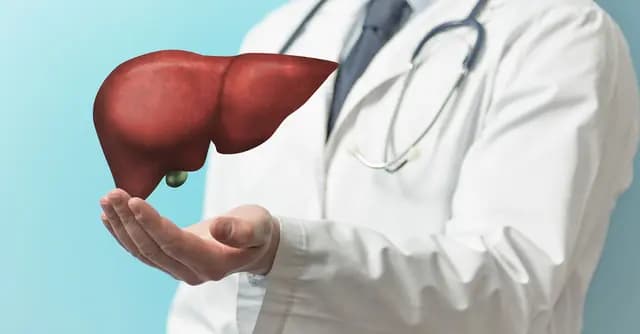
A liver transplant is a surgical procedure in which a diseased or failing liver is replaced with a healthy liver, or part of a liver, taken from a donor. The liver is the only solid organ in the human body that can regenerate, which is why partial grafts from living donors are clinically possible. After surgery, both the donor’s remaining liver and the transplanted segment grow back to nearly full size within two to three months.
The operation itself takes roughly 6 to 12 hours under general anesthesia. Surgeons make an incision across the upper abdomen, clamp and divide the diseased liver from its blood vessels and bile ducts, remove it, and connect the new graft to the recipient’s hepatic artery, portal vein, hepatic veins, and bile duct. After the new liver is in place and confirmed to be perfusing well, the patient is moved to the intensive care unit for the first 3 to 5 days of monitoring before stepping down to a private hospital ward.
Why Turkey for a Liver Transplant?

The reasons international patients choose liver transplant surgery in Turkey are not vague. They are very specific:
- No multi year waiting lists. Turkey runs one of the largest living donor liver transplant programs in the world. With a compatible family donor, surgery can typically be scheduled within 4 to 8 weeks of arrival, compared to 5 to 7 months on the NHS deceased donor list and often longer in the US for non urgent cases.
- Cost that is 70 to 90 percent lower than Western countries. Even after flights, accommodation, and post operative follow up are added, the total spend is a fraction of US private pricing.
- JCI accredited hospitals. Turkey holds one of the largest clusters of Joint Commission International accredited hospitals globally. The same standards used at Memorial Sloan Kettering and Cleveland Clinic apply.
- High volume surgical teams. Several Turkish liver units have performed over 1,500 to 4,500 transplants per surgeon, which directly correlates with lower complication rates.
- English speaking international patient departments. Major hospital groups have full coordinator teams that handle interpretation, hospital admission, and post discharge follow up.
- Direct flight access. Istanbul is within 4 hours of London, Frankfurt, Dubai, Riyadh, and most Eastern European capitals.
For more context on the wider medical tourism ecosystem, our medical tourism in Turkey guide covers JCI hospital coverage, regulatory framework, and patient volumes in detail.
Liver Transplant Cost in Turkey vs Other Countries

The price of a liver transplant depends on whether the donor is living or deceased, the hospital, the surgeon, the length of ICU stay, and the post operative medication protocol. The numbers below reflect 2026 averages reported by major hospital groups and international medical tourism platforms.
- Turkey: $45,000 to $75,000 (full package, including surgery, ICU, ward stay, donor surgery, and standard immunosuppressive medications)
- India: $30,000 to $55,000
- Mexico: $250,000 to $300,000
- United Kingdom (private): approximately $150,000, with NHS waiting list access tied to UKELD scoring and residency
- Germany: $250,000 to $500,000
- United States: $550,000 to $878,000 (covers 30 days pre transplant through 6 months post transplant per UNOS data)
The Turkey package usually covers pre operative evaluation, donor and recipient compatibility testing, the operation itself, anesthesia, ICU stay, hospital ward stay, and standard post operative medications. In US hospitals, donor surgery, ICU care, transplant medications, and follow up are often billed as separate line items, which is one reason the headline US figures are so high.
Patients also save substantially on collateral costs. Bookings, transfers, translation, and follow up are usually bundled into the package when arranged through a coordinator like A-Medical, rather than paid for separately.
Types of Liver Transplant Performed in Turkey
Turkish liver transplant centers offer the full range of surgical techniques. The choice depends on donor availability, the recipient’s clinical urgency, and anatomical compatibility.
- Living Donor Liver Transplant (LDLT): A healthy adult, usually a relative within the fourth degree of kinship as required by Turkish organ transplantation law, donates a portion of their liver. The right lobe is most often used for adult recipients, the left lobe or left lateral segment for pediatric cases. Both donor and recipient livers regenerate to near full size within 2 to 3 months. Around 80 percent of liver transplants in Turkey come from living donors.
- Deceased Donor Liver Transplant (DDLT): The full liver is recovered from a brain dead donor and transplanted into a recipient on the national waiting list. Less common in Turkey than LDLT due to organ supply limits.
- Split Liver Transplant: A single deceased donor liver is divided into two grafts, allowing two recipients (typically one adult and one child) to be transplanted from the same donor. Florence Nightingale was among the first centers globally to perform adult to adult split liver transplant.
- Domino Liver Transplant: Used in patients with familial amyloidosis, where the recipient’s structurally healthy but disease producing liver is removed and transplanted into another recipient who would otherwise wait longer.
- Dual Lobe Living Donor Transplant: Two donors each provide a lobe to a single recipient when neither lobe alone would meet the recipient’s body mass requirements.
- Paired Liver Exchange: Pioneered in Turkey through the Banu Bedestenci Sönmez system at İnönü University, this protocol matches incompatible donor recipient pairs across multiple families to enable transplants that would otherwise be impossible.
Who Needs a Liver Transplant?

A liver transplant is considered when the liver can no longer perform its essential functions and other treatments have failed. The decision is driven by clinical scoring systems (MELD in adults, PELD in children) rather than symptom severity alone. The most common indications include:
- Cirrhosis from any cause, including alcohol related liver disease, non alcoholic fatty liver disease (NAFLD), and metabolic dysfunction associated steatohepatitis (MASH)
- Chronic hepatitis B and hepatitis C that has progressed to end stage liver disease
- Hepatocellular carcinoma (HCC) within Milan criteria, when surgical resection is not possible
- Acute liver failure from drug toxicity, viral hepatitis, or autoimmune hepatitis
- Primary biliary cholangitis (PBC) and primary sclerosing cholangitis (PSC)
- Wilson disease with severe liver involvement
- Alpha 1 antitrypsin deficiency
- Biliary atresia in pediatric cases
- Familial amyloidosis and certain inherited metabolic disorders
Symptoms of Advanced Liver Disease
Patients are usually referred for transplant assessment when liver function declines to the point where daily life is significantly affected. Warning signs include:
- Jaundice (yellowing of the skin and eyes) caused by elevated bilirubin
- Ascites, the buildup of fluid in the abdomen, often unresponsive to diuretics
- Hepatic encephalopathy, with confusion, memory issues, slurred speech, or in severe cases coma
- Variceal bleeding from portal hypertension
- Easy bruising and prolonged clotting due to reduced production of clotting factors
- Severe fatigue, muscle wasting, and unintentional weight loss
- Itching (pruritus) from bile salt accumulation under the skin
- Spider angiomas and palmar erythema
- Frequent infections and reduced immune response
Many of these symptoms also appear in advanced cirrhosis. If you are still at the cirrhotic stage and exploring options before transplant becomes mandatory, our guide on liver cirrhosis treatment in Turkey covers the medical and surgical pathways available at the same hospitals.
Best Liver Transplant Clinics in Turkey

The top tier liver transplant centers in Turkey share three traits: international accreditation, surgical volumes above 100 transplants per year, and full time international patient departments.
- Florence Nightingale Hospital (Istanbul): Home to one of the highest volume liver transplant programs in Turkey. Listed in the European Liver Transplant Database and recognized by the European Society for Organ Transplantation (ESOT) as a designated training center for living donor liver transplant. More than 80 percent of cases are LDLT. Reported success rate above 95 percent for routine cases.
- Memorial Hospitals Group (Istanbul, Ankara, Antalya): JCI accredited, with established living donor and pediatric liver transplant programs. Strong infrastructure across multiple cities, which helps when families are coordinating accommodation and post discharge care.
- Acıbadem Healthcare Group: The largest private hospital group in Turkey by capacity. Operates organ transplant centers in Istanbul with full multidisciplinary support including hepatology, interventional radiology, and standalone transplant ICUs.
- Medipol Mega University Hospital (Istanbul): The first hospital in Turkey to receive JCI Academic Medical Center accreditation. Liver transplant team includes Dr. Onur Yaprak, Dr. Murat Dayangç, and Dr. Hüseyin Çağatay Aydın, all with significant hepatobiliary experience.
- Anadolu Medical Center (Kocaeli, near Istanbul): Affiliated with Johns Hopkins Medicine. Offers integrated transplant evaluation and oncology pathways, particularly relevant for HCC cases.
- Liv Hospital (Istanbul, Ankara): Modern transplant unit with experienced LDLT team and strong international patient infrastructure.
Top Liver Transplant Surgeons in Turkey
Surgeon volume is one of the strongest predictors of liver transplant outcomes. Several Turkish hepatobiliary surgeons rank among the most experienced LDLT operators in the world.
- Prof. Dr. Yıldıray Yüzer (Florence Nightingale Hospital, Istanbul): Trained at Memorial Sloan Kettering Cancer Center. Has performed over 4,500 liver transplants, more than 100 per year, mostly from living donors. First surgeon globally to perform adult to adult right lobe LDLT, dual left lobe LDLT, and split liver transplant to two adults at the same time.
- Prof. Dr. Sezai Yılmaz (İnönü University, Malatya): Pioneered the Banu Bedestenci Sönmez paired liver exchange system. Recipient of the 2024 Ibni Sina Service Award for surgical innovation in transplantation.
- Prof. Dr. Alper Demirbaş (Medical Park Transplantation Center): Heads one of the highest volume liver transplantation units in Turkey, with reported success rates around 95 percent.
- Dr. Onur Yaprak, Dr. Murat Dayangç, Dr. Hüseyin Çağatay Aydın (Medipol Hospital): Experienced LDLT and complex hepatobiliary team.
- Dr. Turan Kanmaz (Koç University Hospital): Director of the liver transplant program with strong pediatric transplant credentials.
- Dr. Ahmet Atasever (Florence Nightingale Hospital): Core member of the Yüzer team, involved in over 95 percent success rate cases for cirrhosis and HCC.
How the Liver Transplant Process Works in Turkey
The full pathway from first inquiry to discharge usually runs across 4 to 12 weeks for the recipient and 2 to 4 weeks for the donor. The structure is broadly similar across major hospitals.
- Remote evaluation. Medical reports, blood work, imaging (ultrasound, CT, or MRI), and the latest MELD score are sent to the hospital. A senior transplant surgeon reviews the case and a written treatment plan plus cost estimate is returned, usually within 2 to 5 working days.
- Donor identification. If LDLT is the chosen route, a compatible donor (usually within the fourth degree of kinship as required by Turkish law) is identified and begins parallel evaluation. Blood typing, liver volume measurement, and psychological screening take place.
- Arrival and final workup. Both recipient and donor undergo full pre operative testing on arrival, including endoscopy, cardiology clearance, infectious disease screening, and final cross matching. This phase typically takes 7 to 14 days.
- Surgery. The donor operation and recipient operation usually run in parallel theaters. Total surgical time ranges from 6 to 12 hours.
- ICU and ward recovery. The recipient spends 3 to 7 days in transplant ICU, then 7 to 14 days on the ward. The donor spends 1 to 2 days in ICU and 5 to 7 days on the ward.
- Outpatient follow up in Turkey. Recipients are typically asked to remain in Turkey for 30 to 60 days post discharge for outpatient monitoring of immunosuppressant levels, liver function, and graft viability. Donors are usually cleared to fly home after 3 to 4 weeks.
- Long term follow up. Lifelong immunosuppression is required, with blood tests every 1 to 3 months in the first year, then every 6 months. Most hospitals offer telemedicine follow up for international patients.
Risks and Complications
A liver transplant is major surgery and carries real risks. Understanding them is part of giving informed consent.
- Acute and chronic graft rejection (occurs in up to 30 percent of cases, highest risk in the first 6 months)
- Bleeding during or after surgery, particularly in patients with pre existing coagulopathy
- Bile duct complications including leaks and strictures (5 to 20 percent)
- Hepatic artery thrombosis (under 5 percent in experienced centers)
- Infections due to immunosuppression, especially in the first 3 months
- Renal dysfunction in the early post operative period (up to 50 percent of cases)
- Pulmonary complications including pneumonia and pleural effusion
- Adverse reactions to immunosuppressants including hypertension, diabetes, and bone density loss
- Recurrence of underlying disease (HCV, HCC, autoimmune hepatitis)
- Re transplantation required in 3 to 5 percent of cases
Best Candidates for Liver Transplant in Turkey
Not every patient with liver disease is a transplant candidate. Centers in Turkey assess each case using the same international criteria used in Europe and North America. Strong candidates typically meet the following:
- Confirmed end stage liver disease, acute liver failure, or HCC within Milan criteria
- MELD score generally above 15 (or UKELD above 49 in UK referenced patients)
- No active substance abuse and at least 6 months of documented sobriety for alcohol related liver disease
- No active uncontrolled infection or untreated extra hepatic malignancy
- Cardiopulmonary fitness sufficient to tolerate prolonged surgery
- A willing and compatible living donor (for LDLT) or eligibility for the deceased donor list
- Realistic ability to comply with lifelong immunosuppression and follow up
- Adequate psychosocial support during recovery
Recovery and Life After a Liver Transplant
Recovery is gradual but clearly mapped. Most patients spend 7 to 14 days in hospital, then 4 to 6 weeks in light recovery before returning to office work. Heavy lifting and intense exercise are usually restricted for 3 months. Full physical recovery typically takes 6 months.
Lifelong immunosuppression (commonly tacrolimus or cyclosporine combined with mycophenolate and short course steroids) is required to prevent rejection. Patients must avoid alcohol permanently, follow vaccination guidance carefully, and maintain a balanced diet to support graft function. Long term survival is good: 1 year graft survival exceeds 90 percent in high volume centers, 5 year survival is around 75 to 80 percent, and many patients live 20 to 30 years post transplant with normal daily activities.
Why Choose A-Medical for Your Liver Transplant in Turkey
A-Medical is a medical tourism coordinator that connects international patients with the highest volume liver transplant centers in Turkey. We do not own the hospitals, which means our recommendations are matched to your case rather than to a single facility.
- No waiting list. We arrange remote evaluation within 2 to 5 working days and confirm a surgical date as soon as donor compatibility is verified.
- Direct match to the best clinic and surgeon for your case. We compare quotes and surgical experience across Florence Nightingale, Memorial, Acıbadem, Medipol, and Anadolu Medical Center based on your medical profile.
- Transparent, all inclusive pricing. A single quote covers surgery, donor operation, ICU, ward stay, and standard post operative medications. No hidden fees.
- Accommodation and transfer support. Hotel or serviced apartment booking near the hospital, plus VIP airport transfers for both recipient and accompanying family.
- Interpreter services in English, Russian, Arabic, German, and other languages throughout the hospital stay.
- Post discharge coordination. Outpatient follow up scheduling, telemedicine review with your surgeon after returning home, and assistance with immunosuppressant prescription continuity.
- One point of contact from first inquiry to long term follow up, so you are not switching between coordinators every step.
If you are still in the early stages of comparing destinations, our explainer on how medical travel to Turkey works outlines the full structured pathway from first inquiry to returning home.
Get a case specific cost estimate and a written treatment plan from 2 to 3 hospitals within 48 hours by contacting our team.
Frequently Asked Questions
How much does a liver transplant cost in Turkey?
A liver transplant in Turkey costs between $45,000 and $75,000 depending on the hospital, the surgeon, and whether the donor is living or deceased. The package usually includes surgery, ICU, ward stay, and standard post operative medications.
How long is the waiting list for a liver transplant in Turkey?
For living donor liver transplant, surgery can typically be scheduled within 4 to 8 weeks once a compatible family donor is confirmed. There is no multi year waiting list of the kind seen in the UK or US deceased donor systems.
What is the success rate of a liver transplant in Turkey?
Top Turkish centers report success rates between 85 and 95 percent, with 1 year graft survival exceeding 90 percent in high volume hospitals like Florence Nightingale and Memorial.
Who can be a living liver donor in Turkey?
Turkish law requires the donor to be within the fourth degree of kinship to the recipient (parent, child, sibling, spouse, aunt, uncle, cousin, and similar), be aged 18 to 60, and pass full medical and psychological screening with a compatible blood type.
How long do I need to stay in Turkey after a liver transplant?
Recipients typically stay 30 to 60 days in total: 7 to 14 days in hospital plus 3 to 6 weeks of outpatient follow up. Donors are usually cleared to fly home after 3 to 4 weeks.
Will my body reject the new liver?
Rejection occurs in up to 30 percent of cases, usually within the first 6 months, and is managed with adjustments to immunosuppressant medication. Most rejection episodes are reversible when caught early through routine blood monitoring.
Can I have a liver transplant in Turkey if I am not a Turkish citizen?
Yes. International patients are accepted at all major liver transplant centers in Turkey, and the donor must usually be a relative within the fourth degree of kinship who travels with the patient. A-Medical handles documentation and coordination on both sides.
Is liver transplant surgery in Turkey safe?
Yes, when performed at a JCI accredited hospital by a high volume surgical team. Success rates and complication profiles in centers like Florence Nightingale, Memorial, and Medipol are comparable to leading transplant programs in Europe and North America.
What happens if my donor is not compatible?
If your designated donor is not a match, the transplant team can either run extended family screening or refer you to the paired liver exchange program at İnönü University, where incompatible donor recipient pairs are matched across multiple families.
For a deeper view of safety standards and what to look for in a Turkish hospital, see our guide on whether Turkey is safe for medical treatment.