Contents
Related Topics
A cancer diagnosis forces families into two fights at once: the medical one and the financial one. That second fight is where cancer treatment in Turkey quietly changes the math for thousands of international patients every year.
A full course of chemotherapy in Turkey typically runs between $1,500 and $3,500 per cycle, immunotherapy packages start at around $2,200, and major oncological surgeries (including tumor resection) begin near $4,500. In the United States, the same immunotherapy course can exceed $100,000, and in the United Kingdom private oncology packages routinely move past $40,000 before any inpatient stay is counted.
Waiting lists in the NHS for suspected cancer referrals can stretch beyond the 62-day target, and private oncology slots in Germany or Switzerland often require deposits of tens of thousands of euros before consultation. In Turkey, JCI-accredited oncology centers can typically schedule initial consultation, PET-CT staging, and a multidisciplinary tumor board review within 5 to 10 days. This combination (affordable pricing, near-zero waiting times, and the ability to book a confirmed appointment inside two weeks) is the core reason families choose Turkey for oncology care over higher-cost destinations.
This guide covers what patients need to know before choosing cancer treatment in Turkey: the types of cancer treated, the technologies used, realistic costs compared to the UK and USA, who qualifies as a candidate, and how A-Medical coordinates every clinical and logistical step on your behalf.
Why Turkey Has Become a Leading Destination for Oncology Care
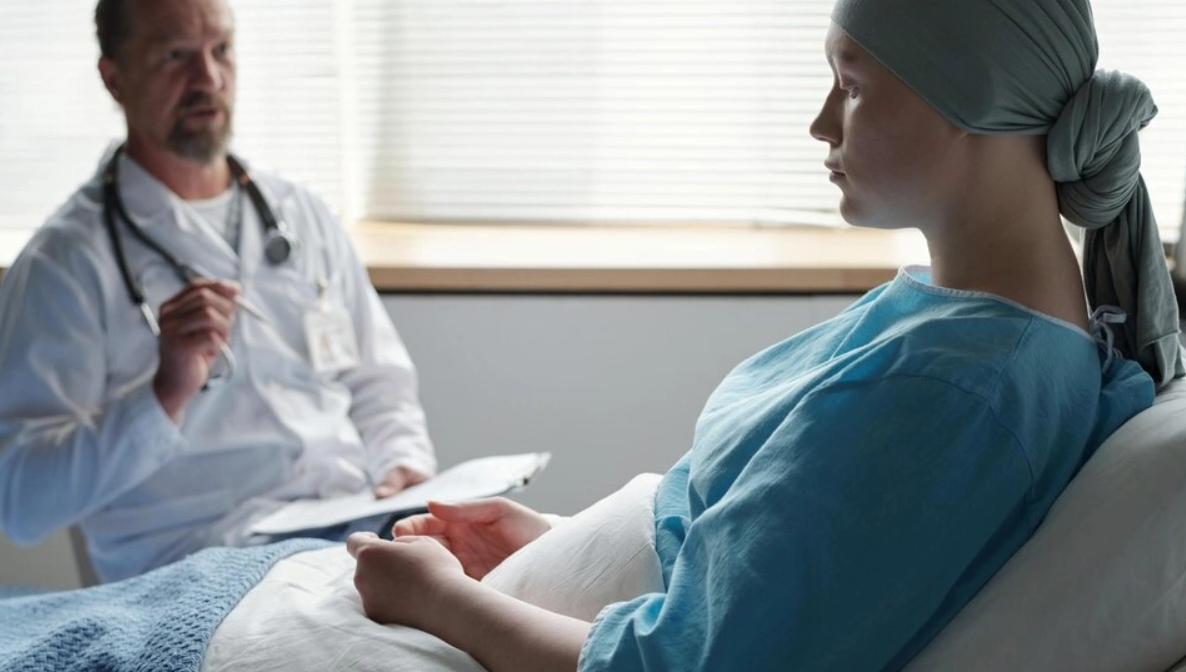
Turkey has built its oncology infrastructure around three principles: international accreditation, technology parity with Western Europe, and high patient volume. Hospitals in Istanbul, Ankara, and Izmir hold Joint Commission International (JCI) accreditation, and their oncology departments work to both ESMO (European Society for Medical Oncology) and NCCN (the US oncology guidelines body) treatment protocols. In practical terms, this means the chemotherapy regimen a patient receives in Istanbul is calibrated against the same evidence-based guidelines used at Memorial Sloan Kettering or the Royal Marsden.
Oncology in Turkey is structured around multidisciplinary tumor boards. For every case, a medical oncologist, radiation oncologist, surgical oncologist, radiologist, pathologist, and (where relevant) a hematologist review scans and biopsies together before a protocol is signed off. This is the same model used in major NHS cancer centers and top European university hospitals, and it significantly reduces misdiagnosis and overtreatment. Notably, international second-opinion reviews performed in Turkish oncology centers have historically found diagnostic corrections in a meaningful share of incoming cases, which is why many patients arrive specifically for a second opinion before deciding on a treatment country.
The technology gap between Turkish oncology hospitals and leading Western centers has effectively closed. Linear accelerators (TrueBeam, Varian Edge, Elekta Versa HD), CyberKnife, Gamma Knife Perfexion, Da Vinci Xi robotic surgical systems, intraoperative radiation therapy (IORT), PET-CT and PET-MRI scanners, and HIPEC (heated intraperitoneal chemotherapy) equipment are all available. This is important: a patient choosing cancer treatment in Turkey is not trading down on technology to save money.
Types of Cancer Treated in Turkey
Turkish oncology centers manage nearly the full spectrum of solid tumors and hematological malignancies. The most common cases among international patients include:
- Breast cancer: from early-stage ductal carcinoma in situ to metastatic HER2-positive disease, including reconstructive options.
- Lung cancer: both non-small cell (NSCLC) and small cell (SCLC), including EGFR, ALK, and PD-L1 biomarker-guided treatment.
- Prostate cancer: active surveillance, robotic prostatectomy, brachytherapy, and advanced hormone therapy.
- Colorectal cancer: laparoscopic and robotic resection, HIPEC for peritoneal carcinomatosis, and adjuvant chemotherapy.
- Liver cancer (HCC) and pancreatic cancer: Whipple procedure, radiofrequency ablation (RFA), TACE, and SBRT.
- Gynecological cancers: cervical, ovarian, uterine, and endometrial cancer, including radical hysterectomy and Wertheim-Meigs procedures.
- Brain tumors: glioblastoma, meningioma, and metastatic brain lesions treated with Gamma Knife or CyberKnife.
- Hematological malignancies: leukemia, lymphoma (Hodgkin and non-Hodgkin), multiple myeloma, and bone marrow transplantation.
- Urological cancers: bladder, kidney, and testicular cancer.
- Skin cancer: melanoma, basal cell carcinoma, and squamous cell carcinoma with immunotherapy protocols.
- Head and neck cancers: laryngeal, thyroid, and nasopharyngeal tumors.
- Pediatric oncology: including neuroblastoma, Wilms tumor, retinoblastoma, Ewing sarcoma, and osteosarcoma.
For families dealing with specific diagnoses, A-Medical maintains specific clinical pathways for cases like bladder cancer, kidney cancer, and colon cancer, where the treatment protocol and clinic selection are already standardized.
Treatment Methods Available in Turkey

Protocols are selected based on tumor type, stage, molecular profile, and patient performance status. Most international cases use a combination rather than a single modality. The main methods used for cancer treatment in Turkey are:
- Surgical oncology: open, laparoscopic, and robotic (Da Vinci) tumor resections. Robotic surgery reduces blood loss, shortens hospital stays, and improves recovery for prostate, colorectal, and gynecological cases.
- Chemotherapy: standard cytotoxic regimens and metronomic chemotherapy, delivered in day-clinic outpatient settings or with inpatient support for high-dose protocols.
- Radiation therapy: IMRT, VMAT, IGRT, stereotactic body radiotherapy (SBRT), brachytherapy, and proton therapy access in selected centers.
- CyberKnife and Gamma Knife: frameless and frame-based stereotactic radiosurgery for brain, spine, liver, lung, and prostate tumors.
- Immunotherapy: checkpoint inhibitors (pembrolizumab, nivolumab, ipilimumab, atezolizumab) and CAR-T cell therapy access in selected hematology centers.
- Targeted therapy: EGFR, ALK, ROS1, BRAF, HER2, and VEGF inhibitors matched to molecular testing.
- Bone marrow and stem cell transplantation: autologous and allogeneic HSCT for leukemia, lymphoma, and myeloma.
- HIPEC (heated intraperitoneal chemotherapy): for peritoneal carcinomatosis from colorectal, gastric, ovarian, and appendiceal cancers.
- Interventional oncology: TACE, TARE (Y-90), RFA, and microwave ablation for liver tumors.
- Palliative and supportive care: integrated pain management, nutritional support, and psycho-oncology services.
Patients specifically seeking immunotherapy in Turkey benefit from access to the same checkpoint inhibitors used in US and European oncology centers, at a fraction of the list price.
Common Symptoms That May Indicate the Need for Oncological Evaluation
Cancer symptoms vary widely by tumor type, but several warning signs consistently lead to referrals for oncological evaluation. If these persist for more than two to three weeks, a specialist consultation is warranted:
- Unexplained weight loss of more than 5% of body weight within six months
- Persistent, unexplained fatigue that does not improve with rest
- A new lump, mass, or thickening anywhere in the body (especially breast, testicle, neck, or armpit)
- Changes in bowel or bladder habits lasting several weeks
- Blood in stool, urine, or sputum
- Persistent cough, hoarseness, or difficulty swallowing
- Non-healing sores, unusual skin lesions, or changing moles
- Chronic bone pain or unexplained fractures
- Night sweats, recurrent low-grade fever, or unexplained anemia
- Abdominal bloating or pelvic pressure lasting more than two weeks (particularly in women)
These symptoms do not confirm cancer. They are triage indicators, meaning they justify imaging, blood work, and (where relevant) biopsy. Turkish oncology centers run one-stop diagnostic programs that compress this workup into 3 to 5 days, which is far faster than the typical referral-to-diagnosis timeline in many public healthcare systems.
Best Candidates for Cancer Treatment in Turkey
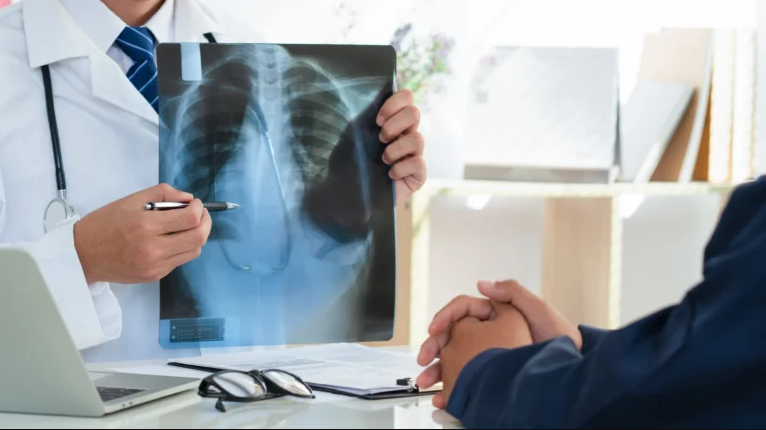
Not every patient is an equally strong candidate for international oncology travel. The ideal candidates typically include:
- Patients with a confirmed diagnosis seeking a second opinion before starting treatment at home.
- Patients on long NHS or public-system waiting lists where delay could affect staging or prognosis.
- Uninsured or underinsured patients in the US facing out-of-pocket costs above $50,000.
- Patients whose home country cannot access specific targeted therapies, immunotherapies, or CAR-T protocols.
- Patients needing complex multi-modality care (surgery plus chemotherapy plus radiation) coordinated under one roof.
- Patients requiring bone marrow transplantation who face 6 to 18 month waits in their home country.
- Patients in reasonable performance status (ECOG 0-2) who can tolerate international travel.
Patients with extremely advanced disease, poor performance status, or hemodynamic instability should stabilize locally before international transfer. A-Medical conducts an initial medical review before confirming travel to ensure each candidate is clinically suitable.
Cost of Cancer Treatment in Turkey vs UK and USA
Cost is the most common reason international patients choose Turkey, and the gap is not marginal. The table below compares typical 2026 private-pay ranges for common oncology interventions.
|
Procedure |
Turkey |
United Kingdom |
United States |
|---|---|---|---|
|
Chemotherapy (per cycle) |
$1,500 to $3,500 |
$5,000 to $12,000 |
$10,000 to $30,000 |
|
Immunotherapy (full course) |
$2,200 to $15,000 |
$40,000 to $90,000 |
$80,000 to $150,000+ |
|
Targeted therapy (course) |
$5,000 to $20,000 |
$30,000 to $70,000 |
$70,000 to $150,000 |
|
Radiation therapy (full course) |
$3,000 to $8,000 |
$15,000 to $35,000 |
$25,000 to $50,000 |
|
Tumor removal surgery |
$4,500 to $15,000 |
$18,000 to $45,000 |
$30,000 to $80,000 |
|
Bone marrow transplant |
$35,000 to $70,000 |
$180,000 to $300,000 |
$300,000 to $800,000 |
|
CyberKnife / Gamma Knife |
$7,000 to $12,000 |
$25,000 to $50,000 |
$40,000 to $90,000 |
The price advantage does not come from lower-quality drugs or equipment. It comes from lower operational costs (labor, facility overhead, pharmaceutical import pricing), high patient throughput, and Turkey's strategic investment in medical tourism as a national industry. A full course of cancer treatment in Turkey combining surgery, chemotherapy, and radiation usually falls between $15,000 and $40,000, compared with $80,000 to $200,000 in the United States for the same protocol.
For context on how these savings translate across other oncology categories, A-Medical also publishes detailed country-level guides on the best countries and hospitals for cancer treatment.
Benefits of Choosing Turkey for Cancer Treatment
Beyond cost, several structural advantages make Turkey a practical choice for international oncology patients:
- No waiting list. Most international patients begin diagnostics within 7 days of contact, and systemic therapy within 10 to 14 days of arrival.
- Technology parity. CyberKnife, Gamma Knife, Da Vinci robotic surgery, PET-CT, and advanced molecular diagnostics are available in all major oncology hospitals.
- Accredited hospitals. JCI-accredited centers follow ESMO and NCCN protocols without deviation.
- English-speaking oncology teams. Patient-facing oncologists, nurses, and coordinators communicate fluently in English, with Arabic, Russian, and German support available.
- Molecular and genetic testing included. Full tumor genomic profiling (FoundationOne, Oncomine) is typically bundled into the treatment package rather than billed separately.
- Bundled pricing. Quotes usually include consultations, imaging, hospital stay, and medications, which reduces the billing surprises common in US private oncology.
- Short recovery stays with tourism support. Between treatment cycles, patients can stay in hotel accommodations organized near the clinic, with transfers and translation included.
- Direct flights. Istanbul is reachable in 3 to 4 hours from most European capitals and under 11 hours from the US East Coast.
Risks and Considerations
International oncology care, like any medical treatment, carries risks that families should understand before deciding:
- Treatment-related side effects. Chemotherapy, radiation, and immunotherapy all carry standard toxicity profiles (neutropenia, mucositis, immune-related adverse events).
- Surgical complications. Bleeding, infection, and anastomotic leaks are inherent risks of oncological surgery regardless of country.
- Travel fatigue and infection risk. Immunosuppressed patients should time their return flights around nadir periods.
- Continuity-of-care gaps. Follow-up imaging and bloodwork must be coordinated with a physician at home. A-Medical handles discharge summaries and referral letters in the patient's native language.
- Clinical trial eligibility. If a patient qualifies for a trial at home, treatment abroad may disqualify them from that specific study.
- Insurance reimbursement. Most private UK and US insurers do not reimburse international oncology care. Patients should confirm scope before booking.
Top Oncology Hospitals in Turkey
Turkey's oncology landscape includes a wide network of internationally accredited hospitals and specialized cancer centers. The following institutions are among the most frequently chosen by international patients seeking cancer treatment in Turkey, each offering advanced diagnostic and therapeutic capabilities across multiple cancer types.
American Hospital Istanbul
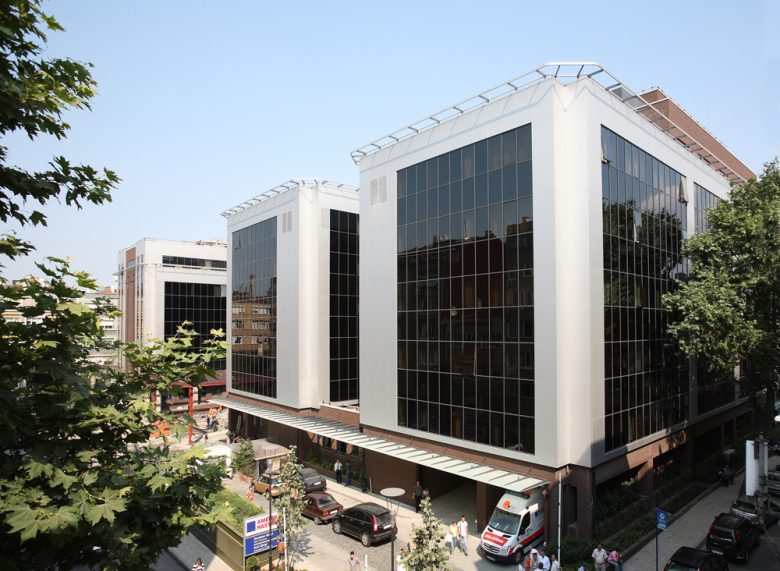
American Hospital Istanbul is one of Turkey's oldest and most established private hospitals, with a dedicated oncology department offering multidisciplinary tumor boards, advanced radiation therapy, and robotic surgery. The hospital holds JCI accreditation and has a long track record of treating international patients across a wide range of cancer types.
KOC University Hospital
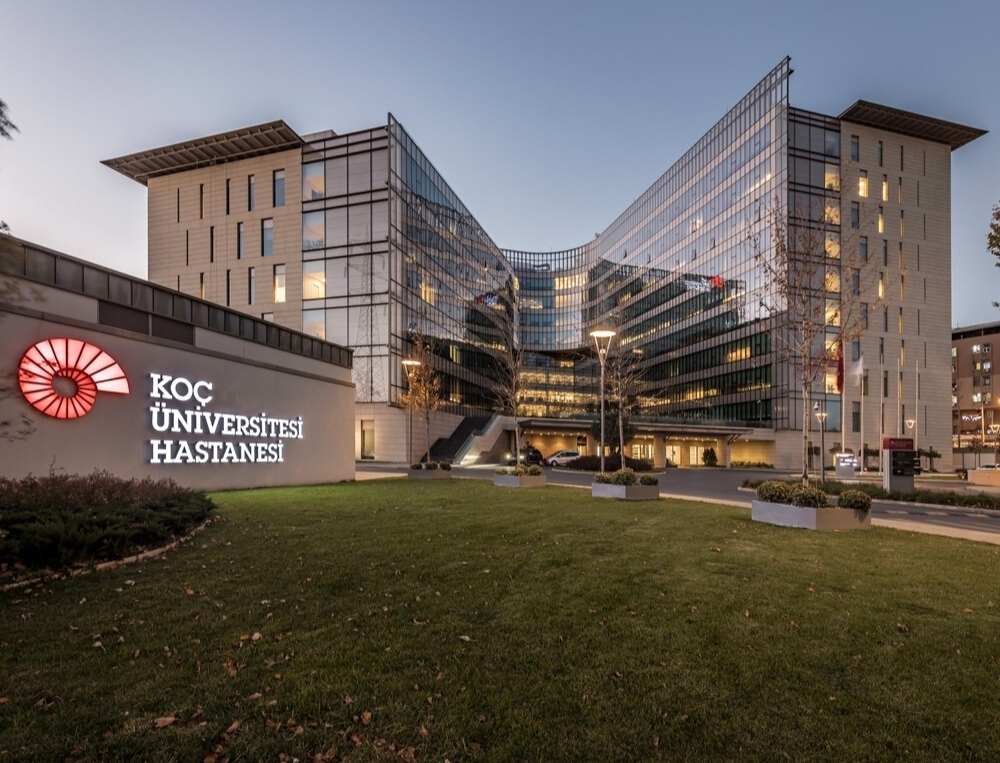
KOC University Hospital combines academic research with clinical oncology care. Its cancer center provides access to cutting edge molecular diagnostics, immunotherapy protocols, and bone marrow transplantation programs, supported by a faculty of internationally trained oncologists.
Optimed Health Group
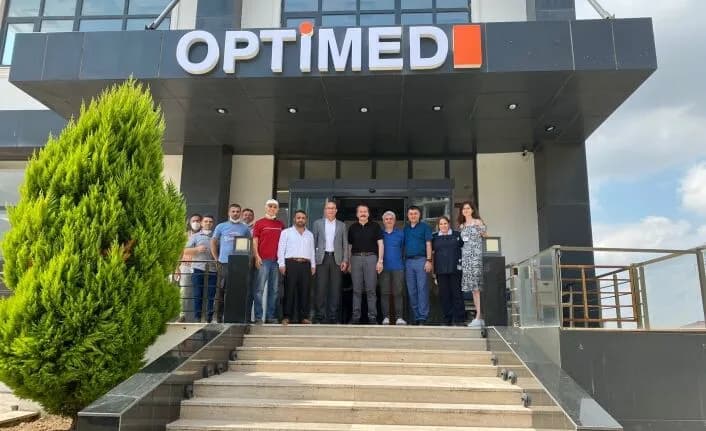
Optimed Health Group offers coordinated oncology services with a focus on accessibility and personalized treatment planning for international patients. The group provides chemotherapy, targeted therapy, and surgical oncology pathways with streamlined logistics for patients traveling from abroad.
Hisar Hospital Intercontinental
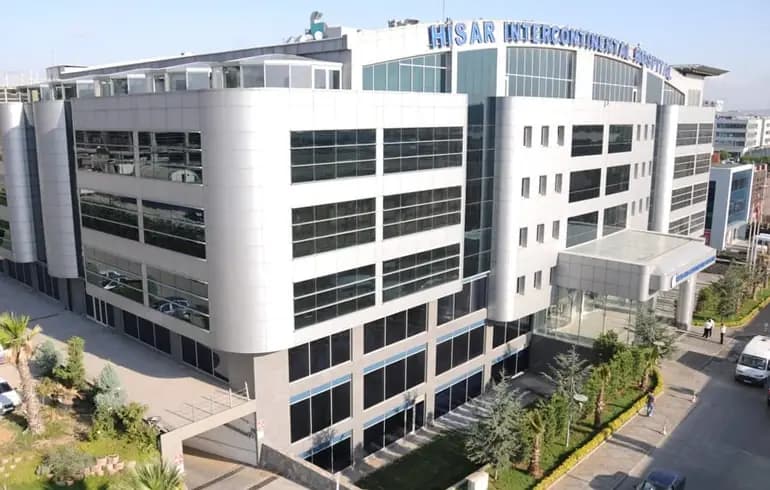
Hisar Hospital Intercontinental operates a comprehensive oncology unit with capabilities in surgical oncology, systemic therapy, and palliative care. The hospital is known for its patient centered approach and serves a significant number of international cases each year.
Medipol Mega University Hospital
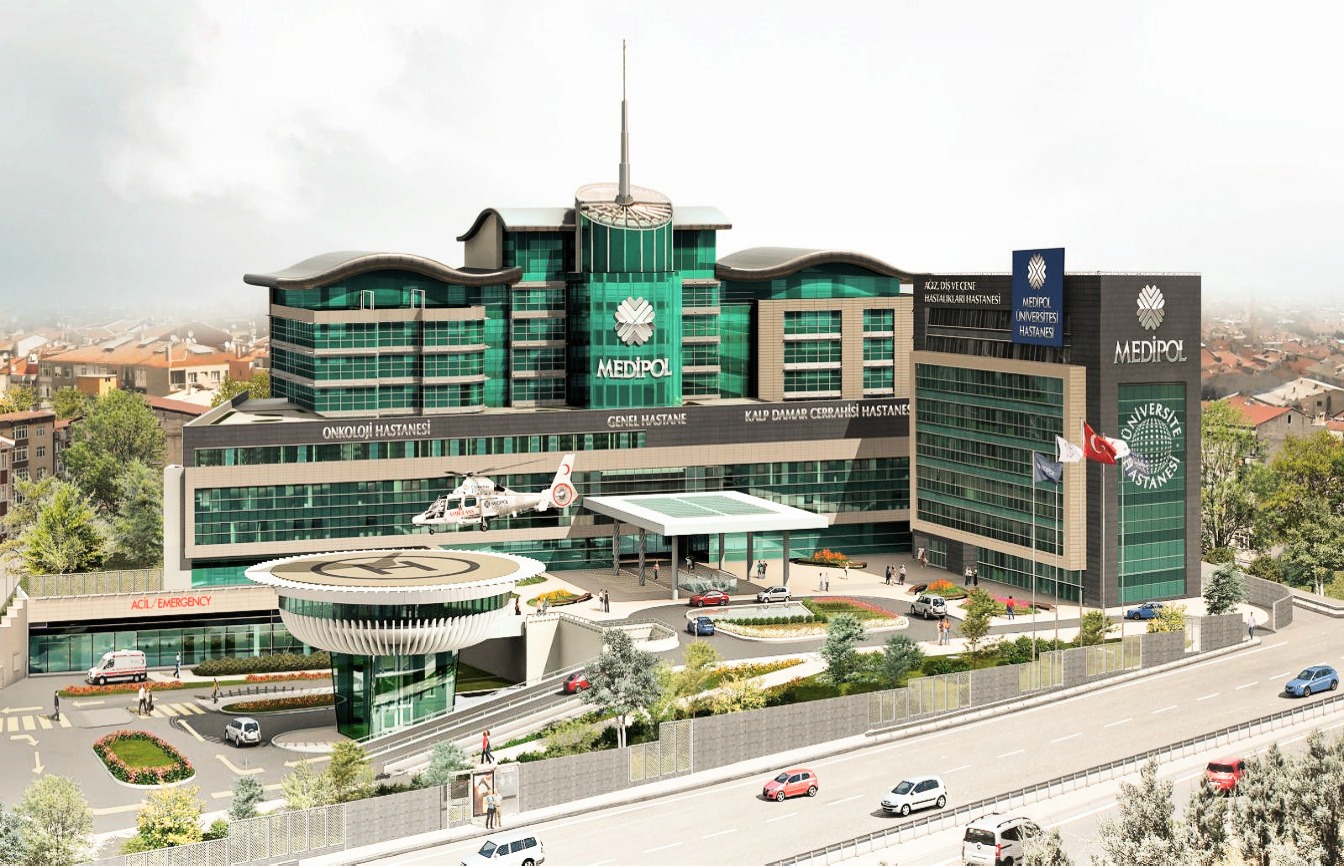
Medipol Mega University Hospital is one of the largest private university hospitals in Turkey, with a dedicated oncology center equipped with PET CT, CyberKnife, and Da Vinci robotic surgical systems. Its hematology and bone marrow transplant unit is among the most active in the country.
Lokman Hekim Health Group
![Hip Replacement Surgery in Turkey: Cost, Best Hospitals & Recovery [2026] related image](https://amedical.az/storage/blog/content/2026/04/db8c8c99-c5e1-4e77-b12c-4b2a80e3ed8b.png)
Lokman Hekim Health Group provides oncology care across multiple hospital campuses, with services ranging from diagnostic imaging and biopsy to full course chemotherapy, radiation therapy, and surgical tumor removal.
Acibadem Healthcare Group

Acibadem Healthcare Group is one of Turkey's largest hospital networks, with multiple JCI accredited campuses offering specialized oncology departments. Its cancer centers provide access to proton therapy, HIPEC, CAR T cell therapy, and advanced genomic profiling across locations in Istanbul and other major cities.
Anadolu Medical Center
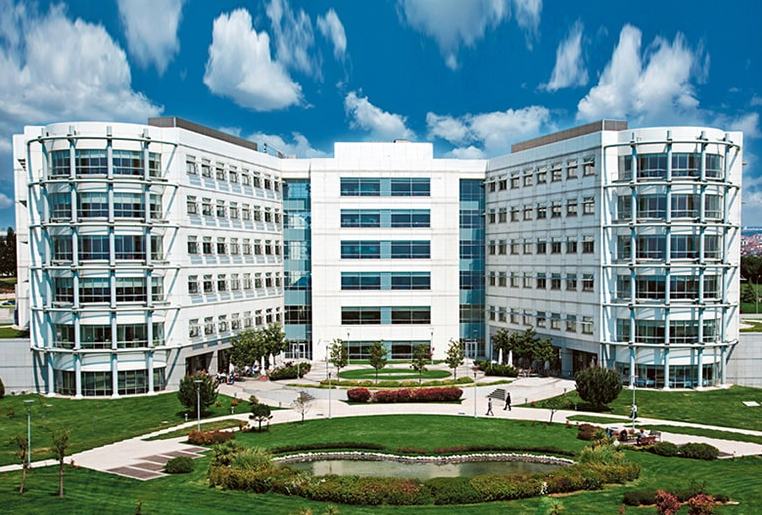
Anadolu Medical Center operates in affiliation with Johns Hopkins Medicine and is widely regarded as one of Turkey's leading oncology destinations. The center offers a full spectrum of cancer care, including bone marrow transplantation, stereotactic radiosurgery, and comprehensive molecular testing.
Liv Hospital

Liv Hospital features dedicated oncology floors with advanced radiation therapy suites, robotic surgery infrastructure, and integrated supportive care services. The hospital emphasizes a multidisciplinary approach and provides oncology care guided by international treatment protocols.
Memorial Hospital
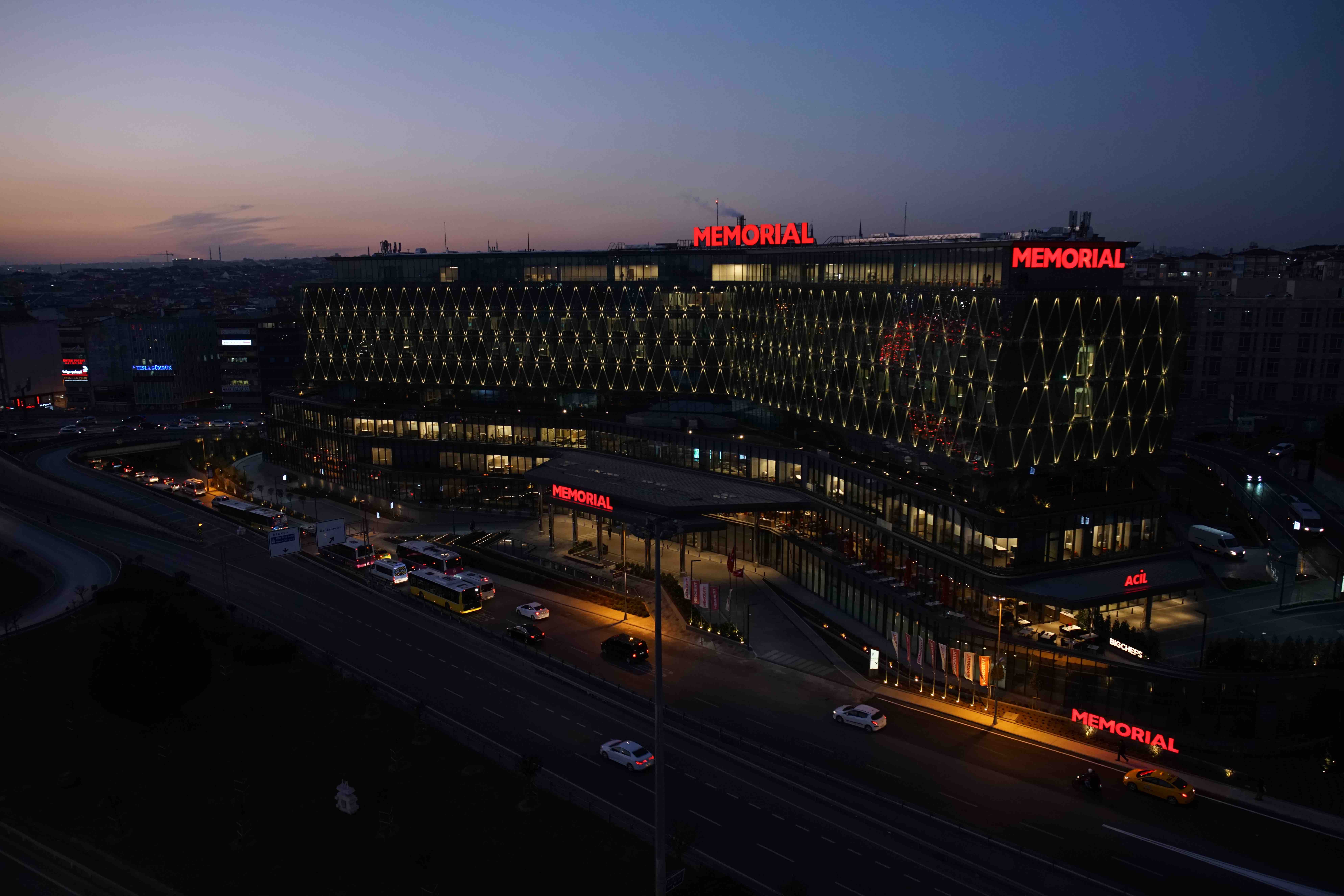
Memorial Hospital is one of Turkey's most recognized names in oncology, with specialized cancer centers across multiple campuses. Its oncology departments are equipped for complex surgical resections, high dose chemotherapy, immunotherapy, and interventional oncology procedures.
Medicana Healthcare Group

Medicana Healthcare Group operates oncology departments across several hospitals in Turkey, offering chemotherapy, radiation therapy, surgical oncology, and palliative care services. The group is known for competitive pricing and accessibility for international patients.
Florence Nightingale Hospitals
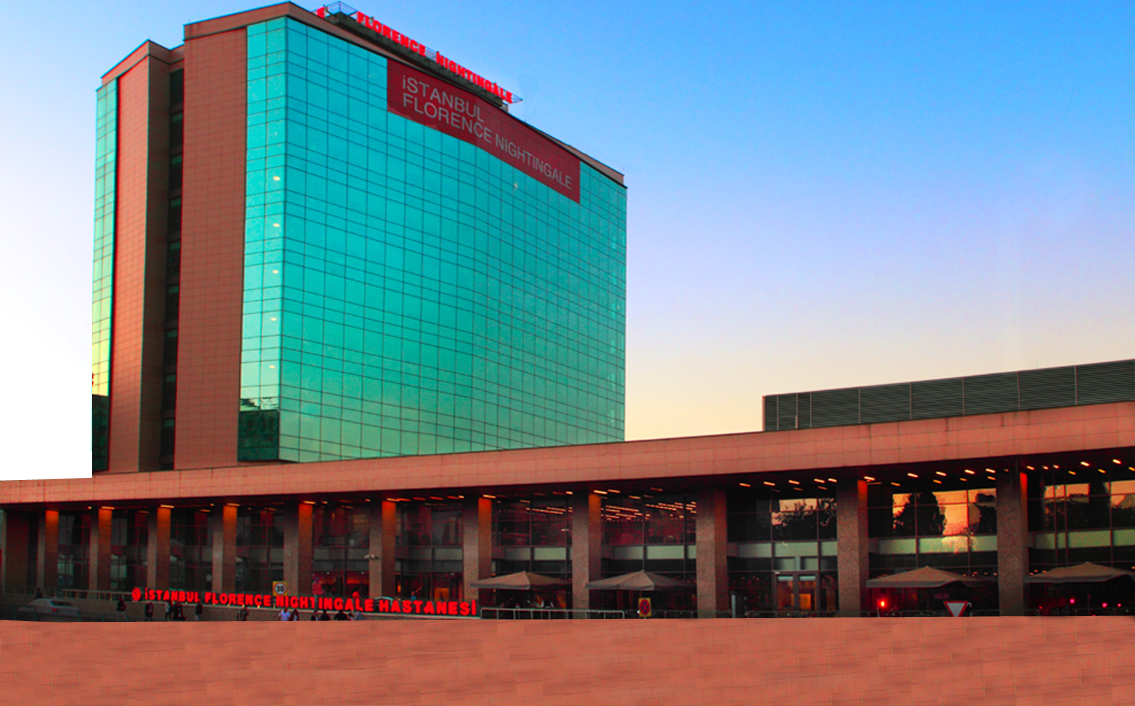
Florence Nightingale Hospitals have a long standing presence in Turkish healthcare, with oncology units that provide diagnostic workup, systemic therapy, and surgical treatment. The group holds international accreditations and offers multilingual patient support for oncology cases from abroad.
How A-Medical Coordinates Your Cancer Treatment in Turkey

A-Medical is a medical tourism coordinator, not a hospital. Our role is to match the patient's pathology and budget with the right clinic and oncologist, then handle every non-clinical detail so families can focus on treatment. Here is what working with A-Medical means in practice:
- No waiting lists. We book confirmed appointments, typically within 7 to 14 days of your first contact.
- Clinic and doctor matching. We match each case to JCI-accredited oncology centers with the specific sub-specialty expertise your diagnosis requires, whether that is thoracic surgery, hematology, or pediatric oncology.
- Affordable bundled pricing. We negotiate transparent, all-inclusive quotes so patients know the full cost before arrival.
- Free second-opinion review. Your scans and pathology are reviewed by a Turkish oncology team before travel, so treatment planning starts before you board the plane.
- Airport transfers and accommodation. We arrange pickups, hotels within walking distance of the hospital, and inter-city transfers when needed.
- Professional medical translators. Medical-grade interpretation is provided for every consultation, tumor board discussion, and consent conversation.
- 24/7 patient coordinator. A single point of contact handles appointment changes, emergency issues, and day-to-day questions.
- Post-treatment follow-up support. We provide full discharge documentation and coordinate remote follow-up with your Turkish oncologist for up to 12 months.
If you or a family member needs a treatment plan and a clear price for cancer treatment in Turkey, A-Medical can build a patient-specific itinerary within 48 hours of receiving your medical records. Contact A-Medical to start with a free case review.
Leading Cities and Hospitals for Oncology in Turkey
Three cities concentrate the majority of Turkey's advanced oncology capacity:
- Istanbul: the largest cluster of JCI-accredited hospitals, with specialized centers for hematology, bone marrow transplantation, and robotic oncological surgery. Most international patients begin here.
- Ankara: strong in radiation oncology and pediatric oncology, with major university-affiliated cancer centers.
- Izmir and Antalya: growing oncology infrastructure with shorter patient lists and easier logistics for patients already combining treatment with recovery in coastal Turkey.
Hospital selection is not one-size-fits-all. A bone marrow transplant candidate has different clinic requirements than a patient seeking robotic prostatectomy or stereotactic radiosurgery for a brain metastasis. A-Medical matches each case to the specific center and surgeon with the strongest track record for that pathology.
Recovery, Follow-Up, and Aftercare
Most systemic oncology protocols (chemotherapy, immunotherapy, targeted therapy) run in cycles of 14 to 28 days. Patients typically complete the first 1 to 2 cycles in Turkey, then either continue subsequent cycles with a local oncologist at home (with the Turkish center's protocol as a reference) or return for each cycle if logistics allow.
For surgical cases, inpatient stays range from 2 days (minor resections) to 10 days (major abdominal or thoracic surgery, bone marrow transplantation). A recovery period of 7 to 21 days in local hotel accommodation usually follows before patients are cleared to fly. Imaging follow-ups (PET-CT or MRI) are typically scheduled at 3-month intervals for the first year, and A-Medical helps coordinate remote review of local follow-up scans with the treating Turkish oncologist when patients prefer this continuity.
Frequently Asked Questions
How much does cancer treatment in Turkey cost in 2026?
Cancer treatment in Turkey in 2026 typically costs between $1,500 and $3,500 per chemotherapy cycle, $2,200 to $5,400 for standard immunotherapy, and $15,000 to $40,000 for a full multi-modality treatment course combining surgery, chemotherapy, and radiation. This is roughly 50 to 80 percent lower than equivalent care in the United Kingdom or United States.
How long do I have to wait for an appointment in Turkey?
Waiting times for cancer treatment in Turkey are typically 7 to 14 days from first contact to the first consultation and diagnostic workup. Through A-Medical, most international patients begin diagnostics within one week of arrival and start systemic treatment within two weeks, with no official waiting list.
Are Turkish oncology hospitals internationally accredited?
Yes. Leading oncology hospitals in Istanbul, Ankara, and Izmir hold Joint Commission International (JCI) accreditation and operate to ESMO and NCCN treatment protocols, the same clinical guidelines used in top European and US cancer centers.
Can I receive immunotherapy and CAR-T therapy in Turkey?
Yes. Immunotherapy with checkpoint inhibitors (pembrolizumab, nivolumab, ipilimumab) is widely available in Turkish oncology centers, and CAR-T cell therapy is accessible in selected hematology programs for eligible leukemia and lymphoma patients.
Does A-Medical help with visa, accommodation, and airport transfers?
A-Medical coordinates all non-medical logistics, including visa invitation letters, airport transfers, hotel bookings near the treating hospital, medical interpreters, and inter-city transport if treatment spans more than one city. Patients receive a single 24/7 coordinator throughout their stay.
Is the quality of cancer treatment in Turkey comparable to the UK or USA?
The quality of cancer treatment in Turkey is clinically comparable to leading UK and US oncology centers when patients select JCI-accredited hospitals and board-certified oncologists. Turkish centers use the same drugs, imaging technology (PET-CT, MRI, CyberKnife, Da Vinci), and international protocols, but at significantly lower cost and without extended waiting lists.
Will my home insurance cover cancer treatment abroad?
Most private UK and US health insurance plans do not reimburse planned international oncology care. A small number of international and expat plans do cover treatment abroad partially, and patients should confirm specific policy scope in writing before travel.
How do I start the process with A-Medical?
To start cancer treatment in Turkey with A-Medical, send your recent medical records, pathology reports, and imaging through our website. Within 48 hours, you receive a preliminary treatment plan, a matched clinic recommendation, and a transparent all-inclusive price quote with no obligation to proceed.
Starting Your Cancer Treatment in Turkey
For international patients, the decision about where to receive oncology care is ultimately about three things: clinical outcomes, cost, and speed of access. Cancer treatment in Turkey offers competitive results on all three. JCI-accredited hospitals, internationally trained oncologists, same protocols used in leading Western centers, 50 to 80 percent lower costs than the UK and USA, and waiting times measured in days rather than months.
A-Medical handles the full coordination so patients and families can focus on recovery. If you want a case review, a matched clinic recommendation, and a clear price before making any decision, reach out to A-Medical today and we will return a complete treatment proposal within two business days.