Contents
Oral Cancer Treatment in Turkey
Oral cancer treatment in Turkey offers patients access to world-class oncology care at a fraction of the cost found in Western countries. While surgery, radiation, and chemotherapy for mouth cancer can exceed $50,000 to $150,000 in the United States and between $20,000 to $60,000 in the United Kingdom, the same procedures in Turkey typically range from $5,000 to $20,000 depending on the cancer stage and treatment plan. Turkey's JCI-accredited hospitals, experienced head and neck oncologists, and comprehensive medical tourism infrastructure make it one of the most sought-after destinations for international patients seeking high-quality cancer care. Whether you need surgical tumor removal, intensity-modulated radiation therapy (IMRT), or a combination of chemotherapy and immunotherapy, Turkish oncology centers deliver outcomes comparable to top European and American institutions.
What Is Oral Cancer?
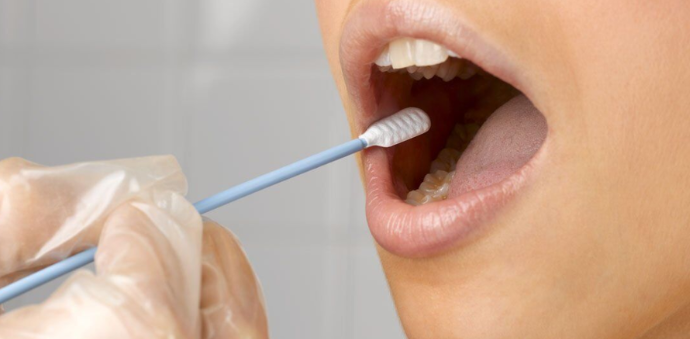
Oral cancer refers to the uncontrolled growth of malignant cells in any part of the oral cavity or oropharynx. This includes cancers of the lips, tongue, floor of the mouth, inner lining of the cheeks (buccal mucosa), gums (gingiva), hard palate, and the area behind the wisdom teeth (retromolar trigone). Oropharyngeal cancers, which develop at the base of the tongue, tonsils, and soft palate, are often grouped under the same clinical umbrella.
The vast majority of oral cancers, roughly 90%, are squamous cell carcinomas (SCC) that originate in the thin, flat cells lining the mucosal surfaces. Less common types include verrucous carcinoma, mucoepidermoid carcinoma, adenoid cystic carcinoma, and minor salivary gland tumors. Oral cancer falls within the broader classification of head and neck cancers and is staged using the TNM (Tumor, Node, Metastasis) system established by the American Joint Committee on Cancer (AJCC).
Globally, oral cancer ranks among the top ten most common malignancies, with an estimated 377,000 new cases diagnosed each year according to GLOBOCAN data. Early detection remains critical: the five-year survival rate for localized oral cancer is approximately 80 to 85%, but drops below 40% once the disease reaches regional lymph nodes or distant sites.
Symptoms of Oral Cancer
Recognizing the early signs of oral cancer can significantly improve treatment outcomes. In many cases, early-stage mouth cancer produces subtle symptoms that patients dismiss as minor issues. However, persistent or worsening signs should prompt an immediate medical evaluation.
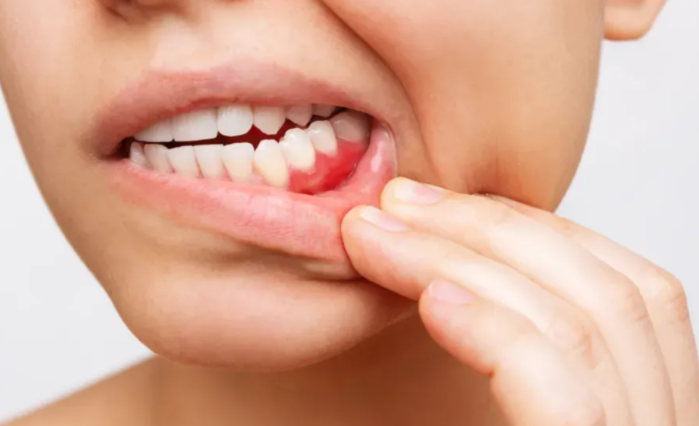
Common symptoms include a non-healing sore or ulcer on the tongue, gums, or inner cheek that lasts longer than two weeks; unexplained bleeding in the mouth; red patches (erythroplakia) or white patches (leukoplakia) on the oral mucosa; persistent pain or tenderness in the mouth or lips; a lump, thickening, or rough spot inside the mouth; difficulty chewing, swallowing, or moving the jaw or tongue; numbness in the tongue or other areas of the mouth; chronic sore throat or hoarseness that does not resolve; swelling of the jaw that causes dentures to fit poorly; and unexplained weight loss.
Advanced oral cancer may also present with ear pain (referred otalgia), swollen cervical lymph nodes, and difficulty opening the mouth fully (trismus). Any combination of these symptoms warrants a thorough examination by a dentist, oral surgeon, or oncologist.
Causes and Risk Factors of Oral Cancer
Oral cancer develops when the DNA in squamous cells undergoes mutations that cause uncontrolled cell division. While the precise trigger varies from patient to patient, several well-established risk factors substantially increase the likelihood of developing mouth cancer.
Tobacco use remains the single greatest risk factor. Cigarette, cigar, and pipe smokers are six times more likely to develop oral cancer than non-smokers. Smokeless tobacco products, including chewing tobacco, snuff, and gutka, are especially linked to cancers of the cheeks, gums, and inner lip, with users facing up to 50 times the risk of non-users.
Excessive alcohol consumption independently raises risk by approximately six times. When combined with tobacco use, the risk multiplies significantly because alcohol acts as a solvent that enhances the penetration of carcinogens from tobacco into the oral mucosa.
Other notable risk factors include infection with high-risk strains of human papillomavirus (HPV), particularly HPV-16, which is strongly associated with oropharyngeal squamous cell carcinoma; prolonged and unprotected sun exposure (a primary driver of lip cancer); betel quid and areca nut chewing (prevalent in South and Southeast Asia); a diet low in fruits and vegetables; chronic irritation from ill-fitting dental prostheses or broken teeth; gastroesophageal reflux disease (GERD); prior radiation therapy to the head and neck region; a family history of squamous cell cancers; genetic predisposition syndromes such as Fanconi anemia; and immunosuppression from organ transplant medications or HIV infection.
It is important to note that more than 25% of oral cancer cases occur in individuals who have no history of tobacco or heavy alcohol use, highlighting the role of HPV and other less understood factors.
How Oral Cancer Is Diagnosed in Turkey
Turkish oncology centers follow international diagnostic protocols endorsed by the National Comprehensive Cancer Network (NCCN) and the European Society for Medical Oncology (ESMO). The diagnostic pathway for oral cancer in Turkey typically includes multiple stages designed to confirm the diagnosis, determine the histological type, and accurately stage the disease.
- Clinical examination: An ENT specialist or oral and maxillofacial surgeon performs a thorough physical examination of the oral cavity, oropharynx, neck, and head. This includes visual inspection under white light and palpation of the tongue, floor of the mouth, and cervical lymph nodes.
- Biopsy: A tissue sample is obtained from the suspicious lesion for histopathological analysis. Depending on the situation, incisional biopsy, excisional biopsy, fine-needle aspiration (FNA) of lymph nodes, or brush cytology may be used. The biopsy confirms the cancer type, grade, and molecular markers.
- Imaging studies: Contrast-enhanced MRI and CT scans are the standard for evaluating tumor size, depth of invasion, bone involvement, and lymph node status. PET-CT scanning is used to detect distant metastases and evaluate the overall disease burden. Orthopantomography (panoramic X-ray) is also useful for assessing mandibular involvement.
- Molecular and biomarker testing: HPV testing (p16 immunohistochemistry) is routinely performed for oropharyngeal tumors, as HPV-positive cancers generally carry a better prognosis and may respond differently to treatment. Additional molecular profiling may guide targeted therapy and immunotherapy decisions.
The multidisciplinary tumor board, a standard feature at major Turkish oncology hospitals, reviews all diagnostic findings to create a personalized treatment plan for each patient.
Stages of Oral Cancer
Staging oral cancer accurately is essential for selecting the most effective treatment approach. The AJCC TNM staging system is universally applied in Turkey's cancer centers.
- Stage 0 (Carcinoma in Situ): Abnormal cells are present only in the surface layer (epithelium) and have not invaded deeper tissues. This stage is highly treatable with local excision.
- Stage I: The tumor is 2 cm or smaller in its greatest dimension with a depth of invasion (DOI) of 5 mm or less. There is no spread to lymph nodes or distant sites.
- Stage II: The tumor is either larger than 2 cm but not more than 4 cm, or has a DOI between 5 mm and 10 mm. No lymph node involvement.
- Stage III: The tumor exceeds 4 cm or has a DOI greater than 10 mm, or the cancer has spread to a single ipsilateral lymph node measuring 3 cm or smaller without extranodal extension.
- Stage IVA/IVB (Locally Advanced): The tumor invades adjacent structures such as the mandible, maxillary sinus, or skin of the face, or there is extensive lymph node involvement. Stage IVB indicates very advanced local or regional disease.
- Stage IVC (Metastatic): Cancer has spread to distant organs such as the lungs, liver, or bones.
Patients diagnosed at Stage I or II have significantly better outcomes than those with advanced-stage disease. This reinforces the importance of early screening and prompt referral to a specialized head and neck cancer center.
Who Is a Good Candidate for Oral Cancer Treatment?
Not every patient follows the same treatment path. Candidacy for specific oral cancer treatments depends on several medical and personal factors that the oncology team evaluates carefully.
Ideal surgical candidates are patients with Stage I or Stage II tumors that can be excised with clear margins without significantly compromising speech, swallowing, or appearance. Patients with locally advanced tumors (Stage III and IVA) may still be surgical candidates if reconstructive surgery can restore function and form after tumor removal. Radiation therapy candidates include patients with early-stage tumors who prefer organ preservation, post-surgical patients who need adjuvant treatment to eliminate residual disease, and patients who are not suitable for surgery due to medical comorbidities. Chemotherapy and chemoradiation are typically recommended for patients with advanced-stage disease, high-risk pathological features (positive margins, perineural invasion, lymphovascular invasion), or recurrent cancer. Immunotherapy candidates generally include patients with recurrent or metastatic squamous cell carcinoma whose tumors express PD-L1, or those who have progressed after platinum-based chemotherapy.
International patients traveling to Turkey for treatment should have a confirmed histopathological diagnosis and recent imaging studies. The medical team at A-Medical can review your records and determine candidacy before you travel.
Types of Oral Cancer Treatment in Turkey
Turkey's leading oncology hospitals offer the full spectrum of evidence-based treatment modalities for oral cancer treatment in Turkey. Treatment plans are typically designed by a multidisciplinary team that includes a surgical oncologist, radiation oncologist, medical oncologist, pathologist, radiologist, and supportive care specialists.
Surgical Treatment for Oral Cancer
Surgery remains the primary curative treatment for most oral cancers, especially in Stages I through III. The goal is to remove the tumor with adequate margins while preserving as much function and appearance as possible. Common surgical procedures include:
- Glossectomy (partial or total removal of the tongue), used when cancer affects the tongue body. Partial glossectomy for small tumors allows most patients to retain intelligible speech and adequate swallowing function.
- Mandibulectomy (marginal or segmental), performed when cancer invades or abuts the jawbone. Marginal resection preserves mandibular continuity, while segmental resection requires reconstructive repair.
- Maxillectomy (partial or total), indicated for cancers of the hard palate or upper gum that extend into the maxillary sinus.
- Neck dissection is frequently performed alongside the primary tumor removal to address cervical lymph node metastases. Selective neck dissection targets specific nodal levels at risk, while modified radical or radical neck dissection is reserved for more extensive nodal involvement.
Turkish surgeons routinely use robotic-assisted surgery (Da Vinci Surgical System) and transoral robotic surgery (TORS) for selected oropharyngeal tumors, offering minimally invasive access, less tissue damage, and faster recovery.
Radiation Therapy
Radiation therapy uses high-energy photon or proton beams to destroy cancer cells and is a cornerstone of head and neck cancer treatment. In Turkey, major oncology hospitals are equipped with advanced radiation technology including:
Intensity-Modulated Radiation Therapy (IMRT) and Volumetric Modulated Arc Therapy (VMAT), which shape radiation beams precisely to the tumor contour, sparing surrounding healthy tissue and reducing side effects such as xerostomia (dry mouth) and mucositis.
Image-Guided Radiation Therapy (IGRT), which uses real-time imaging during each treatment session to account for patient movement and anatomical changes.
MR-LINAC (MR-Guided Linear Accelerator), an advanced system available at select Turkish hospitals such as Liv Hospital, combines MRI imaging with linear accelerator radiation delivery for unparalleled precision in treating tumors near critical structures.
Brachytherapy, the placement of radioactive sources directly into or adjacent to the tumor bed, may be used as a boost after external beam radiation for selected oral cavity tumors.
A typical radiation course for oral cancer lasts 6 to 7 weeks with daily treatments (Monday through Friday). Concurrent chemoradiation, the combination of radiation with cisplatin-based chemotherapy, is the standard of care for locally advanced disease.
Chemotherapy
Chemotherapy plays several roles in oral cancer treatment. It may be used as concurrent chemoradiation alongside radiation therapy to enhance radiation sensitivity (radiosensitization), most commonly with weekly cisplatin; as induction (neoadjuvant) chemotherapy using regimens such as TPF (docetaxel, cisplatin, and 5-fluorouracil) to shrink large tumors before surgery or radiation; or as palliative treatment for recurrent or metastatic disease to control symptoms and prolong survival.
Each chemotherapy cycle in Turkey typically costs between $1,000 and $3,000, significantly lower than the $5,000 to $12,000 per cycle charged in the United States. The total number of cycles depends on the regimen and the patient's response.
Targeted Therapy and Immunotherapy
Advances in molecular oncology have introduced targeted agents and immunotherapies that offer new hope for patients with advanced or recurrent oral cancer.
Cetuximab (Erbitux), an EGFR-targeting monoclonal antibody, is approved for use in combination with radiation therapy as an alternative to cisplatin in patients who cannot tolerate platinum-based chemotherapy. It is also used with chemotherapy for recurrent or metastatic disease.
Pembrolizumab (Keytruda) and nivolumab (Opdivo), both PD-1 checkpoint inhibitors, have been approved for recurrent or metastatic head and neck squamous cell carcinoma (HNSCC). Pembrolizumab is now a first-line treatment option for PD-L1-positive recurrent or metastatic HNSCC, either as monotherapy or in combination with chemotherapy.
Turkish oncology hospitals offer these advanced therapies, and the cost of immunotherapy in Turkey is substantially lower than in the US or UK, making cutting-edge cancer treatment more accessible to international patients.
Reconstructive Surgery After Tumor Removal
Major tumor resections can leave significant defects in the jaw, tongue, palate, or facial soft tissues. Reconstructive surgery is an integral part of the treatment plan and is performed simultaneously or shortly after cancer removal.
Common reconstructive techniques include free tissue transfer (microvascular free flaps) such as the radial forearm free flap, anterolateral thigh (ALT) flap, and fibula free flap for mandibular reconstruction; dental rehabilitation with osseointegrated implants after jaw reconstruction; prosthetic obturators for palatal defects; and speech and swallowing rehabilitation. Turkish plastic and reconstructive surgeons are internationally recognized for their expertise in complex head and neck reconstruction, and many have trained at leading European and American institutions.
How Oral Cancer Treatment Is Performed
The treatment journey for oral cancer in Turkey follows a structured, patient-centered approach from initial consultation to post-treatment follow-up.
- Step 1 - Initial consultation and diagnosis: The patient meets the head and neck surgical oncologist and undergoes a comprehensive clinical examination. Imaging studies (MRI, CT, PET-CT) and biopsy are performed to confirm the diagnosis and stage the disease.
- Step 2 - Multidisciplinary tumor board review: A panel of specialists reviews the case and develops a personalized treatment plan considering the tumor location, stage, patient's overall health, and personal preferences.
- Step 3 - Treatment execution: Depending on the plan, the patient undergoes surgery, radiation therapy, chemotherapy, or a combination. Surgery typically requires 3 to 8 hours depending on the extent of resection and reconstruction. Radiation courses last 6 to 7 weeks. Chemotherapy may run concurrently with radiation or as a standalone treatment.
- Step 4 - Post-treatment rehabilitation: Speech therapy, swallowing therapy, nutritional support, and psychological counseling are provided as needed. Follow-up imaging is scheduled at regular intervals to monitor for recurrence.
Most international patients should plan to stay in Turkey for 2 to 4 weeks for surgical treatment, or up to 8 weeks if radiation therapy is included. A-Medical coordinates every aspect of this journey, from initial medical record review to airport transfers, hotel accommodation, and interpreter services.
Recovery After Oral Cancer Treatment
Recovery timelines vary depending on the treatment modality and the extent of the procedure.
After surgery, patients typically spend 5 to 10 days in the hospital. A nasogastric feeding tube or gastrostomy tube may be placed temporarily to ensure adequate nutrition while the surgical site heals. Speech and swallowing function generally begin to improve within 2 to 4 weeks, though full recovery may take several months for complex reconstructive cases. Most patients can resume light daily activities within 3 to 4 weeks after surgery.
After radiation therapy, side effects such as mucositis, xerostomia, taste changes, and fatigue peak toward the end of the treatment course and gradually improve over the following 2 to 3 months. Dental care and fluoride treatments are essential during and after radiation to prevent radiation-induced caries.
After chemotherapy, recovery from each cycle takes 1 to 3 weeks. Patients should monitor for signs of infection, dehydration, and nutritional deficiency.
Long-term follow-up is critical for detecting recurrence. Standard surveillance includes clinical examinations and imaging every 2 to 3 months during the first two years, every 4 to 6 months during years three through five, and annually thereafter. Patients treated in Turkey can continue follow-up care with their local oncologist, and A-Medical can facilitate the transfer of medical records and ongoing teleconsultation with the treating Turkish physician.
Risks and Side Effects of Treatment
Like all cancer treatments, oral cancer therapy carries potential risks and side effects. Understanding these helps patients make informed decisions and prepare for the treatment journey.
- Surgical risks: Bleeding, infection, nerve damage (which may cause temporary or permanent numbness or weakness of the tongue, lip, or face), impaired speech or swallowing, cosmetic changes, and anesthesia-related complications.
- Radiation therapy side effects: Mucositis (inflammation and ulceration of the oral lining), xerostomia (dry mouth due to salivary gland damage), dysphagia (difficulty swallowing), taste changes (dysgeusia), radiation dermatitis, osteoradionecrosis (bone death in the jaw), trismus, and dental deterioration.
- Chemotherapy side effects: Nausea and vomiting, fatigue, immunosuppression (increased infection risk), nephrotoxicity (kidney damage, especially with cisplatin), ototoxicity (hearing impairment), peripheral neuropathy, hair loss, and oral mucositis.
- Immunotherapy side effects: Immune-related adverse events (irAEs) can affect virtually any organ, including the skin (rash), endocrine glands (thyroiditis), lungs (pneumonitis), liver (hepatitis), and gastrointestinal tract (colitis). These are generally manageable with early detection and corticosteroid treatment.
Success Rates of Oral Cancer Treatment
Survival outcomes for oral cancer depend heavily on the stage at diagnosis, tumor location, HPV status, and the quality of treatment received.
For early-stage (Stage I and II) oral cavity cancers treated with surgery, the five-year overall survival rate is approximately 70 to 90%. HPV-positive oropharyngeal cancers have significantly better prognosis, with five-year survival rates exceeding 80% even in advanced stages. For locally advanced (Stage III and IVA) cancers treated with surgery and adjuvant chemoradiation, five-year survival rates range from 40 to 60%. Metastatic (Stage IVC) oral cancer carries a more guarded prognosis, with median survival of 10 to 15 months with modern immunotherapy-based regimens.
Turkish oncology centers consistently report outcomes in line with international benchmarks. A retrospective study published in PubMed from a major Turkish hospital reported a three-year overall survival rate of 61% for non-metastatic oral cavity squamous cell carcinoma, with the highest survival (81.4%) among patients treated with surgery alone without the need for additional chemoradiotherapy.
Cost of Oral Cancer Treatment in Turkey (2026)
One of the primary reasons international patients choose Turkey for cancer care is the significant cost advantage without compromising on quality. Oral cancer treatment costs in Turkey are typically 50 to 80% lower than comparable care in the United States and 40 to 60% lower than in the United Kingdom.
Cost of Common Treatment Methods
|
Treatment Method |
Cost Range (Turkey) |
Notes |
|
Tumor Excision Surgery |
$3,000 - $10,000 |
Depends on tumor size and location |
|
Neck Dissection |
$4,000 - $8,000 |
Selective or modified radical |
|
Mandibulectomy with Reconstruction |
$8,000 - $15,000 |
Includes free flap reconstruction |
|
Radiation Therapy (Full Course) |
$5,000 - $12,000 |
6-7 weeks IMRT/VMAT |
|
Chemotherapy (Per Cycle) |
$1,000 - $3,000 |
Cisplatin-based protocols |
|
Immunotherapy (Per Cycle) |
$2,500 - $5,000 |
Pembrolizumab / Nivolumab |
|
PET-CT Scan |
$500 - $1,200 |
Diagnostic staging |
|
Biopsy and Pathology |
$300 - $800 |
Incisional or excisional |
Cost Comparison: Turkey vs USA vs UK
|
Treatment |
Turkey |
USA |
UK |
|
Oral Cancer Surgery |
$5,000 - $15,000 |
$30,000 - $100,000 |
$20,000 - $50,000 |
|
Full Radiation Course (IMRT) |
$5,000 - $12,000 |
$30,000 - $80,000 |
$15,000 - $40,000 |
|
6 Cycles of Chemotherapy |
$6,000 - $18,000 |
$30,000 - $70,000 |
$15,000 - $35,000 |
|
Immunotherapy (Annual) |
$15,000 - $30,000 |
$100,000 - $200,000 |
$50,000 - $120,000 |
|
Combined Treatment Plan |
$10,000 - $25,000 |
$50,000 - $150,000 |
$30,000 - $80,000 |
What Affects Treatment Costs?
Several factors influence the total cost of cancer treatment in Turkey: the cancer stage and extent of disease (advanced-stage cancers require more complex, multi-modal treatment); the specific hospital and its accreditation level; the type and number of treatment sessions; the need for reconstructive surgery; the cost of advanced drugs such as immunotherapy agents; hospitalization duration and intensive care requirements; and diagnostic tests such as PET-CT, MRI, and molecular profiling. Despite these variables, Turkey consistently offers some of the most competitive pricing for high-quality oncology care worldwide.
Why Choose Turkey for Oral Cancer Treatment?
Turkey has emerged as a leading medical tourism destination for oncology, combining clinical excellence with significant cost savings. Here is why thousands of international patients choose Turkey for cancer care every year.
Advanced Oncology Centers
Turkey is home to over 40 JCI-accredited hospitals, many of which house dedicated oncology centers equipped with the latest technology. Facilities such as Acibadem, Memorial, Anadolu Medical Center, Medipol, and Liv Hospital operate state-of-the-art linear accelerators (TrueBeam, Elekta Versa HD), MR-LINAC systems, PET-CT scanners, Da Vinci robotic surgical systems, and molecular diagnostic laboratories. These hospitals adhere to NCCN and ESMO treatment guidelines, ensuring that patients receive the same standard of care available in top Western institutions.
Experienced Oncologists and Surgeons
Turkey's head and neck cancer specialists include surgeons and oncologists who have trained and held faculty positions at leading institutions in the United States, United Kingdom, and Germany. Many hold professorships at Turkish universities, publish extensively in peer-reviewed journals, and participate in international clinical trials. This depth of expertise is critical for complex oral cancer cases that require precision surgery, advanced radiation planning, or novel systemic therapies.
Multidisciplinary Cancer Care
Leading Turkish hospitals operate tumor boards where surgical oncologists, radiation oncologists, medical oncologists, pathologists, radiologists, nutritionists, speech therapists, and psycho-oncologists collaboratively design individualized treatment plans. This team-based approach, aligned with global best practices, ensures that every aspect of the patient's care is coordinated and optimized.
Affordable Treatment Options
As detailed in the cost section above, oral cancer treatment in Turkey offers savings of 50 to 80% compared to the United States and 40 to 60% compared to the United Kingdom. These savings extend to all aspects of care, including diagnostics, surgery, radiation, chemotherapy, immunotherapy, hospitalization, and post-operative rehabilitation. The lower cost does not reflect lower quality; it is primarily driven by Turkey's lower cost of living, favorable currency exchange rates, and government investment in healthcare infrastructure.
International Patient Services
Turkish hospitals have well-established international patient departments that offer multilingual coordinators (available in English, Arabic, Russian, German, French, and other languages), pre-arrival case evaluation and treatment planning, airport-to-hospital transfer services, hotel and accommodation arrangements, interpreter support during all medical appointments, and post-treatment follow-up coordination with the patient's local physician. This comprehensive support system minimizes the stress of seeking treatment abroad and allows patients to focus entirely on their recovery.
Best Hospitals for Oral Cancer Treatment in Turkey
Turkey has numerous world-class hospitals that specialize in head and neck oncology. Below are five of the most reputable institutions for oral cancer treatment.
Acibadem Healthcare Group (Istanbul, Ankara, Izmir)
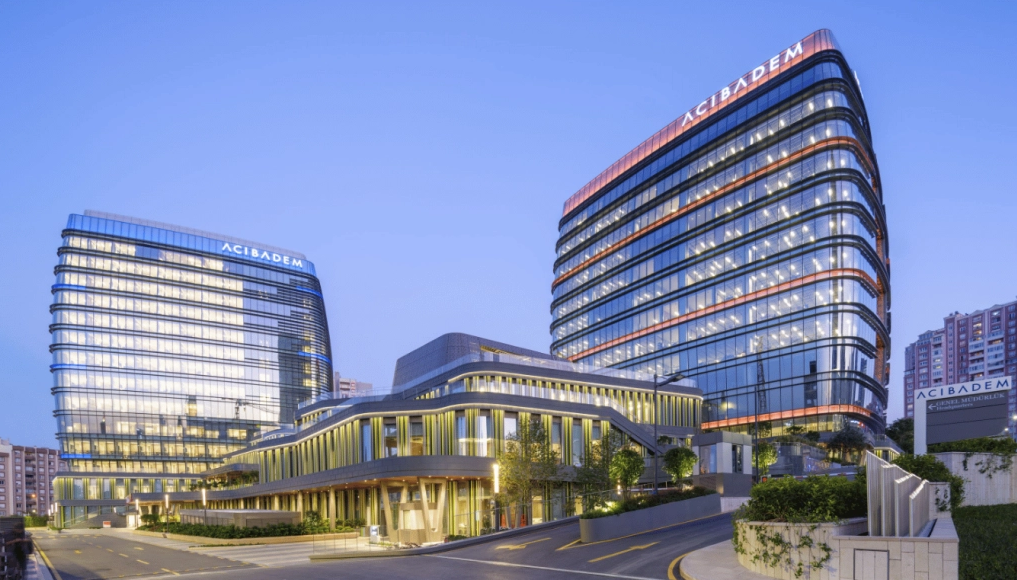
Acibadem is Turkey's largest private healthcare network with over 20 hospitals across the country. Its oncology centers are equipped with advanced robotic surgery systems (Da Vinci Xi), CyberKnife, TrueBeam linear accelerators, and proton therapy capabilities. The head and neck cancer team includes board-certified surgical oncologists and radiation oncologists who routinely perform complex tumor resections with microvascular free flap reconstruction. Acibadem's multidisciplinary tumor boards review every cancer case, and the hospital network holds JCI accreditation across its major facilities.
Anadolu Medical Center (Kocaeli, near Istanbul)
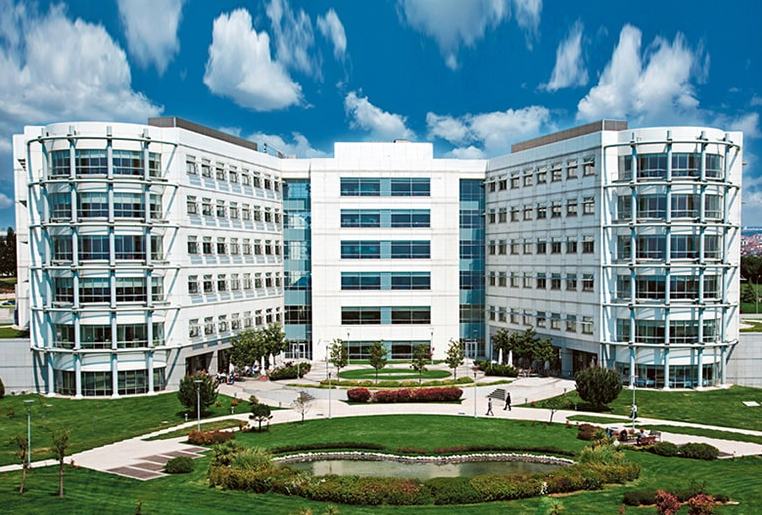
Affiliated with Johns Hopkins Medicine, Anadolu Medical Center was originally established as a specialized cancer hospital and continues to be one of Turkey's premier oncology institutions. The partnership with Johns Hopkins ensures adherence to American treatment standards, including access to Johns Hopkins tumor board consultations for complex cases. The hospital offers PET-CT imaging, IMRT/VMAT radiation therapy, surgical oncology with reconstruction, and molecular oncology services. Its location on the outskirts of Istanbul provides a serene recovery environment surrounded by nature.
Memorial Hospitals Group (Istanbul, Antalya, Ankara)
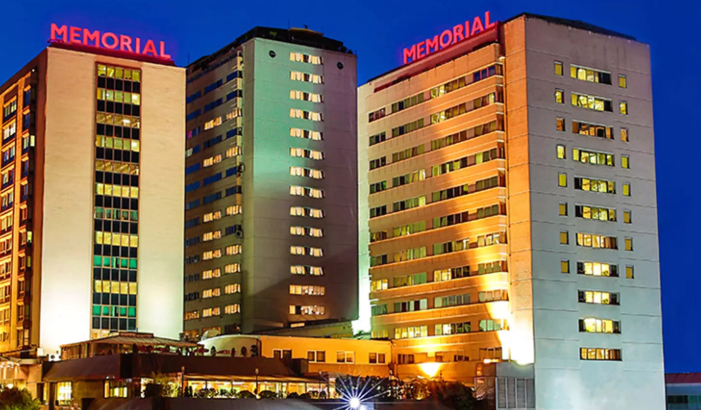
Memorial was the first private hospital in Turkey to receive JCI accreditation and remains a benchmark for quality in Turkish healthcare. Its oncology department uses TrueBeam STx linear accelerator technology and follows NCCN and ESMO protocols for every patient. Memorial's head and neck cancer unit handles a high volume of complex cases including oral cavity, oropharyngeal, and laryngeal cancers. The hospital's international patient department serves patients from over 170 countries and provides end-to-end coordination for medical travelers.
Medipol Mega University Hospital (Istanbul)
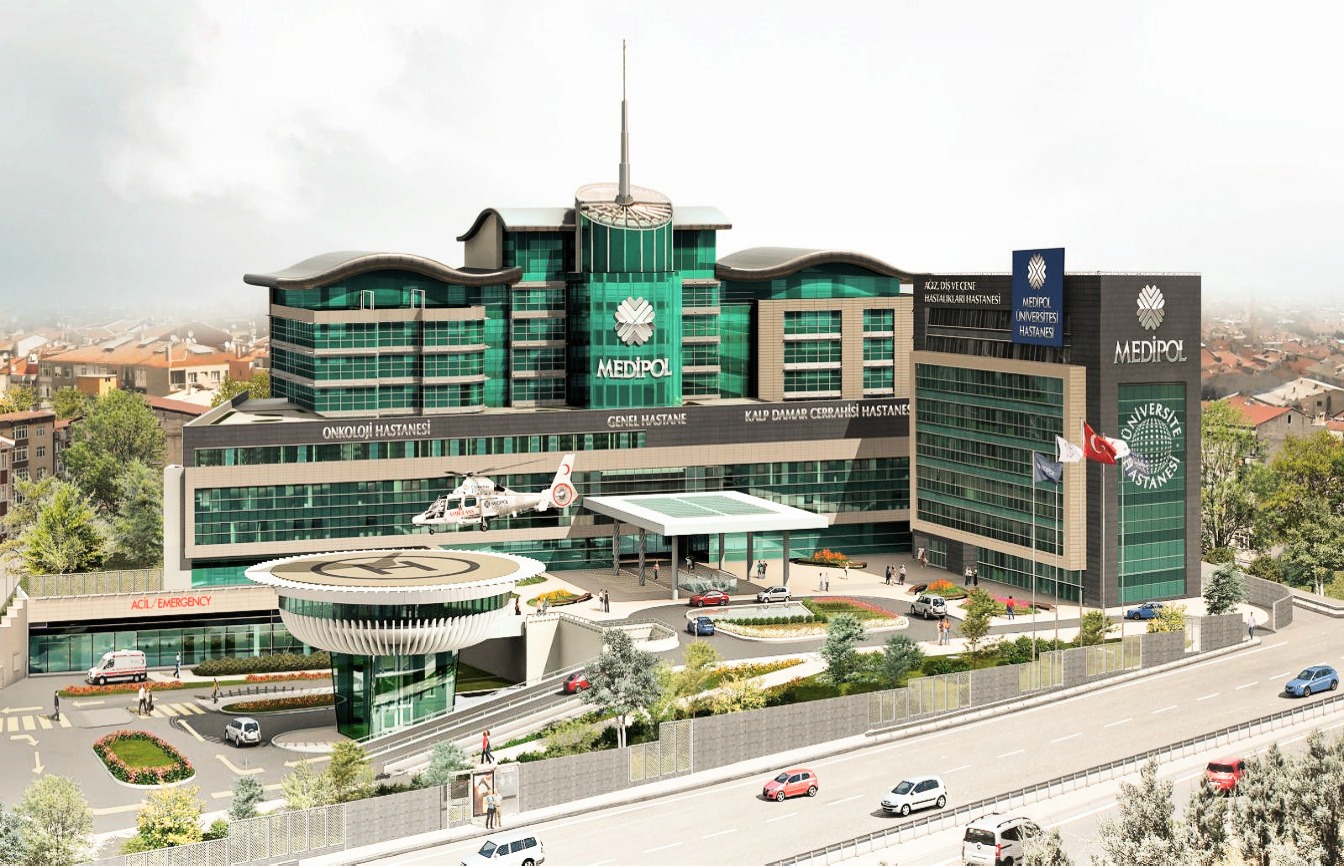
One of the largest private hospital complexes in Turkey, Medipol Mega combines university-level research with clinical excellence. Its oncology center specializes in complex head and neck surgeries with reconstructive options, featuring modern radiotherapy units and a full range of systemic therapy options including immunotherapy clinical trials. The hospital's academic affiliation ensures continuous innovation in treatment approaches, and its surgeon roster includes internationally trained specialists in maxillofacial and skull base surgery.
Liv Hospital (Istanbul)

Liv Hospital is the only institution in Turkey with co-authorized Center of Excellence accreditation from the Surgical Review Corporation (SRC) in multiple surgical specialties. Its oncology center features one of Turkey's few MR-LINAC (Unity) systems, enabling MRI-guided radiation therapy with exceptional precision for tumors near critical structures in the oral cavity and oropharynx. Liv Hospital also uses Da Vinci robotic systems for minimally invasive surgical approaches and has a dedicated head and neck oncology team with deep expertise in transoral robotic surgery (TORS).
If you or a loved one has been diagnosed with oral cancer and you are considering treatment in Turkey, contact A-Medical today for a free consultation. Our team will review your medical records, match you with the best hospital and specialist for your case, and coordinate every detail of your treatment journey, from appointment scheduling to accommodation and airport transfers.
How A-Medical Can Help?
A-Medical is a trusted medical tourism facilitator that connects international patients with Turkey's top oncology hospitals and specialists. When you choose A-Medical for your oral cancer treatment in Turkey, you benefit from a comprehensive, end-to-end service designed to make your treatment journey as smooth and stress-free as possible.
Free medical record review: Send us your biopsy report, imaging studies, and medical history. Our medical coordinators will review your case and match you with the most appropriate hospital and specialist.
No waiting lists: Unlike many countries where cancer patients face weeks or even months of waiting for treatment, A-Medical arranges rapid appointments with top oncologists, often within days.
Best doctors and clinics: We partner exclusively with JCI-accredited hospitals and board-certified oncologists who specialize in head and neck cancer.
Accommodation and transfers: A-Medical arranges comfortable hotel accommodation near your treatment hospital and provides airport-to-hotel-to-hospital transfer services throughout your stay.
Interpreter support: Our multilingual team ensures clear communication with your medical team at every step, from initial consultation to discharge.
Affordable pricing: A-Medical negotiates competitive package pricing with partner hospitals, ensuring you receive the highest quality care at the most affordable rate.
Post-treatment coordination: We facilitate the transfer of your medical records to your local doctor and can arrange teleconsultation follow-ups with your Turkish physician after you return home.
Whether you are exploring cancer treatment options abroad for the first time or seeking a second opinion on your treatment plan, A-Medical is here to guide you every step of the way. You can also explore our other medical tourism guides, including our comprehensive resource on the best countries and hospitals for cancer treatment, learn about leukemia treatment abroad for related oncology insights, or see how medical travel to Turkey works from start to finish.
Conclusion
Turkey has established itself as one of the world's leading destinations for oral cancer treatment, combining advanced technology, experienced head and neck oncologists, multidisciplinary care, and significant cost savings. From early-stage tumor excision to complex reconstructive surgery and cutting-edge immunotherapy, Turkish hospitals offer the full spectrum of evidence-based treatment options that match or exceed Western standards.
For international patients, the benefits go beyond clinical outcomes. Turkey's robust medical tourism infrastructure ensures that every practical detail, from accommodation and language support to airport transfers, is handled with professionalism and care. Whether your priority is accessing the latest treatments, reducing financial burden, or both, Turkey offers a compelling case as your treatment destination.
A-Medical stands ready to help you navigate this journey. Contact us today to receive a free, personalized treatment plan and take the first step toward recovery.
Frequently Asked Questions
What is the survival rate for oral cancer treated in Turkey?
The five-year survival rate for early-stage oral cancer (Stage I and II) treated in Turkey ranges from 70 to 90%, which is comparable to outcomes at leading European and American cancer centers. HPV-positive oropharyngeal cancers carry an even more favorable prognosis.
How much does oral cancer surgery cost in Turkey?
Oral cancer surgery in Turkey typically costs between $3,000 and $15,000 depending on the extent of resection and whether reconstructive surgery is required. This is significantly lower than the $30,000 to $100,000 charged in the United States for comparable procedures.
Is oral cancer treatment in Turkey safe for international patients?
Yes. Turkey's leading oncology hospitals hold JCI accreditation, the gold standard for international healthcare quality. These hospitals employ internationally trained oncologists and use the same treatment protocols (NCCN, ESMO) followed in the US and Europe.
How long do I need to stay in Turkey for oral cancer treatment?
For surgical treatment alone, most patients stay 2 to 4 weeks. If radiation therapy is part of the treatment plan, the stay extends to 6 to 8 weeks. Chemotherapy may require periodic return visits or can be continued with a local oncologist at home.
What types of oral cancer can be treated in Turkey?
Turkish hospitals treat all types of oral cancer including squamous cell carcinoma (the most common), verrucous carcinoma, mucoepidermoid carcinoma, adenoid cystic carcinoma, minor salivary gland tumors, and oropharyngeal cancers. Both early-stage and advanced-stage cases are managed.
Do Turkish hospitals use robotic surgery for oral cancer?
Yes. Several top hospitals including Acibadem, Liv Hospital, and Memorial use Da Vinci robotic surgical systems. Transoral robotic surgery (TORS) is available for selected oropharyngeal tumors, offering minimally invasive access and faster recovery.
Can I get immunotherapy for oral cancer in Turkey?
Absolutely. Pembrolizumab (Keytruda) and nivolumab (Opdivo) are available at major Turkish oncology centers for recurrent or metastatic head and neck squamous cell carcinoma. Eligibility is determined based on PD-L1 expression and prior treatment history.
What happens if I need chemotherapy after returning home?
A-Medical coordinates with your treating oncologist in Turkey to prepare a detailed treatment plan and medical summary that your local oncologist can follow. Teleconsultation follow-ups with your Turkish doctor can also be arranged.
Are there JCI-accredited hospitals in Turkey for cancer treatment?
Turkey has over 40 JCI-accredited hospitals, many of which specialize in oncology. JCI accreditation ensures compliance with international patient safety standards, quality of care, and continuous improvement protocols.
What is the best hospital in Turkey for head and neck cancer?
Leading hospitals for head and neck cancer include Acibadem Healthcare Group, Anadolu Medical Center (affiliated with Johns Hopkins), Memorial Hospitals Group, Medipol Mega University Hospital, and Liv Hospital. The best choice depends on the specific case requirements.
Does A-Medical charge patients for its services?
A-Medical provides free consultation and case evaluation services. Our coordination, including medical record review, hospital matching, appointment scheduling, and logistical support, is included at no additional charge to the patient.
Is HPV-related oral cancer treated differently in Turkey?
Yes. HPV-positive oropharyngeal cancers are staged and treated differently because they have a better overall prognosis. Turkish oncologists routinely test for HPV/p16 status and may recommend de-escalated treatment protocols for eligible patients, which can reduce side effects without compromising outcomes.
What should I bring when traveling to Turkey for cancer treatment?
Patients should bring all relevant medical records including biopsy pathology reports, imaging studies (CT, MRI, PET-CT on CD/USB), a list of current medications, any referral letters from their home oncologist, valid passport, and travel insurance documentation. A-Medical's team will advise on specific requirements before your trip.
Can oral cancer come back after treatment?
Yes, recurrence is possible, which is why long-term surveillance is critical. Regular follow-up examinations and imaging are scheduled at specific intervals after treatment. Early detection of recurrence allows for timely intervention and improves the chances of successful salvage treatment.
Why is oral cancer treatment cheaper in Turkey than in the US or UK?
The cost difference is driven by Turkey's lower cost of living, favorable currency exchange rates, government subsidies for healthcare infrastructure, lower administrative overhead, and competitive pricing among hospitals for medical tourism patients. The quality of care, clinical protocols, and technology are equivalent to Western standards.