Contents
Stomach Cancer Treatment in Turkey
Stomach cancer treatment in Turkey has become one of the most sought-after options for international patients looking for world-class oncology care at significantly lower costs. With treatment prices starting from $5,000 to $30,000 depending on the stage and method, Turkey offers savings of 50-70% compared to the USA and the UK. Turkish hospitals equipped with JCI accreditation, Da Vinci robotic surgical systems, and multidisciplinary tumor boards deliver outcomes comparable to the best cancer centers in Europe and North America. Whether you need a gastrectomy, chemotherapy, immunotherapy, or a combination approach, Turkey provides comprehensive gastric cancer treatment with minimal waiting times. Patients from over 100 countries travel to Turkey every year for cancer care, benefiting from advanced diagnostic tools such as PET-CT, endoscopic ultrasound, and molecular tumor profiling, all at a fraction of Western prices.
What Is Stomach Cancer?
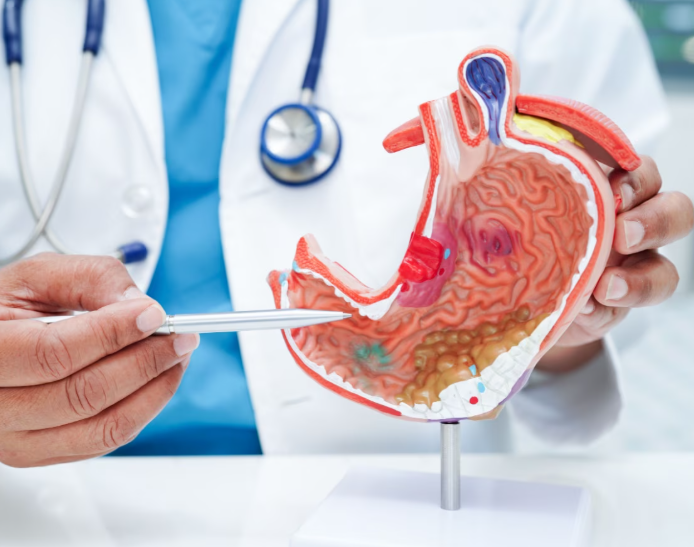
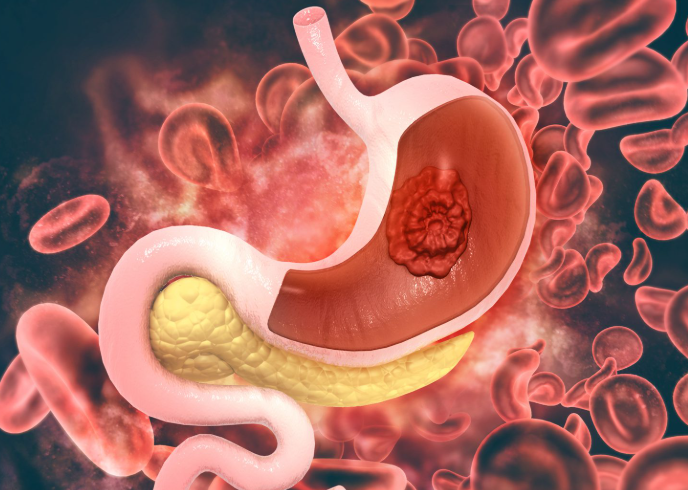
Stomach cancer, also referred to as gastric cancer, develops when abnormal cells in the stomach lining begin to grow uncontrollably and form malignant tumors. The stomach is a muscular, J-shaped organ in the upper abdomen that plays a central role in digestion. Gastric cancer can originate in any part of the stomach, but the most common location is the gastroesophageal junction, the area where the esophagus meets the stomach.
There are several histological types of stomach cancer. Adenocarcinoma accounts for approximately 90-95% of all gastric malignancies and originates in the glandular cells of the stomach's inner lining. Other less common types include gastrointestinal stromal tumors (GISTs), lymphomas, carcinoid tumors, and squamous cell carcinoma. The distinction matters because each type may require a different treatment approach, ranging from surgical resection to targeted molecular therapies.
Globally, stomach cancer ranks as the fifth most common cancer and the fourth leading cause of cancer-related deaths. Early detection is challenging because the disease often progresses silently in its initial stages. When diagnosed early, the five-year survival rate can exceed 70%, but this figure drops significantly in advanced stages, making timely diagnosis and treatment critical.
Symptoms of Stomach Cancer
Recognizing the early symptoms of gastric cancer is difficult because many signs overlap with common digestive conditions. However, patients should watch for the following warning signs:
- Persistent indigestion, heartburn, or acid reflux that does not respond to standard medication
- A feeling of fullness or bloating after eating small meals (early satiety)
- Unexplained weight loss over a short period of time
- Nausea and recurrent vomiting, sometimes with blood
- Difficulty swallowing (dysphagia), especially with solid foods
- Abdominal pain or discomfort, typically in the upper abdomen
- Dark, tarry stools (melena) or blood in the stool indicating gastrointestinal bleeding
- Fatigue and general weakness caused by chronic blood loss or nutritional deficiency
- Loss of appetite that persists for weeks
- Swelling or fluid buildup in the abdomen (ascites) in advanced stages
If you experience any of these symptoms persistently, especially in combination, seeking medical evaluation is essential. Early-stage stomach cancer treatment offers significantly better outcomes than treatment initiated at later stages.
Causes and Risk Factors of Stomach Cancer

Understanding the causes and risk factors behind stomach cancer helps both patients and physicians take preventive measures and pursue early screening. The following factors are associated with an increased risk of developing gastric cancer:
- Helicobacter pylori (H. pylori) infection: This bacterial infection of the stomach lining is the single most significant risk factor, responsible for a large proportion of non-cardia gastric cancers
- Family history and genetic predisposition: Individuals with first-degree relatives who had stomach cancer face a 2-3 times higher risk. Hereditary conditions like Lynch syndrome and familial adenomatous polyposis further increase susceptibility
- Dietary habits: Diets high in smoked, salted, and pickled foods, and low in fresh fruits and vegetables, are strongly linked to higher gastric cancer rates
- Tobacco use: Smoking roughly doubles the risk of developing stomach cancer, particularly cancers of the upper stomach
- Chronic gastritis and intestinal metaplasia: Long-term inflammation of the stomach lining, often caused by H. pylori or autoimmune conditions, can lead to precancerous changes
- Previous stomach surgery: Patients who have undergone partial gastrectomy for benign conditions are at elevated risk years later
- Pernicious anemia: This autoimmune condition impairs vitamin B12 absorption and leads to chronic atrophic gastritis, a known precursor
- Obesity: Excess body weight, particularly abdominal obesity, is associated with an increased risk of gastroesophageal junction cancers
- Age and gender: Stomach cancer is more common in individuals over 50, and men are approximately twice as likely to develop it compared to women
- Epstein-Barr virus (EBV) infection: Found in about 10% of gastric cancers globally, EBV-associated gastric cancer represents a distinct molecular subtype
How Stomach Cancer Is Diagnosed in Turkey
Turkish oncology centers use a comprehensive, multi-step diagnostic approach to confirm stomach cancer and determine its precise stage. Accurate staging is the foundation for selecting the most effective treatment plan. The diagnostic process typically includes the following:
Upper gastrointestinal endoscopy (esophagogastroduodenoscopy/EGD) is the primary tool. A thin, flexible tube with a camera is passed through the mouth into the stomach, allowing the gastroenterologist to visualize the stomach lining directly. If suspicious lesions are found, tissue samples (biopsies) are taken for histopathological examination.
Endoscopic ultrasound (EUS) combines endoscopy with ultrasound imaging to determine how deeply a tumor has invaded the stomach wall and whether nearby lymph nodes are involved. This is particularly important for accurate T-staging.
Advanced imaging studies, including PET-CT scans, contrast-enhanced CT of the chest, abdomen, and pelvis, and MRI, are used to assess distant metastasis and overall disease extent. Turkish hospitals like Anadolu Medical Center and Memorial use state-of-the-art PET-CT scanners for high-resolution metabolic imaging.
Molecular and genetic testing, including HER2 status, microsatellite instability (MSI), and PD-L1 expression testing, is routinely performed at leading Turkish cancer centers. These biomarkers guide the selection of targeted therapies and immunotherapy regimens, ensuring a personalized treatment approach.
Stages of Stomach Cancer
Staging determines the extent of cancer spread and is critical for planning treatment. Stomach cancer is staged using the TNM system developed by the American Joint Committee on Cancer (AJCC):
- Stage 0 (Carcinoma in situ): Abnormal cells are found only in the innermost layer (mucosa) of the stomach wall. Treatment at this stage is highly curative, often requiring only endoscopic resection
- Stage I: Cancer has grown into the submucosa (IA) or the muscle layer (IB) and may involve 1-2 nearby lymph nodes. Five-year survival rates at this stage exceed 60-80%
- Stage II: The tumor has penetrated deeper layers of the stomach wall and/or spread to more regional lymph nodes. Surgery combined with perioperative chemotherapy is the standard approach
- Stage III: Cancer has grown through all layers of the stomach wall and spread to multiple lymph nodes, or has invaded adjacent organs. Multimodal treatment including surgery, chemotherapy, and sometimes radiation is required
- Stage IV: The cancer has metastasized to distant organs such as the liver, lungs, peritoneum, or distant lymph nodes. Treatment focuses on systemic therapy, including chemotherapy, targeted therapy, and immunotherapy, with the goal of prolonging survival and improving quality of life
Who Is a Good Candidate for Stomach Cancer Treatment?
Stomach cancer treatment in Turkey is available to a wide range of patients. However, the specific treatment plan depends on several individual factors. You may be a suitable candidate if:
- You have been diagnosed with any stage of gastric cancer and are seeking high-quality treatment at an affordable cost
- You need a second opinion from experienced oncologists before deciding on a treatment approach
- You have been placed on a long waiting list in your home country and need prompt treatment
- You require advanced procedures such as robotic gastrectomy, HIPEC, or immunotherapy that may not be widely available where you live
- Your overall health and fitness level allow you to undergo surgery or tolerate systemic treatments
- You are looking for a multidisciplinary cancer team that includes surgical oncologists, medical oncologists, radiation oncologists, pathologists, and nutritionists working together on your case
- You want to combine your treatment journey with comprehensive patient support services, including accommodation, translation, and post-treatment follow-up
Types of Stomach Cancer Treatment in Turkey
Turkish oncology centers offer the full spectrum of evidence-based treatments for gastric cancer. The choice of treatment depends on the cancer stage, tumor location, molecular profile, and the patient's general health. Below are the main treatment modalities available.
Surgical Treatment (Gastrectomy)
Surgery remains the primary curative option for localized stomach cancer. The type of surgery depends on the tumor's location and size. A partial (subtotal) gastrectomy removes the cancerous portion of the stomach along with a margin of healthy tissue and nearby lymph nodes. A total gastrectomy removes the entire stomach and is necessary when cancer is widespread or located in the upper stomach. D2 lymph node dissection, a more thorough lymph node removal technique, is standard practice in Turkish cancer hospitals, consistent with guidelines from the Japanese Gastric Cancer Association and the European Society for Medical Oncology (ESMO). Turkish surgeons regularly perform these complex procedures with surgical margins and lymph node harvest counts that meet or exceed international benchmarks.
Chemotherapy
Chemotherapy uses cytotoxic drugs to destroy cancer cells and is a cornerstone of stomach cancer treatment. In Turkey, chemotherapy is administered in several contexts. Neoadjuvant chemotherapy is given before surgery to shrink the tumor and increase the likelihood of complete surgical removal. Adjuvant chemotherapy is given after surgery to eliminate residual microscopic disease and reduce recurrence risk. Palliative chemotherapy is used in advanced or metastatic disease to control tumor growth, relieve symptoms, and improve survival. Common regimens include FLOT (5-fluorouracil, leucovorin, oxaliplatin, docetaxel), FOLFOX, and CAPOX, selected based on the patient's tolerance and tumor characteristics. Chemotherapy sessions in Turkey typically cost between $1,300 and $2,750 per cycle, far less than equivalent treatment in Western countries.
Radiation Therapy
Radiation therapy uses high-energy beams to target and kill cancer cells. In the context of stomach cancer, it is most often used in combination with chemotherapy (chemoradiation) either before or after surgery. Modern Turkish hospitals use intensity-modulated radiation therapy (IMRT) and image-guided radiation therapy (IGRT) to deliver precise doses to the tumor while minimizing damage to surrounding healthy tissues, including the heart, kidneys, and liver.
Targeted Therapy and Immunotherapy
Advances in molecular oncology have introduced targeted therapy and immunotherapy as important components of gastric cancer treatment. Trastuzumab (Herceptin) is used for HER2-positive gastric cancers, blocking the growth signals that fuel tumor proliferation. Ramucirumab targets the VEGFR2 pathway, inhibiting the formation of new blood vessels that feed the tumor. Immunotherapy agents such as nivolumab and pembrolizumab work by blocking PD-1/PD-L1 checkpoints, reactivating the immune system to recognize and attack cancer cells. These treatments are particularly effective for patients with high microsatellite instability (MSI-H) or high tumor mutational burden (TMB). Turkish oncology centers routinely test for these biomarkers and incorporate targeted agents into personalized treatment protocols.
Minimally Invasive and Robotic Surgery
Leading Turkish hospitals, including Anadolu Medical Center, Memorial, and Acibadem, offer laparoscopic and robotic-assisted gastrectomy using the Da Vinci Surgical System. These minimally invasive approaches result in smaller incisions, less blood loss, reduced postoperative pain, shorter hospital stays, and faster recovery compared to traditional open surgery. Robotic surgery provides the surgeon with enhanced 3D visualization and greater precision in complex anatomical areas, which is especially valuable in oncological procedures requiring thorough lymph node dissection.
Hyperthermic Intraperitoneal Chemotherapy (HIPEC)
HIPEC is an advanced treatment for stomach cancer that has spread to the peritoneum (the lining of the abdominal cavity). During HIPEC, heated chemotherapy drugs are circulated directly into the abdominal cavity after cytoreductive surgery, allowing high concentrations of medication to reach cancer cells that systemic chemotherapy may not effectively treat. This procedure has been shown to extend survival by 12-24 months in selected patients with peritoneal metastases. Memorial and Anadolu Medical Center are among the Turkish hospitals with extensive HIPEC experience.
How Stomach Cancer Treatment Is Performed
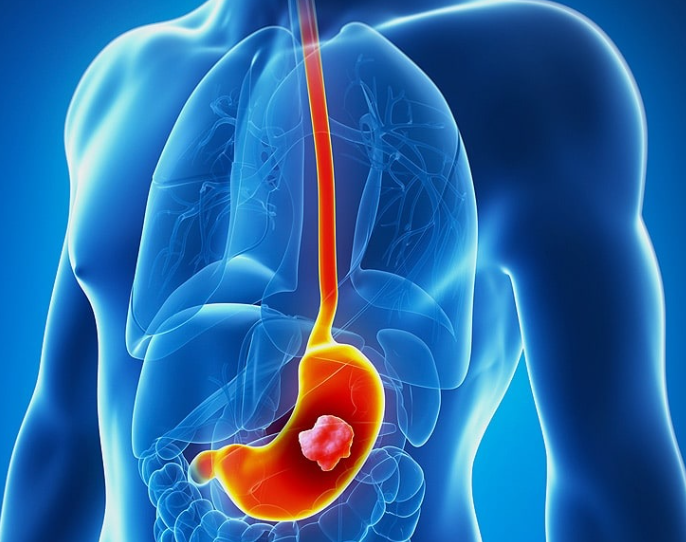
The treatment process for stomach cancer in Turkey follows a structured, patient-centered pathway. Upon arrival, patients undergo a comprehensive evaluation that typically takes 1-3 days. This includes a physical examination, blood work (complete blood count, liver function, tumor markers such as CEA and CA 19-9), imaging studies (PET-CT, CT, MRI), and an upper GI endoscopy with biopsy if not already completed.
All diagnostic findings are reviewed by a multidisciplinary tumor board composed of surgical oncologists, medical oncologists, radiation oncologists, radiologists, pathologists, and specialized nurses. This team collectively determines the optimal treatment strategy tailored to the patient's specific diagnosis, stage, molecular profile, and overall health status.
If surgery is indicated, preoperative preparation includes cardiopulmonary assessment and nutritional optimization. The surgery itself, whether open, laparoscopic, or robotic, is followed by a monitored recovery period in the hospital (typically 5-10 days for surgical cases). Chemotherapy and radiation schedules are planned and initiated according to the agreed-upon protocol. Throughout the process, patients receive support from dedicated international patient coordinators, translators, and nursing staff.
Recovery After Stomach Cancer Treatment
Recovery after gastric cancer treatment varies depending on the type and extent of treatment received. After surgical procedures, patients typically remain in the hospital for 5-10 days. Dietary adjustments are essential following gastrectomy; patients begin with clear liquids and gradually progress to soft foods over several weeks. Nutritional counseling is provided to address the challenges of eating smaller, more frequent meals, supplementing vitamins (especially B12 and iron), and managing dumping syndrome.
For patients receiving chemotherapy, the treatment course usually spans several months with cycles administered every 2-3 weeks. Side effects such as fatigue, nausea, neutropenia, and neuropathy are managed proactively by the oncology team. Most patients can return to light daily activities within 4-6 weeks after surgery and to regular work within 2-3 months, depending on the treatment intensity and individual recovery.
Patients who travel to Turkey for treatment typically need to stay for 2-4 weeks for surgical procedures, with follow-up appointments scheduled before departure. Ongoing monitoring, including regular imaging and blood tests, can be coordinated with the patient's local physician, with Turkish medical teams available for remote consultations as needed.
Risks and Side Effects of Treatment
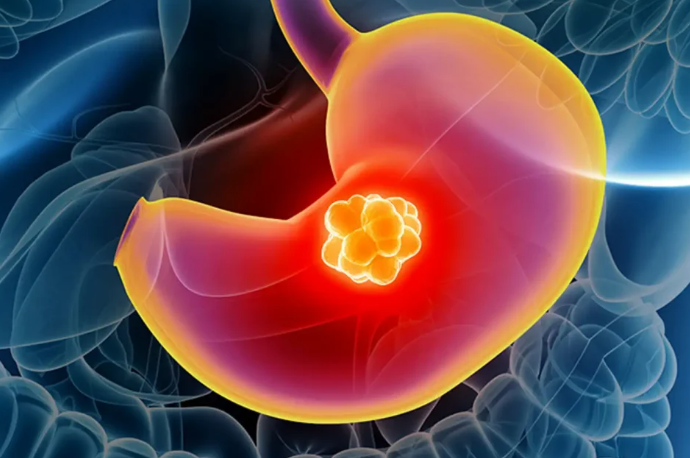
Like all cancer treatments, stomach cancer treatment carries potential risks and side effects. Patients should discuss these thoroughly with their medical team before treatment. Common risks and side effects include:
- Surgical risks: Bleeding, infection, anastomotic leak (leakage at the surgical connection site), deep vein thrombosis, and reactions to anesthesia
- Post-gastrectomy syndrome: Dumping syndrome, nutritional deficiencies (vitamin B12, iron, calcium), weight loss, and difficulty eating full meals
- Chemotherapy side effects: Nausea, vomiting, hair loss, fatigue, bone marrow suppression (increased infection risk), peripheral neuropathy, and mucositis
- Radiation therapy side effects: Skin irritation in the treatment area, fatigue, nausea, and potential damage to adjacent organs if not carefully targeted
- Immunotherapy side effects: Autoimmune reactions affecting the thyroid, liver, lungs, or intestines, skin rash, fatigue, and in rare cases, severe inflammatory responses
- Targeted therapy side effects: Cardiac toxicity (with trastuzumab), hypertension (with ramucirumab), diarrhea, and liver enzyme elevations
Turkish oncology teams employ evidence-based supportive care protocols, including anti-emetic regimens, growth factor support, and nutritional optimization, to minimize side effects and maintain treatment intensity.
Success Rates of Stomach Cancer Treatment
The success of stomach cancer treatment depends heavily on the stage at diagnosis, the treatment modality, and the patient's overall health. In Turkey, outcomes at leading JCI-accredited hospitals are consistent with international benchmarks:
- Stage I: Five-year survival rates range from 60% to 80%, with surgery alone often being curative
- Stage II: Five-year survival rates are approximately 40-60% with combined surgery and perioperative chemotherapy
- Stage III: Five-year survival drops to 15-35%, though multimodal therapy with neoadjuvant chemotherapy can improve outcomes significantly
- Stage IV: While generally considered incurable, modern systemic therapies have extended median survival to 12-18 months, and some patients with limited metastatic disease achieve meaningful long-term responses with immunotherapy
- Early-stage endoscopic treatment: For carcinoma in situ and very early T1a tumors, endoscopic submucosal dissection (ESD) offers cure rates exceeding 95% without the need for major surgery
Hospitals like Anadolu Medical Center report survival outcomes comparable to Johns Hopkins Medicine, their collaborative partner. Acibadem Healthcare Group has published data showing gastric cancer surgical complication rates and lymph node harvest numbers that align with the best European centers.
Cost of Stomach Cancer Treatment in Turkey (2026)
One of the primary reasons patients choose Turkey for stomach cancer treatment is the significant cost advantage without compromising quality. Turkish hospitals operate at lower overhead costs while maintaining international standards of care, advanced technology, and highly trained specialists.
Cost of Common Treatment Methods
The following table provides estimated costs for the most common procedures and services involved in gastric cancer treatment in Turkey:
|
Treatment / Procedure |
Estimated Cost in Turkey |
|
Initial oncologist consultation |
$120 - $250 |
|
PET-CT scan |
$600 - $900 |
|
Upper GI endoscopy with biopsy |
$500 - $1,200 |
|
Pathology and molecular testing (HER2, MSI, PD-L1) |
$1,200 - $3,000 |
|
Partial gastrectomy (surgery) |
$8,000 - $15,000 |
|
Total gastrectomy (surgery) |
$10,000 - $20,000 |
|
Robotic-assisted gastrectomy |
$12,000 - $25,000 |
|
Chemotherapy (per cycle) |
$1,300 - $2,750 |
|
Immunotherapy (per session) |
$4,000 - $5,500 |
|
Radiation therapy (full course) |
$5,000 - $10,000 |
|
HIPEC procedure |
$15,000 - $25,000 |
|
Venous port catheter installation |
$2,500 - $3,500 |
Cost Comparison: Turkey vs USA vs UK
The cost difference becomes even more striking when compared to Western countries. The table below illustrates why thousands of patients choose cancer treatment in Turkey over the USA and the UK every year:
|
Procedure |
Turkey |
USA |
UK |
|
Gastrectomy (surgery) |
$8,000 - $25,000 |
$25,000 - $80,000 |
$20,000 - $50,000 |
|
Chemotherapy (6 cycles) |
$8,000 - $16,000 |
$30,000 - $100,000+ |
$20,000 - $60,000 |
|
Immunotherapy (per session) |
$4,000 - $5,500 |
$10,000 - $15,000 |
$8,000 - $12,000 |
|
PET-CT scan |
$600 - $900 |
$3,000 - $6,000 |
$1,500 - $3,000 |
|
Total treatment (avg.) |
$10,000 - $30,000 |
$50,000 - $200,000+ |
$30,000 - $100,000 |
What Affects Treatment Costs?
Several factors influence the final cost of gastric cancer treatment in Turkey:
- Stage and extent of cancer at the time of diagnosis
- Type of treatment required (surgery, chemotherapy, immunotherapy, or a combination)
- Choice of hospital (university hospitals vs. private JCI-accredited centers)
- Duration of hospital stay and need for intensive care
- Number of chemotherapy or immunotherapy cycles
- Advanced procedures such as robotic surgery or HIPEC
- Pathology and molecular testing requirements
- Post-treatment follow-up and rehabilitation needs
Are All-Inclusive Packages Available?
Yes. Many leading Turkish hospitals and medical tourism facilitators offer all-inclusive stomach cancer treatment packages that cover medical consultations, diagnostic tests, surgery, chemotherapy, hospital stay, accommodation, airport transfers, and interpreter services. These packages provide transparency and predictability in costs, eliminating the stress of unexpected expenses. A-Medical helps patients access the most comprehensive packages available, tailored to their specific treatment needs and budget.
Why Choose Turkey for Stomach Cancer Treatment?
Advanced Oncology Hospitals
Turkey is home to over 50 JCI-accredited hospitals, more than almost any country outside the USA. These hospitals are equipped with the latest oncology technologies, including Da Vinci robotic surgical systems, CyberKnife and TrueBeam radiosurgery platforms, 3-Tesla MRI, PET-CT, and next-generation sequencing (NGS) for molecular tumor profiling. The infrastructure for cancer treatment in Turkey is on par with the best facilities in Europe and North America.
Experienced Oncologists and Surgeons
Turkish oncologists and surgical oncologists are among the most experienced in the world. Many have trained at top institutions in the USA, Europe, and Japan, and hold memberships in prestigious organizations such as the American Society of Clinical Oncology (ASCO), the European Society for Medical Oncology (ESMO), and the International Gastric Cancer Association (IGCA). Their expertise in performing complex gastrectomies with D2 lymphadenectomy, administering modern immunotherapy protocols, and managing peritoneal disease with HIPEC ensures patients receive care at the highest standard.
Multidisciplinary Cancer Care
Every gastric cancer case at a leading Turkish hospital is discussed at a multidisciplinary tumor board meeting. This collaborative approach brings together surgical oncologists, medical oncologists, radiation oncologists, radiologists, pathologists, geneticists, and nutritionists to develop an individualized treatment plan. The tumor board model is the gold standard for cancer care worldwide, and Turkish hospitals implement it rigorously for all oncology patients.
Affordable Treatment Options
The cost of stomach cancer treatment in Turkey is 50-70% lower than in the USA and 40-60% lower than in the UK. This affordability is not a reflection of lower quality but rather of Turkey's lower operating costs, favorable exchange rates, and government support for medical tourism. Patients receive the same drugs (FDA/EMA-approved), the same surgical techniques, and the same technology available at Western centers, but at a fraction of the price.
International Patient Services
Turkish hospitals have dedicated international patient departments staffed with multilingual coordinators who handle every aspect of a patient's journey. Services typically include visa assistance, airport transfers, hotel reservations at partner properties, 24/7 interpreter support in multiple languages (English, Arabic, Russian, German, French, and more), and coordination of follow-up care with the patient's home country physicians. This comprehensive support system ensures a smooth and stress-free treatment experience.
Best Hospitals for Stomach Cancer Treatment in Turkey
Turkey has several world-class hospitals that specialize in oncology and are recognized for their excellence in treating gastric cancer. Below are five of the most reputable institutions for this procedure:
Anadolu Medical Center (Kocaeli/Istanbul)
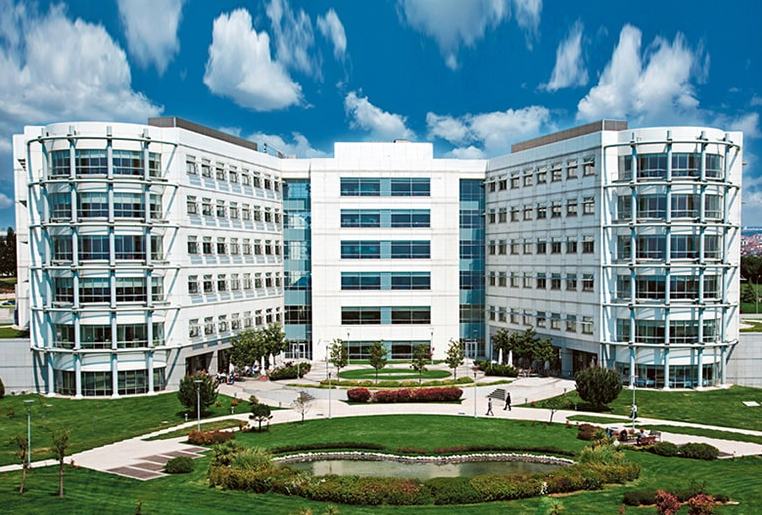
Anadolu Medical Center, affiliated with Johns Hopkins Medicine, is one of Turkey's premier oncology hospitals. It holds JCI, ESMO, and Planetree accreditations, placing it among the top 10 hospitals globally for medical tourism according to the Medical Travel Quality Alliance (MTQUA). The oncology center uses a multidisciplinary tumor board model where every cancer case is individually reviewed. Anadolu offers CyberKnife M6 radiosurgery with 0.5mm precision, Da Vinci robotic surgery, and advanced immunotherapy protocols. Its collaboration with Johns Hopkins ensures that treatment standards and clinical protocols mirror those of one of the world's best cancer institutions. The hospital's international patient center provides Arabic, English, Russian, and other language support, along with airport transfers and partner hotel accommodations.
Memorial Sisli Hospital (Istanbul)
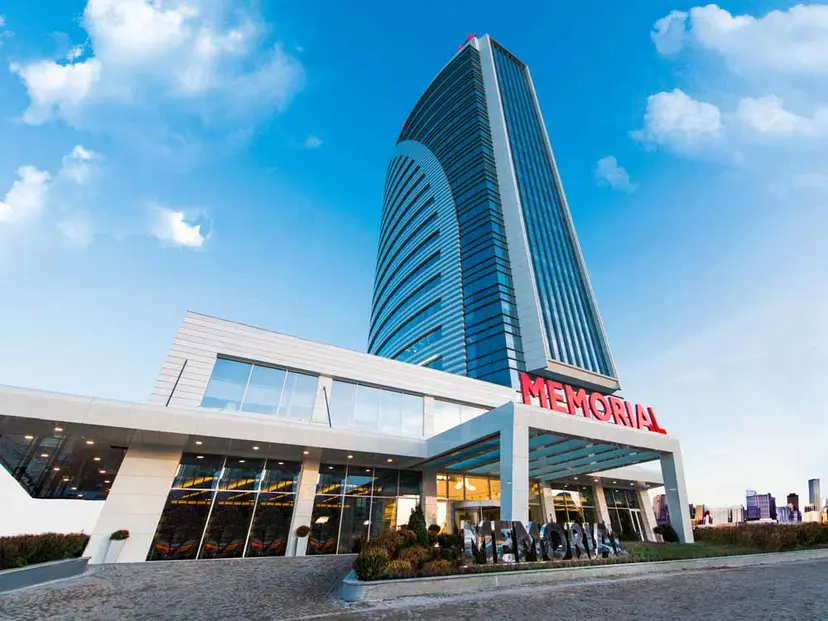
Memorial Sisli was the first hospital in Turkey and the 21st worldwide to receive JCI accreditation. Operating on a 53,000 m2 campus with 252 beds and 13 operating rooms, Memorial has become a reference center for stomach cancer surgery and HIPEC procedures. The hospital's oncology department uses TrueBeam STx and Elekta Versa HD for precise radiation delivery, and its surgeons perform advanced laparoscopic and robotic gastrectomies. Memorial's molecular tumor profiling capabilities allow for highly personalized treatment plans. The hospital reports a 90% success rate in organ transplantation and maintains comparable standards of excellence across its oncology programs.
Acibadem Healthcare Group (Multiple Locations)
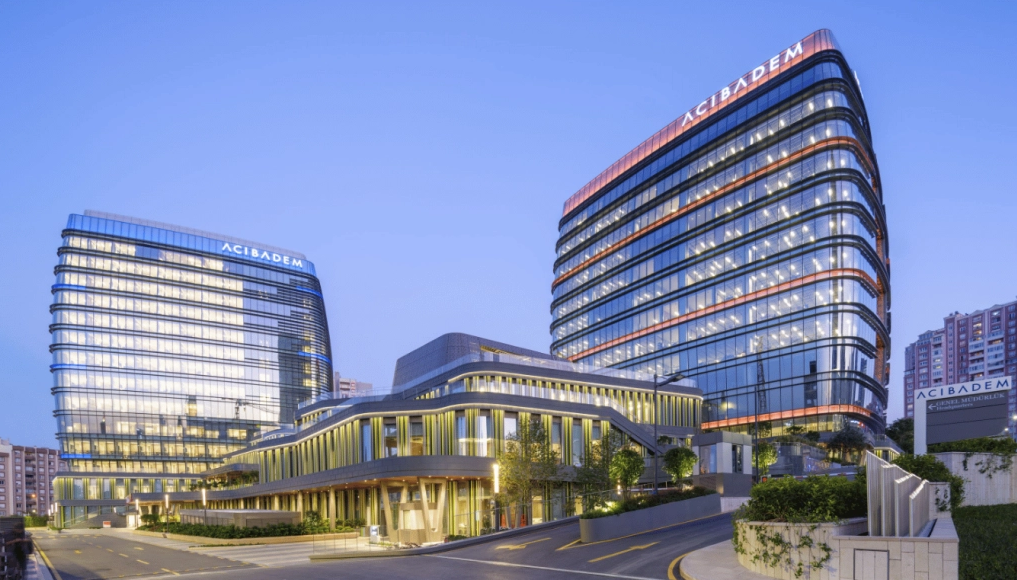
Acibadem is Turkey's largest private healthcare network with over 22,500 medical professionals and 3,336 beds across multiple locations. The group's oncology division is equipped with Varian TrueBeam linear accelerators, the Da Vinci robotic surgical system, and advanced molecular diagnostics. Acibadem takes a holistic approach to cancer treatment, integrating psychological support, nutritional counseling, and physical rehabilitation into the oncology program. Their dedicated international patient center provides personal interpreters and seamless coordination for overseas patients. Acibadem's Maslak and Atakent facilities in Istanbul are particularly well-known for their gastrointestinal oncology expertise.
Medipol Mega University Hospital (Istanbul)
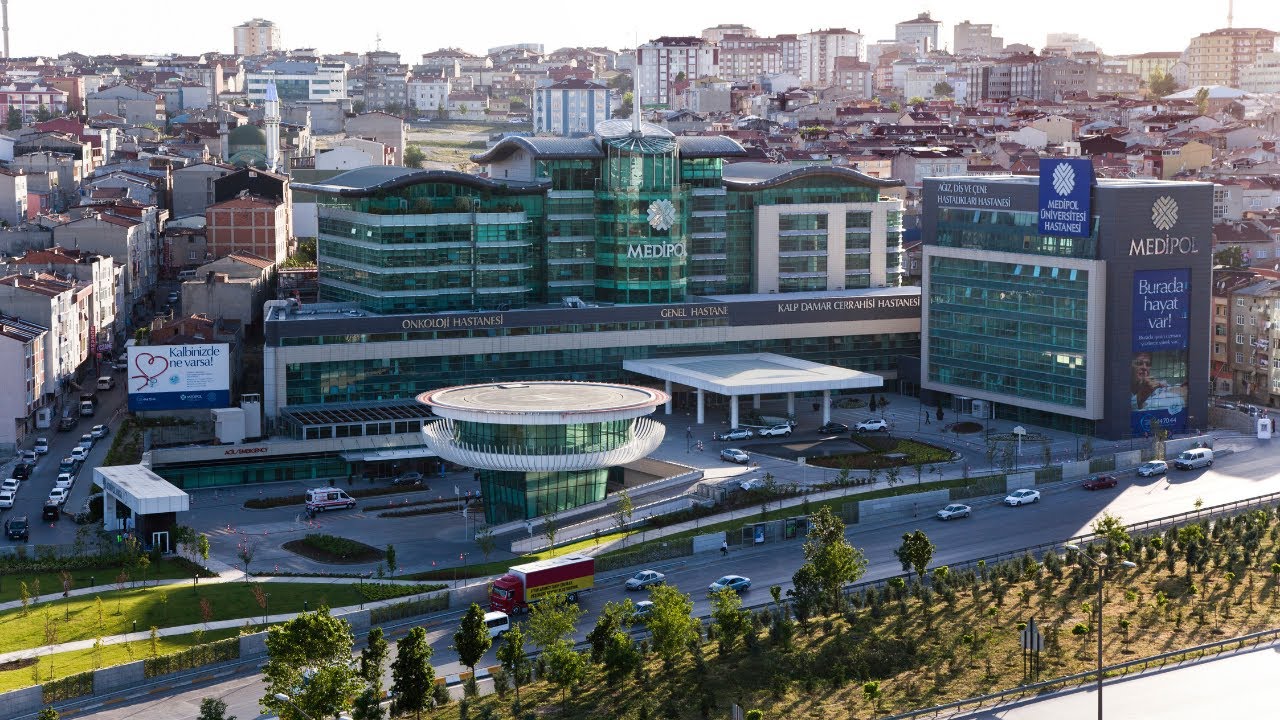
Medipol Mega University Hospital is one of Turkey's largest multidisciplinary medical institutions, serving over 1,200 patients daily. The hospital is equipped with Da Vinci Surgical System, CyberKnife, and Gamma Knife technologies. Its oncology department specializes in complex surgical oncology cases, including advanced-stage gastric cancers, and offers comprehensive chemotherapy and immunotherapy programs. As a university hospital, Medipol also provides access to cutting-edge clinical trials and emerging treatment protocols.
Liv Hospital (Istanbul)

Liv Hospital Vadistanbul is a JCI-accredited, technology-driven hospital that has earned recognition for its oncology services. The hospital features one of only three positron emission mammography (PEM) devices in Europe and operates an advanced oncology center with TrueBeam and CyberKnife platforms. Liv's surgical oncology team performs laparoscopic and robotic gastrectomies with consistently strong outcomes. The hospital provides comprehensive international patient services, including dedicated case managers, multilingual staff, and transfer logistics. Liv's gastric cancer treatment programs are designed with a focus on precision medicine and personalized care.
How A-Medical Can Help?
Navigating stomach cancer treatment abroad can feel overwhelming, especially when you are already dealing with the emotional weight of a cancer diagnosis. That is where A-Medical steps in. As a leading medical tourism facilitator, A-Medical connects patients with the best oncology hospitals and surgeons in Turkey, ensuring you receive world-class care at the most affordable price possible.
Here is what A-Medical offers:
- No waiting lists: We arrange rapid appointments so your treatment begins without unnecessary delays
- Best clinic and doctor matching: Based on your diagnosis, stage, and personal preferences, we match you with the most suitable hospital and oncology team
- All-inclusive coordination: From airport transfers and hotel accommodation to interpreter services and post-treatment follow-up, we handle every detail of your medical journey
- Transparent pricing: We provide clear, upfront cost breakdowns with no hidden fees, ensuring you understand exactly what your treatment package includes
- Ongoing support: Our patient coordinators are available before, during, and after your treatment to answer questions, resolve concerns, and facilitate communication with your medical team
If you or a loved one has been diagnosed with stomach cancer, contact A-Medical today for a free consultation and personalized treatment plan. Let us help you access the best gastric cancer treatment in Turkey with the care, support, and affordability you deserve.
For more information on related treatments and destinations, you may find these resources helpful:
Conclusion
Stomach cancer treatment in Turkey represents an exceptional combination of medical excellence, advanced technology, experienced specialists, and significant cost savings. From early-stage endoscopic procedures to complex robotic gastrectomies, HIPEC, and cutting-edge immunotherapy, Turkish oncology centers provide the full range of evidence-based treatments that patients need. With prices 50-70% lower than in the USA and UK, JCI-accredited hospitals, multidisciplinary tumor boards, and comprehensive international patient services, Turkey has firmly established itself as a top destination for oncology care.
Whether you are seeking a first diagnosis, a second opinion, or a complete treatment journey, A-Medical is here to guide you every step of the way. Our team connects you with the best hospitals and doctors, arranges all logistics, and ensures you receive the highest quality gastric cancer treatment at the most affordable cost. Contact A-Medical today to start your journey toward recovery.
Frequently Asked Questions
What is the survival rate for stomach cancer treated in Turkey?
The survival rate for stomach cancer treated in Turkey varies by stage. Early-stage patients (Stage I) treated at leading Turkish hospitals have five-year survival rates of 60-80%, which is consistent with global benchmarks. Advanced-stage outcomes depend on the treatment modality and individual response.
How much does stomach cancer surgery cost in Turkey?
Stomach cancer surgery in Turkey costs between $8,000 and $25,000, depending on the type of procedure (partial gastrectomy, total gastrectomy, or robotic-assisted surgery). This is 50-70% less than the same procedures in the USA or the UK.
Is robotic surgery for stomach cancer available in Turkey?
Yes, robotic surgery for stomach cancer is widely available in Turkey. Hospitals such as Anadolu Medical Center, Memorial, and Acibadem use the Da Vinci Surgical System for minimally invasive gastrectomy procedures, offering smaller incisions, less pain, and faster recovery.
How long do I need to stay in Turkey for stomach cancer treatment?
The length of stay depends on the treatment plan. Surgical patients typically need to stay for 2-4 weeks, including pre-operative evaluation and postoperative recovery. Chemotherapy patients may require multiple visits or a longer stay spanning several months.
Can immunotherapy be used for stomach cancer in Turkey?
Yes, immunotherapy is used for stomach cancer in Turkey, particularly for patients whose tumors are PD-L1 positive or have high microsatellite instability (MSI-H). Agents such as nivolumab and pembrolizumab are administered at leading Turkish oncology centers as part of personalized treatment protocols.
Are Turkish hospitals accredited for cancer treatment?
Yes, many Turkish hospitals are accredited by the Joint Commission International (JCI), the world's leading healthcare quality organization. Additionally, some Turkish oncology centers hold ESMO (European Society for Medical Oncology) accreditation, confirming their adherence to international cancer care standards.
What is HIPEC and is it available in Turkey?
HIPEC (Hyperthermic Intraperitoneal Chemotherapy) is a specialized procedure where heated chemotherapy is delivered directly into the abdominal cavity after tumor removal surgery. It is used for stomach cancers that have spread to the peritoneum. HIPEC is available at multiple Turkish hospitals, including Memorial and Anadolu Medical Center.
Do Turkish hospitals offer support for international patients?
Yes, Turkish hospitals have dedicated international patient departments that provide visa assistance, airport transfers, accommodation arrangements, 24/7 interpreter services, and coordination of follow-up care with physicians in the patient's home country.
What types of chemotherapy are used for stomach cancer in Turkey?
Turkish oncologists use globally standard chemotherapy regimens for stomach cancer, including FLOT (5-FU, leucovorin, oxaliplatin, docetaxel), FOLFOX, and CAPOX. The specific regimen is selected based on the patient's cancer stage, molecular profile, tolerance, and treatment goals.
How does A-Medical help patients seeking stomach cancer treatment in Turkey?
A-Medical is a medical tourism facilitator that helps patients access the best oncology hospitals and doctors in Turkey. Services include free consultation, clinic matching, appointment scheduling with no waiting lists, accommodation and transfer arrangements, interpreter support, and transparent pricing with no hidden fees.
Is Turkey a safe destination for cancer treatment?
Turkey is one of the safest and most established destinations for medical tourism worldwide. The country has over 50 JCI-accredited hospitals, thousands of internationally trained oncologists, and a healthcare infrastructure that serves millions of international patients annually. Treatment protocols follow NCCN and ESMO guidelines.
What diagnostic tests are done before stomach cancer treatment in Turkey?
Before treatment begins, Turkish hospitals perform a comprehensive diagnostic workup that includes upper GI endoscopy with biopsy, PET-CT scan, contrast-enhanced CT imaging, endoscopic ultrasound, blood tests including tumor markers, and molecular testing for HER2, MSI, and PD-L1 to guide targeted therapy decisions.
Can I get a second opinion for stomach cancer in Turkey?
Yes, obtaining a second opinion from Turkish oncologists is straightforward and often free. Patients can share their medical records, imaging, and pathology reports with hospitals like Anadolu or Memorial, and receive a detailed treatment plan and cost estimate before traveling.
What is the recovery time after gastrectomy in Turkey?
Recovery after gastrectomy in Turkey typically involves a 5-10 day hospital stay. Patients gradually resume eating, starting with liquids and progressing to soft foods. Most patients can return to normal daily activities within 4-6 weeks and to work within 2-3 months.
Why is stomach cancer treatment cheaper in Turkey than in the USA?
Stomach cancer treatment is cheaper in Turkey due to lower operating costs, favorable currency exchange rates, government incentives for medical tourism, and efficient hospital management. The savings do not come at the expense of quality; Turkish hospitals use the same FDA/EMA-approved drugs, surgical techniques, and technologies available in the USA