Not sure about the price? We will find you the best one.

Free quote →
Best price guaranteed
Real clinic contact
$0 service fee
1 min read

CAR-T Cell Treatment in Turkey

CAR-T cell therapy has reshaped how relapsed and refractory blood cancers are treated, and Turkey is now one of the few countries outside Western Europe and the United States offering this advanced immunotherapy at scale.

Published: May 2, 2026English
Updated: May 2, 2026
CAR-T Cell Treatment in Turkey

This article adheres to the A-Medical Editorial Policy and has been verified by our Medical Advisory Board for clinical accuracy. We prioritize objective, evidence-based information aligned with international healthcare standards.

Read our full Editorial Guidelines →

CAR-T Cell Treatment in Turkey

CAR-T cell therapy has reshaped how relapsed and refractory blood cancers are treated, and Turkey is now one of the few countries outside Western Europe and the United States offering this advanced immunotherapy at scale. The cost of CAR-T cell treatment in Turkey typically ranges between USD 150,000 and USD 225,000, depending on the hospital, product, and clinical complexity. By comparison, the same treatment costs USD 475,000 to USD 525,000 in the United States, around GBP 280,000 in the UK, and EUR 300,000 to EUR 400,000 in Germany, while NHS waiting lists and U.S. insurance pre-authorization can stretch access by months. For internationally referred patients, Istanbul’s JCI-accredited oncology centers combine experienced hematologists, English-speaking coordination, and faster scheduling than most public systems in Europe.

What Is CAR-T Cell Therapy?

CAR-T Cell Therapy Abroad related image

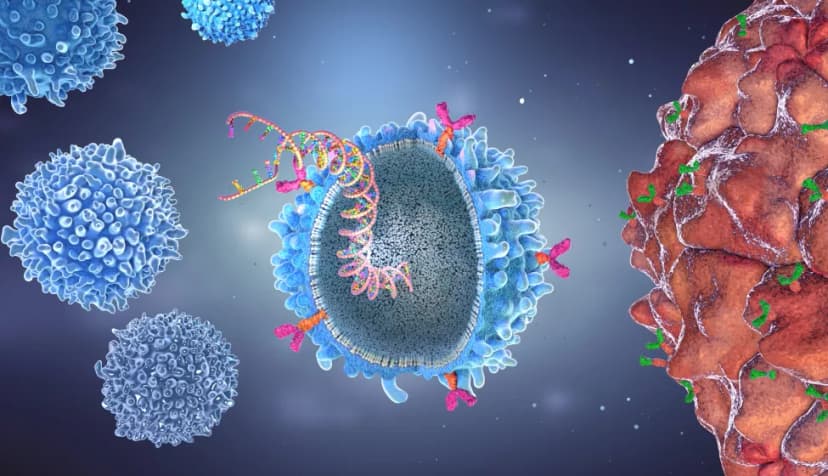
Chimeric antigen receptor T-cell therapy is a form of cell-based gene therapy in which a patient’s own T lymphocytes are removed, reprogrammed in a laboratory to recognize a specific protein on cancer cells, expanded in number, and then re-infused into the bloodstream. Once back in the body, these engineered cells circulate, locate malignant B-cells or plasma cells, and destroy them. The therapy is autologous, meaning the cells come from the patient and are returned to the same patient, which removes the donor matching problem seen in allogeneic stem cell transplantation.

Most approved CAR-T products today target the CD19 antigen for leukemia and lymphoma, or the BCMA antigen for multiple myeloma. The current FDA-approved family of therapies includes tisagenlecleucel (Kymriah), axicabtagene ciloleucel (Yescarta), brexucabtagene autoleucel (Tecartus), lisocabtagene maraleucel (Breyanzi), idecabtagene vicleucel (Abecma), and ciltacabtagene autoleucel (Carvykti). Turkish hematology centers work with these globally licensed products as well as in-house academic protocols developed at university hospitals.

Why International Patients Choose Turkey for CAR-T Treatment

CAR-T Cell Therapy Abroad related image

Turkey’s position as a hub for CAR-T cell therapy is built on three structural advantages. The first is regulatory: the Turkish Ministry of Health has authorized leading university and private hospitals to administer commercial CAR-T products and to run academic CAR-T protocols, which means patients reach treatment without the prolonged commissioning delays seen in single-payer systems. The second is clinical volume. Turkish hematology and bone marrow transplant units perform thousands of allogeneic and autologous transplants every year, and many of the same teams now manage CAR-T infusion and post-infusion intensive care. The third is access: USHAŞ, the state agency that coordinates international patient services, simplifies referral pathways, and most major hospitals run specialized international patient offices with English, Arabic, Russian, and German support.

There is also a more practical factor. A patient flying from London or New York can be seen by a hematologist within 7 to 14 days, whereas the NHS Cancer Drugs Fund pathway and U.S. private insurance pre-authorization frequently require 6 to 12 weeks before the apheresis date is even confirmed. For aggressive disease, that gap matters.

Conditions Treated With CAR-T in Turkey

Turkish centers follow international clinical guidelines, so the indications mirror FDA and EMA approvals. Treatment is offered to patients with confirmed diagnoses, prior lines of therapy on record, and adequate organ function. The main approved indications include:

  • Relapsed or refractory B-cell acute lymphoblastic leukemia (B-ALL), typically in patients up to 25 years of age
  • Diffuse large B-cell lymphoma (DLBCL), including high-grade B-cell lymphoma and DLBCL transformed from indolent disease
  • Primary mediastinal large B-cell lymphoma
  • Follicular lymphoma after two or more prior systemic therapies
  • Mantle cell lymphoma after BTK inhibitor failure
  • Chronic lymphocytic leukemia and small lymphocytic lymphoma after BTK and BCL-2 inhibitor failure
  • Multiple myeloma after multiple lines including immunomodulators, proteasome inhibitors, and anti-CD38 antibodies

Patients with solid tumors are generally not candidates outside of clinical trials. A few academic centers in Istanbul and Ankara enroll patients in early-phase studies for glioblastoma, pancreatic cancer, and other malignancies, but these are not standard offerings.

How Much Does CAR-T Cell Treatment Cost in Turkey?

Pricing for CAR-T therapy in Turkey is influenced by the specific product used, whether the cells are manufactured commercially or through an academic in-house protocol, the length of inpatient stay, and the management of side effects such as cytokine release syndrome (CRS) or neurotoxicity. Most Turkish hospitals quote inclusive packages covering pre-treatment workup, apheresis for T-cell collection, lymphodepleting chemotherapy, the engineered cell product, infusion, and roughly 28 days of inpatient care.

Across published clinic pricing, treatment ranges from USD 150,000 to USD 225,000 for commercial products. Academic in-house protocols at certain university hospitals can be considerably less, in some cases starting from USD 55,000, but eligibility for those programs is narrower and tied to ongoing research enrollment.

CAR-T Cost Comparison by Country

Country

Approximate Cost (USD)

Public Coverage

Typical Wait Time

Turkey

$150,000 to $225,000

Private / international

2 to 4 weeks

United States

$475,000 to $525,000

Insurance dependent

6 to 12 weeks

United Kingdom

$355,000 to $570,000

NHS via CDF (eligible cases)

8 to 16 weeks

Germany

$330,000 to $440,000

Statutory insurance

4 to 10 weeks

Spain

$280,000 to $400,000

Public (limited centers)

6 to 12 weeks

Israel

$250,000 to $400,000

Private

3 to 6 weeks


The price gap is structural rather than a quality compromise. Turkish hospitals operate at lower facility and labor costs, government incentives reduce overhead for licensed health tourism providers, and major hospital groups manufacture or import CAR-T products in volume, which spreads logistics costs across more patients. Final quotes for CAR-T cell treatment in Turkey vary based on the clinic, the treating physician’s case load, and the patient’s overall clinical condition.

If you would like a written cost estimate based on your diagnosis, prior lines of therapy, and current clinical status, A-Medical can prepare a clinic-by-clinic breakdown within 48 hours after reviewing your medical file. 

Best Hospitals for CAR-T Cell Therapy in Turkey

The following hospitals are the most established centers offering CAR-T cell therapy or CAR-T-equivalent advanced cellular immunotherapy in Turkey. All are located in Istanbul or Ankara, hold Joint Commission International accreditation, and have hematology and bone marrow transplant units capable of managing post-infusion intensive care.

Anadolu Medical Center, Istanbul

Bone Marrow Transplant in Turkey: Costs, Clinics, Surgeons related image

Anadolu Medical Center, founded in affiliation with Johns Hopkins Medicine in the United States, is one of the leading oncology destinations in the country. Its hematology-oncology and bone marrow transplant program is among the most experienced in Turkey, with thousands of stem cell transplants on record. The hematology team includes Prof. Dr. Zafer Gülbaş, who trained at MD Anderson Cancer Center and has performed more than 3,000 bone marrow transplants. Anadolu uses American treatment protocols, PET-CT staging, and structured 100-day post-infusion follow-up, which makes it a familiar option for English-speaking patients arriving from Western Europe and North America.

Acıbadem Healthcare Group, Istanbul

Stem Cell Therapy in Turkey: Costs, Clinics and Benefits related image

Acıbadem operates one of the largest hospital networks in Turkey, with multiple JCI-accredited facilities in Istanbul and an in-house International Patient Center. The group’s flagship hospitals, including Acıbadem Maslak and Acıbadem Altunizade, run high-volume hematology-oncology departments and offer cellular therapies for B-cell lymphoma, ALL, and multiple myeloma. Acıbadem also operates an academic affiliation through Acıbadem Mehmet Ali Aydınlar University, which supports its research-grade cell therapy infrastructure. The group’s integrated logistics handle international referrals, transfers, and translation in over 20 languages.

Memorial Şişli Hospital, Istanbul

Stem Cell Therapy in Turkey: Costs, Clinics and Benefits related image

Memorial Şişli was the first hospital in Turkey to receive JCI accreditation and is a national reference center for bone marrow transplantation, oncology, and hematology. Its cell therapy unit is supervised by Dr. Mutlu Arat, a hematologist with nearly three decades of experience and a long record of CAR-T and stem cell transplant procedures. Dr. Arat has served as a Joint Accreditation Committee ISHAGE Europe inspector since 2004 and is a member of the European Blood and Marrow Transplantation Group. Memorial Şişli runs a 24-hour cellular therapy ICU equipped to manage cytokine release syndrome and neurotoxicity, both of which require rapid intervention.

Medipol Mega University Hospital, Istanbul

Gamma Knife Surgery in Turkey - Costs, Best Clinics & Doctors related image

Medipol Mega is the largest private university hospital in Turkey and a key academic referral center for complex oncology cases. Its hematology and bone marrow transplantation departments are equipped for both autologous and allogeneic procedures, and the hospital has been expanding its cellular therapy program in collaboration with the Medipol University research faculty. Medipol’s scale, with over 1,200 inpatient capacity and 25 operating rooms, allows it to absorb international patients without significant scheduling delay. The campus also includes a separate oncology hospital that handles pediatric and adult hematological malignancies in the same facility.

Istanbul Florence Nightingale Hospital

Bone Marrow Transplant in Turkey: Costs, Clinics, Surgeons related image

Part of the Demiroğlu Bilim University network, Istanbul Florence Nightingale Hospital is recognized for its hematology and stem cell transplantation expertise. The hematology department, led by Prof. Ömür Gökmen Sevindik, who trained at Mayo Clinic in the United States, focuses on multiple myeloma, lymphoma, and CAR-T cell therapy. Prof. Sevindik chairs the Multiple Myeloma Scientific Subcommittee in Turkey and has produced more than 300 academic publications. The hospital is also home to Turkey’s first EOS low-radiation imaging system, which supports oncology workup with reduced cumulative radiation exposure.

Medical Park Bahçelievler Hospital, Istanbul

Bone Marrow Transplant in Turkey: Costs, Clinics, Surgeons related image

Medical Park Bahçelievler is one of the largest private hospitals in Istanbul and houses an active pediatric and adult hematology-oncology and stem cell transplant unit. The pediatric hematology-oncology team is led by Prof. Dr. Ceyhun Bozkurt, vice director of the stem cell transplant unit, who specializes in pediatric leukemia and lymphoma. The hospital is JCI-accredited, supports CAR-T cell therapy in eligible cases, and runs a strong international patient program. For families traveling with a child diagnosed with B-ALL or pediatric lymphoma, this is one of the most experienced pediatric centers in the country.

Step-by-Step Process of Receiving CAR-T Therapy in Turkey

The CAR-T pathway is structured and follows a similar sequence in every certified center. From the moment a patient sends medical files to the day they fly home, the process generally takes 8 to 12 weeks. Below is what happens at each stage:

  • Online medical review: The hematology team reviews pathology reports, prior treatment history, imaging, and recent labs to confirm CAR-T eligibility. This usually takes 3 to 5 working days.
  • Travel and consultation: The patient flies to Istanbul or Ankara for in-person evaluation, which includes physical exam, repeat imaging, and bone marrow assessment when needed.
  • Apheresis: T-cells are collected from the bloodstream using a cell separator. The procedure takes 4 to 6 hours and is generally outpatient.
  • Cell engineering: The collected T-cells are sent to the manufacturing facility. Commercial products are typically engineered in 3 to 4 weeks; in-house academic products may be faster.
  • Lymphodepleting chemotherapy: A short course of chemotherapy, usually fludarabine and cyclophosphamide, is given over 3 days to prepare the immune environment for the engineered cells.
  • CAR-T infusion: The engineered cells are infused intravenously. The infusion itself is short, but the patient remains hospitalized.
  • Inpatient monitoring: A 28-day inpatient stay is standard, focused on detecting and managing CRS, neurotoxicity, infections, and cytopenias.
  • Discharge and post-treatment follow-up: Patients usually remain near the hospital for an additional 2 to 4 weeks for outpatient checkups before flying home, with remote follow-up continuing for up to 12 months.

Risks and Side Effects of CAR-T Cell Therapy

CAR-T is highly effective but is not without serious risks. The reasons hospitals require 28-day inpatient stays are clinical, not commercial. The most common and important risks include:

  • Cytokine release syndrome (CRS): An immune response triggered by the rapid expansion of CAR-T cells, presenting as fever, low blood pressure, and oxygen drop. Most cases are manageable with tocilizumab and supportive care.
  • Immune effector cell-associated neurotoxicity syndrome (ICANS): Confusion, tremor, speech difficulty, or seizure. Most episodes resolve with corticosteroids.
  • Prolonged cytopenias: Low blood counts that may require transfusion or hematopoietic support for weeks after infusion.
  • B-cell aplasia and hypogammaglobulinemia: Reduction in healthy B-cells, often requiring intravenous immunoglobulin replacement for several months.
  • Increased infection risk: Both bacterial and viral infections are more likely while immune recovery occurs.
  • Disease relapse: A subset of patients relapse months or years after treatment, sometimes due to antigen escape, where the cancer cells stop expressing the targeted protein.

Reported response rates for relapsed or refractory large B-cell lymphoma sit around 58 to 70 percent for complete remission, and similar figures are reported for multiple myeloma. Pediatric ALL response rates can reach 80 percent in selected populations. These outcomes apply to patients who would otherwise have very limited options.

How the Trip Works: Visa, Travel, and Length of Stay

Citizens of the UK, the United States, Germany, France, Canada, Australia, and most Gulf countries either do not need a tourist visa for Turkey or can obtain an e-visa within minutes online. For longer medical stays, an extension can be arranged through the local immigration office once the patient is in the country, supported by a hospital letter.

Total length of stay is the most underestimated planning item. A realistic timeline is 6 to 8 weeks on the ground, broken down as roughly 1 week of pre-treatment workup, 3 to 4 weeks of cell manufacturing in parallel with chemotherapy preparation, and a 28-day inpatient stay for infusion and monitoring, followed by 2 to 4 weeks of post-discharge outpatient follow-up before flying home. A travel companion is strongly recommended for the entire period, both for practical support and because cognitive side effects from CAR-T can temporarily affect the patient’s ability to handle logistics independently.

How to Choose the Right CAR-T Clinic in Turkey

Not every JCI-accredited hospital in Turkey is equipped to deliver CAR-T cell therapy safely. The treatment requires a specific combination of infrastructure, regulatory authorization, and team experience that only a handful of centers possess. Patients evaluating clinics should look at:

  • CAR-T-specific authorization: Confirmation that the center is licensed by the Turkish Ministry of Health to administer commercial CAR-T products or run an in-house protocol.
  • Cellular therapy unit volume: The number of CAR-T infusions performed in the past 12 months. A center performing fewer than 5 cases per year is unlikely to have stable CRS-management protocols.
  • Hematologist track record: Subspecialty training in cellular therapy or transplantation, ideally with international fellowship experience.
  • ICU and CRS protocol: 24-hour intensivist availability, ready access to tocilizumab, and a written escalation pathway for CRS and ICANS.
  • Pricing transparency: A written quote that clearly separates the cell product, hospital stay, complication management, and follow-up.
  • International patient support: Continuous English-speaking coordination, prior experience with patients from your country, and clear discharge documentation suitable for your home oncologist.

What to Expect After Treatment and During Recovery

Recovery from CAR-T is gradual. The first 30 days are the most intensive, with daily monitoring, blood counts, and neurological checks. Most patients are discharged once they have been afebrile for several days, blood counts have started to recover, and there are no signs of CRS or ICANS. From day 30 to day 90, patients require frequent outpatient visits, often weekly, to monitor for delayed cytopenias, infections, and ongoing immune recovery.

By month three, many patients return to light work and gentle physical activity. Full immune reconstitution can take 6 to 12 months, and patients are generally advised to avoid live vaccines and to receive immunoglobulin replacement when antibody levels drop below threshold. The first PET-CT or bone marrow assessment after treatment is typically done at day 30 and again at day 90 to confirm response. Patients flying back home receive a structured handover document so their local hematologist can continue surveillance.

How A-Medical Coordinates Your CAR-T Treatment in Turkey

Booking CAR-T cell therapy abroad is not the same as booking a routine procedure. The volume of medical documentation, the urgency of the disease, and the complexity of inpatient logistics make professional coordination essential. A-Medical works directly with Istanbul’s leading cellular therapy centers and supports patients with:

  • Direct access to JCI-accredited hospitals with active CAR-T programs, without long external waiting lists
  • Verified, written cost quotes with itemized breakdowns and no hidden charges
  • Hematologist-to-hematologist case review before travel, so eligibility is clarified before you book a flight
  • VIP airport reception at Istanbul Airport and Sabiha Gökçen, with private medical transfers
  • Accommodation in 4 and 5-star hotels or serviced apartments near the treatment center, suitable for long stays with a companion
  • Around-the-clock medical interpreter support in English, German, Russian, and Arabic
  • Free pre-treatment online consultation with the assigned hematology team
  • Coordinated post-treatment follow-up with your home oncologist and remote check-ins for the first 12 months
  • A single point of contact handling every step from medical record review to discharge paperwork

To start with a clinical eligibility check, you can send your latest pathology report, recent imaging, and a summary of prior treatments to A-Medical. The medical coordination team will respond with a hematologist-reviewed assessment and a list of suitable Turkish centers.

CAR-T is one of several advanced options for relapsed or refractory blood cancers. Depending on diagnosis and prior treatment history, alternatives or complementary procedures include allogeneic stem cell transplantation and broader oncology pathways. For a deeper overview, you can review our guides on CAR-T cell therapy abroad and global pricing, best countries and clinics for bone marrow transplant, and leukemia treatment abroad. Patients planning a longer medical trip may also want to read how medical travel to Turkey works before booking flights.

Frequently Asked Questions About CAR-T Cell Treatment in Turkey

Is CAR-T cell therapy approved in Turkey?

Yes. The Turkish Ministry of Health has authorized commercial CAR-T products at licensed hospitals, and several university hospitals run academic in-house CAR-T protocols under approved research frameworks.

How long does the full CAR-T process take in Turkey?

From initial consultation to discharge, the standard timeline is 8 to 12 weeks. International patients typically remain in Turkey for 6 to 8 weeks, including the 28-day inpatient stay after infusion.

How much does CAR-T cell treatment cost in Turkey compared to the United States?

CAR-T in Turkey costs between USD 150,000 and USD 225,000, while in the United States the same treatment ranges from USD 475,000 to USD 525,000. The price difference is roughly 60 percent.

Is CAR-T therapy in Turkey safe for international patients?

It is safe at JCI-accredited centers with specialized cellular therapy units, written CRS protocols, and 24-hour ICU coverage. Patients should confirm that the chosen hospital has direct CAR-T authorization before traveling.

Can children receive CAR-T cell therapy in Turkey?

Yes. Pediatric CAR-T is available for relapsed or refractory B-cell acute lymphoblastic leukemia in patients up to 25 years of age, primarily at Medical Park Bahçelievler, Acıbadem, and Anadolu Medical Center.

Does CAR-T therapy cure cancer permanently?

CAR-T can produce long-term remission and is curative in some cases, but a portion of patients relapse months or years after treatment. Long-term outcomes depend on the cancer type, prior treatment history, and depth of initial response.

What if I have a complication after returning home?

Patients are sent home with a discharge summary, follow-up plan, and laboratory monitoring schedule for the local oncologist. A-Medical and the treating Turkish hospital remain reachable by email and video consultation for at least 12 months after CAR-T cell treatment in Turkey is completed.

Is the cost of CAR-T in Turkey covered by international insurance?

Some private international policies cover treatment abroad, but coverage varies and pre-authorization is usually required. A-Medical can provide the documentation needed for an insurance claim, although approval rests with the insurer


A-Medical Logo

Partner with A-Medical

Join our trusted network of clinics and hospitals. We connect international patients with reliable healthcare providers to ensure safe, high-quality treatments abroad.

WhatsApp
Need a consultation?
Talk to us now – Fast & Free!