Contents
Related Topics
Low Sperm Count Treatment in Turkey
Male infertility affects roughly 7% of all men worldwide, and a low sperm count (oligospermia) is one of the leading contributors. In Turkey, the total cost of low sperm count treatment ranges from $1,500 to $4,000 depending on the procedure, while the same treatments in the United States can exceed $15,000 and in the United Kingdom often surpass $8,000. Beyond cost, patients in countries like the US and UK face months-long waiting lists for urological consultations, limited availability of andrology specialists, and difficulty booking timely appointments at fertility clinics. These barriers push many couples toward Turkey, where accredited hospitals offer rapid scheduling, experienced urologists, and significantly lower out-of-pocket expenses without sacrificing medical quality.
Turkey has become a leading destination for male infertility treatment because of its combination of affordability, clinical expertise, and patient-friendly infrastructure. Whether the underlying issue is a varicocele, hormonal imbalance, or obstructive azoospermia, Turkish fertility centers provide a full spectrum of diagnostic and therapeutic options under one roof.
Cost of Low Sperm Count Treatment in Turkey (2026)
One of the biggest advantages of seeking oligospermia treatment in Turkey is the price. Turkish hospitals can offer procedures at 60-80% less than Western European and North American clinics, largely because of lower operational costs, favorable exchange rates, and government incentives for medical tourism. Below is a side-by-side comparison of common procedures:
|
Procedure |
Turkey |
United Kingdom |
United States |
|
Varicocele Surgery (Microsurgical) |
$1,500 - $3,500 |
$7,000 - $12,000 |
$10,000 - $15,000 |
|
Semen Analysis + Hormonal Panel |
$100 - $300 |
$400 - $800 |
$500 - $1,200 |
|
IVF with ICSI (per cycle) |
$2,500 - $4,000 |
$6,000 - $8,500 |
$15,000 - $22,000 |
|
Micro-TESE Sperm Retrieval |
$1,500 - $3,000 |
$5,000 - $8,000 |
$8,000 - $15,000 |
|
Hormonal Therapy (3-month course) |
$200 - $600 |
$800 - $1,500 |
$1,000 - $2,500 |
These figures typically include the surgeon's fee, hospital stay, anesthesia, pre-operative bloodwork, and post-operative follow-up. Many clinics also offer all-inclusive packages that bundle accommodation, airport transfers, and interpreter services into one fixed price. For a broader overview of medical procedure pricing, you can visit our Treatment Costs in Turkey guide.
What Is Low Sperm Count (Oligospermia)?
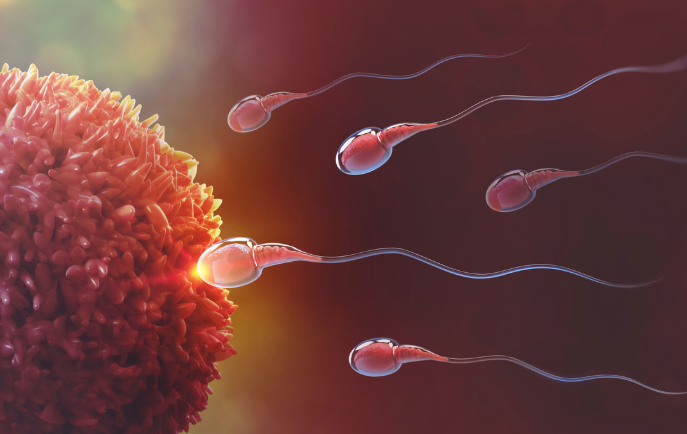
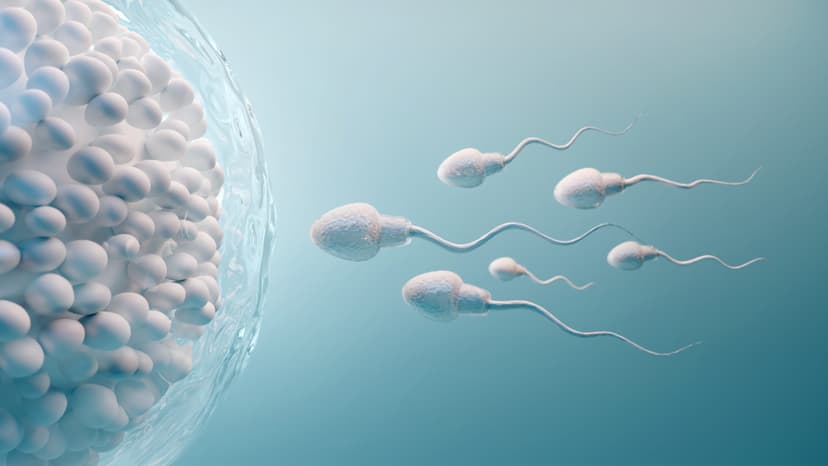
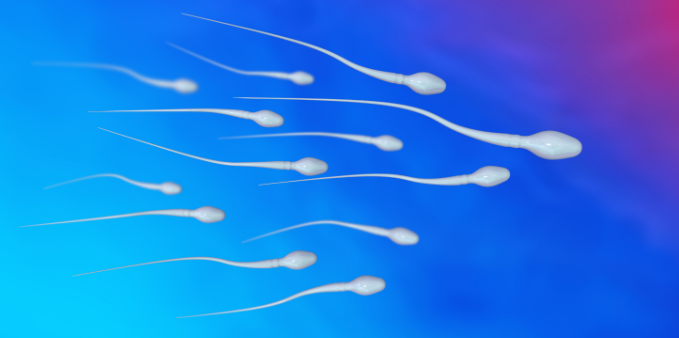
A low sperm count is clinically defined as having fewer than 15 million sperm per milliliter of semen, a threshold established by the World Health Organization (WHO). The condition is medically known as oligospermia. When no sperm at all are present in the ejaculate, the diagnosis is azoospermia. Both conditions fall under the broader category of male factor infertility, which accounts for approximately 40-50% of all infertility cases globally.
Sperm production (spermatogenesis) is a complex process regulated by the hypothalamic-pituitary-gonadal axis. The hypothalamus releases gonadotropin-releasing hormone (GnRH), which signals the pituitary gland to produce follicle-stimulating hormone (FSH) and luteinizing hormone (LH). FSH stimulates the Sertoli cells in the testes to support sperm development, while LH triggers the Leydig cells to produce testosterone. Any disruption along this axis can reduce sperm output.
Understanding these mechanisms is essential because effective treatment for low sperm count depends entirely on identifying where the breakdown occurs. A man with a hormonal deficiency requires a very different treatment plan than one with a physical obstruction in the vas deferens or epididymis.
Causes of Low Sperm Count
The causes of oligospermia are diverse and can be broadly grouped into medical, environmental, and lifestyle categories. Identifying the root cause is the first and most important step in any male infertility treatment plan.
Medical and Structural Causes
- Varicocele: Enlarged veins in the scrotum (pampiniform plexus) that raise testicular temperature and impair sperm production. Varicocele is the most common reversible cause of male infertility, found in about 35-40% of men with primary infertility.
- Hormonal imbalances: Low testosterone, elevated prolactin, or thyroid dysfunction can suppress spermatogenesis. Conditions such as hypogonadotropic hypogonadism directly affect sperm output.
- Infections: Epididymitis, orchitis, sexually transmitted infections (STIs) like chlamydia and gonorrhea, and prostatitis can damage reproductive tissue and obstruct sperm transport.
- Undescended testicles (cryptorchidism): When one or both testes fail to descend into the scrotum during fetal development, it can permanently reduce sperm production if not corrected early.
- Genetic conditions: Klinefelter syndrome (47,XXY), Y-chromosome microdeletions, and cystic fibrosis gene mutations (CFTR) can cause low or absent sperm counts.
- Ejaculatory duct obstruction: Blockages in the vas deferens, epididymis, or ejaculatory duct prevent sperm from reaching the semen. This can result from prior surgery, infection, or congenital absence of the vas deferens (CAVD).
Environmental and Lifestyle Causes
- Heat exposure: Frequent sauna use, hot tub bathing, prolonged laptop use on the lap, and tight-fitting underwear can raise scrotal temperature above optimal levels for spermatogenesis.
- Toxin exposure: Pesticides, heavy metals (lead, cadmium), industrial chemicals, and radiation therapy can impair or destroy sperm-producing cells.
- Lifestyle factors: Chronic alcohol use, tobacco smoking, anabolic steroid use, recreational drug use (especially cannabis and opioids), obesity, and chronic psychological stress all have documented negative effects on sperm parameters.
- Medications: Certain drugs including chemotherapy agents, testosterone replacement therapy, calcium channel blockers, anti-androgens, and some antidepressants can reduce sperm count temporarily or permanently.
Symptoms and Signs of Male Infertility

In many cases, a low sperm count produces no obvious symptoms beyond difficulty conceiving. However, there are clinical signs that may suggest an underlying issue:
- Inability to conceive after 12 months of regular, unprotected intercourse
- Reduced facial or body hair, which may indicate a hormonal disorder
- Pain, swelling, or a visible lump in the testicular area
- Erectile dysfunction or difficulty with ejaculation
- Decreased libido or sexual desire
- Recurrent respiratory infections (associated with conditions like Kartagener syndrome or CFTR mutations)
- Gynecomastia (breast tissue enlargement in men)
- Small, firm testes on physical examination
If any of these signs are present, a clinical evaluation by a urologist or andrologist is strongly recommended before attempting any form of assisted reproduction.
How Low Sperm Count Is Diagnosed in Turkey

Accurate diagnosis is the foundation of successful low sperm count treatment in Turkey. Turkish fertility clinics typically follow a structured diagnostic protocol that includes:
Semen Analysis (Spermogram)
The cornerstone of male fertility testing. A semen sample is evaluated for sperm concentration, motility (movement), morphology (shape), volume, pH, and liquefaction time. At least two analyses, conducted 2-4 weeks apart, are recommended to account for natural fluctuations in sperm parameters.
Hormonal Blood Tests
A full hormonal panel measures testosterone (total and free), FSH, LH, prolactin, estradiol, and thyroid hormones (TSH, free T4). Elevated FSH levels, for example, often indicate primary testicular failure, while low FSH and LH suggest a hypothalamic or pituitary problem.
Scrotal Ultrasound
A Doppler ultrasound of the scrotum identifies varicoceles, testicular masses, epididymal cysts, and other structural abnormalities. Color Doppler imaging is particularly accurate for detecting venous reflux associated with varicocele.
Genetic Testing
Karyotype analysis, Y-chromosome microdeletion screening, and CFTR gene testing are indicated for men with severe oligospermia (fewer than 5 million sperm/mL) or azoospermia. These tests help determine whether genetic factors are at play and whether surgical sperm retrieval might be successful.
Post-Ejaculatory Urinalysis
In cases where ejaculate volume is abnormally low, a post-ejaculatory urine sample is tested for the presence of sperm. If sperm are found, retrograde ejaculation is diagnosed, meaning sperm travel backward into the bladder instead of exiting through the urethra.
Who Is a Good Candidate for Treatment?

Not every man with a slightly lower-than-average sperm count needs medical intervention. Treatment is typically recommended in the following situations:
- Couples who have been unable to conceive after 12 months of regular, unprotected intercourse (or 6 months if the female partner is over 35)
- Men diagnosed with moderate to severe oligospermia (fewer than 10 million sperm/mL)
- Men with a confirmed varicocele and abnormal semen parameters
- Patients with documented hormonal deficiencies affecting sperm production
- Men with obstructive azoospermia who may benefit from surgical sperm retrieval
- Couples planning IVF or ICSI where sperm quality needs optimization beforehand
- Men experiencing testicular pain or swelling alongside fertility concerns
Treatment Options for Low Sperm Count in Turkey

Turkey offers a complete range of treatment approaches, from conservative management to advanced reproductive technologies. The right option depends on the underlying cause, sperm parameters, the female partner's fertility status, and the couple's reproductive goals.
Lifestyle Changes and Medical Management
For mild oligospermia caused by lifestyle factors, the first line of treatment is often non-invasive. Urologists in Turkey commonly recommend quitting smoking and alcohol, maintaining a healthy BMI, reducing scrotal heat exposure, and supplementing with antioxidants such as zinc, selenium, coenzyme Q10, L-carnitine, and vitamin E. These changes alone can improve sperm concentration by 20-40% over 3-6 months in some patients.
Hormonal Therapy
When blood tests reveal hormonal imbalances, targeted hormonal therapy for male infertility can be highly effective. Common medications include clomiphene citrate (to stimulate FSH and LH production), human chorionic gonadotropin (hCG) injections, and aromatase inhibitors like anastrozole. For men with hypogonadotropic hypogonadism, gonadotropin therapy (a combination of FSH and hCG injections) can restore spermatogenesis over 6-12 months.
Varicocele Surgery
Microsurgical varicocelectomy is the gold standard surgical treatment for varicocele-related infertility. Turkish urologists perform this procedure through a small subinguinal incision using high-powered surgical microscopes (up to 25x magnification) to ligate dilated veins while preserving the testicular artery and lymphatic channels. The procedure takes about 30-45 minutes, requires only a one-night hospital stay, and has a recurrence rate below 2-3% when performed by experienced surgeons. Studies show that 60-70% of men experience improved sperm parameters within 3-6 months after surgery.
Sperm Retrieval Techniques
For men with obstructive or non-obstructive azoospermia, surgical sperm retrieval makes it possible to obtain viable sperm directly from the testes or epididymis. The main techniques available in Turkey include:
- Micro-TESE (Microsurgical Testicular Sperm Extraction): Considered the most effective method for non-obstructive azoospermia. The surgeon opens the tunica albuginea and examines the seminiferous tubules under a microscope to identify areas of active spermatogenesis. Success rates range from 40-60%.
- TESA (Testicular Sperm Aspiration): A needle-based technique used to extract sperm from testicular tissue. Less invasive but with lower sperm recovery rates than Micro-TESE.
- PESA (Percutaneous Epididymal Sperm Aspiration): Sperm are aspirated from the epididymis with a fine needle, suitable for obstructive azoospermia cases.
- MESA (Microsurgical Epididymal Sperm Aspiration): An open surgical technique providing higher sperm yields from the epididymis, often used alongside IVF/ICSI.
Assisted Reproductive Techniques (IVF, ICSI)
When natural conception remains unlikely despite medical or surgical treatment, assisted reproductive technology (ART) becomes the next step. Turkey's fertility clinics offer both conventional IVF and ICSI with success rates comparable to leading European centers. ICSI is particularly relevant for men with low sperm count because only a single viable sperm is needed per egg. For couples exploring fertility treatment options abroad, our guide on the Best and Cheapest Countries for IVF Treatment provides a helpful comparison.
How Treatment Is Performed

The treatment process for low sperm count treatment in Turkey typically follows a clear sequence. During the initial consultation (usually on day one of arrival), the urologist or andrologist reviews medical history, performs a physical examination, and orders any necessary lab work or imaging. Results from semen analysis and hormonal tests are often available within 24-48 hours at most Turkish hospitals. Based on the findings, the doctor presents a treatment plan, which could involve medication, surgery, or ART.
If varicocele surgery is indicated, it is usually scheduled within a few days of the initial consultation. The procedure itself takes under an hour, and most patients are discharged the same day or the next morning. For patients who need IVF with ICSI, the female partner begins ovarian stimulation, which takes approximately 10-14 days. Egg retrieval, sperm collection (or surgical extraction), fertilization, and embryo transfer follow in rapid succession. Turkish clinics are well-equipped to manage the entire cycle without unnecessary delays.
Improving Sperm Quality Naturally and Medically
Beyond formal treatment, there are evidence-based strategies to boost sperm health. Turkish andrology specialists often advise patients to combine medical intervention with lifestyle optimization for the best results:
- Diet: A Mediterranean-style diet rich in fruits, vegetables, whole grains, lean proteins, nuts, and omega-3 fatty acids has been associated with better sperm quality. Foods high in antioxidants, such as tomatoes (lycopene), walnuts, and dark leafy greens, help protect sperm from oxidative stress.
- Supplements: Zinc (30-50 mg/day), selenium (55-100 mcg/day), coenzyme Q10 (200-300 mg/day), L-carnitine (2-3 g/day), vitamin D, folic acid, and omega-3 fatty acids have shown positive effects on sperm concentration, motility, and morphology in clinical studies.
- Exercise: Moderate physical activity (30-45 minutes of aerobic exercise, 3-5 times per week) improves hormonal balance and sperm parameters. Excessive endurance training or anabolic steroid use, however, has the opposite effect.
- Avoid heat and toxins: Limit hot baths, avoid placing laptops directly on the lap, wear loose-fitting underwear, and minimize exposure to pesticides, solvents, and heavy metals.
- Manage stress: Chronic stress elevates cortisol levels, which can interfere with testosterone production. Mindfulness, regular sleep (7-8 hours per night), and counseling support can all help.
Success Rates of Low Sperm Count Treatment in Turkey

Success rates vary significantly depending on the treatment type and the severity of the underlying condition:
- Varicocele repair: 60-70% of men show improved sperm parameters; natural pregnancy rates after varicocelectomy range from 30-50% within 12-24 months.
- Hormonal therapy: For men with documented hormonal deficiencies, sperm count improvements occur in 50-70% of cases over 3-12 months.
- IVF with ICSI: Fertilization rates with ICSI are approximately 70-80% per injected egg. Clinical pregnancy rates per cycle in Turkish clinics average 45-55% for women under 35. You can see detailed breakdowns in our article on Turkey IVF Success Rates by Age.
- Micro-TESE: Sperm retrieval is successful in approximately 40-60% of men with non-obstructive azoospermia. When viable sperm are found, subsequent ICSI fertilization rates are comparable to standard cycles.
How Long Does Treatment Take?
Treatment timelines depend on the approach. A diagnostic evaluation and initial consultation can typically be completed in 1-2 days. Varicocele surgery requires a stay of 2-4 days in Turkey total (including pre-op and one follow-up visit). Hormonal therapy is a longer commitment, usually 3-6 months before a repeat semen analysis shows improvement. A full IVF/ICSI cycle, from ovarian stimulation to embryo transfer, takes approximately 2-3 weeks. Patients who need only sperm retrieval (Micro-TESE/TESA) and plan to use it for future ICSI can complete the process in 3-5 days.
Why Choose Turkey for Male Infertility Treatment?
Experienced Andrology Specialists
Turkey is home to a large number of board-certified urologists and andrologists, many of whom trained at leading European and American institutions. Several surgeons in Istanbul and Ankara have performed over 1,000 microsurgical varicocelectomies individually, and their published outcomes match or exceed international benchmarks.
Advanced Fertility and Urology Clinics
Major hospital groups in Turkey, including Acibadem, Medicana, Memorial, and Liv Hospital, operate with JCI (Joint Commission International) accreditation. These facilities house modern andrology laboratories, IVF units with ISO-certified clean rooms, and robotic surgery systems such as the da Vinci Xi.
High IVF and ICSI Success Rates
Turkish IVF clinics report clinical pregnancy rates that are competitive with the best centers in Western Europe. The combination of experienced embryologists, advanced culture media, and time-lapse embryo monitoring systems contributes to these outcomes.
Affordable Treatment Options
As outlined in the cost comparison table above, low sperm count treatment in Turkey costs a fraction of what patients would pay in the US or UK. This price advantage extends to all related services, from diagnostic imaging to surgical procedures and ART cycles.
International Patient Services
Turkish hospitals are experienced in serving international patients. Most major facilities have dedicated international patient departments offering multilingual coordinators, visa assistance letters, airport pickup, hotel partnerships, and telemedicine follow-up after discharge.
The Role of Andrology in Male Fertility

Andrology is the medical specialty focused on male reproductive and sexual health. While urology covers a broad range of conditions affecting the urinary tract and male reproductive system, andrology narrows the focus specifically to male fertility, erectile function, and hormonal health. In Turkey, several university hospitals and private clinics have established standalone andrology departments staffed by subspecialists who focus exclusively on conditions like oligospermia, azoospermia, and male sexual dysfunction.
A trained andrologist brings a more targeted approach to diagnosing and treating male infertility than a general urologist. They are more likely to investigate subtle hormonal imbalances, order advanced sperm function tests (such as DNA fragmentation analysis), and recommend evidence-based interventions. When choosing a clinic for male infertility treatment in Turkey, checking whether the team includes a subspecialized andrologist is a practical step toward better outcomes.
Sperm DNA Fragmentation and Its Impact on Fertility
Standard semen analysis measures sperm count, motility, and morphology, but it does not assess the integrity of the DNA carried by each sperm. Sperm DNA fragmentation (SDF) testing evaluates how much of the genetic material inside sperm is damaged. High SDF levels (above 30% by the TUNEL method, or above 25% by the Halosperm/SCD method) have been linked to lower natural conception rates, reduced IVF/ICSI success, higher miscarriage rates, and poorer embryo development.
Turkish fertility clinics increasingly offer SDF testing as part of their male fertility workup, particularly for couples with unexplained infertility or recurrent pregnancy loss. If SDF levels are elevated, treatment options include antioxidant therapy, varicocele repair (which often reduces SDF), shorter abstinence intervals before semen collection, and using testicular sperm (which typically has lower DNA damage) for ICSI instead of ejaculated sperm.
The Emotional Impact of Male Infertility
Male infertility is not just a physical condition. Research consistently shows that men dealing with fertility issues experience higher levels of anxiety, depression, reduced self-esteem, and relationship stress. The stigma surrounding male infertility in many cultures makes it harder for men to seek help, discuss their feelings, or even acknowledge the problem. This emotional burden can be especially heavy for international patients traveling abroad for treatment.
Many Turkish fertility clinics now offer psychological counseling as part of their treatment programs. Having access to a counselor who understands the emotional dynamics of infertility can make a meaningful difference in how patients cope with the process, make treatment decisions, and maintain a healthy relationship with their partner throughout.
Turkish Regulations on Assisted Reproduction
International patients should be aware of the legal framework governing assisted reproduction in Turkey. Turkish law permits IVF and ICSI only for legally married heterosexual couples using their own eggs and sperm. Donor egg, donor sperm, embryo donation, and surrogacy are all prohibited. There is no official legal age limit for treatment, but most clinics do not treat women over 45-46 due to the requirement to use the patient's own eggs.
These regulations mean that single men, unmarried couples, and same-sex couples are not eligible for ART services in Turkey. For married couples with male factor infertility, however, all surgical sperm retrieval methods (Micro-TESE, TESA, PESA, MESA) and ICSI are fully legal and widely available.
Best Clinics for Male Infertility Treatment in Turkey
Turkey has a number of highly regarded hospitals and clinic groups with strong track records in urology, andrology, and reproductive medicine. Below are some of the most recognized options:
American Hospital Istanbul

One of Istanbul's oldest private hospitals, American Hospital has a well-established urology and andrology department with specialists trained in microsurgical techniques and advanced ART protocols.
Optimed Health Group
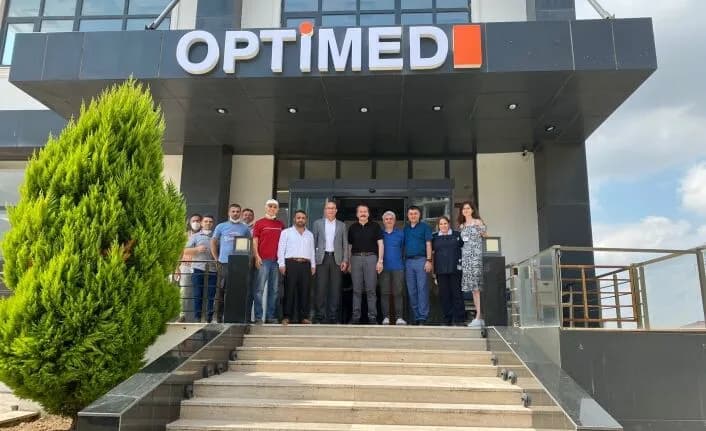
Optimed Health Group focuses on medical tourism and provides coordinated care packages for international patients, including fertility treatment, urology services, and post-treatment follow-up.
Hisar Hospital Intercontinental

Located in Istanbul, Hisar Hospital is known for its experienced microsurgery team and has performed a large volume of varicocelectomy and sperm retrieval procedures for international patients.
Medipol Mega University Hospital
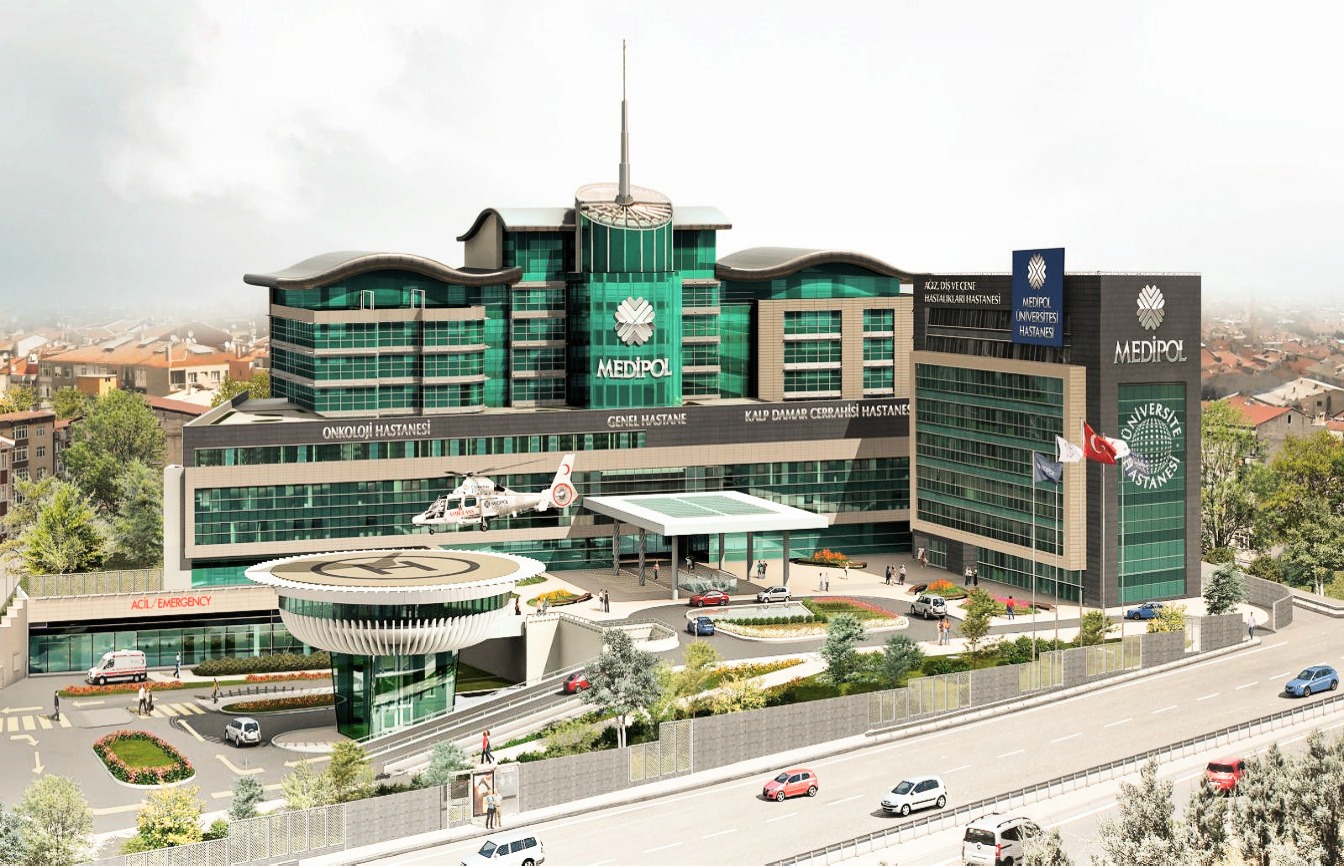
As one of Turkey's largest university hospital complexes, Medipol Mega offers a full andrology program with access to research-level diagnostics, advanced IVF laboratories, and a multidisciplinary fertility team.
Lokman Hekim Health Group
![Hip Replacement Surgery in Turkey: Cost, Best Hospitals & Recovery [2026] related image](https://amedical.az/storage/blog/content/2026/04/db8c8c99-c5e1-4e77-b12c-4b2a80e3ed8b.png)
With hospitals in Istanbul and Ankara, Lokman Hekim provides urology and reproductive medicine services with a focus on affordability and patient accessibility.
Acibadem Healthcare Group

Acibadem is one of Turkey's largest hospital networks with JCI-accredited facilities across the country. Their IVF centers are equipped with time-lapse embryo monitoring systems and house some of Turkey's most experienced reproductive medicine specialists.
Liv Hospital

Liv Hospital is particularly notable for its robotic surgery program and advanced microsurgical varicocelectomy techniques. Dr. Volkan Tugcu at Liv Hospital Vadistanbul has developed a patented robotic technique for urological procedures.
Medicana Healthcare Group

Medicana operates multiple hospitals across Turkey with well-equipped urology departments and experienced fertility teams offering a full range of male infertility services.
Bolge Hospital Turkey
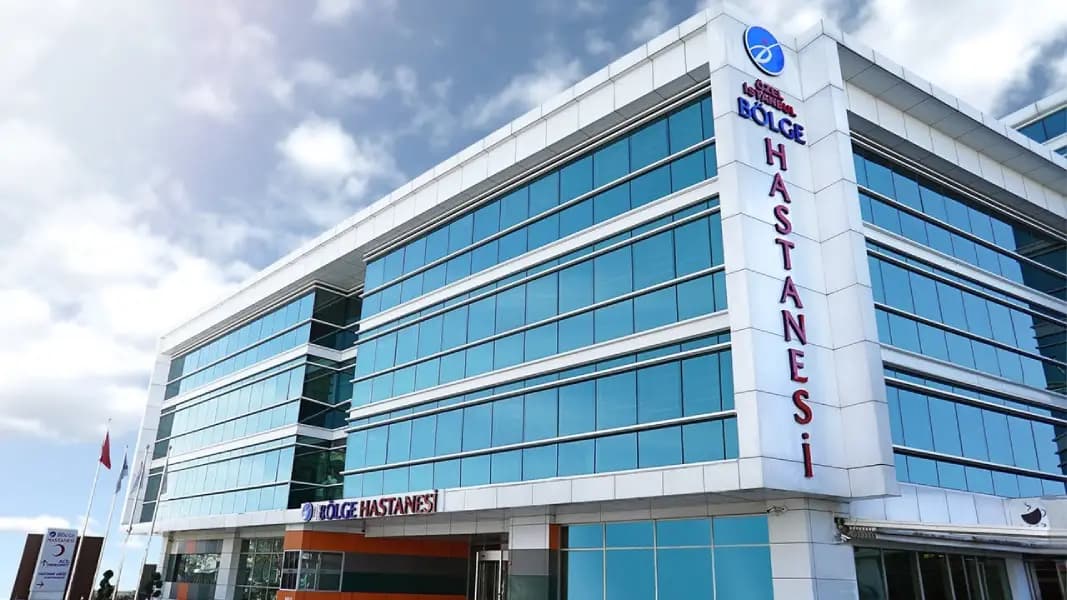
Bolge Hospital provides affordable treatment for low sperm count and other urological conditions, with a focus on accessibility for international patients from the Middle East, Central Asia, and Europe.
Conclusion
Dealing with a low sperm count can feel isolating, but the medical options available today are more effective and more accessible than ever. Turkey has positioned itself as a global hub for male infertility treatment by combining experienced andrology specialists, accredited hospital facilities, advanced reproductive technologies, and prices that make treatment financially realistic for patients from around the world.
Whether you need a straightforward varicocele repair, a complex Micro-TESE procedure, hormonal therapy, or a full IVF/ICSI cycle, Turkish clinics have the infrastructure and expertise to deliver results. And with A-Medical coordinating every step, from your first inquiry to your post-treatment follow-up, the process is simpler than arranging it alone.
If you or your partner are struggling with fertility and want to explore your options in Turkey, contact A-Medical today for a free, no-obligation consultation.
How A-Medical Can Help?
At A-Medical, we connect international patients with Turkey's top-rated urology, andrology, and fertility clinics. Organizing medical treatment abroad on your own can be overwhelming, especially when dealing with a sensitive condition like male infertility. That is exactly where we step in.
When you work with A-Medical, you benefit from:
- No waiting lists: We schedule your consultation and treatment within days, not months. While NHS waiting times for a urology referral in the UK can stretch to 6 months or longer, we get you seen right away.
- Top doctor and clinic matching: We evaluate your specific condition and pair you with the best-suited andrologist, urologist, or fertility specialist from our network of accredited hospitals.
- All-inclusive support: Accommodation, airport transfers, in-hospital translation, and local SIM cards are all arranged before you arrive.
- Affordable pricing: We negotiate directly with hospitals to provide the most competitive treatment packages, saving you significant money compared to self-arranging.
- Post-treatment follow-up: After you return home, our team remains available for telemedicine consultations, sharing lab results with your local doctor, and coordinating any further steps.
If you are considering low sperm count treatment in Turkey, reach out to A-Medical for a free consultation. We will review your medical records, explain your options, and provide a transparent cost estimate with no hidden fees.
Frequently Asked Questions
Is low sperm count treatment in Turkey safe for international patients?
Yes. Turkey's leading fertility and urology clinics hold international accreditations such as JCI and operate under strict oversight from the Turkish Ministry of Health. Surgeons at these hospitals follow the same clinical guidelines and safety protocols used in the US and Europe.
How much does IVF with ICSI cost in Turkey for male infertility?
A single IVF cycle with ICSI in Turkey typically costs between $2,500 and $4,000, including medications, lab fees, and the procedure itself. In contrast, the same cycle costs $15,000-$22,000 in the US and $6,000-$8,500 in the UK.
Can I combine varicocele surgery and IVF during the same trip to Turkey?
In most cases, these are planned as separate steps. After varicocele repair, sperm parameters typically improve over 3-6 months. However, if time is critical, some clinics can perform Micro-TESE at the time of varicocelectomy and freeze the retrieved sperm for a future ICSI cycle. Your doctor will advise the best sequencing for your situation.
What is the success rate of Micro-TESE in Turkey?
Turkish surgeons report sperm retrieval success rates of 40-60% for Micro-TESE in non-obstructive azoospermia cases. When sperm are successfully retrieved, the subsequent ICSI fertilization rate is approximately 70-80%, which is in line with international averages.
Do I need to bring my partner for treatment?
It depends on the treatment plan. For diagnostic evaluation, varicocele surgery, or hormonal therapy, you do not need to bring your partner. However, if IVF/ICSI is planned, the female partner must be present for ovarian stimulation, egg retrieval, and embryo transfer. Some couples coordinate their travel so that the male partner arrives first for surgery or sperm retrieval, and the female partner joins later for the IVF cycle.
How long should I stay in Turkey for low sperm count treatment?
For diagnostic evaluation and consultation, 2-3 days is sufficient. Varicocele surgery requires a total stay of 3-5 days. A full IVF/ICSI cycle requires approximately 15-20 days. If only sperm retrieval is needed, plan for 3-5 days. A-Medical helps you plan the optimal itinerary based on your treatment schedule