Contents
Related Topics
IUI Treatment in Turkey
For couples and individuals who have spent months, sometimes years, trying to conceive without success, IUI treatment in Turkey has quietly become one of the most practical fertility options in Europe and the wider region. A single cycle of intrauterine insemination at a reputable Turkish clinic typically costs between $400 and $900, with all inclusive packages that bundle medications, monitoring scans and the procedure itself reaching around $1,000 to $1,500. By comparison, the same cycle costs $1,000 to $4,000 in the United States, £800 to £2,795 in the United Kingdom and €700 to €1,300 across most of Western Europe, before medication is added. Beyond price, what pushes patients toward Turkey is access. NHS waiting lists for funded fertility care can stretch beyond two years in parts of the UK, US clinics often book initial consultations weeks out, and many European systems restrict treatment to married heterosexual couples under tight age caps. In Turkey, an international patient can usually be scheduled within a week, complete the full insemination cycle inside two visits, and meet the same fertility specialist on every appointment.
This guide walks through how the procedure works, who it suits, what success rates look like at different ages, and what to expect when traveling to Turkey for IUI treatment. It also covers the leading fertility hospitals, how A-Medical handles the logistics, and the points where IUI stops being the right answer and IVF takes over.
Cost of IUI Treatment in Turkey (2026)
The 2026 cost of IUI treatment in Turkey sits between $400 and $1,500 per cycle, depending on the clinic, the city, the medications used and whether donor sperm is part of the protocol. Istanbul tends to anchor the higher end of the range because it concentrates the country's most internationally accredited fertility centers, while Ankara, Izmir and Antalya often list slightly lower base prices for the same protocol.
The table below puts Turkish pricing in context against the markets most patients are arriving from:
- Turkey: $400 to $1,500 per cycle, all inclusive packages typically $1,000 to $2,500
- United States: $500 to $4,000 per cycle for the procedure, plus $500 to $4,000 in medications
- United Kingdom: £800 to £2,795 per cycle privately, with NHS access tied to strict eligibility rules and waiting lists
- Germany and Switzerland: €1,000 to €1,800 per cycle, with legal restrictions on egg and embryo donation
- Spain and Portugal: €780 to €1,300 per cycle
- Czech Republic: from €470 per cycle, but with age and relationship restrictions on access
- Australia: AUD 500 to 1,000 per cycle, mostly out of pocket
Because IUI is rarely a one-cycle solution and most patients need three to six attempts before pregnancy, the cumulative saving from choosing intrauterine insemination in Turkey over the UK or US is substantial. Six private cycles in London can total £10,000 or more once medication and monitoring are added, while the same six cycles in Istanbul, including hotel stays, transfers and translation, usually stay under $7,000.
What Affects IUI Treatment Cost?
The final price of IUI in Turkey is shaped by a handful of practical variables, not by the procedure itself:
- Use of fertility medications: natural cycle IUI is the cheapest option; adding clomiphene citrate, letrozole or injectable gonadotropins raises the cost
- Number of monitoring ultrasounds: more follicular scans mean more accurate timing but also more clinic visits
- Donor sperm: using a sperm donor adds $300 to $1,500 per vial depending on the bank
- Sperm preparation method: swim-up, density gradient and advanced sperm selection differ in price
- Clinic accreditation: JCI accredited hospitals charge more than smaller clinics
- City and accommodation: Istanbul is more expensive than Ankara or Antalya, and the hotel tier in your package matters
Are Multiple Cycles Required?
Yes, in most cases. The published per-cycle pregnancy rate for IUI sits between 10 and 20 percent, so even at strong clinics most couples need two to four cycles before a positive pregnancy test. Turkish clinics frequently sell three- and six-cycle bundles at a discount of 15 to 25 percent versus paying cycle by cycle, which is the most affordable way to plan intrauterine insemination treatment in Turkey.
What Is IUI (Intrauterine Insemination)?
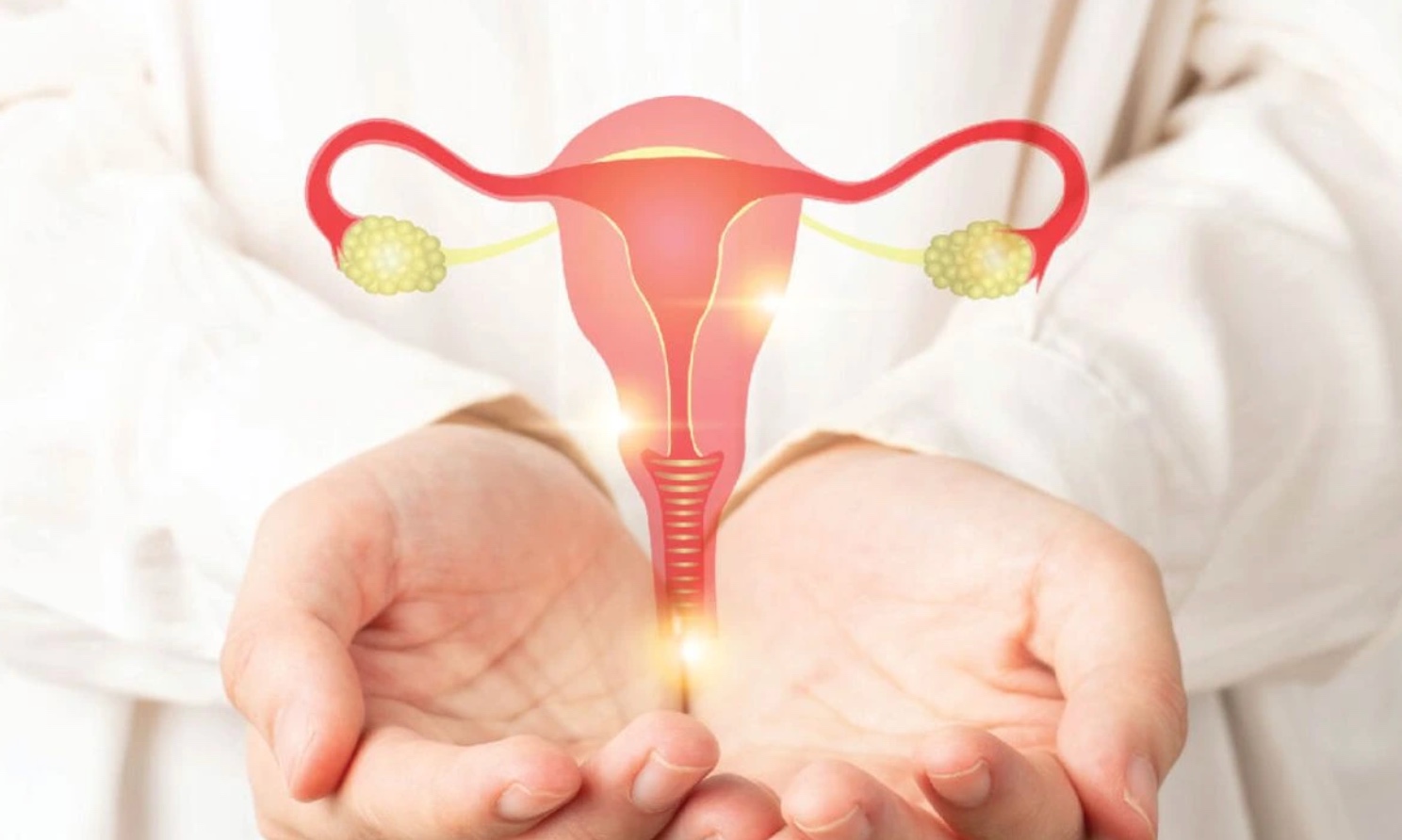
Intrauterine insemination, commonly known as IUI or artificial insemination, is a fertility procedure in which washed and concentrated sperm are placed directly inside the uterus around the moment of ovulation. By bypassing the vagina and cervix, IUI shortens the distance the sperm has to travel to reach the fallopian tubes and the egg, which raises the probability of fertilization in couples where natural conception has not worked.
The technique was developed in the mid-twentieth century and has since become the entry point of assisted reproductive technology (ART). It is less invasive than IVF treatment in Turkey, involves no egg retrieval, no anesthesia and no embryo transfer. The female partner ovulates either naturally or with mild stimulation, the male partner provides a fresh semen sample (or donor sperm is used), the andrology lab prepares the sample, and a soft catheter delivers it into the uterine cavity. The whole insemination takes about five to ten minutes.
Because IUI relies on the woman's own ovulation and her fallopian tubes to do the rest of the work naturally, it is best understood as a way of giving conception a measurable head start, not as a complete replacement for natural fertility.
Who Is a Good Candidate for IUI in Turkey?
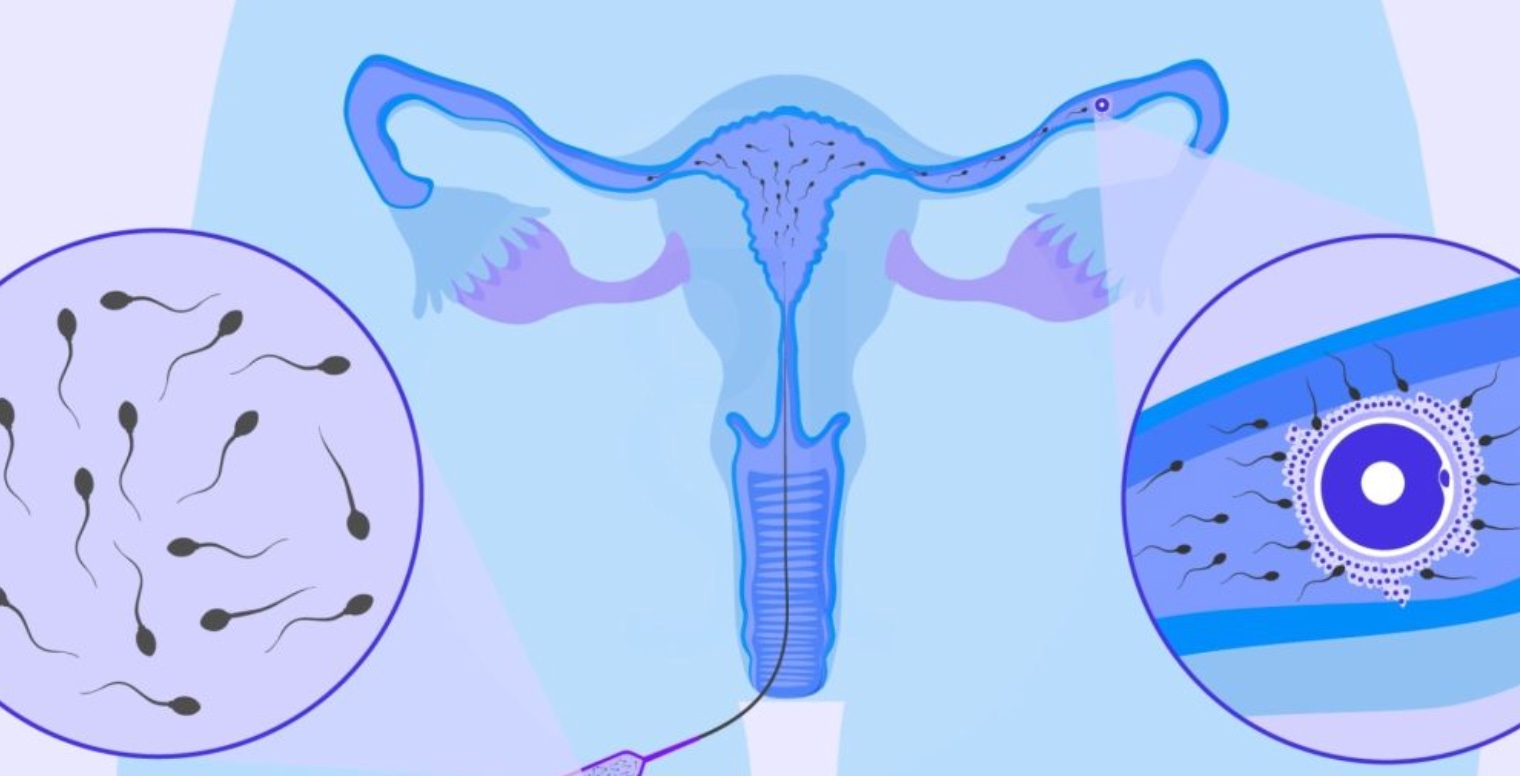
IUI is not a universal answer to infertility, but it is a strong first-line treatment for several specific situations. The most common candidates accepted by Turkish fertility clinics are:
- Couples with unexplained infertility after at least 12 months of trying (6 months if the woman is over 35) with normal test results
- Women with ovulatory dysfunction such as polycystic ovary syndrome (PCOS), once ovulation can be induced with medication
- Couples facing mild to moderate male factor infertility, where sperm count, motility or morphology is below normal but not severely impaired
- Women with cervical factor infertility, including hostile cervical mucus or scarring after a LEEP procedure or biopsy
- Couples with sexual dysfunction (erectile dysfunction, retrograde ejaculation, vaginismus) that prevents intercourse near ovulation
- Same-sex female couples and single women who require donor sperm to conceive
- Patients with mild endometriosis (stage I or II) who still have at least one open fallopian tube
- Couples in serodiscordant relationships (HIV-positive male partner) using sperm washing to reduce viral transmission risk
IUI is generally not appropriate for women with severely blocked or absent fallopian tubes, advanced endometriosis, severe male factor infertility, or for women over 40 with diminished ovarian reserve. In those cases, IVF in Turkey or egg donation treatment in Turkey are the more appropriate routes.
When Is IUI in Turkey Recommended?

Turkish fertility specialists tend to recommend IUI as an early intervention rather than a last resort. The clinical thresholds are similar to those used in Europe and North America, but waiting times are not. The typical scenarios where IUI treatment in Turkey is suggested include:
- A diagnosis of unexplained infertility after standard testing (semen analysis, hysterosalpingography, hormone panel, ovulation tracking)
- Mild male factor infertility with at least 5 to 10 million motile sperm available after wash
- Confirmed ovulation problems where oral medication alone has not produced pregnancy after three to six cycles of timed intercourse
- Use of donor sperm by single women, lesbian couples or couples with severe azoospermia
- Cervical mucus abnormalities documented by post-coital test or clinical exam
- Repeated negative pregnancy tests despite regular intercourse and confirmed ovulation
If three to six well-timed IUI cycles have not led to a pregnancy, the standard advice from Turkish reproductive endocrinologists is to step up to IVF rather than continue with insemination indefinitely.
IUI vs IVF: What's the Difference?
The two procedures share the same goal but operate at very different levels of intervention. IUI keeps fertilization inside the body and depends on the woman's natural reproductive system to do most of the work. IVF (in vitro fertilization) removes eggs from the ovaries, fertilizes them with sperm in a laboratory, grows the resulting embryos for three to five days, and transfers one back into the uterus.
The practical differences that matter to a patient choosing between the two:
- Cost: IUI in Turkey runs $400 to $1,500 per cycle. IVF in Turkey runs $2,500 to $5,500 per cycle.
- Success rate per cycle: IUI averages 10 to 20 percent. IVF averages 35 to 55 percent for women under 35.
- Invasiveness: IUI involves a thin catheter and no anesthesia. IVF involves egg retrieval under sedation and embryo transfer.
- Time on medications: IUI usually requires 5 to 12 days of mild stimulation. IVF requires 10 to 14 days of injectable hormones.
- Length of stay in Turkey: IUI requires 7 to 14 days in country. IVF requires 14 to 21 days.
- Best fit: IUI suits younger patients with mild issues. IVF suits older patients, severe male factor and tubal disease.
Most Turkish clinics will not let a patient skip IUI without good clinical reason if she is under 35 with open tubes and her partner has reasonable sperm parameters. They also do not let patients waste years on IUI when the diagnosis points clearly to IVF. The full breakdown of expected Turkey IVF success rates by age is useful for understanding when the switch makes sense.
How IUI Treatment Is Performed in Turkey
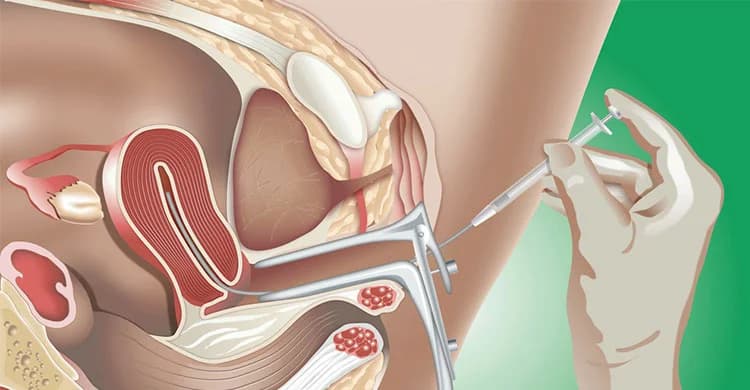
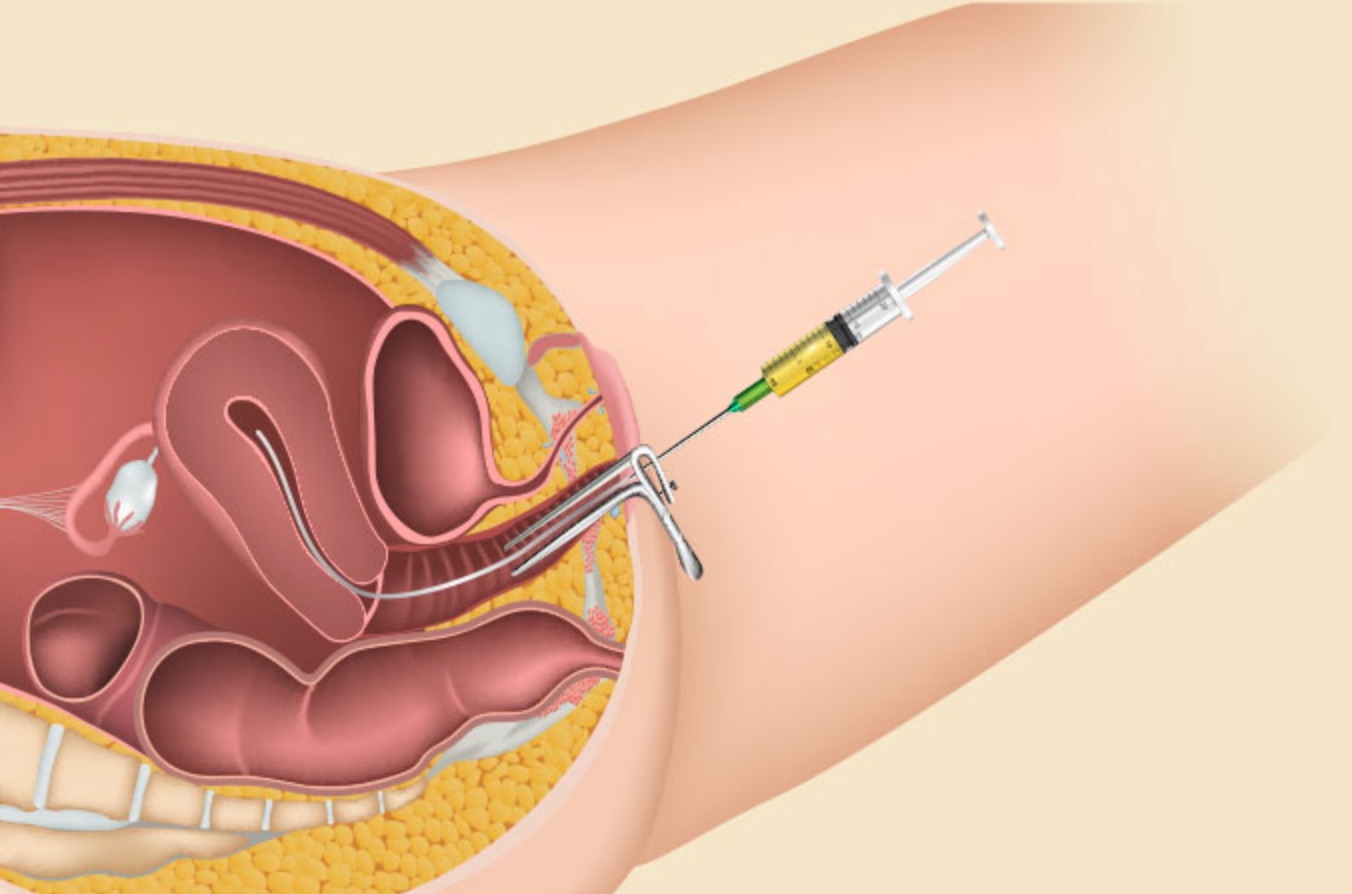
An IUI cycle in Turkey is timed against the menstrual cycle and usually takes between 10 and 14 days from the first ultrasound to the actual insemination. The female patient is monitored with transvaginal ultrasound and serum estradiol to track follicle development. When one or two mature follicles reach 18 to 20 mm, an hCG trigger injection is given to time ovulation. Roughly 36 hours after the trigger, the male partner provides a semen sample, the andrology lab washes and concentrates it, and the prepared sperm is loaded into a soft catheter.
The patient lies in the same position as for a routine pelvic exam. A speculum is inserted, the cervix is gently cleaned, and the catheter is advanced through the cervical canal into the uterine cavity. The sperm sample, usually 0.3 to 0.5 ml, is slowly pushed in. The catheter is removed, and the patient rests on the table for 10 to 15 minutes before going back to her hotel. There is no anesthesia, no incision, and no recovery period in any meaningful sense.
IUI Process in Turkey Step by Step

A typical patient who flies to Turkey for IUI treatment moves through the following stages:
- Step 1, Online consultation: before traveling, the patient sends their medical history, recent semen analysis, AMH, FSH, LH, estradiol and HSG results to the Turkish clinic. A reproductive endocrinologist reviews them and confirms that IUI is appropriate.
- Step 2, Ovarian stimulation: the female patient starts oral medication (clomiphene citrate or letrozole) on cycle day 2 or 3, sometimes combined with low-dose injectable gonadotropins. This phase lasts 5 to 12 days.
- Step 3, Follicular monitoring: transvaginal ultrasound and blood tests every 2 to 3 days check follicle development and endometrial thickness. Most international patients arrive in Turkey around cycle day 8 to 10.
- Step 4, Trigger shot: once a dominant follicle reaches the right size, a single hCG injection induces ovulation about 36 hours later.
- Step 5, Sperm collection and wash: on the day of insemination the male partner provides a sample at the clinic. The lab separates motile sperm using density gradient or swim-up techniques.
- Step 6, The insemination: the prepared sperm is placed in the uterus through a catheter. The procedure takes 5 to 10 minutes.
- Step 7, Luteal phase support: vaginal progesterone is started the same day to support the uterine lining.
- Step 8, Pregnancy test: a beta hCG blood test is done 12 to 14 days after the procedure, either back home or in Turkey for patients staying longer.
Success Rates of IUI Treatment
Per-cycle success rates for IUI are modest by design. The procedure does not select embryos or bypass age-related egg quality issues, so the numbers reflect the natural fertility of the woman's own eggs. Published Turkish clinic data and international registries point to the following ranges:
- Women under 35: 15 to 20 percent pregnancy rate per cycle
- Women 35 to 37: 12 to 15 percent per cycle
- Women 38 to 40: 8 to 11 percent per cycle
- Women 41 to 42: 4 to 6 percent per cycle
- Women over 42: below 4 percent per cycle, at which point IVF with own eggs or donor eggs is generally advised
The cumulative pregnancy rate after three to four well-timed IUI cycles in women under 35 reaches 40 to 50 percent. Beyond six cycles the additional probability becomes very small, which is why most Turkish specialists recommend converting to IVF after the fourth or sixth failed insemination, depending on age and diagnosis.
Other factors that move the needle on success include sperm quality (post-wash motile count above 10 million is ideal), the cause of infertility (unexplained and ovulatory factors do better than mild male factor), and lifestyle factors such as BMI, smoking and alcohol intake. Couples can read more on the topic of male factor infertility in our guide to low sperm count treatment in Turkey.
How Many IUI Cycles Are Needed?
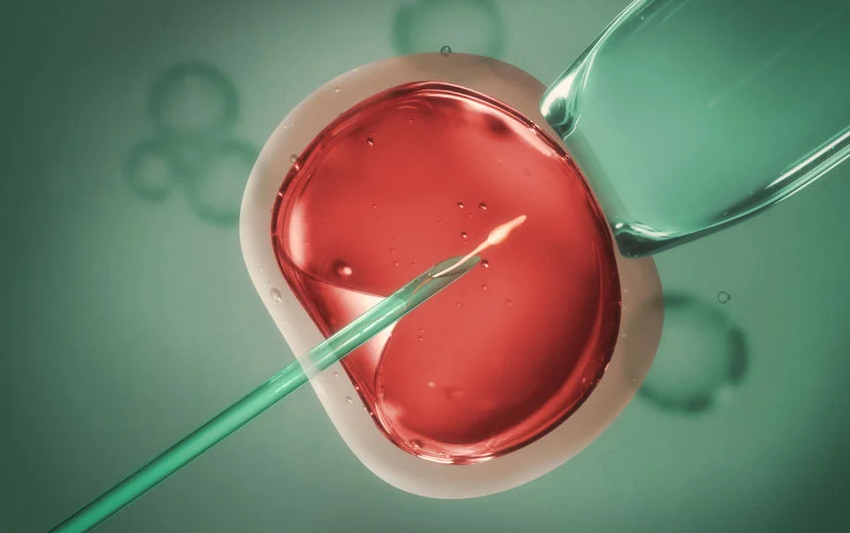
Most pregnancies from IUI in Turkey happen in the first three to four cycles. Clinical evidence is consistent on this point: if IUI is going to work, it usually works within four attempts. Beyond that, repeating the procedure adds cost and emotional strain without meaningfully raising the cumulative odds.
Practical guidelines used by Turkish reproductive endocrinologists:
- Plan for a minimum of 3 cycles before declaring IUI a failure
- Stop and reassess after 4 cycles in women aged 35 to 39
- Stop and convert to IVF after 3 cycles in women aged 40 and over
- Move directly to IVF after the first failed cycle if a second factor is identified, such as undetected tubal disease or worsening sperm quality
Risks and Side Effects of IUI
IUI is one of the safest fertility procedures, but it is not risk free. Patients planning intrauterine insemination treatment in Turkey should be aware of the following potential side effects:
- Mild cramping and spotting for a few hours after the catheter is placed
- Multiple pregnancy (twins or, rarely, triplets) when injectable gonadotropins are used; this risk is around 8 to 12 percent with stimulated cycles
- Ovarian hyperstimulation syndrome (OHSS) which is rare in IUI cycles because doses are low, but possible with injectable medications
- Pelvic infection, uncommon but possible whenever a catheter enters the uterus; reported in fewer than 1 in 1,000 cycles
- Allergic reaction to sperm proteins, very rare and usually known about in advance
- Emotional and psychological strain from repeated cycles and negative results, which is the most underestimated side effect of any fertility treatment
Recovery After IUI Procedure

There is no real recovery period after IUI in the surgical sense. Patients can walk out of the clinic and return to normal activity the same afternoon. The medical advice in Turkey, in line with international guidelines, is straightforward:
- Rest on the exam table for 10 to 15 minutes immediately after insemination
- Avoid baths, hot tubs and swimming pools for 48 hours
- Skip strenuous exercise and heavy lifting for 1 to 2 days
- Continue progesterone support exactly as prescribed
- Resume normal sexual activity unless the doctor advises otherwise
- Wait the full 12 to 14 days before taking a pregnancy test to avoid false negatives
Mild lower-abdominal cramping and light spotting are normal in the first 24 hours. Heavy bleeding, fever, severe pain or unusual discharge should prompt an immediate call to the clinic.
Why Choose Turkey for IUI Treatment?
Turkey has built one of the largest fertility industries in the world over the past two decades, treating tens of thousands of international patients every year. The reasons that draw patients specifically for IUI treatment in Turkey come down to five practical advantages.
Experienced Fertility Specialists
Reproductive endocrinology is a recognized subspecialty in Turkey, and most senior physicians at the leading clinics have trained or worked in the United States, the United Kingdom or Germany. Many of them publish in international peer reviewed journals and serve on ESHRE (European Society of Human Reproduction and Embryology) committees. The high local volume of IUI and IVF cycles also means that even mid-career specialists have performed several thousand inseminations.
Advanced Fertility Clinics
The major fertility hospitals in Istanbul and Ankara are equipped with the same andrology and embryology technology used in London or New York: time-lapse incubators, laser-assisted hatching, MACS sperm selection, vitrification systems and on-site preimplantation genetic testing. JCI (Joint Commission International) accreditation is common at the larger groups, which is the same accreditation held by leading hospitals in the US and the EU.
Affordable Treatment Options
Turkish currency dynamics, lower facility costs and competitive private healthcare keep prices for IUI in Turkey around one-quarter to one-fifth of UK or US private rates. Patients are paying less for the same equipment, the same medications and often physicians who trained in the same Western teaching hospitals.
High Success Rates
Per-cycle pregnancy rates at top Turkish fertility centers match or exceed published European averages. Several Istanbul clinics report IUI pregnancy rates above 18 percent for women under 35, which is in line with the best US programs.
International Patient Services
Almost every major hospital has an international patient department with English, Arabic, Russian, German and French speaking case managers. Visa support, airport transfer, accommodation arrangements and translator services are routine. Turkey also has a generous visa policy for citizens of the EU, the UK, the US, the GCC, the CIS and most of Africa, with eVisa or visa-on-arrival access for medical travelers.
Best Fertility Hospitals for IUI in Turkey
The following hospitals and hospital groups are the ones most frequently chosen by international patients for IUI treatment in Turkey. Each operates a full reproductive medicine unit and treats foreign patients on a daily basis.
American Hospital Istanbul

Founded in 1920 and now part of the Koç Healthcare Group, American Hospital is one of the most internationally recognized hospitals in Turkey. Its reproductive medicine unit handles complex IUI and IVF cases, with full andrology, genetic testing and endocrinology departments under one roof. The hospital is JCI accredited and is a frequent reference center for difficult fertility cases referred from across the region.
Optimed Health Group
Optimed runs a high-volume reproductive medicine unit with strong outcomes in IUI and ovulation induction cycles. The group is known among international patients for transparent package pricing and short scheduling windows, often offering treatment slots within seven to ten days of first contact.
Hisar Hospital Intercontinental

Hisar Intercontinental in Istanbul has a long-established IVF and IUI center, with a separate international patient service. The fertility team works closely with on-site urology and gynecology departments, which is useful when male factor or coexisting gynecological problems need to be treated alongside the insemination cycle.
Medipol Mega University Hospital

Medipol's Mega University Hospital is one of the largest medical complexes in Europe by bed count and operates an academically led reproductive medicine department. Patients benefit from access to associated genetics and embryology research, and the hospital sees a particularly high number of patients from the Middle East and North Africa.
Lokman Hekim Health Group
![Hip Replacement Surgery in Turkey: Cost, Best Hospitals & Recovery [2026] related image](https://amedical.az/storage/blog/content/2026/04/db8c8c99-c5e1-4e77-b12c-4b2a80e3ed8b.png)
Lokman Hekim runs fertility units in Ankara and Istanbul. The group is well regarded for combining mid-range pricing with experienced reproductive endocrinologists, and is a frequent choice for patients comparing cost across multiple Turkish cities.
Acibadem Healthcare Group

Acibadem is one of the largest private hospital networks in Turkey, with multiple fertility centers across Istanbul and other cities. Several of the group's hospitals are JCI accredited, and the IUI and IVF teams handle a very large international caseload, with structured pathways for second-opinion patients arriving from Europe and the Gulf.
Liv Hospital

Liv Hospital, part of the Istinye University Group, has a modern reproductive medicine unit with on-site genetic laboratory and embryology services. It is a popular destination for English-speaking patients due to its central Istanbul location and well-organized international patient department.
Medicana Healthcare Group

Medicana operates fertility units in several of its hospitals, including Medicana International Istanbul. The group is a long-running fixture in Turkish reproductive medicine and is frequently chosen for IUI cycles that may need to escalate to IVF or surgical sperm retrieval if results are not achieved.
Bolge Hospital Turkey

Bolge Hospital provides IUI and broader fertility services with competitive pricing, and is a frequent choice for cost-sensitive patients. The hospital coordinates well with medical tourism agencies and offers structured packages that include medications and accommodation.
Medical Tests Required Before IUI Treatment in Turkey
Turkish clinics do not start an insemination cycle without a complete fertility workup. If recent tests have already been done abroad, results from the past 6 to 12 months are usually accepted. The standard panel includes:
- For the female partner: AMH, FSH, LH, estradiol, TSH, prolactin, vitamin D, transvaginal ultrasound, hysterosalpingography (HSG) to confirm tubal patency, and infection screening (HIV, hepatitis B and C, syphilis, rubella)
- For the male partner: semen analysis (count, motility, morphology) repeated twice, sperm DNA fragmentation if indicated, and the same infection screening panel
- Genetic testing: karyotyping and carrier screening for couples with recurrent pregnancy loss or specific ethnic risk factors
- Endometrial assessment: hysteroscopy if uterine abnormalities are suspected on ultrasound
Length of Stay and Travel Planning for IUI in Turkey
Most international patients spend between 7 and 14 days in Turkey for a complete IUI cycle. The exact length depends on whether they arrive at the start of stimulation or partway through, and on whether they want to stay for the pregnancy test. A practical timeline:
- Days 1 to 2: arrival, intake consultation, baseline ultrasound and bloodwork
- Days 3 to 9: ovarian stimulation, monitoring scans every 2 to 3 days
- Day 10 to 12: trigger shot and insemination
- Day 13 onwards: luteal phase support; patients can fly home and complete the pregnancy test back in their own country
Patients can also choose to come for a shorter visit and complete the early-stimulation phase at home, especially if their local doctor is willing to perform the monitoring scans and report back to the Turkish team.
Donor Sperm IUI in Turkey: What Is and Is Not Allowed
Turkish law on donor gametes is strict and important to understand before booking. Inside Turkey, donor sperm and donor egg use is not legally permitted for Turkish citizens or for foreigners undergoing treatment in Turkish clinics. This means single women, lesbian couples and couples with severe male factor infertility cannot legally use donor sperm for IUI in Turkey.
For donor sperm IUI, patients usually travel to Northern Cyprus, where donor programs are legal and well established. A-Medical can coordinate care across both jurisdictions when needed. For male factor cases that fall short of the IUI threshold, the alternatives inside Turkey are advanced sperm retrieval combined with ICSI, covered in our guide to low sperm count treatment in Turkey.
How to Improve IUI Success Rates Before Your Cycle
Patients who prepare in the three months before their cycle consistently get better outcomes. The follicular phase that produces this month's egg started developing approximately 90 days ago, and sperm production runs on a similar 72 to 90 day timeline. Practical steps backed by clinical evidence:
- Stop smoking at least 90 days before the cycle; smoking lowers IUI pregnancy rates by approximately 30 percent
- Limit alcohol to fewer than four drinks per week for both partners
- Reach a healthy BMI between 19 and 30; both underweight and obesity reduce success
- Take folic acid 400 to 800 mcg daily for at least three months
- Manage stress through sleep, gentle exercise and counseling if needed
- Treat underlying conditions such as thyroid dysfunction, vitamin D deficiency or untreated PCOS
- Time intercourse with the cycle in addition to the IUI procedure, where the doctor approves
- Avoid heat exposure for the male partner: hot baths, saunas, laptops on lap and tight underwear all reduce sperm quality
What Happens If the IUI Is Successful?
A positive beta hCG blood test 12 to 14 days after insemination confirms biochemical pregnancy. The next milestones are an ultrasound scan around 6 to 7 weeks of gestational age to confirm a fetal heartbeat and rule out ectopic pregnancy, then a follow up scan at 8 to 9 weeks. After that, most patients are discharged from fertility care and transition to standard antenatal follow up with their gynecologist at home.
Progesterone support is usually continued until the end of the first trimester. Around one in five clinical pregnancies ends in miscarriage regardless of how conception occurred, which is the same baseline rate as natural conception. After a positive IUI pregnancy, additional fertility treatment is not needed unless the patient wants to plan a future sibling.
How A-Medical Can Help?
A-Medical is a medical tourism partner that has helped hundreds of international patients arrange IUI treatment in Turkey without dealing with hospital admin, visa logistics or language barriers on their own. Patients who go through A-Medical receive the following:
- No waiting lists: first appointment with a fertility specialist within 5 to 10 days of first contact
- Matching with the right clinic and doctor based on diagnosis, age, budget and language preference, not on commercial pressure from a single hospital
- Negotiated pricing with the most affordable clinics for the same level of care, often 10 to 25 percent below walk-in rates
- All inclusive packages covering consultation, medications, monitoring scans, the IUI procedure and post-treatment follow up
- Accommodation in vetted hotels near the treating clinic, in a tier matching the patient's budget
- Airport pickup and private transfers between hotel and hospital for every appointment
- Multilingual translators who attend appointments with the patient and translate medical reports
- Visa and travel support, including invitation letters from the partner hospital where needed
- Continuous case management through a single coordinator who follows the patient from first call to follow-up after they return home
- Honest second opinions if the diagnosis suggests IVF rather than IUI is the right path
Talk to an A-Medical fertility coordinator before booking anything. A 20 minute conversation is usually enough to get an honest read on whether IUI treatment in Turkey is the right next step, what it will cost in your specific case, and how soon you can fly.
Conclusion
IUI treatment in Turkey is one of the most accessible and reasonably priced fertility options available today. For couples with mild to moderate fertility issues, single women using known sperm sources and patients who simply cannot wait two years for an NHS appointment, Turkish fertility clinics offer the same equipment, the same protocols and frequently the same training as their counterparts in London, New York or Berlin, at roughly a fifth of the price. Per-cycle success rates are competitive, scheduling is fast, and the country has the infrastructure to make a multi-cycle treatment plan genuinely workable rather than financially crushing.
What IUI cannot do is overcome severe male factor infertility, blocked tubes, advanced endometriosis or significantly diminished ovarian reserve. In those cases the right next step is affordable IVF in Turkey, and the same logic applies: better access, lower cost, comparable outcomes. Whichever path is right, the worst thing any patient can do is delay treatment because of the cost or wait time of their home system. A-Medical can help arrange the consultation, the clinic match and the travel, so the patient can focus on what actually matters.
Frequently Asked Questions
How long does an IUI cycle take from start to finish in Turkey?
A complete cycle takes about 10 to 14 days, from the first stimulation pill on cycle day 2 or 3 to the actual insemination, with the pregnancy test 12 to 14 days later.
Is IUI treatment in Turkey painful?
No. The insemination itself feels similar to a routine cervical smear, with brief mild cramping during catheter placement. No anesthesia or pain medication is required.
How much does IUI in Turkey cost compared to the UK and the US?
A single cycle of IUI in Turkey costs $400 to $1,500, against £800 to £2,795 in the UK and $1,000 to $4,000 in the US. The savings increase further when multiple cycles are needed.
How many IUI cycles should I plan for?
Most successful pregnancies happen within the first three to four cycles. Standard practice is to attempt three to six cycles before switching to IVF, depending on age and diagnosis.
Can single women or lesbian couples have IUI in Turkey?
Donor sperm IUI is not legally available inside Turkey for foreign or domestic patients. Single women and lesbian couples typically travel to Northern Cyprus, where donor programs are legal and well established.
What is the success rate of IUI in Turkey for women over 40?
Per-cycle pregnancy rates drop to 4 to 6 percent for women aged 41 to 42 and below 4 percent over 42. For most patients in this age range, IVF or donor egg IVF is the more successful route.
Does insurance cover IUI treatment in Turkey for international patients?
Most international travel and health insurance policies do not cover elective fertility treatment abroad. Patients usually pay out of pocket, which is why Turkey's lower base price makes a meaningful difference compared to private treatment at home.
Can I work and travel during an IUI cycle?
Yes. There are no activity restrictions during stimulation beyond the usual healthy-lifestyle recommendations, and only one to two days of light activity are advised after the insemination itself.