
Contents
Understanding IVF success rates by age helps international patients estimate realistic treatment outcomes before traveling for fertility care. Age remains the strongest predictor of IVF success because egg quality and embryo viability change over time.
Turkey has become a well-known destination for fertility treatment due to experienced specialists, modern embryology labs, and more accessible treatment costs compared with many Western countries. When evaluating IVF success in Turkey, age groups provide the clearest reference point for expected outcomes.
What Are IVF Success Rates in Turkey by Age?
IVF success rates in Turkey follow the same biological pattern seen worldwide: younger patients generally experience higher success rates, while outcomes gradually decrease after the mid-thirties.
Typical clinical pregnancy ranges reported by many fertility centers show the following age trends:
- Under 35: around 50-60% per cycle
- Age 35-40: around 35-45% per cycle
- Over 40: around 10-20% per cycle with own eggs
These ranges vary depending on embryo quality, ovarian reserve, sperm health, and the clinic’s laboratory performance. Some clinics report pregnancy rates, while others report live birth rates, which can lead to different percentages.
Patients considering IVF in Turkey often evaluate both the clinic’s success statistics and the overall treatment environment, including physician experience, laboratory technology, and patient coordination support. Medical tourism coordinators such as A-Medical help international patients compare clinics and organize treatment plans based on individual fertility profiles.
Why Age Affects IVF Success
Age directly influences IVF outcomes because reproductive biology changes over time. As women age, both the number of eggs and the genetic quality of eggs tend to decline.
Several biological factors explain this effect:
- Lower ovarian reserve: fewer eggs respond to stimulation medication.
- Chromosomal abnormalities: older eggs have a higher chance of genetic errors.
- Reduced embryo quality: abnormal embryos may fail to implant.
- Higher miscarriage risk: pregnancy loss becomes more common with age.
These changes usually begin gradually in the early thirties and become more noticeable after age 35. By the early forties, embryo viability becomes the main limiting factor for many IVF cycles.
However, age alone does not determine outcome. Some patients in their late thirties still produce healthy embryos, while some younger patients face ovarian reserve issues. For this reason, fertility specialists evaluate additional indicators such as AMH levels, antral follicle count, and previous IVF response.
IVF Success Rates in Turkey for Women Under 35
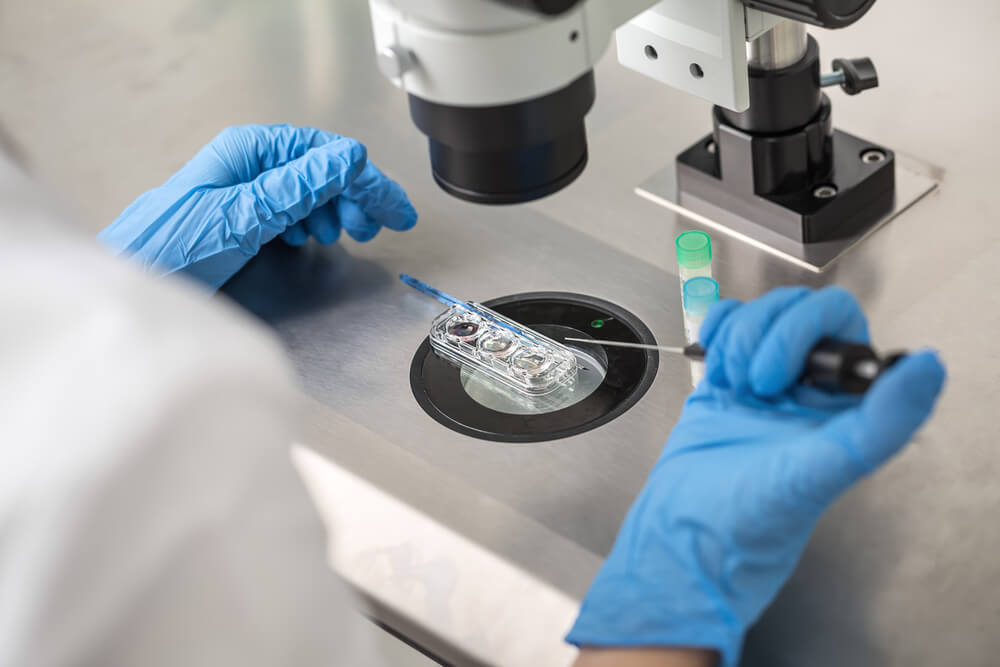
Women under 35 generally experience the highest IVF success rates. In many Turkish fertility clinics, clinical pregnancy rates often fall between 50% and 60% per cycle, depending on the treatment protocol.
Several advantages contribute to stronger outcomes in this age group:
- Higher egg quantity during stimulation
- Better embryo development
- Higher implantation probability
- Lower miscarriage risk
Because ovarian response is typically stronger, clinics may retrieve a larger number of eggs. This increases the chances of developing multiple embryos and allows embryologists to select the most viable embryo for transfer.
Even in younger patients, certain factors may reduce success rates. These include severe male infertility, untreated uterine abnormalities, and endometriosis. Fertility specialists therefore recommend a full diagnostic evaluation before starting treatment.
For international patients traveling for IVF in Turkey, treatment coordination services such as A-Medical can simplify the process by arranging consultations, medical record review, and clinic selection before the patient arrives.
IVF Success Rates in Turkey for Women Aged 35 to 40
Between ages 35 and 40, IVF success rates remain clinically meaningful but begin to decline compared with younger age groups. Many fertility clinics report success rates ranging between 35% and 45% per cycle.
The decline during this period occurs mainly because egg quality gradually decreases. Chromosomal abnormalities become more common, which can reduce implantation potential and increase miscarriage risk.
Within this age category, individual differences can be significant. A 35-year-old with normal ovarian reserve may still experience outcomes close to younger patients. In contrast, a patient approaching 40 with low AMH levels may face reduced response to stimulation.
Treatment strategy becomes particularly important during these years. Physicians may adjust stimulation protocols, monitor ovarian reserve closely, or recommend embryo freezing strategies to optimize cumulative pregnancy chances.
IVF Success Rates in Turkey for Women Over 40

IVF success rates decline more sharply after age 40 when patients use their own eggs. In many fertility programs, success rates fall to approximately 10% to 20% per cycle, though individual outcomes vary widely.
The main challenge in this age group involves embryo chromosomal quality. Even when eggs fertilize successfully, many embryos may carry genetic abnormalities that prevent implantation or lead to early pregnancy loss.
Some patients over 40 still achieve pregnancy through IVF, especially when ovarian reserve remains relatively stable. However, treatment often requires realistic expectations and careful evaluation of previous cycle outcomes.
When repeated cycles with own eggs produce poor embryo development, fertility specialists may discuss alternative strategies. These may include modified stimulation protocols, embryo genetic screening, or considering donor egg programs depending on the treatment location.
Other Factors That Affect IVF Success in Turkey Besides Age
Although age plays a major role in IVF outcomes, several additional factors influence success rates in fertility treatment.
Important variables include:
- Ovarian reserve indicators (AMH and AFC)
- Sperm quality and DNA fragmentation
- Embryology laboratory technology
- Uterine health and endometrial receptivity
- Embryo culture conditions
- Experience of the fertility team
Patients evaluating IVF in Turkey should therefore look beyond a single percentage figure. Success rates become more meaningful when considered alongside the clinic’s laboratory standards, diagnostic approach, and case selection practices.
IVF in Turkey with Own Eggs vs Donor Eggs by Age
IVF success with own eggs strongly depends on age because egg quality determines embryo viability. As age increases, the proportion of genetically normal embryos decreases.
Donor egg IVF, on the other hand, typically produces higher success rates because donor eggs usually come from younger women with healthy ovarian function.
This difference often leads to two treatment pathways:
- Own egg IVF: commonly recommended for younger patients with adequate ovarian reserve.
- Donor egg IVF: often considered when egg quality or ovarian reserve significantly decline.
Legal regulations and treatment availability may vary by country. Patients exploring fertility treatment options often seek guidance from medical tourism coordinators such as A-Medical, which helps international patients understand treatment pathways and clinic options.
How to Improve IVF Success at Different Ages
Although age cannot be changed, several strategies can help improve IVF outcomes.
Key approaches include:
- Early fertility evaluation to identify ovarian reserve issues
- Choosing an experienced IVF clinic with advanced embryology labs
- Optimizing lifestyle factors such as smoking cessation and nutrition
- Addressing underlying conditions such as endometriosis or fibroids
- Using individualized stimulation protocols
Patients considering IVF abroad often benefit from careful pre-treatment planning. Medical coordination services may assist with medical record review, treatment scheduling, and communication with fertility specialists before travel.
FAQs About Turkey IVF Success Rates by Age
Is IVF in Turkey successful after 40?
IVF after age 40 can still lead to pregnancy, although success rates with own eggs are lower than in younger age groups. Many clinics report success ranges around 10-20% per cycle depending on ovarian reserve and embryo quality.
What is the IVF success rate in Turkey under 35?
Women under 35 generally experience the highest IVF success rates in Turkey. Many clinics report clinical pregnancy rates between 50% and 60% per cycle, although actual outcomes vary depending on individual fertility factors.
Does IVF success drop significantly after age 35?
Yes, IVF success gradually declines after age 35 because egg quality and embryo viability decrease over time. The decline becomes more noticeable after age 40.
Are donor eggs recommended for IVF after 40?
Donor eggs may be considered for patients over 40 when ovarian reserve is very low or when repeated IVF cycles with own eggs do not produce viable embryos. Treatment recommendations depend on individual medical evaluation.