Contents
Related Topics
Hip Replacement Surgery in Turkey
Turkey is one of the most established destinations for hip replacement surgery because it combines lower private-pay costs, internationally accredited hospitals, experienced orthopedic surgeons, and a structured treatment pathway built for overseas patients. For many people, the advantage goes beyond price. It is the ability to combine surgery, hospital stay, rehabilitation, and follow-up planning in one organized treatment journey.
Read: Best and Cheapest Countries for Hip Replacement Surgery Abroad
Key Takeaways:
- Average cost: $7,500 to $12,000 for most standard private hip replacement cases in Turkey.
- Hospital stay: Typically 3 to 7 days, followed by hotel recovery before flying home.
- Success rate: Over 95% patient satisfaction reported globally for hip replacement surgery.
- Implant quality: Turkish hospitals use FDA and CE approved implants from brands such as Zimmer Biomet, Stryker, and Smith & Nephew.
- Technology: MAKO robotic-assisted surgery and Direct Anterior Approach techniques are available at leading Turkish hospitals.
- This guide compares 8 hospitals and explains how A-Medical helps match each case to the right provider.
Why Turkey Is a Leading Destination for Hip Replacement Surgery
![Hip Replacement Surgery in Turkey: Cost, Best Hospitals & Recovery [2026] related image](https://amedical.az/storage/blog/content/2026/04/e55551f4-d609-4e48-9d53-1e5412283338.png)
Turkey attracts international orthopedic patients because it offers a strong balance between cost, hospital infrastructure, and treatment coordination. For many self-pay patients, this makes Turkey one of the most practical options for affordable hip replacement abroad, although the better way to frame this is value rather than low price alone.
Several factors contribute to Turkey's position as a medical tourism hub for orthopedic procedures:
- Cost savings of 50% to 70% compared to the United States and the United Kingdom, without compromising implant quality or surgical standards.
- JCI accredited hospitals (Joint Commission International) that meet global safety and quality benchmarks.
- Orthopedic surgeons trained in Europe and the United States, many with extensive arthroplasty experience.
- Availability of advanced technology including MAKO robotic-assisted surgery and computer-navigated implant placement.
- Established international patient departments offering interpreter support, airport transfers, and discharge coordination.
- Shorter waiting times compared to public healthcare systems in Europe and the UK.
Another reason is treatment organization. Hip replacement is not a one-day procedure. It involves pre-operative review, implant planning, anesthesia clearance, inpatient monitoring, early mobilization, and a rehabilitation phase that directly affects the outcome. Turkey's larger private hospital groups handle this full cycle for international patients as a routine part of their operations.
This is one of the clearest reasons patients benefit from using A-Medical. A patient searching alone often compares hospitals only by headline package price. We help compare what actually matters in hip replacement:
- Whether the implant system and brand are clearly defined in the quote.
- Whether rehabilitation is genuinely included or only mentioned vaguely.
- Whether the case is appropriate for that hospital's orthopedic team and surgical volume.
- Whether the quoted plan is realistic for the patient's age, mobility, and recovery needs.
- Whether the hospital holds JCI accreditation and is truly suitable for international arthroplasty patients.
What Is Hip Replacement Surgery?
![Hip Replacement Surgery in Turkey: Cost, Best Hospitals & Recovery [2026] related image](https://amedical.az/storage/blog/content/2026/04/4faa0d5b-0f89-4417-81f8-e8d278beef12.png)
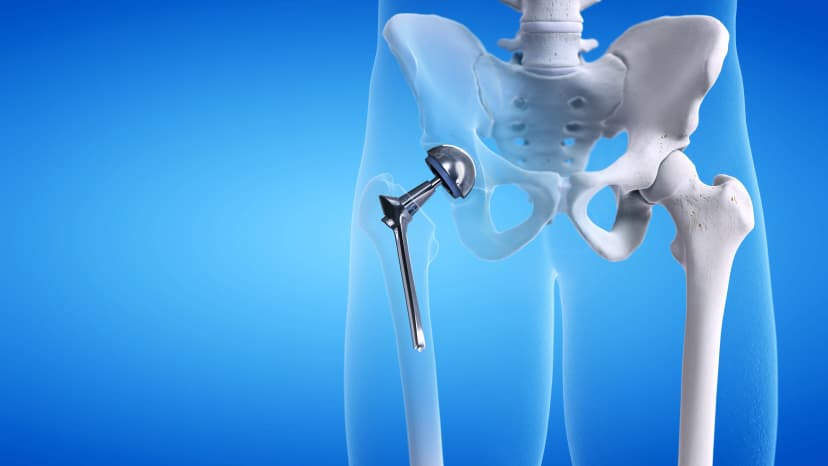
Hip replacement surgery (hip arthroplasty) is an orthopedic procedure in which a damaged hip joint is replaced with an artificial implant made of metal, ceramic, or medical-grade polyethylene. It is typically performed to relieve chronic pain caused by arthritis, fractures, or joint degeneration and to restore mobility and daily function.
Most patients consider hip replacement because of advanced osteoarthritis, rheumatoid arthritis, long-term joint degeneration, fracture-related damage, avascular necrosis, or failure of previous conservative treatment. The operation has a success rate exceeding 90%, with over 95% of patients reporting significant satisfaction with the results according to published orthopedic research. Modern hip implants are designed to last 15 to 25 years depending on implant type, patient lifestyle, and overall health.
Outcomes depend on proper patient selection, implant planning, surgical technique, and rehabilitation after surgery.
Who Is a Good Candidate for Hip Replacement Surgery
![Hip Replacement Surgery in Turkey: Cost, Best Hospitals & Recovery [2026] related image](https://amedical.az/storage/blog/content/2026/04/c9b970b3-0031-4892-ad58-b0bacf6ee777.png)
A good candidate usually has persistent hip pain, major limitation in walking or daily activity, and imaging that confirms meaningful joint damage. Many patients reach the point where medication, injections, and physical therapy no longer provide enough relief.
The best candidate is not defined by age alone. A proper decision also depends on:
- Overall medical condition and fitness for surgery.
- Bone quality and density.
- Body weight and BMI (higher BMI may increase surgical complexity and recovery time).
- Activity goals after surgery.
- Muscle condition around the joint.
- Whether one or both hips are affected (unilateral vs. bilateral replacement).
- Whether the patient has had prior hip surgery.
Patients with uncontrolled diabetes, active infections, severe obesity, or certain neuromuscular conditions may need additional evaluation before being considered candidates. A-Medical helps patients submit medical records for pre-assessment so the surgical team can evaluate candidacy before travel.
Types of Hip Replacement Procedures Available in Turkey
Turkey's orthopedic centers and hospital groups cover the main arthroplasty categories, from standard primary replacement to complex revision work. The type of replacement affects technical difficulty, implant choice, cost, and recovery pattern.
Total Hip Replacement (Total Hip Arthroplasty)
![Hip Replacement Surgery in Turkey: Cost, Best Hospitals & Recovery [2026] related image](https://amedical.az/storage/blog/content/2026/04/bdfb9fb1-786e-4f5d-8754-4911fef628ba.png)
Total hip replacement is the most common procedure and involves replacing both the femoral head (ball) and the acetabular socket surfaces with prosthetic components. This is usually the standard operation when degeneration affects the full joint.
For most international patients, this is the procedure they mean when they search for hip replacement surgery in Turkey. Even within total hip replacement, the implant design, bearing surface combination, fixation approach (cemented vs. cementless), and rehabilitation expectations can vary significantly.
Partial Hip Replacement (Hemiarthroplasty)
![Hip Replacement Surgery in Turkey: Cost, Best Hospitals & Recovery [2026] related image](https://amedical.az/storage/blog/content/2026/04/2f351ece-6f1b-43f8-a4f7-3c6e9137b3cc.png)
Partial hip replacement usually replaces only the femoral head and is more often used in selected fracture-related cases, particularly femoral neck fractures in older patients. It is not the right fit for every arthritis patient, but it remains relevant in specific orthopedic scenarios where the acetabular socket is still healthy.
Revision Hip Replacement
![Hip Replacement Surgery in Turkey: Cost, Best Hospitals & Recovery [2026] related image](https://amedical.az/storage/blog/content/2026/04/54ae81bd-c00d-4817-a4b7-b80a45c42db2.png)
Revision hip replacement is used when a prior implant fails, loosens, wears out, becomes infected, or no longer functions properly. This is one of the most important categories to triage correctly because revision surgery is usually more technically demanding, takes longer, and requires a surgeon with specific revision arthroplasty experience.
Revision patients benefit especially from A-Medical support because these cases should not be matched to hospitals on price alone. We help identify whether the provider truly has revision arthroplasty depth and the right implant inventory, or is mainly optimized for simpler primary replacements.
Minimally Invasive Hip Replacement
![Hip Replacement Surgery in Turkey: Cost, Best Hospitals & Recovery [2026] related image](https://amedical.az/storage/blog/content/2026/04/ef11e9d5-3110-4962-bafb-4c3d9f66656f.png)
Minimally invasive hip replacement refers to surgical approaches designed to reduce soft tissue disruption and potentially support easier early recovery. The two most common approaches are the Direct Anterior Approach and the posterior approach.
Robotic-Assisted Hip Replacement (MAKO)
![Hip Replacement Surgery in Turkey: Cost, Best Hospitals & Recovery [2026] related image](https://amedical.az/storage/blog/content/2026/04/1cd34a62-7b31-4c20-a93a-4a690ec56463.png)
Robotic-assisted hip replacement uses systems such as the MAKO SmartRobotics platform to create a 3D virtual model of the patient's hip based on a pre-operative CT scan. During surgery, the robotic arm guides the surgeon to position the implant with sub-millimeter accuracy within pre-planned boundaries.
Key benefits of robotic-assisted hip replacement include more precise implant placement, reduced risk of leg-length discrepancy, less soft tissue disruption, and potentially faster recovery. Several leading hospitals in Istanbul, Ankara, and Antalya now offer MAKO-assisted total hip replacement as part of their international patient programs.
Not every patient requires robotic surgery, and it may come at a premium cost. A-Medical helps patients understand when robotic assistance adds meaningful clinical value versus when a skilled surgeon using conventional techniques is equally effective.
Surgical Approaches: Anterior vs. Posterior Hip Replacement
The surgical approach determines how the surgeon accesses the hip joint. Each approach has distinct advantages depending on patient anatomy and the surgeon's experience.
Direct Anterior Approach
The Direct Anterior Approach accesses the hip joint from the front and works between the muscles rather than cutting through them. This approach is associated with less post-operative pain, faster rehabilitation, shorter hospital stay, and a lower risk of dislocation. It is increasingly available at major Turkish hospitals, particularly in Istanbul and Izmir.
Posterior Approach
The posterior approach is the most widely used technique globally and provides excellent surgical visibility. It involves accessing the hip from the back and may require more precautions during early recovery to prevent dislocation, but it remains highly effective and well-studied with strong long-term outcomes.
When comparing hospitals through A-Medical, patients can ask specifically which approach the surgeon uses and why it is recommended for their case.
Hip Implant Brands and Materials Used in Turkey
![Hip Replacement Surgery in Turkey: Cost, Best Hospitals & Recovery [2026] related image](https://amedical.az/storage/blog/content/2026/04/b8740274-d6c6-408a-8371-7ed4cd967d0d.png)
Leading Turkish hospitals use FDA approved and CE marked implants from globally recognized manufacturers. The most commonly used brands include:
- Zimmer Biomet: One of the largest orthopedic implant manufacturers worldwide.
- Stryker: Known for the MAKO robotic system and a wide range of hip implant designs.
- Smith & Nephew: Offers advanced bearing surfaces including OXINIUM oxidized zirconium.
- DePuy Synthes (Johnson & Johnson): Long-established implant brand with extensive clinical data.
The choice of implant depends on the patient's age, activity level, bone quality, and the surgeon's recommendation. Common bearing surface combinations include:
- Ceramic-on-ceramic: Excellent wear resistance and durability, often preferred for younger and more active patients.
- Ceramic-on-polyethylene: A popular combination offering good performance with lower cost than full ceramic.
- Metal-on-polyethylene: A well-studied and widely used combination with decades of clinical evidence.
Patients should ask for the specific implant brand, model, and bearing surface combination that will be used in their surgery. A-Medical helps patients verify that the quoted implant is a recognized international brand rather than a generic or unspecified component.
Hip Replacement Surgery Cost in Turkey: Full Pricing Breakdown
For most self-pay patients, cost of hip replacement surgery in Turkey is one of the main reasons the country stays competitive. Broad package listings in 2026 commonly place standard unilateral total hip replacement around $7,500 to $13,000, while some marketplace listings for premium providers show higher numbers, especially for robotic or more complex pathways.
That price still needs interpretation. A lower quote can exclude hotel recovery, advanced physiotherapy, robotic assistance, or a premium implant system. A higher quote may be justified if it includes a stronger implant brand, longer inpatient monitoring, or a more robust rehab structure. This is one of the few places where coordination actually adds value: patients often need help understanding whether two quotes are truly comparable.
Cost by Procedure Type
| Total Hip Replacement | $7,500 to $10,000 |
| Partial Hip Replacement | $7,500 to $10,000 |
| Revision Hip Replacement | $8,000 to $12,000 |
| Robotic-Assisted (MAKO) Hip Replacement | $11,000 to $16,500 |
| International All-Inclusive Packages | Up to $13,200+ |
International Cost Comparison: Turkey vs. Other Countries
| Turkey | $7,500 to $12,000 | Baseline |
| United States | $25,000 to $40,000 | 60% to 70% savings |
| United Kingdom | $15,000 to $25,000 | 50% to 55% savings |
| Germany | $12,000 to $20,000 | 35% to 50% savings |
| India | $5,000 to $8,000 | Comparable or lower |
Use these as planning figures, not final commitments. Final pricing can change based on implant system, hospital level, surgical complexity, length of hospital stay, rehabilitation intensity, need for extra monitoring, hotel recovery days, and interpreter or transfer services.
What Is Typically Included in a Hip Replacement Package in Turkey
Most all-inclusive packages at JCI accredited Turkish hospitals cover:
- Surgeon and anesthesiologist fees.
- 3 to 7 nights of hospital stay in a private room.
- FDA/CE approved implant (brand specified in the quote).
- Pre-operative tests including blood work, X-rays, and CT scan if needed.
- Initial physiotherapy sessions during the hospital stay.
- Post-operative medications.
- VIP airport-to-hospital transfers and interpreter services.
That said, one quote may include everything listed above while another may only include the core surgery and leave the patient to discover extra costs later. A-Medical does not treat a quote as a final answer. We help patients understand the difference between a marketing estimate and a planning-grade treatment quote by examining what each package actually includes, whether physiotherapy is genuinely part of the plan, and whether ICU or extended stay coverage is relevant.
How the Hip Replacement Process Works in Turkey
A good hip replacement pathway should feel clinically structured, not commercially rushed. The strongest hospitals explain the full sequence before the patient arrives.
Pre-Surgery Evaluation
Before surgery, patients usually undergo imaging review (X-ray, CT scan, or MRI), orthopedic consultation, blood work, anesthesia evaluation, and surgical planning. This is where the team confirms candidacy and identifies risks that could alter the plan.
Through A-Medical, patients can often complete a meaningful part of this review before travel. We help collect medical records, imaging, medication lists, and past orthopedic history so the receiving hospital can assess the case in advance rather than starting from zero at arrival.
The Surgical Procedure
During the operation, the damaged joint surfaces are removed and replaced with prosthetic components. The procedure typically takes 1 to 2 hours. The patient may receive spinal or general anesthesia depending on the case and hospital protocol.
For robotic-assisted procedures, the surgeon uses a pre-operative CT-based 3D model to plan implant size, position, and alignment. The MAKO robotic arm then guides the surgeon during bone preparation and implant placement within the pre-defined surgical boundaries.
At this stage, the patient's earlier planning decisions matter. Implant type, bearing surface, surgical approach, surgeon experience, and hospital recovery protocol all influence the overall treatment pathway.
Hospital Stay and Early Recovery
Hospital stay commonly ranges from 3 to 7 days, depending on the patient's mobility, surgical complexity, pain control, and rehabilitation speed. Early mobilization is a standard and important part of modern hip arthroplasty recovery. Most patients begin walking with assistance within 24 hours after surgery.
Patients often underestimate how important this stage is. Walking safely, managing swelling, learning basic movement protection, preventing blood clots, and planning discharge support all matter. A-Medical helps patients understand whether a hospital's package includes meaningful inpatient recovery support or simply the minimum stay.
Rehabilitation and Follow-Up Care
Rehabilitation is one of the most important determinants of outcome after hip replacement. Follow-up care may include walking support, physical therapy, wound checks, mobility exercises, and practical guidance for daily activity.
This is where hospitals differ more than many patients expect. Some providers treat rehabilitation as central to recovery. Others mention it but include very little. Through A-Medical, patients can compare whether the post-op plan is truly strong enough for safe international discharge.
Recovery After Hip Replacement Surgery in Turkey
![Hip Replacement Surgery in Turkey: Cost, Best Hospitals & Recovery [2026] related image](https://amedical.az/storage/blog/content/2026/04/722f07d5-6858-40aa-b09d-c967a1240760.png)
Recovery depends on age, baseline strength, pre-operative mobility, body weight, and the exact type of replacement. Some patients recover steadily with a short hospital stay and structured outpatient rehabilitation. Others need more time before they can safely travel.
The most useful way to frame recovery is in phases:
- Immediate hospital recovery (Days 1 to 3): Pain management, wound care, and first assisted walking.
- Early mobilization (Days 3 to 7): Walking with support, stair practice, and discharge preparation.
- Hotel recovery period (Days 7 to 14): Protected walking, follow-up appointment, and travel readiness assessment.
- Formal physiotherapy (Weeks 2 to 6): Structured exercises to rebuild strength and range of motion.
- Gradual return to normal function (Weeks 6 to 12): Most patients can resume daily activities. Full recovery may continue for 6 to 12 months.
For international patients, recovery planning also includes travel readiness. Surgeons generally recommend waiting 10 to 14 days after surgery before taking a medium or long-haul flight to reduce the risk of deep vein thrombosis (DVT). A patient may be medically stable but still not practically ready for long airport walks, hotel stairs, or unsupported daily routine.
This is one reason patients often benefit from A-Medical's coordination around hotel planning, companion support, and post-discharge logistics.
Risks and Safety Considerations for Hip Replacement Surgery
Hip replacement is common, but it is still major orthopedic surgery. Risks include:
- Infection (reduced with proper antibiotic protocols and sterile surgical environments).
- Blood clots and deep vein thrombosis (DVT), managed with blood-thinning medication and early mobilization.
- Dislocation of the new joint, particularly in the first few weeks after surgery.
- Implant loosening over time (modern implants typically last 15 to 25 years).
- Nerve or blood vessel injury during surgery.
- Leg-length discrepancy (reduced with robotic-assisted planning and careful pre-operative measurement).
- Delayed rehabilitation progress.
The real safety question is not whether Turkey is safe in general. The better question is whether the hospital, surgeon, implant system, and rehabilitation process are strong enough for the specific patient's case. Choosing a JCI accredited hospital with an experienced arthroplasty surgeon significantly reduces these risks.
Best Hospitals for Hip Replacement in Turkey: What to Look For
Patients searching for the best clinic or top hospitals for hip replacement surgery in Turkey usually need more than a brand list. They need to understand what kind of orthopedic environment each provider represents, whether the hospital holds JCI accreditation, and what technology and surgical volume the orthopedic department offers.
TURAN&TURAN Health
![Hip Replacement Surgery in Turkey: Cost, Best Hospitals & Recovery [2026] related image](https://amedical.az/storage/blog/content/2026/04/b8637892-9846-463c-ba88-0af4c53b3796.png)
TURAN&TURAN Health is the most orthopedic-focused name on this list. Its official materials emphasize joint replacement, orthobiologics, physical therapy and rehabilitation, spine care, and sports medicine. It functions more like a musculoskeletal specialty center than a general hospital brand. Dr. Kayhan Turan is known as a pioneer of robotic hip replacement in Turkey, with over 2,000 procedures performed. This makes TURAN&TURAN especially relevant for patients who want a provider centered on bone, joint, and rehabilitation expertise, with access to robotic-assisted surgery.
Memorial Hospital
![Hip Replacement Surgery in Turkey: Cost, Best Hospitals & Recovery [2026] related image](https://amedical.az/storage/blog/content/2026/04/809e377b-9ec0-4303-94b5-b5a82df64c26.jpg)
Memorial Hospital is a large JCI accredited multispecialty hospital group with strong orthopedic capability. Its orthopedics page specifically mentions robotic total hip replacement using the MAKO system, which is a meaningful differentiator for patients comparing technology-supported arthroplasty pathways. Memorial also has a broad international patient operation, making logistics easier for overseas patients who prefer a large corporate hospital structure.
Florence Nightingale Hospital
![Hip Replacement Surgery in Turkey: Cost, Best Hospitals & Recovery [2026] related image](https://amedical.az/storage/blog/content/2026/04/fcec7db7-ad3b-4353-bdd4-3afb22605547.png)
Florence Nightingale Hospital is relevant for patients who want a structured hospital environment with clearly presented hip replacement and arthroplasty services. Its official pages describe both general hip replacement and a dedicated hip and knee arthroplasty service line. Its international patient operation is also visible and more mature than what many smaller hospitals offer.
Anadolu Medical Center
![Hip Replacement Surgery in Turkey: Cost, Best Hospitals & Recovery [2026] related image](https://amedical.az/storage/blog/content/2026/04/87599bf8-38fd-4fb1-9b72-ed9d4189236d.png)
Anadolu Medical Center is a JCI accredited facility that suits patients who prioritize premium hospital infrastructure and a formal tertiary-care environment. It collaborates with Johns Hopkins Medical Center (USA) for medical expertise exchange. Its orthopedics center presents diagnosis, treatment, and rehabilitation of musculoskeletal disorders with advanced equipment. It may be especially attractive for patients who want a broader hospital ecosystem.
Medical Park Hospitals
![Hip Replacement Surgery in Turkey: Cost, Best Hospitals & Recovery [2026] related image](https://amedical.az/storage/blog/content/2026/04/29f3b951-5eed-4a77-aaf4-8a460c7eb89c.png)
Medical Park Hospitals can make sense for patients who prefer a large private hospital network with multiple locations across Turkey, including Istanbul, Ankara, and Antalya. The key is to compare the specific branch and its orthopedic team rather than relying on the network name alone.
Acibadem Healthcare Group
![Hip Replacement Surgery in Turkey: Cost, Best Hospitals & Recovery [2026] related image](https://amedical.az/storage/blog/content/2026/04/b0a63603-4b4d-4a04-b5c8-43532276e7f0.png)
Acibadem Healthcare Group is one of Turkey's most internationally visible private healthcare brands with JCI accredited facilities. Patients usually shortlist it for premium infrastructure, strong international operations, and a large network model. Its advantage is organizational scale and international familiarity rather than narrow orthopedic specialization alone.
Lokman Hekim Health Group
![Hip Replacement Surgery in Turkey: Cost, Best Hospitals & Recovery [2026] related image](https://amedical.az/storage/blog/content/2026/04/db8c8c99-c5e1-4e77-b12c-4b2a80e3ed8b.png)
Lokman Hekim Health Group may be relevant for patients who want to look beyond the most internationally marketed names while still remaining inside Turkey's private healthcare space. The key question is not the brand alone, but which branch and which orthopedic team would actually handle the case.
Optimed Health Group
![Hip Replacement Surgery in Turkey: Cost, Best Hospitals & Recovery [2026] related image](https://amedical.az/storage/blog/content/2026/04/67b64a20-9f9c-41b0-9092-d1bbc72de8e6.png)
Optimed Health Group is directly relevant because its orthopedics department explicitly includes hip, knee, and shoulder joint surgery and presents itself to international patients as a treatment destination. It may be a practical option for patients who want a structured orthopedic service line without defaulting automatically to the biggest Istanbul brands.+
Travel Planning for Hip Replacement in Turkey: What to Prepare Before You Fly
International patients should know that hip replacement is not only a surgery booking. It is a treatment trip involving records review, imaging, pre-operative clearance, hospital stay, walking support, and post-op rehabilitation.
Travel planning should consider:
- Hospital stay length (typically 3 to 7 days).
- Need for hotel recovery days (7 to 10 additional days recommended).
- Total trip duration: Plan for 10 to 14 days minimum before flying home.
- Need for a travel companion for emotional and physical support during recovery.
- Follow-up timing before the return flight to confirm healing progress.
- How rehabilitation will continue after returning home (arrange with a local physiotherapist).
- Flight precautions: Request extra legroom or business class seating to reduce DVT risk.
This is where A-Medical can materially reduce patient stress. We help connect the medical plan to the logistics plan, so the patient is not left trying to coordinate surgery, hotel stay, transfers, and discharge timing alone.
How to Choose the Best Hip Replacement Surgeon in Turkey: A Patient Checklist
The right orthopedic team should match the complexity of the case. A standard primary replacement is different from a revision, a bilateral issue, or a patient with broader rehabilitation needs.
A useful checklist includes:
- Real hip arthroplasty experience: Ask how many hip replacements the surgeon performs per year.
- Clear implant explanation: The surgeon should specify the brand, model, and bearing surface.
- Surgical approach expertise: Ask whether the surgeon offers the Direct Anterior Approach or robotic-assisted surgery.
- Strong rehabilitation planning: The post-op rehab program should be defined before surgery.
- Transparent quote structure: All costs should be itemized and explained.
- International patient workflow: The hospital should have a dedicated international patient coordinator.
- JCI or equivalent accreditation: Confirms the hospital meets international safety standards.
- Post-op mobility support and follow-up structure before departure.
We help patients compare not only the hospital brand, but the logic of the surgeon-and-hospital match. That is far more useful than choosing based on marketing alone.
How A-Medical Can Help You Plan Hip Replacement Surgery in Turkey
Planning hip replacement surgery in Turkey through A-Medical gives patients a more structured and lower-risk way to navigate a major orthopedic decision.
Our support includes:
- Collecting and organizing medical records, imaging, and medication lists.
- Sending the case for pre-review by the hospital's orthopedic team before travel.
- Identifying the most appropriate hospital and surgeon profile based on case complexity.
- Clarifying whether the case is straightforward primary replacement or requires revision expertise.
- Comparing price scope and what each package genuinely includes.
- Verifying implant brand, JCI accreditation, and surgical approach for each option.
- Explaining differences in rehabilitation support and recovery planning.
- Coordinating appointments, transfers, accommodation, and treatment timing.
- Making communication easier between the patient, family, and hospital.
The practical advantage is simple. The patient does not have to build the process alone while also trying to understand implants, hospital accreditation, rehabilitation protocols, and travel planning at the same time.
A patient using A-Medical is usually in a better position to compare providers such as TURAN&TURAN Health, Memorial Hospital, Florence Nightingale Hospital, Anadolu Medical Center, Medical Park Hospitals, Acibadem Healthcare Group, Lokman Hekim Health Group, and Optimed Health Group based on real case fit, not just a sales promise.
Contact A-Medical for a free consultation and personalized hospital comparison for your hip replacement case.
Frequently Asked Questions About Hip Replacement Surgery in Turkey
How much does hip replacement surgery cost in Turkey?
The cost of hip replacement surgery in Turkey typically ranges from $7,500 to $12,000 for standard private cases. Revision hip replacement may cost $8,000 to $12,000, and robotic-assisted (MAKO) procedures may range from $11,000 to $16,500. Final pricing depends on the implant brand, hospital level, and package inclusions.
How long is the hospital stay after hip replacement in Turkey?
Most patients stay in the hospital for 3 to 7 days after hip replacement surgery. The exact duration depends on surgical complexity, pain control, and how quickly the patient begins walking with assistance.
What implant brands are used for hip replacement in Turkey?
Leading Turkish hospitals use FDA and CE approved implants from globally recognized manufacturers including Zimmer Biomet, Stryker, Smith & Nephew, and DePuy Synthes. Patients should ask for the specific brand and model that will be used in their surgery.
Is hip replacement surgery in Turkey safe?
Hip replacement surgery in Turkey is safe when performed at JCI accredited hospitals by experienced orthopedic surgeons. Turkey's leading hospitals follow international surgical protocols and use the same implant brands available in the US and Europe. The key is selecting the right hospital and surgeon for the specific case.
How soon can I fly after hip replacement surgery in Turkey?
Surgeons generally recommend waiting 10 to 14 days after hip replacement before taking a medium or long-haul flight. This reduces the risk of deep vein thrombosis (DVT). Patients should arrange for extra legroom or business class seating for comfort.
What is the success rate of hip replacement surgery?
Hip replacement surgery has a success rate exceeding 90%, with over 95% of patients reporting significant satisfaction with the results. Modern hip implants are designed to last 15 to 25 years depending on the implant type, patient activity level, and overall health.
Does Turkey offer robotic hip replacement surgery?
Yes. Several leading hospitals in Istanbul, Ankara, and Antalya offer MAKO robotic-assisted hip replacement. This technology uses a pre-operative CT scan to create a 3D model of the patient's hip, allowing the surgeon to place the implant with sub-millimeter precision.
How do I choose the best hospital for hip replacement in Turkey?
Look for JCI accredited hospitals with a dedicated orthopedic department, experienced arthroplasty surgeons, transparent pricing, and a structured international patient program. A-Medical helps patients compare hospitals based on case complexity, implant quality, rehabilitation support, and overall care pathway rather than price alone.
Do I need a companion when traveling to Turkey for hip replacement?
Having a travel companion is highly recommended for emotional and physical support, especially during the hotel recovery phase after hospital discharge. Many hospital packages include accommodation for a companion at no extra room cost.
What is the difference between total and partial hip replacement?
Total hip replacement replaces both the femoral head (ball) and the acetabular socket, and is the standard surgery for full-joint arthritis. Partial hip replacement (hemiarthroplasty) replaces only the femoral head and is typically used for certain hip fractures where the socket remains healthy.
![Hip Replacement Surgery in Turkey: Cost, Best Hospitals & Recovery [2026]](/_next/image?url=https%3A%2F%2Famedical.az%2Fstorage%2Fblog%2Fbanners%2F2026%2F04%2Fdfd2c56d-4772-46eb-a884-7841bc52460e.webp&w=828&q=75)