Contents
If you or someone you love has been diagnosed with severe coronary artery disease, the idea of heart bypass surgery can feel overwhelming. The good news is that Turkey has become one of the world’s most trusted destinations for this life-saving procedure. Thousands of international patients travel to Turkey every year for coronary bypass surgery in Turkey, drawn by JCI-accredited hospitals, internationally trained surgeons, and costs that are a fraction of what you would pay in the UK or the United States.
This guide covers everything you need to know about getting heart surgery in Turkey: the procedure itself, types of bypass techniques available, realistic cost comparisons, the top hospitals and surgeons, and how A-Medical makes the entire journey seamless from start to finish. Whether you are researching for yourself or for a family member, you will find clear, honest, and up-to-date information here to help you make the right decision.
Key Facts at a Glance
- Cost: Heart bypass surgery in Turkey starts from $10,000 to $20,000 (all-inclusive packages available).
- Success Rate: 95% to 98.5% at JCI-accredited hospitals, with complication rates as low as 1.2%.
- Hospital Stay: 7 to 9 days total (1-2 days ICU + 5-7 days ward recovery).
- Top Hospitals: Memorial, Florence Nightingale, Anadolu Medical Center, Hisar Intercontinental, Acibadem, Liv Hospital.
- Waiting Time: No waiting lists. Surgery can be scheduled within days through A-Medical.
What is Coronary Artery Disease?

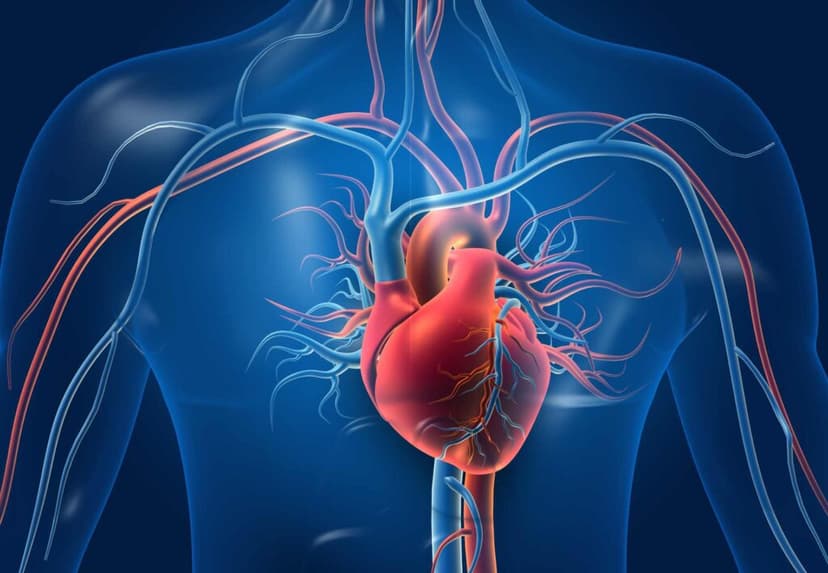
Coronary artery disease (CAD) develops when the arteries that supply oxygen-rich blood to your heart muscle become narrowed or blocked. This usually happens because of atherosclerosis, a gradual buildup of fatty deposits called plaque on the inner walls of the arteries. Over time, this plaque hardens, restricts blood flow, and can eventually rupture to form clots that block the artery completely.
CAD is the most common type of heart disease worldwide and the leading cause of heart attacks. Risk factors include high cholesterol, high blood pressure, smoking, diabetes, obesity, a sedentary lifestyle, and a family history of heart disease. Symptoms can range from mild chest discomfort during physical activity to severe chest pain (angina), shortness of breath, fatigue, dizziness, and nausea. In some cases, a heart attack is the first sign that CAD is present.
When lifestyle changes and medications are not enough to manage the condition, doctors may recommend coronary artery bypass grafting (CABG), commonly known as heart bypass surgery. This procedure restores adequate blood flow to the heart and significantly reduces the risk of a fatal cardiac event.
What is Heart Bypass Surgery?
Heart bypass surgery, formally called coronary artery bypass grafting (CABG), is a surgical procedure that creates a new pathway for blood to reach the heart muscle when one or more coronary arteries are severely blocked. During the operation, a surgeon takes a healthy blood vessel (called a graft) from another part of your body and attaches it above and below the blocked section of the coronary artery. This effectively bypasses the obstruction and restores normal blood flow to the heart.
The grafts used most commonly include the internal mammary artery (from the chest), the saphenous vein (from the leg), and the radial artery (from the arm). The internal mammary artery is often the preferred choice due to its excellent long-term durability. Depending on how many arteries are blocked, the procedure may involve a single bypass, double bypass, triple bypass, or even quadruple bypass.
Heart bypass surgery does not cure the underlying coronary artery disease, but it relieves symptoms like angina and shortness of breath, reduces the risk of heart attack, and can significantly extend life expectancy in patients with severe blockages. The procedure has been performed for decades and remains one of the most well-studied and effective cardiac surgeries in the world.
How to Prepare for Heart Bypass Surgery in Turkey
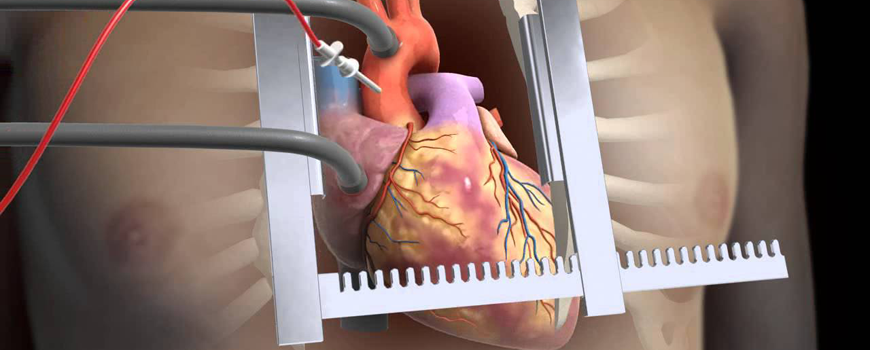
Before your surgery in Turkey, you will go through a thorough preoperative evaluation to ensure you are medically fit for the procedure. This stage is essential for the safety and success of the operation.
Your medical team will begin with a detailed review of your medical history, including any previous heart conditions, surgeries, medications you are currently taking, and any allergies. You will then undergo a series of diagnostic tests:
- Blood work (complete blood count, coagulation panel, metabolic panel)
- Chest X-ray
- Electrocardiogram (ECG)
- Echocardiogram
- Coronary angiogram to map out the exact location and severity of each blockage
You will also meet with the anaesthesiologist who will manage your anaesthesia during the surgery. They will assess your lung function, review your medication list, and discuss the anaesthesia plan with you. In the days leading up to the operation, you may be asked to stop taking certain medications (such as blood thinners), avoid eating or drinking after midnight the night before, and follow specific skin preparation instructions to reduce infection risk.
Heart Bypass Surgery Procedure: Step by Step
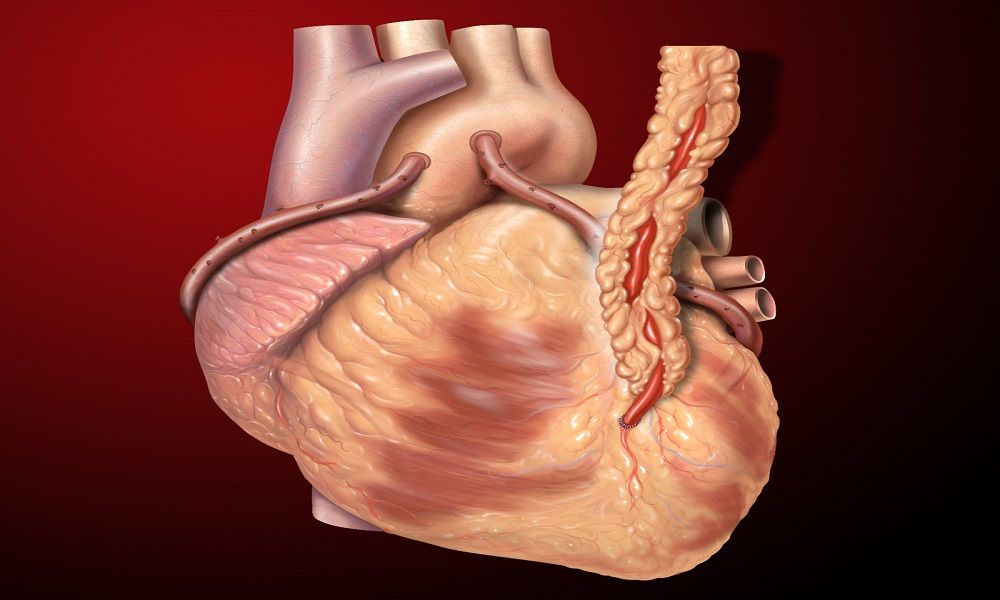
A typical heart bypass surgery takes between 3 and 6 hours, depending on the number of bypasses needed and the complexity of your case. Here is what happens during the operation:
- General anaesthesia: You will be completely asleep and feel no pain throughout the procedure.
- Chest incision: The surgeon makes an incision down the centre of your chest and carefully separates the breastbone (sternum) to access your heart.
- Graft harvesting: Another member of the surgical team removes a healthy blood vessel (graft) from your leg, arm, or chest.
- Heart-lung machine (on-pump): In traditional surgery, your heart is temporarily stopped and a heart-lung machine takes over pumping blood and oxygen throughout your body.
- Creating the bypass: The surgeon attaches the graft vessel above and below the blocked portion of each affected coronary artery, creating a new route for blood to flow freely to the heart muscle.
- Restarting the heart: Once all bypasses are complete, the surgeon restarts your heart using mild electrical shocks and disconnects the heart-lung machine.
- Closing: The breastbone is closed with surgical wires and the incision is stitched.
Types of Heart Bypass Surgery Available in Turkey

Turkey’s cardiac surgery centres offer the full range of bypass techniques, and your surgeon will recommend the most appropriate method based on your specific condition. Here are the main types:
Traditional On-Pump Bypass Surgery
This is the most widely performed method worldwide. The heart is temporarily stopped, and a heart-lung machine maintains circulation during the operation. It provides the surgeon with a still, bloodless operating field, which is ideal for complex cases involving multiple blockages. The technique has decades of proven results and remains the gold standard for many patients.
Off-Pump (Beating Heart) Bypass Surgery
In this technique, the surgery is performed while the heart continues to beat, without the use of a heart-lung machine. This approach can be beneficial for patients who are at higher risk from the heart-lung machine, such as elderly patients or those with kidney or lung problems. It requires exceptional surgical skill, and Turkish cardiac surgeons are among the most experienced in the world at performing beating heart procedures.
Minimally Invasive Direct Coronary Artery Bypass (MIDCAB)
MIDCAB is performed through a small incision between the ribs, avoiding the need to open the entire breastbone. This results in less postoperative pain, a shorter hospital stay, and a faster return to normal activities. It is typically used when only one or two arteries need to be bypassed.
Robotic Heart Bypass Surgery
Robotic heart surgery in Turkey represents the most advanced approach available. Using the Da Vinci robotic surgical system, the surgeon operates through tiny incisions with enhanced precision, 3D visualisation, and greater range of motion than the human hand alone. Several leading hospitals in Turkey, including Liv Hospital and Memorial Hospital, have dedicated robotic cardiac surgery programmes. Recovery times are significantly shorter, and patients experience less scarring and pain.
Heart Bypass Surgery vs Stenting: Which One Do You Need?
If you have been diagnosed with coronary artery disease, your cardiologist may discuss two main treatment options: bypass surgery (CABG) and percutaneous coronary intervention (PCI), commonly known as stenting. Understanding the difference helps you make an informed decision.
Stenting is a less invasive procedure where a small mesh tube is inserted into the blocked artery to hold it open. It is typically recommended for patients with one or two blocked arteries and generally involves a shorter recovery time. However, stents may narrow again over time (restenosis), and some patients require repeat procedures.
Heart bypass surgery is generally recommended when there are three or more blocked arteries, when the left main coronary artery is affected, or when the heart’s pumping function has been reduced. Studies consistently show that CABG provides better long-term outcomes than stenting for patients with complex multi-vessel disease, particularly those with diabetes. Your surgeon in Turkey will review your angiogram results and recommend the approach that offers the best long-term benefit for your specific case.
Recovery and Postoperative Care
Recovery is a critical part of the journey, and Turkish hospitals are known for their excellent postoperative care protocols. Here is a typical recovery timeline:
Immediately after surgery, you will be transferred to the Intensive Care Unit (ICU) for close monitoring. Most patients spend 1 to 2 days in the ICU, during which your heart rhythm, blood pressure, oxygen levels, and drainage tubes are carefully monitored around the clock. Once stable, you will be moved to a regular hospital room where you will stay for approximately 5 to 7 additional days.
During your hospital stay, physiotherapists will guide you through breathing exercises and gentle movement to prevent complications like pneumonia and blood clots. You will gradually increase your activity level each day. Pain management, wound care, and medication adjustment are all handled by your dedicated care team.
After discharge from the hospital, A-Medical arranges comfortable hotel accommodation close to your clinic for follow-up appointments. Before you are cleared to fly home, your surgeon will conduct a final check-up and provide detailed instructions for your continued recovery. Light activities can typically resume within 4 to 6 weeks, while full recovery usually takes about 12 weeks.
Life After Heart Bypass Surgery: Diet and Lifestyle
Bypass surgery gives your heart a fresh start, but long-term success depends on the lifestyle choices you make after the operation. Your surgical team in Turkey will provide personalised guidance before discharge, and your local cardiologist will continue to monitor your progress once you return home.
Key lifestyle recommendations after CABG include:
- Heart-healthy diet: Focus on fruits, vegetables, whole grains, lean proteins, and healthy fats. Limit saturated fat, sodium, and processed foods.
- Regular physical activity: Start with short walks during recovery and gradually increase. Most patients are encouraged to join a cardiac rehabilitation programme.
- Quit smoking: Smoking significantly increases the risk of graft failure and future heart problems. Quitting is the single most impactful change you can make.
- Medication compliance: Take all prescribed medications (blood thinners, statins, blood pressure medications) exactly as directed.
- Manage stress: Chronic stress affects heart health. Consider relaxation techniques, counselling, or support groups.
- Regular follow-ups: Attend all scheduled cardiologist appointments to monitor graft function and overall heart health.
Risks and Complications of Heart Bypass Surgery
Like any major surgery, heart bypass surgery carries some risks. Common risks include bleeding, infection at the incision site, irregular heart rhythms (arrhythmias), and temporary swelling in the legs if a vein graft was harvested from there. Less common risks include stroke, kidney problems, memory difficulties, and complications related to anaesthesia.
However, the risk profile in Turkey is notably low. Turkish cardiac centres perform over 20,000 coronary bypass operations annually, and leading JCI-accredited hospitals report success rates between 95% and 98.5%, with complication rates as low as 1.2%. This high surgical volume translates directly into greater experience, better-refined protocols, and superior outcomes. Choosing a high-volume centre with experienced surgeons is the single most important factor in minimising risk.
What is the Difference Between Open Heart Surgery and Bypass Surgery?
Open heart bypass surgery in Turkey refers to any procedure in which the chest is opened to operate on the heart, its valves, or major blood vessels. Coronary artery bypass grafting (CABG) is one specific type of open heart surgery, performed to reroute blood around blocked coronary arteries.
In short: all traditional CABG procedures are open heart surgeries, but not all open heart surgeries are bypass operations. The open heart category also includes valve replacements, repair of congenital defects, and other cardiac procedures. If you are interested in learning more about the broader category, you can read our detailed guide on open heart surgery in Turkey.
Who Needs Heart Bypass Surgery?
Heart bypass surgery is recommended for patients with severe coronary artery disease that cannot be adequately treated with medication, lifestyle changes, or less invasive procedures like angioplasty and stenting. Your cardiologist may recommend bypass surgery if:
- You have significant blockages in the left main coronary artery, which supplies the majority of blood to the heart.
- You have blockages in multiple coronary arteries (multi-vessel disease), especially when the heart’s pumping function is reduced.
- Previous angioplasty or stenting has failed, or the blockages have returned (restenosis).
- You have diabetes along with multiple blocked arteries, as CABG has been shown to produce better long-term outcomes than stenting in diabetic patients.
- You have experienced a heart attack and emergency bypass is needed to restore blood flow.
Your doctor will use the results of your coronary angiogram, echocardiogram, and stress tests to determine whether bypass surgery is the most appropriate treatment for your condition.
How Much Does Heart Bypass Surgery Cost in Turkey?
One of the main reasons international patients choose Turkey for cardiac surgery is the significant cost advantage. The heart bypass cost in Turkey ranges from approximately $10,000 to $20,000, depending on the hospital, the surgeon, the complexity of the case, and the type of technique used. All-inclusive packages at leading hospitals like Memorial, Anadolu Medical Center, and Hisar Intercontinental typically cover the surgery itself, surgeon and anaesthetist fees, ICU and hospital stay, preoperative diagnostics, postoperative medications, and follow-up appointments.
For example, an all-inclusive CABG package at Memorial Hospital starts from around $13,000 to $15,000, while Hisar Intercontinental offers packages starting from approximately $9,000 to $10,000. More complex cases or premium facilities like Anadolu Medical Center (Johns Hopkins Medicine affiliate) may cost up to $25,000 to $35,000 for a comprehensive minimally invasive approach.
These prices represent a saving of 60% to 80% compared to what the same procedure costs in the United States or the United Kingdom, with no compromise on the quality of care or the technology used.
Heart Bypass Surgery Cost in the United Kingdom
In the UK, heart bypass surgery is available free of charge through the National Health Service (NHS), but patients often face significant waiting lists that can stretch to several months or even over a year depending on clinical urgency and regional capacity. For patients who choose to go private to avoid the wait, the cost for heart bypass surgery in the UK typically ranges from £15,000 to £25,000 (approximately $19,000 to $32,000). Some hospitals, particularly in London, charge upwards of £25,600 for a standard CABG procedure.
Private costs in the UK include the surgeon’s fees, anaesthetist fees, ICU stay, hospital ward recovery, pre-operative diagnostics, and post-operative care. However, follow-up rehabilitation and ongoing medication are often billed separately.
Heart Bypass Surgery Cost in the United States
The United States has some of the highest cardiac surgery costs in the world. A heart bypass surgery cost in the US ranges from $70,000 to $150,000 or more for self-pay patients, depending on the hospital, the state, and the complexity of the procedure. Even with insurance, out-of-pocket expenses including deductibles, co-pays, and non-covered services can reach $20,000 to $40,000.
These figures make the US prohibitively expensive for many patients, especially those without comprehensive insurance coverage. By comparison, even the most premium cardiac centre in Turkey would cost a fraction of what a mid-range hospital in the US charges for the same procedure.
Cost Comparison: Heart Bypass Surgery by Country
|
Country |
Cost Range (USD) |
Typical Wait Time |
|
Turkey |
$10,000 - $20,000 |
No waiting list |
|
United Kingdom (Private) |
$19,000 - $32,000 |
Weeks (private) |
|
United Kingdom (NHS) |
Free |
Months to 1+ year |
|
United States |
$70,000 - $150,000+ |
Weeks |
|
India |
$7,000 - $18,000 |
Minimal |
|
Western Europe (Private) |
$25,000 - $50,000+ |
Varies |
Why Choose Turkey for Heart Bypass Surgery?
Turkey is not just affordable; it is a genuinely world-class destination for cardiac care. Here is why thousands of international patients choose Turkey for heart bypass surgery every year:
No Waiting Lists
Unlike the UK or Canada, where patients can wait months for a scheduled cardiac surgery, Turkey offers immediate access to treatment. Through A-Medical, your surgery can typically be scheduled within days of your initial consultation. For a condition as serious as coronary artery disease, this speed can be life-saving.
JCI-Accredited Hospitals with Advanced Technology
Turkey has more JCI-accredited hospitals than almost any other country in the world. These hospitals meet the same rigorous safety and quality standards as the best institutions in the US and Europe. They are equipped with hybrid operating rooms, Da Vinci robotic surgical systems, advanced cardiac imaging, and dedicated cardiovascular ICUs.
Highly Experienced Cardiac Surgeons
Turkish cardiovascular surgeons are among the most experienced globally, many having trained at prestigious institutions in the US and Europe. The sheer volume of cardiac surgeries performed in Turkey (over 20,000 coronary bypass operations per year) means that surgeons maintain exceptional skill levels. Many leading surgeons have individually performed over 2,000 to 4,000 open heart operations.
Significant Cost Savings Without Compromising Quality
The heart bypass surgery cost in Turkey is 60% to 80% lower than in the US and UK. These savings come from lower operating costs, favourable exchange rates, and competitive labour markets. They are not a reflection of lower quality. Patients receive the same materials, the same technology, and the same standard of surgical care.
Comfortable Recovery Environment
Turkey offers excellent 4 and 5-star hotel accommodation at very reasonable prices. After discharge, you can recover in comfort while remaining close to your hospital for follow-up appointments. The country’s warm climate, rich culture, and welcoming hospitality make the recovery period more pleasant than you might expect.
Ready to explore your options? Contact A-Medical today for a free, no-obligation consultation. We will review your medical records, connect you with the right surgeon, and provide a personalised cost estimate. Get your free quote from A-Medical
Top Hospitals for Heart Bypass Surgery in Turkey
Choosing the right hospital is one of the most important decisions you will make. Below are the top hospitals for heart bypass surgery in Turkey, all of which are part of A-Medical’s vetted network:
Memorial Hospitals Group

Memorial is one of Turkey’s most recognised hospital brands internationally, holding JCI accreditation and ISO certification. The cardiovascular surgery department at Memorial performs thousands of cardiac operations annually, including complex multi-vessel bypass procedures. The group is known for its hybrid operating rooms and Da Vinci robotic surgery capabilities. Prof. Dr. Burak Onan, a highly published cardiac surgeon with over 150 scientific publications, leads robotic cardiac surgery at Memorial Bahcelievler. All-inclusive CABG packages at Memorial start from around $13,300, covering surgery, a 9-day hospital stay including 2 days in ICU, VIP airport transfers, and interpreter services.
Florence Nightingale Hospitals

Florence Nightingale is a historic name in Turkish healthcare and a true centre of excellence for cardiovascular surgery. The hospital’s dedicated cardiac teams routinely perform complex bypass operations, including beating heart and minimally invasive procedures. Prof. Dr. Ertan Sagbas, a pioneer in robotic heart surgery using the Da Vinci system, practises here. The hospital has built a decades-long reputation for high success rates in CABG procedures, and its experienced surgical staff includes specialists like Prof. Dr. Davit Saba and Assoc. Prof. Dr. Cenk Indelen.
Anadolu Medical Center (Johns Hopkins Medicine Affiliate)

Anadolu Medical Center operates in strategic cooperation with Johns Hopkins Medicine in the United States, which means patients receive treatment that meets the same standards as one of America’s top hospitals. Prof. Dr. Hasim Unstunsoy, an author of 82+ peer-reviewed papers and a pioneer in robotic cardiac surgery in Turkey, performs minimally invasive CABG procedures here. The hospital is located in a peaceful setting on the Asian side of Istanbul, offering an ideal environment for post-operative recovery. Comprehensive CABG packages include a 3 to 5 day diagnostic workup and 8 to 11 day hospital stay.
Hisar Intercontinental Hospital
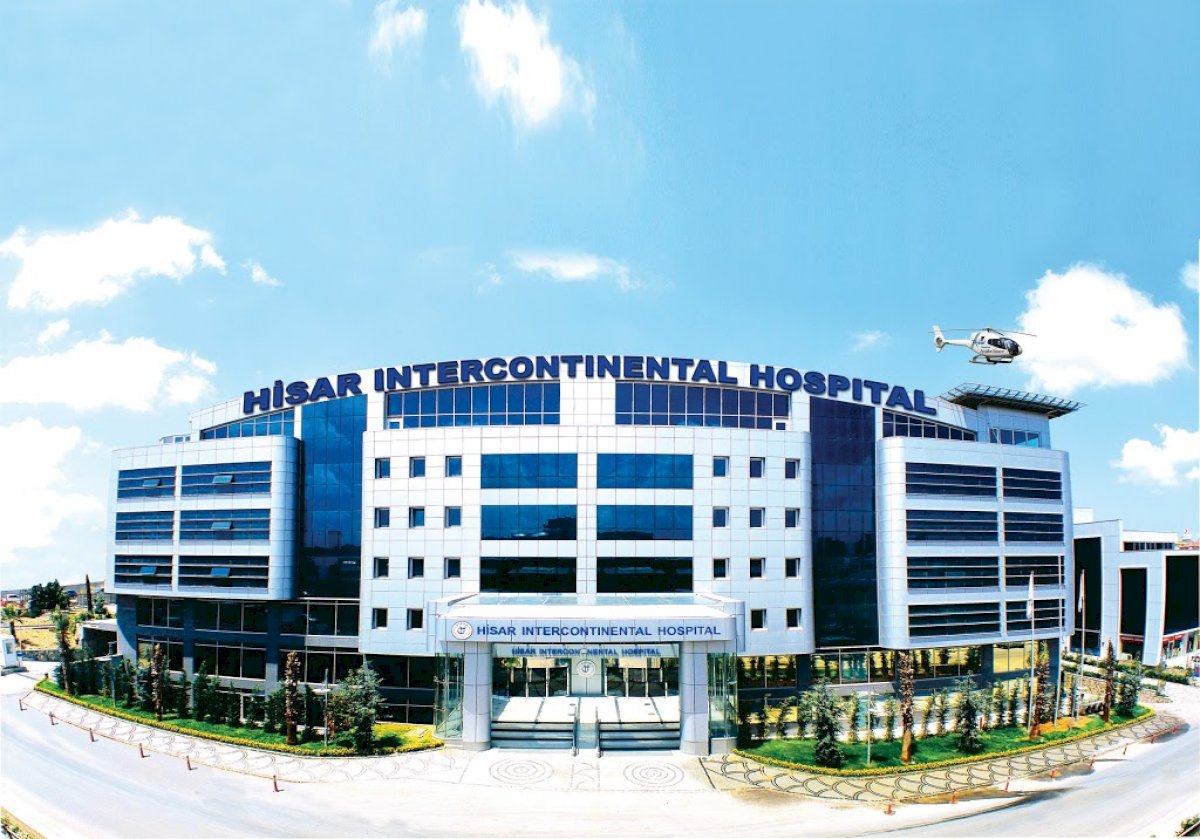
Hisar Intercontinental is a JCI-accredited boutique hospital with a dedicated cardiovascular surgery department and a strong focus on international patient satisfaction. Dr. Ali Fedakar, who has performed over 4,000 open heart surgeries including beating heart bypass and complex reoperations, leads the cardiac surgery team. The hospital offers some of the most competitive all-inclusive CABG packages in Istanbul, starting from approximately $9,000 to $10,000, making it an excellent choice for patients seeking top-quality care at an accessible price point.
Acibadem Healthcare Group

Acibadem is one of the largest and most recognised healthcare groups in Turkey and the wider region, with multiple hospitals across the country. Their specialised cardiac centres are equipped with the latest diagnostic and surgical technology for complex coronary bypass surgery in Turkey. The group attracts patients from all over the world due to its consistently high success rates in adult cardiovascular surgery, rigorous quality protocols, and comprehensive aftercare programmes.
Liv Hospital

Liv Hospital positions itself as the future of healthcare in Turkey, with ultra-modern infrastructure and a strong focus on robotic heart surgery in Turkey and minimally invasive techniques. For patients interested in the most advanced surgical approaches to bypass surgery, Liv offers a luxury medical experience without compromising on clinical rigour. Their multidisciplinary cardiac team plans every bypass procedure to minimise recovery time and maximise long-term outcomes.
If your cardiologist has mentioned the possibility of a valve problem alongside your coronary artery disease, you may also want to read about heart valve replacement in Turkey, as combined procedures are frequently performed at these centres.
Why Choose A-Medical for Heart Bypass Surgery in Turkey?
A-Medical is your all-inclusive medical tourism partner, handling every detail of your treatment journey so you can focus entirely on your health. Here is what sets us apart:
- Access to the best surgeons and hospitals: We match you with the top cardiac surgeons and JCI-accredited hospitals in Turkey based on your specific condition. We do not work with every hospital; we work with the best ones.
- No waiting lists: Your surgery is scheduled promptly, often within days of your consultation. For a condition like coronary artery disease, time matters.
- All-inclusive packages: Every A-Medical package includes airport transfers, comfortable hotel accommodation near your clinic, daily clinic transfers, a dedicated interpreter for all appointments, appointment scheduling, and post-treatment follow-up coordination.
- Transparent pricing: We negotiate the most competitive rates with our partner hospitals and provide you with a clear, upfront cost estimate before you commit to anything. There are no hidden fees.
- 24/7 patient support: From the moment you contact us to your full recovery back home, our team is available around the clock. You are never alone in this process.
For a broader overview of what makes Turkey such a compelling destination for medical treatment, our guide on medical tourism in Turkey covers everything from travel logistics to patient rights.
Payment Options for International Patients
When you have heart surgery in Turkey through A-Medical, all payments are made directly to the hospital or clinic, not to A-Medical. This ensures full transparency and gives you the security of paying the healthcare provider directly.
Most partner hospitals in Turkey accept the following payment methods:
- Credit and debit cards (Visa, Mastercard)
- Bank wire transfer
- Cash (USD, EUR, GBP, and Turkish Lira)
Some hospitals may request a deposit in advance to confirm your surgery date, with the remaining balance due upon admission. A-Medical will provide you with a detailed breakdown of all costs before you travel, so there are no surprises. If you have private health insurance, we recommend checking with your provider to see if treatment abroad is covered under your policy, as some international plans do include cardiac surgery at accredited overseas facilities.
Take the first step toward a healthier heart. Send us your medical records for a free evaluation, and we will provide a personalised treatment plan with a transparent cost estimate within 48 hours. Contact A-Medical now.
Frequently Asked Questions About Heart Bypass Surgery in Turkey
How much does heart bypass surgery cost in Turkey?
The cost of heart bypass surgery in Turkey ranges from $10,000 to $20,000 depending on the hospital, surgeon, and complexity of the procedure. All-inclusive packages at leading hospitals cover the surgery, hospital stay, ICU, diagnostics, medications, and follow-up appointments.
Is heart bypass surgery in Turkey safe?
Yes. Turkey’s leading cardiac centres maintain success rates between 95% and 98.5%, with complication rates as low as 1.2% at JCI-accredited hospitals. Turkish cardiovascular surgeons perform over 20,000 coronary bypass procedures annually, ensuring a very high level of experience and expertise.
How long do I need to stay in Turkey after heart bypass surgery?
You should plan for a total stay of approximately 10 to 14 days. This includes 7 to 9 days in the hospital (1 to 2 days in ICU followed by ward recovery) and a few additional days in a nearby hotel for follow-up appointments before you are cleared to fly home.
What types of heart bypass surgery are available in Turkey?
Turkish hospitals offer all major techniques including traditional on-pump surgery, off-pump (beating heart) surgery, minimally invasive direct coronary artery bypass (MIDCAB), and robotic heart bypass surgery using the Da Vinci system. Your surgeon will recommend the best method for your specific condition.
Can I choose my surgeon when having heart bypass surgery in Turkey?
Yes. Through A-Medical, you can be matched with a specific surgeon based on their expertise and your condition. We work with some of Turkey’s most experienced cardiovascular surgeons, many of whom have performed thousands of bypass operations.
What is included in an A-Medical heart bypass surgery package?
Every A-Medical package includes airport transfers, hotel accommodation, daily clinic transfers, a dedicated interpreter, appointment scheduling, the surgery itself at a JCI-accredited hospital, all necessary diagnostics, and post-treatment follow-up coordination.
How does the cost of heart bypass surgery in Turkey compare to the UK?
Heart bypass surgery in Turkey costs approximately 60% to 70% less than private treatment in the UK. While private CABG in the UK ranges from £15,000 to £25,000, the same procedure in Turkey costs $10,000 to $20,000 with equivalent or superior hospital standards.
How does the cost of heart bypass surgery in Turkey compare to the USA?
The savings are even more dramatic compared to the US, where bypass surgery costs $70,000 to $150,000 for self-pay patients. Turkey offers the same quality of care at 80% to 90% lower cost.
Are Turkish hospitals accredited for cardiac surgery?
Yes. Many Turkish hospitals performing cardiac surgery hold JCI (Joint Commission International) accreditation, which is the gold standard for international healthcare quality and patient safety. Turkey has one of the highest numbers of JCI-accredited hospitals in the world.
What is the success rate of heart bypass surgery in Turkey?
The success rate for coronary artery bypass grafting in Turkey ranges from 95% to 98.5% at leading hospitals. The 30-day survival rate is approximately 98%, which is on par with the best cardiac centres in Western Europe and North America.
How long does the heart bypass surgery procedure take?
The procedure typically takes between 3 and 6 hours, depending on how many arteries need to be bypassed and the surgical technique used. More complex cases with multiple bypasses take longer.
What is the recovery time after heart bypass surgery?
Most patients can return to light daily activities within 4 to 6 weeks after surgery. Full recovery, including returning to work and more strenuous activities, typically takes about 12 weeks. Your surgeon will provide specific guidance based on your individual case.
Is robotic heart bypass surgery available in Turkey?
Yes. Several leading hospitals in Turkey, including Liv Hospital, Memorial Hospital, and Anadolu Medical Center, offer robotic heart bypass surgery using the Da Vinci robotic surgical system. This approach results in smaller incisions, less pain, and a faster recovery.
Do I need a visa to travel to Turkey for heart bypass surgery?
Many nationalities can enter Turkey visa-free or obtain an e-visa online. A-Medical’s team provides visa guidance and travel planning assistance as part of your package. Check the Turkish government’s e-visa portal for your specific country’s requirements.
Will I have a follow-up plan after returning home?
Yes. A-Medical coordinates post-treatment follow-up with your surgical team in Turkey and can liaise with your local cardiologist back home. You will receive a detailed discharge report with medication instructions, activity guidelines, and a schedule for follow-up appointments.