Contents
Related Topics
What Is Bunion (Hallux Valgus) Surgery?
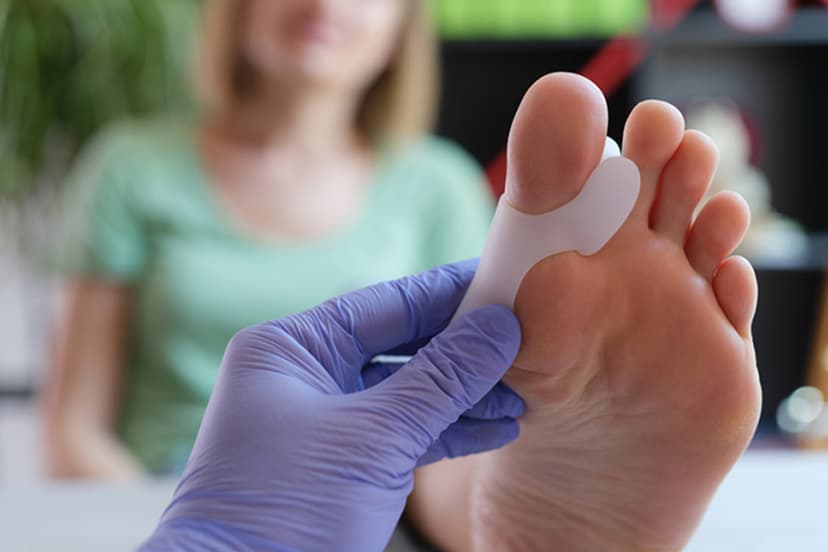
A bunion, known medically as hallux valgus, is a bony bump that forms at the base of the big toe when the metatarsal bone shifts outward while the big toe angles inward toward the smaller toes. Over time, this misalignment causes pain, swelling, and difficulty walking or wearing shoes comfortably. Bunion surgery in Turkey starts from approximately $1,500 to $4,500 depending on the technique and severity of the deformity, while the same procedure costs $5,000 to $13,000 in the United States, and £4,000 to £6,500 privately in the UK. In many Western countries, patients also face waiting lists of 12 to 18 months or more through public healthcare systems, making it nearly impossible to get timely treatment. This combination of high cost, long delays, and limited appointment availability is exactly why thousands of international patients now choose Turkey for their bunion correction.
Hallux valgus surgery is a surgical procedure designed to realign the bones, ligaments, and tendons around the big toe joint, remove the bony protrusion, and restore proper foot function. The procedure is performed by orthopedic foot and ankle surgeons and can range from minimally invasive percutaneous techniques to more complex bone realignment or joint fusion depending on the severity of the deformity. The ultimate goal is to relieve pain, correct the angular deviation, and allow the patient to walk, exercise, and wear normal footwear again without discomfort.
What Causes Hallux Valgus?
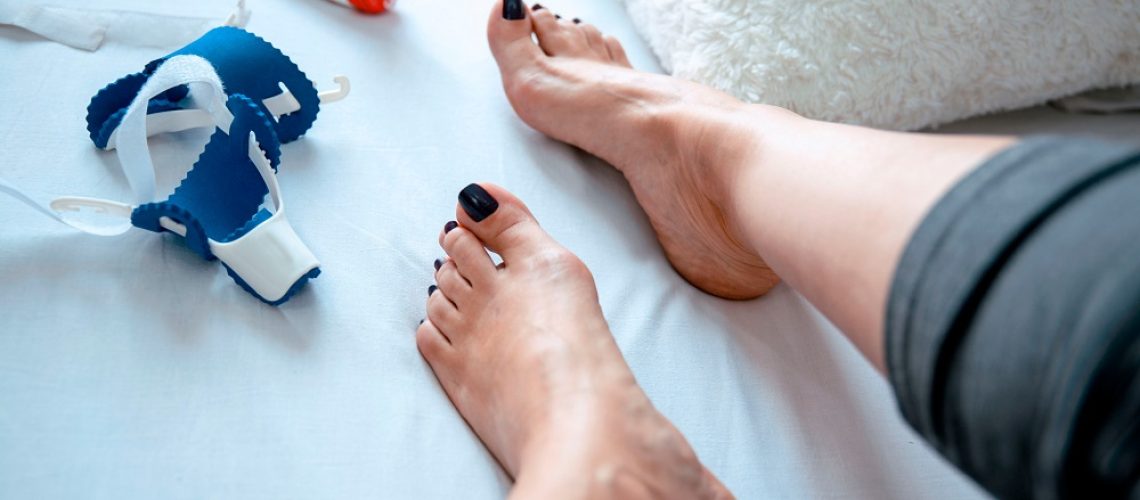
Hallux valgus develops due to a combination of genetic, biomechanical, and lifestyle factors. The first metatarsophalangeal (MTP) joint gradually becomes unstable, causing the characteristic angular deformity. Understanding the root cause is important for both prevention and choosing the right surgical approach.
The most common causes include hereditary foot structure, where a flat or overly flexible foot type runs in the family. Wearing narrow, pointed, or high-heeled shoes consistently places excessive pressure on the forefoot and accelerates deformity. Conditions like rheumatoid arthritis can damage joint cartilage and contribute to bunion formation. Hypermobility of the first metatarsocuneiform joint, neuromuscular conditions, and ligament laxity also play a role. Women are affected significantly more often than men, partly due to footwear habits and partly due to hormonal differences that affect connective tissue elasticity.
Symptoms of Bunion Deformity
Bunion symptoms can range from mild cosmetic concerns to severe, debilitating pain. Recognizing these symptoms early can help patients seek treatment before the deformity progresses to a stage that requires complex surgery. Common symptoms include:
- A visible bony bump on the inner side of the foot at the base of the big toe
- Pain and tenderness around the metatarsophalangeal (MTP) joint, especially when walking or standing for long periods
- Redness, swelling, and inflammation over the bunion area
- The big toe drifting toward the second toe, sometimes overlapping or pushing it out of alignment (crossover toe)
- Calluses and corns forming where the toes rub against each other or against the shoe
- Restricted movement and stiffness in the big toe joint
- Difficulty finding comfortable footwear, especially closed-toe or formal shoes
- Secondary pain in the ball of the foot (metatarsalgia) due to altered weight distribution
- Numbness or burning sensation around the bunion caused by nerve irritation
If left untreated, bunion deformity tends to worsen over time and may lead to bursitis, hammertoe, or osteoarthritis in the affected joint.
Who Is a Good Candidate for Bunion Surgery?
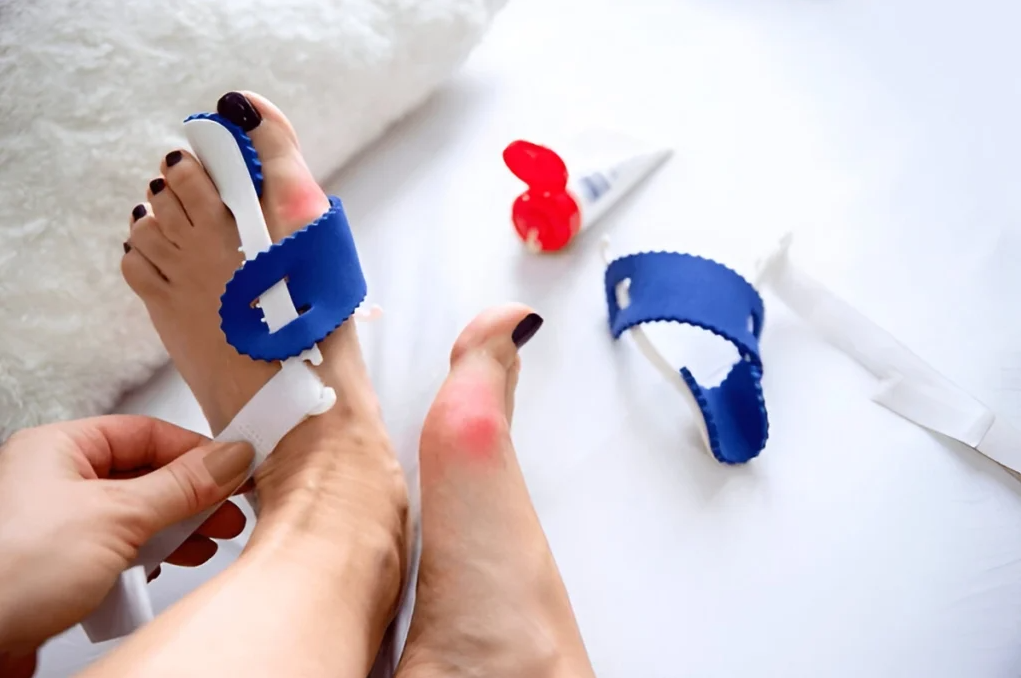
Not every bunion requires surgery. Conservative treatments like wider shoes, orthotic insoles, padding, and anti-inflammatory medications can manage mild cases effectively. However, surgery becomes a strong option when non-surgical methods no longer provide relief. Good candidates for bunion surgery typically include:
- Patients who experience persistent pain in the big toe joint that limits daily activities such as walking, climbing stairs, or standing
- Individuals with a significant angular deformity that is visually noticeable and continuing to progress
- Patients who can no longer find shoes that fit comfortably due to the size of the bunion
- Those with chronic swelling and inflammation that does not respond to rest, ice, or medication
- People who have developed secondary conditions like hammertoe, crossover toe, or metatarsalgia because of the bunion
- Patients in good overall health without uncontrolled diabetes, severe vascular disease, or active infections
Your orthopedic surgeon will evaluate your foot through physical examination and X-rays (and sometimes weight-bearing CT scans) to determine the intermetatarsal angle, the hallux valgus angle, and the condition of the joint before recommending the most appropriate surgical technique.
When Is Bunion Surgery Necessary?
Bunion surgery is typically considered a last resort after conservative measures have failed to relieve symptoms for at least 6 to 12 months. The decision is based on pain severity, the degree of deformity, and its impact on the patient's quality of life.
Surgery is usually necessary when the hallux valgus angle exceeds 20 to 25 degrees, when there is arthritis in the big toe joint, when the big toe has begun to overlap the second toe, or when the patient can no longer walk without significant pain. It is important to note that bunion surgery is not performed purely for cosmetic reasons. The primary indication is always functional: pain, difficulty walking, and progressive deformity that interferes with daily life.
Types of Bunion Surgery in Turkey
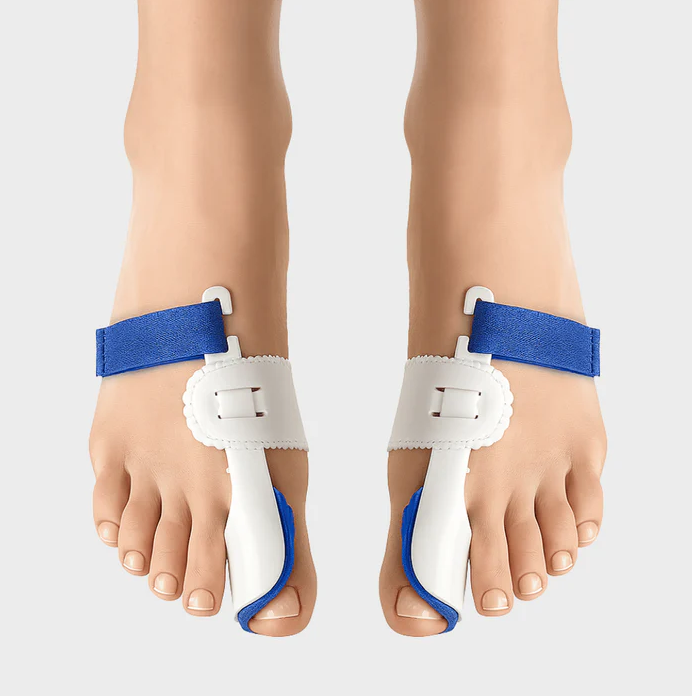
Turkish orthopedic clinics offer the full range of modern bunion correction techniques. The choice of procedure depends on the severity of the deformity, the condition of the joint cartilage, the patient's age and activity level, and whether there are any accompanying conditions like flat feet or arthritis. Below are the main types of hallux valgus surgery in Turkey.
Minimally Invasive (Percutaneous) Surgery
Minimally invasive bunion surgery, also called percutaneous or keyhole surgery, involves making tiny incisions (typically 3 to 5 mm) rather than a large open cut. Specialized instruments are inserted through these small openings to cut and reposition the bone under fluoroscopic (X-ray) guidance. Titanium screws are used to hold the corrected position.
This technique results in less soft tissue damage, reduced postoperative swelling, and a faster recovery period. Many patients can bear weight on the operated foot within days. It is best suited for mild to moderate bunions where the joint is still in relatively good condition.
Osteotomy (Bone Realignment)
Osteotomy is the most commonly performed type of bunion surgery worldwide. The surgeon makes precise cuts in the metatarsal bone (and sometimes the proximal phalanx) to realign the toe joint. Several osteotomy techniques exist:
- Chevron osteotomy: A V-shaped cut near the head of the metatarsal, used for mild to moderate deformities.
- Scarf osteotomy: A Z-shaped cut that allows greater correction and more stable fixation with screws. It is one of the most popular techniques in Turkey and Europe.
- Akin osteotomy: A closing wedge osteotomy of the proximal phalanx, often combined with a metatarsal osteotomy for additional correction.
- Proximal metatarsal osteotomy: Used for more severe deformities where the correction needs to happen closer to the base of the metatarsal.
The bone is fixed in its new position with titanium screws or plates, which are usually permanent and do not need to be removed.
Lapidus Procedure (Fusion Surgery)
The Lapidus procedure, sometimes referred to as Lapiplasty when performed in 3D, is reserved for moderate to severe hallux valgus deformities, especially those caused by hypermobility of the first tarsometatarsal (TMT) joint. In this procedure, the surgeon fuses the unstable TMT joint after correcting the alignment of the metatarsal bone in all three planes (transverse, sagittal, and frontal).
Because it addresses the root cause of the instability rather than just the visible bump, the Lapidus procedure has one of the lowest recurrence rates among all bunion surgeries. Recovery takes slightly longer than a standard osteotomy, but the long-term outcomes are highly favorable. Several clinics in Turkey, including Turan & Turan Clinic and Hisar Intercontinental Hospital, specialize in this advanced technique.
How Bunion Surgery Is Performed
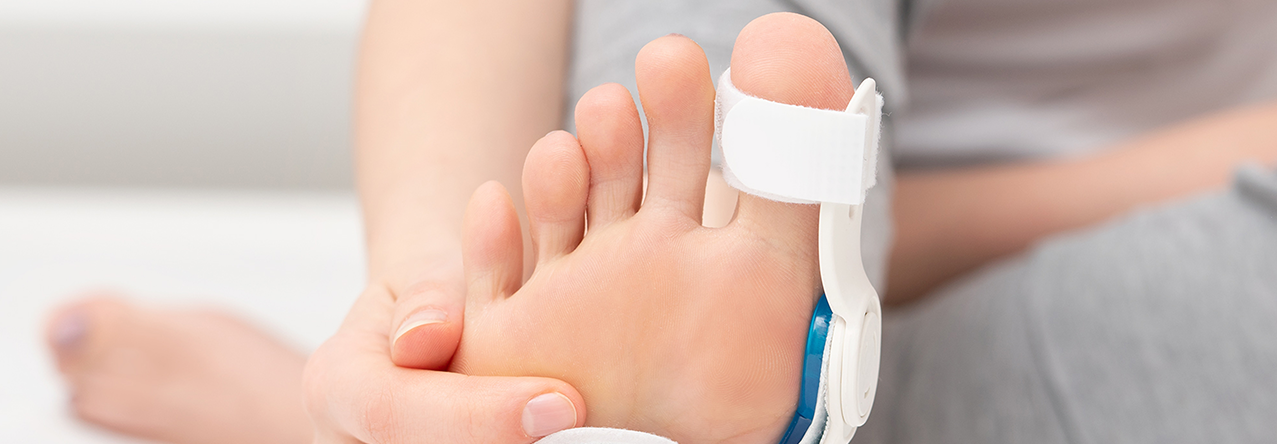
The procedure typically takes 30 to 90 minutes depending on the technique and complexity. It can be performed under general anesthesia, regional anesthesia (ankle block), or local anesthesia with sedation. Here is what the process generally looks like:
The surgeon makes an incision on the side or top of the big toe joint (or small percutaneous incisions in the case of minimally invasive surgery). The bony prominence is removed, and then the metatarsal bone is cut and repositioned to correct the angular deviation. Screws, pins, or plates are used to hold the bone in its new alignment. If necessary, soft tissues like the joint capsule and tendons are tightened or released to stabilize the corrected position. The incision is then closed and the foot is bandaged.
Most bunion surgeries in Turkey are performed as day procedures or with a single overnight hospital stay. Patients are provided with a postoperative surgical shoe and can usually walk on the heel of the operated foot within 24 to 48 hours after surgery.
Benefits of Hallux Valgus Surgery
Patients who undergo successful bunion correction can expect a range of functional and quality-of-life improvements:
- Significant reduction or complete elimination of pain in the big toe joint
- Correction of the visible deformity and restoration of a normal-looking foot shape
- Ability to wear normal shoes, including closed-toe and dress shoes, without pain or pressure
- Improved walking biomechanics and more even weight distribution across the foot
- Prevention of secondary complications such as hammertoe, crossover toe, and metatarsalgia
- Relief from calluses and corns caused by friction between misaligned toes
- Return to physical activities, sports, and exercises that were limited by foot pain
- Long-term correction with low recurrence rates, especially with osteotomy and Lapidus techniques
For patients who have been living with chronic bunion pain for years, the surgery can be genuinely life-changing, allowing them to walk freely and without discomfort for the first time in a long while.
Recovery After Bunion Surgery
Recovery timelines vary depending on the type of surgery performed. Here is a general overview of what patients can expect:
During the first 2 weeks, the foot will be swollen and bandaged. Patients should keep the foot elevated as much as possible and limit walking to short distances while wearing the postoperative shoe. Stitches are typically removed at the 2-week mark. From weeks 2 to 6, patients can gradually increase their walking distance but should still avoid prolonged standing. Physical therapy exercises help restore toe mobility and strength. After 6 to 8 weeks, most patients can transition to comfortable supportive shoes. By 3 to 6 months, the majority of patients have returned to normal activities, including sports and exercise. Full bone healing and final results may take up to 12 months.
International patients traveling to Turkey for bunion surgery should plan to stay for approximately 5 to 7 days. This allows time for the preoperative consultation, the surgery itself, and the first postoperative checkup before flying home. Follow-up can be managed remotely with X-rays sent digitally to the surgical team. If you are also considering other orthopedic procedures, you may find our guide on arthroscopic knee surgery in Turkey helpful.
Risks and Complications of Bunion Surgery
Like any surgical procedure, bunion surgery carries certain risks. Being informed about these possibilities helps patients make a well-rounded decision. Potential complications include:
- Infection at the surgical site (uncommon with proper wound care and antibiotics)
- Swelling and stiffness in the big toe joint that may persist for several months
- Nerve damage causing numbness or tingling in the toe area
- Delayed bone healing or nonunion (rare, but more common in smokers or patients with diabetes)
- Recurrence of the bunion deformity, particularly if the underlying biomechanical cause is not addressed
- Overcorrection (hallux varus), where the big toe shifts too far in the opposite direction
- Hardware irritation from screws or plates, which may require removal in rare cases
- Deep vein thrombosis (DVT), which is a risk with any lower extremity surgery
- Complex regional pain syndrome (CRPS), a rare chronic pain condition
Experienced foot and ankle surgeons in Turkey minimize these risks through careful preoperative planning, advanced imaging, and proven surgical techniques. Selecting a high-volume surgeon and an accredited hospital is one of the best things a patient can do to reduce the likelihood of complications.
Success Rates of Hallux Valgus Surgery
Hallux valgus surgery has a well-documented success rate of approximately 85% to 95%, depending on the technique used and the severity of the deformity. Patient satisfaction surveys consistently show that over 90% of patients report significant pain relief and improved foot function after the procedure.
The Scarf osteotomy and Chevron osteotomy techniques have some of the highest success rates for mild to moderate bunions, with recurrence rates below 5% to 10% in most published studies. The Lapidus procedure, while requiring a slightly longer recovery, offers the lowest recurrence rates for severe deformities and hypermobility-related bunions, with recurrence reported in fewer than 3% to 5% of cases.
Success depends heavily on surgeon experience, proper patient selection, and adherence to postoperative rehabilitation protocols. This is one of the key reasons why choosing a surgeon who performs a high volume of bunion surgeries matters.
Cost of Bunion Surgery in Turkey (2026)
Turkey offers some of the most competitive pricing for orthopedic procedures in the world. The lower cost does not reflect lower quality; rather, it results from favorable exchange rates, lower operating costs, and government incentives for medical tourism. If you want to understand how treatment pricing in Turkey compares across different specialties, our treatment costs in Turkey guide provides a broad overview.
Bunion Surgery Prices in Turkey
The cost of bunion surgery in Turkey typically ranges from $1,500 to $4,500 for a single foot, depending on the surgical technique, the hospital, and whether the package includes additional services. Minimally invasive (percutaneous) procedures generally fall in the $1,500 to $2,500 range, while more complex osteotomies like the Scarf or Chevron technique cost between $2,000 and $3,500. The Lapidus/Lapiplasty 3D correction, which is the most advanced option, ranges from $3,000 to $5,000.
Cost Comparison: Turkey vs USA vs Europe
|
Procedure |
Turkey |
USA |
UK (Private) |
|
Minimally Invasive Bunion Surgery |
$1,500 - $2,500 |
$5,000 - $8,000 |
$5,000 - $7,000 |
|
Scarf / Chevron Osteotomy |
$2,000 - $3,500 |
$6,000 - $11,000 |
$5,500 - $8,000 |
|
Lapidus / Lapiplasty 3D |
$3,000 - $5,000 |
$8,000 - $13,000 |
$6,000 - $9,000 |
As the table shows, patients can save 50% to 70% by choosing Turkey over the United States or the United Kingdom for their bunion correction. These savings become even more significant for bilateral (both feet) surgery.
What Affects Bunion Surgery Cost?
Several factors influence the final price of hallux valgus surgery in Turkey: the type of surgical technique used, the hospital or clinic's accreditation level (JCI-accredited hospitals tend to charge more), the experience and reputation of the surgeon, whether fixation hardware (screws, plates) is included, the type of anesthesia, the length of hospital stay, and any additional services like physiotherapy, postoperative shoes, or follow-up consultations.
Are All-Inclusive Packages Available?
Yes, many hospitals and medical tourism facilitators in Turkey offer all-inclusive bunion surgery packages that cover the surgery, hospital stay, anesthesia, medications, postoperative shoe, airport transfers, hotel accommodation, and interpreter services. These packages provide cost certainty and make the entire process easier for international patients who do not want to deal with separate invoices and logistics.
Why Choose Turkey for Bunion Surgery?
Turkey has become one of the top destinations in the world for medical tourism, and orthopedic surgery is no exception. Here is why international patients increasingly prefer Turkey for their bunion correction:
Experienced Foot and Ankle Surgeons
Turkish orthopedic surgeons are trained at internationally recognized medical schools and many have completed fellowships or further training in Europe and the United States. Several surgeons in Istanbul, Ankara, and Bursa specialize specifically in foot and ankle surgery and perform hundreds of bunion corrections every year. High surgical volume is directly linked to better outcomes and fewer complications.
Advanced Minimally Invasive Techniques
Turkish clinics are early adopters of the latest surgical techniques, including minimally invasive percutaneous correction and 3D Lapiplasty. These methods reduce recovery time, minimize scarring, and allow patients to walk sooner after surgery. The availability of these techniques in Turkey matches or exceeds what is available in many Western European and American hospitals.
Affordable Treatment Options
As detailed in the cost section above, bunion surgery in Turkey costs 50% to 70% less than comparable treatment in the USA or the UK. This is not a reflection of lower quality but of Turkey's favorable economic conditions, lower infrastructure and labor costs, and strategic government support for medical tourism.
Fast Access to Surgery
Unlike the UK where NHS waiting lists can stretch to 12 to 18 months or longer, patients traveling to Turkey can typically schedule their surgery within 1 to 3 weeks of initial contact. For patients in pain who have already waited long enough, this rapid access is one of Turkey's biggest advantages.
International Patient Services
Most major hospitals and clinics in Turkey have established international patient departments with multilingual coordinators, airport pickup, hotel arrangement, and in-hospital interpreters. The process is designed to be straightforward for patients who are traveling from abroad for the first time.
Best Hospitals for Bunion Surgery in Turkey
Turkey is home to several internationally accredited hospitals and specialized orthopedic centers that perform bunion surgery at a high level. Below are some of the most respected options. For patients exploring orthopedic surgery in Turkey more broadly, our page on knee replacement surgery abroad may also be useful.
Memorial Sisli Hospital

Memorial Healthcare Group is one of Turkey's largest and most recognized private hospital chains. Memorial Sisli Hospital in Istanbul holds JCI accreditation and has a strong orthopedic surgery department with experienced foot and ankle specialists. The hospital is known for its modern infrastructure, diagnostic imaging capabilities, and organized international patient services.
Turan & Turan Clinic
![Hip Replacement Surgery in Turkey: Cost, Best Hospitals & Recovery [2026] related image](https://amedical.az/storage/blog/content/2026/04/b8637892-9846-463c-ba88-0af4c53b3796.png)
Based in Bursa, Turan & Turan Health Group is a specialized orthopedic and robotic surgery center with over 25 years of experience. The clinic has gained international recognition for its Lapidus 3D bunion correction technique and attracts patients from across Europe and the Middle East. Their orthopedic team includes fellowship-trained surgeons focused specifically on foot and ankle pathologies.
Hisar Intercontinental Hospital

Hisar Intercontinental Hospital in Istanbul is a JCI-accredited, multi-specialty hospital offering advanced orthopedic services. The hospital features a dedicated foot and ankle surgery unit with surgeons experienced in both traditional and minimally invasive bunion correction techniques. The hospital is particularly notable for its use of CAD-assisted, 3D-printed patient-specific surgical guides for precise bone correction.
Acibadem Healthcare Group
![Hip Replacement Surgery in Turkey: Cost, Best Hospitals & Recovery [2026] related image](https://amedical.az/storage/blog/content/2026/04/b0a63603-4b4d-4a04-b5c8-43532276e7f0.png)
Acibadem is Turkey's largest private healthcare network, operating over 20 hospitals across the country. Their orthopedic departments are equipped with the latest surgical technology, and their surgeons have access to advanced imaging including weight-bearing CT for detailed preoperative planning. Acibadem hospitals hold both JCI and ISO certifications.
Liv Hospital

Liv Hospital in Istanbul is a technologically advanced hospital with a strong focus on orthopedics and sports medicine. The hospital's orthopedic team includes surgeons who specialize in percutaneous and minimally invasive foot surgery. Liv Hospital is known for its patient-centric approach and modern recovery rooms designed with international patients in mind.
How A-Medical Can Help?
Organizing surgery in a foreign country can feel overwhelming, from choosing the right surgeon to arranging flights, accommodation, and transfers. That is where A-Medical steps in. As a medical tourism platform, A-Medical connects international patients with the best orthopedic surgeons and clinics in Turkey and handles every aspect of the process.
Here is what A-Medical offers:
- No waiting lists: We arrange consultations and surgery dates within days, not months. You will not have to wait in line like you would with the NHS or other national health services.
- Surgeon matching: We match you with board-certified orthopedic surgeons who specialize in foot and ankle surgery and have a proven track record with hallux valgus correction.
- All-inclusive packages: Our packages cover the surgery, hospital stay, postoperative care, accommodation, airport transfers, and interpreter support, so you know exactly what you are paying upfront.
- Transparent pricing: We provide clear, upfront pricing with no hidden fees or commissions. You pay the hospital directly.
- Multilingual support: Our team provides assistance in multiple languages, before, during, and after your stay in Turkey.
- Follow-up care coordination: After you return home, we stay in touch and help coordinate any follow-up communication with your surgical team.
If you are considering hallux valgus surgery in Turkey and want to explore your options, reach out to A-Medical for a free consultation and personalized treatment plan. We will help you find the right surgeon, at the right hospital, at a price that works for you.
For patients interested in other procedures available through A-Medical, we also cover a range of orthopedic and general surgical options. You can explore our best countries for plastic surgery article to compare Turkey with other popular medical tourism destinations.
Frequently Asked Questions About Bunion Surgery in Turkey
How long does bunion surgery take?
Bunion surgery typically takes between 30 and 90 minutes per foot, depending on the technique used. Minimally invasive procedures tend to be quicker (around 30 to 45 minutes), while more complex osteotomies or Lapidus procedures may take up to 90 minutes.
Can I walk after bunion surgery?
Yes, most patients can walk on the heel of the operated foot within 24 to 48 hours using a postoperative surgical shoe. Full weight-bearing in regular shoes is usually possible after 6 to 8 weeks, depending on the procedure.
Is bunion surgery painful?
Postoperative pain is manageable with prescribed medications. Patients typically report the most discomfort in the first 48 to 72 hours, which gradually decreases. Minimally invasive techniques generally cause less postoperative pain than traditional open surgery.
How long should I stay in Turkey for bunion surgery?
International patients should plan to stay in Turkey for approximately 5 to 7 days. This allows time for the initial consultation, surgery, and the first postoperative visit where the surgeon checks the wound and reviews X-rays before clearing you to travel.
Will the bunion come back after surgery?
Recurrence rates are low with modern surgical techniques. Scarf and Chevron osteotomies have recurrence rates of 5% to 10%, while the Lapidus procedure has one of the lowest at under 5%. Wearing proper footwear and following postoperative guidelines significantly reduces the risk of recurrence.
Is Turkey safe for bunion surgery?
Turkey is one of the most popular medical tourism destinations in the world, with over 1 million international patients treated annually. Major hospitals in Istanbul, Ankara, and Bursa hold JCI accreditation, the highest international standard for hospital safety and quality. Choosing an accredited hospital and an experienced surgeon through a trusted facilitator like A-Medical minimizes any risk. For more on safety, see our article on whether Turkey is safe for medical treatment.
Conclusion
Bunion surgery in Turkey offers a compelling combination of experienced surgeons, modern hospitals, advanced surgical techniques, and significant cost savings compared to the United States, the United Kingdom, and most of Europe. Whether you are dealing with a mild bunion that can be corrected with a quick percutaneous procedure or a severe hallux valgus deformity requiring a Lapidus 3D correction, Turkey has the medical infrastructure and surgical expertise to deliver excellent outcomes.
For patients tired of living with foot pain and frustrated by long waiting lists and high costs at home, Turkey represents a practical, high-quality alternative. A-Medical is here to guide you through every step of the process, from your first inquiry to your final follow-up appointment. Contact us today to take the first step toward pain-free feet.