Contents
Related Topics
Spine Surgery in Turkey | 2026 Costs & Clinics
Spine surgery in Turkey has become one of the top choices for patients dealing with herniated discs, spinal stenosis, scoliosis, and degenerative spine disease who do not want to spend a year on a waiting list. Depending on the procedure and the hospital tier, spine surgery in Turkey in 2026 typically costs between $4,800 and $27,000, compared with $40,000 to $150,000 in the United States, £18,000 to £45,000 in the United Kingdom (with NHS waits of 12 to 18 months for elective spinal procedures), and €25,000 to €60,000 in Germany. Turkish hospitals like Acibadem, Memorial, and Florence Nightingale operate JCI-accredited spine centres with surgeons trained in the US, Germany, and Switzerland, and most international patients are scheduled for consultation within 3 to 7 days. The price gap exists because operating costs are lower in Turkey, not because the standard of care drops.
Why Patients Choose Turkey for Spine Surgery
Patients fly to Turkey for three concrete reasons: short waiting times, transparent package pricing, and access to surgeons who routinely operate on complex cases involving scoliosis correction, multi-level fusion, and revision spine surgery. Turkey treated over 1.5 million international patients in 2024 according to USHAŞ data, and the spine and orthopaedic segment is one of the fastest-growing subspecialties within Turkish medical tourism.
From Istanbul Airport (IST), most JCI-accredited spine centres are 35 to 60 minutes away by car; from Sabiha Gökçen (SAW) on the Asian side, hospitals such as Memorial Ataşehir and Acibadem Maslak are 20 to 40 minutes away. Patients usually spend 4 to 10 days in Turkey for standard procedures and 10 to 18 days for complex deformity correction.
Types of Spine Surgery Performed in Turkey
Turkish spine centres handle the full range of procedures, from same-day endoscopic interventions to complex multi-level deformity correction. The right approach depends on imaging, neurological symptoms, and the level of vertebral involvement, and a consultation with a board-certified neurosurgeon or orthopaedic spine surgeon is required before any final treatment plan is set.
- Microdiscectomy: minimally invasive removal of a herniated disc fragment pressing on a nerve root, typically for lumbar disc herniation with sciatica.
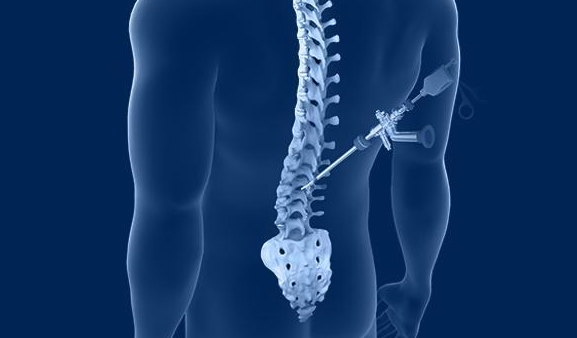
- Endoscopic discectomy: full endoscopic spine surgery through an 8 mm incision, with same-day or next-day discharge in selected cases.
- Spinal fusion (ALIF, PLIF, TLIF, XLIF): joining two or more vertebrae with cages, rods, and pedicle screws for degenerative disc disease, spondylolisthesis, or instability.
- Laminectomy: removal of part of a vertebra to widen the spinal canal in spinal stenosis cases.
- Artificial disc replacement: motion-preserving alternative to fusion in selected cervical and lumbar cases.
- Scoliosis correction: posterior instrumentation with pedicle screws and rods, vertebral body tethering (VBT) for adolescents, and growing rod systems for early-onset cases.
- Kyphoplasty and vertebroplasty: cement injection for osteoporotic vertebral compression fractures.
- Spinal tumour removal: intradural and extradural tumour resection with intraoperative neuromonitoring.
- Revision spine surgery: correction of failed back surgery syndrome, hardware removal, and pseudoarthrosis repair.
Spine Surgery Cost in Turkey vs UK, USA, and Germany
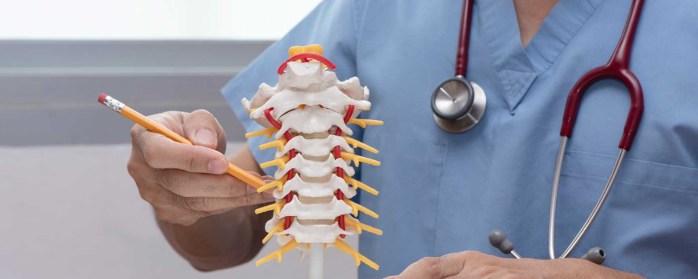
The cost difference between Turkey and Western countries is not marginal; for the same procedure, the same implant brand, and a comparable hospital tier, Turkish prices run 70 to 85 percent below US prices and 50 to 70 percent below UK private prices. Below is a 2026 reference table based on all-inclusive package data from JCI-accredited Turkish hospitals.
|
Procedure |
Turkey (USD) |
UK (GBP) |
USA (USD) |
Germany (EUR) |
|---|---|---|---|---|
|
Microdiscectomy |
$4,800 - $7,500 |
£12,000 - £18,000 |
$30,000 - $50,000 |
€18,000 - €25,000 |
|
Endoscopic discectomy |
$5,500 - $8,500 |
£14,000 - £20,000 |
$35,000 - $55,000 |
€20,000 - €28,000 |
|
Laminectomy |
$6,500 - $9,500 |
£14,000 - £22,000 |
$40,000 - $70,000 |
€22,000 - €32,000 |
|
Lumbar fusion (1-level) |
$10,000 - $15,000 |
£22,000 - £35,000 |
$60,000 - $110,000 |
€30,000 - €45,000 |
|
Cervical fusion (ACDF) |
$9,000 - $14,000 |
£20,000 - £32,000 |
$55,000 - $95,000 |
€28,000 - €42,000 |
|
Artificial disc replacement |
$11,000 - $16,500 |
£25,000 - £38,000 |
$70,000 - $120,000 |
€32,000 - €50,000 |
|
Scoliosis correction |
$18,000 - $27,000 |
£35,000 - £55,000 |
$120,000 - $250,000 |
€45,000 - €70,000 |
|
Kyphoplasty (per level) |
$4,500 - $6,500 |
£8,000 - £12,000 |
$25,000 - $40,000 |
€12,000 - €18,000 |
Prices are based on 2026 all-inclusive packages and cover surgery, surgeon fee, anaesthesia, 3 to 7 nights in hospital, standard implants, post-op imaging, and airport transfers. Final cost depends on the clinic, the surgeon's experience, the patient's BMI and comorbidities, the level of correction needed, and the choice of implant brand (Medtronic, Stryker, DePuy Synthes, NuVasive).
Three factors explain the price gap: Turkish hospital operating costs (staff, real estate, utilities) are 40 to 60 percent below Western European levels; the Turkish lira makes USD- and EUR-denominated package pricing more competitive year over year; and the Ministry of Health, through USHAŞ, provides tax incentives to medical tourism operators that the patient indirectly benefits from.
Want a fixed quote for your specific spine condition? Send your MRI and recent imaging to A-Medical's medical coordination team and you will receive case-specific package prices from 3 different hospitals within 24 to 48 hours.
Best Hospitals for Spine Surgery in Turkey
Below are six hospitals where A-Medical routinely coordinates spine surgery for international patients. Each is JCI-accredited or holds equivalent international accreditation, runs a structured spine programme, and has surgeons with subspecialty fellowship training in spine surgery.
1. Acibadem Hospital (Istanbul, Multiple Locations)
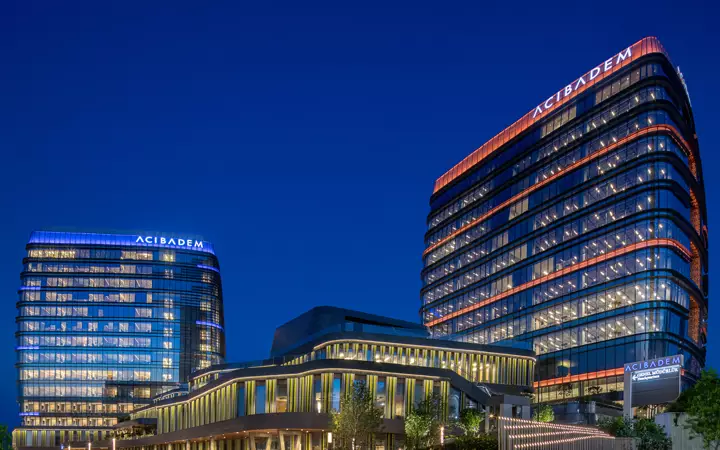
Acibadem operates 24 hospitals across Turkey, with the Maslak, Ataşehir, Taksim, and International branches being the main destinations for foreign spine patients. The group runs more than 10 spine centres and performs over 300 spine surgeries per year, including complex deformity correction and revision cases. All major Acibadem hospitals hold JCI accreditation, and the group uses intraoperative O-arm imaging, robotic-assisted pedicle screw placement (Mazor X, ExcelsiusGPS), and 3D-printed surgical planning for complex deformities.
Acibadem's spine programme covers minimally invasive techniques including microdiscectomy, endoscopic discectomy, and tubular decompression, alongside complex open procedures for scoliosis, kyphosis, and spinal tumours. The hospitals are 30 to 50 minutes from Istanbul Airport (IST).
Notable spine surgeons: Prof. Dr. Ahmet Alanay (orthopaedic spine surgeon, scoliosis and complex deformity, Acibadem Maslak), Dr. Halit Cavusoglu (neurosurgeon, minimally invasive spine and lumbar disc, Acibadem Maslak), Prof. Dr. Emre Acaroglu (spine surgeon, 37+ years' experience), Dr. Ismail Yuce (neurosurgeon, Acibadem Taksim), and Dr. Siyavus Muhammedrezai (brain and spine deformities).
2. Memorial Hospital (Şişli, Ataşehir, Bahçelievler)
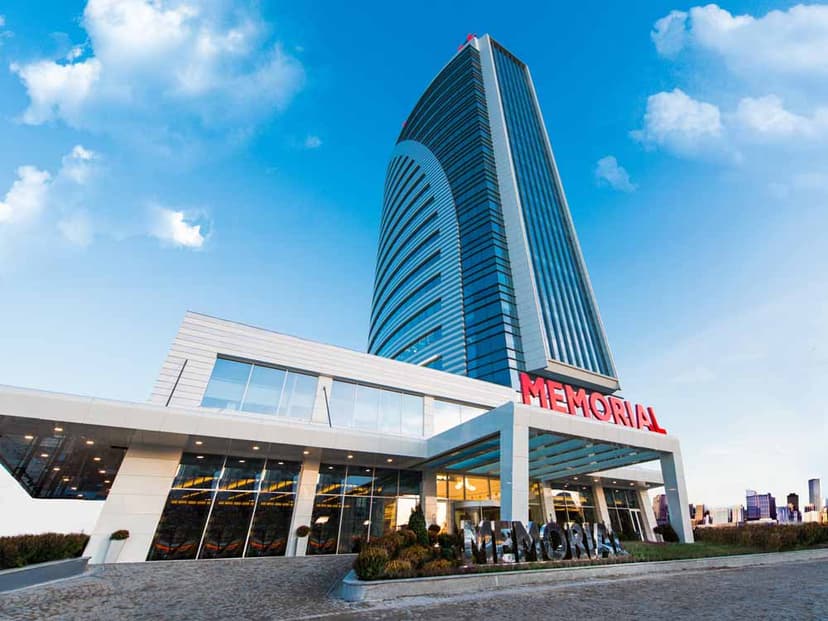
Memorial Healthcare Group was the first hospital in Turkey, and the 21st worldwide, to earn JCI accreditation back in 2002. Memorial Şişli and Memorial Ataşehir host the group's main spine centres and together perform more than 4,500 musculoskeletal surgeries annually. The group serves over 1.6 million patients per year, including 15,000 international patients from 167 countries.
Memorial's spine team handles scoliosis correction with VBT and growing rods for paediatric cases, complex multi-level fusions, and robotic-assisted spine procedures. The Şişli campus has a 5-star hotel on site with standard and luxury rooms for international patients and their companions, and Memorial Ataşehir is 20 minutes from Sabiha Gökçen Airport.
Notable spine surgeons: Prof. Dr. Mehmet Aydogan (orthopaedic spine surgeon, 24+ years, 1,100+ scoliosis procedures, member of North American Spine Society and EuroSpine), Prof. Dr. Hakan Hanimoglu (neurosurgeon, complex brain and spine, intraoperative MRI and neuronavigation), Dr. Yusuf Bayram (1,000+ spine surgeries, 12 years in scoliosis correction), and Prof. Dr. Toktas (microsurgical scoliosis correction at Memorial Ataşehir).
3. Florence Nightingale Hospital (Istanbul)
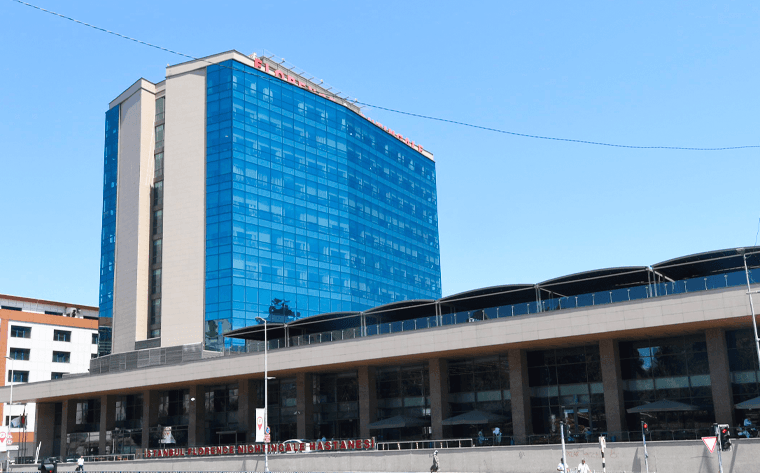
Group Florence Nightingale Hospitals operate four facilities in Istanbul, with the Gayrettepe and Istanbul (Şişli) campuses being the main spine surgery centres. The hospital network is part of the Türk Kardiyoloji Vakfı (Turkish Cardiology Foundation) and is one of the most established private hospital groups in the country, with a long-standing reputation in orthopaedics and spine.
Florence Nightingale houses the Istanbul Spine Center, a standalone unit focused entirely on adult and paediatric spine deformity, degenerative spine, and spine trauma. The centre uses intraoperative neuromonitoring (IONM) on every complex case and offers vertebral body tethering for paediatric scoliosis patients who are not yet candidates for fusion.
Notable spine surgeons: Prof. Dr. Azmi Hamzaoglu (orthopaedic surgeon, founder of the Istanbul Scoliosis and Spine Center, Chief of Orthopaedics and Traumatology at Florence Nightingale, internationally recognised for scoliosis and complex deformity correction), Prof. Dr. Akcakaya (minimally invasive brain and spine, Hannover Medical School fellowship), and Assoc. Prof. Dr. Sari (neurosurgery, 19+ years).
4. VKV American Hospital (Istanbul)
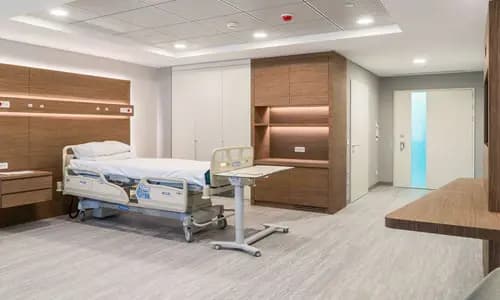
VKV American Hospital, founded in 1920 and now part of the Vehbi Koç Foundation, is one of the oldest private hospitals in Turkey. The hospital is JCI-accredited and is affiliated with Koç University School of Medicine and the Mayo Clinic Care Network, giving its physicians access to second opinions and case discussions with Mayo Clinic specialists. American Hospital is located in the Nişantaşı district on the European side of Istanbul, about 45 minutes from Istanbul Airport.
The hospital's spine programme is operated jointly by the neurosurgery and orthopaedic departments, with subspecialty teams for cervical spine, lumbar degenerative spine, and spinal deformity. American Hospital is one of the few facilities in Turkey that performs full robotic-assisted spine surgery with the Mazor X Stealth platform and operates a hybrid intraoperative MRI suite for complex tumour cases.
Notable spine surgeons: Dr. Akin Akakin (neurosurgeon, 20+ years, far lateral disc, cerebrovascular and complex spine), and senior consultants from the Koç University Hospital Spine Center who hold joint appointments at American Hospital. The team is particularly known for revision spine surgery and second-opinion case reviews.
5. Hisar Intercontinental Hospital (Istanbul)
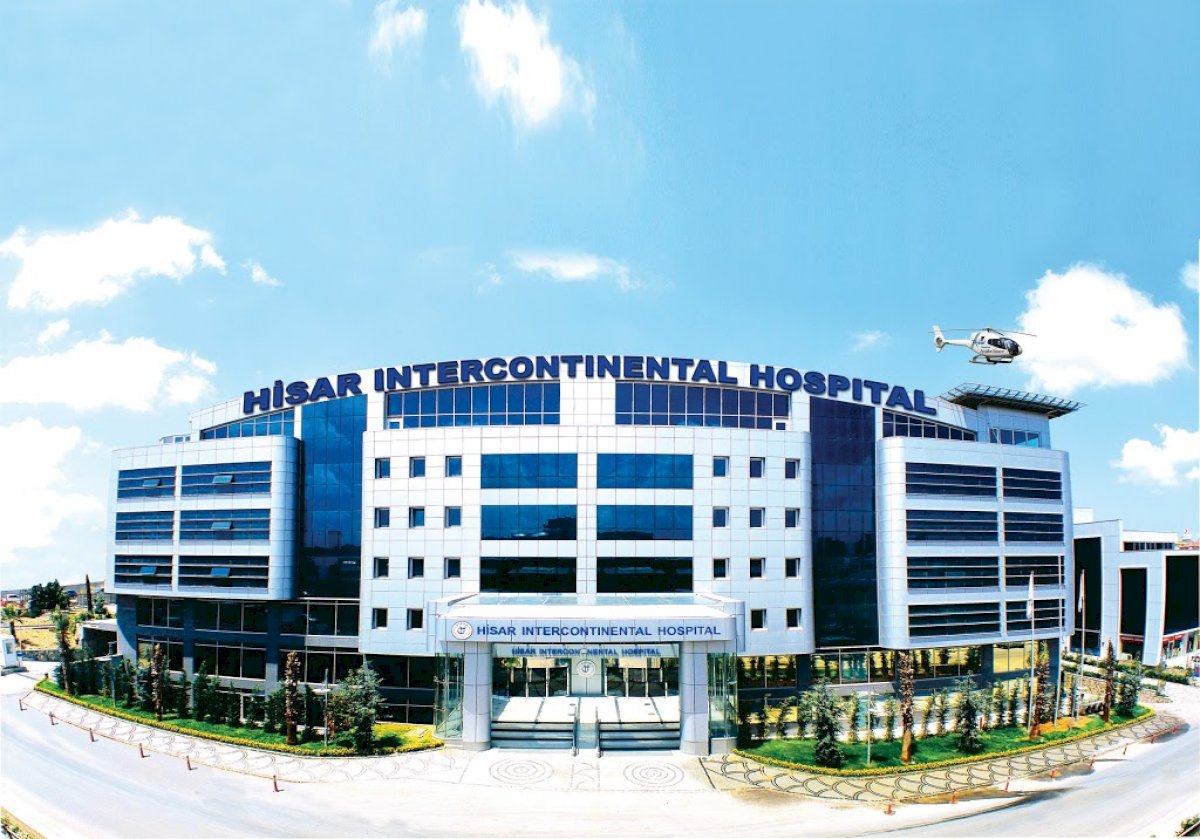
Hisar Hospital Intercontinental is a JCI-accredited multi-specialty hospital on the Asian side of Istanbul, in the Ümraniye district, about 25 minutes from Sabiha Gökçen Airport. The hospital serves over 500,000 patients annually and is known for orthopaedics, spinal surgery, and oncology. Hisar's spine programme covers fusion, discectomy, laminectomy, and scoliosis correction, with most international patients arriving from Europe, the CIS, and the Balkans.
The hospital runs a structured medical tourism programme that includes pre-arrival case evaluation, MRI and CT review, and direct package pricing. For spine cases, Hisar typically schedules surgery within 5 to 10 days of the patient's arrival, after a 1- to 2-day pre-op work-up.
Notable spine surgeons: Associate Professor at Health Sciences University, board-certified in Orthopaedics and Traumatology, with international training in multiple countries and active memberships in Turkish and international spine surgery societies. The Hisar spine team handles fusion, discectomy, laminectomy, and scoliosis correction, with online consultation available before travel.
6. Turan & Turan Health Group (Bursa)
![Hip Replacement Surgery in Turkey: Cost, Best Hospitals & Recovery [2026] related image](https://amedical.az/storage/blog/content/2026/04/b8637892-9846-463c-ba88-0af4c53b3796.png)
Turan & Turan Health Group is based in Bursa, about 2 hours from Istanbul, and is one of the few Turkish spine centres specialising in robotic-assisted orthopaedic and spine surgery outside of Istanbul. The clinic markets all-inclusive packages including robotic-assisted scoliosis surgery, robotic knee and hip replacement, and minimally invasive spine procedures. For patients who prefer a quieter setting than central Istanbul, Bursa offers a calmer recovery environment and lower accommodation costs, while still being a 90-minute drive plus ferry from Istanbul Airport.
The orthopaedic and spine team at Turan & Turan focuses on robotic-assisted pedicle screw placement, navigation-guided fusion, and minimally invasive techniques that shorten in-hospital stay. The group provides English-speaking coordinators and structured packages that include accommodation in Bursa's Çekirge thermal district, which historically has been a recovery destination thanks to its hot springs.
Notable spine surgeons: Dr. Kayhan Turan (orthopaedic surgeon, spinal cord injury specialist, group founder), Op. Dr. Murat Kezer (orthopaedic surgeon), Op. Dr. Yunus Uysal (robotic surgery, scoliosis correction), Op. Dr. Abdulaziz Temiz (robotic surgery), and Assoc. Prof. Ismet Yalkin Camurcu (orthopaedic spine surgeon).
7. Optimed International Hospital (Istanbul)
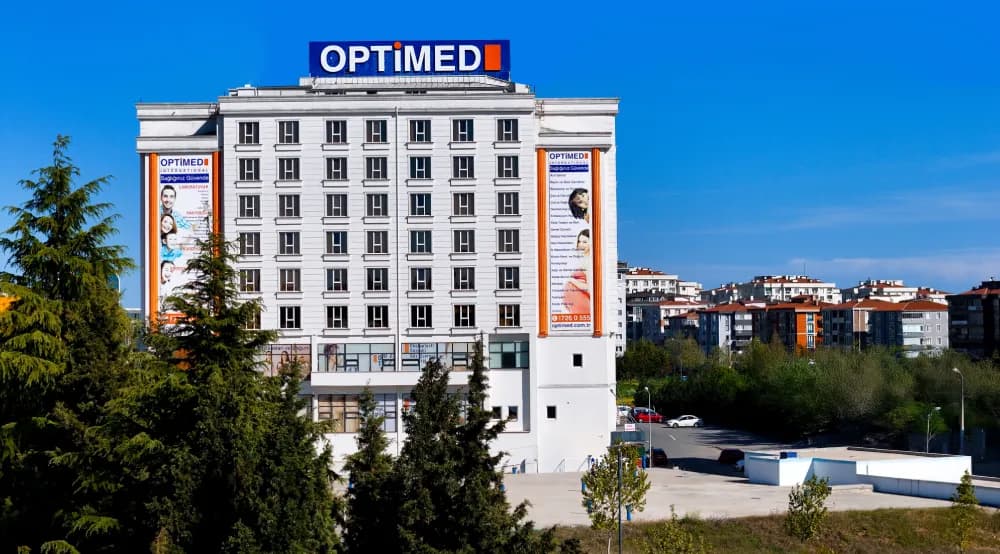
Optimed International Hospital is located in Çamlıca on the Asian side of Istanbul, about 30 minutes from Sabiha Gökçen Airport. Optimed runs an international patient unit with English, Arabic, and Russian-speaking coordinators and is positioned as a mid-tier price option for patients who want JCI-equivalent quality at a slightly lower package price than the big four chains.
The hospital's spine programme handles routine lumbar microdiscectomy, ACDF (anterior cervical discectomy and fusion), laminectomy, and short-segment fusion procedures. Optimed is often chosen by patients with straightforward, non-deformity spine cases where a smaller, more personal hospital setting is preferred over the volume environment of larger groups.
Notable spine surgeons: Senior neurosurgeons and orthopaedic spine specialists with EANS (European Association of Neurosurgical Societies) credentials and Turkish Neurosurgical Society board certification. The team focuses on minimally invasive lumbar and cervical procedures, with online pre-travel consultation included as part of the international patient package.
8. Lokman Hekim Hospital (Istanbul & Ankara)
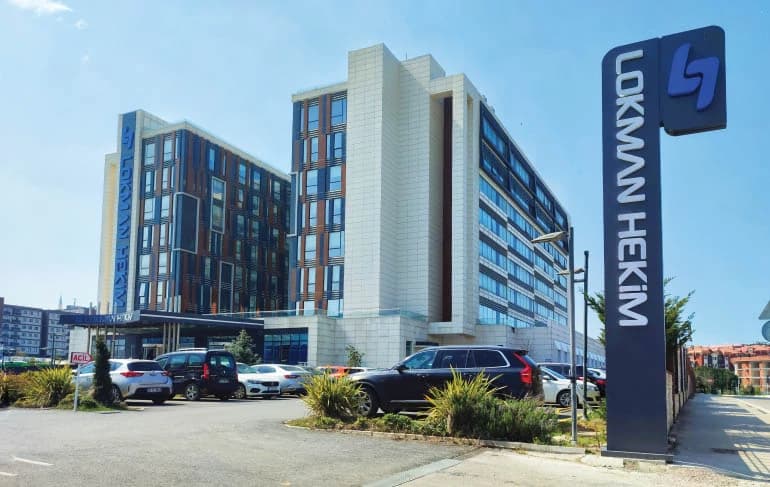
Lokman Hekim Health Group operates a network of hospitals in Ankara, Istanbul, and Van. The Istanbul branch (formerly Adatip International Hospital) is in Kurtköy, Pendik, just 9 minutes from Sabiha Gökçen Airport, while Lokman Hekim University Hospital in Ankara serves as a teaching hospital. The group reports success rates of 99.9% for discectomy procedures, and both Istanbul and Ankara campuses are JCI-accredited.
Lokman Hekim's neurosurgery and spine surgery departments handle the full procedural range: brain tumour resection, epilepsy surgery, herniated disc surgery, anterior cervical discectomy and fusion, and scoliosis. The group uses Da Vinci surgical robots, 3 Tesla MRI, and intraoperative neuromonitoring. Package pricing is generally 10 to 20 percent below the largest Istanbul hospital chains, which makes Lokman Hekim a strong option for budget-conscious patients.
Notable spine surgeons: Prof. Dr. Orkun Koban (neurology and neurosurgery, 16+ years, endoscopic spine surgery, advanced age spinal diseases, scoliosis), Assoc. Prof. Dr. İsmail Gülşen (Lokman Hekim Van Hospital, advanced brain and spine surgery), and a team of board-certified neurosurgeons across the Istanbul and Ankara campuses.
How to Choose the Right Spine Surgeon and Hospital in Turkey
The biggest mistake international patients make is choosing a hospital based on price alone, without checking the surgeon's specific case volume for the procedure they need. A surgeon who performs 5 scoliosis corrections per year is not the same as one who performs 200, even if the hospital is identical. Below are practical filters used by A-Medical's medical board when matching a patient with a clinic.
- Procedure-specific case volume: ask how many of your exact procedure (e.g. ACDF, lumbar microdiscectomy, scoliosis correction) the surgeon performs per year.
- Board certification and fellowship: EuroSpine Diploma, EANS board certification, North American Spine Society membership, or US/German fellowship training.
- Hospital accreditation: JCI accreditation is the gold standard; equivalent national accreditations (TÜV NORD ISO 9001 for Lokman Hekim) are acceptable for non-complex cases.
- Intraoperative neuromonitoring (IONM): non-negotiable for any case involving the spinal cord, cervical spine, or scoliosis correction.
- Revision rate and complication transparency: ask for the surgeon's published 1-year revision rate and dural tear rate for your procedure.
- Implant brand: request named implants (Medtronic, Stryker, DePuy Synthes, NuVasive) rather than generic alternatives, as the warranty and long-term safety data are different.
- English communication: confirm that both the surgeon and the ward nurses speak adequate English, or that an assigned medical translator is available throughout the stay.
Step-by-Step Process for Getting Spine Surgery in Turkey
The full medical travel process from first contact to flight home usually takes 3 to 6 weeks, with the surgery itself accounting for 4 to 10 days depending on procedure complexity.
- Step 1 - Online consultation (Week 1): share your MRI, CT, and symptom history. A-Medical's medical coordinators forward the case to 2 or 3 hospitals and return surgeon opinions and package quotes within 24 to 48 hours.
- Step 2 - Case review and decision (Week 1-2): video consultation with the chosen surgeon to confirm diagnosis, discuss surgical approach, and clarify implants and risks.
- Step 3 - Travel arrangements (Week 2-3): A-Medical books flights, airport VIP transfer, accommodation for the companion, and a Turkish e-visa or invitation letter if needed.
- Step 4 - Arrival and pre-op (Day 1-2): airport pickup, hotel check-in, hospital admission, repeat blood work, fresh MRI if older than 3 months, anaesthesia consultation, and final surgical plan.
- Step 5 - Surgery and inpatient stay (Day 3-9): the spine procedure is performed under general anaesthesia with intraoperative neuromonitoring, followed by 2 to 7 nights of inpatient recovery depending on procedure.
- Step 6 - Discharge and hotel recovery (Day 9-14): discharge to a 4- or 5-star hotel for 3 to 7 nights of monitored recovery, daily wound checks, and physiotherapy start.
- Step 7 - Fly home and remote follow-up: flight clearance, written surgical report and imaging on a USB, and remote follow-up with the operating surgeon at 6 weeks, 3 months, 6 months, and 1 year.
How Long Should You Stay in Turkey After Spine Surgery?
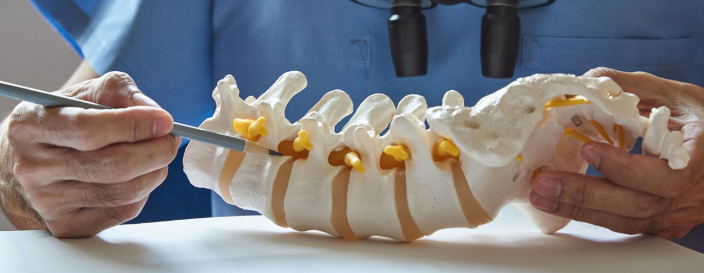
Total length of stay depends on procedure type and how mobile the patient is after surgery. The general guideline used by Turkish spine centres for international patients is below.
- Microdiscectomy or endoscopic discectomy: 4 to 6 days total in Turkey (1-2 days pre-op, 1-2 nights in hospital, 2-3 nights hotel recovery).
- ACDF or single-level lumbar fusion: 7 to 10 days total (1-2 days pre-op, 3-4 nights in hospital, 3-4 nights hotel recovery).
- Multi-level fusion or laminectomy: 10 to 14 days total (2-3 days pre-op, 4-6 nights in hospital, 4-5 nights hotel recovery).
- Scoliosis correction or complex deformity: 14 to 21 days total (3 days pre-op, 7-10 nights in hospital, 4-8 nights hotel recovery).
Most Turkish spine surgeons require fitness-to-fly clearance before discharge: walking unassisted for 50 to 100 metres, no fever, stable wound, and no neurological deterioration. Long-haul flights longer than 6 hours are generally permitted from day 7 to 14 post-op depending on procedure.
Recovery Timeline After Spine Surgery
Recovery is gradual and patient-specific, but most patients follow a predictable trajectory if they follow physiotherapy and weight-bearing restrictions.
- Week 1: wound care, controlled walking, pain management, no bending, lifting, or twisting (BLT rules).
- Weeks 2-6: progressive walking, light daily activities resume, sutures removed at week 2, sedentary office work usually permitted from week 3-4.
- Weeks 6-12: structured physiotherapy starts, driving usually resumes at week 6-8, return to non-physical work confirmed.
- Months 3-6: return to most normal activities for discectomy patients; fusion patients continue avoiding heavy lifting until 6-month CT confirms bony fusion.
- Months 6-12: near-full recovery for most procedures; scoliosis correction patients require longer follow-up due to instrumentation.
Visa, Travel, and Accommodation for International Patients
Citizens of the UK, USA, Canada, Australia, most EU countries, and the Gulf states do not need a visa or can apply for a Turkish e-visa online for $50 to $60. The e-visa is issued in minutes and is valid for 90 days within a 180-day period, which covers most surgical and recovery timelines. Patients from countries requiring a regular visa should apply at least 4 weeks before travel; A-Medical issues invitation letters from the operating hospital to support the application.
For accommodation, Memorial Şişli has an on-site 5-star hotel, and most other Istanbul hospitals have agreements with 4- to 5-star hotels within a 10- to 20-minute drive. Typical nightly rates range from $80 to $200 depending on category, and a companion's stay is usually included in A-Medical's all-inclusive package.
Risks and Complications of Spine Surgery
All spine surgery carries risk, and patients should be informed before they consent to a procedure. The most common complications observed across Turkish JCI-accredited spine centres are within the global benchmark ranges published by the North American Spine Society.
- Infection: 0.5% to 3% depending on procedure and patient risk factors.
- Dural tear (CSF leak): 1% to 5% in revision cases, lower in primary procedures.
- Nerve root injury: below 1% with intraoperative neuromonitoring, higher without IONM.
- Hardware failure or migration: 2% to 5% over 5 years for fusion procedures.
- Pseudoarthrosis (failed fusion): 5% to 15% depending on smoking status, diabetes, and number of levels fused.
- Adjacent segment disease: long-term risk after fusion, 2% to 3% per year cumulatively.
- Deep vein thrombosis (DVT) and pulmonary embolism: managed with prophylactic anticoagulation and early mobilisation.
Who Is a Good Candidate for Spine Surgery Abroad?
Not every back pain case is a surgical case. International spine surgery is most appropriate for patients who meet specific clinical and logistical criteria.
- Confirmed structural cause of pain (herniated disc, stenosis, instability, deformity) on MRI or CT.
- Failed conservative management after 6 to 12 weeks (physiotherapy, NSAIDs, epidural injections).
- Progressive neurological symptoms: leg weakness, foot drop, bowel or bladder dysfunction (red flags).
- Adequate general health: stable cardiac status, controlled diabetes, BMI ideally below 35.
- Ability to travel and tolerate a 4- to 14-day stay abroad with a companion.
- Realistic expectations about pain relief, functional improvement, and recovery time.
Patients who are not currently good candidates for elective spine procedures abroad include those with active infections, uncontrolled cardiac disease, severe osteoporosis without prior medical treatment, and patients who have not exhausted non-surgical options.
Why International Patients Choose A-Medical for Spine Surgery
A-Medical has coordinated spine and neurosurgical cases at JCI-accredited Turkish hospitals for over a decade, and the team handles the medical, logistical, and post-operative side of the trip from one point of contact.
- Fast appointment scheduling, typically within 3 to 7 days of MRI review, with no waiting list.
- Transparent all-inclusive package pricing with no hidden fees, confirmed before the patient flies.
- Matching with the right spine surgeon based on case complexity, not based on commission, with options across 3 hospitals.
- Free pre-travel online consultation and second opinion with a board-certified Turkish neurosurgeon or orthopaedic spine surgeon.
- VIP airport pickup at IST or SAW, private transfers between hospital and hotel, and ground support throughout the stay.
- Accommodation in 4- or 5-star hotels or apart-hotels selected for proximity to the hospital and accessibility for post-op patients.
- 24/7 multilingual translator support in English, German, Arabic, French, and Russian.
- Remote follow-up at 6 weeks, 3 months, 6 months, and 12 months with the operating surgeon, plus help arranging local physiotherapy at home.
- Coordination of all documents: surgical report, discharge summary, imaging on USB, implant card, and fitness-to-fly letter.
Ready to take the next step? Send your MRI and a short symptom summary to A-Medical and receive a personalised treatment plan and package quote within 48 hours, with no obligation. Consultations are free.
Related Spine and Orthopaedic Procedures in Turkey
Patients researching spine surgery often look at related procedures handled by the same neurosurgery and orthopaedic teams. A-Medical also coordinates herniated disc surgery in Turkey, which uses many of the same minimally invasive techniques as standalone discectomy, and neurosurgery in Turkey more broadly when the pathology involves the brain or peripheral nerves rather than the spine itself. For patients comparing destinations, the wider best countries for spine surgery abroad guide covers the same procedures in alternative countries, and the spinal fusion abroad guide focuses specifically on fusion cases.
Frequently Asked Questions About Spine Surgery in Turkey
How much does spine surgery cost in Turkey in 2026?
Spine surgery in Turkey costs between $4,800 and $27,000 in 2026 depending on the procedure: microdiscectomy starts at $4,800, single-level lumbar fusion runs $10,000 to $15,000, and scoliosis correction reaches $18,000 to $27,000.
Is spine surgery safe in Turkey?
Yes, when performed in a JCI-accredited hospital by a board-certified spine surgeon. Turkish JCI-accredited spine centres report infection and complication rates within international benchmark ranges, and use intraoperative neuromonitoring on all complex cases.
How long does spine surgery take?
A microdiscectomy takes 1 to 2 hours, a single-level lumbar fusion takes 2 to 4 hours, and a complex scoliosis correction can take 6 to 10 hours. Total operating-room time including anaesthesia is usually 30 to 60 minutes longer.
How many days should I stay in Turkey for spine surgery?
Most patients stay 7 to 14 days in Turkey: 1 to 3 days pre-op, 2 to 7 nights in hospital, and 3 to 7 nights of hotel recovery before flying home. Scoliosis cases require 14 to 21 days.
Can I fly home after spine surgery?
Yes, once the operating surgeon clears you. Standard fitness-to-fly criteria are met around day 7 to 14 post-op for most procedures, and most international patients fly home wearing compression stockings as DVT prophylaxis.
Do I need a visa to travel to Turkey for spine surgery?
Citizens of the UK, USA, Canada, Australia, most EU countries, and the Gulf states either need no visa or can apply online for an e-visa within minutes. A-Medical provides hospital invitation letters for patients whose nationality requires a regular visa.
Who are the best spine surgeons in Turkey?
Some of the most established spine surgeons in Turkey include Prof. Dr. Ahmet Alanay (Acibadem), Prof. Dr. Azmi Hamzaoglu (Florence Nightingale), Prof. Dr. Mehmet Aydogan (Memorial), and Prof. Dr. Orkun Koban (Lokman Hekim), each with subspecialty fellowship training and high annual case volumes.
Does insurance cover spine surgery abroad in Turkey?
Most Turkish hospitals offer direct billing arrangements with international insurance companies for medically necessary spine procedures. Patients should request a pre-authorisation letter from their insurer based on the package quote provided by A-Medical.