Contents
Glaucoma already affects an estimated 80.5 million people aged 40 and above worldwide in 2024, and that figure is projected to rise past 186 million by 2060 according to the American Journal of Ophthalmology. When eye drops and laser therapy stop holding intraocular pressure in check, surgery becomes the next line of defense for protecting the optic nerve. The catch for many patients sits in the bill: a trabeculectomy in the United States runs 4,000 to 8,000 USD per eye, and a single MIGS procedure can push past 7,000 USD. Treatment abroad cuts that figure by 50 to 75 percent without losing access to JCI-accredited hospitals, fellowship-trained glaucoma specialists, or modern devices like iStent inject, Hydrus Microstent, Xen gel stent, and PreserFlo MicroShunt.
|
Quick Facts: Glaucoma Surgery Abroad • Average savings vs USA/UK: 50 to 75 percent • Cheapest destinations: India, Turkey, Mexico • Top quality destinations: Turkey, South Korea, Spain • Typical stay length: 7 to 14 days • Most common surgeries abroad: Trabeculectomy, MIGS (iStent, Hydrus, Xen), tube shunt, SLT • Key accreditations to look for: JCI, ISO 9001, TEMOS, NABH • Global glaucoma prevalence (2024): 80.5 million people aged 40+ |
Why Patients Travel for Glaucoma Surgery
Three forces push glaucoma patients toward international care. The first is price. A standard trabeculectomy that costs 4,000 to 8,000 USD in the United States typically lands between 1,500 and 3,000 USD in Turkey and 800 to 1,800 USD in India. The second is wait time. In the UK, NHS glaucoma surgery referral queues frequently stretch beyond 18 weeks, and progression-free time matters when the optic nerve is already losing fibers. The third is technology access. MIGS devices like the Hydrus Microstent and PreserFlo MicroShunt remain unevenly covered by domestic insurance plans, so paying out of pocket abroad sometimes ends up cheaper than the co-insurance portion at home, with the same device implanted by a fellowship-trained surgeon.
From the coordination side, our team at A-Medical handles 40 to 60 ophthalmology cases each quarter where the patient already failed selective laser trabeculoplasty (SLT) at home and arrives needing a more definitive procedure. The most common pattern we see is patients who postponed surgery because of cost, then chose abroad once they understood that the package price often includes hospital stay, surgeon fees, premedication, and one week of follow-up monitoring.
Glaucoma Surgery Cost by Country (2025 to 2026)
Prices below show the typical out-of-pocket range per eye at international hospitals that treat foreign patients. They reflect surgeon fees, operating room, basic medications, and standard post-op visits. Premium implant choice (iStent inject vs Hydrus vs Xen vs PreserFlo) shifts the final figure, as does anesthesia type and combined cataract-glaucoma surgery.
|
Country |
Trabeculectomy |
MIGS (iStent / Hydrus) |
Tube Shunt |
SLT Laser |
|---|---|---|---|---|
|
Turkey |
1,500 to 3,000 USD |
2,000 to 4,000 USD |
2,800 to 4,500 USD |
400 to 800 USD |
|
India |
800 to 1,800 USD |
1,500 to 3,500 USD |
1,800 to 3,200 USD |
250 to 550 USD |
|
Thailand |
2,200 to 4,200 USD |
3,000 to 5,500 USD |
3,500 to 6,000 USD |
600 to 1,000 USD |
|
Mexico |
2,000 to 3,800 USD |
2,800 to 5,000 USD |
3,200 to 5,500 USD |
500 to 900 USD |
|
Spain |
2,800 to 4,500 USD |
3,500 to 6,200 USD |
4,000 to 6,800 USD |
700 to 1,200 USD |
|
South Korea |
3,000 to 5,000 USD |
4,000 to 6,500 USD |
4,500 to 7,000 USD |
700 to 1,300 USD |
|
USA (reference) |
4,000 to 8,000 USD |
3,000 to 7,000 USD |
6,000 to 12,000 USD |
1,200 to 2,500 USD |
|
UK (reference) |
3,500 to 6,500 GBP |
3,200 to 6,500 GBP |
5,500 to 9,500 GBP |
900 to 1,800 GBP |
Best Countries for Glaucoma Surgery Abroad
Ranking glaucoma destinations purely on cost misses what matters most for a chronic, sight-threatening condition: surgeon volume, device access, accreditation, and willingness to manage follow-up remotely after the patient flies home. Below are the six countries that hit the strongest combined score on those criteria, ordered by overall value rather than raw price.
Turkey
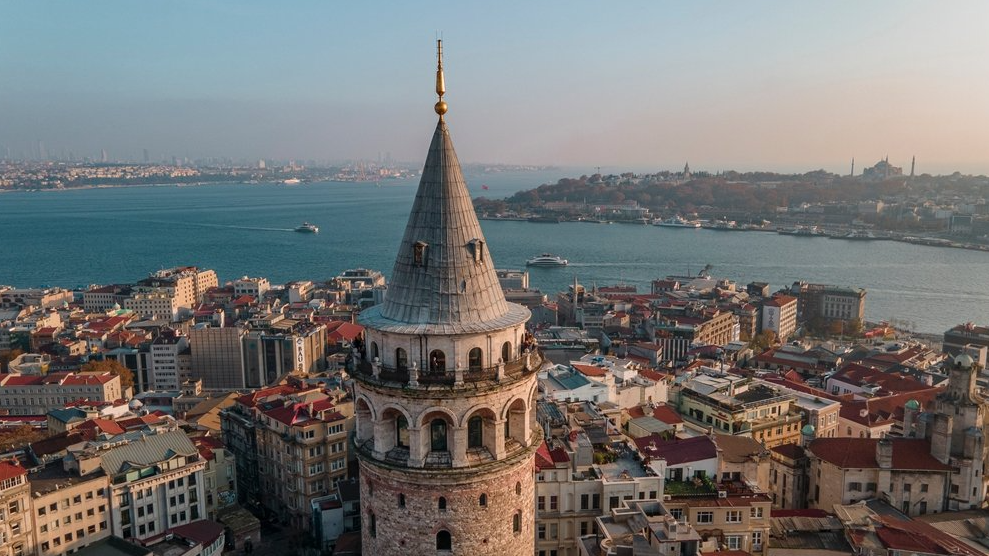
Turkey holds the strongest value position for glaucoma surgery thanks to its mix of JCI-accredited eye hospitals, fellowship-trained subspecialists, and pricing roughly 60 to 75 percent below US figures. Istanbul concentrates the highest density of glaucoma-capable centers, with Antalya and Ankara as secondary hubs. Most international clinics quote all-inclusive packages that bundle surgery, three to five days of monitoring, medications, and airport transfers.
- Typical price per eye: 1,500 to 4,500 USD depending on procedure
- Average stay: 7 to 10 days
- Accreditations: JCI, ISO 9001, TEMOS, Turkish Ministry of Health USHAS
- Visa: e-Visa available for most nationalities within 24 hours
- Devices commonly stocked: iStent inject W, Hydrus Microstent, Xen gel stent, PreserFlo MicroShunt, Ahmed and Baerveldt tube shunts
Retinal Detachment Treatment in Turkey
India
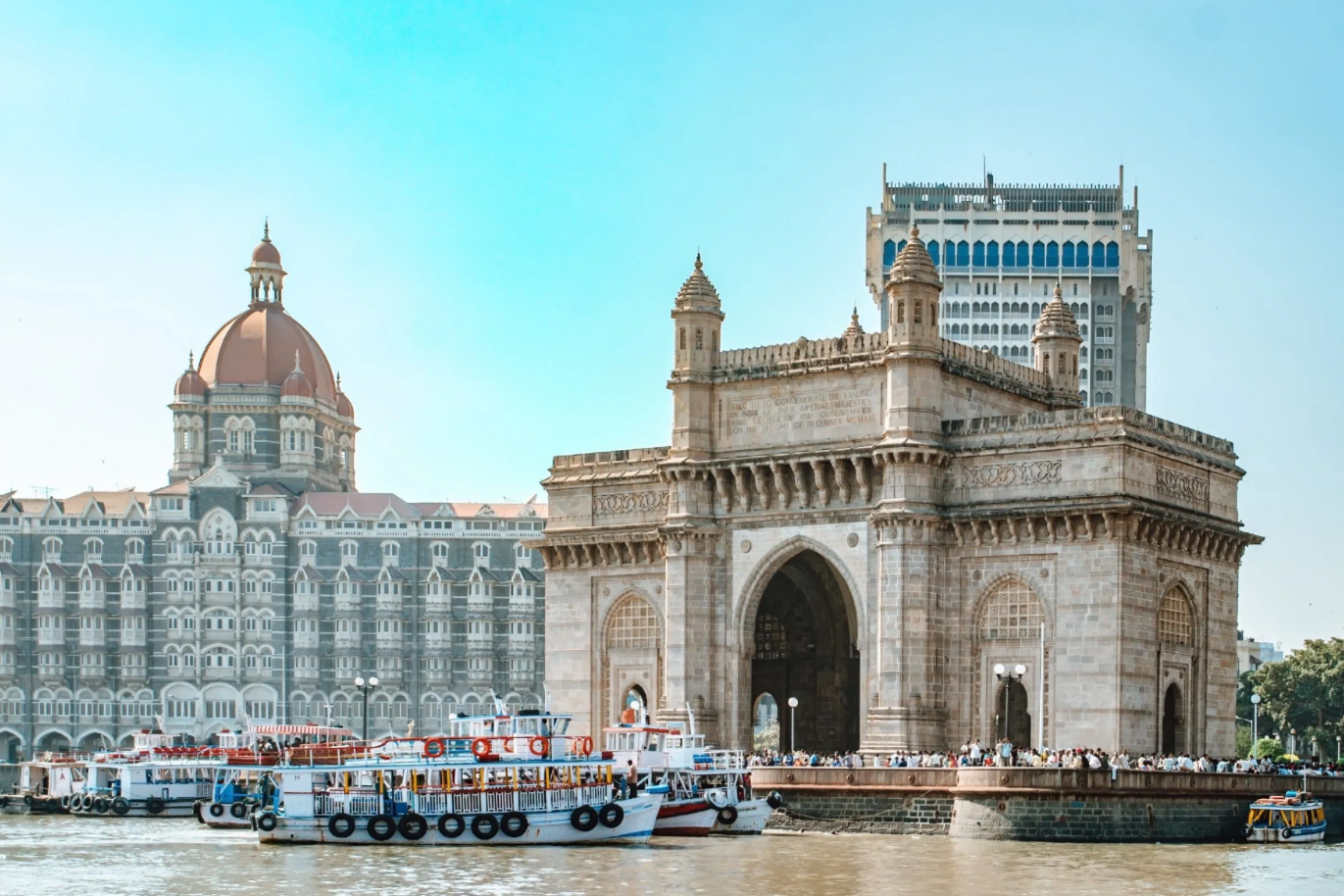
India produces some of the highest-volume glaucoma surgeons in the world, and that volume directly translates to lower per-case complication rates. Aravind Eye Care performs upward of 4 million eye procedures cumulatively, while LV Prasad Eye Institute and Sankara Nethralaya run specialist glaucoma fellowships that train surgeons from over 30 countries. Pricing sits at the lowest end of the global table while clinical outcomes from accredited centers match top Western benchmarks.
- Typical price per eye: 800 to 3,500 USD depending on procedure
- Average stay: 10 to 14 days
- Accreditations: NABH, JCI (for tier-1 corporate hospitals), ISO
- Visa: Medical e-Visa, valid 60 days, three entries
- Best fit for: Complex glaucoma, redo surgeries, congenital and pediatric glaucoma
Thailand

Thailand built its reputation on premium hospitality medicine, and ophthalmology benefits from the same infrastructure that powers its cardiac and cosmetic tourism segments. Bumrungrad International, Bangkok Hospital, and Rutnin Eye Hospital all carry JCI status and run subspecialty glaucoma clinics. Surgeon fees are higher than India or Turkey, but service standards, English communication, and Bangkok recovery logistics offset the price for patients who place comfort high on the checklist.
- Typical price per eye: 2,200 to 6,000 USD
- Average stay: 7 to 12 days
- Accreditations: JCI, GHA, ISO
- Visa: Many nationalities receive visa-free 30-day entry
- Specialty: Angle-closure glaucoma (higher regional prevalence drives surgeon volume)
Mexico

Mexico holds a unique edge for North American patients: a same-day flight to Mexico City, Guadalajara, or Tijuana puts patients in front of a US-trained ophthalmologist for a fraction of the home price. Most border-region surgeons completed fellowship training in the United States, speak fluent English, and run hybrid practices with US patients making up half their roster. Same-day return is possible after laser SLT, while surgical glaucoma usually needs one week locally.
- Typical price per eye: 2,000 to 5,500 USD
- Average stay: 5 to 10 days
- Accreditations: CSG (Consejo de Salubridad General), JCI for top-tier
- Visa: Most Western nationalities enter visa-free for up to 180 days
- Best fit for: US patients seeking convenience plus 50 to 65 percent savings
Spain

Spain anchors the European value tier. Barcelona and Madrid host clinics where European Union-trained glaucoma surgeons operate using the same Alcon, Glaukos, and Allergan devices found in any London or Munich hospital, at 40 to 50 percent of UK prices. For EU residents, Spain bypasses concerns about device regulatory equivalence and offers straightforward post-op continuity through GP networks back home.
- Typical price per eye: 2,800 to 6,800 USD
- Average stay: 5 to 9 days
- Accreditations: JCI, Spanish Society of Ophthalmology, ISO 9001
- Visa: Schengen rules apply; EU citizens travel freely
- Best fit for: UK, Irish, Scandinavian patients wanting European standards at lower cost
South Korea

South Korea sits at the technology-forward end of the glaucoma map. Seoul National University Hospital, Samsung Medical Center, and Severance Hospital all run advanced glaucoma units that adopted PreserFlo MicroShunt and minimally invasive trabeculectomy alternatives years before broader rollout in Europe. Pricing matches mid-tier European levels rather than budget tier, but patients with rare or complex disease patterns often pick Korea for its dense subspecialist coverage.
- Typical price per eye: 3,000 to 7,000 USD
- Average stay: 10 to 14 days
- Accreditations: JCI, KOIHA, ISO
- Visa: K-ETA system for visa-waiver nationals
- Specialty: Pigmentary glaucoma, normal-tension glaucoma, advanced visual field analysis
Best Clinics for Glaucoma Surgery Abroad
Clinic choice carries more weight than country choice for glaucoma. Two hospitals in the same city can deliver different outcomes depending on surgeon volume, device inventory, and how robust their follow-up protocol is for international patients. The clinics below all run subspecialty glaucoma units, hold international accreditation, and treat foreign patients at scale.
Read: Top 10 Best Eye Hospitals in the World for 2026
Dünyagöz Hospitals Group (Istanbul, Turkey)
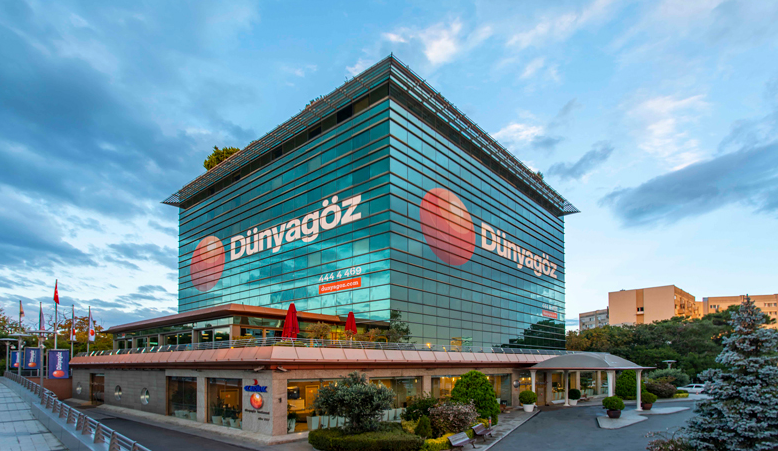
Dünyagöz earned JCI accreditation in 2006 as the first specialized ophthalmology hospital in Turkey to do so, and the group now runs 23 branches across Turkey, Germany, and the wider region. The flagship Istanbul Etiler and Ataköy locations house full glaucoma treatment centers with around 300 specialist ophthalmologists across the network. Annual surgical volume across the group exceeds 80,000 procedures, with patients arriving from over 160 countries.
- Location: Istanbul (Etiler, Ataköy, Altunizade); branches in Ankara, Antalya, Izmir
- Glaucoma services: Trabeculectomy, Ahmed valve, Baerveldt tube shunt, MIGS (iStent inject, Xen), SLT and argon laser trabeculoplasty, laser iridotomy
- Accreditations: JCI, ISO 9001 (TUV-SUD)
- Languages: English, German, Russian, Arabic, French
- Typical glaucoma package: 1,800 to 4,200 USD all-inclusive
Memorial Şişli Hospital (Istanbul, Turkey)
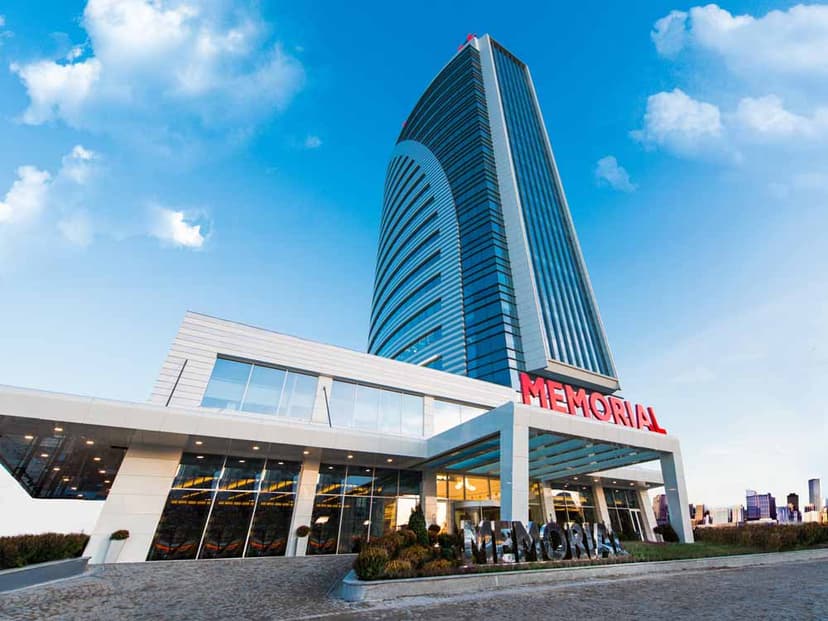
Memorial Şişli runs a multi-specialty operation with one of the most established ophthalmology departments in Turkey. It became the first Turkish hospital and the 21st worldwide to receive JCI accreditation back in 2000. The eye unit handles glaucoma alongside complex cataract, vitreoretinal, and corneal cases, which means patients with mixed pathology (glaucoma plus cataract, for example) often consolidate procedures here. The hospital treats patients from 167 countries annually.
- Location: Şişli district, Istanbul
- Glaucoma services: Combined phaco-trabeculectomy, MIGS, glaucoma implant surgery, laser peripheral iridotomy
- Accreditations: JCI, ISO 9001
- Best fit for: Combined cataract and glaucoma cases, redo glaucoma surgery after failed trabeculectomy
- Typical glaucoma package: 2,200 to 4,800 USD
Bumrungrad International Hospital (Bangkok, Thailand)
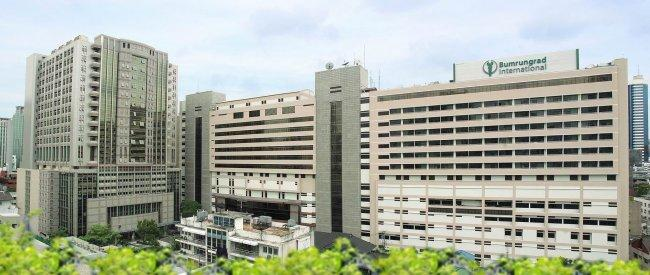
Bumrungrad treats roughly 1.1 million patients each year from 190 countries through 47 specialty centers and 1,200-plus physicians. The Eye Excellence Center holds JCI accreditation since 2002 and houses subspecialty glaucoma care led by board-certified ophthalmologists with US, Canadian, or Japanese fellowship training. Dr. Prin Rojanapongpun, a recognized name in complex cataract and glaucoma cases, practices at the center.
- Location: Sukhumvit, Bangkok
- Glaucoma services: Trabeculectomy, tube shunts (Ahmed, Baerveldt, Molteno), iStent, SLT, cyclophotocoagulation
- Accreditations: JCI (since 2002), Newsweek World's Best Hospitals
- Languages: English, Arabic, Mandarin, Japanese; interpreter services for 30+ languages
- Typical glaucoma package: 2,800 to 6,000 USD
Aravind Eye Hospital (Madurai, India)
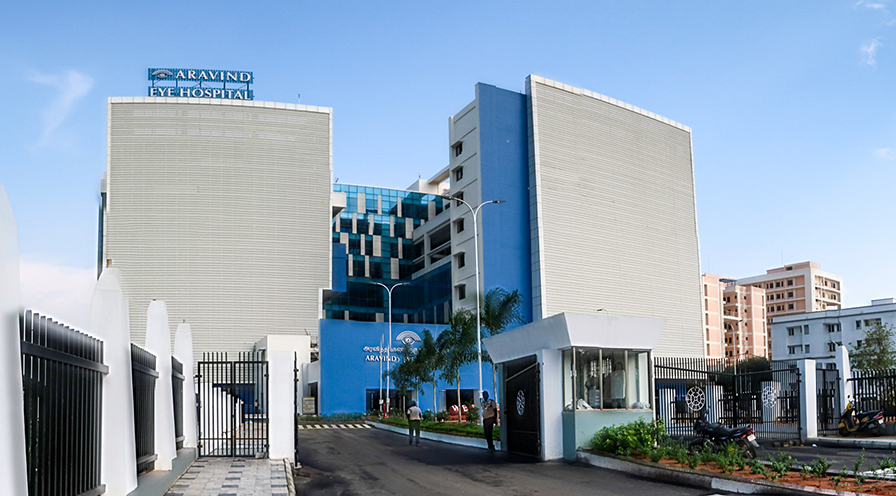
Aravind operates one of the highest-volume eye care systems on the planet, with cumulative patient numbers exceeding 32 million and over 4 million surgeries performed. Its glaucoma department runs as a full subspecialty unit with separate clinics, fellowship-trained surgeons, and on-site visual field and OCT diagnostic capacity. The hospital's high-volume model keeps base prices low, while clinical outcomes remain comparable to top international benchmarks.
- Locations: Madurai (main), Coimbatore, Chennai, Pondicherry, Tirunelveli, others
- Glaucoma services: Trabeculectomy with mitomycin C, Ahmed glaucoma valve, glaucoma drainage implants, MIGS, SLT, laser iridotomy
- Accreditations: NABH, ISO 9001
- Notable: Trains glaucoma fellows from over 30 countries; Aurolab division manufactures intraocular lenses used globally
- Typical glaucoma package: 800 to 2,400 USD
Barraquer Ophthalmology Centre (Barcelona, Spain)
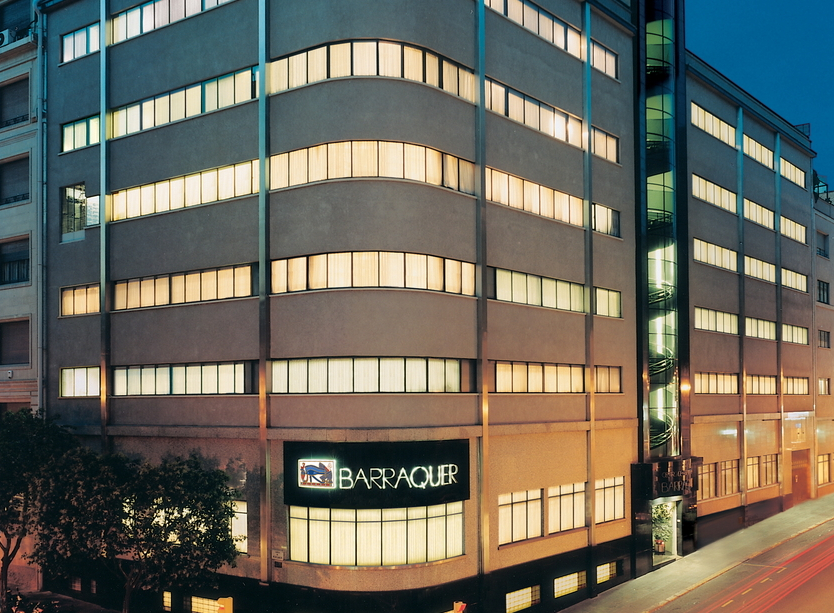
The Barraquer family has practiced ophthalmology in Barcelona since 1947, and the current center is one of the most respected eye hospitals in Europe. Its glaucoma unit handles primary open-angle, angle-closure, congenital, and pseudoexfoliative glaucoma with full access to Glaukos, AbbVie, and Santen device lines. The Barraquer name also runs a Dubai branch, which gives Middle Eastern patients a closer satellite option.
- Location: Barcelona, Spain (branch in Dubai, UAE)
- Glaucoma services: Full surgical and laser glaucoma menu, congenital glaucoma surgery, complex pediatric cases
- Accreditations: Joint Commission International evaluation history, Spanish Ministry of Health, ISO
- Languages: Spanish, Catalan, English, French, Arabic
- Typical glaucoma package: 3,200 to 6,500 USD
Bangkok Hospital Eye Center (Bangkok, Thailand)
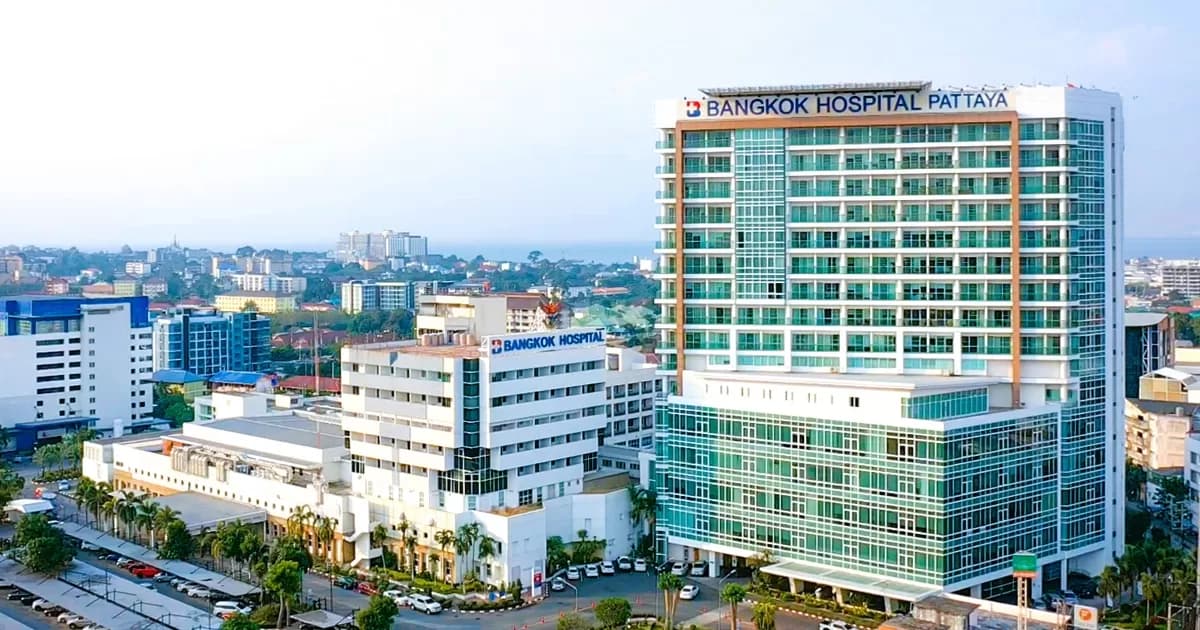
Bangkok Hospital operates the Bangkok Eye Center as a focused subspecialty unit inside its flagship campus. The eye center covers full-scope ophthalmology with strong emphasis on glaucoma diagnostics: digital retinal cameras, OCT, visual field analyzers, and minimally invasive endoscopic glaucoma repair sit in standard rotation. The hospital ranks consistently among Thailand's top facilities and serves a heavy international caseload from the Middle East, Australia, and CLMV countries.
- Location: New Petchburi Road, Bangkok
- Glaucoma services: Trabeculectomy, tube shunt, MIGS, endoscopic cyclophotocoagulation, SLT
- Accreditations: JCI, HA (Thailand Healthcare Accreditation)
- Typical glaucoma package: 3,000 to 5,800 USD
Types of Glaucoma Surgery Performed Abroad
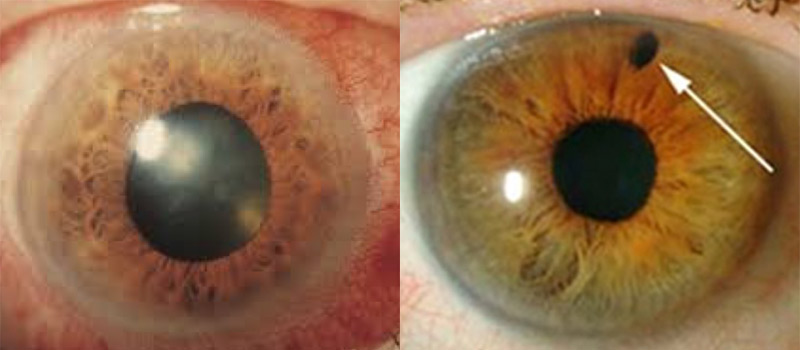
Picking the right procedure carries more weight than picking the right country. Procedure choice depends on glaucoma type (open-angle vs angle-closure), severity stage, prior treatment history, and whether cataract surgery happens at the same time. Six categories cover roughly 95 percent of surgical glaucoma cases performed at international hospitals.
Trabeculectomy
Still the gold-standard filtering surgery for moderate-to-advanced open-angle glaucoma. The surgeon creates a guarded fistula in the sclera so aqueous humor drains under the conjunctiva, forming a bleb. Success rates run around 70 to 90 percent at 5 years when combined with antifibrotic agents like mitomycin C. Recovery sits at 4 to 6 weeks. Cost abroad: 800 to 5,000 USD vs 4,000 to 8,000 USD in the US.
Minimally Invasive Glaucoma Surgery (MIGS)
MIGS covers a class of micro-incision devices designed for mild-to-moderate glaucoma, often paired with cataract surgery. The most commonly implanted devices at international hospitals include iStent inject W, Hydrus Microstent, Xen gel stent (technically a microinvasive bleb-forming procedure), and PreserFlo MicroShunt. MIGS recovery typically takes 2 to 4 weeks and complication rates run well below traditional trabeculectomy. Cost abroad: 1,500 to 6,500 USD per eye depending on device.
Tube Shunt (Glaucoma Drainage Implant)
Indicated when trabeculectomy has failed, in neovascular glaucoma, or in eyes with scarred conjunctiva. Common implants are the Ahmed Glaucoma Valve, Baerveldt Glaucoma Implant, and Molteno implant. A silicone tube routes fluid from the anterior chamber to an external plate sutured to the sclera. Cost abroad: 1,800 to 7,000 USD; in the US, 6,000 to 12,000 USD.
Selective Laser Trabeculoplasty (SLT)
An office-based laser procedure that targets pigmented trabecular meshwork cells. SLT works as a first-line option or as an adjunct when drops alone do not control IOP. Effect lasts 1 to 5 years and the procedure can be repeated. SLT keeps patients off (or on fewer) eye drops, which improves compliance. Cost abroad: 250 to 1,300 USD per eye.
Laser Peripheral Iridotomy and Iridoplasty
Used for angle-closure glaucoma. A YAG laser creates a small hole in the iris to relieve pupillary block. Quick procedure, minimal recovery, often performed bilaterally in the same visit. Particularly relevant for patients of East Asian descent given higher regional prevalence of angle-closure disease. Cost abroad: 200 to 700 USD per eye.
Cyclophotocoagulation
A laser procedure that reduces aqueous production by treating the ciliary body. Endoscopic cyclophotocoagulation (ECP) and micropulse transscleral cyclophotocoagulation are common variants. Usually reserved for refractory cases or patients with poor surgical prognosis. Cost abroad: 1,200 to 3,500 USD per eye.
What Is Included in the Total Cost
Country-level price tags only tell part of the story. The figure that actually matters is total trip cost, which means treatment plus flights, lodging, food, and any pre-op or post-op imaging that the home country requires before or after surgery.
|
Cost Component |
Typical Range (USD) |
Usually Included in Package? |
|---|---|---|
|
Surgeon fee + OR + anesthesia |
60 to 75% of total |
Yes |
|
Implant / MIGS device |
400 to 2,200 |
Sometimes itemized separately |
|
Pre-op imaging (OCT, visual field, gonioscopy) |
150 to 400 |
Usually yes |
|
First 7 days post-op follow-up visits |
150 to 350 |
Usually yes |
|
Hospital stay (typically same-day or 1 night) |
120 to 400 per night |
Often yes |
|
Post-op medications (drops, antibiotics) |
80 to 200 |
Sometimes |
|
Round-trip flights |
400 to 1,800 |
No |
|
Hotel (7 to 14 nights) |
400 to 1,800 |
Sometimes in all-inclusive deals |
|
Airport transfers |
30 to 120 |
Often yes |
|
Translator (if needed) |
0 to 80 per day |
Often yes in major centers |
How to Choose a Clinic for Glaucoma Surgery
Glaucoma is a chronic condition. The surgery itself takes 30 to 90 minutes, but the post-operative monitoring stretches over months and the relationship with the surgical center usually lasts years. That changes how a patient should weigh clinic selection compared to a one-and-done procedure like LASIK or hair transplant.
- Check surgeon volume specifically: general ophthalmology volume does not equal glaucoma surgery volume. A capable glaucoma subspecialist performs 100 to 300 filtering surgeries per year.
- Confirm device inventory in writing: ask whether the clinic stocks the specific implant your surgeon recommends, since MIGS devices are not interchangeable.
- Verify JCI or equivalent accreditation: JCI, ISO 9001, TEMOS, GHA, NABH all signal independent quality auditing. Marketing brochures alone do not.
- Ask about telemedicine follow-up: the better clinics offer 6 to 12 months of remote IOP review and bleb evaluation through cloud-shared images.
- Request 2 to 3 patient references for the same procedure: high-volume international clinics keep recent international patient contacts available with consent.
- Plan for complication management: ask what happens if you develop early bleb leak, hypotony, or choroidal effusion after returning home. The answer should be specific, not generic.
Risks and Recovery Timeline
Every glaucoma surgery carries risk, and the risks do not change because the surgery happens abroad. What changes is the logistics of managing complications. The most common adverse events fall into three windows.
- First 48 hours: transient IOP spikes, mild inflammation, minor bleeding. Managed in-clinic before discharge.
- Days 3 to 30: bleb leak, shallow anterior chamber, hypotony, choroidal effusion, early bleb failure. This is the window where staying near the clinic matters.
- Months 1 to 12: bleb scarring, late infection (blebitis), cataract progression, IOP creep requiring revision or laser bleb needling.
Plan to stay close to the operating surgeon for at least 7 days after a trabeculectomy or tube shunt, and 3 to 5 days after a typical MIGS procedure. For SLT or laser iridotomy, same-day return travel is normally fine.
Travel Logistics and Pre-Operative Steps
A successful glaucoma trip starts well before the flight. Most international clinics require recent diagnostic data so the surgical team can plan implant choice and operative approach before the patient arrives. Standard pre-op documentation includes a current OCT of the optic nerve, visual field test (Humphrey 24-2 or equivalent) from the last 6 months, gonioscopy notes, IOP history, and a list of current and prior glaucoma medications.
- Send all imaging and clinical notes 2 to 3 weeks before travel
- Confirm visa requirements; most destinations offer medical e-Visa or visa-free entry
- Book hotel within 20 minutes of the clinic for early-morning post-op visits
- Bring a companion when possible, since vision can be limited for the first 48 to 72 hours
- Avoid air travel for at least 5 to 7 days after intraocular surgery
How A-Medical Manages Your Glaucoma Surgery Trip
Coordinating glaucoma surgery abroad involves more moving parts than most patients expect. Pre-operative imaging has to reach the surgical team before departure. The surgeon's device inventory needs to match the planned implant. Hotel proximity to the clinic matters in the first post-op days. Insurance documentation, medication continuity, and telemedicine handoff back to the local ophthalmologist all sit inside the same trip timeline.
A-Medical handles each of these steps as a single coordinated process, so patients arrive with a confirmed surgical plan rather than an open checklist.
What we manage on your behalf:
- Review of your current OCT, visual field, and IOP records to assess which procedure and destination fits your glaucoma stage
- Shortlisting of two to three clinics matched to your budget, device preference, and travel calendar
- Direct surgeon coordination and procedure confirmation before you book any flights
- Hospital admission paperwork, pre-op appointment scheduling, and in-country transfer logistics
- On-the-ground support throughout your stay, including medication guidance and daily check-in during the first post-op week
- Telemedicine follow-up with the operating surgeon after you return home, shared with your local ophthalmologist
- Contingency planning for post-operative complications so you and your home doctor know exactly what to do if pressure spikes or bleb issues emerge after travel
To get a cost estimate matched to your specific imaging and glaucoma history, contact the A-Medical team directly for a one-on-one case review.
Frequently Asked Questions
Which country offers the cheapest glaucoma surgery?
India offers the lowest absolute prices, with trabeculectomy starting near 800 USD and SLT laser as low as 250 USD per eye at high-volume centers like Aravind Eye Hospital. Turkey ranks a close second on combined value when factoring in shorter travel from Europe and broader MIGS device availability.
Is glaucoma surgery abroad safe?
Glaucoma surgery at JCI-accredited international hospitals carries the same complication rates as comparable centers in the US or UK. Safety depends on individual surgeon experience and post-operative infrastructure rather than the country itself. Confirm JCI or equivalent accreditation, surgeon-specific glaucoma case volume, and remote follow-up arrangements before booking.
How long do I need to stay abroad after glaucoma surgery?
Plan for 7 to 14 days after trabeculectomy or tube shunt surgery, 5 to 10 days after MIGS, and 1 to 2 days for SLT or laser iridotomy. The first week covers the highest-risk post-op window where bleb leaks, hypotony, or pressure spikes need immediate management.
Will my insurance cover glaucoma surgery performed overseas?
Most domestic health insurance plans do not reimburse elective surgery abroad. Some private international insurance policies and travel medical policies cover specific scenarios. Check with your insurer before travel, and request itemized invoices from the hospital to support any reimbursement claim.
What kind of follow-up care will I need when I return home?
Plan for an IOP check within 1 week of returning home, then monthly visits for the first 3 months, and quarterly visits through the first year. Many international clinics provide cloud-shared imaging and telemedicine consultations so the operating surgeon can monitor progress alongside your local ophthalmologist.
Can I have cataract surgery and glaucoma surgery together?
Yes. Combined phacoemulsification with MIGS implantation (iStent, Hydrus) ranks as one of the most common procedures performed at international eye centers because patients in their 60s and 70s often present with both conditions. Combined procedures typically cost 30 to 50 percent less than two separate operations.
Which glaucoma surgery has the highest success rate?
Trabeculectomy with mitomycin C still records the highest absolute IOP reduction at around 70 to 90 percent success at 5 years. MIGS procedures show success rates of 70 to 95 percent for mild-to-moderate glaucoma with lower complication profiles. The right choice depends on disease severity, not on which procedure has the better headline number.
Do I need to stop my glaucoma drops before traveling?
Continue your current drops up to the day of surgery unless your operating surgeon instructs otherwise. Some clinics request a 1 to 2 week washout of prostaglandin analogues before MIGS to optimize trabecular meshwork response, but this decision sits with the surgeon based on your specific glaucoma subtype.
How do I know if a clinic is accredited?
Cross-check the hospital name on the official JCI directory (jointcommissioninternational.org), ISO certification bodies (TUV-SUD, Bureau Veritas), or national accreditors like NABH for India and KOIHA for South Korea. Marketing pages can list expired or fabricated accreditations, so independent verification protects against misrepresentation