Contents
Related Topics
Wrist Replacement Surgery in Turkey
For patients living with chronic wrist pain caused by arthritis, trauma, or degenerative joint disease, wrist replacement in Turkey offers a reliable path to restored mobility and lasting relief. Turkey has established itself as one of the leading destinations for orthopedic procedures, combining internationally accredited hospitals, board-certified hand and wrist surgeons, and treatment costs that are a fraction of what patients pay in Western Europe or North America. Whether you are exploring total wrist arthroplasty for the first time or comparing your options for affordable joint replacement abroad, this guide covers everything you need to know about the procedure, recovery, costs, top clinics, and how A-Medical can support your journey from consultation to full recovery.
What Is Wrist Replacement Surgery?
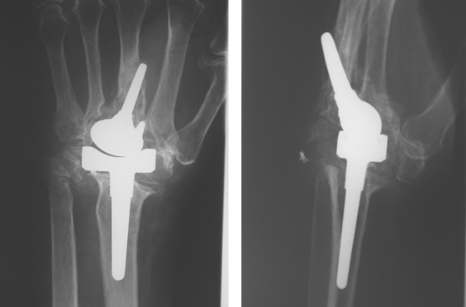
Wrist replacement surgery, also known as total wrist arthroplasty (TWA) or wrist arthroscopy, is an orthopedic procedure that removes damaged or arthritic bone surfaces in the wrist joint and replaces them with prosthetic components made of metal alloys and medical-grade polyethylene. The prosthesis typically consists of a radial component that fits into the radius bone, a carpal component that anchors to the hand bones, and a polyethylene spacer that sits between them to allow smooth, pain-free motion.
The wrist joint is one of the most complex joints in the human body, formed by the articulation of the radius and ulna with eight small carpal bones. When the cartilage protecting these surfaces deteriorates due to rheumatoid arthritis, post-traumatic arthritis, or osteoarthritis, patients experience severe pain, stiffness, swelling, and loss of grip strength. Wrist replacement surgery aims to eliminate or significantly reduce this pain while preserving functional range of motion, an advantage it holds over the alternative procedure of wrist fusion (arthrodesis), which eliminates pain but also eliminates wrist movement.
Modern wrist implants have evolved considerably since the first-generation designs introduced in the 1970s. Current fourth-generation prostheses, such as the Maestro, Universal 2, and ReMotion systems, feature improved fixation, better wear characteristics, and more anatomical designs that closely replicate natural wrist biomechanics. These advancements have pushed reported success rates to between 85% and 93% at ten-year follow-up.
Who Is a Good Candidate for Wrist Replacement?

Not every patient with wrist pain is suitable for arthroplasty. Orthopedic surgeons evaluate candidates carefully, considering the underlying diagnosis, bone quality, activity level, and overall health. Generally, the best candidates for wrist replacement meet the following criteria:
- Patients with a confirmed diagnosis of rheumatoid arthritis, psoriatic arthritis, or advanced post-traumatic arthritis affecting the wrist joint
- Individuals who have tried and exhausted conservative treatments such as anti-inflammatory medications, corticosteroid injections, splinting, and physical therapy without adequate relief
- Patients with sufficient bone stock to support prosthetic fixation, as determined by preoperative X-rays and CT imaging
- People who require functional wrist motion for daily activities or work and wish to avoid the permanent stiffness associated with wrist fusion
- Low-demand users who do not routinely perform heavy manual labor, repetitive impact activities, or heavy weightlifting with the affected hand
- Patients with intact or reconstructable wrist extensor tendons, since the surgical approach relies on these structures for postoperative stability
Younger, highly active patients or those who use their wrists for heavy physical work may be better served by wrist fusion or other motion-preserving procedures like proximal row carpectomy. Your surgeon will discuss all options with you in detail during the preoperative consultation. For patients with rheumatoid arthritis affecting multiple joints, a comprehensive evaluation is important because hip or knee replacement may sometimes be recommended before wrist arthroplasty to reduce load on the wrist prosthesis during rehabilitation.
Conditions Treated with Wrist Replacement Surgery

Wrist replacement surgery is indicated for several conditions that cause irreversible joint damage:
- Rheumatoid Arthritis (RA): The most common indication, accounting for approximately 60-70% of all wrist replacements. RA causes the immune system to attack the synovial membrane, leading to progressive cartilage destruction and bone erosion in the wrist.
- Post-Traumatic Arthritis: Develops after severe wrist fractures, particularly distal radius fractures or scaphoid nonunion, where irregular joint surfaces lead to accelerated cartilage wear over time.
- Osteoarthritis (OA): Primary degenerative arthritis of the wrist, more common in the scaphotrapeziotrapezoidal (STT) and radiocarpal joints, particularly in older patients or those with a history of repetitive wrist strain.
- Psoriatic Arthritis: An inflammatory arthropathy associated with psoriasis that can cause severe wrist joint destruction similar to rheumatoid arthritis.
- Kienbock's Disease: Avascular necrosis of the lunate bone that, in advanced stages, leads to carpal collapse and secondary arthritis of the entire wrist.
- Failed Previous Wrist Surgery: Patients who have undergone unsuccessful proximal row carpectomy, limited wrist fusion, or other salvage procedures may be candidates for total wrist arthroplasty as a secondary intervention.
If you are dealing with any of these conditions and are considering treatment abroad, exploring your options for wrist replacement in Turkey could offer both clinical excellence and significant cost savings. Patients with rheumatoid arthritis who are exploring treatment options internationally may also benefit from reviewing our guide on best clinics for rheumatoid arthritis treatment abroad for a broader perspective on managing this complex condition.
Types of Wrist Replacement Procedures

Total Wrist Replacement
Total wrist replacement (TWR) involves replacing both the radial and carpal articular surfaces with prosthetic components. The surgeon makes an incision along the dorsal (back) aspect of the wrist, retracts the extensor tendons, and exposes the joint capsule. Damaged bone is resected from the distal radius and proximal carpal row, and the prosthetic components are fixed using bone cement (cemented technique) or press-fit fixation (cementless technique). A polyethylene insert is then placed between the metal components to create a smooth gliding surface. Total wrist arthroplasty typically restores 50-60% of normal wrist range of motion and provides reliable pain relief in the vast majority of cases.
Partial Wrist Replacement
In select cases where arthritis is limited to one compartment of the wrist, a partial or hemiarthroplasty may be performed. This involves replacing only the damaged side of the joint, either the radial or carpal component, while preserving the healthy opposing surface. Partial replacements are less commonly performed than total replacements and are typically reserved for specific patterns of wrist arthritis, such as isolated radiocarpal disease with preservation of the midcarpal joint. The advantage is less bone removal and potentially faster recovery, though long-term data are more limited compared to total wrist arthroplasty.
Wrist Fusion vs Wrist Replacement
Wrist fusion (arthrodesis) has traditionally been the gold standard for end-stage wrist arthritis, particularly for younger, high-demand patients. Fusion permanently locks the wrist bones together, eliminating motion but also eliminating pain. Wrist replacement, by contrast, preserves a functional arc of motion, which benefits patients who need to perform activities requiring wrist flexion and extension, such as personal hygiene, eating, typing, and dressing. The choice between the two depends on the patient's age, activity level, bone quality, and personal goals. Surgeons in Turkey's leading orthopedic centers are experienced in both techniques and can advise you on which approach best suits your clinical situation.
How Wrist Replacement Surgery Is Performed
Total wrist arthroplasty is performed under general or regional anesthesia (brachial plexus block) and typically takes between 90 minutes and two hours. The step-by-step process involves:
- Anesthesia and Positioning: The patient is positioned supine with the affected arm extended on an arm board. A tourniquet is applied to the upper arm to minimize bleeding.
- Dorsal Incision: A longitudinal incision of approximately 8-10 cm is made along the back of the wrist, centered over the third metacarpal axis.
- Tendon Retraction and Joint Exposure: The extensor retinaculum is opened, and the extensor tendons are carefully retracted. The posterior interosseous nerve, a sensory nerve that supplies the wrist capsule, is often excised to reduce postoperative pain.
- Bone Preparation: The damaged articular surfaces of the distal radius and proximal carpal bones are resected using specialized cutting guides and oscillating saws. The medullary canal of the radius is broached to accept the radial component.
- Prosthesis Implantation: Trial components are inserted first to verify alignment, stability, and range of motion. Once satisfactory positioning is confirmed, the definitive prosthetic components are fixed with polymethylmethacrylate (PMMA) bone cement or press-fit into the prepared bone surfaces.
- Closure and Splinting: The joint capsule and extensor retinaculum are repaired, the wound is closed in layers, and a bulky dressing with a volar splint is applied to protect the wrist during initial healing.
Recovery After Wrist Replacement Surgery

Recovery from wrist replacement surgery follows a structured timeline designed to protect the implant while gradually restoring motion and strength:
- Weeks 1-2: The wrist remains in a splint or cast. Finger exercises are encouraged to prevent stiffness and maintain circulation. Pain is managed with prescribed analgesics. Sutures are typically removed at the 10-14 day mark.
- Weeks 2-6: A removable wrist brace replaces the rigid splint. Gentle active and active-assisted range of motion exercises begin under the guidance of a hand therapist. Patients can perform light activities of daily living but must avoid lifting anything heavier than a cup of coffee.
- Weeks 6-12: Progressive strengthening exercises are introduced. Grip strength typically improves significantly during this phase. Most patients can return to office work and light duties by 8-10 weeks postoperatively.
- 3-6 Months: Continued improvement in strength and endurance. Patients are advised to avoid high-impact activities, heavy lifting (over 5 kg), and contact sports permanently to protect the implant longevity.
Patients who travel to Turkey for wrist replacement should plan to stay for approximately 10-14 days to complete preoperative assessments, undergo surgery, attend the first postoperative follow-up, and receive initial physiotherapy instruction before returning home. A-Medical coordinates all aspects of this timeline to ensure a seamless experience.
Risks and Success Rates of Wrist Replacement

As with any surgical procedure, wrist arthroplasty carries risks that patients should understand and discuss with their surgeon before making a decision. Potential complications include:
- Implant loosening: The most common long-term complication, reported in approximately 5-10% of cases over ten years. Aseptic loosening may require revision surgery.
- Infection: Deep infection occurs in 1-3% of cases and may necessitate implant removal, debridement, and staged reimplantation.
- Implant dislocation or instability: Particularly relevant in patients with poor bone quality or inadequate soft tissue balance.
- Tendon irritation or rupture: The extensor tendons that pass over the implant can become irritated, though this is less common with modern low-profile implant designs.
- Periprosthetic fracture: A rare but serious complication that can occur during or after surgery, especially in osteoporotic bone.
- Nerve damage: Temporary numbness or tingling in the fingers may occur due to retraction of sensory nerve branches during surgery, though permanent nerve injury is uncommon.
- Polyethylene wear: Over time, the plastic spacer can wear, generating debris that triggers an inflammatory response (osteolysis) and may lead to loosening.
Despite these risks, the overall success rate of wrist replacement surgery is encouraging. Published literature reports implant survival rates of 85-93% at ten years. Patient satisfaction rates are generally high, with the majority reporting significant pain reduction and improved quality of life. The success rate in Turkey's top orthopedic centers aligns with international benchmarks, supported by surgeons trained at leading institutions in Europe and North America.
Cost of Wrist Replacement Surgery in Turkey (2026)
One of the most compelling reasons patients choose Turkey for joint replacement procedures is the significant cost advantage without compromising quality. The cost of wrist replacement in Turkey typically ranges between $4,000 and $8,000, depending on the hospital, surgeon, type of implant used, and whether the package includes preoperative diagnostics, hospital stay, physiotherapy, and post-discharge follow-ups. Many clinics in Istanbul, Ankara, Bursa, and Antalya offer all-inclusive medical tourism packages that bundle surgical fees, accommodation, airport transfers, and interpreter services into a single transparent price.
Cost of Wrist Replacement Surgery in the USA
In the United States, the average cost of wrist surgery ranges from approximately $6,775 to $18,275, with total wrist arthroplasty at the higher end of that spectrum. When factoring in surgeon fees, anesthesia, facility charges, implant costs, preoperative imaging, and postoperative rehabilitation, uninsured patients can face bills exceeding $20,000-$25,000. The implant components alone, including the radial component, carpal component, and polyethylene spacer, typically cost between $8,000 and $10,000 at US hospital pricing. Even with insurance coverage, out-of-pocket expenses including deductibles and coinsurance often reach $3,000-$7,000.
Cost of Wrist Replacement Surgery in the UK
In the United Kingdom, patients who opt for private wrist replacement surgery can expect costs ranging from £10,000 to £15,000 (approximately $12,500-$18,750), depending on the hospital, surgeon, and region. London-based facilities tend to charge at the higher end. While the NHS covers medically necessary wrist procedures, waiting times can extend to 12-18 months or longer, prompting many patients to seek treatment abroad. The combination of long waiting lists and high private costs makes the wrist replacement cost in Turkey an attractive alternative for UK-based patients seeking timely, affordable care.
Why Turkey Offers Better Value
Turkey's cost advantage stems from several structural factors: lower operating and staffing costs compared to Western countries, favorable currency exchange rates, government incentives for health tourism, and high hospital competition that keeps prices competitive. Crucially, lower cost does not mean lower quality. Turkish orthopedic hospitals use the same FDA- and CE-approved implant brands, such as Zimmer Biomet, Integra LifeSciences, and Stryker, that are standard in US and European hospitals. Most leading facilities hold JCI (Joint Commission International) accreditation, the gold standard for international healthcare quality. Patients choosing wrist replacement in Turkey benefit from savings of 60-80% compared to US prices and 50-70% compared to UK private rates, while receiving treatment from internationally trained surgeons in state-of-the-art facilities.
Wrist Replacement Surgery Cost Comparison (2026)
|
Country |
Approximate Cost Range |
Includes |
|
Turkey |
$4,000 - $8,000 |
Surgery, implant, hospital stay, often transfers and accommodation |
|
United States |
$15,000 - $25,000+ |
Surgery and hospital fees only; implant, rehab extra |
|
United Kingdom |
£10,000 - £15,000 |
Private hospital package; NHS free but long waits |
|
Germany |
€12,000 - €18,000 |
Hospital and surgeon fees; varies by facility |
|
India |
$3,500 - $6,000 |
Surgery and hospital; variable package inclusions |
Why Choose Turkey for Wrist Replacement Surgery?
Advanced Orthopedic Centers
Turkey is home to more than 40 JCI-accredited hospitals, many of which house dedicated orthopedic departments equipped with cutting-edge technology including robotic-assisted surgical systems, intraoperative navigation (such as the O-Arm system), and advanced imaging suites with 3T MRI and 128-slice CT scanners. These facilities rival and often exceed the infrastructure found in top Western hospitals, ensuring that patients undergoing wrist replacement in Turkey receive care at the highest international standards.
Experienced Hand and Wrist Surgeons
Turkey's orthopedic surgeons are among the most highly trained in the world, with many holding fellowships from prestigious institutions in the United States, United Kingdom, Germany, and Switzerland. The country's large patient volume, driven by both a domestic population of over 85 million and a robust medical tourism sector that served more than 1.8 million international patients in 2023, means that Turkish orthopedic surgeons accumulate extensive operative experience. Many leading hand and wrist specialists in Turkey perform hundreds of upper extremity procedures annually, giving them a level of technical proficiency that directly benefits patient outcomes.
Modern Surgical Technology
Turkish orthopedic centers increasingly leverage technology to enhance surgical precision and patient outcomes. Robotic-assisted joint replacement systems, computer-navigated surgery, and minimally invasive techniques are widely available. For wrist arthroplasty specifically, surgeons utilize 3D preoperative planning software based on CT imaging to customize implant sizing and placement for each patient. Intraoperative fluoroscopy ensures real-time confirmation of component alignment, reducing the risk of malpositioning.
Affordable Treatment Options
As outlined in the cost section above, the cost of wrist replacement in Turkey represents a 60-80% saving compared to the United States and 50-70% compared to the United Kingdom. This affordability extends beyond surgery itself. Turkey offers significantly lower costs for preoperative diagnostics, physiotherapy, hospital accommodation, and daily living expenses, making it an ideal destination for patients seeking comprehensive joint replacement care within a manageable budget. For patients researching orthopedic procedures in Turkey more broadly, our overview of treatment costs in Turkey provides additional context on pricing across a range of specialties.
International Patient Services
Turkey's healthcare infrastructure is built to accommodate international patients. Most major hospitals employ multilingual patient coordinators, provide complimentary airport transfers, offer assistance with visa documentation, and partner with nearby hotels to provide discounted accommodation for patients and their companions. Many facilities also offer virtual preoperative consultations, allowing patients to discuss their case with the surgeon and receive a preliminary treatment plan before traveling. This patient-centric approach, combined with Turkey's convenient geographic position at the crossroads of Europe and Asia, makes the country accessible for patients from the Middle East, Europe, Central Asia, and North Africa alike.
Best Clinics for Wrist Replacement Surgery in Turkey
Turkey has several leading orthopedic centers with proven track records in joint replacement surgery, including wrist arthroplasty. Below are some of the most reputable clinics where international patients undergo this procedure:
Turan & Turan Health Group, Bursa
![Hip Replacement Surgery in Turkey: Cost, Best Hospitals & Recovery [2026] related image](https://amedical.az/storage/blog/content/2026/04/b8637892-9846-463c-ba88-0af4c53b3796.png)
With over 26 years of experience in orthopedics and traumatology, Turan & Turan is one of Turkey's most recognized orthopedic specialty centers. Located in Bursa, the clinic has pioneered robotic-assisted orthopedic surgery in Turkey, having performed over 4,000 successful robotic-assisted joint replacement and spine procedures. The clinic's team of seven specialized orthopedic surgeons includes experts in upper extremity surgery. The center is equipped with the NAVIO 7 robotic knee system, the MAZOR X robotic spine system (the only clinic in Turkey with this technology), and the O-Arm navigation system. For patients seeking wrist replacement in Turkey, Turan & Turan offers a comprehensive patient experience including airport pickup, in-clinic accommodation coordination, and multilingual support staff.
Acibadem Hospitals Group, Istanbul
![Hip Replacement Surgery in Turkey: Cost, Best Hospitals & Recovery [2026] related image](https://amedical.az/storage/blog/content/2026/04/b0a63603-4b4d-4a04-b5c8-43532276e7f0.png)
Acibadem is the world's second-largest healthcare chain with 21 multispecialty hospitals across Turkey, all JCI accredited. The group's orthopedic and traumatology departments employ over 100 orthopedic surgeons, several of whom specialize in hand and wrist conditions. Acibadem hospitals feature advanced imaging, dedicated physiotherapy and rehabilitation centers, and comprehensive international patient departments offering language support in over 20 languages. The group performs thousands of orthopedic procedures annually and is well-equipped for both primary and revision wrist arthroplasty cases.
Memorial Hospital Group, Istanbul
![Hip Replacement Surgery in Turkey: Cost, Best Hospitals & Recovery [2026] related image](https://amedical.az/storage/blog/content/2026/04/809e377b-9ec0-4303-94b5-b5a82df64c26.jpg)
Memorial Health Group is a premier Turkish hospital network with 11 hospitals and a 22-year track record. Its orthopedic and traumatology departments perform over 4,500 surgeries annually across the full spectrum of musculoskeletal conditions, including joint replacements, arthroscopic procedures, and trauma surgery. Memorial's multidisciplinary approach involves collaboration between orthopedic surgeons, rheumatologists, physiotherapists, and pain management specialists to deliver coordinated care. The hospital's hand surgery unit is staffed by fellowship-trained specialists experienced in complex wrist procedures.
Medical Park Hospitals Group
![Hip Replacement Surgery in Turkey: Cost, Best Hospitals & Recovery [2026] related image](https://amedical.az/storage/blog/content/2026/04/29f3b951-5eed-4a77-aaf4-8a460c7eb89c.png)
Medical Park is one of Turkey's largest hospital networks with locations in major cities including Istanbul, Antalya, and Izmir. Its orthopedic department is recognized as a leading research and treatment center, staffed by nationally and internationally renowned surgeons. Medical Park offers comprehensive arthroplasty services including hip, knee, shoulder, and wrist replacements, supported by in-house rehabilitation facilities and international patient services. The group's competitive pricing and all-inclusive packages make it a popular choice for medical tourists seeking joint replacement in Turkey.
Liv Hospital, Istanbul

Liv Hospital Ulus, a JCI-accredited facility in Istanbul, is known for its advanced orthopedic services including hand, wrist, and elbow surgery. The hospital's orthopedic department offers a full range of joint replacement procedures and has earned particular recognition for sports medicine and arthroscopic surgery. For patients exploring the broader landscape of joint replacement options abroad, our guide on the best countries for knee replacement surgery abroad may also be a helpful resource when comparing orthopedic destinations.
How A-Medical Can Help?
Navigating orthopedic treatment abroad can feel overwhelming, especially when dealing with chronic pain that affects your daily life. A-Medical is a dedicated medical tourism facilitator that specializes in connecting international patients with Turkey's top hospitals, surgeons, and all-inclusive treatment packages. Here is how we support you at every stage:
- Free Initial Consultation: Our medical team reviews your imaging and reports to recommend the most suitable clinic and surgeon for your specific condition.
- Surgeon Matching: We pair you with board-certified orthopedic surgeons who have specific expertise in wrist arthroplasty and upper extremity surgery.
- No Waiting Lists: Unlike NHS or public healthcare systems in many countries, our partner hospitals schedule procedures within days to weeks, not months or years.
- All-Inclusive Packages: Transparent pricing that covers hospital fees, surgeon fees, implant, anesthesia, physiotherapy, accommodation, airport transfers, and dedicated interpreter support.
- Accommodation and Logistics: We arrange hotel stays near your treatment facility, ground transportation, and any tourism or sightseeing you wish to include in your trip.
- Post-Treatment Support: Our care coordinators remain available after you return home to assist with follow-up questions, remote consultations with your surgeon, and coordination of ongoing physiotherapy with your local provider.
Whether you are seeking a second opinion, comparing wrist replacement cost in Turkey with your domestic options, or ready to book your treatment, A-Medical is here to ensure the process is straightforward, transparent, and stress-free. Contact us today for a free consultation and personalized treatment plan.
Conclusion
Wrist replacement surgery in Turkey combines the expertise of internationally trained orthopedic surgeons, JCI-accredited hospital facilities, the latest implant technology, and cost savings of up to 80% compared to the USA and 70% compared to the UK. For patients suffering from chronic wrist pain due to rheumatoid arthritis, post-traumatic arthritis, or osteoarthritis, total wrist arthroplasty performed at a top Turkish orthopedic center can deliver meaningful pain relief, restored wrist function, and improved quality of life. With A-Medical's comprehensive support, from initial consultation to post-operative care, the entire journey is designed to be safe, affordable, and hassle-free. Take the first step toward pain-free living by reaching out to our team for a personalized assessment of your wrist replacement in Turkey options.
Frequently Asked Questions
How long does wrist replacement last?
A modern wrist replacement prosthesis typically lasts 10 to 15 years, with published studies reporting implant survival rates of 85-93% at the ten-year mark. Longevity depends on factors such as implant type, patient activity level, and bone quality.
When can I use my hand after surgery?
Light hand use for basic daily activities, such as eating and personal care, is generally possible within 2-4 weeks after wrist replacement surgery. Full functional recovery, including grip strength, typically takes 3-6 months of structured rehabilitation.
Is wrist replacement painful?
Postoperative pain is managed with prescribed medications and is most intense during the first 1-2 weeks. Most patients report that the surgical pain is significantly less than the chronic arthritic pain they experienced before the procedure, and discomfort decreases steadily during recovery.
What is the success rate of wrist replacement?
The success rate of wrist replacement surgery ranges from 85% to 93% at ten years, depending on the implant system and patient population. The vast majority of patients achieve meaningful pain relief and improved wrist function after the procedure.
How much does wrist replacement cost in Turkey compared to the USA?
The cost of wrist replacement in Turkey ranges from $4,000 to $8,000 for an all-inclusive package, while the same procedure in the USA costs $15,000 to $25,000 or more. This represents savings of approximately 60-80%, with no compromise in implant quality or surgical standards.
Can I combine wrist replacement with tourism in Turkey?
Yes, many patients take advantage of their recovery period to explore Turkey's cultural and natural attractions. Cities like Istanbul, Bursa, and Antalya offer rich historical sites, cuisine, and scenic beauty. A-Medical can help you plan leisure activities that are compatible with your recovery timeline.
What implant brands are used in Turkish hospitals?
Leading Turkish orthopedic hospitals use internationally recognized, FDA- and CE-approved wrist implant systems from manufacturers such as Integra LifeSciences (Universal 2), Zimmer Biomet, and Stryker. These are the same brands used in top hospitals across Europe and North America.