Contents
PRK eye surgery in Turkey costs between $800 and $1,500 per eye in 2026, and verified all-inclusive packages through A-Medical start from €1,190 for both eyes. The same procedure costs $2,250 to $2,500 per eye on average in the United States and £1,500 to £2,200 per eye in the United Kingdom. Patients who travel to Istanbul or Antalya save 50% to 80% while receiving treatment at JCI-accredited eye hospitals that use the same FDA-approved excimer laser platforms as clinics in London and New York. This guide gives you exact 2026 prices, package contents, a step-by-step look at the procedure, recovery timelines, and the clinics that perform the highest volumes of refractive surgery in Turkey.
How Much Does PRK Eye Surgery Cost in Turkey in 2026?

The PRK eye surgery price in Turkey ranges from $800 to $1,500 per eye. For both eyes, most international patients pay between $1,200 and $2,500 in total. The final figure depends on four factors: the clinic, the surgeon's experience, the laser platform (standard, wavefront-guided, or topography-guided), and whether the quote covers a standalone procedure or an all-inclusive package.
When you compare quotes, always check what the price includes. Clinics in Istanbul and Antalya typically bundle pre-operative examinations, the procedure for both eyes, accommodation, airport transfers, and interpreter services into one price. Through A-Medical, verified all-inclusive PRK packages start from €1,190 for both eyes, which makes Turkey one of the most cost-effective destinations for laser vision correction in the world.
PRK Cost Comparison: Turkey vs UK and USA (2026)
|
Country |
Cost Per Eye |
Cost Both Eyes |
All-Inclusive Package? |
|---|---|---|---|
|
Turkey |
$800 - $1,500 |
$1,200 - $2,500 |
Yes, from €1,190 |
|
United Kingdom |
£750 - £2,950 |
£3,000 - £5,000 |
Rarely |
|
United States |
$1,500 - $5,500 |
$4,500 - $6,000 |
No |
In the UK, most patients pay £1,500 to £2,200 per eye at reputable clinics, and the NHS almost never covers the procedure because regulators classify it as elective. Some UK clinics also charge separately for pre-operative diagnostics and follow-up visits, which pushes the real total higher than the advertised price. In the United States, the national average sits around $2,250 to $2,500 per eye, insurance rarely applies, and premium wavefront-guided or topography-guided PRK costs even more. American patients can use HSA and FSA accounts, but even then the total for both eyes commonly reaches $4,500 to $6,000. For a broader comparison across procedures, see our guide on how much LASIK costs in 2026.
Why Is PRK Surgery Cheaper in Turkey?
The lower laser eye surgery Turkey price reflects structural economics, not lower quality:
- Lower operational and labor costs compared to Western Europe and North America
- Favorable exchange rates for patients who pay in GBP, USD, or EUR
- High patient volume at specialized eye hospitals, which lets clinics price competitively
- Government incentives and infrastructure investment that support medical tourism
- Intense competition among JCI-accredited clinics, which drives quality up and prices down
Turkish ophthalmologists train at internationally recognized universities, hold memberships in ESCRS and ASCRS, and operate the same excimer laser systems (Wavelight EX500, Schwind Amaris 1050RS, VISX Star S4 IR) that leading clinics in London and New York use.
All-Inclusive PRK Surgery Packages in Turkey (2026 Prices)

A-Medical partners with leading eye hospitals in Turkey to offer transparent, all-inclusive PRK eye surgery packages that remove hidden costs and logistical stress. Both packages below include a pre-operative examination fee of €125 and cover LASIK, PRK, No-Touch, and Intralase methods, so the surgeon can select the safest technique for your cornea after diagnostics.
Package 1: €1,190 for Both Eyes (Atasehir, Istanbul and Antalya)
- Transfer from the airport to the hospital and return transfer to the airport
- Pre-operative and post-operative examinations
- Two nights of full-board accommodation in a standard hospital room with one accompanying person, if surgery is performed
- The surgical procedure recommended by the doctor
- Interpreter services throughout your stay
Package 2: €1,390 for Both Eyes (Etiler, Istanbul)
The Etiler branch package includes the same scope: airport transfers in both directions, pre-operative and post-operative examinations, two nights of full-board hospital accommodation with one companion, the procedure recommended by the doctor, and interpreter services.
Note: post-operative medications are not included in either package, so budget an additional small amount for antibiotic drops, anti-inflammatory drops, and artificial tears. These packages reflect the true PRK laser eye surgery price in Turkey for medical tourists. For treatment costs across other categories, visit our laser eye surgery in Turkey page.
What Is PRK Eye Surgery?
Photorefractive keratectomy (PRK) is a laser refractive surgery that corrects myopia (nearsightedness), hyperopia (farsightedness), and astigmatism. PRK was the first laser eye surgery to receive FDA approval, and surgeons have performed it successfully since the late 1980s. Unlike LASIK, PRK involves no corneal flap. The surgeon gently removes the thin outer layer of the cornea (the epithelium) and then reshapes the underlying corneal tissue with an excimer laser. The epithelium regenerates naturally within four to seven days.
Ophthalmologists consider PRK the gold standard for surface ablation, and it remains the preferred choice for patients whose corneal thickness, curvature, or lifestyle makes LASIK unsuitable. The procedure changes how light focuses on the retina, which produces clear vision without glasses or contact lenses.
PRK, Trans-PRK, and No-Touch PRK: What Is the Difference?

Turkish clinics offer three variations of surface ablation, and the difference lies in how the surgeon removes the epithelium. In classic PRK, the surgeon removes it manually with a surgical instrument. In LASEK, a diluted alcohol solution loosens the layer first. In transepithelial PRK, also marketed as No-Touch PRK, the excimer laser removes the epithelium and reshapes the cornea in a single automated session without any instrument touching the eye. No-Touch PRK shortens the procedure, standardizes the epithelial removal depth, and many patients find the idea of a fully laser-based procedure more comfortable. The A-Medical packages above cover the No-Touch method at the same package price, and your surgeon will recommend the right variant after corneal topography and pachymetry.
PRK vs LASIK: Which One Fits You?
Both procedures use an excimer laser to reshape the cornea, and both achieve 20/20 vision or better in approximately 90% to 95% of patients. The difference lies in how the surgeon accesses the corneal tissue and in the recovery profile.
|
Criteria |
PRK |
LASIK |
|---|---|---|
|
Corneal flap |
None, surface ablation |
Flap created with blade or femtosecond laser |
|
Best for |
Thin corneas, dry eyes, active lifestyles |
Normal corneal thickness, fast recovery needs |
|
Functional vision |
1 to 2 weeks |
Within 24 hours |
|
Full stabilization |
1 to 3 months |
About 1 month |
|
Flap complications |
Impossible |
Rare but possible (displacement, ingrowth) |
|
Long-term outcomes |
Equivalent, 90-95% reach 20/20 |
Equivalent, 90-95% reach 20/20 |
LASIK wins on recovery speed. PRK wins on long-term structural safety because it eliminates every flap-related complication, including displacement, wrinkles, and epithelial ingrowth. That makes PRK the safer option for athletes, military personnel, boxers, and anyone whose work or sport risks eye impact.
Who Is a Good Candidate for PRK?
Surgeons recommend PRK for patients who meet these criteria:
- Adults aged 18 or older with a stable prescription for at least 12 months
- Patients with thin corneas that cannot safely accommodate a LASIK flap
- Myopia up to -12.00 diopters, hyperopia up to +4.00 diopters, or astigmatism
- People with chronic dry eye, because PRK carries a lower risk of worsening it than LASIK
- Athletes, military personnel, and people with physically demanding lifestyles
- Patients with corneal irregularities or previous scarring that makes flap creation risky
Patients with keratoconus, uncontrolled glaucoma, cataracts, autoimmune disorders, or unstable prescriptions generally do not qualify. A thorough pre-operative examination determines candidacy in every case. Patients who need lens-based treatment instead can review our guide on cataract surgery cost in Turkey.
How Surgeons Perform PRK Step by Step

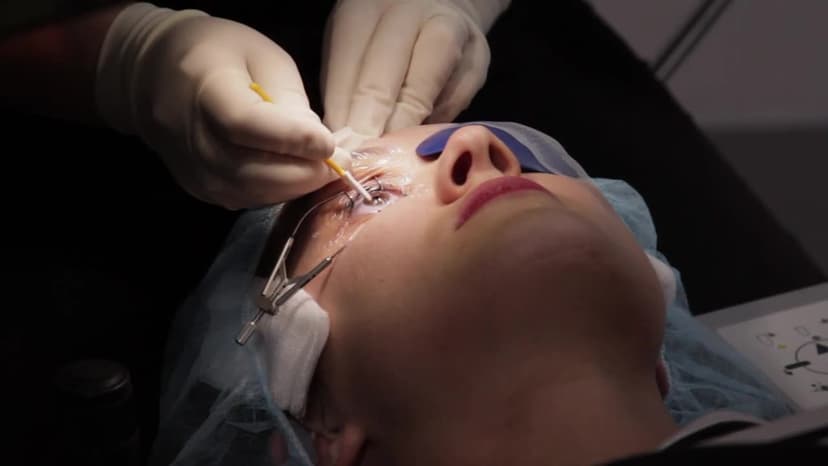
PRK is an outpatient procedure performed under numbing eye drops. It takes 10 to 15 minutes per eye, and the laser itself works for only 30 to 60 seconds.
- Step 1, pre-operative assessment: the ophthalmologist runs corneal topography, pachymetry, pupil dilation, wavefront analysis, and refraction testing, then programs the excimer laser with your customized treatment profile.
- Step 2, epithelium removal: the surgeon removes the outer corneal layer manually, with a diluted alcohol solution, or with the laser itself in the No-Touch technique.
- Step 3, laser reshaping: the excimer laser removes microscopic amounts of stromal tissue with an eye-tracking system that compensates for any movement.
- Step 4, bandage contact lens: a soft protective lens covers the treated surface for four to six days while the epithelium regenerates.
- Step 5, discharge: after roughly 30 minutes of observation, you leave with antibiotic drops, anti-inflammatory drops, and artificial tears.
Recovery Timeline After PRK Surgery
|
Period |
What Happens |
|---|---|
|
Days 1 to 3 |
The most uncomfortable phase. Tearing, light sensitivity, and a gritty sensation are normal. The bandage lens protects the healing epithelium. |
|
Days 4 to 7 |
The epithelium regenerates and the surgeon removes the bandage lens. Vision improves but stays blurry. |
|
Weeks 2 to 4 |
Vision continues to clear. Most patients return to work and daily activities. |
|
Months 1 to 3 |
Vision stabilizes progressively and any minor haze diminishes. Most patients reach final visual acuity in this window. |
|
Months 3 to 6 |
Complete healing. The ophthalmologist confirms the final result and checks whether any enhancement is needed. |
Risks and Side Effects of PRK
Serious complications are rare when an experienced ophthalmologist performs the surgery with modern equipment. Possible side effects include temporary discomfort and tearing for two to three days, blurred or hazy vision during the first one to four weeks, temporary dry eye managed with artificial tears, and glare or halos around lights at night that fade as the cornea heals. Corneal haze occurs rarely in high corrections, and surgeons minimize it by applying mitomycin C during the procedure. Over-correction or under-correction can require an enhancement, and infection remains very rare with proper post-operative care. The vast majority of patients achieve stable, clear vision within three to six months.
How Long Should You Stay in Turkey for PRK?
Plan for five to seven days in Turkey. The schedule looks like this: pre-operative examination on day one, surgery on day one or two, follow-up checks on the days after, and bandage contact lens removal between day four and day six. Most surgeons clear patients to fly home once the bandage lens comes off and the epithelium has closed. The A-Medical packages include two nights of full-board hospital accommodation with a companion, and our coordinators help you book nearby hotels for the remaining nights. After you return home, you continue with prescribed drops and attend remote follow-up checks at one month and three months, which A-Medical coordinates with your surgeon.
Post-Operative Care Guidelines
- Use antibiotic and anti-inflammatory drops exactly as your surgeon directs
- Apply preservative-free artificial tears frequently
- Wear UV-protective sunglasses outdoors to shield the healing cornea
- Do not rub or touch your eyes during the healing period
- Skip swimming, hot tubs, and saunas for at least two weeks
- Avoid eye makeup for at least one week
- Attend every follow-up: day 1, days 4 to 7, month 1, and month 3
Best Clinics for PRK Eye Surgery in Turkey
Dunyagoz Hospital Group
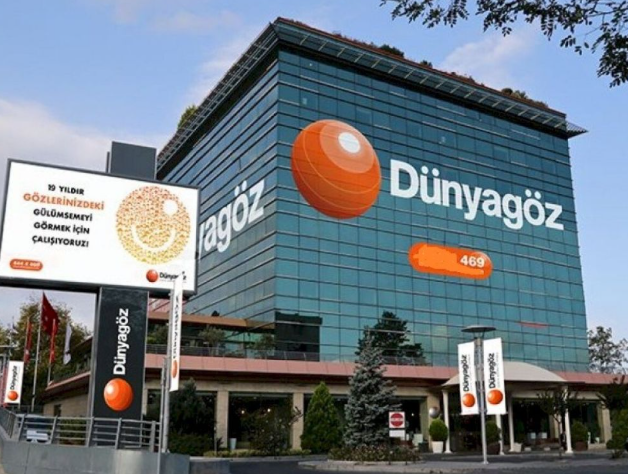
Dunyagoz (World Eye Hospital) is the largest eye hospital group in the world, with over 30 branches across Turkey plus international locations in Europe and the Middle East. Since its founding in 1996, Dunyagoz has treated more than 30 million patients and performs over 110,000 procedures for international patients from 160 countries every year. Its refractive surgery departments in Atasehir, Etiler, Atakoy, Altunizade, and Antalya run Wavelight, VISX, and Zeiss laser platforms, and professors who hold ESCRS and ASCRS memberships lead the teams. All these branches accept international patients through A-Medical.
Memorial Hospital Group
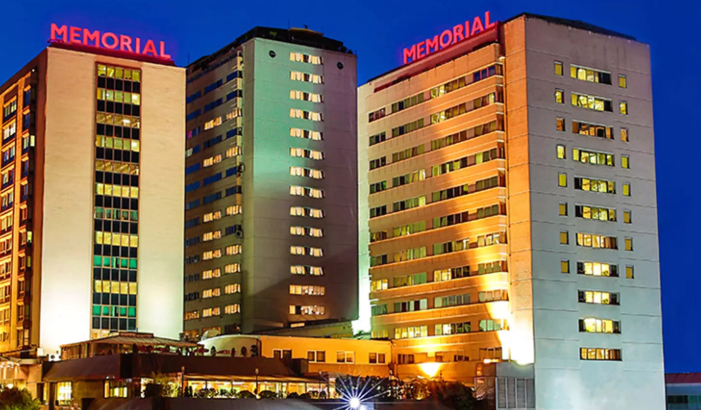
Memorial operates JCI-accredited facilities in Istanbul (Sisli, Bahcelievler, Atasehir) and Antalya. Its ophthalmology departments perform the full range of refractive surgeries, including PRK, LASIK, SMILE, and ICL implantation, and combine advanced diagnostics with personalized treatment plans.
Acibadem Healthcare Group
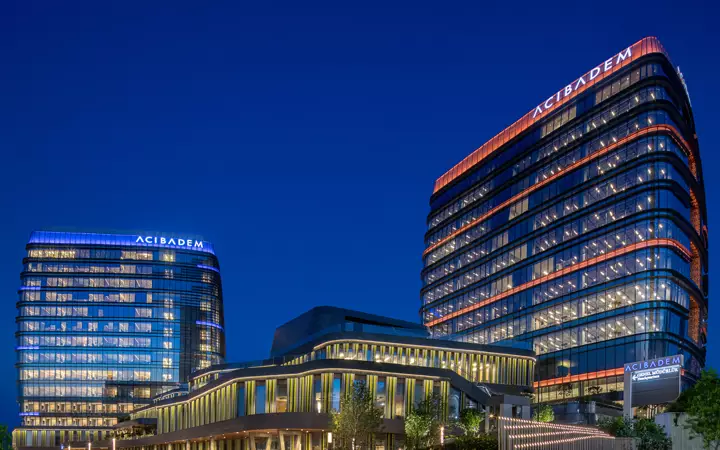
Acibadem is Turkey's largest private healthcare network and a subsidiary of IHH Healthcare, the world's second-largest hospital operator. Its JCI-accredited hospitals across Istanbul run the latest excimer and femtosecond laser platforms, and a dedicated international patient department handles logistics for medical tourists.
Why Choose Turkey for PRK Eye Surgery?
Turkey hosts more than 1.5 million international patients annually, and refractive surgery sits at the center of that volume. Four factors explain why patients choose PRK eye surgery in Turkey: high-volume specialist hospitals where leading surgeons perform thousands of laser procedures each year, laser platforms such as the Wavelight EX500, Schwind Amaris 1050RS, VISX Star S4 IR, and Zeiss VisuMax that match the equipment in top Western clinics, savings of 50% to 80% against UK and US prices, and a mature medical tourism infrastructure with direct flights to Istanbul and Antalya from most European, Middle Eastern, and Central Asian cities.
How A-Medical Can Help
A-Medical connects international patients directly with verified, accredited eye clinics in Turkey. You get transparent all-inclusive pricing with no hidden fees and a $0 service fee, fast scheduling with no waiting lists, airport-to-hospital transfer coordination, hospital accommodation for you and a companion, professional interpreters, personalized surgeon matching based on your diagnostics, and post-operative support after you return home. Contact A-Medical on WhatsApp to receive a personalized quote within 24 hours.
Frequently Asked Questions About PRK Eye Surgery in Turkey
How much does PRK eye surgery cost in Turkey?
The PRK eye surgery price in Turkey ranges from $800 to $1,500 per eye, or $1,200 to $2,500 for both eyes. All-inclusive packages through A-Medical start from €1,190 for both eyes and include transfers, accommodation, examinations, and interpreter services.
How long does PRK eye surgery take?
The procedure takes 10 to 15 minutes per eye. The laser itself works for only 30 to 60 seconds, and the rest of the time goes to preparation and positioning.
Is PRK surgery painful?
The procedure itself is painless because the surgeon applies numbing drops first. Expect mild to moderate discomfort, burning, or tearing for two to three days afterward while the epithelium regenerates. Prescribed drops and pain medication manage this phase.
How many days do I need to stay in Turkey for PRK?
Plan for five to seven days. This covers the pre-operative examination, the surgery, follow-up checks, and bandage contact lens removal between day four and day six, after which most surgeons clear you to fly home.
Can I have PRK on both eyes at the same time?
Yes. Most surgeons treat both eyes in the same session, and this is standard, safe practice in experienced hands.
Is PRK permanent?
Yes, PRK permanently reshapes the cornea. Age-related changes such as presbyopia after age 40 or cataracts later in life can still affect vision and require separate treatment.
What is the success rate of PRK?
Approximately 90% to 95% of patients achieve 20/20 vision or better, and long-term outcomes match LASIK. More than 35 years of clinical data support the safety and efficacy of the procedure.
Is PRK better than LASIK for thin corneas?
Yes. PRK requires no corneal flap, so it preserves more structural tissue and eliminates flap complications entirely, which makes it the recommended option for thin or irregular corneas and for contact-sport athletes.