Contents
Related Topics
Meniscus Replacement in Turkey
For patients dealing with chronic knee pain caused by severe meniscal damage, meniscus replacement in Turkey offers a reliable, cost-effective path to recovery. Turkey has become one of the most trusted destinations for orthopedic surgery abroad, combining internationally accredited hospitals, experienced surgeons, and significantly lower treatment costs compared to the UK, the USA, and most of Western Europe. Whether you need a meniscal transplant using donor tissue (allograft) or an arthroscopic meniscus repair, Turkish clinics deliver world-class outcomes at a fraction of the price.
This guide covers everything you need to know: what the procedure involves, who qualifies, how much it costs, and why thousands of international patients choose Turkey for knee surgery every year.
What Is Meniscus Replacement Surgery?
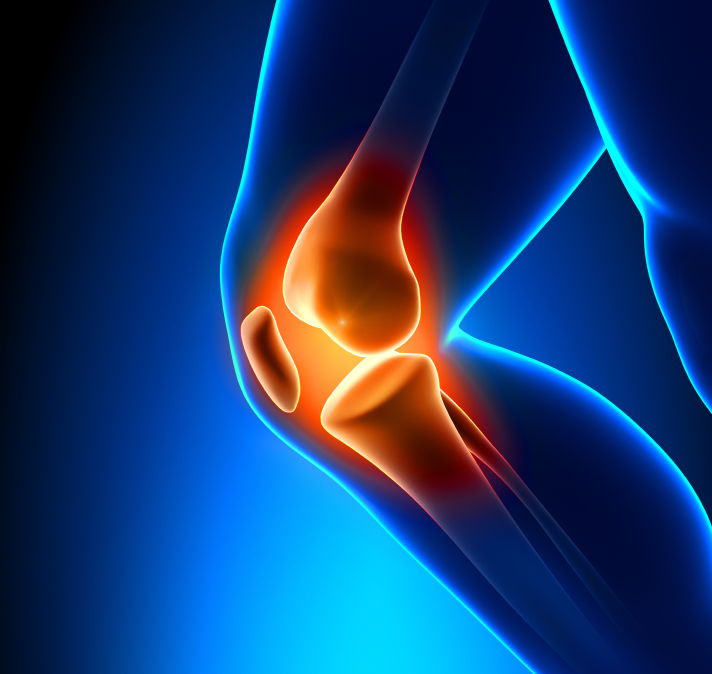
Meniscus replacement surgery is a procedure designed to restore the function of a damaged or missing meniscus, the C-shaped cartilage disc that sits between the femur (thighbone) and tibia (shinbone). The meniscus plays a critical role in the knee joint: it absorbs shock, distributes load evenly across the joint surface, stabilizes the knee during movement, and protects the articular cartilage from premature wear.
When a meniscus tear is too severe to repair, or when a previous surgery (such as a partial or total meniscectomy) has already removed the meniscus tissue, the joint loses its natural cushion. Over time, this leads to bone-on-bone contact, cartilage degeneration, chronic pain, and eventually osteoarthritis. Meniscus replacement addresses this problem by implanting a size-matched donor meniscus (allograft) into the knee, restoring the joint's shock-absorbing capacity and slowing degenerative changes.
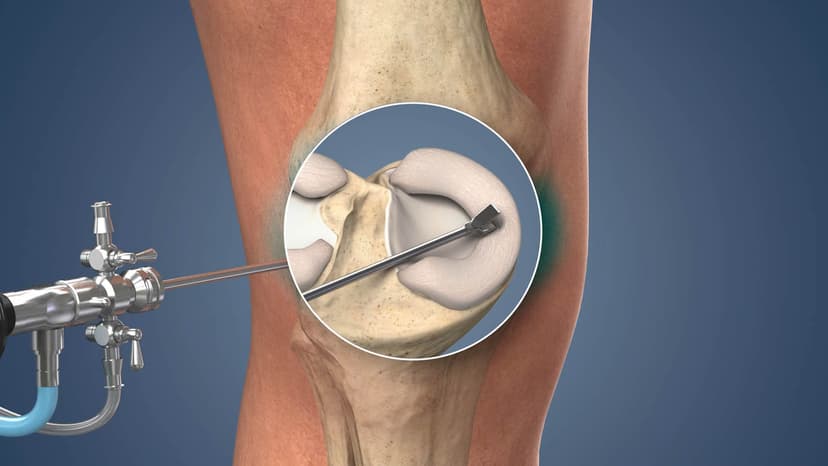
The most widely performed form of meniscus replacement is meniscal allograft transplantation (MAT). In this procedure, a cadaveric (donor) meniscus is carefully matched to the patient's knee dimensions using MRI or CT imaging. The surgeon then implants the graft arthroscopically or through a small open incision, securing it with sutures and bone anchors. More recently, synthetic and collagen-based meniscal scaffolds (such as the CMI or Actifit implant) have emerged as alternatives for patients with partial meniscal loss, though these are typically indicated for partial defects rather than total replacement.
Meniscus replacement should not be confused with simpler meniscus procedures. A meniscus repair involves stitching a torn meniscus back together, while a meniscectomy involves trimming or removing the damaged portion. Replacement, by contrast, is reserved for cases where repair or preservation is no longer possible.
If you are exploring arthroscopic knee surgery in Turkey, it helps to understand these differences, as the approach depends entirely on the extent of meniscal damage and the patient's long-term goals.
Who Needs Meniscus Replacement?
Not every meniscus injury requires replacement. In many cases, a torn meniscus can be managed conservatively with rest, physical therapy, anti-inflammatory medication, and activity modification. However, replacement becomes a serious consideration when these less invasive approaches fail, or when the structural damage to the meniscus is beyond repair.
A patient may be a candidate for meniscus replacement if they meet one or more of the following criteria:
- The meniscus has been partially or completely removed in a prior surgery (meniscectomy), and the patient is now experiencing persistent knee pain, swelling, or reduced function in the affected compartment.
- The meniscus tear is large, complex (such as a bucket-handle tear or root tear), and cannot be repaired with sutures due to its location in the avascular "white zone" of the cartilage, where blood supply is insufficient for healing.
- The patient is relatively young (typically under 50 to 55), physically active, and does not yet have advanced osteoarthritis or significant cartilage loss on weight-bearing surfaces.
- The knee joint must be stable. If there is concurrent ligament damage (such as an ACL deficiency), the ligament may need to be reconstructed before or at the same time as the meniscal transplant.
- The leg alignment must be normal or correctable. Patients with significant varus (bow-legged) or valgus (knock-kneed) alignment may need an osteotomy to realign the leg before a transplant can succeed.
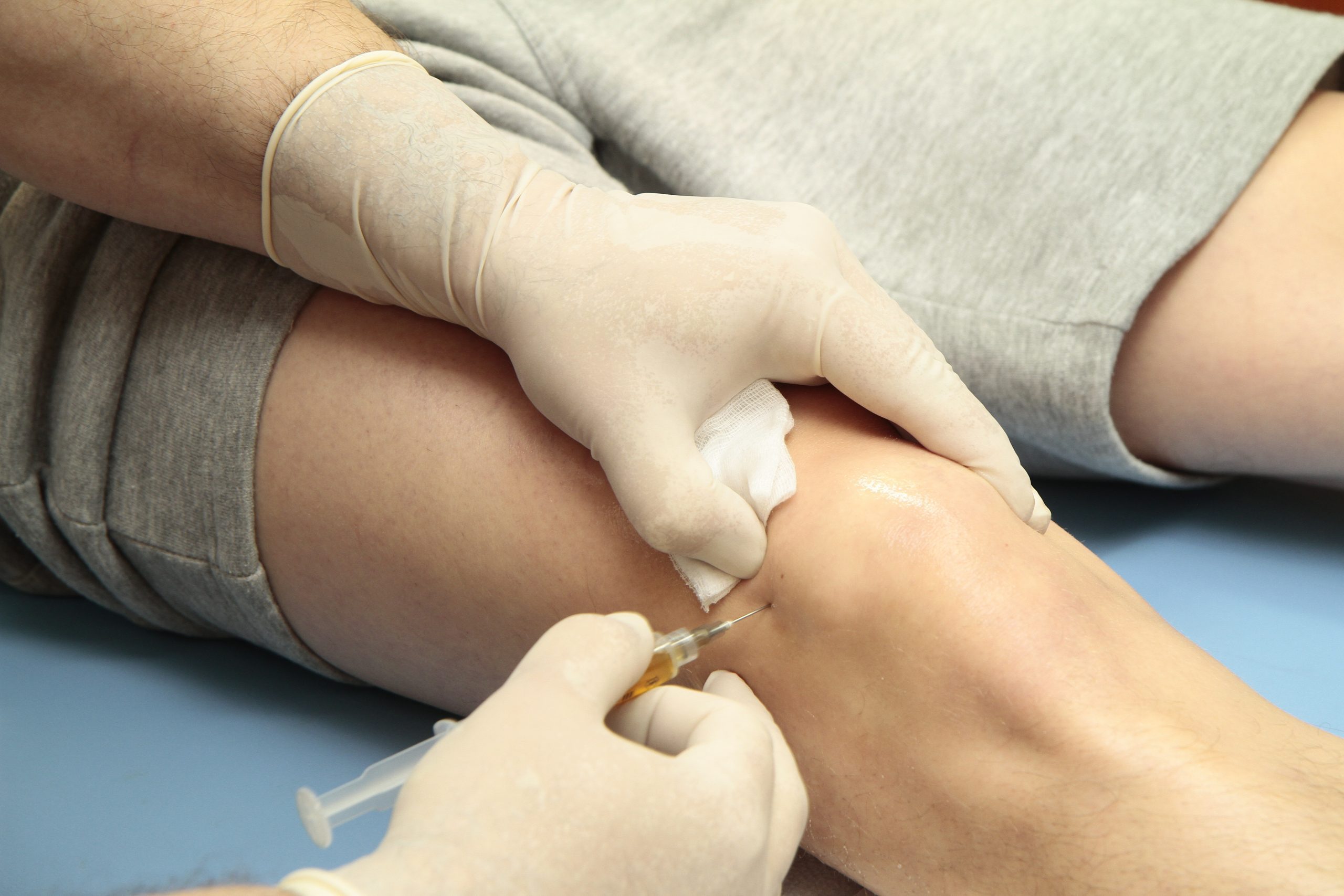
- Conservative treatments, including physiotherapy, corticosteroid injections, hyaluronic acid injections, and PRP (platelet-rich plasma) therapy, have failed to provide lasting relief.
It is important to note that meniscus replacement is not appropriate for patients with advanced knee arthritis (Kellgren-Lawrence grade III or IV), as the graft cannot reverse existing cartilage destruction. In such cases, a knee replacement surgery may be a more suitable option.
Who Is a Good Candidate for Meniscus Replacement in Turkey?
Turkey's orthopedic centers evaluate each patient individually before recommending a meniscus replacement in Turkey. While the general medical criteria are the same globally, Turkey's infrastructure makes it particularly well suited for international patients who face long waiting lists, high costs, or limited access to meniscal transplant surgery in their home country.
Ideal candidates share the following characteristics:
- Age between 20 and 55 (though exceptions are considered on a case-by-case basis)
- BMI within a healthy range; obesity increases mechanical stress on the graft and can reduce surgical success rates
- A stable knee joint with intact or reconstructed ligaments (ACL, PCL)
- Normal or corrected lower limb alignment
- No advanced osteoarthritis or widespread cartilage loss in the affected knee compartment
- Sufficient motivation and compliance for post-operative rehabilitation, which can take 4 to 6 months for full recovery
For patients who are unsure whether they qualify, most Turkish clinics, including those partnered with A-Medical, offer free remote consultations. You can submit your MRI scans and medical records for a preliminary evaluation by an orthopedic specialist before traveling.
Meniscus Tear vs Meniscus Loss: What's the Difference?
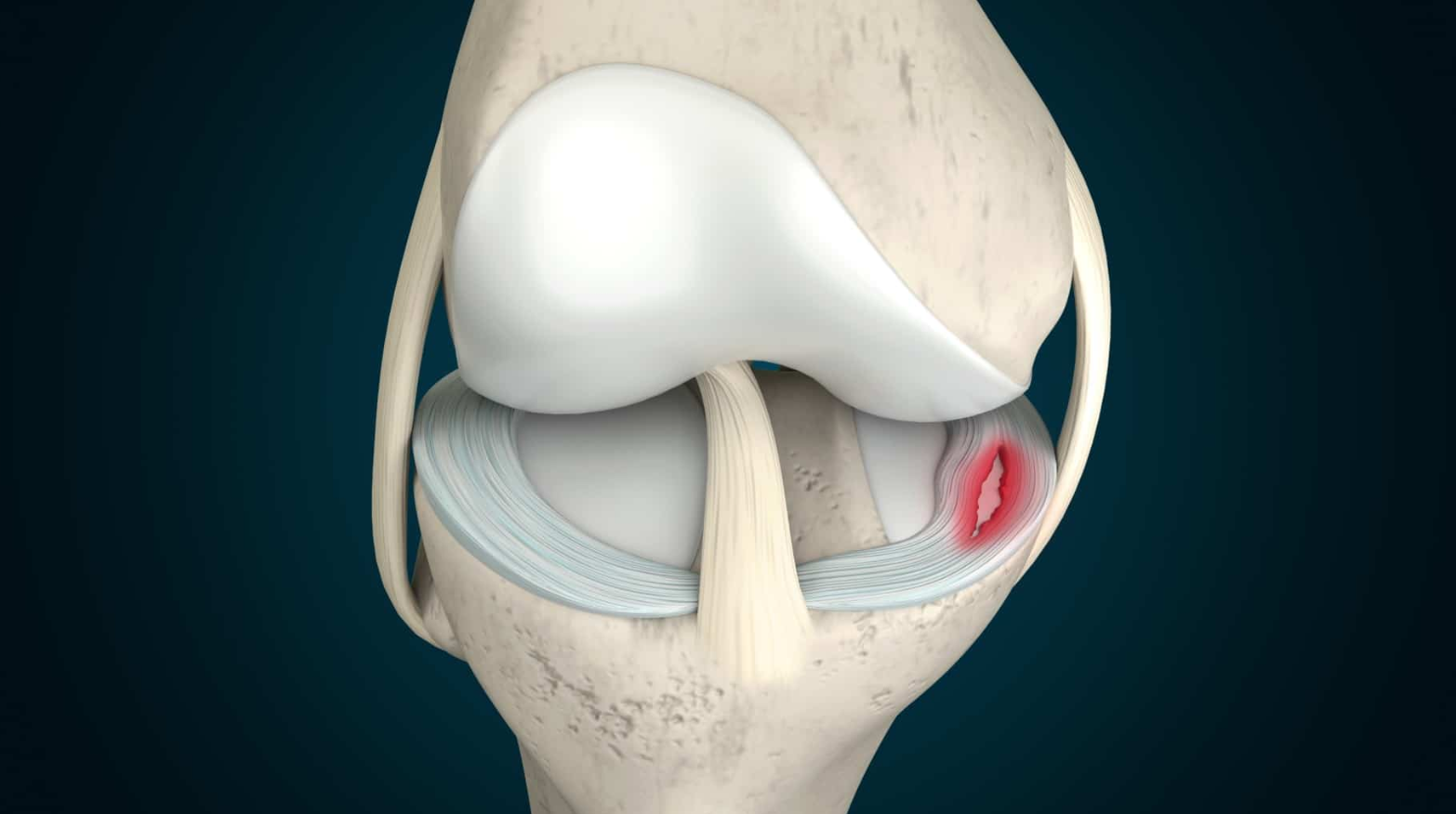
Understanding the difference between a meniscus tear and meniscus loss is essential because it determines the treatment path. A meniscus tear refers to a specific injury where the cartilage is damaged but still present. Many tears, especially those in the outer "red zone" (the vascularized periphery), can be repaired with arthroscopic suturing. Tears in the inner "white zone" have a much lower healing potential because of poor blood supply, and they are often treated with partial meniscectomy.
Meniscus loss, on the other hand, refers to a situation where meniscal tissue has already been surgically removed or has degenerated to the point of functional absence. This is the primary indication for meniscus replacement. Without any meniscal tissue to repair, the only options to restore the cushioning function are either a meniscal allograft transplantation or a synthetic meniscal scaffold implantation.
The clinical distinction matters because patients with a repairable tear generally have a simpler surgery, a shorter recovery time (4 to 6 weeks for basic repairs), and a better long-term prognosis. Patients with meniscal loss face a more complex surgical pathway and a longer rehabilitation period (3 to 6 months for transplants), but the benefits of replacement, including pain reduction, improved function, and delayed onset of arthritis, are well documented in orthopedic literature.
How Meniscus Replacement Surgery Is Performed
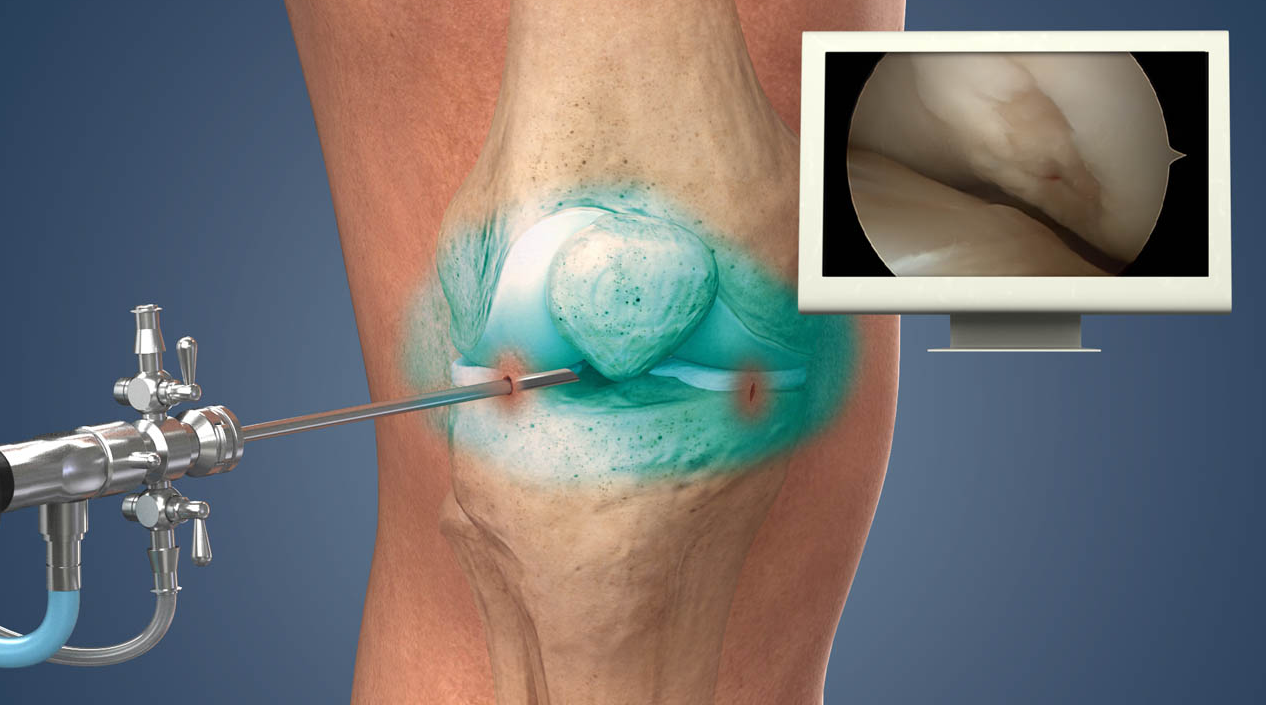
Meniscal allograft transplantation is typically performed under general or spinal anesthesia and takes approximately 1 to 2 hours depending on the complexity of the case. The procedure can be done arthroscopically (using small incisions and a camera), as a mini-open surgery, or through a combination of both approaches. Arthroscopic techniques are more common in Turkey due to the widespread availability of advanced surgical equipment and the experience of Turkish orthopedic surgeons with minimally invasive methods.
The surgical steps generally include:
- Pre-operative sizing: Before surgery, detailed MRI or CT imaging is used to measure the dimensions of the patient's tibial plateau. The donor meniscus is then selected from a tissue bank and size-matched to ensure a proper fit.
- Graft preparation: The allograft is thawed (if cryopreserved) or prepared (if fresh-frozen), trimmed, and fitted with bone plugs or suture anchors depending on the fixation method.
- Joint preparation: The surgeon clears the knee joint of any remaining damaged meniscal tissue, scar tissue, or loose bodies. The meniscal bed on the tibial plateau is freshened to promote graft integration.
- Graft insertion: The donor meniscus is carefully positioned into the joint. Bone plugs from the graft are inserted into tunnels drilled in the tibia, and the peripheral rim of the graft is sutured to the knee capsule to secure it in place.
- Final assessment: The surgeon checks the graft's position, stability, and range of motion before closing the incisions with sutures or surgical tape.
Patients typically stay in the hospital for 1 to 3 days after the procedure. Weight-bearing is usually restricted for the first 4 to 6 weeks, with the use of crutches and a knee brace. A structured physical therapy program begins soon after surgery and continues for several months.
Types of Meniscus Replacement Procedures
There are several approaches to restoring meniscal function, each suited to different clinical scenarios:
Meniscal Allograft Transplantation (MAT): This is the gold standard for total meniscus replacement. A donor meniscus from a cadaveric tissue bank is implanted to replace the entire medial or lateral meniscus. MAT is ideal for younger patients who have undergone a total meniscectomy and are at risk of early-onset osteoarthritis. Clinical studies report success rates of approximately 70% to 85% at 10-year follow-up, with significant improvements in pain, function, and patient satisfaction.
Collagen Meniscus Implant (CMI): Also known by the brand name Menaflex, this is a resorbable collagen scaffold designed for partial meniscal defects. The scaffold provides a structural template that the body's own cells can colonize and gradually replace with new meniscal tissue. It is suitable for patients with a partial meniscectomy who still have an intact meniscal rim.
Actifit Polyurethane Scaffold: Actifit is a synthetic biodegradable scaffold made of polyurethane that works similarly to the CMI. It is implanted into partial meniscal defects and encourages tissue ingrowth over time. The scaffold gradually degrades as new tissue forms. Actifit is typically indicated for medial or lateral meniscus defects with an intact peripheral rim.
3D-Printed and Patient-Specific Implants (Emerging): Research is underway into patient-specific meniscal implants created using 3D bioprinting and tissue engineering. While not yet widely available in clinical practice, several Turkish research hospitals are participating in trials that explore custom-made implants seeded with the patient's own stem cells.
Recovery After Meniscus Replacement Surgery
Recovery after meniscus replacement is a gradual process that requires patience and strict adherence to the rehabilitation protocol prescribed by your surgeon and physiotherapist. The timeline varies depending on the type of procedure (allograft transplant vs. scaffold implantation), the patient's age, fitness level, and overall health.
A general recovery timeline for meniscal allograft transplantation looks like this:
- Weeks 1 to 2: The knee is immobilized in a brace. Weight-bearing is limited to toe-touch or partial weight-bearing with crutches. Ice, elevation, and prescribed pain medication are used to control swelling. Gentle range-of-motion exercises are started under physiotherapy guidance.
- Weeks 3 to 6: Progressive weight-bearing begins. The brace may be unlocked gradually to allow increased range of motion. Stationary cycling and pool-based exercises may be introduced.
- Months 2 to 4: The patient transitions to full weight-bearing without crutches. Strengthening exercises for the quadriceps, hamstrings, and hip stabilizers intensify. Low-impact activities such as swimming and cycling are encouraged.
- Months 4 to 6: Sport-specific training and higher-impact activities are gradually reintroduced. A return to competitive sports is generally not recommended before 6 months, and some surgeons prefer a 9 to 12-month timeline for high-demand athletes.
Throughout the recovery process, regular follow-up appointments and MRI scans are used to monitor graft healing and integration. For patients traveling from abroad, Turkish clinics provide detailed post-operative instructions and offer remote follow-up consultations to coordinate care with the patient's local physiotherapist.
Risks and Success Rates of Meniscus Replacement
Like any surgical procedure, meniscus replacement carries certain risks. However, when performed by an experienced orthopedic surgeon in a well-equipped facility, the overall complication rate is low.
Potential risks include:
- Infection at the surgical site (rare, occurring in approximately 1% to 2% of arthroscopic procedures)
- Blood clots (deep vein thrombosis), which can be mitigated with early mobilization and anticoagulant prophylaxis
- Graft failure or shrinkage over time, which may require revision surgery
- Knee stiffness or reduced range of motion, typically addressed through physiotherapy
- Nerve or blood vessel injury (very rare)
- Immune reaction to the donor tissue (uncommon with modern processing and preservation techniques)
In terms of success rates, published research consistently reports favorable outcomes. Approximately 70% to 85% of patients experience significant pain relief and functional improvement at 5 to 10 years after meniscal allograft transplantation. Success depends heavily on proper patient selection, graft sizing, surgical technique, and post-operative rehabilitation compliance. Younger patients with stable knees, normal alignment, and no advanced cartilage damage tend to have the best results.
Cost of Meniscus Replacement in Turkey (2026)
One of the most compelling reasons patients choose Turkey for orthopedic surgery is the dramatic cost advantage. The cost of meniscus replacement in Turkey is significantly lower than in the UK, the USA, or Western Europe, without any compromise on the quality of care, surgical expertise, or hospital infrastructure.
In 2026, the average meniscus replacement cost in Turkey for a meniscal allograft transplantation ranges from $3,500 to $6,000, depending on the hospital, the surgeon's experience, and whether the package is all-inclusive. Many Turkish clinics offer comprehensive medical tourism packages that include the surgery itself, hospital stay, pre-operative tests (MRI, blood work, ECG), anesthesia, post-operative medication, physiotherapy sessions, airport transfers, accommodation assistance, and interpreter services.
Price Comparison: Meniscus Replacement Surgery by Country (2026)
|
Country |
Approximate Cost Range |
Notes |
|
Turkey |
$3,500 - $6,000 |
All-inclusive packages available |
|
United Kingdom |
$5,500 - $15,000 |
Private; NHS has long waiting lists |
|
United States |
$8,000 - $25,000 |
Without insurance; varies by state |
|
Germany |
$6,000 - $12,000 |
Specialist knee centers |
Why Is Meniscus Replacement More Expensive in the UK and USA?
In the United States, the cost of meniscus surgery is driven by high hospital facility fees, surgeon charges, anesthesia costs, and the overall structure of the healthcare billing system. Even for outpatient arthroscopic procedures, total billed charges can exceed $20,000. Patients without insurance face the full brunt of these costs, and even insured patients often have significant out-of-pocket expenses after deductibles and copays.
In the United Kingdom, the National Health Service (NHS) provides meniscus surgery for free at the point of care, but access is severely limited by long waiting lists. Patients waiting for non-urgent orthopedic surgery on the NHS can face delays of six months to over a year. Those who opt for private treatment in the UK typically pay between $5,500 and $15,000, depending on the procedure type and hospital location (with London clinics charging the highest rates).
Turkey, by contrast, offers the same caliber of surgical expertise and hospital facilities at 50% to 70% lower costs. This is possible because of Turkey's lower cost of living, favorable exchange rates, government incentives for medical tourism, and the high volume of orthopedic procedures performed across the country, which drives efficiency and keeps overhead costs down.
Why Choose Turkey for Meniscus Replacement Surgery?
Turkey is not just an affordable option; it is a medically advanced one. The country has invested heavily in healthcare infrastructure over the past two decades, and its orthopedic departments rank among the best in the world. Here is why patients from the UK, the USA, Europe, and the Middle East increasingly choose meniscus replacement in Turkey:
- JCI-Accredited Hospitals: Turkey has more JCI (Joint Commission International) accredited hospitals than almost any other country. This accreditation ensures that the facility meets rigorous international standards for patient safety, infection control, clinical outcomes, and operational excellence.
- Highly Trained Orthopedic Surgeons: Many Turkish orthopedic surgeons have trained or completed fellowships at leading institutions in the USA, the UK, and Germany. They are members of international professional bodies such as AANA (Arthroscopy Association of North America), ESSKA (European Society of Sports Traumatology, Knee Surgery, and Arthroscopy), and ISAKOS.
- Advanced Technology: Turkish hospitals use state-of-the-art arthroscopic systems, robotic-assisted surgical platforms (such as the NAVIO and Mako systems), 3D imaging, and MRI-guided pre-operative planning to ensure precision and optimal outcomes.
- No Waiting Lists: Unlike the NHS, where patients may wait months for a consultation, Turkish hospitals can typically schedule consultations and surgeries within days to weeks of receiving a referral.
- Comprehensive Medical Tourism Packages: All-inclusive packages that cover surgery, hospital stay, accommodation, transfers, and interpreter support make the logistics seamless for international patients.
- Geographic Convenience: Turkey is within a short flight from most European and Middle Eastern capitals, and major cities like Istanbul, Ankara, and Bursa have well-connected international airports.
Best Clinics for Meniscus Replacement in Turkey
Turkey is home to dozens of orthopedic centers capable of performing meniscus replacement, but a few stand out for their specialization in knee surgery, their track record with international patients, and their investment in cutting-edge technology. Below are some of the leading clinics for this procedure:
- Turan & Turan Health Group (Bursa)
![Hip Replacement Surgery in Turkey: Cost, Best Hospitals & Recovery [2026] related image](https://amedical.az/storage/blog/content/2026/04/b8637892-9846-463c-ba88-0af4c53b3796.png)
Turan & Turan is a privately owned orthopedic and spine center founded in 1999 by Dr. Kayhan Turan. The clinic is accredited by JCI and holds certifications from CEP, ANSI-CAP, and Smith & Nephew. With over 20,000 sports orthopedic surgeries, 11,000 arthroplasty procedures, and 2,000 spine surgeries completed, Turan & Turan is one of Turkey's most experienced orthopedic centers. The clinic is a pioneer in robotic-assisted surgery, being the first in Turkey to perform NAVIO robotic knee replacement and one of only four clinics with the O-Arm Navigation System. For meniscus surgery, the clinic uses arthroscopic techniques with Zimmer Biomet implant systems. Dr. Kayhan Turan, the lead surgeon, is a member of the Arthroscopy Association of North America (AANA). All-inclusive meniscus repair packages at Turan & Turan include hospital stay, pre-operative tests, anesthesia, transfers, and 24/7 multilingual patient support.
- Memorial Hospital Group (Istanbul, Ankara)
![Hip Replacement Surgery in Turkey: Cost, Best Hospitals & Recovery [2026] related image](https://amedical.az/storage/blog/content/2026/04/809e377b-9ec0-4303-94b5-b5a82df64c26.jpg)
Memorial is one of Turkey's most recognized hospital brands, known worldwide for excellence in cardiovascular surgery, organ transplantation, oncology, and orthopedics. The orthopedic departments across Memorial's Istanbul and Ankara campuses are staffed by professors and associate professors specializing in sports medicine, knee surgery, and cartilage restoration. The hospital uses advanced arthroscopic equipment and offers comprehensive medical tourism packages tailored to international patients. Memorial holds JCI accreditation and is frequently ranked among the top hospitals in Turkey.
- Acibadem Healthcare Group (Multiple Locations)
![Hip Replacement Surgery in Turkey: Cost, Best Hospitals & Recovery [2026] related image](https://amedical.az/storage/blog/content/2026/04/b0a63603-4b4d-4a04-b5c8-43532276e7f0.png)
Acibadem is one of the largest healthcare networks in Turkey, with 29 hospitals and 15 medical centers across five countries. The group's orthopedic departments specialize in minimally invasive arthroscopic surgery, sports injury management, and joint replacement. Acibadem's Istanbul-based hospitals are especially popular among international patients, offering dedicated international patient departments, language support, and end-to-end medical tourism services. For meniscus procedures, Acibadem employs the latest minimally invasive techniques with a focus on tissue preservation and accelerated recovery.
- Medical Park Hospital Group (Multiple Locations)
![Hip Replacement Surgery in Turkey: Cost, Best Hospitals & Recovery [2026] related image](https://amedical.az/storage/blog/content/2026/04/29f3b951-5eed-4a77-aaf4-8a460c7eb89c.png)
Founded in 1995, Medical Park is Turkey's largest JCI-accredited hospital chain with facilities across the country. The group's orthopedic departments handle a high volume of knee surgeries annually, including meniscectomy, meniscus repair, meniscal transplantation, and total knee replacement. Medical Park was awarded the Most Preferred Private Hospital Award by the Private Healthcare Institutions Summit. The hospital group provides all-inclusive packages for international patients, including pre-operative assessments, surgery, hospital stay, rehabilitation, and airport transfers.
- Hisar Hospital Intercontinental (Istanbul)

Hisar Hospital is a JCI-accredited multi-specialty medical center in Istanbul that treats over 500,000 patients annually. The orthopedics department is staffed by experienced surgeons with subspecialty training in sports medicine and joint reconstruction. Hisar is especially popular among patients from Europe, the CIS countries, Africa, and the Balkans, offering competitive pricing and comprehensive care packages. The hospital's proximity to Istanbul's international airports makes it a convenient choice for patients traveling from abroad. For stem cell therapy for meniscus tear, Hisar is also among the hospitals offering regenerative orthopedic options.
Are you considering meniscus replacement surgery abroad? A-Medical can help you connect with Turkey's top orthopedic clinics and surgeons. We provide free remote consultations, assist with medical record review, and coordinate your entire treatment journey, from appointment scheduling to accommodation, transfers, and interpreter support. Contact A-Medical today to receive a personalized treatment plan and cost estimate for your case.
How A-Medical Can Help?
A-Medical is a medical tourism platform that specializes in connecting international patients with the best clinics and doctors in Turkey. When it comes to meniscus replacement in Turkey, we go beyond simply recommending a hospital. We manage every aspect of your medical journey to ensure that your experience is smooth, transparent, and stress-free.
Here is what A-Medical provides:
- Free Initial Consultation: Submit your MRI scans, medical reports, and a brief description of your symptoms. Our medical coordination team, working with partner orthopedic surgeons, will evaluate your case and recommend the most appropriate treatment option.
- Clinic and Surgeon Matching: Based on your specific condition, budget, and preferences, we match you with the best-suited hospital and surgeon. All our partner clinics are JCI-accredited or hold equivalent certifications.
- No Waiting Lists: Unlike the NHS or many European public health systems, our partner hospitals can schedule your consultation and surgery within days to weeks, not months.
- All-Inclusive Packages: We negotiate comprehensive packages that typically include the surgical procedure, hospital stay, pre-operative tests, anesthesia, post-operative medication, a set number of physiotherapy sessions, airport transfers, hotel accommodation, and a dedicated interpreter.
- 24/7 Patient Support: From the moment you contact us until you are fully recovered back home, a dedicated A-Medical coordinator is available to answer your questions, handle logistics, and serve as a liaison between you and the medical team.
- Affordable Pricing: We ensure that you receive the most competitive meniscus replacement cost in Turkey without hidden fees. Our pricing is transparent, and you will receive a detailed cost breakdown before making any commitments.
With A-Medical, you are not navigating the Turkish healthcare system alone. We are your partner throughout the process, making sure you receive the best possible care at a price that makes sense.
Frequently Asked Questions
How long does meniscus replacement surgery take?
A meniscal allograft transplantation typically takes between 1 and 2 hours, depending on the complexity of the case and whether any additional procedures (such as ligament reconstruction or osteotomy) are performed simultaneously.
How long do I need to stay in Turkey after meniscus replacement?
Most patients stay for 7 to 10 days after a meniscal allograft transplantation. This includes a 1 to 3-day hospital stay and several follow-up appointments and initial physiotherapy sessions before flying home.
Is meniscus replacement surgery painful?
The procedure is performed under general or spinal anesthesia, so you will not feel pain during surgery. Post-operative discomfort is managed with prescribed pain medication and typically subsides significantly within the first 1 to 2 weeks.
Can I walk after meniscus replacement surgery?
You will begin partial weight-bearing with crutches within 1 to 2 days after surgery. Full weight-bearing without crutches is usually achieved by 4 to 6 weeks, depending on the surgeon's protocol and graft healing progress.
What is the success rate of meniscal allograft transplantation?
Published clinical data shows success rates of approximately 70% to 85% at 5 to 10 years, with most patients reporting significant pain relief and improved knee function. Success is highest in patients who are carefully selected, meaning they are young, have stable knees, and do not have advanced osteoarthritis.
Does insurance cover meniscus replacement in Turkey?
This depends on your insurance provider and policy. Some international insurance plans do cover procedures performed abroad in accredited hospitals. We recommend contacting your insurer directly. A-Medical can provide official documentation, including itemized invoices and medical reports, to support your insurance claim.