Contents
Related Topics
Limb Lengthening Surgery in Turkey | 2026 Costs & Clinics
Limb lengthening surgery in Turkey costs between $15,000 and $58,000 per leg in 2026, depending on the technique chosen, the surgeon's volume, and whether you treat the femur, the tibia, or both. In the United States, the same procedure starts at $100,000 and frequently exceeds $250,000 for bilateral PRECICE 2.2, and UK private clinics quote £80,000 to £120,000 with waiting lists of nine to twelve months for a consultation. Turkey shortens that calendar to a few weeks, performs the surgery in JCI-accredited hospitals, and includes the implant, hospital stay, transfers, and physiotherapy in a single package price. A-Medical coordinates the entire process so international patients deal with one point of contact instead of separate hospital, hotel, and travel desks.
Why Turkey Has Become the Leading Destination for Limb Lengthening Surgery
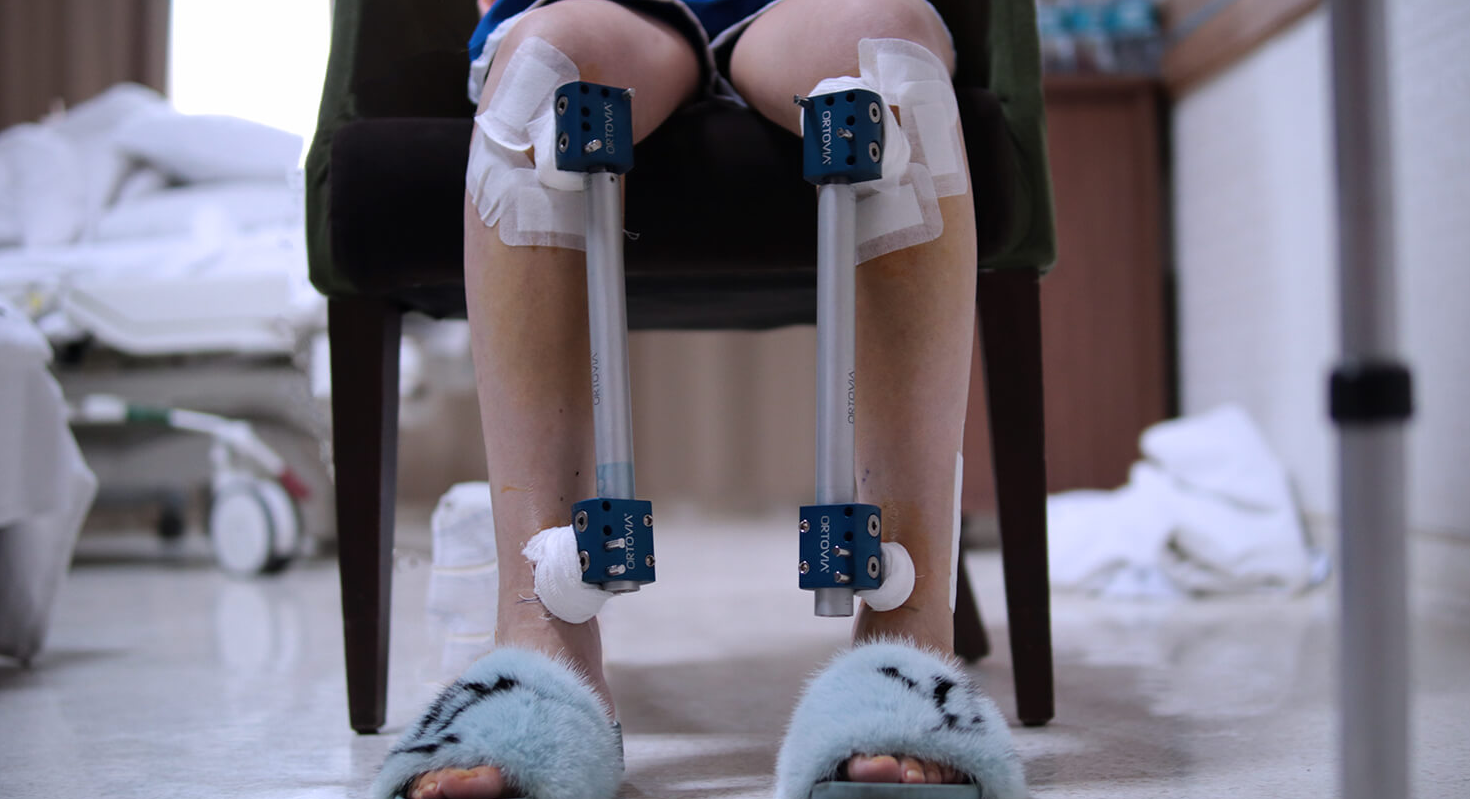
Turkey performs more cosmetic and reconstructive limb lengthening procedures than any other country in Europe or the Middle East. Surgeons in Istanbul, Bursa, and Ankara routinely use the same FDA-approved internal nails (PRECICE 2.2, PRECICE MAX, FITBONE) and external systems (Ilizarov, Holyfix, LON) that you would find at the Paley Institute in Florida or the Rubin Institute in Baltimore, but at 70 to 75 percent lower cost. The infrastructure was built specifically to handle long-stay orthopedic patients, including ground-floor apartments rented out by clinics, wheelchair-accessible transfer services, and physiotherapy units that run seven days a week.
Three things drive the price gap: the lira-to-dollar exchange rate, government health tourism incentives administered through USHAŞ (the international health services arm of the Turkish Ministry of Health), and direct competition between large hospital networks. Patients from Germany, the UK, the US, the Gulf, and Russia have been arriving in steady volumes since 2018, which means surgeons here have built case volumes most American limb lengthening fellows cannot access at home.
Limb Lengthening Surgery Cost in Turkey by Method
The technique you choose has the biggest effect on the final invoice. External fixator methods (Ilizarov, Holyfix) sit at the bottom of the price range because the hardware itself is inexpensive. Combined methods like LON sit in the middle. Fully internal magnetic nails (PRECICE, PRECICE MAX, FITBONE) cost the most because the device itself is around $20,000 to $28,000 at landed cost.
|
Method |
Device Type |
Turkey Cost (2026) |
US Cost (Comparison) |
|---|---|---|---|
|
Ilizarov / Holyfix |
External fixator only |
$15,000 to $19,000 |
$70,000 to $90,000 |
|
LON (Lengthening Over Nail) |
Internal nail + external fixator |
$18,000 to $30,000 |
$80,000 to $110,000 |
|
PRECICE 2.2 |
Magnetic internal nail |
$35,000 to $58,000 |
$100,000 to $150,000 |
|
PRECICE MAX |
Weight-bearing magnetic nail |
$45,000 to $55,000 |
$75,000 to $120,000 |
|
FITBONE |
Motorised internal nail |
$40,000 to $54,000 |
$95,000 to $130,000 |
Final prices vary by clinic, surgeon experience, and whether the package covers one bone or two segments per leg. Bilateral tibia and femur (4-segment) lengthening sits at the upper end. The figures above include surgery, anesthesia, the implant, the standard hospital stay, and one round of physiotherapy.
Limb Lengthening Surgery Cost: Turkey vs UK, USA, and Germany
If you live in the UK, the NHS does not perform cosmetic limb lengthening, and most reconstructive cases face a 12-month wait at specialist centers such as the Royal National Orthopaedic Hospital. In the US, only a handful of centers (Paley Institute in Florida, ICLL in Baltimore, LimbplastX in Las Vegas) handle high volumes, and self-pay quotes start at six figures. Germany is closer in price to the US, while Spain and Italy fall between Germany and Turkey but with limited surgeon volume.
|
Country |
Cost (PRECICE 2.2) |
Typical Wait Time |
Insurance Cover |
|---|---|---|---|
|
Turkey |
$35,000 to $58,000 |
2 to 4 weeks |
Self-pay |
|
United Kingdom |
£80,000 to £120,000 |
9 to 12 months (private) |
Self-pay (cosmetic) |
|
United States |
$100,000 to $150,000 |
3 to 6 months |
Self-pay (cosmetic) |
|
Germany |
€55,000 to €85,000 |
4 to 8 months |
Self-pay (cosmetic) |
|
Spain |
€45,000 to €70,000 |
3 to 6 months |
Self-pay |
The Turkey-versus-USA gap of $65,000 to $90,000 on a PRECICE case is large enough that some American patients cover the full procedure, return flights, and a six-month rehab stay in Istanbul, and still pay less than the surgeon's fee alone at home. Prices may change depending on clinic, surgeon experience, and the patient's specific case.
To get a clinic-specific quote with your X-rays reviewed by a Turkish orthopedic surgeon, request a free consultation with A-Medical and we will return a written estimate within 24 hours.
What Is Limb Lengthening Surgery? How the Procedure Works
Limb lengthening surgery, also called distraction osteogenesis or height-increase surgery, gradually grows new bone in a controlled gap created by the surgeon. It exploits a biological process first described by the Soviet orthopedic surgeon Gavriil Ilizarov in the 1950s: when a bone is cut cleanly and the two ends are slowly pulled apart at roughly 1 mm per day, the body fills the gap with new bone tissue (called the regenerate). Soft tissues, blood vessels, nerves, and muscles stretch alongside the bone.
The procedure runs in three phases. First, the surgeon performs an osteotomy (the bone cut) and inserts the lengthening device. Then, after a 5-to-7-day latency phase, the distraction phase begins; the bone is lengthened at 0.75 to 1 mm per day, divided into 3 to 4 daily adjustments. Finally, the consolidation phase, which is roughly twice the distraction time, lets the new bone harden before the device is removed and full weight-bearing returns. A typical 6 cm lengthening means 60 to 80 days of distraction and 4 to 6 months of consolidation. Patients gain about 5 to 8 cm per segment.
Types of Limb Lengthening Surgery Performed in Turkey
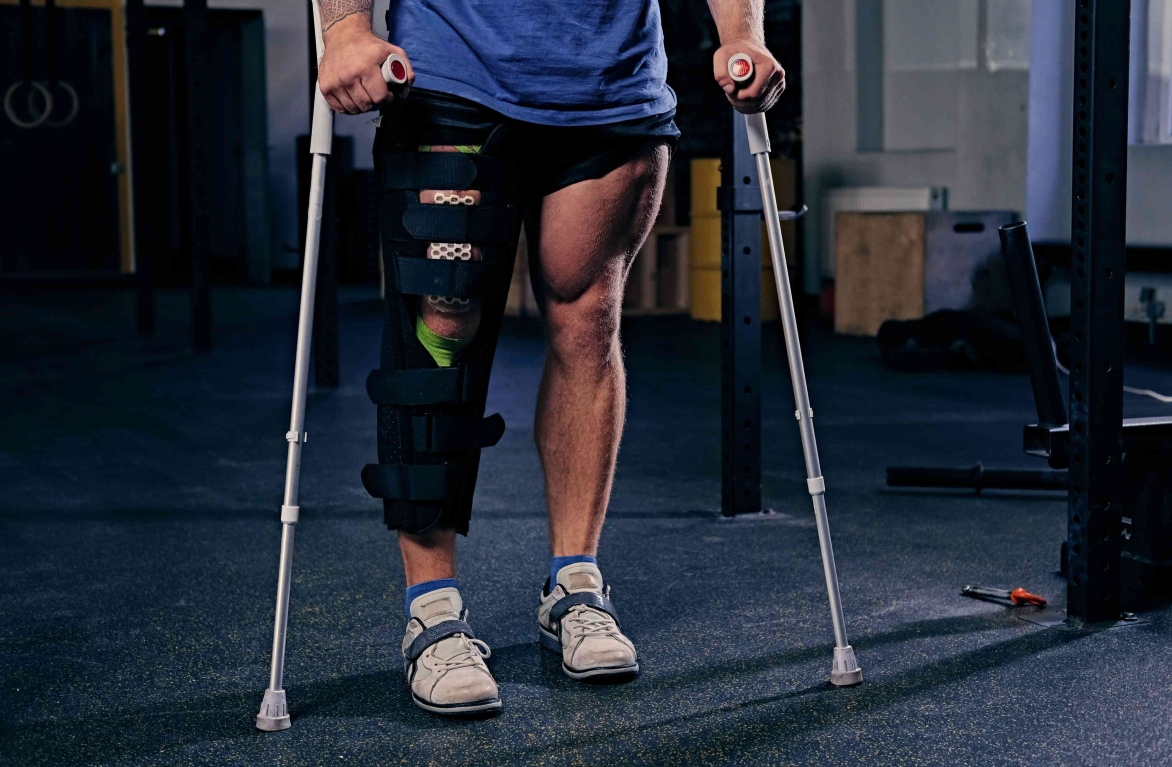
Turkish orthopedic clinics offer every method approved internationally. The choice between them depends on budget, the bone being lengthened (femur or tibia), patient weight, and how much pain and visibility the patient is willing to accept during the distraction phase.
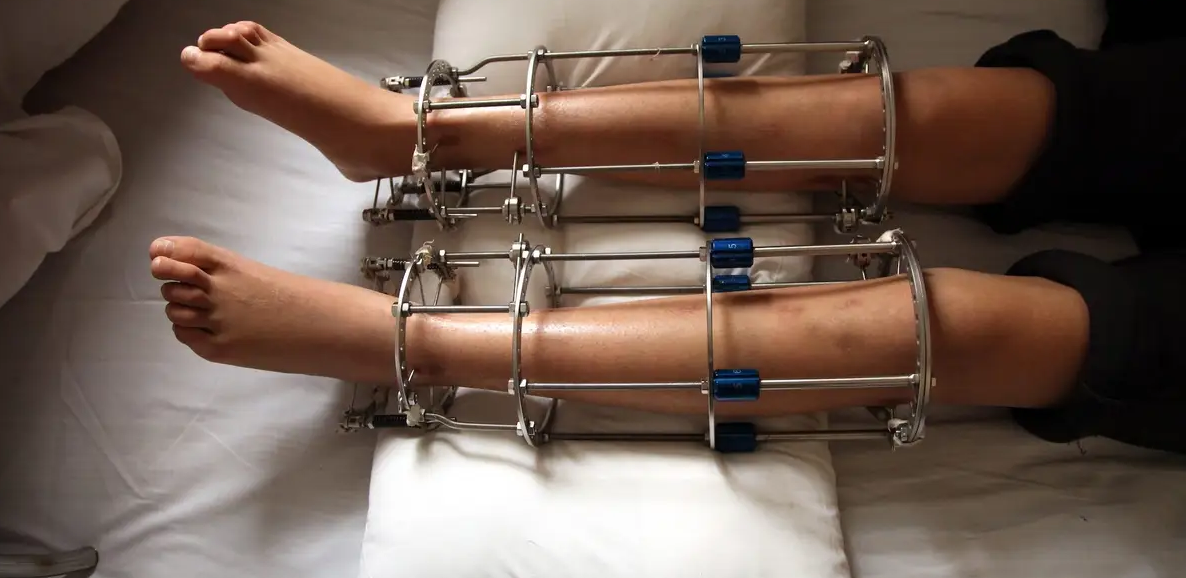
- Ilizarov method: A circular external frame fixed to the bone with thin wires. The cheapest method and proven for over 60 years. Visible on the leg throughout treatment, with pin-site care needed daily.
- Holyfix: A modern external monorail fixator, lighter than the full Ilizarov ring. Popular for tibia lengthening in cosmetic cases.
- LON (Lengthening Over Nail): Combines an internal nail with a temporary external fixator. The external part comes off after distraction, leaving only the internal nail during consolidation. Significantly more comfortable in the second half of treatment.
- PRECICE 2.2: A fully internal titanium nail extended by a magnetic remote control. No external hardware at all. Considered the global gold standard for cosmetic femur lengthening, but does not allow full weight-bearing until consolidation is complete.
- PRECICE MAX: Released in 2024 and adopted in several Istanbul hospitals through 2026, this stronger version of PRECICE allows partial weight-bearing during distraction, which speeds rehabilitation.
- FITBONE: An electronically controlled internal nail. Lengthening is triggered by an external transmitter placed against the skin. Requires highly experienced surgical teams.
For patients comparing related orthopedic procedures, our guide to hip replacement surgery in Turkey covers implant brands, costs, and recovery if you are weighing multiple joint or bone procedures during the same trip.
Who Is a Good Candidate for Limb Lengthening in Turkey?
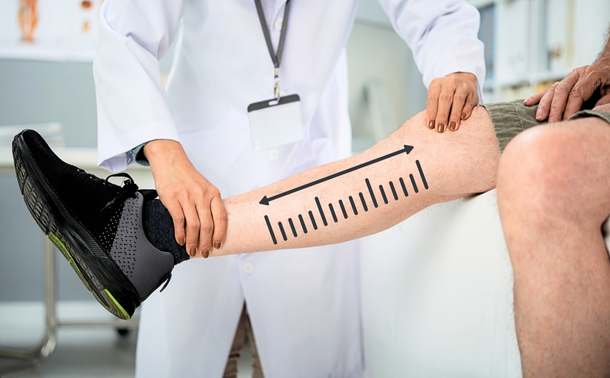
Not every patient who wants to be taller is medically suited to limb lengthening. The procedure involves a 9-to-18-month commitment, intensive physiotherapy, and real risks. Turkish orthopedic surgeons screen carefully before accepting a case. You are a strong candidate if you meet most of the following criteria:
- Adult between 18 and 50 with mature, fully developed bones and good general health.
- BMI under 30 (excess weight slows bone healing and stresses the implant).
- No active infection, uncontrolled diabetes, or smoking history within the last 6 months.
- Realistic height-gain goals: 5 to 8 cm per segment, not 15 to 20 cm in a single round.
- Willingness to commit to daily physiotherapy and follow-up imaging for 9 to 18 months.
- Genuine leg-length discrepancy of 2 cm or more (medical indication) or cosmetic interest with stable mental health.
- Support system at home or a caregiver who can travel and help during the recovery period.
- Adequate budget covering not only surgery but also extended accommodation and physiotherapy.
Best Clinics for Limb Lengthening in Turkey
Five clinics consistently handle the largest volume of international limb lengthening cases in Turkey. Each has its own surgical focus, preferred technique, and price positioning. Below is a focused look at each, along with the senior orthopedic surgeons who lead the limb lengthening programs.
Turan & Turan Health Group (Bursa)
![Hip Replacement Surgery in Turkey: Cost, Best Hospitals & Recovery [2026] related image](https://amedical.az/storage/blog/content/2026/04/b8637892-9846-463c-ba88-0af4c53b3796.png)
Founded in 1999 by Dr. Kayhan Turan and Dr. Bethül Turan, Turan & Turan is a private orthopedic clinic in Bursa, two hours from Istanbul by car or fast ferry. The clinic holds JCI, CEP, ANSI-CAP, and Smith & Nephew certifications. It was the first facility in Turkey to perform robotic-assisted total knee arthroplasty (2016) and currently runs the only robotic spine surgery program in the country using the Mazor X system. The clinic operates with a no-waiting-list policy for international patients and includes free VIP car service.
Top surgeon: Dr. Kayhan Turan. Trained at Istanbul University Çapa Faculty of Medicine and Northwestern University in Chicago. Over 28 years of orthopedic experience, with more than 900 limb lengthening cases and over 3,500 robotic joint replacements. Member of AAOS, AANA, ICJR, and TOTBID. Offers both LON (around $16,000 per leg) and PRECICE II (around $41,000 per leg) packages, both with 7-day hospital stay, transfers, and nursing care included.
Also at the clinic: Op. Dr. Murat Kezer (joint reconstruction, MAKO robotic knee and hip, 25+ years of experience) handles patients with combined hip or knee problems alongside lengthening.
Istanbul Florence Nightingale Hospital
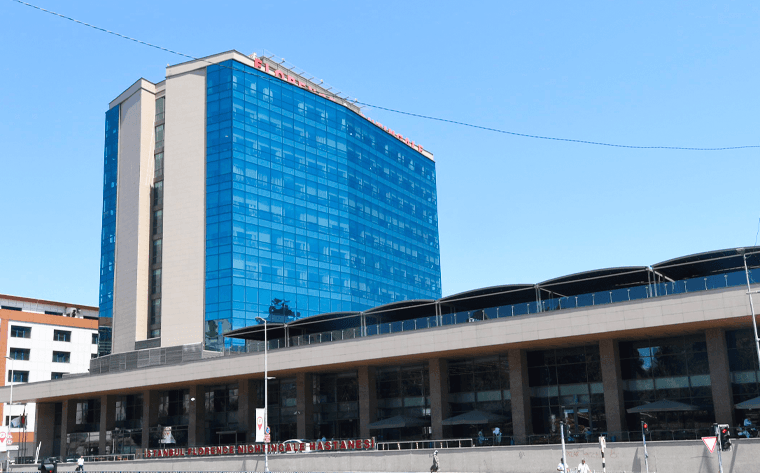
Part of Group Florence Nightingale, the first Turkish hospital network to receive JCI accreditation. The Istanbul flagship opened in 2013 as Turkey's first "green hospital," with 219 patient beds, 51 ICU beds, 11 laminar-flow operating rooms, and a rooftop heliport. The orthopedic department uses the EOS imaging system (low-dose 2D/3D whole-body X-ray) that is rare in private Turkish hospitals and is particularly useful for limb alignment planning before lengthening surgery. The hospital treats 70,000 inpatients annually.
Top surgeon: Prof. Dr. Abdullah Eren. Senior orthopaedic and joint replacement consultant. Performs PRECICE 2 internal nail lengthening and complex deformity correction. Backed by a team that includes Assoc. Prof. Dr. Ahmet Salduz (orthopedic oncosurgery, useful in lengthening cases involving prior tumor resection).
Florence Nightingale runs a specialised Center for International Patients with English, Arabic, Russian, and German-speaking coordinators on call 24/7.
American Hospital Istanbul (VKV Amerikan Hastanesi)
Established in 1920 by US Navy Admiral Mark Bristol, American Hospital is one of the oldest private hospitals in Turkey and has held JCI accreditation six consecutive times. It is affiliated with Koç University School of Medicine, which gives the orthopedic department direct access to academic research and a fellowship-trained surgical staff. The hospital is located in Nişantaşı, a central Istanbul neighborhood that is convenient for accompanying family members and recovery-phase apartment rentals.
Orthopedics department strengths: The hospital's limb reconstruction unit treats complex post-traumatic shortening, congenital deformities (Blount disease, achondroplasia), and adult cosmetic lengthening cases. The team uses both PRECICE 2.2 and FITBONE systems, and integrates pre-operative gait analysis with the EOS imaging available next door. The case mix here is more reconstructive than cosmetic compared to Bursa-based clinics.
Memorial Hospital (Memorial Healthcare Group)
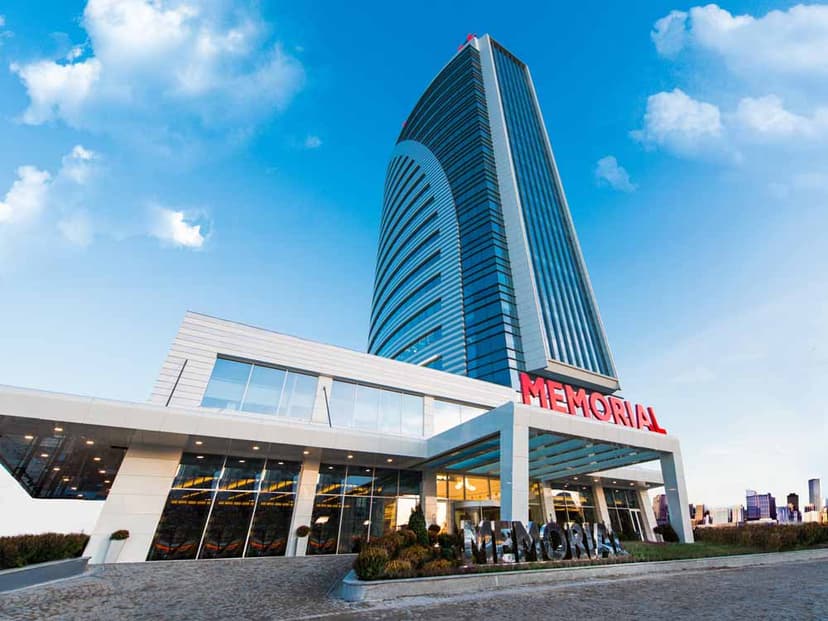
Memorial is the largest JCI-accredited private hospital network in Turkey, with flagship campuses at Şişli, Bahçelievler, and Ataşehir in Istanbul, plus Antalya and Ankara. Memorial Şişli was the first Turkish hospital to receive JCI accreditation in 2002 and handles the largest international patient volume in the country. The orthopedic department features a specialised limb lengthening and deformity correction unit with luxury single-patient rooms and extensive on-site physiotherapy.
Why patients choose Memorial: High procedure volume means surgeons see complications early and manage them aggressively, which is critical in limb lengthening where timing of interventions defines the final result. The hospital's all-inclusive packages typically combine surgery, 4-to-7 days of hospitalization, transfers, hotel partner discounts, and post-discharge physiotherapy in a single price between $25,000 and $50,000 depending on technique.
Acıbadem Hospitals Group
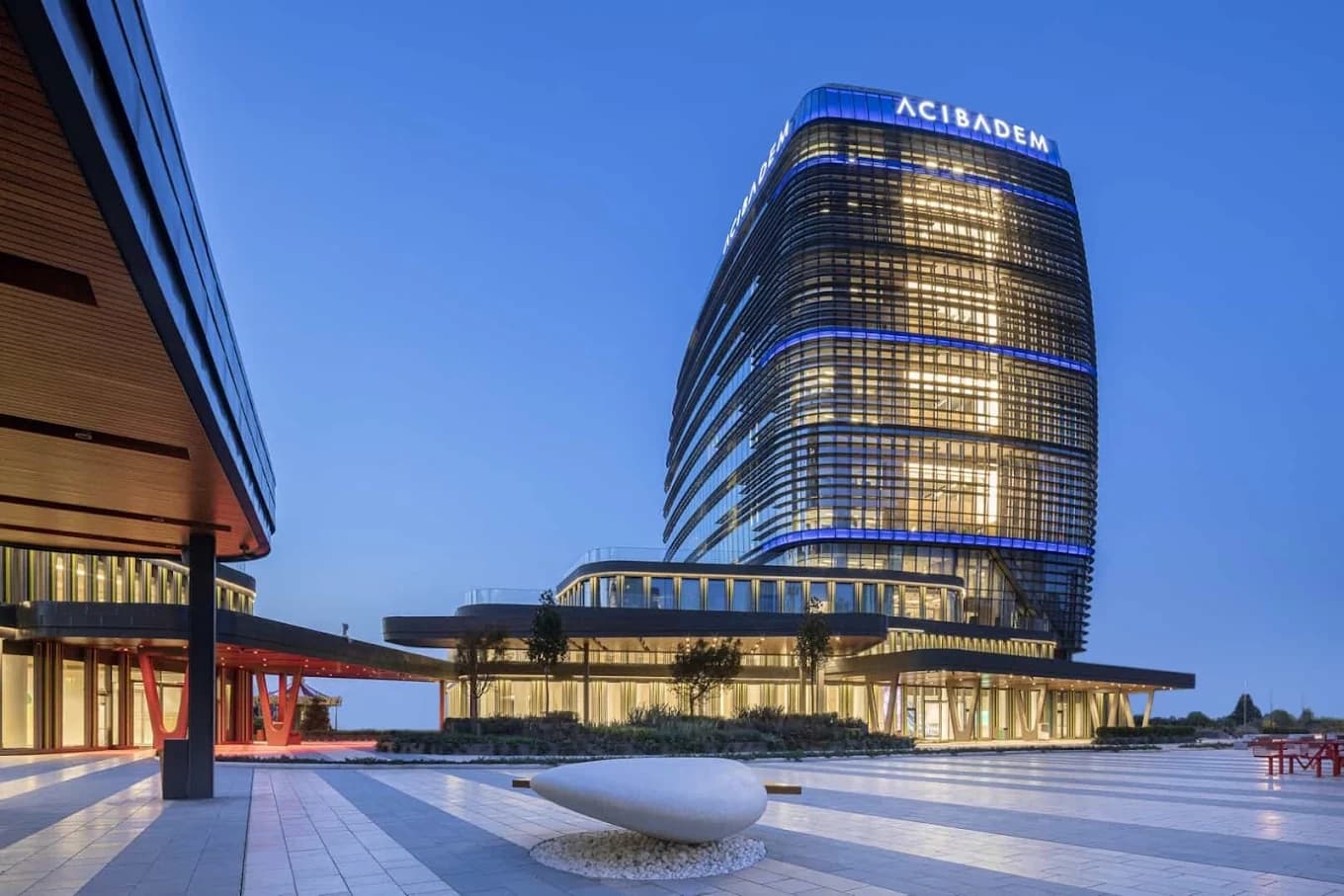
Acıbadem is the second-largest private healthcare group in Turkey, with 22 hospitals across the country and a research-oriented academic arm at Acıbadem Mehmet Ali Aydınlar University. The orthopedic and traumatology department uses computer-assisted surgery, 3D-printed patient-specific guides, and minimally invasive Ilizarov and Hexapod external fixator systems alongside PRECICE internal nails. Acıbadem hospitals are JCI-accredited and the group has a long-running partnership with Harvard Medical International.
Top surgeons at Acıbadem:
- Prof. Dr. Mehmet Erdil (22+ years, member of the Turkish Limb Extension and Reconstruction Association, expertise in joint replacement combined with lengthening cases).
- Dr. Serdar Zengin (15+ years in orthopedics and traumatology, complex reconstruction).
- Dr. Ozan Ali Erdal (pediatric orthopedics, limb extension for congenital deformities, osteogenesis imperfecta, skeletal dysplasia cases). Member of EPOS and AAOS.
Acıbadem typically prices PRECICE 2.2 cases between $40,000 and $55,000 with luxury accommodation included.
How to Choose the Right Limb Lengthening Clinic in Turkey
Price alone is a poor filter for a surgery this long and this complex. The wrong clinic choice usually shows up not at surgery itself but during the 12-month consolidation phase, when delayed bone healing or device failure becomes apparent. When comparing Turkish clinics, weigh the following before signing a package.
- Annual case volume of the specific surgeon (ideally 50+ limb lengthening cases per year, not just orthopedics in general).
- Whether the surgeon has trained at a recognized limb lengthening center (Paley, Rubin, ICLL, ASAMI fellowships).
- JCI accreditation of the hospital, not just the clinic brand.
- Availability of an on-site physiotherapy unit experienced specifically in distraction rehabilitation.
- Clear written package, broken down into surgery, implant, hospital stay, accommodation, and physiotherapy.
- Access to the surgeon (not just to a coordinator) for follow-up X-ray reviews after you return home.
- Patient reviews specifically from international cosmetic lengthening patients, not domestic trauma cases.
The Step-by-Step Process of Getting Leg Lengthening Surgery in Turkey
Most international patients go through the same six-stage workflow, and A-Medical handles steps 1, 2, 4, and 5 directly so the patient only deals with the surgical team in person.
- Step 1: Online consultation. You send long-leg-standing X-rays, recent blood work, and a brief medical history. A Turkish orthopedic surgeon reviews them within 48 hours and proposes a technique.
- Step 2: Written quote and itinerary. A-Medical sends a price-locked package with arrival/discharge dates, hotel options, and what is and is not included.
- Step 3: Travel to Turkey. Visa-free entry for most Western and CIS passport holders. Direct flights to Istanbul from over 130 cities.
- Step 4: Pre-op assessment (1 to 2 days). In-person consultation, full bloods, ECG, EOS or CT imaging, anesthesia clearance.
- Step 5: Surgery and inpatient stay (4 to 10 days). Depending on technique, hospital stay ranges from 4 days (LON, PRECICE) to 10 days (Ilizarov with complex frame).
- Step 6: Distraction phase abroad or at home. Some patients stay in Turkey for the full distraction phase (60 to 80 days) to access daily physiotherapy. Others return home after 2 to 3 weeks and continue distraction with remote surgeon monitoring.
How Long Do You Need to Stay in Turkey After Limb Lengthening?
The honest answer depends on technique and patient preference. The minimum stay is 7 to 14 days: enough to recover from surgery, learn how to use the distraction device, and clear a first post-op X-ray. Most cosmetic patients choose to stay 8 to 12 weeks, which covers the entire distraction phase. Around 30 to 40 percent stay 4 to 6 months, returning home only after the regenerate has hardened enough for protected weight-bearing.
Long-stay patients usually move from the hospital to a serviced apartment in the same neighborhood (Şişli, Etiler, or Beşiktaş in Istanbul) where ground-floor or elevator access is guaranteed. Monthly rentals arranged through A-Medical typically run $1,800 to $3,500 depending on location and apartment size, often with daily on-call physiotherapist visits available as an add-on.
Recovery Timeline After Limb Lengthening Surgery
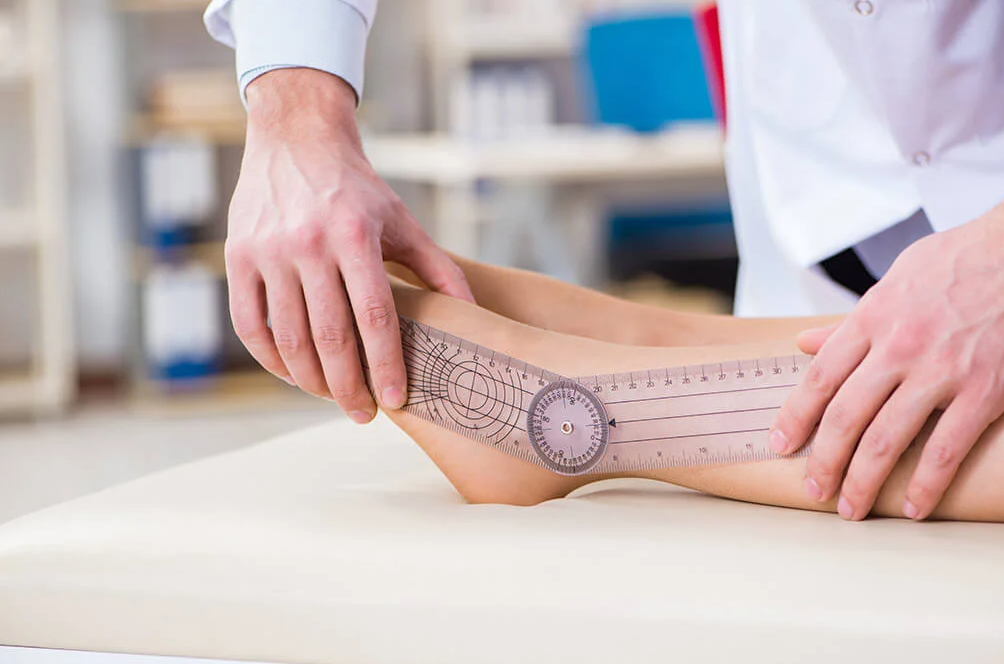
Limb lengthening is not a same-month-recovery surgery. The bone needs time to harden, and the soft tissues (muscle, nerve, blood vessel) need slow, daily stretching alongside it. A realistic timeline looks like this:
- Week 1: Hospital stay, pain management, wheelchair mobility, latency phase begins.
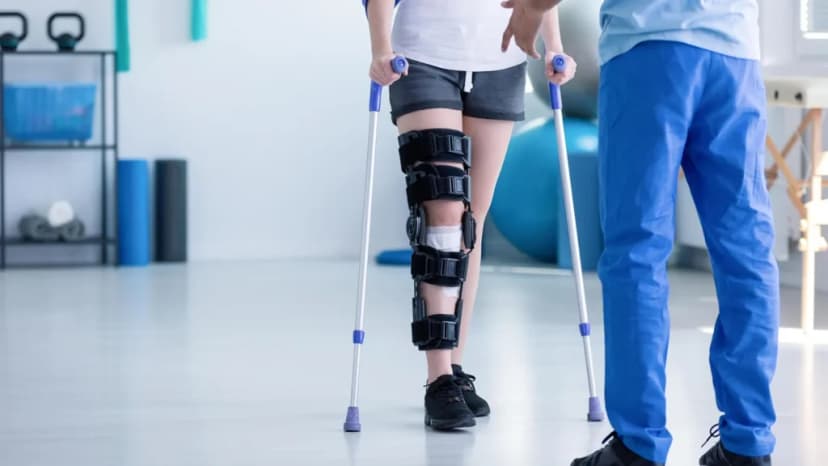
- Weeks 2 to 12: Distraction phase. Daily adjustments, walker or crutches for partial weight-bearing (PRECICE MAX) or wheelchair (PRECICE 2.2 femur).
- Months 3 to 6: Consolidation phase. Gradual return to full weight-bearing as the regenerate calcifies.
- Months 6 to 9: Most patients walk independently, sometimes with a cane. Physical therapy continues 3 to 5 sessions per week.
- Months 9 to 12: Return to running, sports, and high-intensity activity. Implant removal usually scheduled around month 12 to 18 in a second short trip.
Risks and Complications of Limb Lengthening Surgery
Limb lengthening carries a complication rate of roughly 10 to 25 percent in published series, though most complications are minor and reversible when caught early. Turkish high-volume centers report complication rates at the lower end of this range. Patients considering the surgery should understand the following risks:
- Pin-site infections: Common with external fixators (Ilizarov, LON), managed with antibiotics in 80 percent of cases without surgical revision.
- Joint stiffness: The knee or ankle adjacent to the lengthened bone can lose range of motion if physiotherapy is missed.
- Nerve irritation: Stretching of peripheral nerves can cause temporary numbness or weakness, usually resolving over months.
- Premature consolidation: The bone heals faster than planned and stops lengthening. Treatable with a second osteotomy.
- Delayed union or non-union: The regenerate bone fails to harden. Most often seen in patients with poor nutrition, smoking, or older age.
- Implant failure: Rare with PRECICE MAX; somewhat more common with older PRECICE 2 models if patients exceed weight-bearing instructions.
- Deep vein thrombosis: Reduced mobility during distraction increases DVT risk; prevention with blood thinners is standard.
How A-Medical Supports Limb Lengthening Patients in Turkey
A-Medical has been coordinating orthopedic medical tourism to Turkey since the early 2010s, and limb lengthening is one of the most logistically demanding procedures we handle. Because patients stay long, mobility is limited, and the price difference vs Western countries is large enough to attract budget-conscious cases, our role is to remove the friction between the patient and the surgical team.
Patients who book through A-Medical receive:
- No waiting list. Direct surgeon access in 5 to 10 business days, with X-ray review completed inside 48 hours.
- Transparent fixed-price packages. Surgery, implant, hospital stay, and transfers in one written quote, no hidden costs added on arrival.
- Hand-picked surgeon-clinic matching. We match the technique to the case (PRECICE for cosmetic femur, LON for budget tibia, Ilizarov for complex post-trauma) and to a surgeon who does that technique in volume.
- Airport VIP welcome and wheelchair-accessible transfers. Critical during the distraction phase when the patient cannot stand for long.
- Long-stay accommodation in elevator buildings, with ground-floor options for the heaviest phase of distraction.
- English, Russian, Arabic, German, and Azerbaijani-speaking patient coordinators reachable 24/7.
- Free online pre-consultation with the chosen surgeon before the patient commits to travel.
- Post-discharge follow-up: remote X-ray review by the operating surgeon at months 1, 3, 6, and 12 after the patient returns home.
- Coordination of the implant-removal trip (usually 12 to 18 months after the original surgery).
- Single point of contact through the entire 12-to-18-month process, instead of separate hospital, hotel, and travel desks.
If you are ready to compare clinic-specific quotes from Turan & Turan, Florence Nightingale, American Hospital, Memorial, and Acıbadem in one place, book a free A-Medical consultation and our coordinators will return a side-by-side comparison within 24 hours.
For patients researching related orthopedic procedures in Turkey, our guides on knee replacement surgery in Turkey and the broader overview of the best countries for knee replacement surgery abroad may be useful, especially for patients with combined joint and limb-length problems. The general medical travel to Turkey guide covers visa, payment, and pre-travel preparation in detail.
Frequently Asked Questions About Limb Lengthening Surgery in Turkey
How much does limb lengthening surgery cost in Turkey in 2026?
Limb lengthening surgery in Turkey costs between $15,000 and $58,000 per leg in 2026. Ilizarov and Holyfix external methods start at $15,000, LON sits around $18,000 to $30,000, and PRECICE 2.2 or FITBONE internal nails range from $35,000 to $58,000 per leg.
How much taller can I get with limb lengthening in Turkey?
Patients typically gain 5 to 8 cm per segment lengthened. Lengthening both femurs yields 5 to 8 cm of total height; combining femur and tibia (4-segment surgery) yields 10 to 16 cm but requires two separate stages and a longer total recovery.
How long do I need to stay in Turkey after the surgery?
Minimum stay is 7 to 14 days. Most cosmetic patients choose to stay 8 to 12 weeks to complete the distraction phase with on-site physiotherapy. Some stay 4 to 6 months for full consolidation before returning home.
Is limb lengthening surgery in Turkey safe?
Yes, when performed at JCI-accredited hospitals by high-volume surgeons. Reported complication rates at top Turkish centers (Turan & Turan, Acıbadem, Memorial, Florence Nightingale, American Hospital) match those of US and German centers, between 10 and 15 percent, with most complications minor and reversible.
Which method is best, PRECICE or LON?
PRECICE 2.2 and PRECICE MAX are the most comfortable and discreet because they have no external hardware, but they cost roughly twice as much as LON. LON is more affordable and slightly more stable for heavier patients but requires the external fixator to be worn for 60 to 80 days during distraction.
Does insurance cover limb lengthening surgery?
Cosmetic limb lengthening is not covered by insurance in any country, including Turkey. Reconstructive cases (post-trauma shortening, congenital femoral deficiency, achondroplasia) may be partially covered by some Turkish state insurance plans for Turkish citizens, but international patients pay out of pocket.
Will I walk normally again after limb lengthening?
Yes, with full commitment to physiotherapy. Most patients walk normally by month 6 to 9 and resume running or sports between month 9 and 12. Long-term gait studies show no measurable difference between lengthened and non-lengthened legs after one year.
Which Turkish city is best for limb lengthening, Istanbul or Bursa?
Istanbul offers more clinic choice (Memorial, Acıbadem, Florence Nightingale, American Hospital) and more direct international flights. Bursa, home to Turan & Turan, has Turkey's most experienced limb lengthening surgeon (Dr. Kayhan Turan) and is quieter for long recoveries. Choice depends on whether you prioritize surgeon volume or city amenities.