Contents
Related Topics
Endometriosis Treatment in Turkey
Endometriosis is a condition that affects roughly 10% of women of reproductive age worldwide, causing chronic pelvic pain, heavy periods, and in many cases, difficulty conceiving. For women searching for effective and affordable care, endometriosis treatment in Turkey has become one of the most practical options available today. Laparoscopic surgery for endometriosis in Turkey typically costs between $2,500 and $6,000, while the same procedure can run anywhere from $15,000 to $60,000 in the United States and between £5,000 and £15,000 in the United Kingdom when pursued privately. Beyond the price gap, patients in the UK and Canada often face waiting lists stretching 6 to 12 months or longer just for a diagnostic laparoscopy, while appointments with endometriosis specialists in the US can take months to secure. Turkey eliminates those delays: international patients can often see a gynecologist and schedule surgery within days of arrival, with no waiting lists and full access to JCI-accredited hospitals equipped with the latest laparoscopic and robotic surgical systems.
Cost of Endometriosis Treatment in Turkey (2026)
The cost of treating endometriosis in Turkey depends on the type of treatment, the hospital, the surgeon's experience, and the complexity of the case. Hormonal therapy and medication-based management are the least expensive options, while laparoscopic excision surgery and robotic-assisted procedures fall at the higher end of the range. Below is a comparison of average costs across major destinations.
|
Country |
Laparoscopic Surgery |
Robotic Surgery |
Hormonal Therapy (Annual) |
|
Turkey |
$2,500 - $6,000 |
$4,000 - $8,000 |
$300 - $800 |
|
United States |
$15,000 - $60,000 |
$25,000 - $70,000 |
$1,200 - $3,600 |
|
United Kingdom (Private) |
$6,000 - $18,000 |
$12,000 - $30,000 |
$600 - $1,800 |
|
Germany |
$10,000 - $13,000 |
$15,000 - $25,000 |
$800 - $2,000 |
These figures represent averages. Complex cases involving deep infiltrating endometriosis or multidisciplinary surgery on the bowel or bladder may cost more. For a detailed breakdown of medical expenses across procedures, you can review our Treatment Costs in Turkey guide.
What Is Endometriosis?
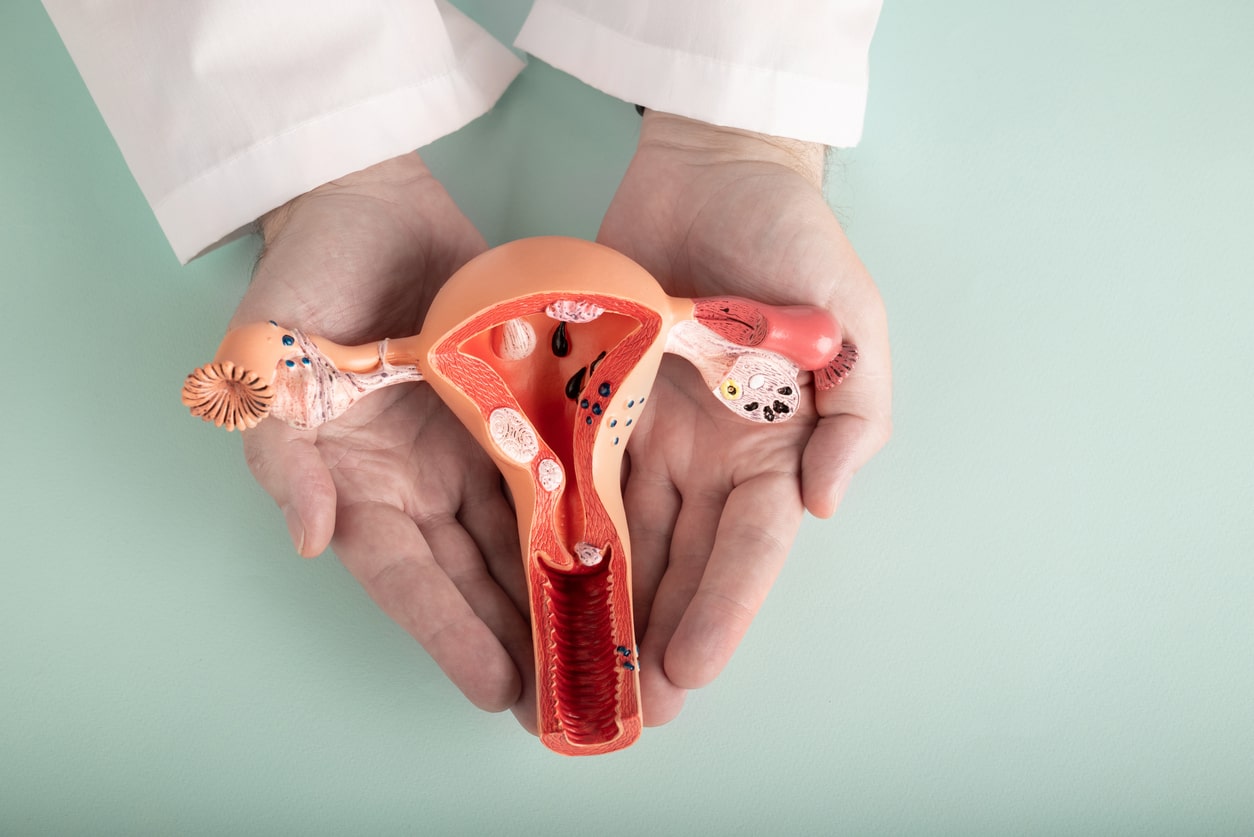
Endometriosis is a chronic gynecological condition in which tissue similar to the endometrium (the inner lining of the uterus) grows outside the uterine cavity. This displaced tissue most commonly attaches to the ovaries, fallopian tubes, the outer surface of the uterus, and the peritoneum (the lining of the pelvic cavity). In rarer cases, endometrial implants have been found on the bladder, bowel, rectum, and even distant organs like the diaphragm and lungs.
Just like the normal endometrium, these implants respond to hormonal fluctuations during the menstrual cycle. They thicken, break down, and bleed each month. But because this tissue sits outside the uterus, the blood and debris have no way to leave the body. Over time, this trapped material causes inflammation, the formation of scar tissue (adhesions), and the development of cysts, particularly on the ovaries, where they are known as endometriomas or "chocolate cysts" due to their dark, old blood content.
Endometriosis is an estrogen-dependent disease. It almost exclusively affects women during their reproductive years, from the onset of menstruation (menarche) until menopause. The condition is estimated to affect around 190 million women globally, though many cases go undiagnosed for years because symptoms overlap with other conditions like irritable bowel syndrome (IBS), pelvic inflammatory disease (PID), and ovarian cysts.
Symptoms of Endometriosis
The symptoms of endometriosis vary widely from one patient to another, and the severity of pain does not always correlate with the extent of the disease. Some women with mild endometriosis experience intense pain, while others with advanced-stage endometriosis may have few symptoms. Common symptoms include:
- Dysmenorrhea (painful periods) that go well beyond typical menstrual cramps, often starting days before menstruation and lasting throughout the period
- Chronic pelvic pain that persists throughout the month, not only during menstruation
- Pain during or after sexual intercourse (dyspareunia), particularly with deep penetration
- Painful bowel movements or urination (dyschezia), especially during menstruation
- Heavy menstrual bleeding (menorrhagia) or irregular spotting between periods
- Infertility or difficulty getting pregnant, which is often the first reason women seek medical evaluation
- Fatigue, bloating, nausea, and diarrhea or constipation, particularly around menstruation
- Lower back pain and leg pain that may worsen during menstruation
In atypical presentations, endometriosis affecting the diaphragm or lungs may cause chest pain, shoulder pain, or even coughing up blood (hemoptysis) during the menstrual cycle. Some cases are completely asymptomatic and are only discovered during surgery for another condition or during fertility investigations.
Causes and Risk Factors of Endometriosis
The exact cause of endometriosis remains unclear, but several theories and known risk factors contribute to its development:
- Retrograde menstruation: The most widely accepted theory suggests that during menstruation, some of the menstrual blood flows backward through the fallopian tubes into the pelvic cavity. The living endometrial cells in this blood implant on pelvic organs and continue to grow. However, studies show that retrograde menstruation occurs in most women, yet not all develop endometriosis, pointing to additional factors at play.
- Genetic predisposition: Women with a first-degree relative (mother, sister) who has endometriosis are significantly more likely to develop the condition. Research has identified several gene variants associated with the disease.
- Immune system dysfunction: A properly functioning immune system would normally detect and destroy endometrial cells found outside the uterus. In women with endometriosis, the immune response may fail to clear these cells, allowing them to implant and grow.
- Estrogen dominance: Elevated estrogen levels or increased local aromatase enzyme activity in endometrial implants promote tissue growth. This is why endometriosis regresses after menopause when estrogen production declines.
- Coelomic metaplasia: This theory proposes that cells lining the pelvic organs can transform into endometrial-like tissue under certain hormonal or inflammatory stimuli.
- Lymphatic or vascular spread: Endometrial cells may travel through blood vessels or the lymphatic system to distant sites, explaining rare cases of endometriosis in the lungs, brain, or other remote organs.
Key risk factors include early onset of menstruation (before age 11), short menstrual cycles (under 27 days), heavy and prolonged periods, never having given birth, low body mass index, uterine structural anomalies (Mullerian anomalies), and late menopause.
Who Is a Good Candidate for Endometriosis Treatment?
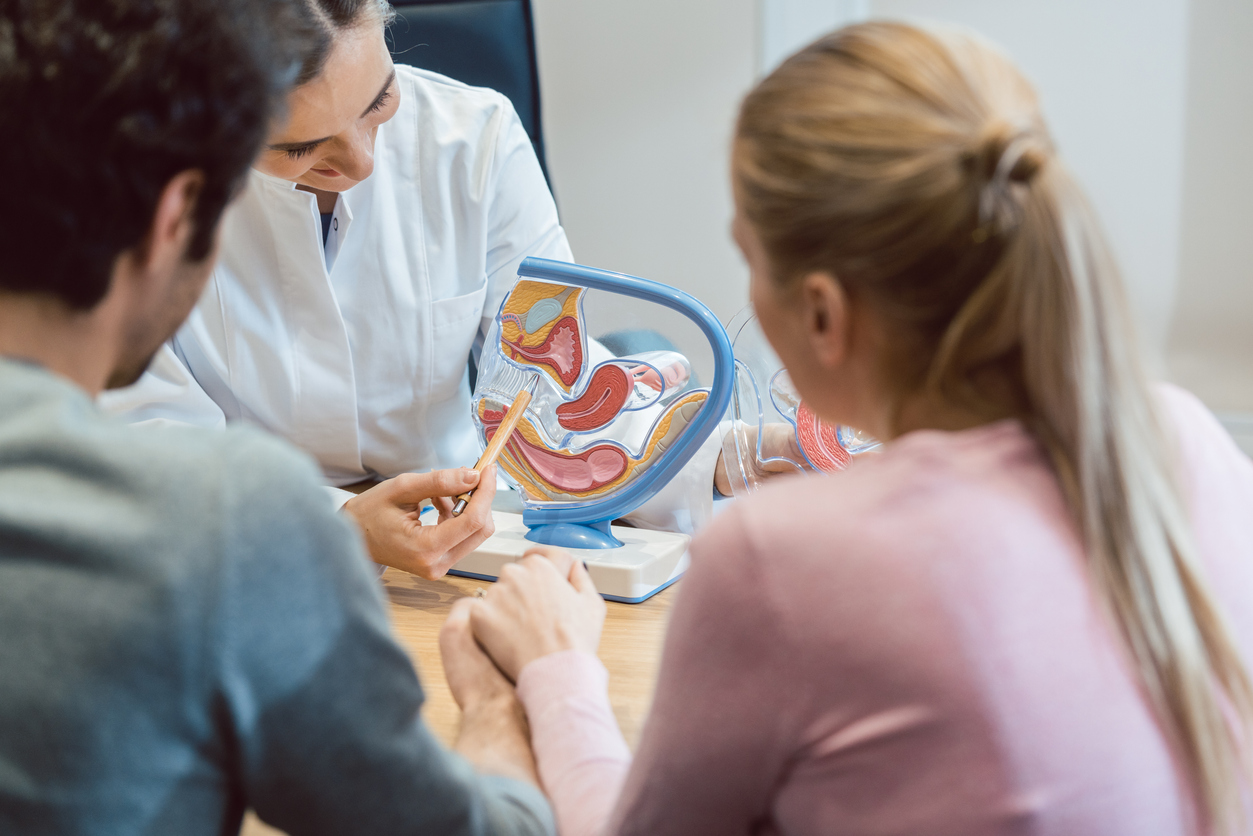
Not every case of endometriosis requires surgical intervention, but treatment in some form is recommended for most patients. You may be a strong candidate for endometriosis treatment if you match one or more of the following criteria:
- You experience chronic pelvic pain that does not respond to over-the-counter pain relievers
- Your menstrual pain is severe enough to interfere with daily activities, work, or school
- You have been trying to conceive for 6 to 12 months without success
- Imaging has revealed an endometrioma (ovarian cyst) or signs of deep infiltrating endometriosis
- Hormonal therapies have failed to adequately control your symptoms
- You experience pain during intercourse, bowel movements, or urination that affects your quality of life
- You have been diagnosed with Stage III or Stage IV endometriosis and are considering fertility preservation
Women who are planning pregnancy in the near future may benefit from surgical removal of endometrial implants and adhesions before attempting natural conception or assisted reproduction such as IVF.
How Endometriosis Is Diagnosed in Turkey
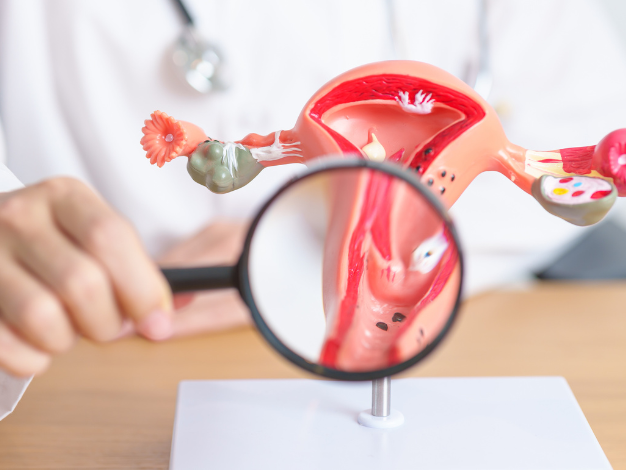
Diagnosing endometriosis accurately is one of the biggest challenges in gynecology. On average, women wait 7 to 8 years from the onset of symptoms to receive a definitive diagnosis, partly because the symptoms mimic other conditions and partly because the only way to confirm endometriosis with certainty is through surgery. In Turkey, gynecologists and endometriosis specialists use a multi-step diagnostic approach:
Clinical History and Pelvic Examination
The diagnostic process begins with a thorough review of the patient's symptoms, menstrual history, pain patterns, and family history. A bimanual pelvic exam may reveal tenderness, nodularity in the uterosacral ligaments, reduced uterine mobility, or a fixed, retroverted uterus, all of which suggest endometriosis.
Transvaginal Ultrasound (TVUS)
TVUS is the first-line imaging tool. While it cannot detect superficial endometrial implants, it is highly effective at identifying endometriomas (chocolate cysts) on the ovaries and can suggest the presence of deep endometriosis involving the rectovaginal septum or bladder.
Magnetic Resonance Imaging (MRI)
MRI provides detailed cross-sectional images and is particularly useful for mapping deep infiltrating endometriosis before surgery. It helps surgeons plan the extent of excision and identify involvement of the bowel, bladder, or ureters.
Blood Tests and Biomarkers
CA-125 is a blood marker that is often elevated in women with endometriosis, though it is not specific enough for diagnosis on its own. It is more commonly used to monitor disease progression or treatment response.
Diagnostic Laparoscopy
The gold standard for diagnosing endometriosis remains laparoscopic surgery, during which the surgeon visually inspects the pelvic cavity and takes tissue biopsies for histological confirmation. In Turkey, diagnostic and therapeutic laparoscopy are frequently performed in the same session, meaning the surgeon can remove endometrial implants during the same procedure.
Stages of Endometriosis
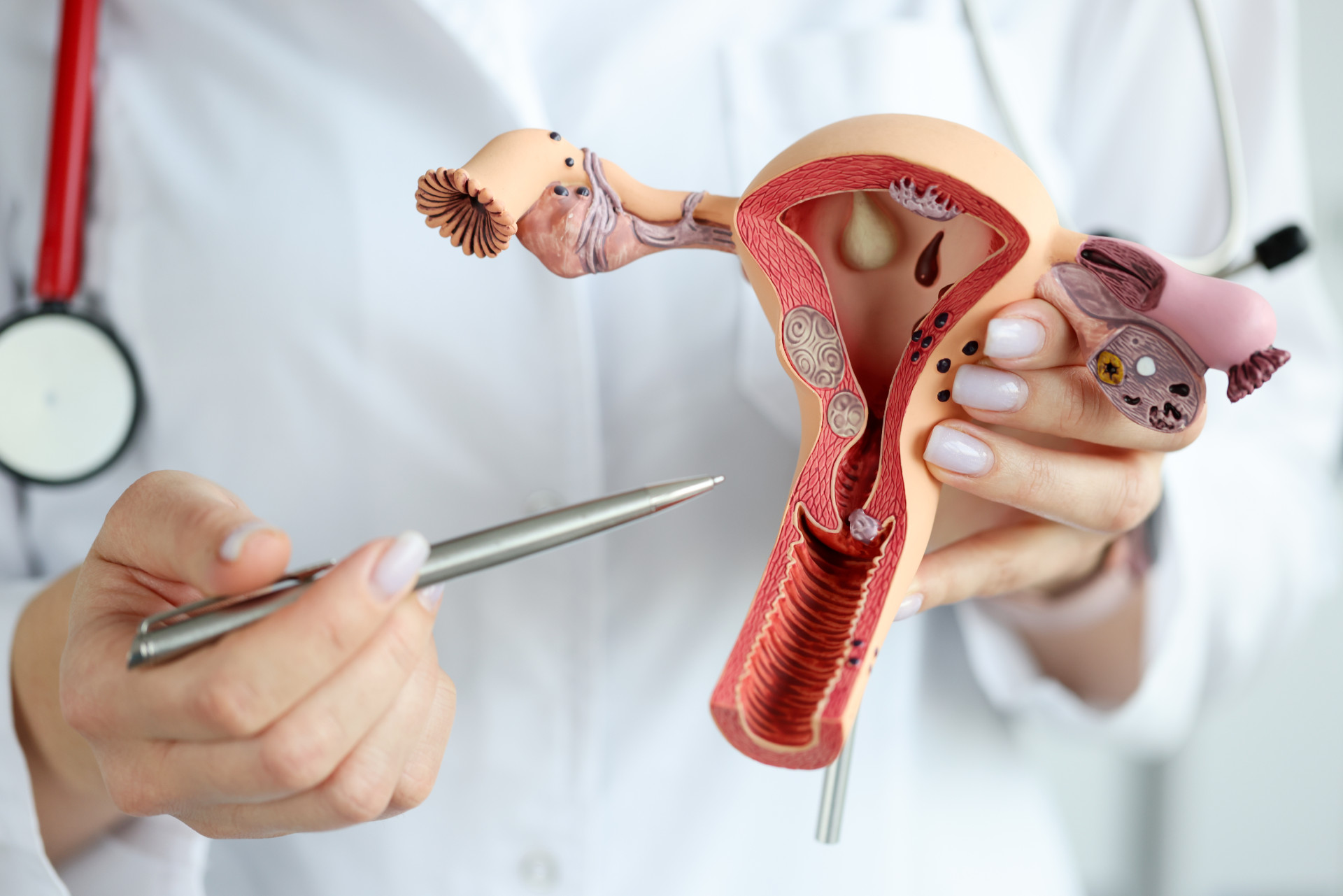
Endometriosis is classified into four stages by the revised American Society for Reproductive Medicine (rASRM) scoring system, based on the location, extent, and depth of endometrial implants, adhesions, and ovarian involvement:
- Stage I (Minimal): Small, isolated implants with no significant adhesions. Endometrial tissue appears as small spots on the peritoneum or pelvic organs.
- Stage II (Mild): More implants that are deeper than Stage I. Some may involve the ovaries, with light adhesions forming.
- Stage III (Moderate): Multiple deep implants, small endometriomas on one or both ovaries, and filmy or dense adhesions binding organs together.
- Stage IV (Severe): Widespread deep implants, large endometriomas, dense adhesions affecting the ovaries, fallopian tubes, bowel, and bladder. The pelvic anatomy is often significantly distorted.
It is important to understand that the stage does not always predict the severity of symptoms. A woman with Stage I endometriosis can experience debilitating pain, while another with Stage IV may be largely asymptomatic. The staging system is primarily used by surgeons to plan treatment and assess the impact on fertility.
Types of Endometriosis Treatment in Turkey
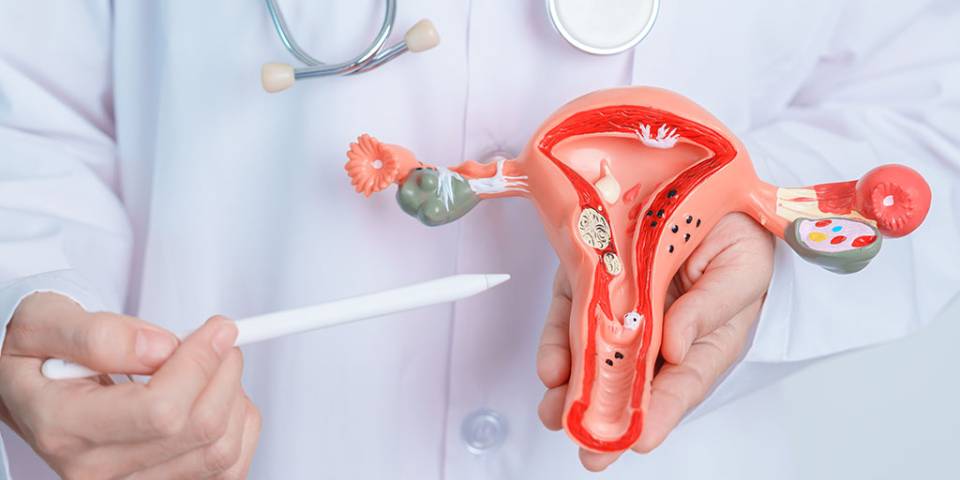
Turkey offers the full spectrum of endometriosis treatment options, from conservative medication to advanced surgical interventions. The choice of treatment depends on the severity of symptoms, the patient's age, reproductive goals, and how the condition has responded to previous therapies.
Pain Management and Medication
For women with mild symptoms, pain management may be sufficient. Nonsteroidal anti-inflammatory drugs (NSAIDs) such as ibuprofen and naproxen are the first line of defense for managing menstrual cramps and pelvic pain. These medications work by reducing prostaglandin production, which is elevated in women with endometriosis. While NSAIDs can relieve pain, they do not treat the underlying disease or slow its progression.
Hormonal Therapy
Hormonal treatments aim to reduce or eliminate menstruation, thereby slowing the growth of endometrial implants and relieving symptoms. Options commonly used in Turkey include:
- Combined oral contraceptives (birth control pills) taken continuously to suppress ovulation and reduce menstrual flow
- Progestin-only therapy delivered via pills, injections (Depo-Provera), implants (Nexplanon), or a levonorgestrel-releasing intrauterine device (Mirena IUD)
- GnRH agonists and antagonists (such as leuprolide or elagolix) that temporarily induce a menopause-like state by suppressing estrogen production
- Aromatase inhibitors (such as letrozole) that block estrogen synthesis at the tissue level, particularly useful in cases resistant to other hormonal therapies
Hormonal therapy is not a cure for endometriosis. Symptoms often return after treatment is stopped. However, it is an effective tool for long-term symptom management, especially for women who are not currently trying to conceive.
Laparoscopic Surgery
Laparoscopic surgery is the primary surgical approach for endometriosis surgery in Turkey. During the procedure, the surgeon makes 2 to 4 small incisions (each 5 to 10 mm) in the abdomen. A laparoscope, a thin tube with a camera, is inserted through one of these incisions to provide a magnified view of the pelvic organs on a monitor. Specialized instruments are then used to excise (cut out) or ablate (burn) the endometrial implants, remove adhesions, and drain or excise endometriomas.
Excision is generally preferred over ablation because it removes the entire implant, including tissue beneath the surface, reducing the risk of recurrence. Many hospitals in Turkey also offer robotic-assisted laparoscopy (using the da Vinci surgical system), which provides enhanced 3D visualization, greater instrument flexibility, and improved precision for complex cases involving deep infiltrating endometriosis on the bowel, bladder, or ureters.
Fertility-Sparing Treatment Options
For women who wish to preserve their ability to conceive, fertility-sparing surgery is a priority. Conservative laparoscopic surgery aims to remove endometrial tissue while keeping the uterus, ovaries, and fallopian tubes intact. Following surgery, natural conception rates improve significantly, particularly in women with Stage I or II disease. For those who need additional help, Turkey's fertility clinics offer IVF (in vitro fertilization), IUI (intrauterine insemination), and egg freezing (oocyte cryopreservation). If you are exploring fertility options alongside endometriosis care, our guide on affordable IVF in Turkey covers costs, success rates, and top clinics.
How Endometriosis Surgery Is Performed
Before surgery, the patient undergoes a full pre-operative evaluation including blood tests, imaging (ultrasound and/or MRI), and anesthesia assessment. The procedure is performed under general anesthesia.
The surgeon begins by inflating the abdomen with carbon dioxide gas to create space for visualization. Through a small incision near the navel, a laparoscope is inserted. Additional small incisions allow the surgeon to introduce instruments for cutting, grasping, and cauterizing tissue. The surgeon systematically inspects the peritoneum, ovaries, fallopian tubes, uterosacral ligaments, pouch of Douglas (cul-de-sac), bladder, and bowel surfaces for endometrial implants.
Endometrial lesions are excised or destroyed using electrocautery, laser, or ultrasonic energy. Endometriomas are drained and their cyst walls are stripped from the ovarian tissue. Adhesions binding organs together are carefully divided. In severe cases where the bowel wall is infiltrated, a colorectal surgeon may be involved to perform segmental bowel resection. Similarly, a urologist may participate if the bladder or ureters are affected.
The entire procedure typically takes between 1 and 3 hours, depending on the extent of disease. Patients usually stay in the hospital for 1 to 2 nights. In Turkey, this same-day or short-stay approach is standard at major hospitals, allowing international patients to plan their medical travel efficiently.
Endometriosis and Fertility: How the Condition Affects Your Ability to Conceive
Endometriosis is one of the leading causes of female infertility. It is estimated that 30% to 50% of women with endometriosis experience difficulty getting pregnant. The condition affects fertility through several mechanisms:
- Adhesions and scar tissue can distort pelvic anatomy, blocking the fallopian tubes or trapping the ovaries
- Endometriomas on the ovaries can damage healthy ovarian tissue and reduce egg reserve (ovarian reserve)
- Chronic inflammation in the pelvic cavity creates a hostile environment for sperm, eggs, and embryos
- Hormonal imbalances associated with endometriosis can disrupt ovulation and egg quality
- Implants on the uterine wall or in the endometrial cavity can interfere with embryo implantation
Surgical removal of endometriosis, particularly excision of endometriomas and adhesiolysis, has been shown to improve natural conception rates in many studies. Women with mild to moderate endometriosis often conceive naturally within 6 to 12 months after surgery. For women with more advanced disease or those over 35, assisted reproductive technologies like IVF are often recommended. Turkey has become a major destination for IVF treatment, with success rates comparable to leading European clinics. For a broader look at the best destinations for fertility care, explore our overview of the best and cheapest countries for IVF treatment abroad.
Recovery After Endometriosis Treatment
Recovery time after endometriosis surgery depends on the type and extent of the procedure. After standard laparoscopic surgery, most patients can walk within a few hours and are discharged from the hospital within 1 to 2 days. The small incisions typically heal within 1 to 2 weeks, and most women return to normal daily activities within 2 to 3 weeks. Full recovery, including the ability to exercise and resume sexual activity, usually takes 4 to 6 weeks.
Patients who undergo more extensive surgery, such as bowel resection or bladder surgery, may require a longer hospital stay (3 to 5 days) and a recovery period of 6 to 8 weeks. Post-operative care in Turkey typically includes pain management with prescribed medications, dietary guidance to prevent constipation, follow-up ultrasound appointments, and instructions for wound care.
For international patients, surgeons in Turkey generally recommend staying in the country for at least 7 to 10 days after laparoscopic surgery to attend the first follow-up visit and confirm that healing is progressing normally before flying home.
Risks and Recurrence of Endometriosis
Like any surgical procedure, laparoscopic surgery for endometriosis carries some risks, although they are relatively low in experienced hands. Potential risks include:
- Bleeding or hematoma at the incision sites
- Infection of the surgical wounds or pelvic cavity
- Injury to surrounding organs (bladder, bowel, ureter), particularly in advanced cases with dense adhesions
- Adverse reactions to general anesthesia
- Formation of new adhesions after surgery
One of the biggest concerns with endometriosis is recurrence. Studies indicate that endometriosis recurs in approximately 20% to 40% of women within 5 years after surgery. The recurrence rate is influenced by the completeness of excision, the severity of the original disease, and whether the patient uses hormonal suppression after surgery. Surgeons in Turkey often recommend post-operative hormonal therapy (such as continuous oral contraceptives or a Mirena IUD) to reduce the risk of recurrence and prolong symptom-free intervals.
Success Rates of Endometriosis Treatment
The success of endometriosis treatment is measured by two main outcomes: pain relief and fertility improvement.
For pain relief, laparoscopic excision surgery is highly effective. Studies report that 70% to 80% of patients experience significant improvement in pelvic pain after surgery. When combined with post-operative hormonal therapy, the rate of sustained pain relief increases further.
For fertility, surgical treatment improves the odds of natural conception. Research shows that pregnancy rates after laparoscopic treatment range from 40% to 65% in women with mild to moderate endometriosis, and from 25% to 40% in women with severe disease. When IVF is used after surgery, success rates in Turkey are comparable to those in Western Europe, averaging 40% to 55% per cycle for women under 35.
Endometriosis and Mental Health: The Emotional Toll of Living with Chronic Pain
Endometriosis is not just a physical condition. Living with chronic pelvic pain, struggling with infertility, and coping with the uncertainty of a disease that has no permanent cure takes a significant toll on mental health. Research consistently shows that women with endometriosis have higher rates of anxiety, depression, and reduced quality of life compared to the general population.
The years of delayed diagnosis, the frustration of being dismissed by healthcare providers, the impact on intimate relationships, and the financial burden of ongoing treatment all contribute to emotional distress. Many women report feelings of isolation, loss of control, and grief, especially when fertility is affected.
Effective treatment of endometriosis, whether through surgery, hormonal management, or a combination, can significantly improve mental well-being alongside physical symptoms. In Turkey, many hospitals include psychological support and counseling as part of their treatment programs for women with chronic gynecological conditions.
Diet and Lifestyle Strategies for Managing Endometriosis Symptoms
While diet alone cannot cure endometriosis, growing evidence suggests that certain dietary patterns may help reduce inflammation and manage symptoms. Women with endometriosis may benefit from:
- Anti-inflammatory foods: Increasing intake of omega-3 fatty acids (found in salmon, mackerel, flaxseed, and walnuts), fruits, vegetables, and whole grains may help lower systemic inflammation.
- Reducing red meat and processed foods: Studies have linked high consumption of red meat with increased endometriosis risk, possibly due to the inflammatory properties of saturated fats and added hormones in commercially raised meat.
- Limiting alcohol and caffeine: Both can influence estrogen levels and may worsen symptoms in some women.
- Regular exercise: Moderate physical activity (walking, swimming, yoga) has been shown to reduce estrogen levels, improve mood, and decrease pain perception.
- Stress management: Chronic stress elevates cortisol levels, which can worsen inflammation. Practices such as mindfulness, meditation, and cognitive behavioral therapy (CBT) may complement medical treatment.
These strategies are best used alongside medical or surgical treatment, not as replacements.
Endometriosis in Adolescents: When Should Young Women Seek Help?
Endometriosis can begin as early as the first menstrual period. Adolescents who experience severe period pain that does not respond to standard pain relievers, pelvic pain outside of menstruation, or gastrointestinal symptoms (nausea, bloating, diarrhea) during their periods should be evaluated by a gynecologist. Early diagnosis and treatment can prevent the disease from progressing and protect future fertility.
In Turkey, pediatric and adolescent gynecologists at major hospitals are experienced in recognizing endometriosis in younger patients. Treatment for adolescents typically begins with hormonal therapy, such as continuous oral contraceptives, with surgery reserved for cases that do not respond to medical management or when endometriomas are present.
Endometriosis After Menopause: Does It Go Away?
Because endometriosis is driven by estrogen, symptoms typically improve after menopause as the body's estrogen levels decline. However, endometriosis does not always disappear entirely. In some cases, residual implants can persist, and rarely, postmenopausal endometriosis can be stimulated by hormone replacement therapy (HRT) or by estrogen produced locally in fat tissue.
Women who have undergone surgical menopause (removal of both ovaries) as part of endometriosis treatment should discuss the risks and benefits of HRT with their gynecologist, as estrogen-containing HRT can reactivate endometriosis in some cases.
Why Choose Turkey for Endometriosis Treatment?
Turkey has established itself as one of the top destinations for medical tourism in gynecology and reproductive medicine. Here is why thousands of international patients choose Turkey for endometriosis treatment each year:
Experienced Gynecologists and Surgeons
Turkish gynecologists and gynecologic oncologists are trained at internationally recognized institutions and many hold memberships in organizations such as the European Society for Gynaecological Endoscopy (ESGE), the American Association of Gynecologic Laparoscopists (AAGL), and the European Board of Obstetrics and Gynaecology (EBCOG). Surgeons at leading hospitals in Istanbul, Ankara, and Izmir perform hundreds of laparoscopic and robotic surgeries for endometriosis each year. For patients whose endometriosis raises concerns about malignancy, Turkey also has strong capabilities in gynecologic oncology.
Advanced Laparoscopic Techniques
Major hospitals in Turkey are equipped with the latest laparoscopic and robotic surgical platforms, including the da Vinci Xi system, 4K HD laparoscopy, and advanced energy devices such as PlasmaJet and ultrasonic scalpels. These technologies allow for precise excision of endometrial implants with minimal damage to healthy tissue, reduced blood loss, and faster recovery.
Fertility-Focused Treatment Approaches
Turkey's reproductive medicine infrastructure is among the strongest in Europe. Many hospitals that treat endometriosis also house fertility clinics under the same roof, allowing for a coordinated approach between gynecologic surgery and reproductive endocrinology. This integration means that patients can undergo endometriosis surgery and begin fertility treatment within the same facility, streamlining care and reducing costs.
Affordable Treatment Options
The cost advantage is substantial. Patients from the US, UK, Germany, and the Middle East can save 50% to 80% on surgical costs by choosing Turkey without compromising on hospital quality or surgical outcomes. Many Turkish hospitals are accredited by the Joint Commission International (JCI), the same body that accredits top hospitals in the United States.
International Patient Services
Leading hospitals in Turkey have full-service international patient departments that handle appointment scheduling, medical record review, visa assistance, airport transfers, hotel arrangements, and interpreter services. English, Arabic, Russian, and German-speaking coordinators are available to guide patients through every step of the process.
Best Hospitals for Endometriosis Treatment in Turkey
Turkey is home to numerous hospitals with proven expertise in gynecologic surgery and reproductive medicine. Below are some of the most recognized facilities for endometriosis treatment in Turkey:
American Hospital Istanbul
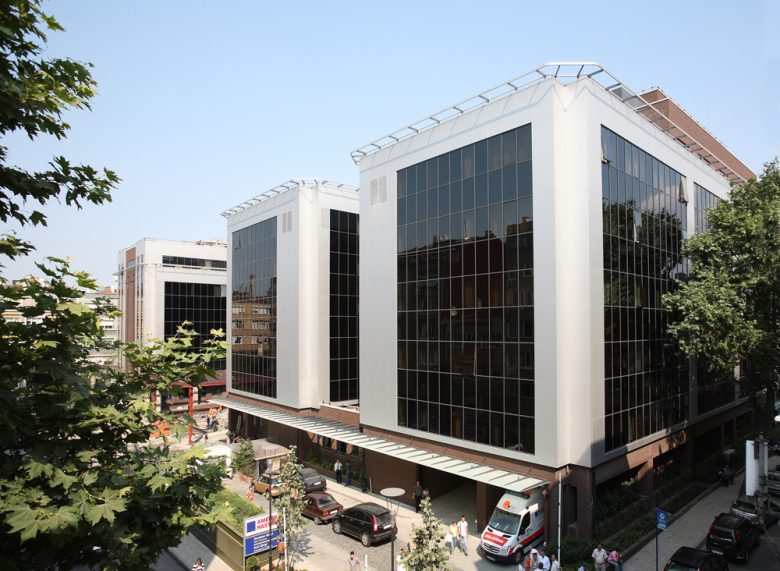
One of the oldest private hospitals in Turkey, American Hospital Istanbul offers a full gynecology and reproductive health department with experienced laparoscopic surgeons. The hospital is known for its strong international patient base and high standards of care.
Optimed Health Group
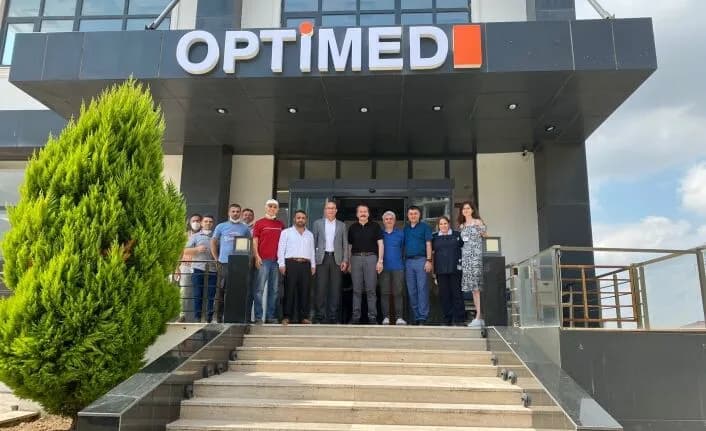
Optimed provides gynecological care with a focus on minimally invasive surgery. Their team includes specialists experienced in treating all stages of endometriosis, from superficial peritoneal disease to deep infiltrating lesions.
Hisar Hospital Intercontinental
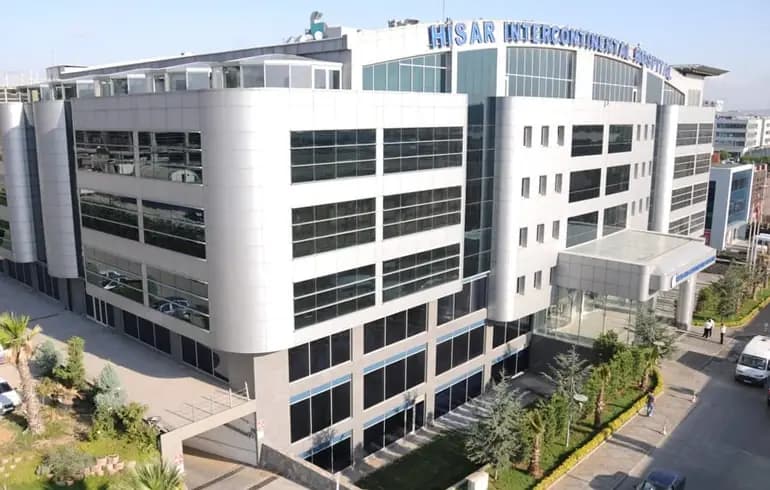
A JCI-accredited hospital in Istanbul, Hisar Hospital Intercontinental has a well-established gynecology department that handles complex endometriosis cases, including those requiring multidisciplinary input from colorectal and urological surgeons.
Medipol Mega University Hospital
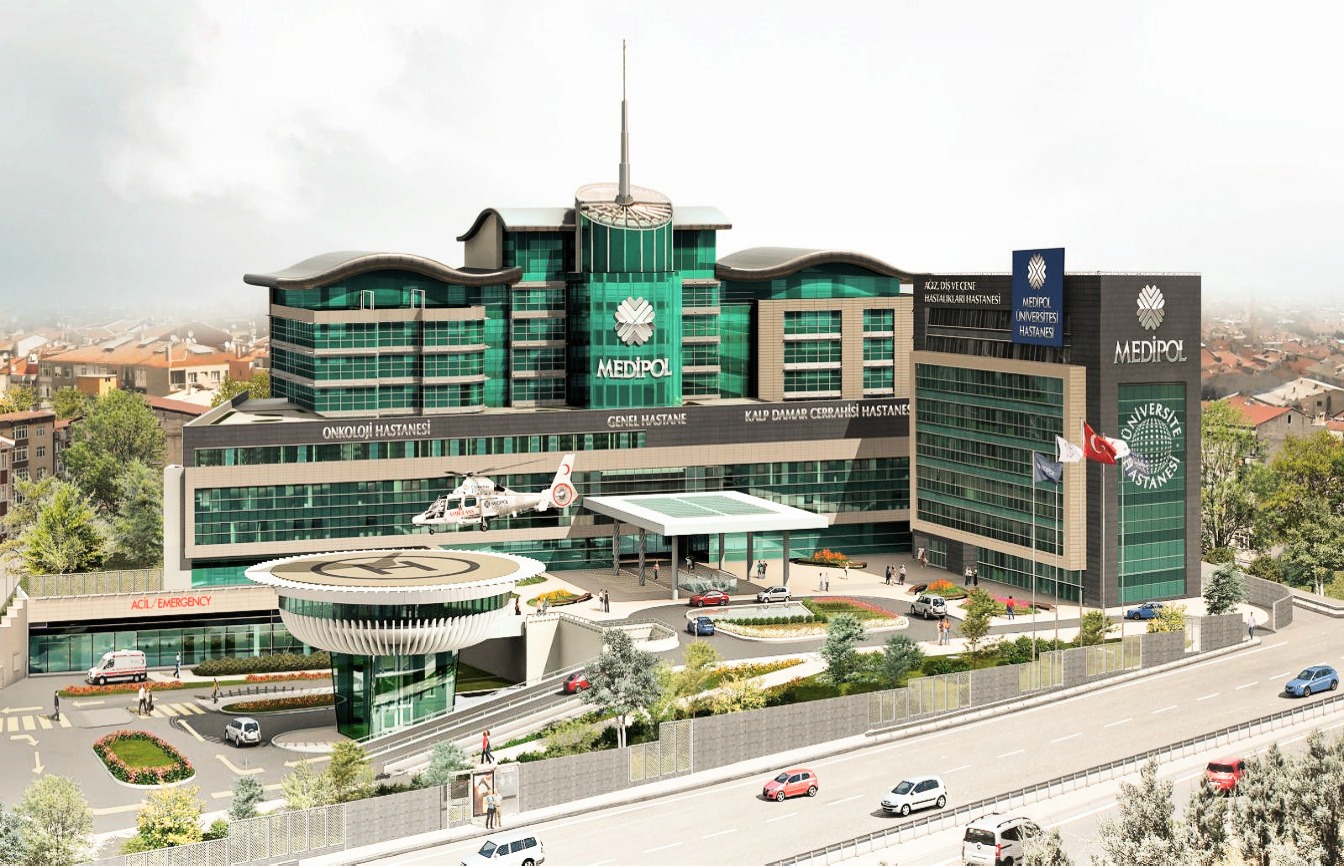
As one of the largest university hospitals in Turkey, Medipol Mega offers academic-level care combined with clinical expertise. The hospital's gynecology department performs a high volume of laparoscopic and robotic surgeries annually.
Lokman Hekim Health Group
![Hip Replacement Surgery in Turkey: Cost, Best Hospitals & Recovery [2026] related image](https://amedical.az/storage/blog/content/2026/04/db8c8c99-c5e1-4e77-b12c-4b2a80e3ed8b.png)
With facilities in Istanbul and Ankara, Lokman Hekim is recognized for its orthopedic and surgical specialties. The hospital's gynecology department handles endometriosis surgery with a focus on fertility preservation.
Acibadem Healthcare Group

Acibadem is the largest private healthcare network in Turkey with JCI-accredited hospitals across Istanbul and other major cities. Their gynecology and IVF departments work closely together, making Acibadem a strong option for patients dealing with both endometriosis and infertility.
Liv Hospital

A JCI-accredited hospital known for its modern infrastructure and patient-centered approach. Liv Hospital's gynecology department offers laparoscopic and robotic surgery for endometriosis and has a separate international patient coordination team.
Medicana Healthcare Group

With multiple hospitals across Turkey, Medicana provides affordable gynecological surgery with experienced surgeons. The group is known for offering competitive pricing for international patients.
Bolge Hospital Turkey
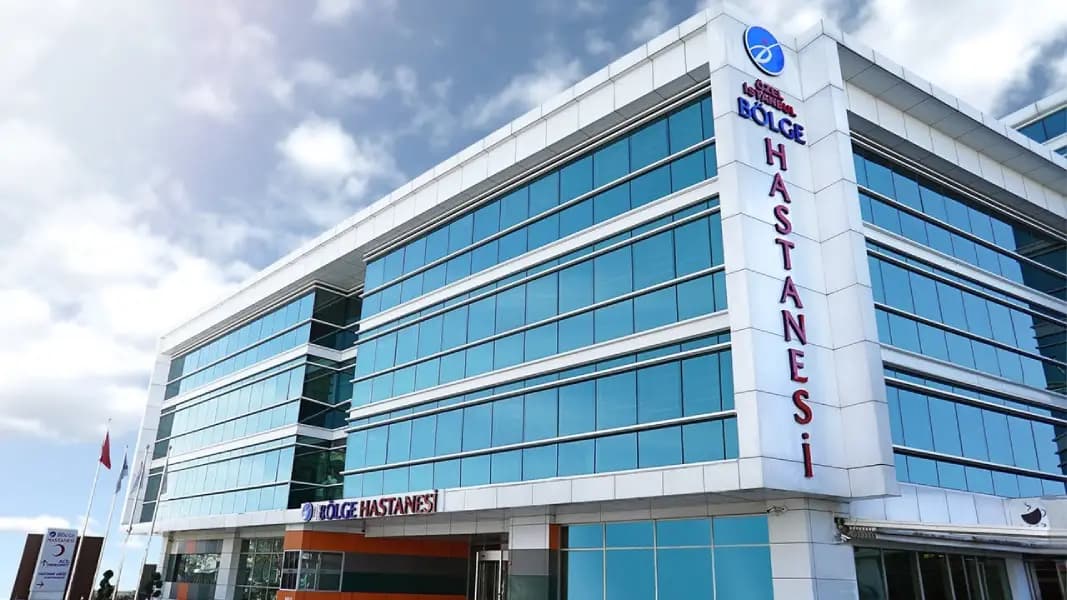
A growing name in Turkey's medical tourism sector, Bolge Hospital offers gynecological services including endometriosis diagnosis and surgical treatment, with a focus on accessibility and patient support for foreign visitors.
How A-Medical Can Help You Get Endometriosis Treatment in Turkey
Organizing medical treatment abroad can feel overwhelming, especially when you are already dealing with pain and uncertainty. That is where A-Medical steps in. As a medical tourism facilitator, we connect international patients with Turkey's top gynecologists and hospitals for endometriosis treatment. Here is what we offer:
- No waiting lists: We schedule your consultation and surgery within days, not months. You will not sit on a queue while your symptoms get worse.
- Fast appointment booking: Send us your medical records and we will have a treatment plan and cost estimate ready within 24 to 48 hours.
- Top doctor and clinic matching: We pair you with experienced gynecologists and JCI-accredited hospitals based on your specific condition and needs.
- Affordable pricing: We negotiate directly with hospitals to secure the most competitive rates, so you get the best care without overpaying.
- Accommodation arrangements: We help you find comfortable, conveniently located hotels near your hospital.
- Professional interpreter services: Language should never be a barrier to good healthcare. We provide interpreters for your consultations and hospital stay.
- Airport and hospital transfers: From the moment you land in Turkey, we handle your ground transportation so you can focus on your health.
- Post-treatment follow-up: Our support does not end when you leave Turkey. We coordinate follow-up consultations and help you stay in touch with your surgeon.
Whether you need a diagnostic evaluation, laparoscopic surgery, or a combined endometriosis and fertility treatment plan, A-Medical makes the process simple, transparent, and stress-free. Contact us today to get started.
Conclusion
Endometriosis treatment in Turkey offers a practical, affordable, and clinically effective solution for women dealing with this challenging condition. With experienced gynecologic surgeons, advanced laparoscopic and robotic technology, no waiting lists, and treatment costs that are a fraction of what patients would pay in the US, UK, or Germany, Turkey has earned its reputation as a leading destination for gynecological care.
Whether you are seeking pain relief, fertility preservation, or a definitive surgical approach to advanced endometriosis, the combination of medical expertise and patient-focused services available in Turkey makes it a strong choice. And with A-Medical managing your logistics, from booking your surgeon to arranging your hotel and transfers, you can focus on what matters most: your health and recovery.
Frequently Asked Questions About Endometriosis Treatment in Turkey
Is endometriosis surgery in Turkey safe for international patients?
Yes. Major hospitals in Turkey are accredited by the Joint Commission International (JCI) and follow the same safety protocols as leading hospitals in the US and Europe. Surgeons performing endometriosis surgery are board-certified and often trained internationally.
How long do I need to stay in Turkey after endometriosis surgery?
Most patients should plan to stay in Turkey for 7 to 10 days after laparoscopic surgery. This allows time for the first post-operative check-up and confirms that recovery is progressing well before you fly home.
Can endometriosis be cured permanently?
There is currently no permanent cure for endometriosis. Surgery can remove existing implants and provide significant relief, but the condition can recur in 20% to 40% of cases within five years. Post-operative hormonal therapy reduces the likelihood of recurrence.
Will I be able to get pregnant after endometriosis treatment in Turkey?
Many women conceive naturally after endometriosis surgery. Pregnancy rates after laparoscopic treatment range from 40% to 65% for mild to moderate disease. For women who need additional support, Turkey's IVF clinics offer high success rates, particularly for patients under 35.
Does endometriosis treatment in Turkey include follow-up care?
Yes. Turkish hospitals provide post-operative follow-up appointments before the patient leaves the country. After returning home, patients can continue to communicate with their surgeon's team through telemedicine consultations. A-Medical also coordinates remote follow-ups to monitor recovery.
What is the best age to get endometriosis treated?
There is no single best age. Treatment should begin as soon as symptoms significantly affect quality of life or fertility. Early intervention, particularly for adolescents with severe dysmenorrhea, can prevent disease progression and protect ovarian reserve.