Contents
Stroke Treatment in Turkey: Costs, Top Hospitals, and Complete Guide for International Patients
Every year, stroke affects millions of people worldwide and remains one of the leading causes of death and long-term disability. For patients who need expert neurological care at an affordable price, stroke treatment in Turkey has become one of the most practical and accessible options. Turkey combines JCI-accredited hospitals, internationally trained neurologists and neurosurgeons, advanced diagnostic imaging, and rehabilitation programmes that match or exceed the standards found in Western Europe and North America. Whether you need emergency intervention for an ischemic stroke, surgical treatment for a haemorrhagic stroke, or a structured post-stroke rehabilitation programme, Turkish medical centres offer the full continuum of care at a fraction of what patients pay in the US or the UK.
This guide covers everything you need to know about receiving stroke care in Turkey: what a stroke is, why it happens, how it is treated, what it costs, which hospitals lead the field, and how A-Medical can organise your entire treatment journey from start to finish.
What Is a Stroke and Why Does It Happen?
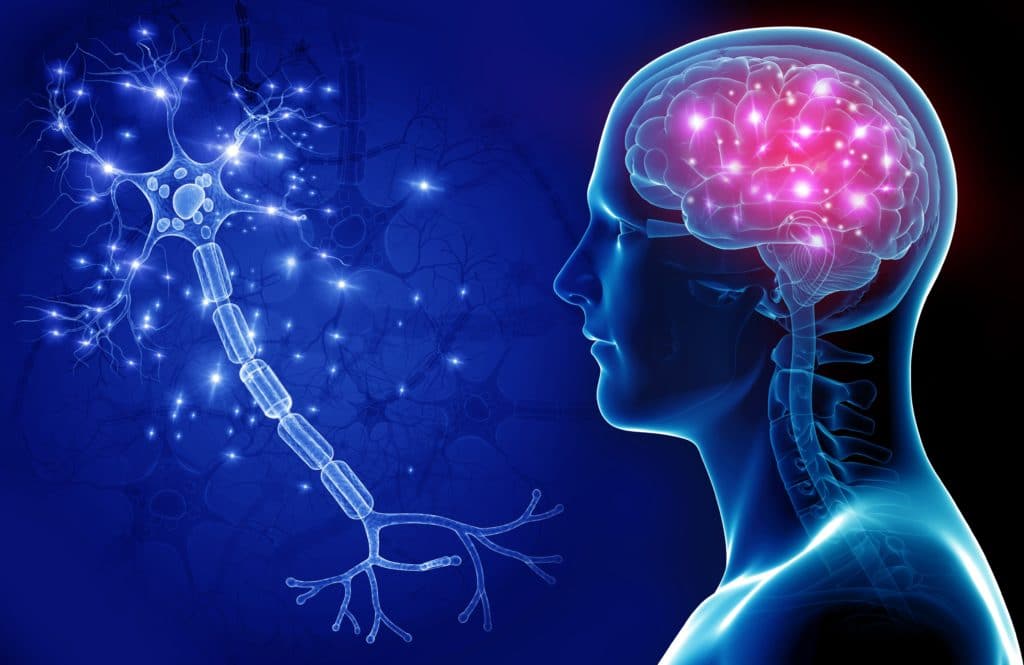
A stroke occurs when the blood supply to part of the brain is interrupted or reduced, depriving brain tissue of oxygen and nutrients. Within minutes, brain cells begin to die. There are two primary types of stroke. An ischaemic stroke is the most common form and accounts for approximately 85% of all cases. It happens when a blood clot blocks or narrows an artery leading to the brain. A haemorrhagic stroke occurs when a blood vessel in the brain bursts and leaks blood into or around the brain. A third category, called a transient ischaemic attack (TIA), is a temporary blockage sometimes called a mini-stroke that resolves on its own but serves as a serious warning sign of a future full stroke.
Common Causes and Risk Factors
Understanding the causes helps patients and their families make informed decisions about prevention and treatment:
- High blood pressure (hypertension): The single most significant risk factor. Chronic high blood pressure weakens and damages blood vessels in the brain over time.
- Atrial fibrillation (irregular heartbeat): Causes blood to pool in the heart, forming clots that can travel to the brain.
- Diabetes: Damages blood vessels and increases the risk of clot formation.
- High cholesterol: Leads to plaque buildup (atherosclerosis) in the arteries supplying the brain.
- Smoking: Doubles the risk of stroke by damaging blood vessel walls and raising blood pressure.
- Obesity and sedentary lifestyle: Increases the likelihood of hypertension, diabetes, and high cholesterol.
- Family history and genetics: A family history of stroke or cardiovascular disease increases individual risk.
- Previous stroke or TIA: Having experienced a stroke or TIA significantly raises the risk of a recurrence.
How Is Stroke Diagnosed?
Accurate and rapid diagnosis is the foundation of effective stroke treatment. When a patient arrives at a hospital with stroke symptoms, the medical team follows a strict time-sensitive protocol. Initial assessment includes neurological examination, blood tests, and advanced imaging. The key diagnostic tools used in top hospitals for stroke treatment in Turkey include CT (computed tomography) scans, CT angiography, MRI (magnetic resonance imaging), MR angiography, carotid ultrasound (Doppler), echocardiography, and cerebral angiography. These tools allow neurologists to determine the type of stroke, identify the exact location of the blockage or bleed, and select the most appropriate treatment pathway.
Stroke Treatment Methods
The treatment approach depends on the type of stroke, its severity, and how quickly the patient reaches the hospital. For ischaemic stroke, every minute counts, and the goal is to restore blood flow to the brain as fast as possible.
Emergency Treatment for Ischaemic Stroke
- Intravenous thrombolysis (tPA): A clot-dissolving medication administered through an IV line. It is most effective when given within 4.5 hours of symptom onset and can significantly reduce disability.
- Mechanical thrombectomy: A minimally invasive endovascular procedure in which a catheter is guided through an artery to the site of the clot in the brain. A stent retriever or suction device is used to physically remove the clot. This procedure is the gold standard for large vessel occlusions and can be performed up to 24 hours after symptom onset in selected patients.
- Antiplatelet therapy: Medications such as aspirin and clopidogrel are used after the acute phase to prevent new clots from forming.
- Anticoagulant therapy: For patients with atrial fibrillation or other clotting disorders, blood thinners are prescribed to prevent future strokes.
Treatment for Haemorrhagic Stroke
- Surgical clipping or coiling: If the bleed is caused by a ruptured aneurysm, neurosurgeons can clip the base of the aneurysm or use endovascular coiling to seal it off.
- Surgical evacuation: In cases where a large blood clot forms inside the brain, surgery may be necessary to remove the clot and relieve pressure.
- Blood pressure management: Controlling blood pressure is critical during and after a haemorrhagic stroke to prevent further bleeding.
- Reversal of blood thinners: If the patient was on anticoagulant medication, the medical team may administer reversal agents to stop the bleeding.
Post-Stroke Rehabilitation
Rehabilitation is one of the most important stages of recovery and should begin as early as possible, ideally within 24 to 48 hours after the stroke. A comprehensive rehabilitation programme in Turkey typically includes physical therapy to restore mobility and strength, occupational therapy to relearn daily living skills, speech and language therapy for patients with aphasia or dysarthria, cognitive rehabilitation for memory and attention problems, and psychological support to address post-stroke depression and anxiety. Turkish rehabilitation centres use advanced technologies such as robotic-assisted gait training (Lokomat, ArmeoPower), neuromuscular electrical stimulation, virtual reality systems for cognitive and motor recovery, and transcranial magnetic stimulation (TMS).
Who Is the Best Candidate for Stroke Treatment Abroad?
Travelling abroad for stroke treatment can be an excellent option for many patients. The most suitable candidates include:
- Patients who have experienced a stroke and need rehabilitation that is not readily available or affordable in their home country
- Patients on long waiting lists for neurological assessment, thrombectomy, or carotid surgery
- Those who have had a TIA and need urgent diagnostic workup and preventive treatment
- Patients with chronic post-stroke conditions such as spasticity, speech impairment, or mobility limitations who would benefit from intensive rehabilitation
- Individuals looking for a second opinion from internationally trained neurologists or neurosurgeons
- Patients with risk factors like atrial fibrillation or carotid stenosis who need preventive intervention before a first stroke occurs
Advantages and Potential Risks of Stroke Treatment in Turkey
Advantages
- Significant cost savings of 50% to 80% compared to the US and UK without compromising on clinical quality
- Access to JCI-accredited hospitals with advanced neuroimaging, catheterisation labs, and dedicated stroke units
- Internationally trained neurologists, neurosurgeons, and rehabilitation specialists with high case volumes
- No waiting lists for consultations, diagnostic procedures, or surgical interventions
- All-inclusive medical tourism packages covering accommodation, transfers, interpreters, and follow-up care
- Advanced rehabilitation technologies including robotic therapy, virtual reality, and neuromodulation
Potential Risks to Consider
- Long-distance travel shortly after a stroke may carry risks and should be discussed with the treating physician
- Language barriers can exist, though reputable facilitators like A-Medical eliminate this issue with dedicated interpreters
- Continuity of care after returning home requires coordination between the Turkish medical team and the patient's local neurologist
- Not all patients are medically stable enough to travel, particularly in the acute phase of stroke
Cost of Stroke Treatment in Turkey
One of the primary reasons international patients choose Turkey for neurological care is the dramatic cost of stroke treatment in Turkey advantage. Turkish hospitals offer the same diagnostic equipment, surgical techniques, and rehabilitation technologies found in leading Western centres, but at substantially lower prices. The savings reflect lower operating costs, favourable exchange rates, and competitive pricing among Turkey's large private hospital sector.
Average Stroke Treatment Costs in Turkey
|
Procedure / Service |
Estimated Cost (USD) |
|
Neurologist consultation |
$200 - $650 |
|
CT scan / MRI |
$300 - $1,100 |
|
Intravenous thrombolysis (tPA) |
$1,500 - $4,000 |
|
Mechanical thrombectomy |
$21,600 - $37,800 |
|
Carotid endarterectomy |
$8,000 - $15,000 Patients with neurological conditions may also benefit from MS treatment abroad for advanced treatment options. |
|
Stroke rehabilitation (per month, inpatient) |
$19,000 - $46,500 |
|
Outpatient rehabilitation session |
$200 - $470 |
|
Stem cell therapy for stroke |
$10,000 - $25,000 |
These figures represent typical ranges from verified clinics and hospital groups across Istanbul and other major Turkish cities. The stroke treatment in Turkey cost depends on the specific procedure, hospital, length of stay, and complexity of the patient's condition.
How Much Does Stroke Treatment Cost in the United States?
The United States has some of the highest healthcare costs in the world, and stroke treatment is no exception. According to published research, the average annual per-patient cost of stroke care in the US is approximately $59,900. Emergency hospitalisation for stroke can range from $20,000 to over $150,000 depending on severity, the type of intervention, ICU time, and length of stay. Mechanical thrombectomy alone can cost between $60,000 and $100,000 when hospital fees, surgeon fees, anaesthesia, and post-procedure care are included. Long-term rehabilitation adds tens of thousands of dollars more per year. These figures make the US one of the most expensive countries in the world for stroke care.
How Much Does Stroke Treatment Cost in the United Kingdom?
While the NHS provides stroke care at no direct cost to UK residents, the reality for many patients includes long waiting lists for specialist consultations, rehabilitation, and elective preventive procedures like carotid surgery. For patients seeking private stroke treatment in the UK, costs are substantial. A private neurologist consultation typically costs between GBP 200 and GBP 400. Private MRI scans range from GBP 500 to GBP 1,500. Private rehabilitation programmes can exceed GBP 1,000 per week. The overall societal cost of stroke in the UK has been estimated at GBP 26 billion per year, reflecting the enormous burden on the healthcare system. Private inpatient rehabilitation can cost GBP 5,000 to GBP 15,000 per month.
Why Is Turkey More Affordable for Stroke Treatment?
The lower cost of stroke treatment in Turkey does not reflect lower quality. The price difference is driven by fundamentally lower operating costs in Turkey, including rent, staffing, utilities, and equipment procurement. A highly competitive private hospital sector with multiple major groups (Memorial, Acibadem, Medipol, Liv Hospital, Florence Nightingale) keeps pricing patient-friendly. Favourable exchange rates for patients paying in USD, EUR, or GBP further amplify the savings. High procedural volumes allow hospitals to maintain excellent clinical standards while spreading fixed costs across a larger patient base. Turkey's government also actively supports medical tourism infrastructure through regulatory incentives and certification programmes.
Top Hospitals for Stroke Treatment in Turkey
Turkey is home to some of the most advanced neurological centres in the region. If you are researching top hospitals for stroke treatment in Turkey, the following institutions consistently rank among the best based on accreditation, clinical outcomes, technology, and international patient experience.
1. Memorial Healthcare Group
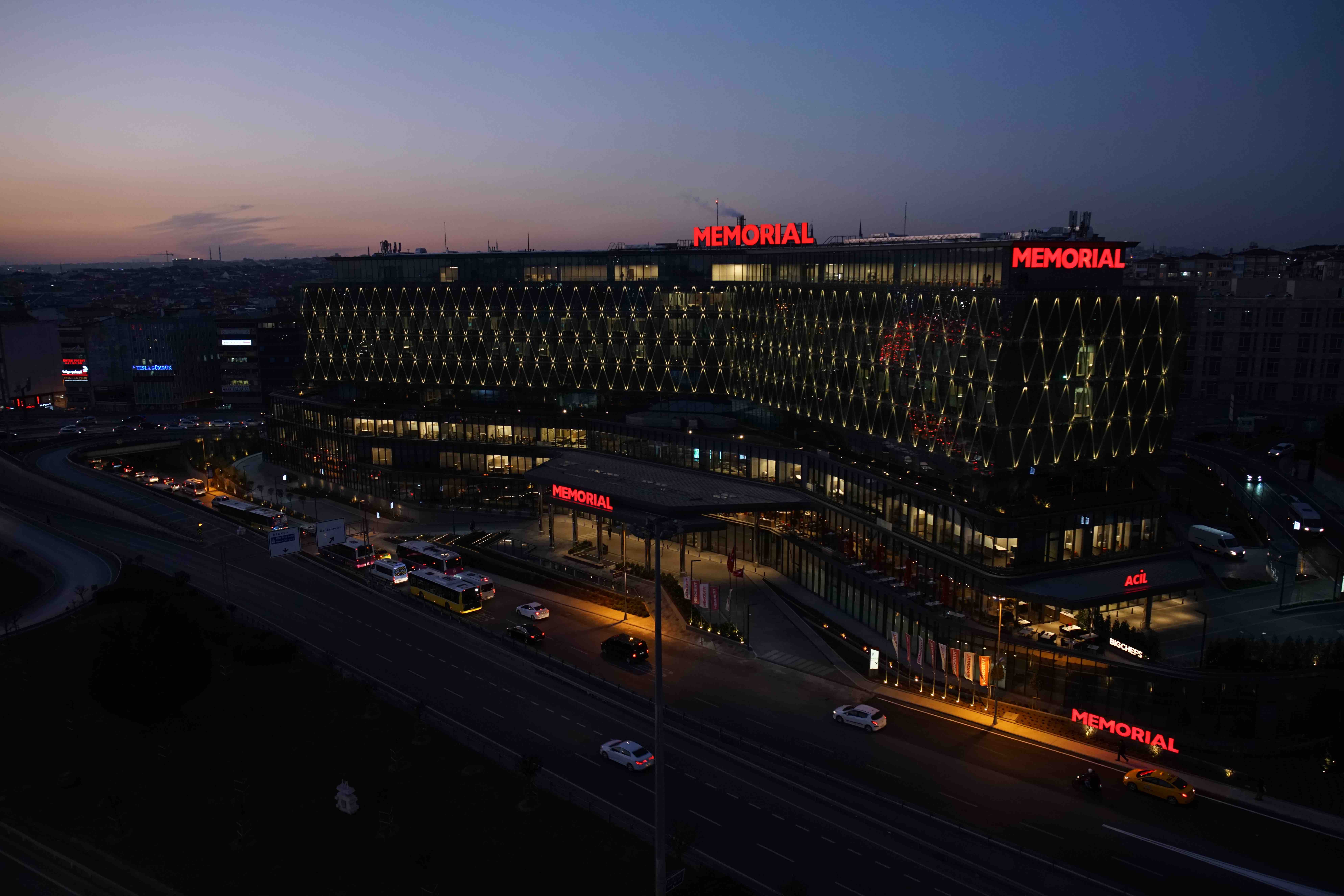
Memorial Sisli Hospital was the first hospital in Turkey to receive JCI accreditation and is a recognised reference centre for stroke care. The hospital operates a dedicated stroke unit and offers the full spectrum of neurological services, from emergency thrombolysis and mechanical thrombectomy to advanced neurorehabilitation with robotic devices. Memorial's neurology department uses TMS (transcranial magnetic stimulation), advanced neuroimaging, and a multidisciplinary rehabilitation team of over 50 specialists. Intensive inpatient stroke rehabilitation programmes are available, with 30-day packages that include daily physiotherapy, speech therapy, diagnostics, and full hospitalisation.
2. Acibadem Healthcare Group

Acibadem operates 22 hospitals across Turkey, many of which hold JCI accreditation. The group is known for its cutting-edge technology, including 3 Tesla intraoperative MRI, PET-CT, Gamma Knife, and a dedicated Stroke Clinic at its Kozyatagi campus. Acibadem's multidisciplinary stroke team includes neurologists, neurosurgeons, interventional neuroradiologists, and rehabilitation specialists. The group's Motion Analysis Centre, the first of its kind in Turkey, provides specialised treatment for spasticity and movement disorders resulting from stroke. With more than 5 million patients treated annually across its network, Acibadem brings exceptional clinical volume and experience.
3. Medipol Mega University Hospital
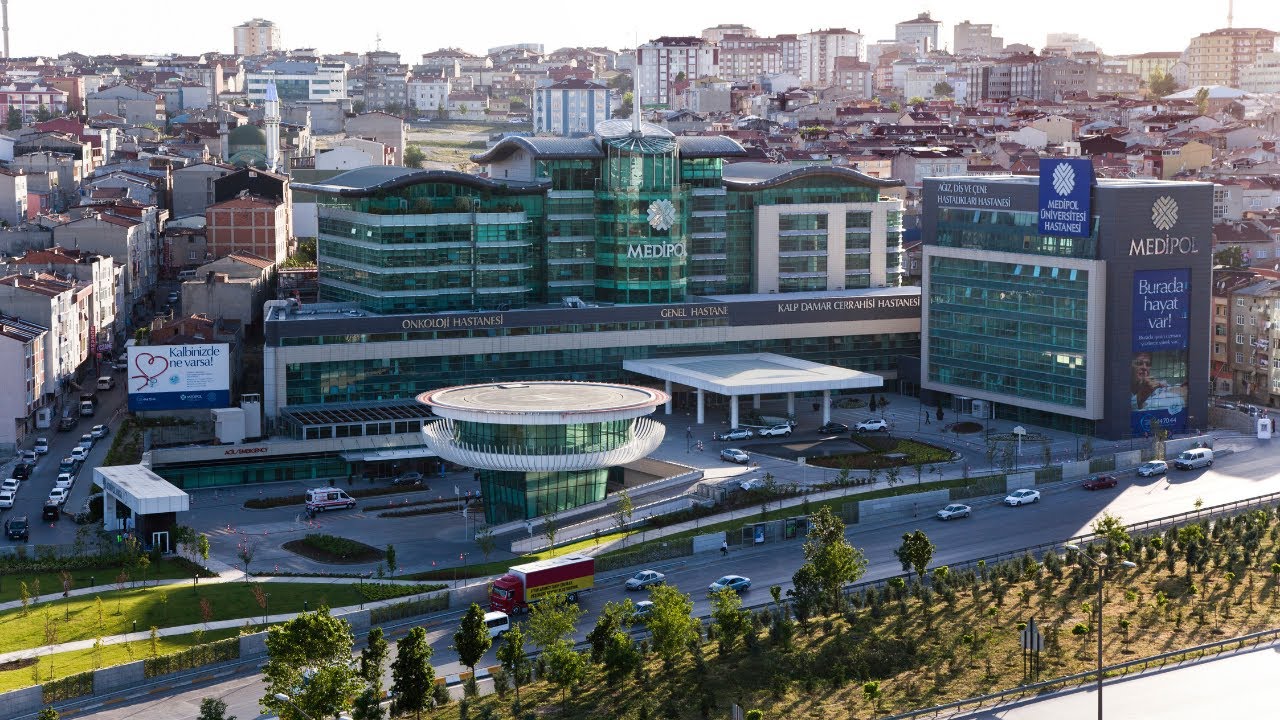
Medipol is one of the largest private university hospitals in Europe, with over 1,500 beds and the distinction of being Turkey's first JCI Academically Accredited facility. The hospital's neurology and rehabilitation departments are led by experienced specialists who deliver intensive stroke rehabilitation programmes. Robotic-assisted gait training, ArmeoPower arm therapy, Biodex balance systems, and daily neurological rehabilitation sessions are standard components of their stroke recovery programmes. Medipol's academic affiliation ensures that patients benefit from the latest research and treatment protocols.
4. Florence Nightingale Hospital

Located in Istanbul, Florence Nightingale Hospital has a dedicated stroke unit equipped with advanced technology, including robotic-assisted surgery capabilities. The hospital's experienced team of neurologists, neurosurgeons, and interventional radiologists collaborate to deliver thrombectomy, endovascular procedures, and comprehensive post-stroke rehabilitation. Florence Nightingale is particularly noted for its high-volume experience in complex neurovascular interventions.
Patients with neurological conditions may also benefit from best eye hospitals in the world for advanced treatment options.
5. Liv Hospital

Liv Hospital, affiliated with the Liv Hospital Group, is a modern facility in Istanbul offering advanced neurological care. The hospital provides emergency stroke intervention, diagnostic imaging, and structured rehabilitation programmes. Liv is known for its international patient-friendly approach, modern infrastructure, and integration of the latest medical technologies in its neurology department.
Why Choose Turkey for Stroke Treatment?
Stroke treatment in Turkey has become a preferred option for international patients for several interconnected reasons. Turkey currently hosts over 40 JCI-accredited hospitals, making it the second-largest cluster of JCI-certified healthcare facilities globally. The country welcomed more than 2 million international medical visitors in 2024, generating approximately $4 billion in health tourism revenue. Turkish neurologists and neurosurgeons are university-trained, many with postgraduate specialisations completed in Europe or the United States. Hospitals operate 24/7 emergency stroke response teams, with dedicated angiography suites for mechanical thrombectomy available around the clock.
Beyond clinical capability, Turkey's geographic position makes it highly accessible. Istanbul is within a four-hour flight of London, Frankfurt, Dubai, and Riyadh. The country's well-developed medical tourism infrastructure means that international patients receive structured support from the moment they arrive, including airport transfers, hotel accommodation, interpreter services, and coordinated follow-up care. For patients coming from countries with long waiting lists, Turkey's immediate access to specialist consultations and procedures can be life-changing. If you are exploring broader medical travel options, our detailed guide on medical tourism in Turkey covers costs, hospitals, and planning steps across all specialties.
How A-Medical Supports Your Stroke Treatment Journey
A-Medical is a medical tourism company that connects international patients with the best hospitals and specialists in Turkey. We are not a clinic. We are your partner throughout the entire process, ensuring that every detail is handled so you can focus entirely on your health and recovery.
When you choose A-Medical for your stroke treatment in Turkey, you benefit from:
- No waiting lists: Your consultation and treatment are scheduled promptly, often within days of your initial enquiry. For a condition as time-sensitive as stroke, this speed matters.
- Best hospital and doctor matching: We match you with the most appropriate neurologist, neurosurgeon, or rehabilitation specialist based on your specific condition and medical history.
- All-inclusive packages: Every package includes airport transfers, comfortable hotel accommodation near your clinic, daily clinic transfers, and a dedicated interpreter for all appointments.
- Full coordination: From your first enquiry to your return home, a single A-Medical coordinator manages your travel, accommodation, clinic appointments, and follow-up care.
- Post-treatment support: After you return home, your coordinator remains in contact to monitor your recovery and can coordinate with your local neurologist for ongoing care.
If you are considering stroke treatment in Turkey and want to understand what the process looks like from enquiry to return, our step-by-step guide on how medical travel to Turkey works explains each stage in detail.
Ready to take the next step? Contact A-Medical today for a free, personalised consultation and transparent cost estimate for your stroke treatment in Turkey. Our team responds immediately, with no delays and no hidden costs.
Frequently Asked Questions
Is Turkey a good destination for stroke treatment?
Yes. Turkey is home to over 40 JCI-accredited hospitals with dedicated stroke units, advanced neuroimaging, 24/7 thrombectomy capability, and internationally trained neurologists. The country treated over 2 million international patients in 2024, and its neurological centres offer the same diagnostic and treatment standards found in leading US and European hospitals.
Patients with neurological conditions may also benefit from stroke rehabilitation in Switzerland for advanced treatment options.
How much does stroke rehabilitation cost in Turkey compared to the US?
Stroke rehabilitation in Turkey typically costs between $19,000 and $46,500 for a one-month inpatient programme, depending on the hospital and intensity of therapy. In the United States, equivalent programmes can cost $50,000 to over $100,000 per month. Outpatient rehabilitation sessions in Turkey start from $200 to $470 per session, significantly lower than US rates.
What types of stroke treatment are available in Turkey?
Turkish hospitals provide the full range of stroke treatments, including intravenous thrombolysis (tPA), mechanical thrombectomy, carotid endarterectomy, aneurysm clipping and coiling, anticoagulant and antiplatelet therapy, stem cell therapy, and comprehensive inpatient and outpatient rehabilitation with robotic-assisted devices, TMS, and virtual reality systems.
How quickly can I start treatment in Turkey through A-Medical?
A-Medical responds to enquiries immediately and can schedule specialist consultations within days. For patients requiring urgent diagnostic workup or preventive procedures like carotid surgery, treatment can typically begin within one week of your initial contact.
Is it safe to travel abroad for stroke treatment?
Travelling for stroke treatment is safe when the patient is medically stable and the treatment journey is properly coordinated. A-Medical only partners with JCI-accredited hospitals and ensures that every detail, from transfers to interpreter services, is managed professionally. For patients concerned about safety standards in Turkey, our in-depth article on whether Turkey is safe for medical treatment provides a thorough and objective assessment.
What should I bring with me when travelling to Turkey for stroke treatment?
Patients should bring all existing medical records, brain imaging (CT/MRI on CD or digital), blood test results, a list of current medications, and any referral letters from their local neurologist. A-Medical's team will review your documents in advance and coordinate with the Turkish medical team to ensure a seamless transition.