Contents
Related Topics
IVF Treatment in Turkey
For couples who have spent months or years trying to conceive without success, IVF treatment in Turkey has become one of the most practical paths forward in 2026. A standard IVF cycle in Turkey costs between €2,500 and €4,500 (roughly $2,700 to $4,900), while the same procedure averages $15,000 to $25,000 in the United States and £5,000 to £8,000 in the United Kingdom. On top of the price gap, patients in the UK often wait three to five months on the NHS, and US clinics frequently push couples toward expensive multi-cycle bundles with little flexibility, which is why so many international patients now look at Turkey as a faster, calmer, and far more affordable option.
Turkey performs around 42,000 IVF cycles per year across more than 140 licensed fertility centers, most of them concentrated in Istanbul, Ankara, and Antalya. Clinics here are inspected every six months by the Turkish Ministry of Health, embryology labs use the same equipment and consumables found in Western Europe, and 112 hospitals nationwide hold JCI accreditation. The country has been doing IVF since 1989, and that depth of experience shows up in the success rates we'll cover further down.
Cost of IVF Treatment in Turkey (2026)

The price of IVF in Turkey typically falls between €2,500 and €5,000 for a complete cycle, depending on the clinic, the protocol, and what's included in the package. Most reputable clinics quote a base price covering ovarian stimulation monitoring, egg retrieval under sedation, ICSI fertilization, embryo culture, and a single embryo transfer. Stimulation medications usually sit outside the base price and add another €1,000 to €1,500.
Here is what's commonly bundled into mid-range and premium packages offered to international patients:
- Pre-treatment bloodwork and hormone panels including AMH, FSH, estradiol, and serology screening
- Transvaginal ultrasound monitoring during the stimulation phase
- Egg retrieval (oocyte pickup) performed under light sedation
- ICSI (Intracytoplasmic Sperm Injection) for fertilization
- EmbryoScope time-lapse incubation and laser-assisted hatching where indicated
- Fresh or frozen embryo transfer with a thin catheter
- Translator support and airport transfers for international patients
Add-ons that are billed separately at most clinics include PGT-A genetic screening (€300 to €400 per embryo), PGT-M for single-gene disorders (€2,900 to €4,000), embryo vitrification and one year of storage (around €650), sperm freezing (€750), and surgical sperm retrieval through TESE or micro-TESE (around €2,200) if azoospermia is involved.
IVF Cost Comparison: Turkey vs USA vs UK
The price gap between Turkey and the major Western fertility markets is the single biggest reason international patients board flights to Istanbul. The table below shows what one full cycle of IVF treatment typically costs in each country, including ICSI but excluding stimulation medications and genetic testing.
|
Country |
Cost Per Cycle |
Typical Wait Time |
Includes Meds? |
|---|---|---|---|
|
Turkey |
€2,500 to €5,000 |
None / 1 to 2 weeks |
Sometimes |
|
United States |
$15,000 to $30,000 |
4 to 8 weeks |
No |
|
United Kingdom |
£5,000 to £15,000 |
3 to 5 months on NHS |
No |
|
Germany |
€4,500 to €8,000 |
2 to 4 months |
Partial |
|
Spain |
€4,000 to €7,500 |
1 to 2 months |
Sometimes |
Even after factoring in flights to Istanbul and a two to three week stay, most patients save 60 to 80 percent compared to private treatment at home. For a comparative look at other affordable destinations, you can also explore our breakdown of the best and cheapest countries for IVF treatment abroad.
What Is IVF (In Vitro Fertilization)?
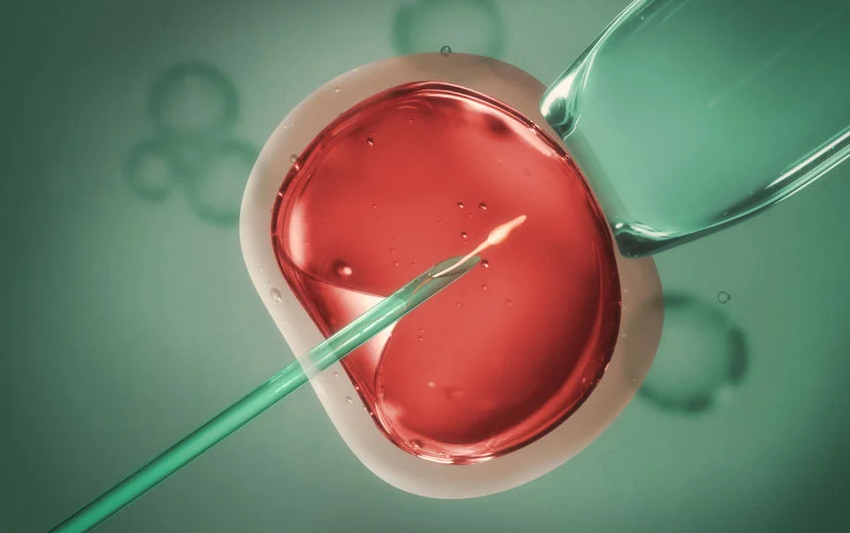
In vitro fertilization, almost always shortened to IVF, is an assisted reproductive technology in which an egg is fertilized by a sperm outside the body, in a controlled laboratory environment, and the resulting embryo is then transferred into the uterus. The Latin phrase “in vitro” translates to “in glass,” a nod to the petri dishes and culture media where fertilization happens before the embryo is moved back into the woman's body.
IVF was first successfully performed in 1978 with the birth of Louise Brown in the United Kingdom. Turkey welcomed its first IVF baby in 1989, and the field has since become one of the fastest-growing branches of reproductive medicine in the country. Modern IVF treatment now includes a family of related techniques such as ICSI, IMSI, IVM, assisted hatching, blastocyst culture, and preimplantation genetic testing, all of which are routinely available at well-equipped Turkish clinics.
Who Is a Good Candidate for IVF in Turkey?
Not every fertility issue calls for IVF, but for many patients it is the most direct route to a pregnancy. You may be a strong candidate for IVF in Turkey if you fall into one or more of the categories below:
- Women with blocked or damaged fallopian tubes, including those who have had tubal ligation reversal that didn't work
- Women diagnosed with endometriosis that has affected egg quality or pelvic anatomy
- Couples with severe male factor infertility, such as low sperm count, poor motility, or abnormal morphology
- Men with azoospermia who need surgical sperm retrieval through TESE or micro-TESE
- Women with ovulation disorders like PCOS that have not responded to ovulation induction or IUI
- Couples with unexplained infertility after at least 12 months of trying
- Women with diminished ovarian reserve indicated by low AMH or high FSH
- Couples carrying genetic disorders who want PGT-M to screen embryos before transfer
- Cancer patients preserving fertility before chemotherapy through egg or embryo freezing
Under Turkish law, IVF is only available to married heterosexual couples using their own eggs and sperm. We'll cover the legal framework in more detail further down, but it's worth knowing upfront if you're trying to decide whether Turkey is the right destination for your case.
Causes of Infertility Treated with IVF
Infertility affects roughly one in six couples worldwide, and the causes are split fairly evenly between female factors, male factors, and combined or unexplained factors. IVF treatment in Turkey is used to address all of the following:
- Tubal factor infertility: blocked, damaged, or surgically removed fallopian tubes
- Endometriosis: tissue similar to the uterine lining growing outside the uterus, often distorting pelvic anatomy
- Polycystic ovary syndrome (PCOS): hormonal imbalance leading to irregular or absent ovulation
- Diminished ovarian reserve: a lower-than-expected number of remaining eggs, often age-related
- Premature ovarian insufficiency (POI): ovarian function declining before age 40
- Uterine factors: fibroids, polyps, adhesions, or congenital uterine abnormalities
- Male factor infertility: oligospermia, asthenospermia, teratospermia, or azoospermia
- Recurrent pregnancy loss: two or more consecutive miscarriages, often paired with PGT-A
- Genetic conditions: inherited single-gene disorders requiring PGT-M screening
- Unexplained infertility: cases where standard testing finds no clear cause
IVF Treatment Process Step by Step
A full IVF cycle in Turkey usually takes about four to six weeks from the first hormone injection to the pregnancy test, although patients only need to be physically in the country for roughly 15 to 25 days of that period. The process is broken into five distinct phases.
Ovarian Stimulation
The cycle starts with daily hormone injections, usually FSH or a combination of FSH and LH, designed to push the ovaries into producing multiple mature eggs in a single month rather than the usual one. A GnRH antagonist or agonist is added to prevent premature ovulation. Stimulation typically lasts 10 to 14 days, with three or four monitoring visits during which the doctor measures follicle growth on ultrasound and tracks estradiol levels in the blood. Many international patients begin injections at home and travel to Turkey only for the second half of stimulation.
Egg Retrieval
Once the lead follicles reach 17 to 20 millimeters, a final “trigger” injection (hCG or a GnRH agonist) is given precisely 34 to 36 hours before retrieval. Egg retrieval, also called oocyte pickup or OPU, is a 15 to 20 minute procedure performed under light sedation. A fine needle, guided by transvaginal ultrasound, is passed through the vaginal wall into each follicle to aspirate the fluid and the egg inside it. Most patients rest for one to two hours afterward and go back to their hotel the same day.
Fertilization in the Laboratory
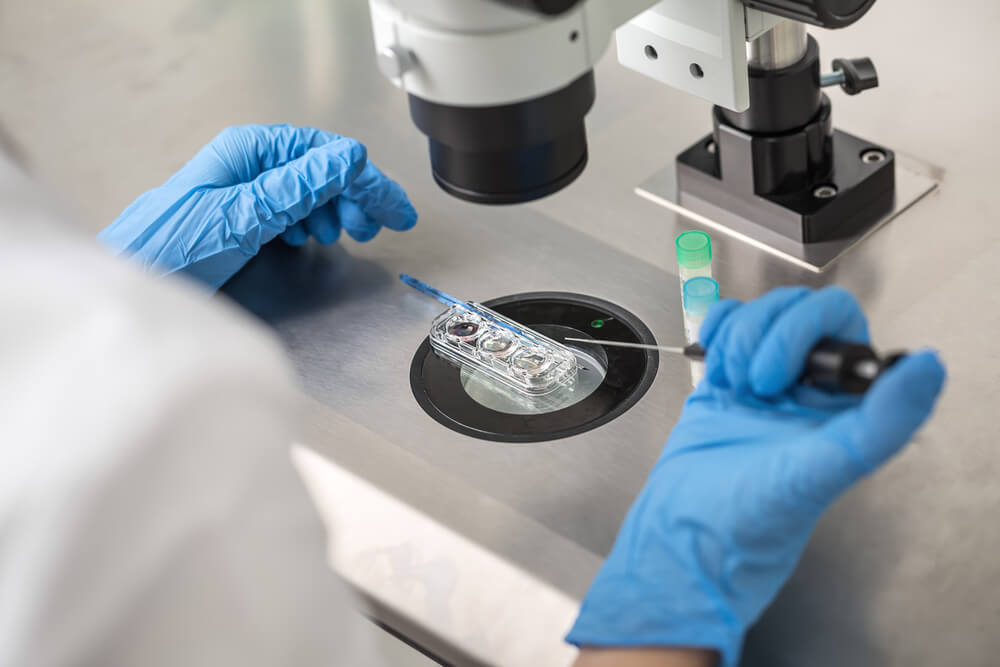
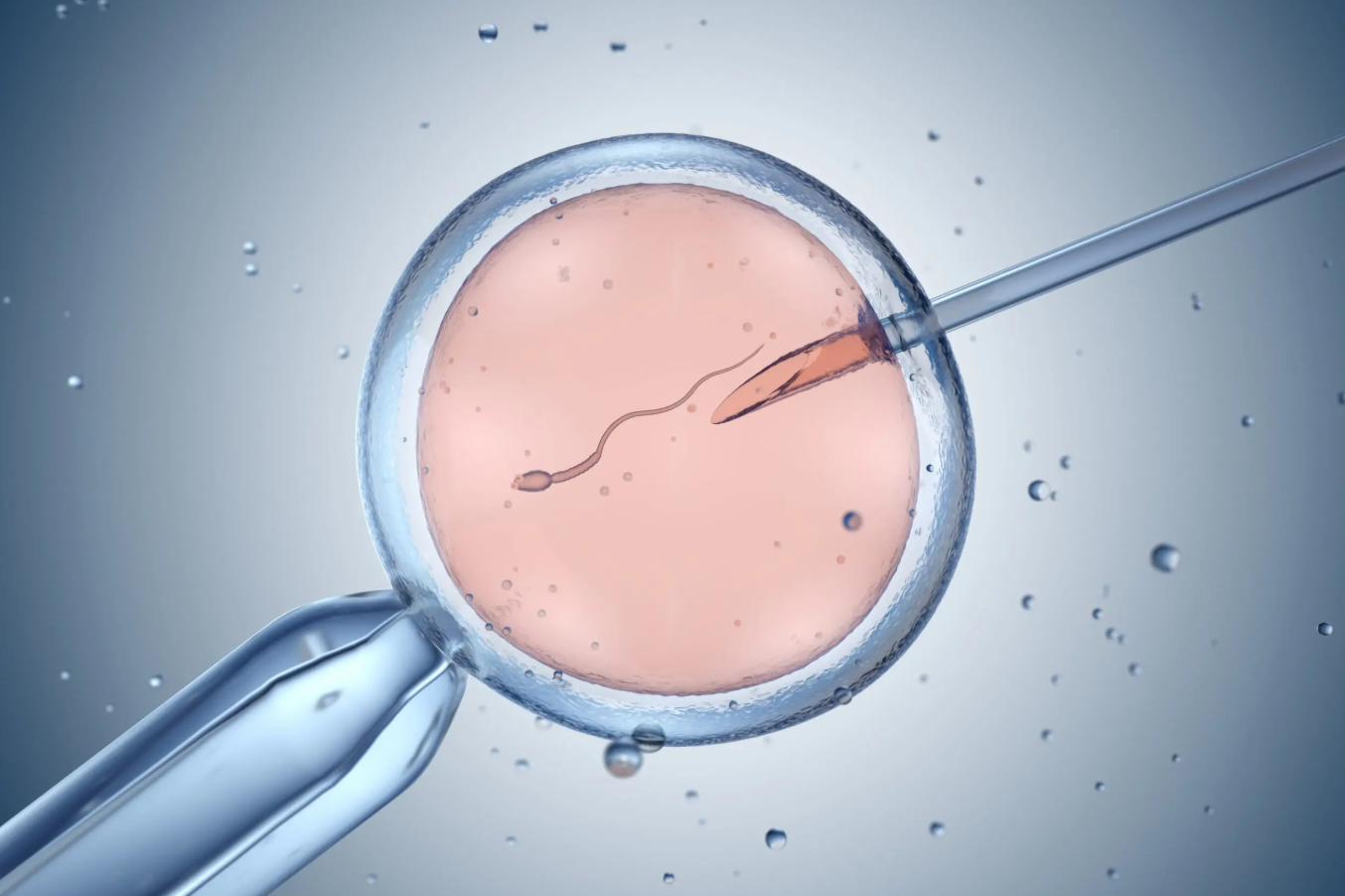
The retrieved eggs are immediately handed to the embryology lab. On the same day, the male partner provides a fresh sperm sample, which is washed and prepared. Fertilization is performed either through conventional IVF, where eggs and sperm are placed together in a dish and left to fertilize naturally, or through ICSI, where a single sperm is injected directly into each mature egg using a microscopic needle. ICSI is the default method at most Turkish clinics today because it gives consistently reliable fertilization rates. The fertilized eggs (now zygotes) are cultured in incubators and monitored over the next three to five days as they divide and develop into embryos.
Embryo Transfer
Three to five days after retrieval, the strongest embryo (or in some cases two embryos, depending on age and cycle number) is loaded into a thin catheter and gently passed through the cervix into the uterus. The embryo transfer itself takes about 10 minutes, requires no sedation, and feels similar to a routine smear test. Turkish law permits transferring one embryo for the first two cycles in women under 35, two embryos from the third cycle onward, and up to two embryos in women over 35. Any remaining high-quality embryos can be vitrified for future frozen transfers.
Pregnancy Test and Follow-Up
Roughly 10 to 14 days after transfer, a beta-hCG blood test is performed to confirm whether implantation has occurred. This blood draw can be done at the Turkish clinic before you fly home, or by your GP in your home country with the results forwarded to your Turkish team. If the result is positive, an ultrasound scan around weeks 6 to 7 confirms a viable pregnancy and a fetal heartbeat. From there, your obstetric care continues at home, and many Turkish clinics provide a full set of records and a discharge summary for your local doctor.
IVF Success Rates in Turkey

National data and clinic-published figures show that IVF success rates in Turkey are competitive with leading European and North American programs. A 2019 survey of 25 Turkish IVF centers reported live birth rates near 31 percent per fresh transfer, around 40 percent per frozen transfer, and approximately 51 percent for cycles using PGT-tested embryos. Outcomes are heavily age-dependent, as the table below shows.
|
Age Group |
Turkey Success Rate |
USA Average |
|---|---|---|
|
Under 35 |
60% to 71% |
48% |
|
35 to 37 |
55% to 63% |
39% |
|
38 to 40 |
40% to 50% |
30% |
|
41 to 42 |
25% to 32% |
20% |
|
Over 42 |
8% to 12% |
9% |
It's worth being a little skeptical of clinic marketing that advertises 80 to 90 percent success in a single cycle, since those numbers usually refer to fertilization or implantation rather than live birth. For a more granular view of how outcomes shift across age brackets, our guide to Turkey IVF success rates by age is a good place to dig deeper.
IVF vs Other Fertility Treatments (IUI, ICSI)
IVF sits at the top of the assisted reproductive technology ladder, but it isn't the only option. Doctors usually start with the least invasive treatment that has a reasonable chance of working for your specific diagnosis.
- Intrauterine Insemination (IUI): washed sperm is placed directly into the uterus around ovulation. Costs €900 to €3,000 in Turkey. Best for mild male factor, unexplained infertility, or single women using donor sperm (the latter is not legal in Turkey).
- Conventional IVF: eggs and sperm are placed together in a dish for natural fertilization. Used when sperm parameters are normal.
- ICSI (Intracytoplasmic Sperm Injection): one sperm is injected into each egg under a microscope. Add-on cost of €1,000 to €2,000. Best for severe male factor infertility, previous fertilization failure, or frozen sperm cases.
- IMSI (Intracytoplasmic Morphologically Selected Sperm Injection): a higher-magnification version of ICSI used when sperm morphology is very poor. Add-on cost of €1,500 to €2,500.
- IVM (In Vitro Maturation): immature eggs are retrieved and matured in the lab, useful for women at high risk of OHSS, particularly those with PCOS.
How Long Does IVF Treatment Take?
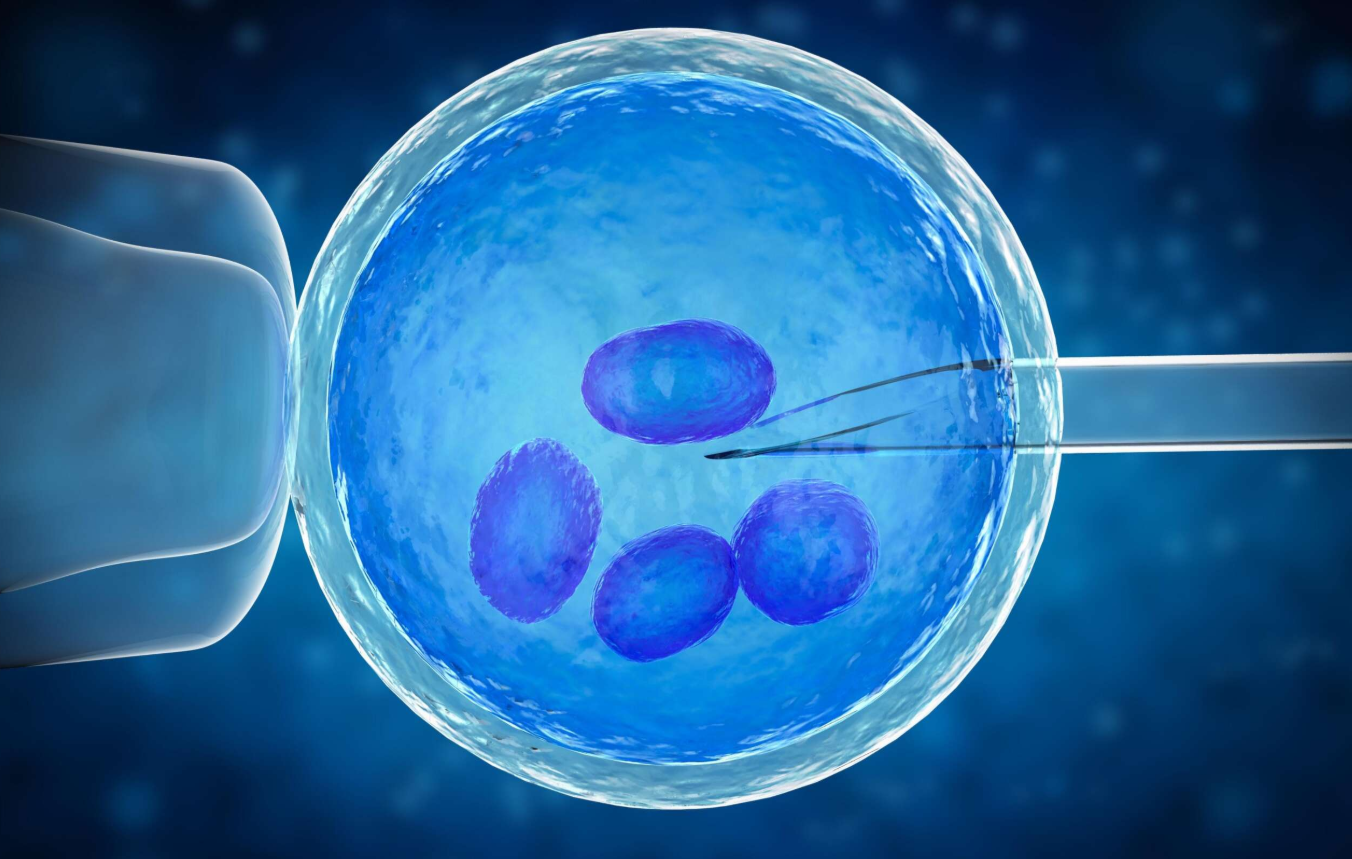
From the first stimulation injection to the pregnancy blood test, one full IVF cycle runs about four to six weeks. The portion that actually has to happen in Turkey is much shorter. Most international patients spend 15 to 25 days in the country, which breaks down roughly like this: three to four days for initial consultations and baseline scans, 8 to 12 days for the second half of stimulation and monitoring, one day for egg retrieval, three to five days of embryo culture, one day for embryo transfer, and a few days of rest before flying home. The two-week wait for the pregnancy test is usually completed at home.
Risks and Side Effects of IVF
IVF is broadly safe, but like any medical procedure it comes with a set of possible side effects and risks that are worth understanding before you commit to a cycle:
- Ovarian Hyperstimulation Syndrome (OHSS): the ovaries overrespond to fertility drugs, causing bloating, abdominal pain, nausea, and in rare cases fluid buildup that requires hospital care
- Multiple pregnancy: transferring more than one embryo raises the chance of twins or triplets, which carry higher obstetric risk
- Mild side effects from stimulation drugs: headaches, mood swings, breast tenderness, and hot flashes
- Discomfort after egg retrieval: cramping, light spotting, and bloating that usually resolves within a few days
- Ectopic pregnancy: implantation outside the uterus, occurring in roughly 2 to 5 percent of IVF pregnancies
- Emotional and psychological strain: the wait between transfer and pregnancy test, plus the possibility of a negative result, takes a real toll
- Failed cycle: not every cycle ends in pregnancy, and some patients need two or three attempts before a successful transfer
Are Multiple IVF Cycles Required?
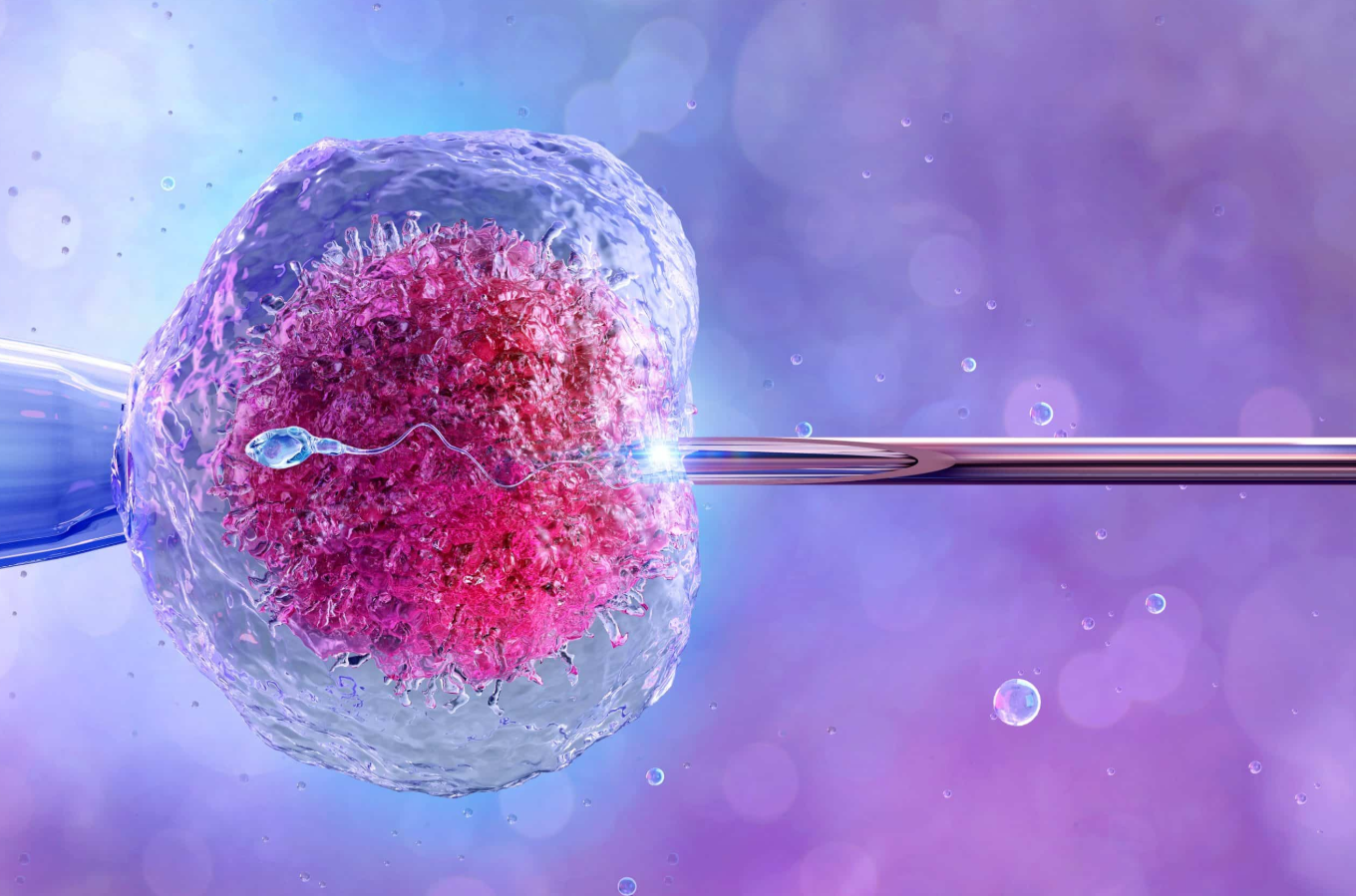
Many patients are surprised to learn that one cycle is often not enough. Cumulative live birth rates climb significantly with each successive attempt: roughly 30 to 35 percent after one cycle, 50 to 60 percent after two, and up to 70 to 80 percent after three for women under 35. Older patients see slower gains. The affordability of IVF in Turkey is a real advantage here, since the cost of three cycles in Istanbul is often less than one cycle in London or New York. If you have leftover frozen embryos from your first retrieval, subsequent transfers cost only around €1,000 to €1,500 because you skip the stimulation and retrieval steps entirely.
Why Choose Turkey for IVF Treatment?

Turkey has built its reputation as a fertility tourism destination on a fairly straightforward proposition: solid clinical outcomes, modern facilities, and prices that simply don't exist in Western Europe or North America. Here's what tends to drive that decision.
Advanced Fertility Clinics
Turkish IVF centers operate at the same technical level as their European counterparts. Time-lapse incubators (EmbryoScope), laser-assisted hatching, vitrification of embryos and oocytes, and full PGT-A and PGT-M genetic screening are standard offerings at major hospitals. The country has 112 JCI-accredited facilities, and many private fertility hospitals also hold ISO 9001 certification.
Experienced Reproductive Specialists
Reproductive endocrinologists and embryologists in Turkey often train at top European and American programs before returning home, and the high case volume (roughly 42,000 cycles a year) means that senior specialists at major hospitals have personally overseen thousands of retrievals and transfers. ESHRE and ASRM memberships are common.
High IVF Success Rates
As covered earlier, success rates at established Turkish clinics meet or beat US and many European averages, particularly for younger patients. Outcomes for women under 35 commonly reach 65 to 71 percent live birth per fresh cycle at the country's leading centers.
Affordable Treatment Options
The cost difference is the headline reason most patients give. Even when you add flights, hotel for two to three weeks, and incidental expenses, total spending usually lands well under what one cycle costs at home. Government incentives for medical tourism, lower lab and staffing costs, and a competitive private hospital sector all help keep prices down without compromising on equipment or protocols.
International Patient Services
The bigger hospitals run in-house international patient departments that handle everything outside the medical work itself: visa letters, airport transfers, hotel bookings near the clinic, multilingual translators (English, Arabic, Russian, German, French, and others), and follow-up coordination once you're home. Most clinics offer pre-travel video consultations so you arrive with a clear treatment plan rather than starting from scratch.
IVF Laws and Regulations in Turkey
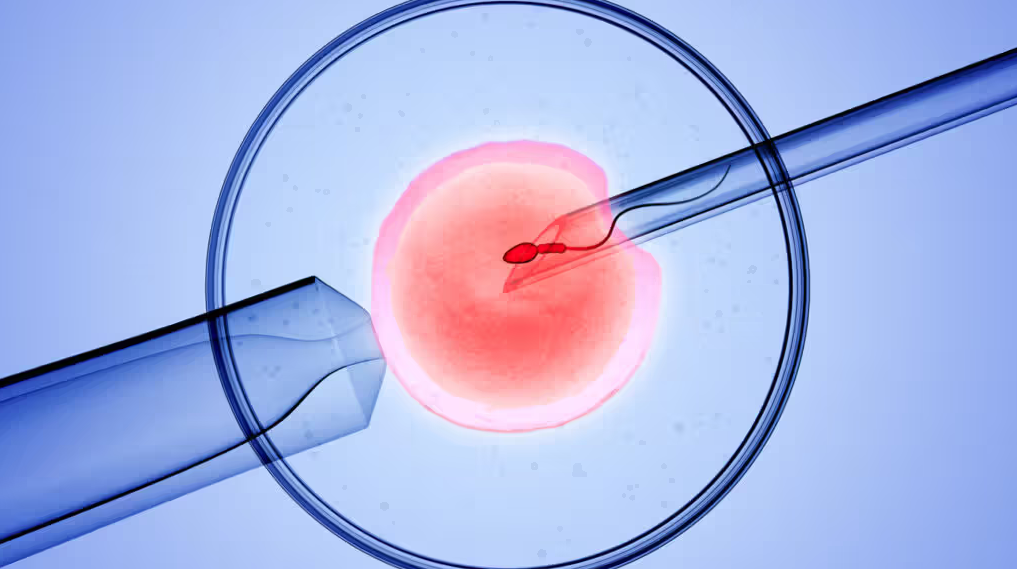
Turkey's IVF framework is one of the strictest in Europe, and understanding it before you book travel saves a lot of confusion. The key rules are:
- Only married heterosexual couples are eligible for IVF treatment under Turkish law
- Egg, sperm, and embryo donation are all prohibited: only the patient's own genetic material can be used
- Surrogacy is illegal in any form
- Sex selection is banned except for medical reasons such as sex-linked genetic disease
- There is no statutory age limit, but most clinics decline patients over 46 because donor eggs aren't available
- Embryo transfer limits apply: one embryo for cycles 1 and 2 in women under 35, two embryos from cycle 3 onward, up to two embryos at any cycle for women over 35
- Embryos can be stored for up to 10 years, with annual confirmation required
- Egg freezing is permitted for cancer patients, those with diminished ovarian reserve, or family history of premature ovarian failure
If your situation falls outside these rules (single woman, same-sex couple, or a need for donor gametes), neighboring North Cyprus operates under a more flexible legal framework and is a common second choice for patients who initially considered Turkey.
Best IVF Clinics in Turkey
Most international IVF patients in Turkey are treated in Istanbul, where the country's largest private hospital networks have built specialized fertility units. Below is a brief look at the most established names.
Acıbadem Healthcare Group

Acıbadem runs IVF programs across multiple Istanbul campuses, including Maslak and Altunizade, and its hospitals hold JCI accreditation. The group is known for integrating fertility care with other specialties, which matters for patients whose history includes thyroid dysfunction, autoimmune disease, clotting disorders, or prior cancer treatment. Acıbadem's fertility specialists routinely publish in international journals and participate in ESHRE meetings.
Memorial Hospitals Group

Memorial's flagship Bahçelievler hospital was the first JCI-accredited facility in Turkey and has helped deliver more than 40,000 IVF babies since 2000. The group offers ICSI, IMSI, PGT-A and PGT-M, EmbryoScope incubation, and surgical sperm retrieval. Memorial also runs a structured international patient program with English-speaking coordinators and full travel logistics.
Medicana Health Group

Medicana operates fertility units within its International Hospital and Çamlıca campuses in Istanbul. The group treats a significant volume of patients from the Gulf states, North Africa, and Eastern Europe, and offers Arabic, Russian, and English language support throughout treatment. Pricing is competitive in the mid-range tier.
Liv Hospital Group

Part of the Istinye University network, Liv Hospital has IVF units in Ulus and Vadistanbul. The group emphasizes academic-style protocols and works with reproductive endocrinologists who hold faculty positions. Liv tends to attract patients with more complex histories, including recurrent implantation failure and severe male factor cases.
Istanbul IVF Centers
Beyond the major hospital groups, Istanbul has a long list of standalone boutique IVF centers, many of them led by senior specialists who broke off from larger institutions to run their own labs. These smaller centers often offer more personal continuity of care, with the same doctor handling consultations, retrieval, and transfer. A-Medical works with both large hospital groups and reputable boutique clinics, matching each patient to the setting that fits their case best.
How A-Medical Can Help?
A-Medical is a medical tourism partner that has been coordinating fertility treatment in Turkey for international patients for years. Our role is to take the logistics, language barrier, and clinic-vetting work off your plate so you can focus on the medical side. Here's what you get when you arrange your IVF treatment in Turkey through us:
- No waiting lists: appointments are typically scheduled within a week of your medical file being reviewed
- Best-fit clinic and doctor matching: we evaluate your case and connect you with the specialist whose track record matches your diagnosis, not whoever pays us the most
- Most affordable pricing: pre-negotiated package rates with our partner clinics, often below their public pricing
- Airport transfers and hotel bookings: handled door-to-door, with hotels selected for proximity to your clinic
- Multilingual translator support: in-clinic interpretation in English, Russian, Arabic, German, and other languages on request
- Pre-travel consultation: a video call with your reproductive endocrinologist before you fly, so your treatment plan is finalized in advance
- Coordination with your local doctor: full record sharing for ongoing care once you return home
- One point of contact: a single patient coordinator from your first inquiry through to your pregnancy confirmation
If you'd like a custom cost estimate and clinic recommendation based on your medical history, reach out to A-Medical for a free consultation and we'll come back to you within 24 hours.
What to Expect During Your Stay in Turkey
Most patients spend 15 to 25 days in Turkey for a fresh IVF cycle, and your time outside the clinic is genuinely yours. Istanbul has direct flights from most major cities, the metro and tram system is easy to use, and the neighborhoods near the main IVF hospitals (Şişli, Etiler, Maslak, Bahçelievler) are full of mid-range and upscale hotels. Clinic visits are usually short, around 30 to 60 minutes for a monitoring scan, so you'll have plenty of time between appointments to rest, eat well, and explore. Patients often combine treatment with light tourism: the Bosphorus, the Grand Bazaar, the Hagia Sophia, and Topkapi Palace are all within easy reach. For a broader picture of how fertility tourism logistics work in the country, our guide to medical tourism in Turkey covers the full landscape.
Required Tests Before IVF Treatment
Before you begin a cycle, both partners go through a workup. Most of these tests can be done in your home country and shared with your Turkish clinic in advance. Here's what's typically required:
- AMH (Anti-Müllerian Hormone): measures ovarian reserve and helps the doctor design the stimulation protocol
- FSH, LH, estradiol, and progesterone: baseline hormone levels, usually drawn on cycle day 2 or 3
- TSH and prolactin: to rule out thyroid or pituitary issues affecting fertility
- Transvaginal ultrasound: an antral follicle count and assessment of the uterus and ovaries
- Hysterosalpingogram (HSG) or saline sonogram: to check the uterine cavity and tubes (may be skipped if recent results are available)
- Semen analysis with morphology: full sperm profile for the male partner, ideally repeated within the last six months
- Serology screening: HIV, hepatitis B and C, syphilis for both partners (Turkish law requires this)
- Karyotype and genetic carrier screening: recommended for couples with a history of recurrent miscarriage or known genetic conditions
You do not need to travel to Turkey for these initial tests. You can complete them in your home country and send the results to A-Medical. We will review and forward your reports directly to the appropriate doctor and clinic, ensuring a smooth and time-efficient treatment planning process.
Tips to Improve IVF Success
Lifestyle changes in the three months before a cycle have a measurable effect on egg and sperm quality, since gametes take around 90 days to mature. The evidence-based recommendations most reproductive endocrinologists give look like this:
- Stop smoking and limit alcohol for at least three months before stimulation
- Aim for a healthy BMI between 19 and 30, since both very low and very high BMI reduce success rates
- Take a daily prenatal vitamin with folic acid, vitamin D, and CoQ10 (the last is often recommended for women over 35)
- Eat a Mediterranean-style diet heavy on vegetables, fish, olive oil, whole grains, and legumes
- Moderate exercise: 30 minutes of walking or yoga most days, but avoid intense training during stimulation
- Sleep 7 to 8 hours a night and protect against chronic stress, which suppresses reproductive hormones
- Limit caffeine to under 200 mg a day (one small coffee)
- Avoid known endocrine disruptors: BPA-lined cans, fragranced personal care products, and pesticide-heavy produce when possible
Conclusion
For most international patients weighing fertility options, IVF treatment in Turkey offers a rare combination: clinical outcomes that match Western European programs, prices that come in 60 to 80 percent lower than the US or UK, and zero waiting lists. The country's strict legal framework rules out treatments involving donor gametes or surrogacy, but for the married heterosexual couples who make up the bulk of fertility patients, Turkey is one of the strongest destinations in the world right now.
The decision still deserves careful thought. Clinic choice matters more than country choice, your specific diagnosis shapes which protocol gives you the best odds, and a realistic understanding of cumulative success rates protects you from disappointment after a single cycle. Get in touch with A-Medical if you'd like help working through those questions with someone who has placed thousands of patients with Turkish fertility specialists.
Frequently Asked Questions About IVF in Turkey
How much does IVF treatment in Turkey cost?
A standard IVF cycle in Turkey costs between €2,500 and €5,000, including ICSI, embryo transfer, and lab work. Stimulation medications add another €1,000 to €1,500.
How long do I need to stay in Turkey for IVF?
Most international patients stay in Turkey for 15 to 25 days during a fresh IVF cycle. The exact length depends on your stimulation protocol and how much of the early monitoring you complete at home.
Is IVF in Turkey safe?
Yes, IVF in Turkey is safe when performed at licensed clinics. Fertility centers are inspected every six months by the Turkish Ministry of Health, and 112 hospitals nationwide hold JCI accreditation.
What is the success rate of IVF in Turkey?
IVF success rates in Turkey range from 60 to 71 percent for women under 35, drop to 40 to 50 percent for women aged 38 to 40, and fall below 12 percent for women over 42 using their own eggs.
Can single women or same-sex couples have IVF in Turkey?
No, Turkish law restricts IVF treatment to married heterosexual couples. Single women and same-sex couples typically travel to North Cyprus or Spain, where the legal framework is more flexible.
Is egg or sperm donation available in Turkey?
Egg donation, sperm donation, embryo donation, and surrogacy are all prohibited under Turkish law. Patients who need donor gametes most often choose North Cyprus, Spain, or the Czech Republic.
How many IVF cycles will I need?
Roughly 30 to 35 percent of patients conceive on their first IVF cycle. Cumulative live birth rates rise to 50 to 60 percent after two cycles and 70 to 80 percent after three cycles for women under 35.
Does the male partner need to stay in Turkey for the whole cycle?
No, the male partner only needs to be in Turkey on the day of egg retrieval to provide a fresh sperm sample, although most couples prefer to travel together for the whole stay