Contents
Hip Replacement Surgery in Switzerland
Switzerland is one of Europe's most trusted destinations for hip replacement surgery because it combines highly specialized orthopedic care, strong rehabilitation infrastructure, and hospitals that are used to treating international patients at a premium standard. It is not a budget destination. It is a quality-first destination for patients who want careful surgical planning, close inpatient monitoring, and a more structured recovery pathway.
Key Facts at a Glance:
- Average cost range: $11,000 to $25,000+, depending on procedure type, surgeon, and hospital class
- Typical hospital stay: 3 to 7 days for primary hip replacement
- Full recovery timeline: 6 to 12 weeks for most patients, with structured rehab available in-country
- Top-ranked hospital for volume: Schulthess Klinik (1,200+ hip prostheses per year, lowest revision rates in Switzerland according to SIRIS data)
- National quality registry: SIRIS (Swiss National Hip and Knee Joint Registry) tracks outcomes across 150+ hospitals
- Key strength vs. other destinations: Integrated surgery-to-rehabilitation pathway with premium inpatient monitoring
For many patients, the appeal of Switzerland is not lower price. It is the depth of orthopedic expertise, the strength of post-surgical rehab, and the ability to combine hospital treatment with medically supervised recovery. This matters especially in hip replacement, where the operation is only one part of the outcome. Implant selection, surgical approach, early mobilization, rehab intensity, and discharge planning all shape the final result.
A-Medical is most useful here when patients need help comparing hospital pathways, understanding what premium pricing actually includes, and choosing between a surgery-led hospital and a rehab-led recovery model.
Read: Best and Cheapest Countries for Hip Replacement Surgery Abroad
Why Switzerland Is a Trusted Destination for Hip Replacement Surgery
Switzerland has a strong reputation in musculoskeletal medicine, and several leading institutions are explicitly positioned around hip surgery, joint replacement, or orthopedic rehabilitation. Schulthess Klinik describes itself as Switzerland's largest reference center for hip replacements and states that it fits more than 1,200 hip prostheses each year while also performing complex revision procedures. According to SIRIS (Swiss National Hip and Knee Joint Registry) data, Schulthess Klinik's two-year revision rate for hip replacements is approximately 1%, which is more than two and a half times lower than the Swiss national average of 2.6%.
Switzerland also stands out because it maintains a national implant registry. SIRIS, operated by the Swiss Foundation for Quality Assurance in Implant Surgery, has been collecting data from over 150 hospitals since 2012. This kind of transparent, registry-based quality monitoring is not available in every medical tourism destination and gives international patients an additional layer of confidence.
The country's care model also separates clearly into surgical and rehabilitative components. Hospitals such as Clinique de Genolier, University Hospital Zurich, and Schulthess Klinik emphasize orthopedic surgical depth, while centers such as Rehaklinik Zihlschlacht, Clinique Valmont, Clinic Seewis, Rehabilitation Clinic Dussnang, and Klinik Schloss Mammern are more relevant to structured recovery and neuro-musculoskeletal rehabilitation. That creates a stronger full-pathway model than in destinations where surgery is emphasized much more than aftercare.
What Is Hip Replacement Surgery?
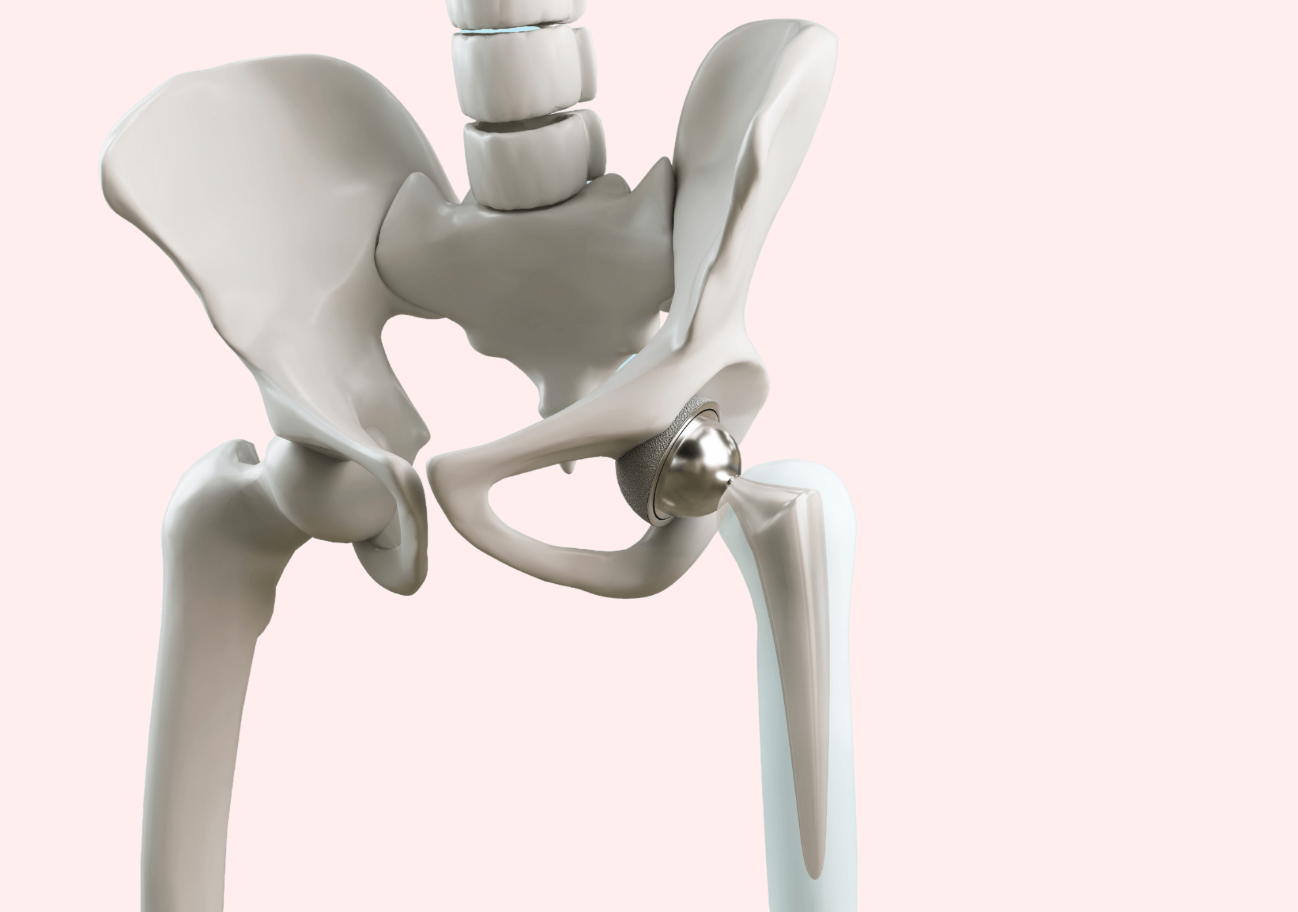
Hip replacement surgery (hip arthroplasty) is a major orthopedic procedure that replaces damaged parts of the hip joint with artificial components. The goal is to reduce chronic pain, restore mobility, and improve daily function when the natural joint has been severely damaged by conditions such as osteoarthritis, avascular necrosis, fracture-related problems, or other destructive joint disease.
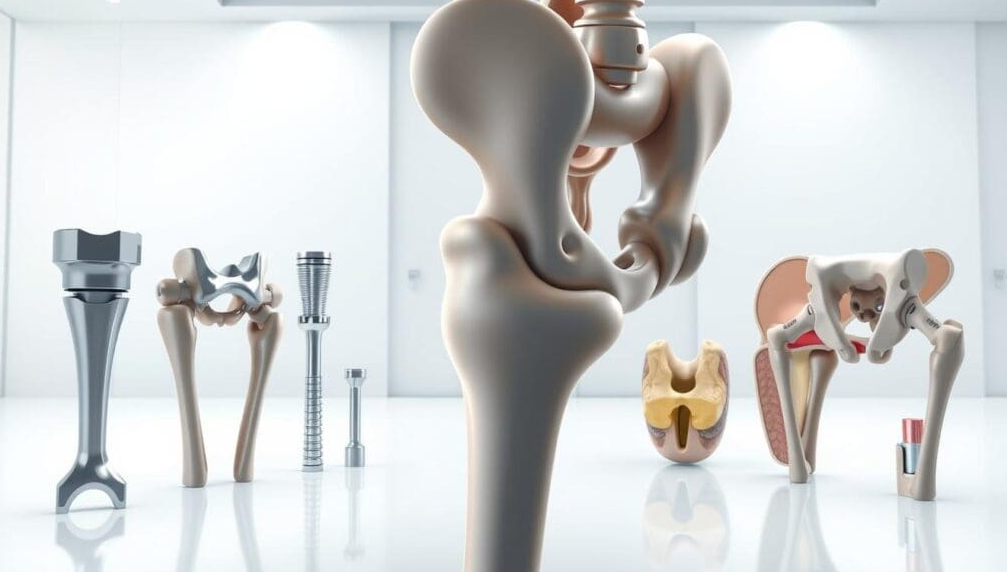
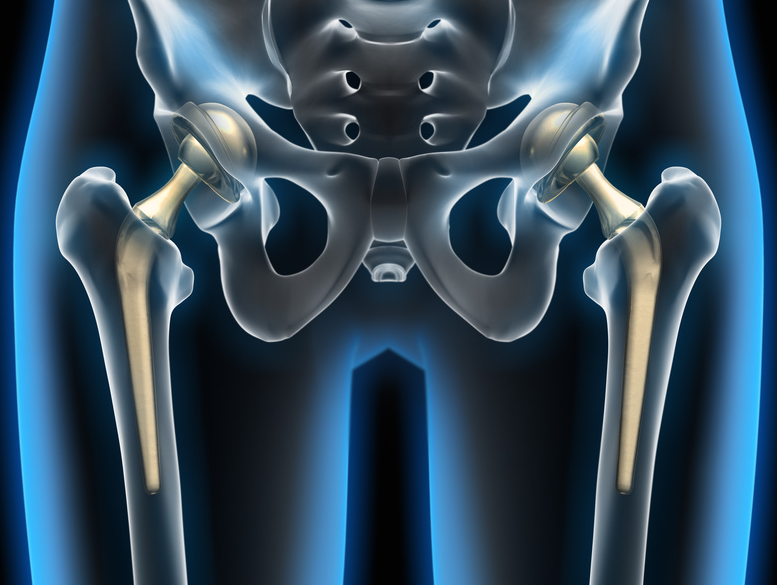
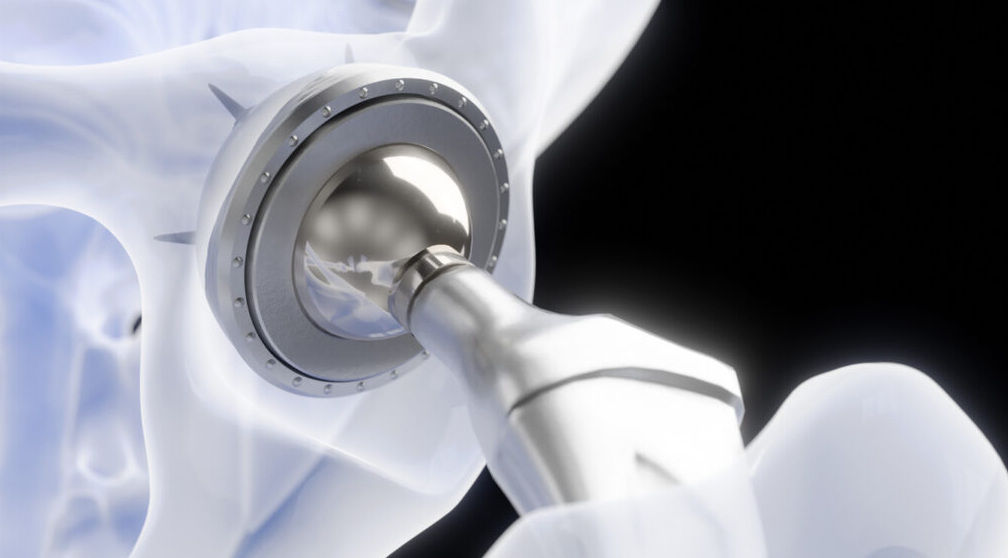
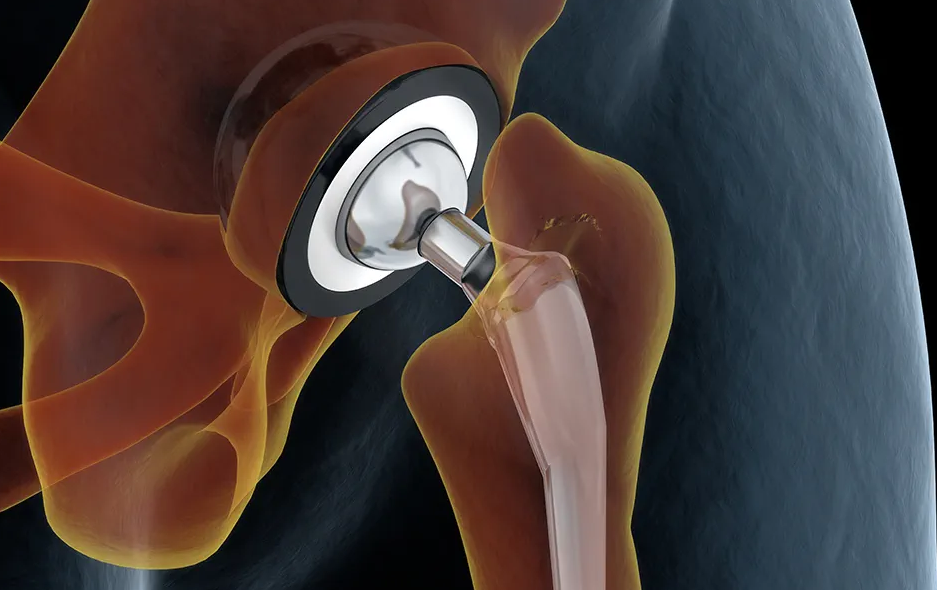
In practical terms, this is not only an implant procedure. It also involves pre-operative imaging and planning, anesthesia management, implant selection (including decisions about fixation type and bearing surface), post-operative mobilization, and a rehabilitation process that strongly affects the final outcome. The implant itself typically consists of a femoral stem, a femoral head, an acetabular cup, and a liner. Common bearing surface combinations include ceramic-on-polyethylene and ceramic-on-ceramic, each with different wear characteristics and longevity profiles.
Hip replacement is one of the most commonly performed orthopedic surgeries globally. In Switzerland alone, more than 21,000 hip replacement procedures are performed each year across approximately 150 hospitals, according to SIRIS data. The procedure has a success rate of approximately 95% to 96%, and modern implants are expected to last 15 to 25 years or longer in most patients.
Who Is a Good Candidate for Hip Replacement Surgery?
A good candidate usually has persistent hip pain, major functional limitation, and imaging that confirms substantial joint damage. Many patients also reach the point where medication, corticosteroid injections, and physiotherapy no longer provide enough relief for daily activities.
The best candidate is not defined by age alone. Surgeons also assess baseline mobility, bone density, general medical fitness, body weight, muscle condition, and whether the patient is likely to benefit from a structured rehabilitation pathway after surgery. This is one reason Switzerland can be particularly attractive for older patients or more complex recovery profiles, where post-operative monitoring and rehabilitation depth matter as much as the operation itself.
Conditions that most commonly lead to hip replacement include advanced osteoarthritis, rheumatoid arthritis affecting the hip, avascular necrosis of the femoral head, post-traumatic arthritis following hip fracture, and hip dysplasia that has progressed to joint degeneration.
Types of Hip Replacement Procedures Available in Switzerland
Switzerland's orthopedic hospitals cover the major arthroplasty categories, from routine primary replacement to highly specialized revision work. Schulthess Klinik explicitly highlights both primary hip prostheses and complex revision procedures, while Swiss Medical Network presents hip prosthesis surgery across its orthopedic hospitals.
Total Hip Replacement
Total hip replacement (THR) is the standard operation for patients with advanced osteoarthritis or full-joint degeneration. It replaces both the femoral head and the acetabular socket with prosthetic components. This is the procedure most international patients mean when they ask about hip replacement abroad. The surgeon selects from cemented, uncemented, or hybrid fixation methods depending on the patient's bone quality, age, and activity level.
Partial Hip Replacement
Partial hip replacement (hemiarthroplasty) usually replaces only the femoral head and is more often relevant in selected fracture-related or limited structural cases. It is less central than total replacement in most international treatment planning, but it remains an important option in the right orthopedic context, particularly for elderly patients with femoral neck fractures.
Revision Hip Replacement
Revision hip replacement is used when a previous implant loosens, wears out, fails mechanically, becomes unstable, or is complicated by infection. These cases are more demanding than primary surgery and should be directed to hospitals or teams with documented revision experience. Schulthess Klinik explicitly presents complex revision work as part of its hip surgery department and has some of the lowest revision rates in the country according to SIRIS data.
Minimally Invasive and Anterior Approach Hip Replacement
Minimally invasive hip replacement refers to surgical approaches designed to reduce tissue disruption and potentially improve early recovery. The direct anterior approach (DAA) is one of the most commonly discussed techniques, as it accesses the hip joint from the front without cutting through major muscles. Swiss Medical Network hospitals, for example, describe their minimally invasive anterior approach procedure as preserving stabilizing hip muscles rather than severing them. Not every patient is suitable for this approach, and the more useful question is whether the surgeon regularly performs the technique and whether it fits the patient's anatomy and goals.
Computer-Navigated and Robotic-Assisted Hip Replacement
Some Swiss hospitals now offer computer-navigated or robotic-assisted hip replacement, which uses advanced imaging and real-time guidance to improve implant positioning accuracy. This technology can help achieve more consistent component alignment, which may contribute to better long-term implant performance and lower revision rates. Patients interested in this option should confirm availability and the surgical team's experience with the specific system during their initial consultation.
Hip Replacement Surgery Cost in Switzerland
Switzerland is generally a high-cost private-pay destination for hip replacement. The real price depends on several variables: whether the case is primary or revision, implant brand and type, surgeon profile, hospital class, inpatient stay length, and whether rehabilitation is part of the same pathway or arranged separately.
Cost Ranges by Procedure Type
| Standard primary hip replacement | $11,000 to $21,000+ | Varies by hospital class and implant |
| Total hip replacement (premium pathway) | $21,000 to $32,000+ | Includes extended stay, premium rehab |
| Revision hip arthroplasty | $25,000+ | Higher complexity, longer recovery |
| Bilateral hip replacement | $32,000+ | Both hips, staged or simultaneous |
Important: These should be treated as broad planning ranges rather than fixed quotes. In Switzerland, higher pricing often reflects a more premium hospital environment, stronger rehabilitation infrastructure, access to leading implant brands such as Zimmer Biomet, Stryker, or DePuy Synthes, and highly specialized orthopedic teams. Patients should always request a detailed, itemized quote that separates surgical fees, implant costs, hospital stay, and rehabilitation charges.
How Swiss Costs Compare to Other Destinations
| Switzerland | $11,000 to $32,000+ | SIRIS (national) | Minimal | Integrated rehab pathway |
| Germany | $10,000 to $18,000 | EPRD (national) | Minimal | High surgical volume |
| United Kingdom (private) | $12,000 to $20,000 | NJR (national) | Minimal (private) | Registry transparency |
| Turkey | $5,000 to $10,000 | Limited | Minimal | Cost savings |
| India | $4,000 to $8,000 | Limited | Minimal | Cost savings |
Switzerland is not positioned as a cost-saving option. Patients choose it when they want a premium treatment environment, structured rehabilitation, and documented quality outcomes tracked through a national registry. The cost difference compared to lower-priced destinations reflects stronger monitoring infrastructure, access to leading implant technology, and a more comprehensive recovery pathway.
How the Hip Replacement Process Works in Switzerland
The Swiss pathway usually feels more structured than price-driven. Surgery tends to be part of a broader treatment process that includes thorough evaluation, inpatient care, early mobilization, and planned rehabilitation.
Pre-Surgery Evaluation
Before surgery, patients usually undergo detailed imaging review (X-rays, CT scans, or MRI), orthopedic consultation, blood tests, cardiac screening, and anesthesia assessment. In Switzerland, this stage also often includes discussion of implant options, surgical approach selection (anterior, lateral, or posterior), and a preliminary rehabilitation plan. This evaluation confirms whether the case is straightforward or whether it may require a more specialized team or intensive recovery support.
The Surgical Procedure
During the operation, the damaged joint surfaces are removed and replaced with prosthetic components. The exact implant strategy, fixation method (cemented or uncemented), and bearing surface choice depend on the surgeon's assessment and the patient's anatomy, age, bone quality, and activity expectations. Hospitals with dedicated hip units are better placed to explain why one implant system or operative plan is preferable for a specific case. The procedure typically takes 1 to 2 hours, and many Swiss hospitals now use enhanced recovery protocols to speed up mobilization.
Hospital Stay and Early Recovery
Early post-operative recovery focuses on pain management, wound care, DVT (deep vein thrombosis) prophylaxis, and first mobilization. Most patients begin standing and walking with support within 24 hours of surgery. In Switzerland, the typical inpatient stay for primary hip replacement is 3 to 7 days. The stronger distinction in Swiss hospitals is not only the operation itself but how carefully the medical team structures the days immediately after surgery. That is especially relevant for patients who are older, have additional health conditions, or are concerned about traveling home too soon.
Rehabilitation and Follow-Up Care
This is one of Switzerland's clearest strengths. Rehaklinik Zihlschlacht, Clinique Valmont, Clinic Seewis, Rehabilitation Clinic Dussnang, and Klinik Schloss Mammern are all more relevant here than in the initial surgical stage because they represent the kind of medically supervised rehabilitation environment that some hip replacement patients need after hospital discharge. Rehabilitation typically includes daily physiotherapy, gait training, strength exercises, pain management, and progressive weight-bearing milestones.
Recovery After Hip Replacement Surgery in Switzerland
Recovery depends on age, pre-operative mobility, body weight, muscle strength, implant type, and surgical complexity. Some patients recover steadily with a short inpatient stay and structured rehab. Others need more time before they are ready for independent walking or safe international travel.
A practical recovery timeline for most patients looks like this:
| Days 1 to 3 | Hospital recovery: pain management, wound care, first standing and walking with support |
| Days 4 to 7 | Continued inpatient recovery, stair training, discharge planning |
| Weeks 2 to 6 | Structured physiotherapy (inpatient rehab or outpatient), progressive weight bearing, reducing walking aid dependence |
| Weeks 6 to 12 | Gradual return to daily activity, strengthening exercises, follow-up imaging and surgeon review |
| Months 3 to 6 | Full activity recovery for most patients, return to low-impact exercise and normal routine |
Switzerland is especially attractive for patients who do not want to rush the discharge and early rehabilitation phases. That can matter more than the operation itself for patients with slower functional recovery or limited support at home. Many international patients choose to spend 2 to 4 weeks in Switzerland to complete the critical early recovery phase before traveling home.
Risks and Safety Considerations for Hip Replacement Surgery
Hip replacement is a common and generally safe procedure, but it is still major orthopedic surgery. Potential risks include infection, blood clots (DVT or pulmonary embolism), dislocation, implant loosening, leg-length discrepancy, nerve injury, periprosthetic fracture, delayed recovery, and persistent pain or stiffness.
The reason Switzerland feels trusted is not that these risks disappear. It is that many Swiss hospitals and rehabilitation centers place strong emphasis on structured monitoring, DVT prophylaxis protocols, multidisciplinary care teams, and specialist follow-up. The SIRIS registry also provides a transparent mechanism for tracking complication and revision rates at the hospital level, which allows international patients to compare quality outcomes before choosing a provider.
Patients paying Swiss-level prices should expect that level of organization and not only a technically competent operation. They should also receive clear information about the specific risks associated with their case, the steps taken to minimize those risks, and the protocol for managing any complications that may arise.
Best Hospitals for Hip Replacement in Switzerland
Patients comparing Swiss hospitals should not treat all providers as interchangeable. The following list includes both surgery-led orthopedic institutions and recovery-led rehabilitation centers. That distinction is important when planning a hip replacement pathway.
| Schulthess Klinik | Surgery | Zurich | High-volume primary and complex revision | 1,200+ hips/year, lowest revision rates |
| Clinique de Genolier | Surgery | Genolier (VD) | Premium private orthopedic care | Multiple hip specialists on staff |
| University Hospital Zurich | Surgery | Zurich | Complex trauma and reconstructive cases | Academic research hospital |
| Hopital de La Tour | Surgery | Geneva | Premium private hospital environment | Reported 0% infection rate (2018) |
| Privatklinik Bethanien | Surgery | Zurich | Personalized private care | Private clinic environment |
| Rehaklinik Zihlschlacht | Rehab | Thurgau | Structured post-surgical rehab | Musculoskeletal rehabilitation |
| Clinique Valmont | Rehab | Montreux (VD) | Premium medically supervised recovery | Luxury rehab setting |
| Clinic Seewis | Rehab | Graubunden | Recovery and rehabilitation | Mountain recovery setting |
| Rehabilitation Clinic Dussnang | Rehab | Thurgau | Formal post-surgical rehabilitation | Recovery intensity focus |
| Klinik Schloss Mammern | Rehab | Thurgau | Restorative rehabilitation | Recovery-oriented planning |
Schulthess Klinik

Schulthess Klinik is the clearest orthopedic flagship on this list. It describes itself as Switzerland's largest reference center for hip replacements, states that it implants more than 1,200 hip prostheses per year, and emphasizes complex revisions, ongoing research, and low revision rates. SIRIS data shows a two-year hip revision rate of approximately 1% at Schulthess, compared to a national average of 2.6%. The hip surgery department is led by Prof. Dr. Michael Leunig and includes multiple fellowship-trained hip specialists. For patients specifically seeking high-volume hip arthroplasty expertise, this is likely the strongest name on the list. Schulthess also has visible international-patient services and has strengthened its collaboration with HSS (Hospital for Special Surgery) in orthopedics and research.
Clinique de Genolier (Swiss Medical Network)

Clinique de Genolier is a premium private clinic within Swiss Medical Network with visible orthopedic depth. Its orthopedic department and specialty pages show multiple surgeons with hip surgery and hip prosthesis expertise. The Swiss Medical Network hospitals describe their hip replacement procedures using minimally invasive anterior approach techniques. It fits patients who want a private-clinic environment with specialist orthopedic access rather than a university-hospital model.
University Hospital Zurich

University Hospital Zurich is more relevant for patients who want an academic hospital environment, especially in more complex trauma or reconstructive scenarios. Its traumatology department explicitly notes that joint replacement surgery, including the hip, can be performed there, alongside post-injury care and follow-up surgery. As a teaching hospital, it also offers access to the latest research and clinical trial opportunities.
Hopital de La Tour

Hopital de La Tour is a premium Swiss private hospital in Geneva. Its orthopedic team tracks long-term outcomes through an internal patient database, and the hospital has publicly reported strong infection rate results. It fits patients who want a larger private hospital with multidisciplinary specialist access rather than a narrow specialty clinic.
Rehabilitation Centers: Zihlschlacht, Valmont, Seewis, Dussnang, and Schloss Mammern

These five institutions are more relevant for the recovery phase than for the initial surgical procedure. They represent the kind of medically supervised rehabilitation environment that many hip replacement patients need after hospital discharge: daily physiotherapy, structured mobilization programs, pain management, and medical monitoring in a dedicated recovery setting. Clinique Valmont in particular is positioned as a premium rehabilitation option, while the other four offer more functionally focused recovery programs. International patients should evaluate these centers based on the intensity of rehabilitation they need, the length of stay they can commit to, and whether they prefer a lakeside, mountain, or rural recovery setting.
Implant Technology and Brands Available in Switzerland
Swiss hospitals generally have access to the leading global implant manufacturers, including Zimmer Biomet, Stryker, DePuy Synthes (Johnson and Johnson), Smith and Nephew, and Mathys (a Swiss company). The SIRIS registry tracks the performance of individual implant combinations, which provides additional transparency for patients and surgeons when selecting an implant system.
Key decisions in implant selection include fixation type (cemented, uncemented, or hybrid), bearing surface (ceramic-on-polyethylene, ceramic-on-ceramic, or oxidized zirconium), and stem design (standard, short-stem, or bone-preserving). The Mathys optimys short stem combined with the RM Pressfit vitamys cup, for example, is one of the most commonly used hip systems in Switzerland and has demonstrated below-average long-term revision rates in SIRIS data.
Patients should discuss implant options with their surgeon during the pre-operative planning stage. The best implant for a given patient depends on age, bone quality, activity level, body weight, and whether the case is a primary replacement or a revision.
What International Patients Should Know Before Traveling to Switzerland
International patients should understand that Switzerland is rarely chosen because it is affordable. It is chosen because the patient wants a premium treatment environment, structured rehabilitation, and stronger confidence in orthopedic process quality supported by nationally tracked outcomes.
The most important practical questions before traveling include: how long will you stay in hospital; will rehabilitation happen in the same institution or a separate center; how many recovery days are needed before safe international travel; will you need a travel companion; what part of the pathway is surgical and what part is rehabilitative; and how will follow-up care be managed after returning home.
Travel logistics: Switzerland is part of the Schengen Area, which simplifies visa requirements for many international patients. Most medical tourism patients should plan for a total in-country stay of 2 to 4 weeks, covering the pre-operative evaluation, surgery, early recovery, and initial rehabilitation. Patients traveling from outside the Schengen zone should confirm visa requirements well in advance and ensure their travel insurance covers medical treatment abroad.
Post-return follow-up: Before leaving Switzerland, patients should receive a detailed discharge summary, imaging records, and a rehabilitation protocol that their home-country physiotherapist or orthopedic surgeon can follow. Many Swiss hospitals provide telemedicine follow-up consultations for international patients who need remote guidance during the later stages of recovery.
How to Choose the Right Orthopedic Surgeon and Hospital in Switzerland
The right orthopedic surgeon and hospital should match the case complexity. A standard primary replacement does not require the same logic as a revision case, a dysplasia-related problem, or a patient whose biggest challenge will be early rehabilitation.
A stronger comparison process should ask the following questions: how much hip arthroplasty experience does the team have (annual volume and SIRIS-tracked outcomes); is the hospital surgery-led or rehab-led; how clearly does the provider explain the surgical approach and implant selection; does the quote reflect only surgery or the broader recovery plan including rehabilitation; how is international-patient coordination handled; what happens between hospital discharge and the return flight; and does the hospital use a national registry for quality tracking.
Patients should also consider whether the surgeon has fellowship training in hip arthroplasty, whether the hospital participates in the SIRIS registry, and whether the provider can show documented revision rates and patient-reported outcome data.
How A-Medical Can Help You Plan Hip Replacement Surgery in Switzerland
For Switzerland, A-Medical is most helpful when the patient needs a structured comparison rather than a generic referral. The main value is usually in sorting the pathway, not simply generating another hospital inquiry.
That can include: organizing imaging and records before outreach to Swiss hospitals; helping shortlist surgery-led versus rehab-led providers based on the patient's clinical profile; clarifying what premium pricing actually includes and what is billed separately; comparing hospital responses on implant options, surgical approach, and recovery plans; helping align surgery timing, rehabilitation scheduling, and travel planning; and coordinating post-discharge follow-up logistics for patients returning home.
In Switzerland especially, the question is rarely "Can I find a hospital?" The harder question is "Which hospital and recovery pathway justify Swiss-level pricing for my specific case?" A-Medical helps answer that question with structured, clinical-first guidance.
Frequently Asked Questions About Hip Replacement in Switzerland
How much does hip replacement surgery cost in Switzerland?
Standard primary hip replacement in Switzerland typically costs between $11,000 and $21,000, with premium pathways and revision procedures costing $25,000 or more. The final price depends on the hospital, surgeon, implant system, length of stay, and whether rehabilitation is included.
How long is the hospital stay for hip replacement in Switzerland?
Most patients stay 3 to 7 days in the hospital after primary hip replacement. Patients who require more intensive early recovery or who are combining surgery with inpatient rehabilitation may stay longer. The total in-country stay for international patients is typically 2 to 4 weeks.
What is the success rate of hip replacement in Switzerland?
Hip replacement has a success rate of approximately 95% to 96% in Switzerland, with modern implants expected to last 15 to 25 years or longer. The SIRIS national registry tracks outcomes and revision rates across all Swiss hospitals, providing transparent quality data.
What is the best hospital in Switzerland for hip replacement?
Schulthess Klinik in Zurich is the highest-volume hip replacement center in Switzerland, performing over 1,200 hip prostheses per year with a two-year revision rate approximately 2.5 times lower than the Swiss average. Other strong options include Clinique de Genolier, University Hospital Zurich, and Hopital de La Tour, depending on the patient's clinical needs and preferences.
Is Switzerland good for orthopedic surgery?
Yes. Switzerland is globally recognized for its orthopedic excellence, particularly in joint replacement, minimally invasive techniques, and rehabilitation infrastructure. The country performs over 21,000 hip replacements annually across approximately 150 hospitals, with outcomes tracked by the SIRIS national implant registry.
How long does it take to fully recover from hip replacement?
Most patients return to daily activities within 6 to 12 weeks. Full recovery, including return to low-impact sports and complete muscle strength restoration, may take 3 to 6 months. Recovery speed depends on age, pre-operative fitness, surgical complexity, and adherence to rehabilitation protocols.
Can I combine hip replacement surgery with rehabilitation in Switzerland?
Yes, and this is one of Switzerland's strongest advantages. Many patients transition directly from a surgical hospital to a dedicated rehabilitation center such as Rehaklinik Zihlschlacht, Clinique Valmont, or Clinic Seewis. This integrated pathway provides medically supervised recovery that is difficult to replicate in many other medical tourism destinations.
What implant brands are used for hip replacement in Switzerland?
Swiss hospitals typically use implants from leading global manufacturers including Zimmer Biomet, Stryker, DePuy Synthes, Smith and Nephew, and the Swiss company Mathys. The SIRIS national registry tracks the performance of specific implant combinations, providing additional transparency for implant selection.