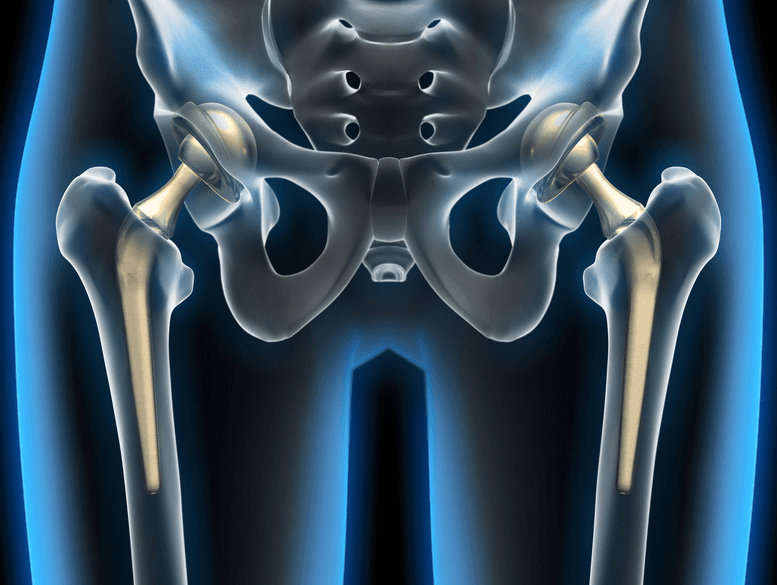
Contents
Hip pain that shortens your stride and steals your sleep rarely waits politely for an NHS slot or a US insurance approval. Hip Replacement in Croatia currently costs between $7,300 and $13,500 for a total endoprosthesis at private orthopedic hospitals in Zagreb and Krapinske Toplice, while the same operation runs $28,000 to $40,000 in the United States and £14,000 to £18,000 privately in the UK with waiting lists that stretch past 12 months. Croatia sits inside the European Union, applies EU medical-device standards, and operates several private orthopedic centers that perform over 1,000 joint procedures every year. A-Medical books eligible patients with surgeons who handle 200+ hip arthroplasties annually, often within three to four weeks of the first online consultation.
Why International Patients Choose Croatia for Hip Surgery
![Hip Replacement Surgery in Turkey: Cost, Best Hospitals & Recovery [2026] related image](https://amedical.az/storage/blog/content/2026/04/e55551f4-d609-4e48-9d53-1e5412283338.png)
Croatia entered the European Union in 2013 and adopted EU regulatory standards for medical devices, surgical training, and patient safety. Private orthopedic hospitals in Zagreb compete directly with German and Austrian clinics on technology and outcomes, yet their pricing reflects lower operating costs and a favorable euro exchange rate. Surgeons routinely publish in international orthopedic journals, train in Munich, Vienna, and London, and use the same implant brands you would receive in any major Western European hospital, including Zimmer Biomet, DePuy Synthes, and Smith & Nephew.
Patient flow matters. The largest private orthopedic hospital in Croatia performs roughly 350 hip, knee, and shoulder prostheses every year. High volume correlates with lower complication rates, and Croatian centers publish revision rates under 2% at five years, in line with the best European registries. Add direct flights from London, Frankfurt, and Dublin to Zagreb, plus English-speaking medical staff at private facilities, and the practical case for Croatia builds itself.
Cost of Hip Replacement in Croatia in 2026
A total hip endoprosthesis (TEP) at a private Zagreb clinic costs between $7,300 and $13,500 in 2026. A partial hip endoprosthesis (PEP) sits around $6,500 to $9,500. Hip resurfacing is rarely offered now, with most surgeons recommending TEP for patients over 55. The final quote depends on the implant material (ceramic-on-ceramic, ceramic-on-polyethylene, or metal-on-polyethylene), the surgical approach (anterior, lateral, or posterior), and the length of inpatient stay. Hip Replacement in Croatia usually includes the surgeon fee, anesthesia, hospital stay of three to five nights, the implant, and basic post-operative physiotherapy.
What the Quoted Price Usually Covers
- Pre-operative consultation, blood work, ECG, and chest X-ray.
- Surgeon, anesthesiologist, and operating room fees.
- Implant components from European or American manufacturers.
- Three to five nights of inpatient hospitalization.
- Initial physical therapy sessions before discharge.
- One follow-up consultation within ten days.
What Sits Outside the Standard Package
- Flights and airport transfers (A-Medical covers VIP transfer).
- Hotel or apartment stay during the outpatient recovery window.
- Extended physiotherapy beyond the inpatient stay.
- Translator services if not provided by the clinic.
- Travel and medical complications insurance.
Hip Replacement Cost Comparison: Croatia vs UK, USA, and Germany
![Hip Replacement Surgery in Turkey: Cost, Best Hospitals & Recovery [2026] related image](https://amedical.az/storage/blog/content/2026/04/4faa0d5b-0f89-4417-81f8-e8d278beef12.png)
The price gap is the headline reason patients travel, but the wait-time gap matters just as much for working adults and active retirees. NHS hip replacement waits sit between 12 and 18 months in most English trusts, while German private hospitals quote €14,000 to €20,000 with shorter queues than the UK but still longer than Croatia.
|
Country |
Total Hip Replacement Cost |
Average Wait Time |
Hospital Stay |
|
Croatia |
$7,300 to $13,500 |
2 to 4 weeks |
3 to 5 nights |
|
United Kingdom (private) |
$17,500 to $22,500 |
6 to 12 months |
3 to 5 nights |
|
United States |
$28,000 to $40,000 |
1 to 3 months |
2 to 4 nights |
|
Germany |
$16,000 to $22,000 |
3 to 6 weeks |
4 to 7 nights |
|
Switzerland |
$25,000 to $35,000 |
2 to 4 weeks |
5 to 7 nights |
|
Turkey |
$8,500 to $14,000 |
1 to 3 weeks |
3 to 5 nights |
Prices vary by clinic, surgeon experience, implant brand, and the patient's overall health. Use the figures above as planning anchors rather than fixed quotes. A-Medical sends a written, all-inclusive quote after the online consultation, with no hidden surcharges added later.
Patients who want to widen the comparison can review our breakdown of Hip Replacement Surgery in Switzerland or read about the best and cheapest countries for hip replacement surgery abroad to see where Croatia ranks against Mexico, Lithuania, and the Czech Republic.
Get a free written quote from A-Medical before you book any flights. The quote includes the surgeon, the implant brand, the exact length of stay, and the after-care plan.
Best Clinics for Hip Replacement in Croatia
Most international hip patients travel to Zagreb or to Krapinske Toplice, a thermal-spa town 45 minutes north of the capital that hosts one of the best-known orthopedic hospitals in Southeast Europe. The five private centers below cover the bulk of cross-border hip surgery cases in Croatia. Each holds local Ministry of Health licensing and works to EU-aligned safety standards. A-Medical matches patients to the clinic and surgeon that fit their case rather than pushing a single hospital.
Akromion Special Hospital (Krapinske Toplice and Zagreb)

Akromion ranks as the largest private orthopedic and traumatology hospital in Croatia. The main facility sits in Krapinske Toplice, one hour from Zagreb Airport, with a polyclinic in central Zagreb for consultations and follow-up. The hospital performs around 1,300 surgeries annually, including 350 hip, knee, and shoulder prostheses. Akromion runs three modern operating rooms, in-house CT and MRI, and a rehabilitation pool with adjustable counter-current resistance for post-op gait training. Same-day surgery protocols, regional anesthesia techniques, and a transfusion-sparing program (under 5% donor blood use in joint replacements) place Akromion in line with the better German and Austrian private centers.
Top hip surgeons at Akromion: Prof. Dr. Miroslav Haspl (specialist in joint replacement and lower-extremity reconstruction), Prof. Dr. Nikola Čičak (hip and shoulder arthroplasty), Dr. Denis Tršek (hip and knee arthroplasty, revisions), and Dr. Hrvoje Klobučar PhD (hip and shoulder arthroplasty, sports orthopedics).
Agram Special Hospital (Zagreb)

Agram operates the largest private healthcare network in Croatia with more than 20 years of clinical history. The Zagreb hospital handles orthopedic surgery alongside cardiology, general surgery, and diagnostic radiology. For hip arthroplasty, Agram offers anterior and posterior approaches and uses the same implant systems found across Western Europe. The campus includes single and double private rooms, in-house imaging, and a physical-therapy department for early post-operative mobilization. International patients receive a single case manager who coordinates consultation, surgery, and discharge documentation, which simplifies insurance reimbursement back home in countries that allow cross-border claims.
Strengths for hip patients: rapid scheduling, in-house cardiology pre-op clearance for older patients with comorbidities, and integrated rehabilitation across the Agram network.
St. Catherine Specialty Hospital (Zagreb and Zabok)

St. Catherine carries European Centre of Excellence status and built a reputation in regenerative orthopedics alongside conventional arthroplasty. The hospital integrates orthobiologic therapies such as platelet-rich plasma and bone-marrow aspirate concentrate into post-operative rehab protocols, which appeals to patients who want to combine a hip replacement with cartilage-protective treatments on the contralateral side. Operating rooms run laminar-flow ventilation, and the staff publishes regularly on minimally invasive hip approaches in European journals. International patients receive multilingual coordination, and the hospital partners with several European insurers for direct billing.
Useful detail: St. Catherine offers both a Zagreb central polyclinic for outpatient work and a fully equipped surgical hospital in Zabok, which suits patients who prefer a quieter recovery setting outside the capital.
Patela Clinic (Zagreb)

Patela focuses on orthopedic examinations, physical rehabilitation, and joint surgery. The clinic is best suited to patients with moderate hip osteoarthritis who want a streamlined, single-team experience rather than a large-hospital workflow. Surgical cases are operated at partner hospital theaters in Zagreb, with pre-op assessment and post-op physio handled in-clinic. Patela also runs sports diagnostics, which means patients who want to return to recreational running or cycling get a structured outcome plan, not just discharge papers. Reviews from European patients consistently mention quick communication and direct surgeon access before and after the operation.
Lead hip surgeon: Dr. Trpimir Vrdoljak, frequently referenced by international patients for total hip endoprosthesis cases.
Preventis Polyclinic (Zagreb)

Preventis was the first private clinic for orthopedics, surgery, and traumatology, as well as physical medicine and rehabilitation in western Zagreb. The clinic suits patients who want an integrated pre-op, surgical, and rehab pathway under one roof and one billing system. Preventis covers consultation, imaging, surgery, and structured physiotherapy across three to four weeks, which fits the typical inpatient and early outpatient window for a hip replacement traveler. Their surgical team handles both primary hip arthroplasty and selected revision cases.
Kaliper Clinic (Zagreb)
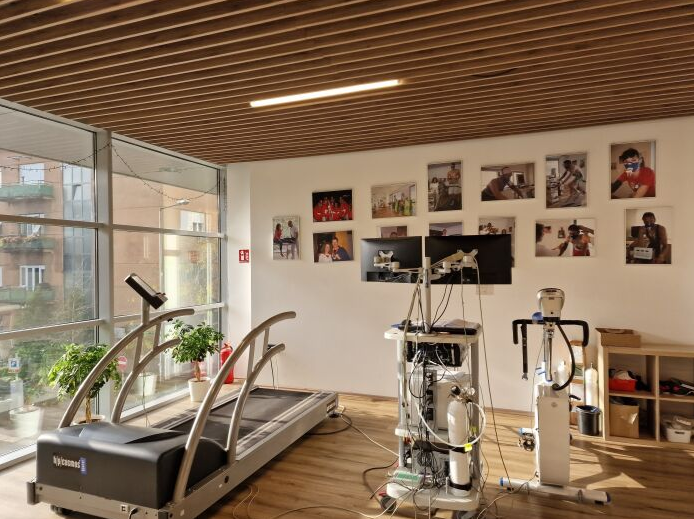
Kaliper runs a focused practice across physical medicine, rehabilitation, orthopedics, sports medicine, and recreational fitness. For hip patients, Kaliper is most useful as a partner clinic for structured outpatient rehab after surgery at Akromion or Agram. Patients who add a two-week guided rehabilitation block at Kaliper after discharge usually walk unaided sooner and return to driving four to six weeks post-op rather than the usual eight to ten weeks. The clinic also runs gait analysis and joint-loading assessment, which helps surgeons fine-tune implant positioning recommendations for active patients.
Top Hip Replacement Surgeons in Croatia
Surgeon volume and subspecialty focus separate good hip outcomes from average ones. The four orthopedists below operate primarily in Croatia, handle hundreds of hip cases between them each year, and accept international patients through A-Medical and direct hospital channels.
- Prof. Dr. Miroslav Haspl (Akromion): extensive experience in joint replacement and reconstructive surgery of the lower extremities. He covers primary and revision hip arthroplasty and supervises pediatric orthopedic cases as a subspecialist.
- Prof. Dr. Nikola Čičak (Akromion): internationally recognized orthopedic surgeon with focus on hip and shoulder arthroplasty. He publishes in European orthopedic journals and trains younger surgeons across the region.
- Dr. Denis Tršek (Akromion): specialist in arthroplasty and revision surgery of the hip and knee. He combines lower-extremity reconstruction with sports orthopedics, which fits active patients in their 50s and 60s.
- Dr. Hrvoje Klobučar, MD, PhD (Akromion): orthopedist and scientific researcher with a clinical interest in hip and shoulder arthroplasty plus reconstructive foot, shoulder, and elbow surgery.
- Dr. Trpimir Vrdoljak (Patela): orthopedist regularly cited by international patients in verified Total Hip Endoprosthesis (TEP) reviews. His follow-up protocol with overseas patients keeps post-op communication active for three months after discharge.
- Dr. Tomislav Secan (ZagrebMed network): trauma surgeon covering fractures, knee arthroscopy, hip, and shoulder cases, useful for patients whose hip damage stems from prior trauma rather than degenerative osteoarthritis.
Types of Hip Replacement Performed in Croatia
![Hip Replacement Surgery in Turkey: Cost, Best Hospitals & Recovery [2026] related image](https://amedical.az/storage/blog/content/2026/04/c9b970b3-0031-4892-ad58-b0bacf6ee777.png)
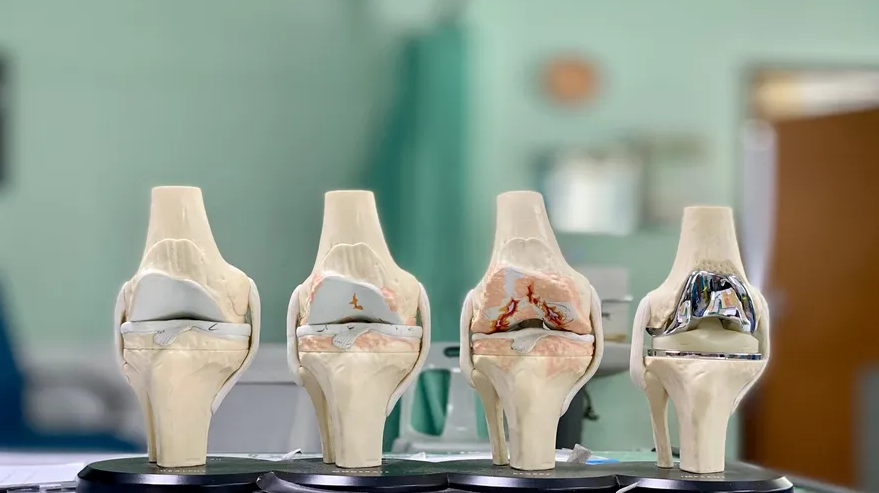
Croatian orthopedic centers offer the full hip-arthroplasty menu, and surgeons select the technique based on age, bone quality, activity goals, and the joint's structural state. Most international patients receive a total hip endoprosthesis with either a ceramic-on-polyethylene or ceramic-on-ceramic bearing surface.
- Total Hip Endoprosthesis (THR / TEP): the surgeon replaces the full joint. The procedure swaps out the femoral head, the femoral neck, and the acetabular cup for prosthetic components. This is the standard solution for advanced osteoarthritis, rheumatoid arthritis, and avascular necrosis.
- Partial Hip Endoprosthesis (PEP / Hemiarthroplasty): the surgeon replaces only the femoral head. Surgeons reach for this option mostly in displaced femoral neck fractures in older patients where the acetabulum still functions well.
- Anterior Approach Hip Replacement: a minimally invasive technique that spares the muscle groups behind the hip. Recovery often runs faster, and dislocation risk drops because the posterior capsule stays intact.
- Posterior Approach Hip Replacement: the traditional and most widely used method. It gives the surgeon excellent visibility and works well for complex anatomy, revisions, and obese patients.
- Revision Hip Arthroplasty: replaces a failed or worn-out prosthesis. Surgeons at Akromion and Agram handle revision cases regularly, including those with implant loosening, periprosthetic infection, or recurrent dislocation.
Who Is a Good Candidate for Hip Replacement Surgery
![Hip Replacement Surgery in Turkey: Cost, Best Hospitals & Recovery [2026] related image](https://amedical.az/storage/blog/content/2026/04/bdfb9fb1-786e-4f5d-8754-4911fef628ba.png)
A surgical decision for hip arthroplasty rests on three factors: pain that limits daily life, structural joint damage confirmed on imaging, and failure of conservative measures. Patients who tick all three usually qualify. The list below covers the clinical profiles Croatian surgeons accept for primary hip replacement.
- Adults with severe hip osteoarthritis and constant pain at rest or at night.
- Patients with rheumatoid arthritis or psoriatic arthritis affecting the hip joint.
- People diagnosed with avascular necrosis of the femoral head.
- Patients with developmental hip dysplasia leading to secondary osteoarthritis.
- Older adults with displaced femoral neck fractures (typically partial hip replacement).
- Patients with post-traumatic arthritis after previous hip fracture or injury.
- Adults who have failed at least three to six months of physiotherapy, weight management, and anti-inflammatory treatment.
Recovery Timeline After Hip Replacement in Croatia
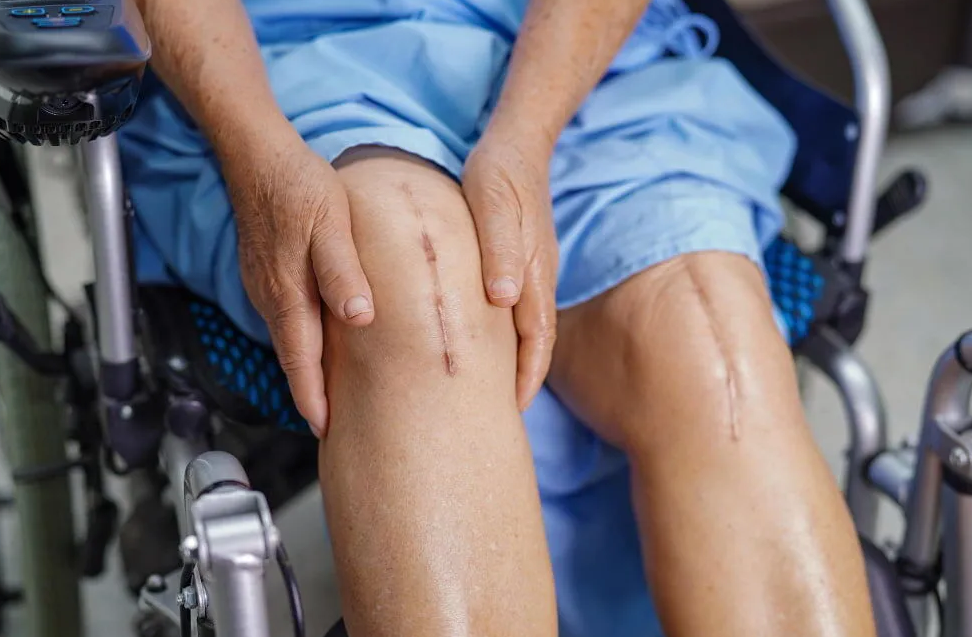
Recovery follows a predictable curve, and Croatian clinics structure their post-op pathway around early mobilization rather than prolonged bed rest. Patients walk with a frame within 24 hours after most modern hip replacements and climb stairs assisted within three to four days. International patients usually stay in Croatia for 10 to 14 days after surgery before flying home with a fit-to-fly medical clearance.
Week 1 to Week 2
Inpatient stay of three to five nights, daily physiotherapy in the hospital, removal of staples or sutures around day 10 to 14. Patients move with crutches and follow a strict precaution list to protect the new joint (no crossing legs, no bending past 90 degrees).
Week 3 to Week 6
Most patients switch from crutches to a single cane. Driving usually resumes around week four to six on the left side and slightly later for right-hip replacement. Outpatient physiotherapy continues two or three times a week. Wound healing finishes, and patients return to light office work if the role allows seated tasks.
Week 6 to Month 3
Full weight-bearing without aids. Patients restart swimming, stationary cycling, and longer walks. Vigorous activities such as running and jumping wait until the surgeon clears them, usually around month three to six.
Month 3 to Month 12
Most patients reach full activity by the end of the first year. The artificial hip lasts 15 to 25 years on average for modern implants, with bearing-surface choice and patient activity influencing implant longevity.
Step by Step Process for Getting a Hip Replacement in Croatia
A-Medical structures the path from inquiry to home recovery into eight predictable steps. The pre-travel work happens online, which means patients only fly to Croatia once everything is confirmed.
- Step 1: Free Online Consultation. Share MRI or X-ray reports and recent blood work for surgeon review.
- Step 2: Written Quote and Surgeon Match. Receive a written quote with the chosen surgeon, implant brand, and inclusive package details within 48 hours.
- Step 3: Travel Planning. A-Medical books flights, airport pickup, and hotel close to the clinic.
- Step 4: Arrival and In-Person Evaluation. Pre-op blood work, ECG, anesthesia consultation, and final surgical plan on day one or two.
- Step 5: Surgery. Operation lasts 90 to 120 minutes under regional or general anesthesia.
- Step 6: Inpatient Recovery. Three to five nights in the hospital with daily physiotherapy and pain management.
- Step 7: Outpatient Recovery in Croatia. Five to nine days in a hotel or apart-hotel with daily physiotherapy sessions and one follow-up visit.
- Step 8: Return Home and Remote Follow-up. Fly home with a discharge summary, exercise plan, and remote check-ins at weeks 2, 6, and 12.
Visa, Travel, and Length of Stay for Hip Patients
Croatia joined the Schengen Area on January 1, 2023. Citizens of the EU, EEA, Switzerland, the UK, the USA, Canada, Australia, and most Gulf states enter visa-free for up to 90 days within any 180-day period, which more than covers the surgical and recovery window. Citizens of countries that require a Schengen visa apply at the Croatian embassy or consulate with the standard documents plus a letter of admission from the hospital, which A-Medical provides.
Plan for 10 to 14 days in Croatia total: one or two days for pre-op assessment, three to five nights as an inpatient, then five to nine days in a nearby hotel for early outpatient recovery and a final follow-up. Most major orthopedic surgeons clear patients to fly economy class with an aisle seat, a sequential compression sleeve, and a window to walk every hour. Business-class seats with a flat bed help on flights over four hours.
Best Time of Year to Travel for Hip Surgery in Croatia
Late September through early June works best for hip patients. Zagreb sits in a continental climate, and summer temperatures climb above 30°C in July and August, which makes early walking and incision care less comfortable. October to April brings cooler weather, fewer tourists, and easier hotel pricing. Snow does fall in December and January, so patients who want to avoid icy pavements during their first crutch-supported walks should aim for late spring or early autumn.
Risks and Possible Complications
Hip replacement is one of the safest major surgeries performed today, with success rates above 95% at ten years in international registries. The risks remain real but rare, and Croatian centers report complication profiles in line with the best European hospitals.
- Surgical-site infection (under 1% in high-volume European centers).
- Deep vein thrombosis or pulmonary embolism (managed with anticoagulants for up to 35 days post-op).
- Hip dislocation (under 2% with modern surgical approaches and patient education).
- Leg-length discrepancy of more than 1 cm (rare with proper templating).
- Loosening or wear of the prosthesis over time (typically after 15 to 20 years).
- Periprosthetic fracture (uncommon but more likely in patients with osteoporosis).
- Anesthesia-related complications (very rare with modern regional techniques).
If you want to compare risk profiles, success rates, and pricing in the wider Mediterranean region, see our guide on Hip Replacement Surgery in Turkey for 2026, which covers Istanbul and Ankara orthopedic hospitals.
How to Choose the Right Hip Replacement Clinic in Croatia
Three checks separate a sound choice from a regretful one. First, surgeon volume: ask how many hip replacements your specific surgeon performed last year. Anything above 100 hips per year places the surgeon in the high-volume category, and outcomes data favor high-volume surgeons heavily. Second, implant transparency: the written quote should name the implant brand and bearing surface. Reputable Croatian centers use Zimmer Biomet, DePuy Synthes, Smith & Nephew, or Stryker. Third, follow-up protocol: ask what happens at week 2, week 6, and month 3 after you return home. Clinics with structured remote follow-up catch problems earlier than those that hand you a discharge sheet and disappear.
What A-Medical Patients Notice First
After arranging hundreds of orthopedic cases across Europe, our case managers see three patterns repeat with patients who chose Croatia. Patients in their early 60s who flew from London or Manchester were back to slow walking holidays within 12 weeks, faster than the typical post-NHS recovery because surgery happened before muscle atrophy set in from the waiting list. Patients from Germany and Austria appreciated the language overlap (most Croatian orthopedists speak fluent German) and chose Croatia for the price gap, not because German care was inadequate. Patients from the US and Canada were surprised by how much follow-up communication continued for three months after discharge, which contrasts with the brief post-op contact common in North American private orthopedics.
What sometimes surprises patients in a less positive direction: bath culture. Zagreb is not a beach destination, and Krapinske Toplice is a thermal-spa town with limited evening entertainment. Patients who travel solo and want a busy social environment during recovery should pick a hotel in central Zagreb rather than at the spa town, even if the clinic is in Krapinske Toplice. The 45-minute transfer is short, and the social setting helps emotional recovery alongside the physical one.
Advantages of Booking Hip Replacement in Croatia with A-Medical
A-Medical works as a single coordination point between you, the clinic, the surgeon, and the after-care team. Patients who book through A-Medical receive the following without extra cost.
- Priority surgical slots without waiting lists, often within three to four weeks of consultation.
- Written all-inclusive pricing with no hidden surcharges added at the clinic.
- EU-standard hospital matching and surgeon vetting based on hip-specific volume and outcomes.
- Airport VIP pickup and private transfers to the hotel and clinic.
- Hotel and apart-hotel booking near the chosen clinic in Zagreb or Krapinske Toplice.
- Round-the-clock translator support in English, German, Russian, and Arabic.
- Free online consultation with the orthopedic surgeon before any commitment.
- Remote follow-up at weeks 2, 6, and 12 after discharge.
- One coordinator who handles the full case from inquiry to twelve-week follow-up.
Ready to plan your hip surgery? Contact A-Medical for a free online consultation. We confirm clinic match, surgeon, and a written quote within 48 hours.
Patients researching adjacent procedures often read our coverage of Hip Arthroscopy in Turkey for 2026 to weigh joint-preserving options against full replacement.
Frequently Asked Questions About Hip Replacement in Croatia
How much does a hip replacement cost in Croatia in 2026?
A total Hip Replacement in Croatia costs between $7,300 and $13,500 at private clinics in Zagreb and Krapinske Toplice. A partial hip replacement runs $6,500 to $9,500.
Is Croatia safe for hip replacement surgery as an international patient?
Yes. Croatia is an EU member state with regulated medical-device standards, and private orthopedic hospitals such as Akromion and Agram perform hundreds of joint replacements yearly with complication rates in line with the best Western European centers.
How long do I need to stay in Croatia after hip surgery?
Plan for 10 to 14 days in Croatia. That covers one or two pre-op days, three to five inpatient nights, and five to nine days of outpatient recovery with daily physiotherapy before the fit-to-fly clearance.
Who is the best hip replacement surgeon in Croatia?
Prof. Dr. Miroslav Haspl and Prof. Dr. Nikola Čičak at Akromion, along with Dr. Trpimir Vrdoljak at Patela, rank among the most frequently chosen surgeons for international hip patients. The right match depends on your specific anatomy, age, and activity goals.
Which implant brands do Croatian hospitals use?
Private Croatian orthopedic hospitals use Zimmer Biomet, DePuy Synthes, Smith & Nephew, and Stryker implants. These are the same brands used in major UK, German, and US hospitals, with the same warranty profiles.
Can I claim Croatian hip surgery costs through my home insurance?
It depends on your insurer and country. UK NHS patients can in some cases use the S2 route for pre-authorized EU treatment, and many European private insurers reimburse part of the cost. US insurers rarely cover elective surgery abroad, but some employer-sponsored plans now include medical-travel options.
Do Croatian surgeons speak English?
Yes. Surgeons and senior nurses at private orthopedic hospitals in Zagreb speak fluent English, and many also speak German or Italian. A-Medical provides additional translator support if needed.
When can I fly home after hip replacement in Croatia?
Most surgeons clear patients to fly 10 to 14 days after surgery, with an aisle seat and a compression sleeve. Flights longer than four hours work better in premium economy or business class for the first post-op trip.