Contents
Related Topics
Septorhinoplasty in Turkey | 2026 Costs & Clinics
Patients who struggle with both a deviated septum and dissatisfaction with their nasal shape often look abroad once private quotes at home reach uncomfortable territory. Septorhinoplasty in Turkey typically costs between €2,800 and €4,500 as an all-inclusive package, against £6,500 to £12,000 in private UK clinics and $10,000 to $18,000 in the United States. NHS waiting lists for functional septoplasty stretch beyond a year in several regions, while combined functional and aesthetic correction is rarely funded at all. Turkish hospitals operate without those queues and offer board-certified surgeons who perform high volumes of nasal procedures every week.
What Is Septorhinoplasty? Difference Between Septoplasty and Rhinoplasty
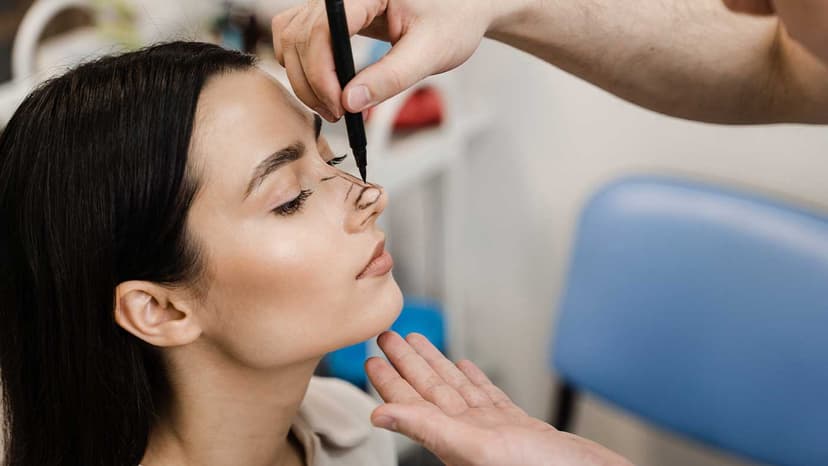
Septorhinoplasty is a single surgical operation that combines septoplasty (functional correction of a deviated nasal septum) with rhinoplasty (aesthetic reshaping of the external nose). The septum is the thin wall of cartilage and bone that divides the two nasal passages. When it bends to one side, airflow drops on that side and patients commonly report chronic congestion, snoring, and disrupted sleep. A purely cosmetic rhinoplasty changes the outer shape but leaves a deviated septum untouched, while a septoplasty fixes breathing without altering appearance.
Combining the two into one operation under one anaesthesia is the practical option for the majority of international patients, because it solves both issues at once and avoids a second surgery, a second recovery, and a second flight to Istanbul. The operation generally takes 1.5 to 3 hours under general anaesthesia, depending on whether the case requires turbinate reduction, cartilage grafting, or osteotomy of the nasal bones.
Septorhinoplasty Cost in Turkey vs UK, USA, Germany, and Canada (2026)
Combined functional and aesthetic nose surgery is one of the procedures where the gap between Turkey and Western markets is widest. The reason is structural: lower clinic operating costs, a favourable euro-to-lira exchange rate, government incentives for medical tourism through USHAŞ (the Turkish Ministry of Health's international health services agency), and very high case volumes that drive efficiency at the surgical level.
|
Country |
Septorhinoplasty Cost (Combined) |
Public Wait Time |
Insurance Coverage |
|
Turkey |
€2,800 to €4,500 |
None for international patients |
Cosmetic part not covered; functional part may qualify in home country |
|
United Kingdom (Private) |
£6,500 to £12,000 |
NHS: 12+ months for septoplasty alone |
NHS rarely funds combined aesthetic correction |
|
United States |
$10,000 to $18,000 |
2 to 6 months for top surgeons |
Septum portion may be partly covered; aesthetic portion never covered |
|
Germany |
€6,000 to €9,500 |
6 to 9 months in public system |
Functional portion covered by gesetzliche Krankenkasse; aesthetic out of pocket |
|
Canada |
CAD 9,000 to CAD 15,000 |
8 to 14 months for ENT consult |
OHIP/provincial plans cover septoplasty if medically necessary; rhinoplasty excluded |
Prices vary depending on the clinic, the surgeon's experience, the technique used (open, closed, piezo, or preservation), and whether the case is a primary or revision procedure.
Ready to compare exact quotes for your case? A-Medical arranges a free photo review with a board-certified Turkish surgeon and returns a written treatment plan within 48 hours, including the all-inclusive price and the recommended clinic.
Patients exploring cosmetic procedures abroad may also consider preservation rhinoplasty in Turkey for world-class results at competitive prices.
See how Turkey compares with six other affordable countries for rhinoplasty surgery.
Why International Patients Choose Combined Nasal Surgery in Turkey
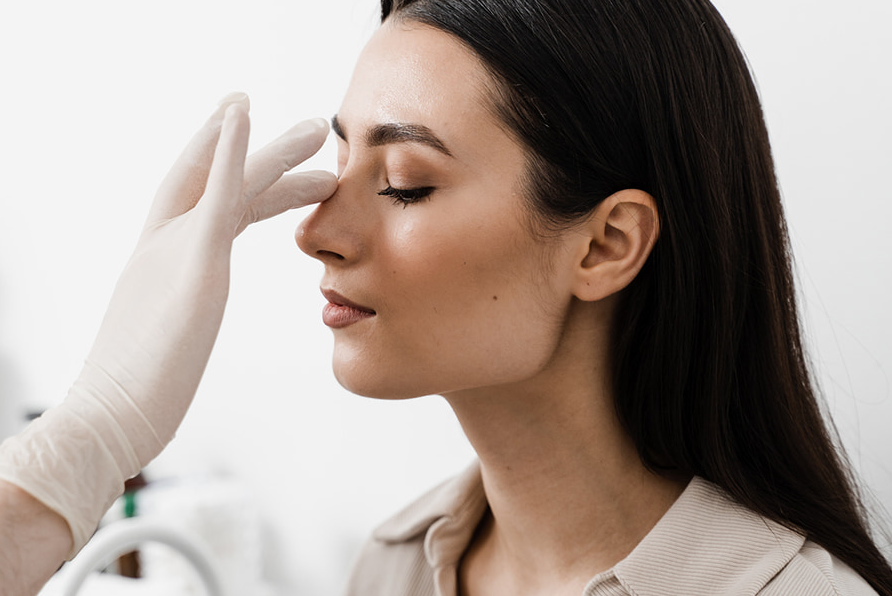
Turkey performs more aesthetic nasal procedures than almost any other country worldwide. According to ISAPS data, Turkish surgeons completed over 83,000 rhinoplasty procedures in 2023 alone, and Istanbul is widely regarded inside the medical tourism industry as the highest-volume city for nose surgery globally. That volume produces practical experience that is difficult to match in markets where a typical ENT or plastic surgeon performs 50 to 100 cases per year.
Beyond the surgical numbers, several factors push patients toward combined nasal surgery in Turkey specifically:
- JCI-accredited hospitals operating to the same patient safety standards as US and UK institutions.
- Surgeons board-certified by the Turkish Society of Plastic, Reconstructive and Aesthetic Surgery, with mandatory six-and-a-half-year residencies after medical school.
- Access within days rather than months: most international patients fly within 2 to 4 weeks of their first photo consultation.
- All-inclusive packages that bundle surgery, anaesthesia, hospital stay, hotel nights, transfers, and interpreter services into a single transparent price.
- Direct flights from London, Berlin, Paris, Frankfurt, Dubai, and most major European hubs to Istanbul (3 to 4 hours from Western Europe).
- Easy e-visa or visa-free entry for citizens of most EU, UK, US, Canadian, and Gulf countries.
Best Clinics for Septorhinoplasty in Turkey (A-Medical Network)
A-Medical works with verified hospitals and surgical centres across Istanbul and other Turkish cities. The clinics below are the facilities most frequently selected by A-Medical patients for combined nasal surgery, based on surgeon specialisation, accreditation status, and post-operative outcomes.
Lokman Hekim Hospital, Istanbul
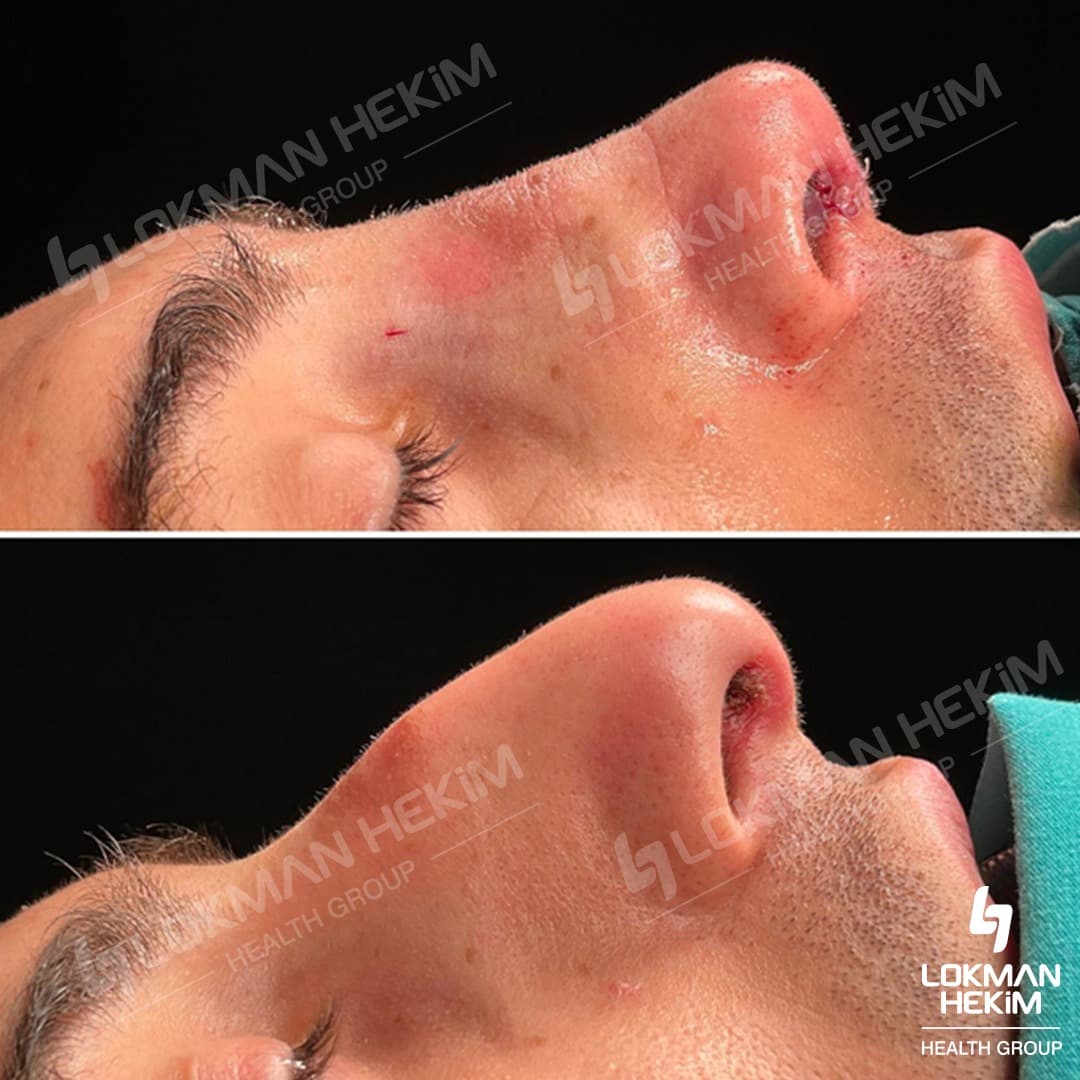
Lokman Hekim is a growing private healthcare group with multiple branches in Istanbul, Ankara, and Van. The Istanbul branch is the most popular among A-Medical patients for nasal surgery because of its competitive pricing and the structure of the inpatient department, which allows one supervised post-operative night before transfer to the hotel. Lokman Hekim runs a full ENT department alongside its plastic surgery clinic, which matters for septorhinoplasty because the functional component of the operation is best handled by surgeons who routinely treat both deviated septums and aesthetic reshaping.
A-Medical All-Inclusive Septoplasty Package at Lokman Hekim Hospital
Price: €2,800
Included:
- Pre-operative analysis and blood work
- Doctor appointment and consultation
- Airport and clinic transfers (VIP)
- 1 night hospital stay with post-operative monitoring
- 3 nights hotel stay (4-star, breakfast included)
This package is for septoplasty alone. For combined septorhinoplasty in Turkey at Lokman Hekim, the package starts from €3,200 and includes the additional aesthetic component, an extended hotel stay where required, and post-operative splint removal before flying home.
Anadolu Medical Center, Istanbul
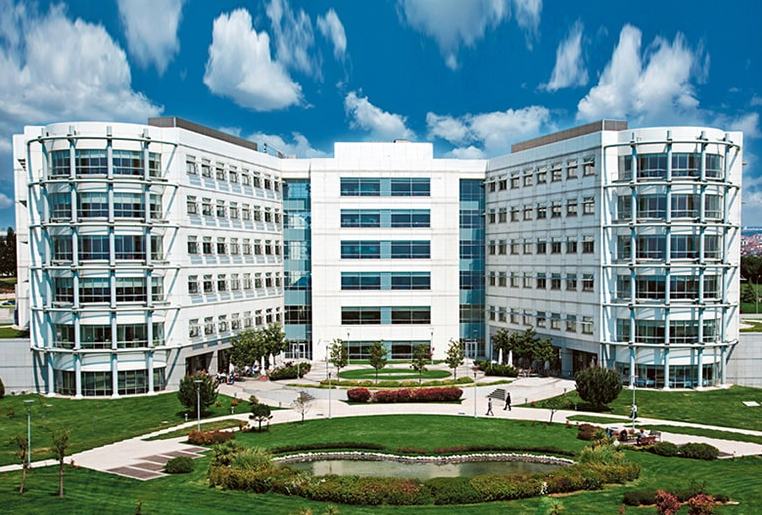
Anadolu Medical Center is affiliated with Johns Hopkins Medicine, which is uncommon among Turkish hospitals and meaningful for patients who want a clinical environment that mirrors a US academic medical centre. The campus is on the Asian side of Istanbul, around 45 minutes from Sabiha Gökçen Airport. The plastic surgery and ENT departments collaborate on combined cases, and the post-operative monitoring protocols are stricter than at most private aesthetic-focused clinics, which is an advantage for patients with cardiac or respiratory comorbidities.
Acibadem Healthcare Group, Istanbul
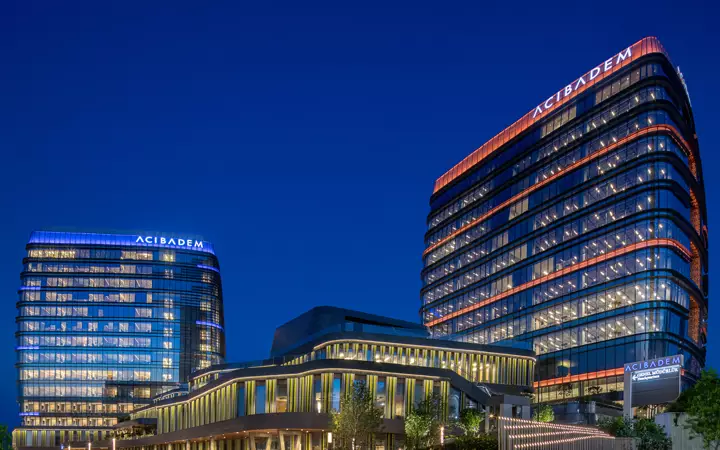
Acibadem is Turkey's largest private hospital network, with 22 hospitals and JCI accreditation across most facilities. For septorhinoplasty, A-Medical typically books patients into Acibadem Maslak or Acibadem Atakent in Istanbul. The benefit of a large network is depth of specialty: cardiology, anaesthesiology, and pulmonology consultations are available on-site if any pre-operative concern arises during the medical clearance process.
Medical Park Hospitals (Istanbul, Antalya, and 30+ branches)
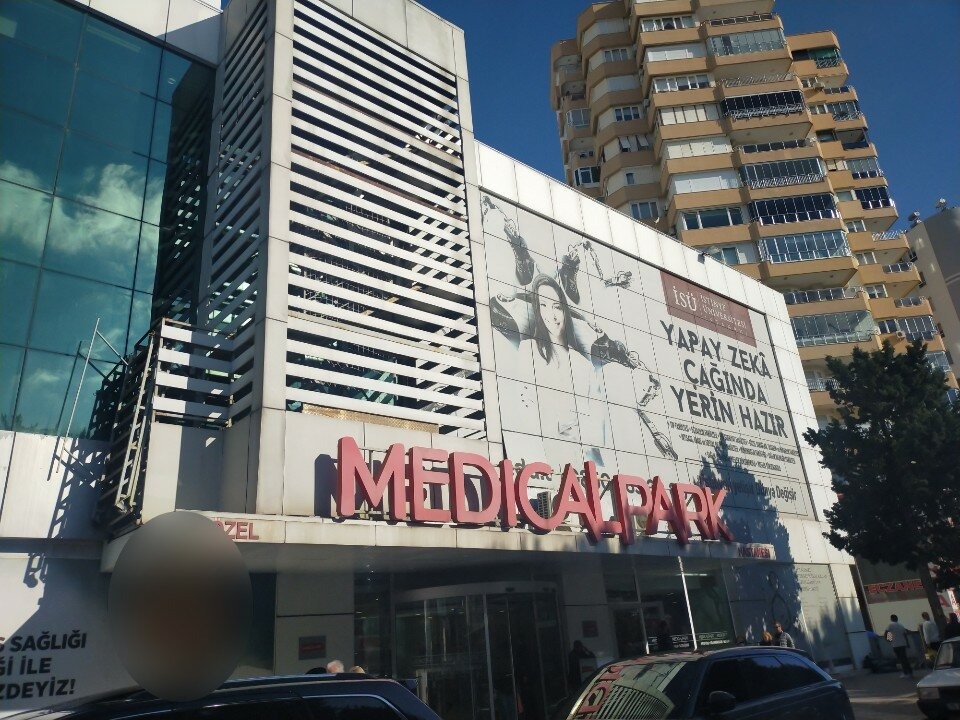
Medical Park is the largest private hospital chain in Turkey by branch count and operates in 17 cities. The Antalya branch is a popular choice for patients who prefer recovery on the Mediterranean coast rather than central Istanbul. The Antalya climate is gentler in spring and autumn, and several A-Medical patients choose to extend their stay by a few days in a coastal hotel after splint removal.
Hisar Intercontinental Hospital, Istanbul
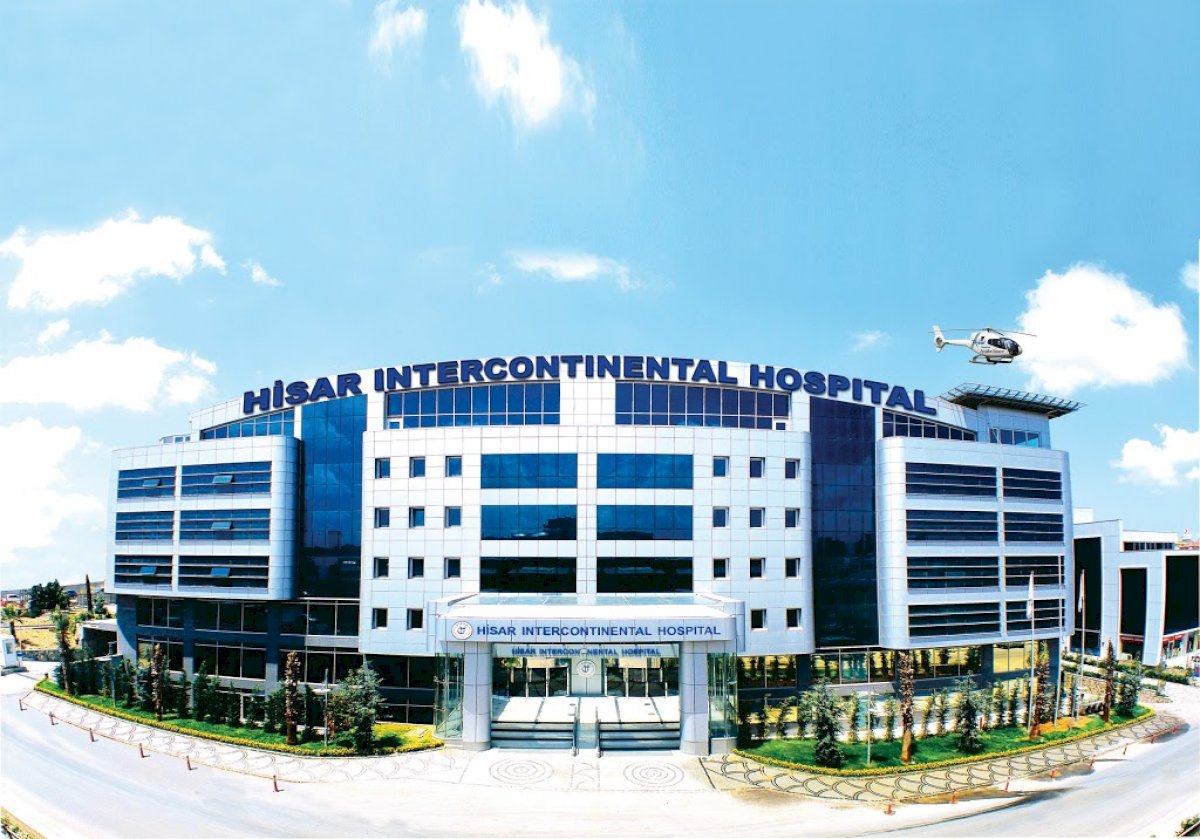
Hisar Intercontinental is a smaller specialist hospital on the Asian side of Istanbul. The advantage is operational density: shorter waits between admission and surgery, more direct access to the surgeon during pre-op and post-op consultations, and a quieter recovery environment than the larger university-style hospitals. Hisar holds JCI accreditation and is well known among ENT specialists in the region.
Who Is a Good Candidate for Septorhinoplasty?
Septorhinoplasty is appropriate for patients who have both functional and aesthetic concerns about the nose. The combined operation is generally a stronger choice than two separate procedures because the surgeon can address the underlying structural support of the nose only once, which produces a more stable long-term result. You may be a suitable candidate if you experience any of the following:
- Chronic difficulty breathing through one or both nostrils, especially during sleep
- Documented deviated septum confirmed by an ENT examination or CT imaging
- Persistent snoring not explained by other causes
- Recurring sinus infections linked to obstructed nasal airways
- Visible asymmetry, dorsal hump, drooping tip, or wide nasal bridge that you want corrected
- Previous nasal trauma (a sports injury, accident, or fracture) that affected both shape and breathing
- Dissatisfaction with a previous rhinoplasty that left functional issues unresolved (revision septorhinoplasty)
- General good health, non-smoker (or willing to stop at least 4 weeks before surgery), and realistic expectations
Symptoms That Suggest You May Need Septorhinoplasty
A deviated septum is far more common than most people realise. An estimated 70 to 80 percent of adults have some degree of septal deviation, but only a subset experience symptoms severe enough to justify surgery. The symptoms most commonly reported by A-Medical patients before they book combined nose surgery in Turkey include:
- Nasal obstruction (one nostril noticeably blocked, sometimes alternating sides)
- Frequent nosebleeds caused by airflow drying out the deviated side
- Facial pain or pressure around the cheeks or forehead
- Loud snoring and noisy breathing during sleep
- Dry mouth on waking due to forced mouth breathing overnight
- Reduced sense of smell over time
- Headaches that worsen with congestion
Types of Septorhinoplasty Performed in Turkey
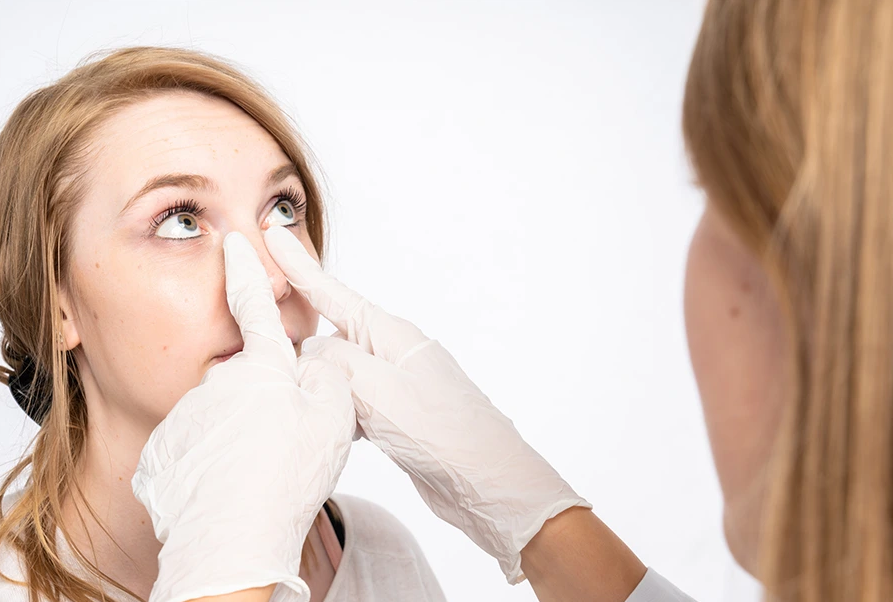
Turkish surgeons offer the full range of modern nasal surgery techniques. The choice of approach depends on the anatomy of the nose, the extent of the septal deviation, and the aesthetic outcome the patient wants.
- Open septorhinoplasty: a small incision is made across the columella (the strip of skin between the nostrils), giving the surgeon direct visual access to the entire nasal framework. This is the standard approach for complex cases and revisions.
- Closed septorhinoplasty: all incisions are made inside the nostrils, leaving no external scar. Suitable for less complex deformities and patients with thinner skin.
- Piezo (ultrasonic) septorhinoplasty: uses ultrasonic vibrations to reshape nasal bones with millimetric precision. Reduces bruising and swelling and is increasingly the technique of choice in major Istanbul centres.
- Preservation septorhinoplasty: the natural cartilage and ligament structure is preserved rather than removed, lowering the dorsum as a single anatomical unit. Allows earlier return to glasses and a more natural-looking result.
- Revision septorhinoplasty: performed on patients who had a previous nose surgery that failed functionally or aesthetically. More technically demanding and requires a surgeon with specific revision experience.
- Ethnic septorhinoplasty: accounts for the cartilage thickness, skin type, and proportion characteristics of patients from Middle Eastern, African, South Asian, or East Asian backgrounds.
Step-by-Step Process for International Patients
This is the practical sequence A-Medical patients follow from first contact through the flight home. The total stay in Turkey for primary septorhinoplasty is 7 to 10 days; revision cases generally require 9 to 12 days.
- Free online consultation: submit photos and a short medical history. A-Medical's coordinator forwards them to the surgeon within 24 hours.
- Treatment plan and quote: the surgeon returns a written assessment, recommended technique, all-inclusive price, and proposed clinic within 48 hours.
- Booking and travel arrangement: once the patient confirms, A-Medical books the hospital, hotel, and assists with flight selection and visa guidance if needed.
- Day 1 (arrival): VIP airport transfer, hotel check-in, and same-day pre-operative tests at the hospital (blood work, ECG, anaesthetist consultation).
- Day 2 (surgery): septorhinoplasty under general anaesthesia, 1.5 to 3 hours. Overnight stay in the hospital with a private nurse.
- Day 3 (discharge): transfer back to the hotel. Internal silicone splints remain in place; an external cast is applied.
- Days 4 to 7 (rest): recovery at the hotel with daily check-ins from the A-Medical coordinator and a 24/7 interpreter line.
- Day 7 to 10: removal of nasal splints and cast at the clinic, final consultation with the surgeon, fit-to-fly clearance, and transfer back to the airport.
See the full guide on how medical travel to Turkey works through A-Medical.
Recovery Timeline After Septorhinoplasty
Recovery from combined nasal surgery is slightly longer than aesthetic-only rhinoplasty because the internal septum also needs to heal. The peak swelling and bruising occur during the first 3 to 5 days. Visible swelling around the eyes typically fades by week 2; the final shape of the nose continues to refine for 6 to 12 months as deep tissue swelling slowly resolves.
- Days 1 to 3: rest, head elevated above the heart, ice packs to the cheeks (not the nose itself), avoid bending or lifting.
- Days 4 to 7: light walking permitted; bruising peaks then begins to fade. Internal silicone splints stay in place.
- Days 7 to 10: splint and cast removal at the clinic. Most patients are cleared to fly home.
- Weeks 2 to 4: return to office work; avoid contact sports, swimming, and heavy lifting. Glasses should rest on the cheeks rather than the nose bridge for at least 6 weeks (preservation cases sometimes allow earlier).
- Months 1 to 3: most external swelling resolves. Patients can resume cardio and gym training.
- Months 6 to 12: the tip refines and the nose settles into its final shape. Final photographic review at 12 months.
Risks and Complications to Be Aware Of
Septorhinoplasty is a safe operation when performed by a qualified surgeon, but no surgery is risk-free. The complications below are uncommon but should be discussed with the surgeon during consultation.
- Bleeding during or after surgery (minor in the majority of cases)
- Infection of the surgical site (low risk with antibiotic protocols)
- Septal hematoma (blood collection between cartilage layers, drained promptly if it occurs)
- Septal perforation (a hole in the septum, very rare with experienced surgeons)
- Persistent breathing difficulty if the underlying obstruction is not fully corrected
- Aesthetic dissatisfaction requiring future revision (revision rates among high-volume Turkish surgeons are 5 to 10 percent)
- Numbness around the nasal tip or upper teeth (usually temporary, resolves over weeks to months)
- Adverse reaction to general anaesthesia (screened in pre-operative tests)
How to Choose the Right Surgeon for Combined Nose Surgery in Turkey
Surgeon selection matters more than clinic selection. A high-volume hospital cannot compensate for an inexperienced surgeon, but a strong surgeon will deliver consistent results across multiple facilities. When evaluating a Turkish surgeon for combined nasal surgery, verify the following before booking:
- Board certification with the Turkish Society of Plastic, Reconstructive and Aesthetic Surgery (TPRECD) for plastic surgeons, or the Turkish ENT Society for otolaryngologists.
- Registration with the Turkish Ministry of Health and the Turkish Medical Association (TTB).
- Case volume: ask how many septorhinoplasty cases the surgeon performs per year. A focused nasal surgeon typically performs 200 to 600 nasal procedures annually.
- Before-and-after portfolio of cases similar to yours (skin type, gender, ethnicity, and complexity).
- Direct video consultation with the surgeon (not only the coordinator) before paying any deposit.
- Written treatment plan specifying technique, expected hospital stay, total package price, and post-operative follow-up protocol.
- Revision policy: clarity on what happens if a touch-up is needed after 12 months.
Best Time of Year to Travel for Nose Surgery in Turkey
Spring (April and May) and autumn (September to early November) are the practical windows for combined nasal surgery in Turkey. Istanbul summers are hot and humid, which makes the first week of recovery uncomfortable because patients should avoid prolonged sun exposure on the healing nasal skin. Winter is workable but flights to Istanbul are more often disrupted by weather, and walking on icy pavements with limited peripheral vision (because of the nasal cast) is not ideal.
If your work calendar allows, the second half of September and the first three weeks of October are generally the optimal window: temperatures are mild, hotel rates are below summer peak, and there is enough daylight to recover comfortably outdoors during the second half of the stay.
Patients exploring cosmetic procedures abroad may also consider rhinoplasty in Turkey for world-class results at competitive prices.
What an All-Inclusive Septorhinoplasty Package Should Include
Not every clinic uses the same definition of 'all-inclusive', so a clear inclusion list matters when comparing quotes. A complete A-Medical package for combined septum and aesthetic nose surgery covers the items below; if a quoted price is significantly lower than this, ask which items have been removed.
- Surgeon's fee for both the functional and aesthetic components
- General anaesthesia and anaesthetist consultation
- Operating theatre and hospital facility charges
- 1 night hospital stay with private nurse care
- 3 to 6 nights in a 4-star or 5-star hotel (depending on the package)
- VIP airport pickup, hotel-to-clinic transfers, and return airport drop-off
- Pre-operative blood work, ECG, and any required imaging
- Internal silicone splints and external nasal cast
- All post-operative medications during the stay
- Splint removal and final check-up before flying home
- Interpreter support in English, German, Arabic, Russian, or Azerbaijani as required
- Remote follow-up for up to 12 months after surgery
Final Considerations Before Booking
Choosing septorhinoplasty in Turkey is sensible for patients who want to solve a deviated septum and an aesthetic concern in one operation, at a price that is roughly a third to a quarter of what private clinics charge in the UK, the United States, or Germany. The trade-off is travel and a 7 to 10 day stay, but the structure of an all-inclusive package removes most of the logistical friction that puts patients off medical travel in the first place. The factors that matter most are surgeon experience, hospital accreditation, transparency in the package inclusions, and a coordinator who actually answers calls during the post-operative period.
Why Patients Book Septorhinoplasty Through A-Medical
A-Medical has coordinated medical travel to Turkey for international patients for over seven years, with offices in Baku and active clinic partnerships across Istanbul, Ankara, Antalya, and Izmir. Patients who book through A-Medical receive the following:
- No waiting list for surgery: scheduled within 2 to 4 weeks of the photo consultation.
- Transparent fixed-price package with no hidden surgical or hospital fees added on arrival.
- Surgeon and clinic matched to your specific case, not a generic referral.
- JCI-accredited hospital partners across multiple Turkish cities.
- VIP airport pickup and private driver throughout the stay.
- 4-star or 5-star hotel accommodation with breakfast included.
- 24/7 interpreter line in English, German, Arabic, Russian, and Azerbaijani.
- Free pre-travel online consultation with the surgeon.
- Post-treatment follow-up for 12 months with remote photo reviews.
- Single point of coordination from first message to flight home (no being passed between clinics, hotels, and translators).
- Best-price guarantee against any equivalent verified quote from another agency.
Send your photos and a short note about your nasal concerns to A-Medical. You will receive a written treatment plan, the recommended surgeon, and an exact all-inclusive package price within two business days, free of charge.
Explore the full range of cosmetic surgery procedures available in Turkey.
Frequently Asked Questions About Nose Surgery in Turkey
How much does septorhinoplasty cost in Turkey in 2026?
Combined functional and aesthetic nose surgery in Turkey costs between €2,800 and €4,500 as an all-inclusive package in 2026. Revision cases or highly complex deviations can rise to €5,500 or more, but primary cases consistently fall inside the €2,800 to €4,500 range at A-Medical partner clinics.
How long do I need to stay in Turkey for septorhinoplasty?
Plan for 7 to 10 days for a primary procedure and 9 to 12 days for a revision. Splints and the external cast come off between days 7 and 10, after which the surgeon issues fit-to-fly clearance.
Is septorhinoplasty painful?
Most patients describe pressure and congestion rather than sharp pain. The nasal area is numb for the first few days, and prescription painkillers are usually needed only for 48 to 72 hours after surgery.
Can I combine septoplasty and rhinoplasty in one operation?
Yes. Performing both as a single septorhinoplasty under one anaesthesia is the standard approach when a patient has both functional and aesthetic concerns. It avoids a second recovery and is more cost-effective than two separate operations.
Will my insurance cover combined nose surgery abroad?
Cosmetic components are not covered by any major insurer. The functional septoplasty portion may be partly reimbursed by UK private medical insurance, German gesetzliche Krankenkasse, or Canadian provincial plans if you obtain pre-authorisation with documented breathing obstruction. Submit the request at least 60 days before surgery.
How soon after septorhinoplasty can I return to work?
Office work is generally possible 10 to 14 days after surgery. Bruising fades sufficiently to be covered with light makeup by day 14. Manual or physically demanding work should wait at least 4 weeks.
What is the difference between rhinoplasty and septorhinoplasty?
Rhinoplasty changes the external shape of the nose. Septoplasty fixes the internal septum to improve breathing. Septorhinoplasty combines both into one operation. If you have only aesthetic concerns and breathe normally, rhinoplasty alone is enough.
Is nose surgery in Turkey safe for international patients?
Yes, when booked through a reputable medical travel agency that uses JCI-accredited hospitals and board-certified surgeons. A-Medical verifies all surgeon credentials with the Turkish Ministry of Health before any patient travels.
Can I have a free online consultation before booking?
Yes. A-Medical offers free photo-based consultations with the recommended surgeon. You receive a written treatment plan and a fixed all-inclusive quote before paying any deposit.
What happens if I need revision surgery later?
Final results are assessed at 12 months. If a touch-up is needed and the original surgery was performed by an A-Medical partner surgeon, the revision is offered at a heavily reduced rate or, in specific cases covered by surgeon warranty, at no surgical fee.
Medical Disclaimer
This article is for informational purposes only and does not constitute medical advice. Each patient's case is different, and a definitive treatment plan can only be issued after an in-person or video consultation with a qualified surgeon. A-Medical is a medical travel coordination company and does not provide medical services directly.