Contents
Rehabilitation after Stroke in Switzerland
Rehabilitation after stroke in Switzerland offers a highly structured, patient-focused path to recovery for individuals who aim to regain function and return to everyday life. Many stroke survivors struggle with daily activities long after the acute event. Physical limitations, communication difficulties, and cognitive impairments disrupt routines and reduce independence.
Choosing the right rehabilitation environment becomes critical. In Switzerland, the approach is not only clinical but also holistic. Clinics integrate therapy with lifestyle-focused recovery models, helping patients transition from medical dependency to self-sufficiency. Rehabilitation after stroke in Switzerland prioritizes both short-term functionality and long-term reintegration.
What Is Stroke Rehabilitation?
Stroke rehabilitation is a process designed to restore lost abilities through targeted therapies. These may include physiotherapy for motor function, speech therapy for communication, and cognitive therapy to rebuild memory and attention. The goal is to help patients regain as much independence as possible through structured and intensive care.
A core feature of this process is the interdisciplinary team. Neurologists, occupational therapists, speech-language pathologists, and clinical psychologists work together to address complex challenges. In Switzerland, this collaboration is fine-tuned through detailed assessments and regular progress updates, which makes rehabilitation after stroke in Switzerland more precise and effective.
Swiss clinics emphasize measurable outcomes. Instead of generic milestones, each patient has a personalized plan with specific benchmarks. This makes stroke rehabilitation in Switzerland more adaptive and focused on individual needs.
Why Switzerland Is a Leading Destination for Post-Stroke Rehabilitation
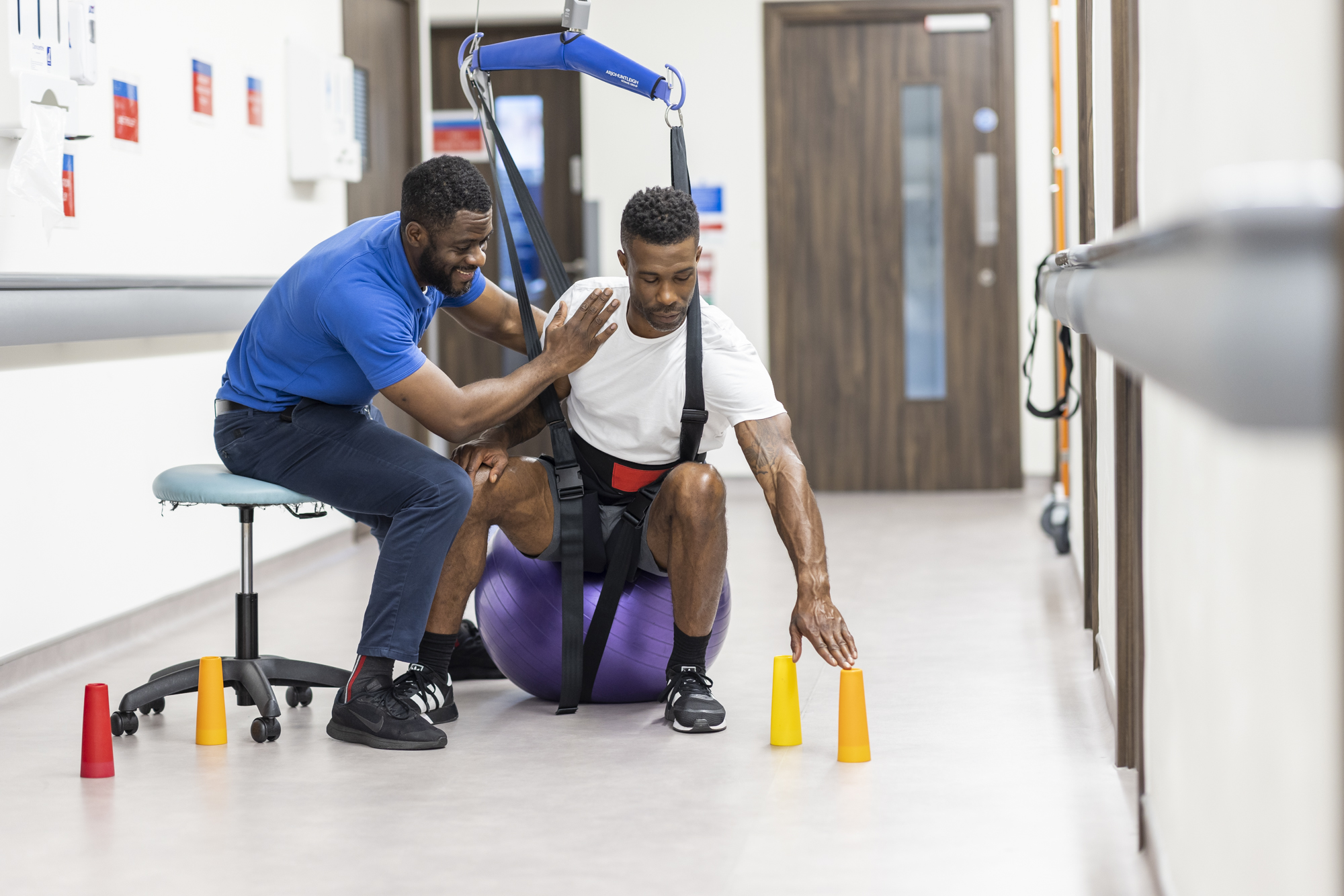
Switzerland is a leading destination for post-stroke rehabilitation because it delivers regulated, outcome-driven neurological care under strict medical standards.
The healthcare system enforces clear clinical protocols for post-acute stroke recovery. Facilities follow audited quality frameworks that ensure treatment consistency and patient safety. This structure reduces variability in care and improves measurable rehabilitation outcomes.
Another defining factor is communication accuracy during recovery. Rehabilitation teams operate in multilingual environments, which supports precise clinical assessment and therapy planning for international patients. Clear communication improves goal setting, progress tracking, and therapy adherence during stroke rehabilitation.
The physical environment also supports recovery. Calm surroundings, low pollution levels, and access to nature reduce psychological stress after stroke. These conditions improve therapy engagement and support sustained participation in daily rehabilitation routines.
Benefits of Stroke Rehabilitation in Switzerland
Stroke rehabilitation in Switzerland combines intensive clinical structure with individualized daily therapy adjustment.
Therapy plans change based on neurological response, fatigue levels, and functional progress. This prevents stagnation and supports steady improvement across motor, speech, and cognitive domains. Patients follow clearly defined recovery benchmarks instead of generic timelines.
Technology strengthens this adaptive approach. Motion tracking systems, task-based rehabilitation tools, and digital progress monitoring allow therapists to adjust sessions in real time. Objective data replaces assumptions and keeps treatment aligned with patient capability.
Additional benefits include:
- Nutrition programs aligned with neurological recovery goals
- Private recovery spaces designed to support rest and independent movement
These conditions improve comfort without reducing clinical intensity.
When Should Stroke Rehabilitation Begin?
Stroke rehabilitation in Switzerland begins as soon as the patient reaches medical stability. Early intervention targets the brain’s highest capacity for reorganization after injury. Starting rehabilitation within the first days improves mobility recovery and reduces long-term functional loss. Coordinated transfers from acute care minimize treatment delays.
Initial therapy focuses on orientation, basic movement, and early cognitive activation. Sessions remain short and controlled to avoid overload. Therapy intensity increases gradually as neurological stability improves.
By the end of the first week, patients usually transition into structured daily programs. This early-start model improves independence outcomes and shortens overall recovery timelines.
Types of Stroke Rehabilitation Programs in Switzerland
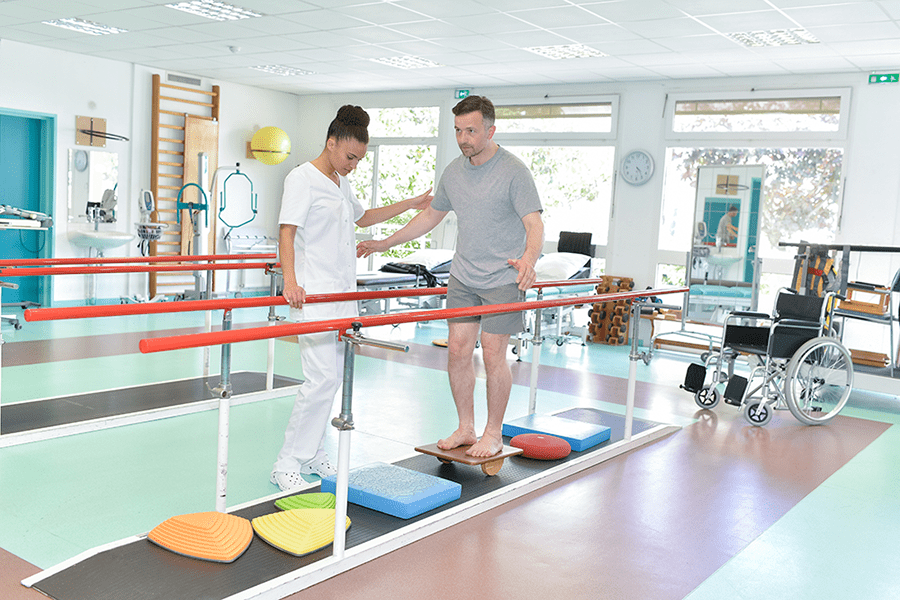
Switzerland offers clearly defined stroke rehabilitation program types that cover the full recovery timeline, from early intervention to long-term reintegration.
Each program type serves a specific clinical need and recovery stage. Patients move between programs based on functional progress and medical stability, not rigid timelines.
Stroke rehabilitation program types in Switzerland include:
- Acute early rehabilitation, starting immediately after medical stabilization to prevent functional decline
- Inpatient neurological rehabilitation, providing intensive daily therapy with 24-hour medical supervision
- Subacute rehabilitation programs, focusing on regaining mobility, speech, and self-care skills
- Outpatient stroke rehabilitation, supporting patients who no longer require inpatient monitoring
- Day rehabilitation programs, combining structured therapy with home living
- Cognitive rehabilitation programs, targeting memory, attention, executive function, and behavior
- Speech and swallowing rehabilitation, addressing aphasia, dysarthria, and dysphagia
- Occupational therapy–focused programs, restoring independence in daily and work-related activities
- Geriatric stroke rehabilitation, adapted for age-related endurance and comorbidities
- Post-discharge continuation programs, ensuring structured follow-up after inpatient care
- Home-based rehabilitation, delivering therapy in the patient’s living environment
- Remote and digital rehabilitation programs, using supervised teletherapy and monitoring tools
- Family-supported rehabilitation programs, training caregivers to assist recovery safely
This structured program spectrum allows stroke rehabilitation in Switzerland to remain continuous, adaptive, and outcome-focused across every recovery phase.
Best Clinics for Rehabilitation After Stroke in Switzerland
Valmont Clinique
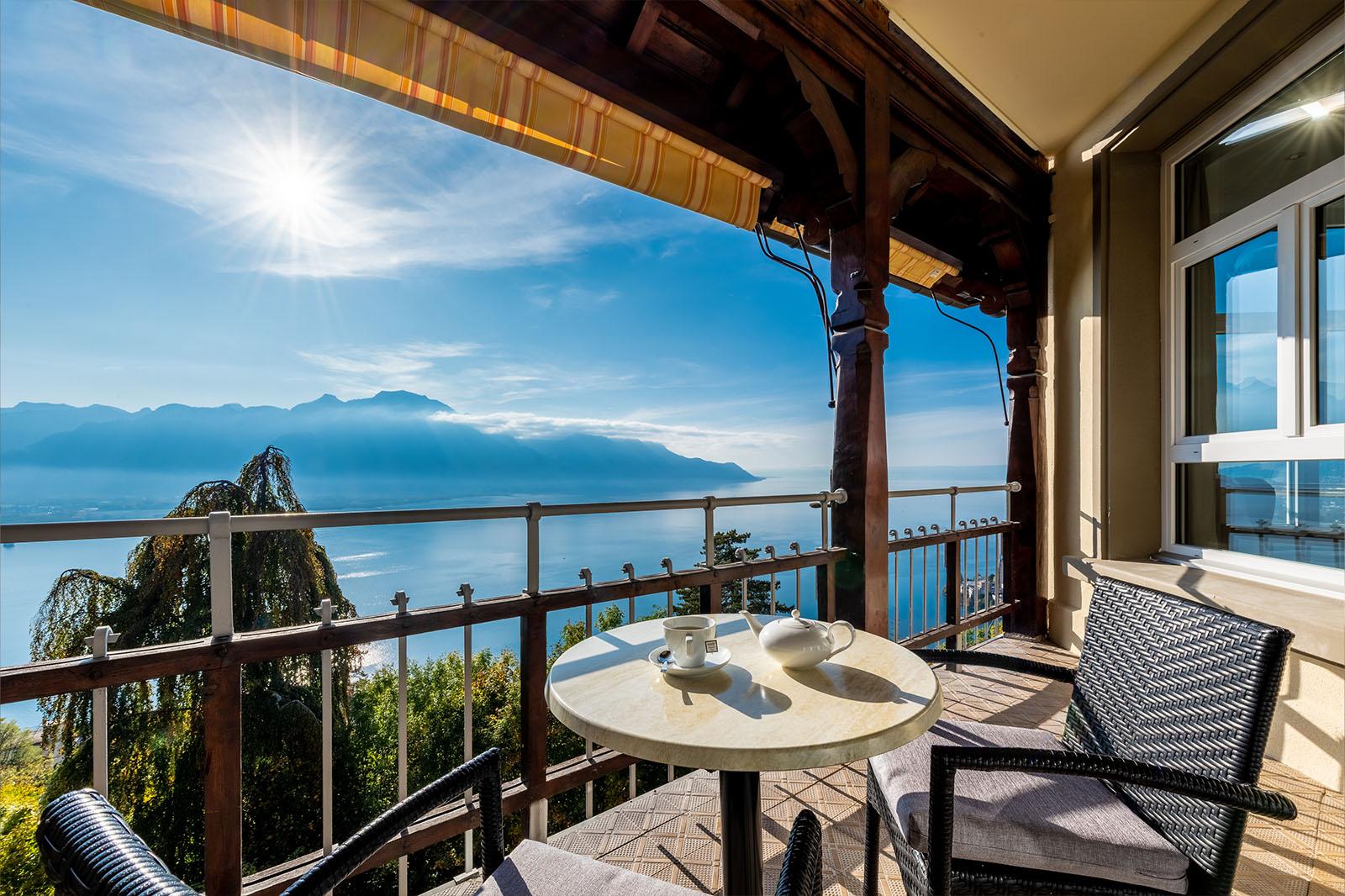
Clinique Valmont near Montreux is one of Switzerland’s oldest rehabilitation institutions, founded in 1905. It specializes in neurological and orthopedic recovery, blending heritage with innovation. The clinic’s location above Lake Geneva contributes to its peaceful and restorative environment.
Dr. med. Julien Bogousslavsky, an FMH-certified neurologist and department head, leads the neurorehabilitation unit. He is also coordinator at Neurocentre GSMN. His leadership ensures evidence-based care for stroke, supported by immersive therapies such as aquatic rehabilitation and functional task simulation.
The clinic offers modern rooms, a heated therapy pool, and multilingual staff. Patients benefit from therapeutic continuity and high-quality cuisine tailored to recovery needs. Rehabilitation after stroke in Switzerland is elevated here through individualized care and long-standing expertise.
Rehaklinik Zihlschlacht
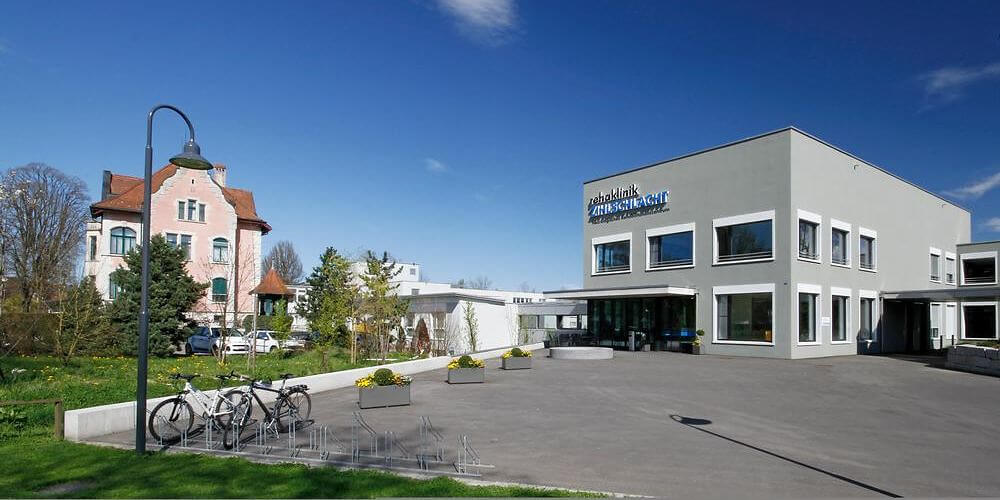
Rehaklinik Zihlschlacht is located near Lake Constance and focuses exclusively on neurological rehabilitation. Dr. med. Stefan Schuko, neurologist and senior consultant, specializes in functional MRI, traumatic brain injury, and neurostimulation techniques for recovery from coma.
This clinic is well-suited for international patients with complex cases. It offers therapies rooted in functional outcomes, emphasizing daily task recovery rather than generic mobility benchmarks. Their approach strengthens the value of rehabilitation after stroke in Switzerland for patients with severe impairments.
The interdisciplinary team also provides education and training for family members to support recovery at home.
cereneo
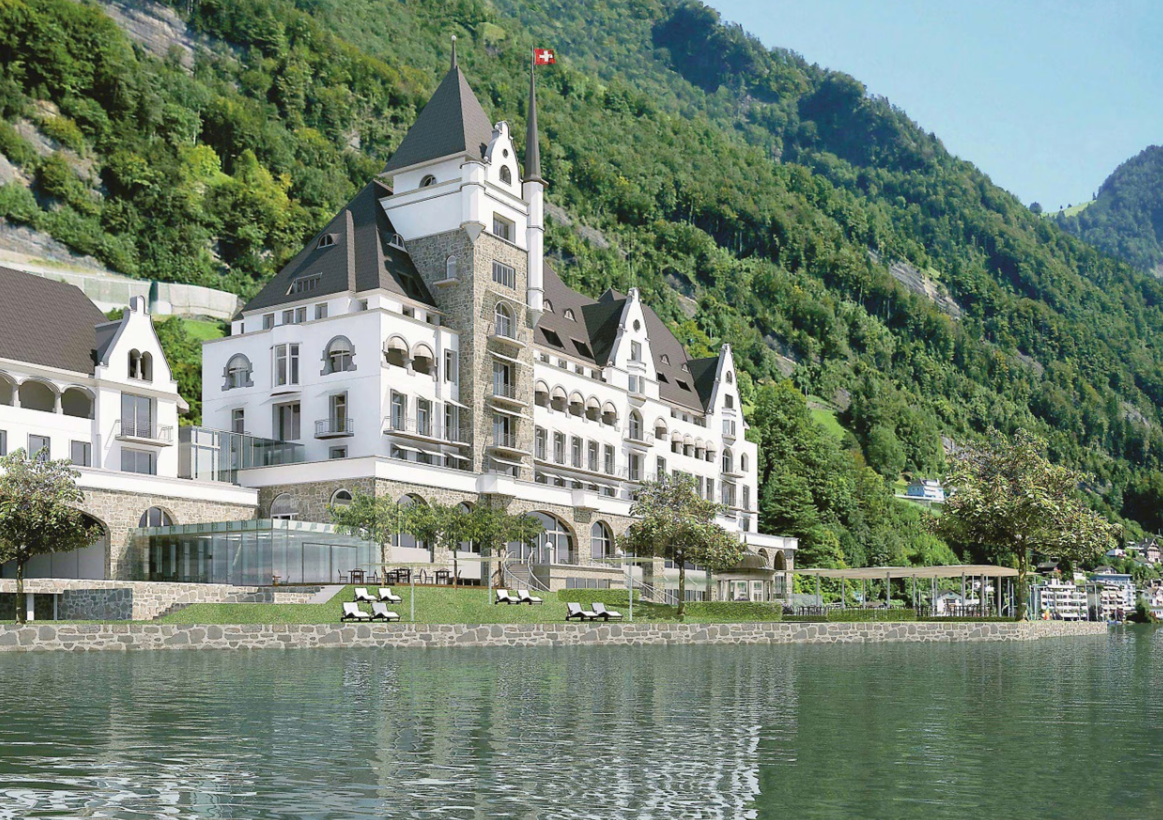
cereneo, based in Vitznau and Hertenstein, stands at the forefront of rehabilitation after stroke in Switzerland. Led by Prof. Dr. med. Andreas Luft, a leading expert in neuroplasticity, cereneo blends inpatient care with research-driven innovation and long-term support.
A remarkable example is the recovery journey of Mr. S, a stroke survivor who arrived at cereneo facing serious physical and cognitive challenges. The interdisciplinary team designed a personalized rehabilitation program that evolved with his progress. Over several weeks, he regained strength and confidence.
Returning home is often one of the most uncertain phases of recovery. To support Mr. S during this transition, cereneo sent a therapist to assist him on-site. They made key changes to his home environment and helped him incorporate therapy into daily routines like cooking and gardening. These activities reinforced physical and cognitive skills in ways that felt natural and sustainable.
Continued support came through online therapy sessions and regular remote check-ins. This allowed Mr. S to stay connected with his team and continue improving without disruption. His story reflects cereneo’s belief that stroke rehabilitation must extend beyond clinical walls and into real life.
📖 Read Mr. S’s full testimonial on cereneo.ch
Klinik Schloss Mammern
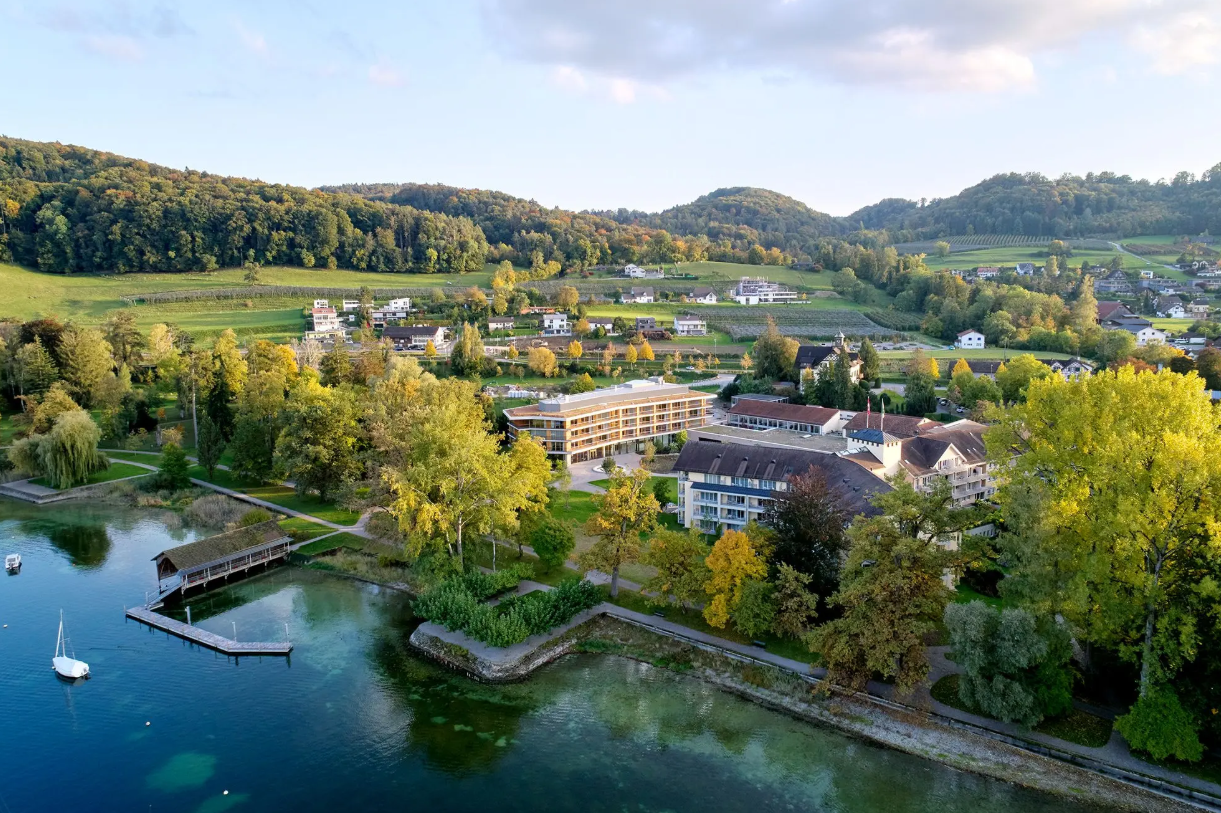
Klinik Schloss Mammern delivers complex rehabilitation in a historic estate setting. It is ideal for patients with coexisting conditions such as cardiovascular disease, cancer recovery, or geriatric challenges.
Dr. Annemarie Fleisch Marx and Dr. Ruth Fleisch-Silvestri lead medical teams across multiple specialties. The clinic includes on-site diagnostics, which allows rapid treatment adjustments without referral delays.
Patients follow personalized paths with therapy intensity scaled to endurance and comorbid conditions. Pain management and psychological support are integrated as needed. This multi-layered approach defines high-quality stroke rehabilitation in Switzerland.
Valens Rehabilitation Center (St. Gallen)
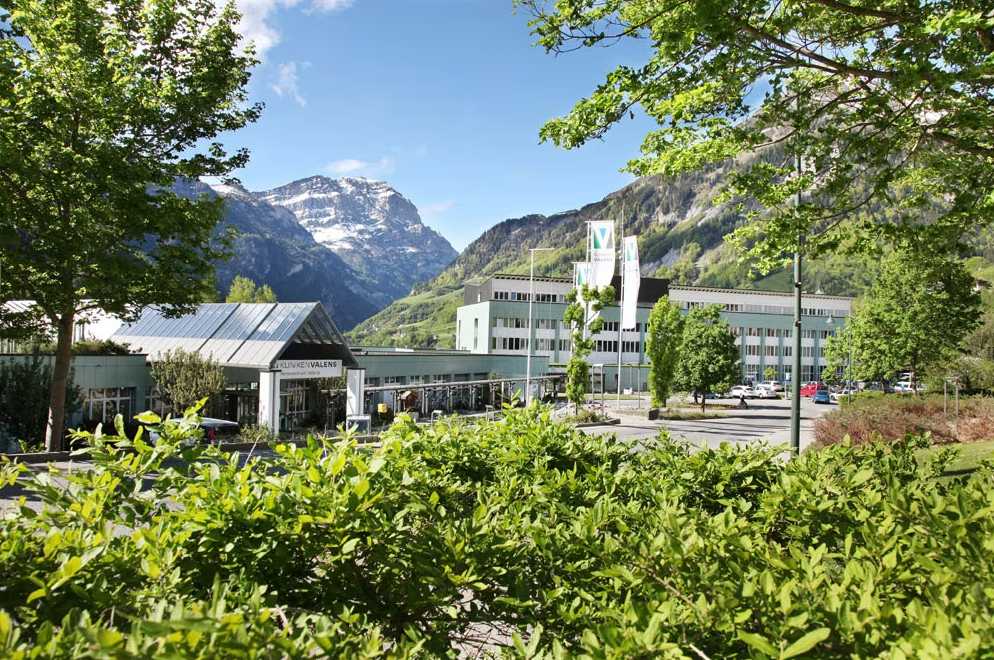
Valens Rehabilitation Center supports patients with stroke, Parkinson’s, and multiple sclerosis. Therapies target motor skills, speech clarity, and executive function through repetition and reinforcement.
Patients participate in both one-on-one and group therapy. Sessions may include cooking, navigation, or simulated work tasks, ensuring recovery is practical and relevant. This experiential therapy enhances the results of rehabilitation after stroke in Switzerland.
Weekly goal reviews with neurologists and therapists help refine treatment plans in real time.
Klinik Adelheid
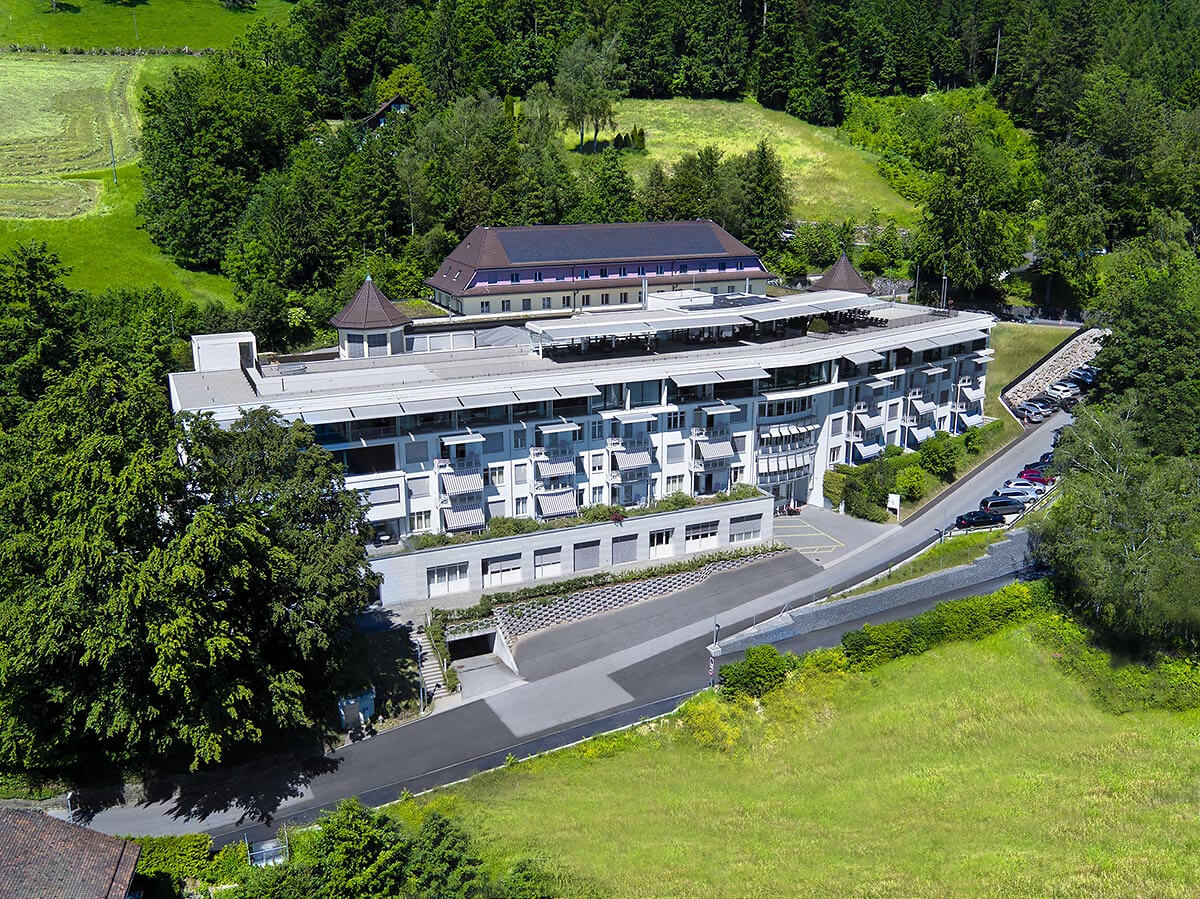
Klinik Adelheid in Unterägeri blends structured rehabilitation with unconventional methods. In July 2025, Dr. med. Andreas Disko took over as head neurologist, following the legacy of Dr. Markus Pöttig.
The clinic’s most unique approach is sailing therapy on Lake Aegeri. This method, guided by therapists, helps improve coordination and build self-efficacy. Patients who participate report higher motivation and faster cognitive recovery.
Klinik Adelheid is well-rated by patients, with 96.5% reporting they felt safe and supported during their stay. It showcases how emotional wellness complements clinical outcomes in stroke rehabilitation in Switzerland.
Zurzach Care
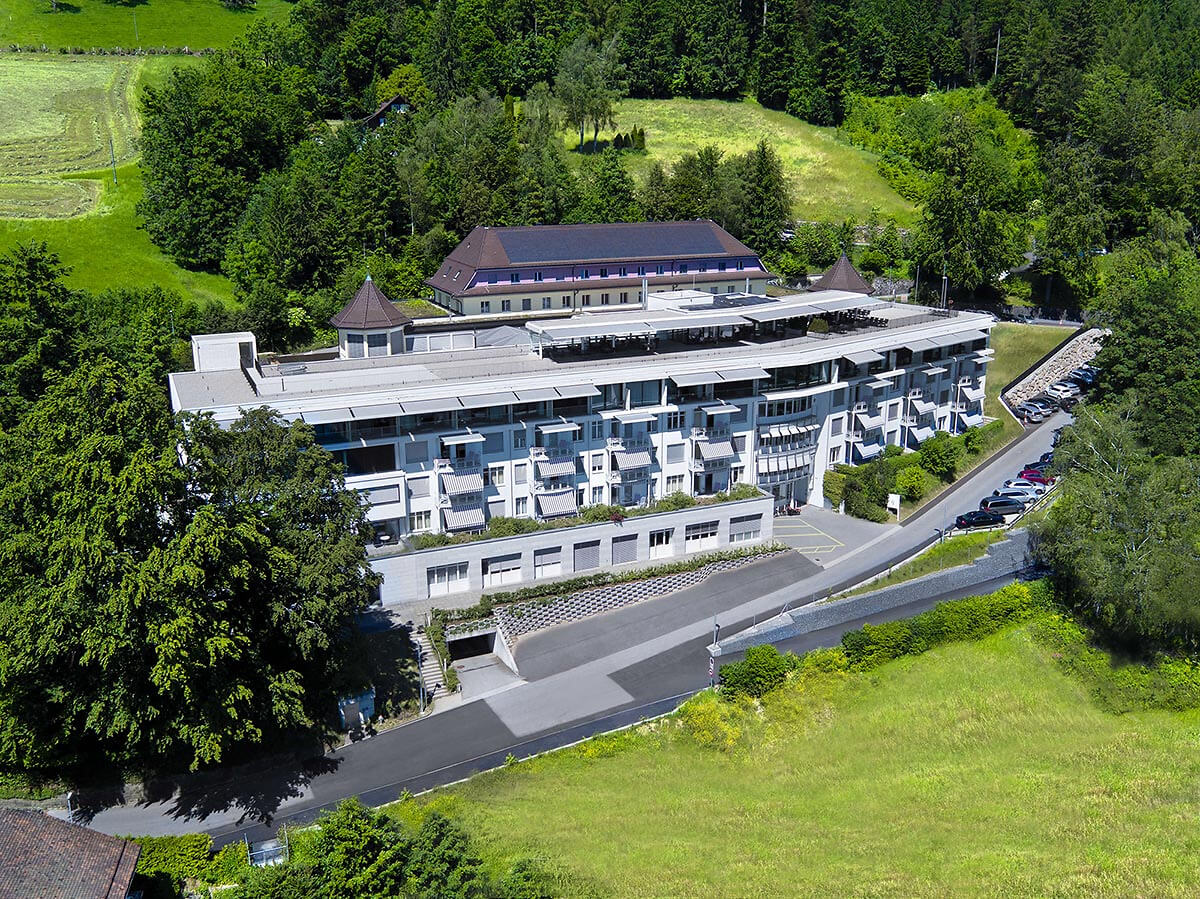
Zurzach Care, located within Claraspital Basel, focuses on patients transitioning from hospital to rehabilitation. Stroke patients with secondary conditions like malnutrition or internal organ issues are treated here through integrated, tailored programs.
Therapies address nutrition, chronic pain, and fatigue. Patients benefit from access to specialist diagnostics and multi-departmental consultations. This setting offers continuity for oncology and transplant patients undergoing rehabilitation after stroke in Switzerland.
Klinik Lengg
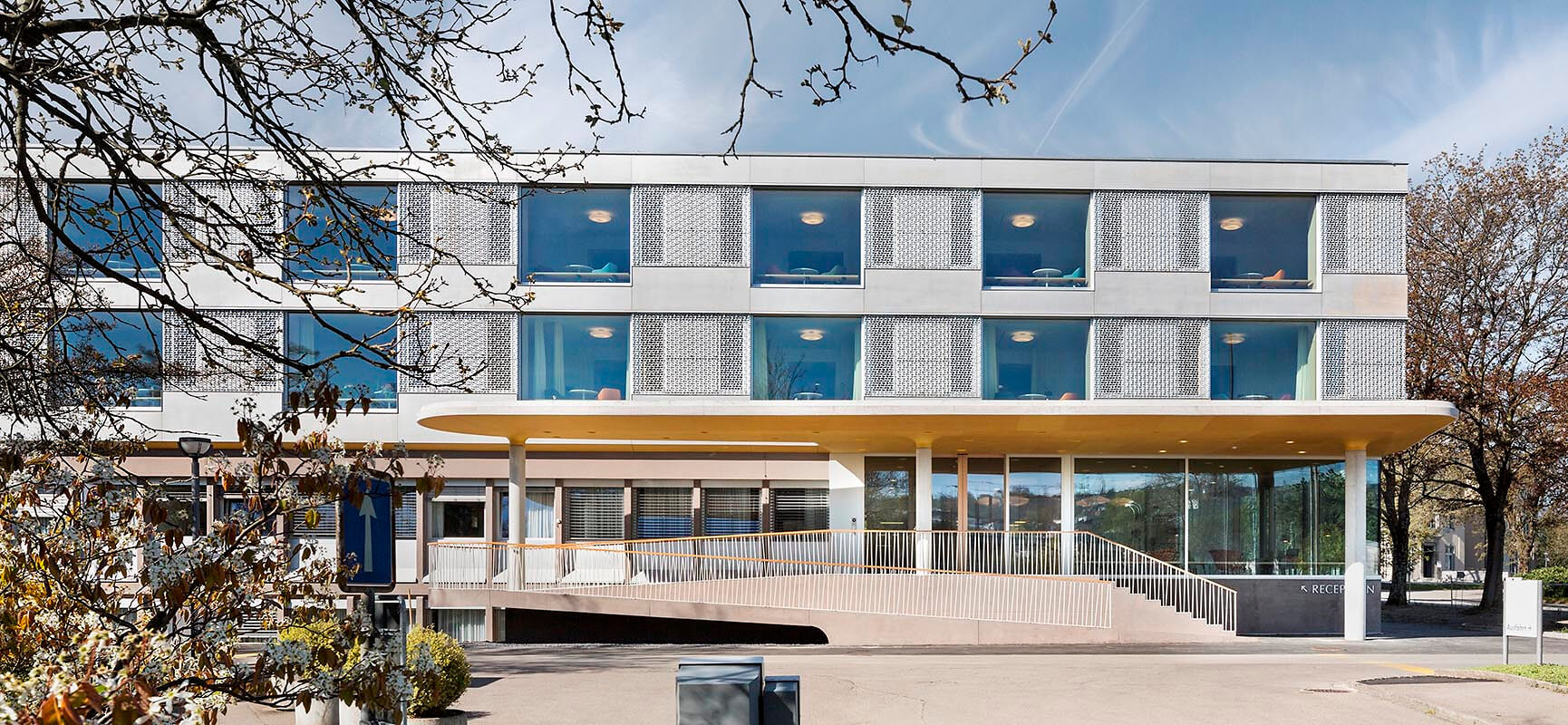
Klinik Lengg in Zurich emphasizes neuropsychological rehabilitation. Its team includes certified neuropsychologists like Dr. Wiebke Trost and Marc Bär, offering cognitive training, behavioral therapy, and vocational assessments.
They assist patients in returning to work or managing life after cognitive trauma. Programs also include family education and adaptive strategies for home-based rehabilitation. Cognitive rehab is an essential part of stroke rehabilitation in Switzerland.
Reha Rheinfelden
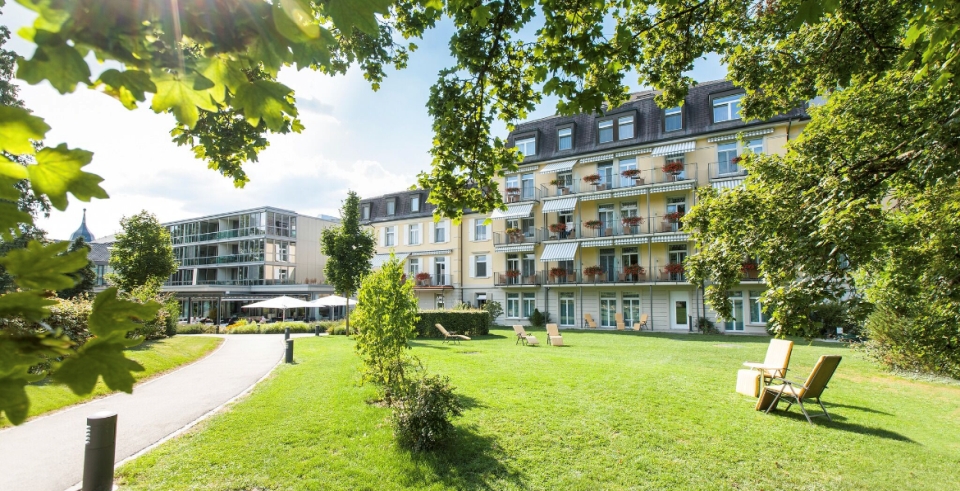
Reha Rheinfelden serves the northwestern region of Switzerland and combines traditional therapy with innovation. Patients engage in physiotherapy, speech-language sessions, and neuropsychology.
The clinic offers water-based therapy, music therapy, and robotics. Treatment pathways include both early-stage recovery and long-term functional adaptation. This range of modalities makes it a top choice for rehabilitation after stroke in Switzerland.
Their team works closely with families to build at-home care plans and ensure long-term engagement.
Cost of Stroke Rehabilitation in Switzerland
Rehabilitation after stroke in Switzerland involves variable costs based on clinic, length of stay, and program type. Inpatient programs typically range between CHF 1,000 and CHF 3,500 per day.
This includes room, board, therapy sessions, diagnostics, and clinical supervision. Outpatient or hybrid models are more affordable, starting at CHF 500 per day or CHF 15,000-30,000 for a full month of therapy.
Reputable clinics provide detailed treatment plans and cost breakdowns. International patients should verify insurance coverage or consult with a medical travel facilitator for guidance before beginning stroke rehabilitation in Switzerland.
How A-Medical Can Help?
A-Medical offers coordination services for patients seeking rehabilitation after stroke in Switzerland. Their team handles clinic matching, medical records, language interpretation, and logistical support throughout the treatment process.
A-Medical works closely with top clinics including cereneo, Clinique Valmont, and Rehaklinik Zihlschlacht. Their consultants ensure patients are guided through evaluation, admission, therapy planning, and follow-up stages.
For families navigating unfamiliar systems, A-Medical acts as a trusted intermediary. They reduce stress, save time, and ensure each patient receives treatment aligned with their personal goals and clinical needs. Their involvement makes rehabilitation after stroke in Switzerland more accessible and efficient.