Contents
Bone Marrow Transplant in Turkey: Costs, Clinics, Surgeons
A bone marrow transplant in Turkey has become one of the most sought-after life-saving treatments for international patients living with leukemia, lymphoma, multiple myeloma, aplastic anemia, and other serious blood disorders. The average bone marrow transplant cost in Turkey ranges from $20,500 to $120,000, depending on the type of transplant, the patient's age, and the chosen hospital. The same procedure costs $300,000 to over $1,000,000 in the United States, and £150,000 to £400,000 in private UK clinics, with NHS waiting lists that can stretch beyond what many patients can safely afford to wait. In Germany and Switzerland, prices range from $157,000 to $263,000, and donor matching alone can take many months.
For patients who cannot get a timely appointment in their home country, who face long waiting lists, or who are simply priced out of private treatment, Turkey offers JCI-accredited transplant centers, internationally trained hematologists, and start-of-treatment dates within weeks rather than months. With A-Medical, you skip the queue, get matched to the right clinic, and receive your full treatment package, transfers, accommodation, and interpreter support without paying Western European or American prices.
Why Patients Choose Turkey for Bone Marrow Transplant

Turkey performs more than 4,000 hematopoietic stem cell transplants every year and runs one of the largest unrelated donor banks in the region (TÜRKÖK), with rapid access to the World Marrow Donor Association registry of more than 40 million donors. Turkish transplant centers report success rates of 80 to 99 percent for matched sibling autologous and allogeneic procedures, comparable to the best programs in the US, Germany, or Israel.
What sets Turkey apart for international patients is the combination of price, speed, and clinical depth. Most leading transplant units in Istanbul, Ankara, Antalya, and Gaziantep are JCI-accredited and operate HEPA-filtered positive-pressure isolation rooms, in-house HLA typing labs, and 24/7 multidisciplinary teams of hematologists, oncologists, transplant surgeons, immunologists, and infection-control specialists.
Key reasons international patients pick a bone marrow transplant in Turkey:
- Cost savings of 60 to 85 percent compared to the US, UK, Germany, and Switzerland
- Start of treatment within 2 to 4 weeks, with no NHS-style waiting list
- JCI-accredited hospitals with HEPA-filtered transplant wards and high-volume programs
- Direct access to the TÜRKÖK national registry and the global WMDA donor pool
- Hematologists trained in the US, UK, Germany, and Israel
- All-inclusive treatment packages covering pre-transplant workup, conditioning chemotherapy, the transplant itself, hospitalization, and follow-up
- Multilingual international patient departments (English, Arabic, Russian, French, German)
- Modern airports, easy visa entry, and competitive flight connections from Europe, the Middle East, Africa, and Central Asia
If you are still comparing destinations before deciding, our guide to the best countries and clinics for bone marrow transplant gives a side-by-side look at Turkey, Germany, India, Israel, and Spain in terms of price, success rates, and donor availability.
Bone Marrow Transplant Cost in Turkey vs Other Countries
Cost is the single biggest reason patients fly to Turkey for a BMT in Turkey. The price you pay depends mostly on the transplant type, but Turkey is significantly cheaper across every category. Below is a realistic 2026 comparison based on published clinic packages and recent payer data.
|
Country |
Autologous BMT |
Allogeneic BMT |
Average Wait Time |
|---|---|---|---|
|
Turkey |
$20,500 - $40,000 |
$45,000 - $120,000 |
2 - 4 weeks |
|
United States |
$300,000 - $577,000 |
$800,000 - $1,261,800 |
Insurance dependent |
|
United Kingdom (private) |
£150,000 - £250,000 |
£300,000 - £400,000 |
NHS: many months |
|
Germany |
$157,000 - $200,000 |
$200,000 - $263,000 |
3 - 6 months |
|
Switzerland |
$180,000 - $230,000 |
$230,000 - $300,000 |
2 - 5 months |
|
India |
$22,000 - $35,000 |
$40,000 - $70,000 |
3 - 6 weeks |
On average, patients save 60 to 85 percent by choosing a bone marrow transplant in Turkey over the US or UK, while keeping the same JCI-level standard of care. For a deeper breakdown of related procedure pricing, see our overview of treatment costs in Turkey.
What does the bone marrow transplant cost in Turkey include?
The bone marrow transplant cost in Turkey is usually quoted as an all-inclusive package and covers pre-transplant evaluation (HLA typing, biopsies, scans), conditioning chemotherapy or radiotherapy, donor matching and stem cell harvesting, the infusion procedure itself, and a 21 to 30 day stay in a sterile transplant unit with intensive monitoring.
What factors change the price?
The final price for a bone marrow transplant Turkey package depends on:
- Type of transplant: autologous, allogeneic (matched sibling, matched unrelated donor), or haploidentical
- Patient age (pediatric protocols cost more)
- Underlying disease and disease stage (acute leukemia vs aplastic anemia vs multiple myeloma)
- Need for unrelated donor search through international registries
- Length of hospital stay and ICU days
- Use of CAR-T cell therapy or alpha/beta T-cell depletion
- Clinic prestige and surgeon seniority
What Is a Bone Marrow Transplant?
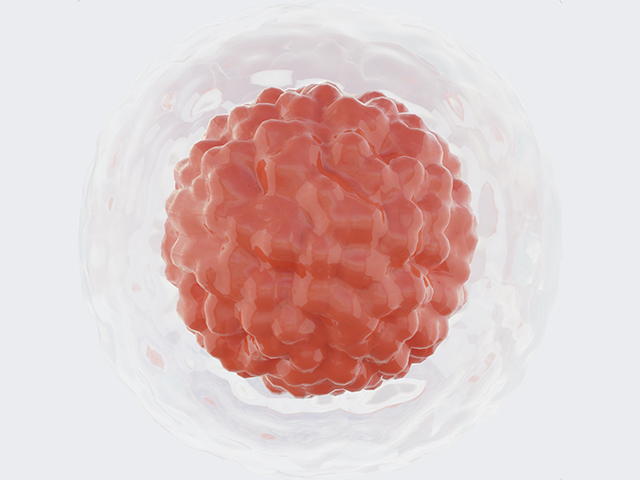
A bone marrow transplant, also called a hematopoietic stem cell transplant (HSCT), replaces damaged or destroyed bone marrow with healthy blood-forming stem cells. These stem cells can come from the patient's own body, from a matched donor, or from umbilical cord blood. Once infused into the bloodstream, they migrate to the bone marrow and begin producing healthy red blood cells, white blood cells, and platelets, restoring the immune system and the body's ability to make blood.
BMT is one of the few curative options for several blood cancers and severe blood disorders. In many cases it is not just a treatment, it is the only realistic chance of long-term remission or cure.
Types of Bone Marrow Transplant Available in Turkey
Turkish transplant centers perform every internationally recognized type of BMT:
- Autologous transplant: uses the patient's own healthy stem cells, harvested before high-dose chemotherapy. Common in multiple myeloma and certain lymphomas.
- Allogeneic transplant (matched sibling): stem cells from a fully HLA-matched brother or sister. Best statistical outcomes for acute leukemia.
- Allogeneic transplant (matched unrelated donor, MUD): donor found through TÜRKÖK or international registries when no sibling match exists.
- Haploidentical transplant: half-matched donor (typically a parent or child); a Turkish strength, especially with alpha/beta T-cell depletion.
- Cord blood transplant: uses stem cells from umbilical cord blood, often used in pediatric cases.
- CAR-T cell therapy: available alongside transplant programs in select Istanbul centers for relapsed/refractory blood cancers.
Conditions Treated by Bone Marrow Transplant
A bone marrow transplant in Turkey can treat a wide range of malignant and non-malignant conditions, including:
- Acute myeloid leukemia (AML) and acute lymphoblastic leukemia (ALL)
- Chronic myeloid leukemia (CML) and chronic lymphocytic leukemia (CLL)
- Hodgkin and non-Hodgkin lymphoma
- Multiple myeloma
- Aplastic anemia and Fanconi anemia
- Thalassemia and sickle cell disease
- Severe combined immunodeficiency (SCID) and other primary immune disorders
- Myelodysplastic syndromes (MDS)
- Selected metabolic and storage disorders in pediatric patients
If you are specifically researching transplant as a treatment route for blood cancer, our detailed leukemia treatment abroad guide covers protocols, success rates, and the best clinics by country.
Best Clinics for Bone Marrow Transplant in Turkey
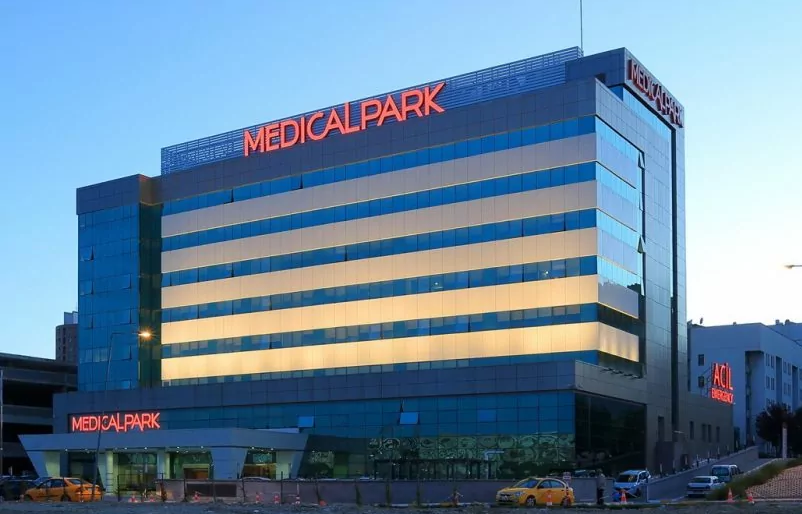
The best bone marrow transplant clinics in Turkey combine high case volumes with international accreditations, modern HEPA-filtered units, and access to global donor banks. The leading centers we work with are concentrated in Istanbul, Ankara, Antalya, and Gaziantep.
- Anadolu Medical Center (Gebze, Istanbul): strategic affiliation with Johns Hopkins Medicine, more than 3,000 transplants performed since 2010, JCI-accredited, with a 22-bed inpatient transplant unit with HEPA-filtered isolation rooms.
- Memorial Healthcare Group (Şişli & Ankara): 80 to 90 percent success rate, more than 100 stem cell transplants per year, a separate pediatric BMT unit, access to international donor banks.
- Acibadem Healthcare Group (multiple Istanbul campuses): JCI-accredited, in-house molecular HLA typing labs, advanced alpha/beta T-cell depletion, CAR-T cell therapy, both pediatric and adult programs.
- Liv Hospital (Istanbul & Ankara): strong pediatric BMT focus, integrated medical and radiation oncology services for pre and post-transplant care.
- Medipol Mega University Hospital (Istanbul): high-volume center for autologous and allogeneic procedures, multilingual international patient department.
- Medical Park Group (Antalya & Bahçelievler): largest hospital network in Turkey, 95 to 100 percent first-100-day survival reported in selected cases, budget-flexible packages.
- Group Florence Nightingale Hospitals (Istanbul): longstanding hematology program, advanced laboratories, strong concierge service for international patients.
Top Bone Marrow Transplant Surgeons in Turkey
The reputation of bone marrow transplant surgeons in Turkey is built on years of international training and high case volumes. Most leading hematologists and transplant specialists are board-certified members of the European Society for Blood and Marrow Transplantation (EBMT) and the American Society of Hematology (ASH), with previous fellowships at MD Anderson, Memorial Sloan Kettering, the Fred Hutchinson Cancer Center, or major German university hospitals. Many lead transplant units that have personally performed more than 1,500 to 3,000 procedures.
When you book through A-Medical, we match each case to the surgeon whose subspecialty best fits your diagnosis (pediatric vs adult, autologous vs haploidentical, CAR-T eligible vs standard protocol) instead of leaving you to navigate hospital websites alone.
How the Procedure Works Step by Step
A typical bone marrow transplant in Turkey takes between 4 and 8 weeks from arrival to discharge, followed by 3 to 6 months of follow-up, often part of which can be done in your home country.
- Step 1 - Pre-transplant evaluation: blood work, HLA typing, imaging, cardiac and pulmonary tests, dental clearance, and infectious disease screening.
- Step 2 - Donor selection: matched sibling, matched unrelated donor through TÜRKÖK/WMDA, or haploidentical family donor.
- Step 3 - Stem cell harvesting: from peripheral blood (apheresis), bone marrow (aspiration), or cord blood.
- Step 4 - Conditioning regimen: high-dose chemotherapy with or without total body irradiation to wipe out diseased marrow.
- Step 5 - Infusion: the transplant itself is delivered through a central line, much like a blood transfusion. It is not surgery in the conventional sense.
- Step 6 - Engraftment & recovery: 21 to 30 days in a sterile HEPA-filtered isolation room while new marrow takes hold.
- Step 7 - Outpatient follow-up: weekly visits for 3 months, then monthly. Most international patients return home after roughly 100 days.
Who Are the Best Candidates for a Bone Marrow Transplant?
Not every patient is a candidate. Suitability depends on diagnosis, disease stage, age, organ function, and the availability of a matched donor. The best candidates for a bone marrow transplant in Turkey typically meet several of the following criteria:
- Confirmed diagnosis of a blood cancer or serious blood disorder for which BMT is curative or significantly life-prolonging
- Adequate heart, lung, liver, and kidney function to tolerate conditioning chemotherapy
- Generally good performance status (ECOG 0 to 2)
- Age usually under 70 for allogeneic and under 75 for autologous, although biological age matters more than chronological
- Available HLA-matched donor (sibling, unrelated, or haploidentical)
- Strong family or caregiver support during the recovery period
- No active uncontrolled infection at the time of transplant
Symptoms That May Lead to a Bone Marrow Transplant Referral
The conditions that lead to bone marrow transplant often start with vague symptoms that get worse over time. Speak to a hematologist if you experience any combination of the following:
- Persistent fatigue or unexplained weakness
- Recurrent infections that take longer than usual to clear
- Easy bruising, bleeding gums, or frequent nosebleeds
- Unexplained weight loss and night sweats
- Pale skin, shortness of breath on light exertion
- Bone or joint pain, especially in the back or ribs
- Swollen lymph nodes in the neck, armpits, or groin
- Abnormal complete blood count (CBC) results on routine testing
Risks and Possible Complications
BMT is a powerful treatment, but it carries real risks. A reputable bone marrow transplant clinic in Turkey will discuss every one of these openly with you and your family before you sign consent.
- Graft-versus-host disease (GVHD) in allogeneic transplants
- Severe infections during the neutropenic phase
- Bleeding from low platelet counts
- Mucositis and gastrointestinal side effects of conditioning
- Veno-occlusive disease of the liver
- Graft failure or rejection
- Long-term effects on fertility, thyroid, or bone density
- Relapse of the original disease
High-volume Turkish centers reduce these risks through HEPA-filtered isolation rooms, strict infection control, alpha/beta T-cell depletion, mesenchymal stem cell support, and on-site infectious disease and intensive care teams.
Benefits of Choosing a Bone Marrow Transplant in Turkey
- Major cost savings (up to 85 percent vs the US, UK, and Germany)
- Fast scheduling, often within 2 to 4 weeks
- JCI-accredited hospitals with HEPA-filtered transplant wards
- Access to TÜRKÖK and WMDA donor pools
- Internationally trained and English-speaking hematologists
- All-inclusive packages with no surprise hidden fees
- Multilingual coordinators and interpreters provided
- Modern airports and easy visa entry for most nationalities
Recovery After Bone Marrow Transplant
Recovery is gradual. The first 100 days post-transplant are the most critical period, during which engraftment is monitored closely and immunosuppressive medication is fine-tuned. Most international patients stay in Turkey for around 80 to 100 days in total: 3 to 4 weeks of inpatient care followed by outpatient follow-up. After day 100, monitoring can typically be transferred to a hematologist in your home country, with telemedicine support from the Turkish team for the first year.
Bone marrow transplant works alongside other regenerative therapies offered in Turkey. To understand the wider picture of regenerative medicine options, see our overview of stem cell therapy in Turkey, which covers conditions, costs, and clinics.
Why Choose A-Medical for Your Bone Marrow Transplant in Turkey
Booking a bone marrow transplant abroad is not the same as booking a holiday. The right coordinator can shorten your timeline by months, save you thousands, and put you in front of the right surgeon for your specific diagnosis. Patients who come through A-Medical receive:
- No waiting list, treatment start within 2 to 4 weeks of your file being complete
- Fast appointment booking with the most suitable hematologist for your diagnosis
- Matching with the best JCI-accredited bone marrow transplant clinic in Turkey for your case (pediatric vs adult, autologous vs allogeneic vs haploidentical)
- Most affordable all-inclusive package pricing, transparent and in writing
- Hotel and apartment accommodation booked near the hospital
- Airport transfers and inter-clinic transport throughout your stay
- Professional medical interpreters in English, Arabic, Russian, and French
- Document and visa support, including invitation letters
- A single point-of-contact patient coordinator from first inquiry to post-transplant follow-up
Send us your medical reports and we will come back to you within 24 hours with a price estimate, suggested clinics, and a treatment timeline. Get your free A-Medical bone marrow transplant assessment.
Frequently Asked Questions
How much does a bone marrow transplant cost in Turkey in 2026?
A bone marrow transplant in Turkey costs between $20,500 and $120,000 in 2026, with autologous procedures starting around $20,500 and allogeneic transplants reaching $120,000 for complex pediatric or haploidentical cases.
Is the bone marrow transplant cost in Turkey really cheaper than in the US or UK?
Yes. The bone marrow transplant cost in Turkey is roughly 60 to 85 percent lower than in the US, where allogeneic procedures average $1,261,800, and significantly lower than private UK clinics at £300,000 to £400,000.
How long do I need to stay in Turkey for a bone marrow transplant?
Most international patients stay in Turkey for 80 to 100 days for a bone marrow transplant: 3 to 4 weeks of inpatient care followed by outpatient follow-up through day 100, after which monitoring can usually be continued in your home country.
What is the success rate of bone marrow transplant in Turkey?
Success rates of bone marrow transplant in Turkey range from 80 to 99 percent for matched sibling and autologous transplants, and 70 to 90 percent for matched unrelated donor procedures, which is on par with the best American and German programs.
Can I get a bone marrow transplant in Turkey without a family donor?
Yes, you can get a bone marrow transplant in Turkey without a family donor. Turkish centers have direct access to the TÜRKÖK national registry and the global WMDA pool of more than 40 million donors, plus haploidentical protocols using a half-matched parent or child.
Is bone marrow transplant in Turkey safe for pediatric patients?
Bone marrow transplant in Turkey is safe and widely performed for pediatric patients. Hospitals such as Liv, Memorial, Acibadem, and Medical Park run separate pediatric BMT units with child-specific protocols, isolation rooms, and 24/7 specialist staffing.
Are the bone marrow transplant clinics in Turkey internationally accredited?
Yes, the leading bone marrow transplant clinics in Turkey are internationally accredited. Most top centers hold Joint Commission International (JCI) accreditation and operate within the European Society for Blood and Marrow Transplantation (EBMT) standards.
Does the price include the donor search and conditioning chemotherapy?
In most cases yes, the bone marrow transplant cost in Turkey is quoted as an all-inclusive package that covers donor search, HLA typing, conditioning chemotherapy, the transplant procedure, hospital stay, and medications during inpatient care.