Contents
Medical Tourism in Turkey: Costs, Top Hospitals, and Treatment Guide
Key Takeaways:
- Cost savings: Medical treatment in Turkey typically costs 50% to 80% less than equivalent private-pay pricing in the US and 50% to 70% less than in the UK or Western Europe.
- Scale and infrastructure: Turkey hosts over 40 JCI-accredited hospitals and welcomed more than 1.8 million international health visitors in 2023, generating approximately $3 billion in direct health-tourism revenue.
- Treatment range: The market covers hair transplants, dental care, cosmetic surgery, bariatric surgery, orthopedics, fertility treatment, eye procedures, and oncology.
- Top cities: Istanbul, Ankara, Antalya, and Izmir each serve different patient needs and specialties.
- Regulatory framework: The April 2025 regulation introduced the HealthTurkiye portal, mandatory complication insurance, and TUSKA accreditation requirements for all health tourism providers.
If you are considering medical treatment abroad, Turkey is one of the most established destinations to evaluate. The country combines a large hospital network, competitive pricing, short waiting times, and a regulatory framework that has been significantly strengthened since April 2025.
Reported inbound health-travel volumes rose from about 1.38 million in 2022 to more than 1.8 million in 2023. Market reports from 2025 and 2026 value the Turkish medical tourism sector at approximately $4 billion, with projections reaching $9.5 to $10.3 billion by 2031 at a compound annual growth rate around 14.5% to 15.6%. Some broader estimates that include wellness and thermal tourism place the total ecosystem higher.
For patients, those numbers reflect something practical: Turkey is no longer chosen for one niche procedure. It now attracts patients for cosmetic surgery, dental care, hair restoration, bariatric surgery, orthopedics, fertility treatment, eye care, oncology, and increasingly complex hospital-based interventions.
Why International Patients Choose Turkey for Medical Treatment
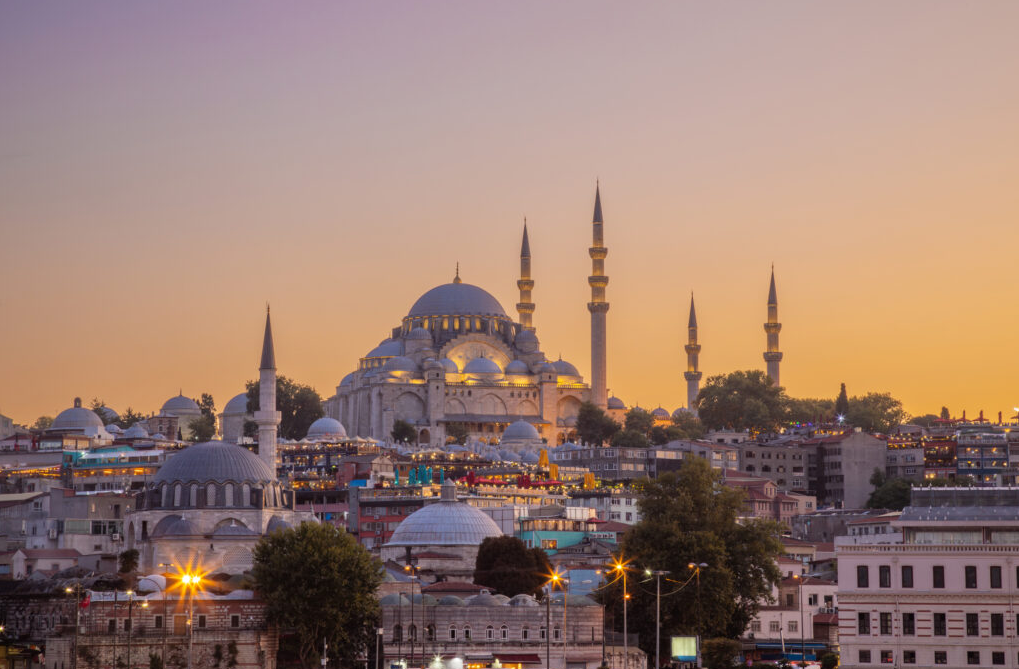
Turkey's position in medical tourism rests on a combination of cost advantage, infrastructure, geographic convenience, and regulatory momentum.
- Cost advantage: Private-pay treatment in Turkey is commonly priced 50% to 80% below US levels and 50% to 70% below UK or broader European private systems. This gap holds across most procedure categories, from dental implants to cardiac surgery.
- Hospital infrastructure: Turkey hosts over 40 JCI-accredited hospitals (the second-largest cluster globally), with major groups like Acibadem, Memorial, Anadolu Medical Center, Medipol, and Liv Hospital investing in robotic surgery systems, proton therapy, and digital health workflows. Acibadem alone operates 25 hospitals, including a new proton and robotic surgery facility in Istanbul opened in early 2025.
- Geographic reach: Istanbul sits within a four-hour flight of London, Frankfurt, Dubai, and Riyadh. Turkish Airlines flies to 342 destinations across 129 countries, making Turkey accessible for patients from Europe, the Middle East, North Africa, and Central Asia.
- Regulatory framework: The April 2025 Regulation on International Health Tourism and Tourist Health introduced mandatory registration on the HealthTurkiye portal, complication insurance for all surgical procedures, TUSKA accreditation requirements, and annual performance reviews by USHAS (International Health Services Inc.).
- Waiting times: For many elective and non-emergency procedures, Turkey offers minimal or no waiting lists compared to public healthcare systems in the UK and parts of Europe where bariatric surgery waits can exceed 12 to 18 months.
How Much Does Medical Tourism in Turkey Cost
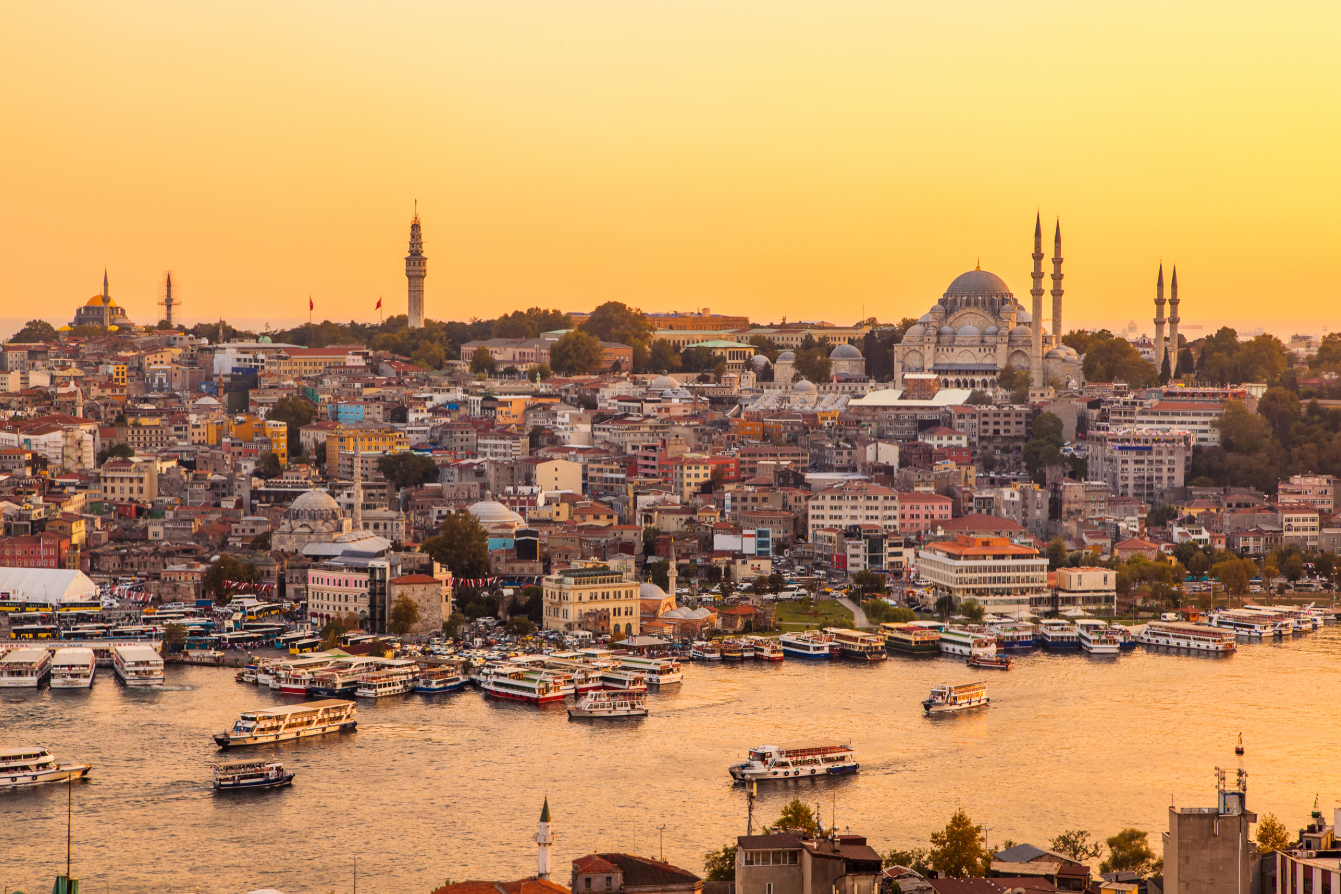
The table below shows approximate pricing ranges for popular procedures in Turkey compared with private-pay pricing in the US and UK. These figures represent typical 2025-2026 package ranges reported across multiple market sources. Individual quotes will vary based on hospital, surgeon, case complexity, and package inclusions.
| Procedure | Turkey | USA | UK | Savings |
|---|---|---|---|---|
| Hair Transplant (3,000 grafts) | $1,500 to $3,500 | $15,000 to $25,000 | 6,000 to 10,000 GBP | 75% to 90% |
| Rhinoplasty | $2,500 to $4,000 | $8,000 to $15,000 | 4,000 to 7,000 GBP | 60% to 75% |
| Dental Implant (single) | $400 to $700 | $2,500 to $5,000 | 1,500 to 3,000 GBP | 70% to 85% |
| All-on-4 Dental Implants | $2,800 to $4,500 | $20,000 to $30,000 | 8,000 to 15,000 GBP | 75% to 85% |
| Gastric Sleeve Surgery | $3,500 to $6,000 | $20,000 to $35,000 | 8,000 to 15,000 GBP | 75% to 85% |
| Breast Augmentation | $2,500 to $4,000 | $6,000 to $12,000 | 4,000 to 8,000 GBP | 55% to 70% |
| Knee Replacement | $6,000 to $10,000 | $30,000 to $50,000 | 10,000 to 15,000 GBP | 70% to 80% |
| IVF Cycle | $2,500 to $4,500 | $12,000 to $25,000 | 5,000 to 8,000 GBP | 70% to 80% |
| LASIK (both eyes) | $1,000 to $2,000 | $4,000 to $6,000 | 2,000 to 3,500 GBP | 60% to 75% |
| Facelift | $3,000 to $5,000 | $10,000 to $20,000 | 6,000 to 12,000 GBP | 60% to 75% |
Prices shown are approximate ranges based on publicly reported 2025-2026 market data. Always request an itemised, date-stamped quote from the specific hospital before making a decision.
Why Medical Treatment in Turkey Costs Less
Turkey's affordability does not come from a single factor. It reflects lower labour and operational costs relative to Western markets, a favourable exchange rate for patients paying in dollars, euros, or pounds, high procedural volumes in elective categories, and strong competition between private hospital groups. Many hospitals also quote international patients in euros or dollars, insulating pricing from lira volatility.
Scale also plays a role. Hospitals treating large volumes of international patients standardise parts of the patient journey, including airport transfers, translator support, hotel coordination, and package pricing. This can reduce the total cost of treatment without reducing clinical capability.
What Is Typically Included in a Medical Tourism Package
Package scope varies between providers, but a standard medical tourism package in Turkey typically includes:
- The medical procedure and hospital fees
- Pre-operative consultation and diagnostic testing
- Post-operative care and follow-up appointments before departure
- Hotel accommodation (usually 3 to 7 nights depending on procedure)
- Airport transfers and local transportation between hotel and hospital
- Translation and patient coordination services
Some packages also include medications, compression garments, or companion accommodation. Before booking, confirm exactly what is included, what is excluded, and what costs may arise if complications require extended stay or additional treatment.
Most Popular Medical Tourism Treatments in Turkey
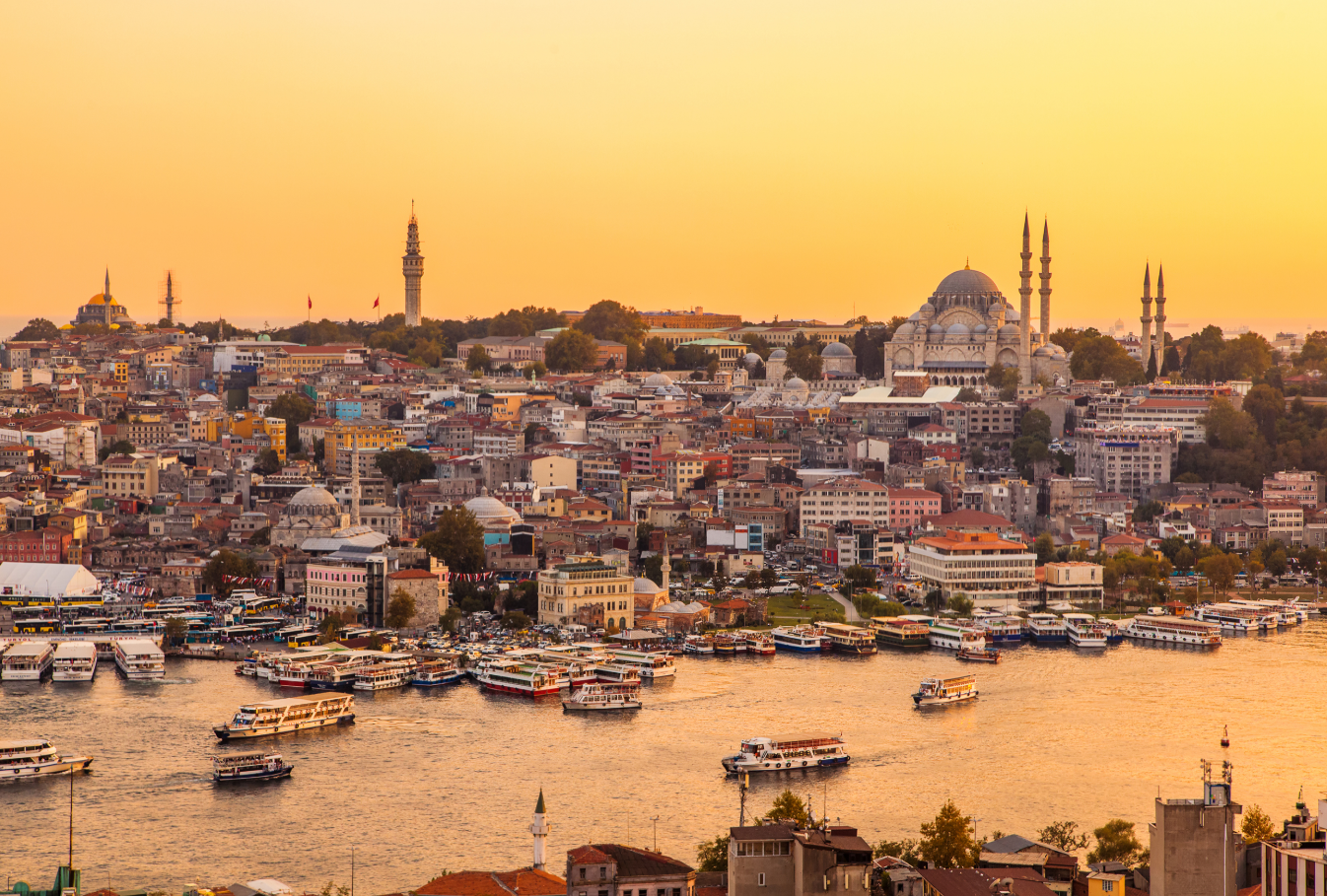
Turkey's treatment mix is broader than many patients expect. While cosmetic and elective procedures are the most visible, hospital-based care is a growing share of the market. In 2025, cosmetic and plastic surgery accounted for approximately 38.5% of the market, followed by dental, hair transplant, bariatric, orthopedic, fertility, eye, and oncology treatments.
Cosmetic and Plastic Surgery
Cosmetic surgery remains the largest single segment. Rhinoplasty, liposuction, breast augmentation, abdominoplasty, facelift, and eyelid surgery are among the most common procedures. Istanbul is the primary hub, with clinics and hospitals offering both standalone aesthetic procedures and combined treatment plans.
Read: Is Turkey Safe for Plastic Surgery?
Dental Treatments
Dental care is a major pillar of the market, especially among UK and European patients. Common procedures include single implants, All-on-4 and All-on-6 full-mouth rehabilitation, zirconia crowns, porcelain veneers, smile design, and Hollywood Smile makeovers. Many dental clinics use CAD/CAM design and 3D imaging for precision fitting. The savings on dental treatment are often large enough to justify travel even for staged procedures requiring multiple visits.
Read: Why Dental Treatments Are Cheap In Turkey?
Hair Transplant
Turkey, and Istanbul in particular, is widely recognised as the global centre for hair restoration. FUE (Follicular Unit Extraction), DHI (Direct Hair Implantation), and Sapphire FUE are the dominant techniques. High clinic density and volume-driven pricing make hair transplant one of the most price-competitive categories. Patients typically need 3 to 5 days in-country, with follow-up on day 3 or 4 to check graft survival.
Bariatric Surgery
Bariatric surgery has become a major value-driven category. Gastric sleeve is the most popular procedure, followed by gastric bypass and revision surgery. Turkey is attractive here because the pricing gap is large while hospital infrastructure supports comprehensive pre-operative evaluation, anaesthesia management, and post-operative inpatient monitoring. Patients typically stay 5 to 7 days.
Read: How Pick the Best Clinics for Gastric Sleeve Surgery in Turkey
Orthopedic Treatments
Orthopedics, especially knee and hip replacement, is one of the highest-value segments. Private hospitals market arthroplasty, sports medicine, spine surgery, and robotic orthopedic surgery. Some facilities use Mako robotic arm and Navio knee robot systems. Wait times for joint replacement in Turkey are typically measured in weeks, compared with months or longer in some European public systems.
Fertility Treatments (IVF)
IVF and related fertility treatments attract patients from Europe and the Middle East. Turkish clinics offer modern lab infrastructure, PGT-A genetic testing, and shorter waiting times than many Western fertility centres. Costs are significantly lower for self-pay patients. Patients should note that Turkish law restricts certain procedures: egg donation, sperm donation, and surrogacy are not legally available in Turkey. Married couples are the primary eligible patient group for IVF under Turkish regulations.
Read: Turkey IVF Success Rates by Age: Under 35, 35-40, and Over 40
Eye Treatments
Eye care is a significant part of the market. LASIK and other refractive surgery procedures, cataract surgery, and selected retinal or corneal treatments are commonly performed for international patients. These procedures typically involve short hospital stays and fit well into medical travel timelines.
Oncology and Advanced Care
Oncology is one of the fastest-growing complex-care segments. Major hospital groups and oncology clinics in Turkey offer radiation oncology, robotic surgery, organ-specific oncology programs, bone marrow transplantation, and multidisciplinary cancer care. Anadolu Medical Center, partnered with Johns Hopkins Medicine, is particularly recognised for cancer treatment, with technologies including CyberKnife, da Vinci robotic systems, and TrueBeam. The oncology segment is forecast to grow at a CAGR exceeding 16% through 2031.
Best Cities in Turkey for Medical Tourism
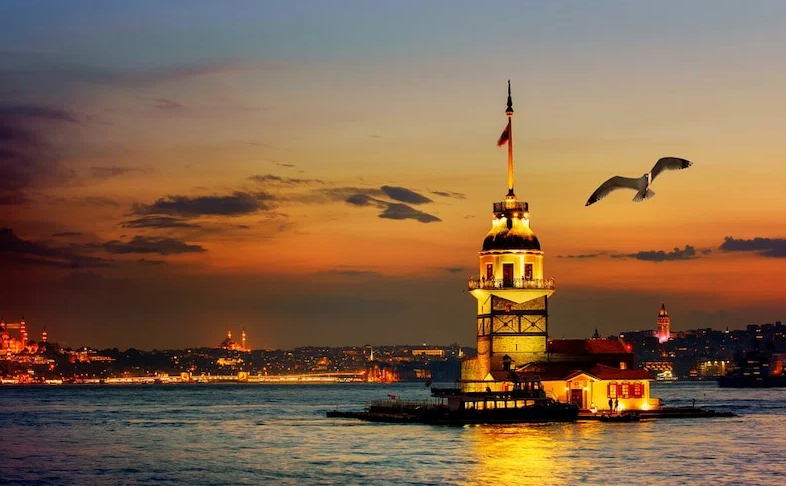
Turkey does not function as a single medical tourism destination. Each major city serves different patient profiles and specialties.
| City | Best For | Key Specialties | Notes |
|---|---|---|---|
| Istanbul | Largest hub for all categories | Hair transplant, cosmetic surgery, dental, bariatrics, fertility, oncology, orthopedics | Highest concentration of JCI-accredited hospitals |
| Ankara | Hospital-based specialties and rehabilitation | Oncology, cardiology, neurosurgery, rehabilitation | Major university-linked medical centres, less tourism-driven atmosphere |
| Antalya | Elective treatment with resort-style recovery | Dental tourism, cosmetic surgery, wellness | Combines private healthcare with beach and resort infrastructure |
| Izmir | Broad private care in a coastal setting | Dental care, orthopedics, general surgery | Large city with growing medical tourism presence, less crowded than Istanbul |
Istanbul
Istanbul is the dominant city in Turkish medical tourism. It concentrates the largest number of internationally visible private hospitals, cosmetic clinics, hair transplant centres, dental clinics, and tertiary-care providers. Major hospital groups headquartered or heavily present in Istanbul include Acibadem (25 hospitals nationwide), Memorial (multiple Istanbul locations including Sisli, the first JCI-accredited hospital in Turkey), Medipol Mega University Hospital, Liv Hospital, Florence Nightingale, and the American Hospital. Istanbul is the first choice for most patients seeking aesthetics, dental care, hair transplant, bariatric surgery, fertility treatment, and complex hospital-based care.
Ankara
Ankara is less visible internationally than Istanbul, but it hosts significant private and university-linked medical infrastructure. It is especially relevant for hospital-based specialties, rehabilitation, and patients who prefer a clinical environment with less tourism-driven marketing. Hacettepe University Hospital and several private centres serve international patients.
Antalya
Antalya combines private healthcare capacity with Turkey's strongest tourism and recovery environment. It is particularly popular for dental tourism and cosmetic procedures, where patients can combine treatment with resort-style accommodation and easier post-procedure recovery planning.
Izmir
Izmir is a large coastal city with growing medical tourism activity, especially in dental care and orthopedics. It offers broad private care access in a setting that is less intense and less expensive than Istanbul, and is home to facilities like WestDent, which specialises in comprehensive dental work for international patients.
Top Hospitals and Clinics in Turkey for International Patients
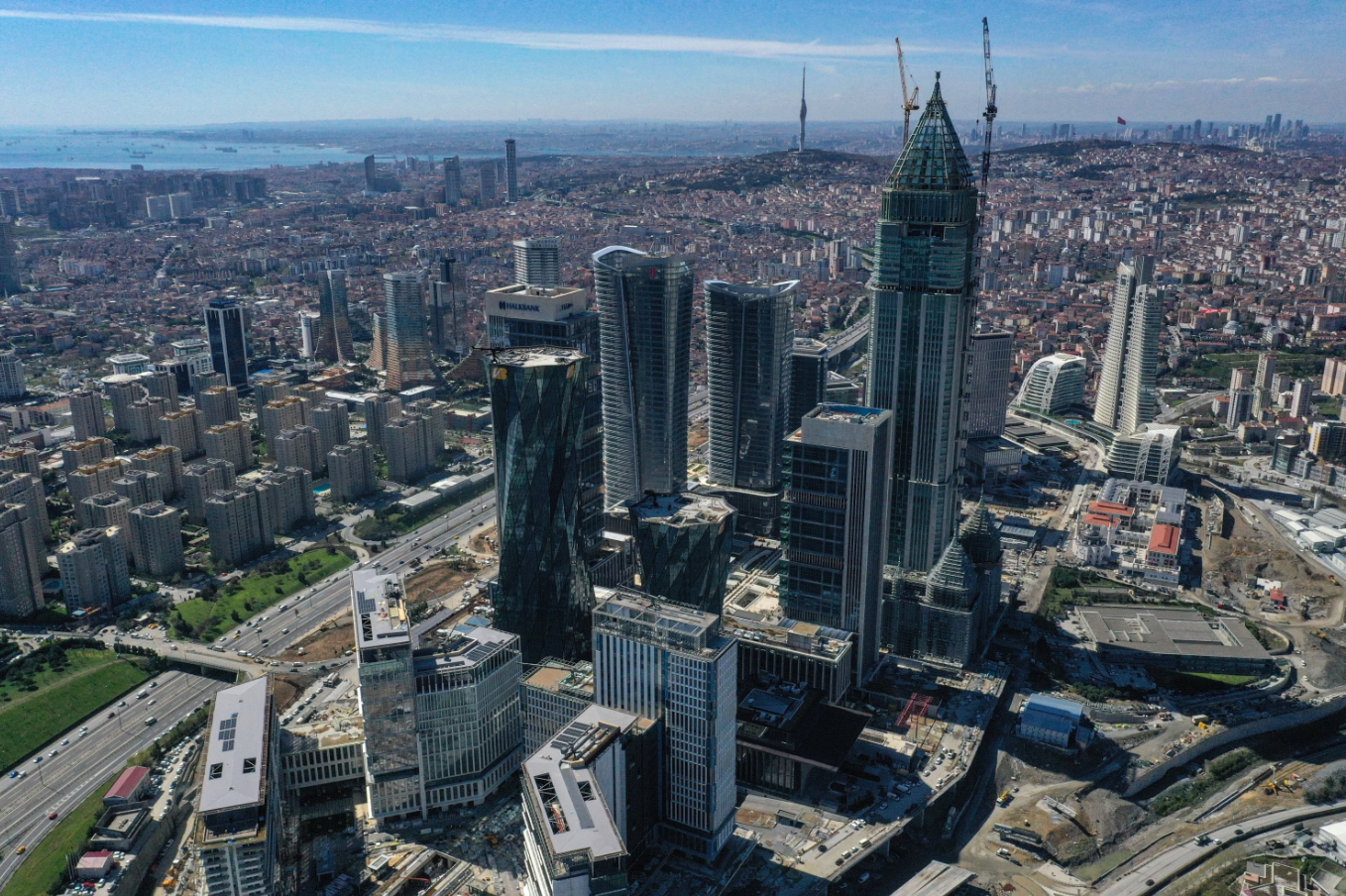
Choosing the right provider is one of the most important decisions in medical tourism. The best hospital is not the one with the strongest advertising, but the one that fits the procedure, has the right specialist team, and provides a clear treatment pathway. Below are some of the most recognised hospital groups serving international patients in Turkey.
| Hospital | Location | Key Specialties | Accreditation and Notes |
|---|---|---|---|
| Acibadem Healthcare Group | Istanbul (25 hospitals nationwide) | Oncology, cardiology, orthopedics, robotic surgery | JCI accredited. Proton therapy centre opened 2025 in Kartal. Mako and da Vinci robotic systems. |
| Memorial Hospitals Group | Istanbul (Sisli, Bahcelievler, Atasehir), Ankara, Antalya | Oncology, transplant, IVF, bariatric, neurosurgery | First JCI-accredited hospital in Turkey (2000). 90% organ transplant success rate. Treats patients from 167 countries. |
| Anadolu Medical Center | Istanbul (Gebze) | Oncology, bone marrow transplant, cardiology, neurology | JCI, ESMO, and Planetree accredited. Johns Hopkins Medicine partnership. CyberKnife, TrueBeam, da Vinci systems. |
| Medipol Mega University Hospital | Istanbul | Oncology, neurosurgery, cardiovascular, organ transplant, IVF, dentistry | JCI accredited. One of the largest university hospitals in Istanbul. |
| Liv Hospital | Istanbul | Cardiology, orthopedics, oncology, neurology, gastroenterology | JCI accredited. Over 1,200 medical professionals. FIFA-accredited sports medicine. |
| Florence Nightingale Hospitals | Istanbul | Cardiology, neurosurgery, orthopedics, oncology | JCI accredited. Multiple Istanbul locations. |
What to Look for When Choosing a Hospital
- JCI accreditation or equivalent international quality certification
- Ministry of Health healthcare tourism authorisation certificate
- Registration on the HealthTurkiye portal (mandatory since 2025)
- Board-certified surgeons with documented experience in your specific procedure
- A dedicated international patient department with multilingual staff
- Transparent, itemised pricing that specifies what is included and excluded
- Clear pre-operative diagnostics and post-operative follow-up protocols
- Hospital-level capability for managing complications, not just elective intake capacity
- Complication insurance coverage (mandatory for all surgical procedures since December 2025)
Is Medical Tourism in Turkey Safe
Medical tourism in Turkey is safe when you choose the right provider. Turkey has over 40 JCI-accredited hospitals, a Ministry of Health regulatory framework with dedicated healthcare tourism oversight, and many hospital groups that have built specialised international patient departments with multilingual staff.
The April 2025 regulation significantly strengthened patient protections. All healthcare facilities and intermediary organisations serving medical tourists must now register on the HealthTurkiye digital platform, obtain complication insurance for surgical procedures, and undergo regular performance evaluations based on patient satisfaction, complaint rates, and clinical outcomes. TUSKA (Turkish Health Services Quality and Accreditation Institute) accreditation is now mandatory for hospitals and medical centres serving international patients, with full compliance required by the end of 2026.
The biggest safety risk patients face is not the country itself, but the choice of provider. In a large market, the gap between a well-accredited hospital with experienced surgeons and a low-cost clinic with limited infrastructure can be significant. Safety depends on diagnostics, surgical standards, infection control protocols, anaesthesia management, post-operative monitoring, and what happens if recovery is slower or more complicated than expected.
How to Reduce Risk
- Choose JCI-accredited or TUSKA-certified hospitals over unaccredited clinics
- Verify your surgeon is board-certified and specialised in your exact procedure
- Confirm the hospital has intensive care capability and emergency protocols
- Ask about complication management: what happens if you need revision surgery or extended care
- Do not choose based on lowest price alone. Compare what is included in each quote.
- Ensure the facility is registered on the HealthTurkiye portal
Recovery Timelines: How Long to Stay in Turkey
Recovery duration determines how long you need to stay in Turkey and when you can safely fly home. The table below shows typical in-country stay durations and key recovery milestones for popular procedures.
| Procedure | Typical Stay | Recovery Notes |
|---|---|---|
| Hair Transplant | 3 to 5 days | Grafts stabilise within 3 to 5 days. Follow-up on day 3 or 4 for graft check and dressing removal. |
| Rhinoplasty | 7 to 10 days | External splint removed day 5 to 7. Significant swelling subsides over 2 to 3 weeks. Minor swelling persists for months. |
| Dental Implants | 5 to 7 days | Varies by complexity. Full-mouth work may require two visits separated by 3 to 6 months for osseointegration. |
| Gastric Sleeve | 5 to 7 days | 1 to 2 nights hospital stay. Liquid diet for 2 to 3 weeks. Return to normal activity in 3 to 4 weeks. |
| Breast Augmentation | 5 to 7 days | Compression garment for several weeks. Light activity resumes in 1 to 2 weeks. |
| Knee Replacement | 7 to 14 days | Physiotherapy begins day 1. Walking with support within 24 to 48 hours. Full recovery 6 to 12 weeks. |
| IVF Cycle | 14 to 21 days | Includes stimulation, egg retrieval, and transfer phases. Some patients split across two visits. |
| LASIK | 2 to 3 days | Vision stabilises within 24 to 48 hours. Follow-up next day. Minimal downtime. |
| Facelift | 7 to 10 days | Sutures or staples removed day 5 to 10. Bruising and swelling subside over 2 to 3 weeks. |
Recovery timelines are approximate. Individual recovery depends on case complexity, patient health, and surgeon recommendations. Always follow your surgeon's discharge instructions.
Before You Travel: What Every Patient Should Know
Visa and Entry Requirements
Turkey offers visa-free entry for citizens of over 70 countries and e-visa access for approximately 40 additional markets, including US, Canada, Australia, and UK citizens. Most medical tourism stays fall within the standard 90-day visa-free or e-visa period. Verify your specific nationality's requirements on the Turkish Ministry of Foreign Affairs website before travel.
The HealthTurkiye Portal
Since April 2025, all health tourism activity in Turkey is coordinated through the HealthTurkiye portal (healthturkiye.gov.tr), managed by USHAS (International Health Services Inc.) under the Ministry of Health. The portal enables patients to find authorised facilities, verify accreditation status, and track their medical journey. All authorised health facilities and intermediary organisations must be registered on this platform.
Insurance and Payment
Most standard international health insurance does not cover elective procedures abroad. Some specialised medical travel insurance plans do. Check your policy before travel. Turkish hospitals typically accept payment in Turkish lira, euros, and US dollars. Many offer structured payment plans or accept credit cards. Since December 2025, all hospitals performing surgical procedures on medical tourists are required to carry complication insurance, providing an additional financial safety net for patients.
Planning Your Trip as a Treatment Pathway
Turkey works best when the trip is planned as a complete treatment pathway, not just a booking. This means understanding:
- What is included in your package and what is charged separately
- How long you need to stay before and after the procedure
- Whether a companion should travel with you (recommended for major surgery)
- What follow-up is expected before your return flight
- How post-return care will be coordinated with your home-country doctor
- Emergency contact structure and what happens if recovery takes longer than planned
How to Choose the Best Hospital and Doctor in Turkey
A structured decision process works better than trying to compare everything at once:
- 1. Define the exact treatment you need. Be specific about the procedure, not just the general category.
- 2. Determine whether it is clinic-based or hospital-based. A hair transplant clinic is very different from a hospital oncology department. Match the facility type to the procedure.
- 3. Shortlist the right city. Istanbul for most specialties, Ankara for university-linked complex care, Antalya for dental and cosmetic with resort recovery, Izmir for dental and orthopedic care.
- 4. Compare doctors and departments, not just hospital brands. A hospital's overall reputation matters less than the specific surgeon and team for your procedure.
- 5. Review what each quote includes. Request itemised quotes from at least two or three providers. Compare not just the total price but what is included in diagnostics, hospital stay, follow-up, and complication management.
- 6. Verify credentials and accreditation. Check JCI status, TUSKA certification, surgeon board certification, and HealthTurkiye registration.
- 7. Confirm recovery and follow-up logistics before you travel. Know your expected stay duration, post-operative appointment schedule, and how your home-country doctor will receive your records.
Turkey vs Other Medical Tourism Destinations
Turkey is not the only option for medical tourism, but it offers a distinct combination of advantages compared to other leading destinations.
| Country | Strengths | Savings | JCI Hospitals | Travel |
|---|---|---|---|---|
| Turkey | Full range: cosmetic, dental, hair, bariatric, ortho, fertility, oncology | 50% to 80% vs US | 40+ JCI hospitals | 4 hours from Europe, Middle East |
| Thailand | Cosmetic surgery, wellness, dental, cardiac | 40% to 70% vs US | 60+ JCI hospitals | Long-haul from Europe |
| India | Cardiac surgery, ortho, transplant, oncology | 60% to 90% vs US | 30+ JCI hospitals | Long-haul from Europe |
| Mexico | Dental, bariatric, cosmetic | 40% to 65% vs US | Limited JCI presence | Short-haul for US patients |
| South Korea | Cosmetic (facial), dermatology, dental | 30% to 50% vs US | Strong domestic standards | Long-haul from Europe |
Turkey's main competitive advantage is breadth: it covers nearly every major medical tourism category at competitive pricing, with strong hospital infrastructure and convenient travel from Europe and the Middle East. Thailand and India may offer deeper specialisation in certain areas, but require significantly longer travel for European patients.
How A-Medical Helps You Plan Medical Treatment in Turkey
A-Medical is most useful when a patient needs a clearer comparison rather than more marketing. In practice, that means:
- Organising your medical records and sharing them with relevant hospitals for accurate quoting
- Comparing quotes from JCI-accredited hospitals so you can see what each provider actually includes
- Verifying surgeon credentials and hospital accreditation status
- Helping you choose between Istanbul, Ankara, Antalya, and Izmir based on your specific treatment needs
- Building a realistic treatment-and-travel timeline that accounts for pre-operative preparation, the procedure itself, recovery, and follow-up appointments
- Coordinating with your home-country doctor for post-return care continuity
For most patients, the real decision is not whether Turkey is a good destination. It is which hospital, which surgeon, and which package structure will give them the best outcome for their specific treatment. That is where independent comparison support adds the most value.
Frequently Asked Questions About Medical Tourism in Turkey
Is Turkey safe for medical tourism?
Yes, when you choose an accredited provider. Turkey has over 40 JCI-accredited hospitals and a regulatory framework that, since April 2025, requires mandatory complication insurance, HealthTurkiye portal registration, and TUSKA accreditation for all health tourism facilities. Safety depends primarily on the specific hospital and surgeon you choose, not on the country label alone.
How much does medical tourism in Turkey cost?
Costs vary significantly by procedure. As a general range, treatment in Turkey is typically 50% to 80% less expensive than equivalent private-pay pricing in the US and 50% to 70% less than in the UK. A hair transplant ranges from $1,500 to $3,500, a dental implant from $400 to $700, and gastric sleeve surgery from $3,500 to $6,000. Always request an itemised quote from the specific hospital.
Which city in Turkey is best for medical tourism?
Istanbul is the main hub for nearly all specialties. Ankara is strong for university-linked hospital care. Antalya combines dental and cosmetic treatment with resort-style recovery. Izmir offers broad private care in a coastal setting. The best city depends on your specific procedure and preferences.
Do Turkish doctors speak English?
Yes. Most private hospitals serving international patients have English-speaking doctors and medical staff. Major hospital groups also offer translation services in Arabic, German, French, Russian, and other languages. The 2025 regulation requires all health tourism facilities to have at least one staff member with documented foreign language proficiency.
Do I need a visa for medical treatment in Turkey?
Turkey offers visa-free entry for over 70 nationalities and e-visa access for approximately 40 additional countries including the US, UK, Canada, and Australia. Most medical tourism stays fall within standard short-stay visa periods. Check the Turkish Ministry of Foreign Affairs website for your specific nationality.
What is included in a medical tourism package in Turkey?
A typical package includes the medical procedure, hospital fees, pre and post-operative care, hotel accommodation, airport transfers, and patient coordination with translation services. Some packages also include medications and companion accommodation. Always confirm the exact inclusions before booking.
How long should I stay in Turkey after surgery?
Stay duration depends on the procedure. Hair transplants require 3 to 5 days, rhinoplasty 7 to 10 days, dental implants 5 to 7 days, and gastric sleeve 5 to 7 days. Your surgeon will schedule post-operative follow-up appointments before clearing you to fly home.
Can I combine medical treatment with a vacation in Turkey?
Yes. Many patients, especially those travelling for dental care, hair transplants, or cosmetic procedures, plan recovery time around sightseeing in Istanbul, beach time in Antalya, or cultural visits in Cappadocia. For more complex procedures, prioritise recovery over tourism and follow your surgeon's activity recommendations.
Which hospitals in Turkey are JCI-accredited?
Turkey has over 40 JCI-accredited hospitals. Major accredited groups include Acibadem Healthcare Group, Memorial Hospitals, Anadolu Medical Center (Johns Hopkins partnership), Medipol University Hospital, Liv Hospital, and Florence Nightingale Hospitals. You can verify current accreditation on the JCI website or through the HealthTurkiye portal.
What happens if something goes wrong during treatment in Turkey?
Since December 2025, all hospitals performing surgical procedures on medical tourists are required to carry complication insurance. JCI-accredited hospitals have established protocols for managing complications, including intensive care capability and revision surgery. Before treatment, ask your hospital about their specific complication management policy, revision terms, and extended-stay provisions.
Sources and References
- Mordor Intelligence, Turkey Medical Tourism Market Size and Growth Report, 2026
- Coherent Market Insights, Turkey Medical Tourism Market Analysis, 2025
- Joint Commission International (JCI), Accredited Organizations Database
- Republic of Turkey Ministry of Health, Regulation on International Health Tourism and Tourist Health, Official Gazette No. 32882, April 26, 2025
- HealthTurkiye Portal (healthturkiye.gov.tr), USHAS
- Republic of Turkey Ministry of Foreign Affairs, Visa Policy Information
- ISAPS Global Survey of Aesthetic/Cosmetic Procedures, 2023
- Individual hospital websites: Acibadem, Memorial, Anadolu Medical Center, Medipol, Liv Hospital