Contents
Every year, more than 15 million people worldwide experience a stroke, and the difference between full recovery and lifelong disability often comes down to two factors: how fast treatment begins, and how intensive the rehabilitation program is. In countries like the United States, the United Kingdom, and Canada, patients frequently face long waiting lists for specialist consultations, insurance-limited rehabilitation stays of only two to four weeks, and hospital bills that can exceed $100,000. This is why a growing number of families are now exploring stroke treatment abroad as a safer, faster, and far more affordable alternative.
This guide identifies the best and cheapest countries for stroke treatment based on clinical quality, neurologist expertise, access to robotic neurorehabilitation, JCI accreditation, waiting times, and full treatment package pricing.
We compare Turkey, Germany, Switzerland, India, Thailand, Spain, and South Korea against stroke treatment costs in the United States and the United Kingdom, so you can understand exactly where your money goes the furthest, without compromising outcomes. Throughout the article, we also share pricing, leading clinic names, and the advanced technologies used at each destination.
Understanding Stroke and Why Treatment Abroad Matters
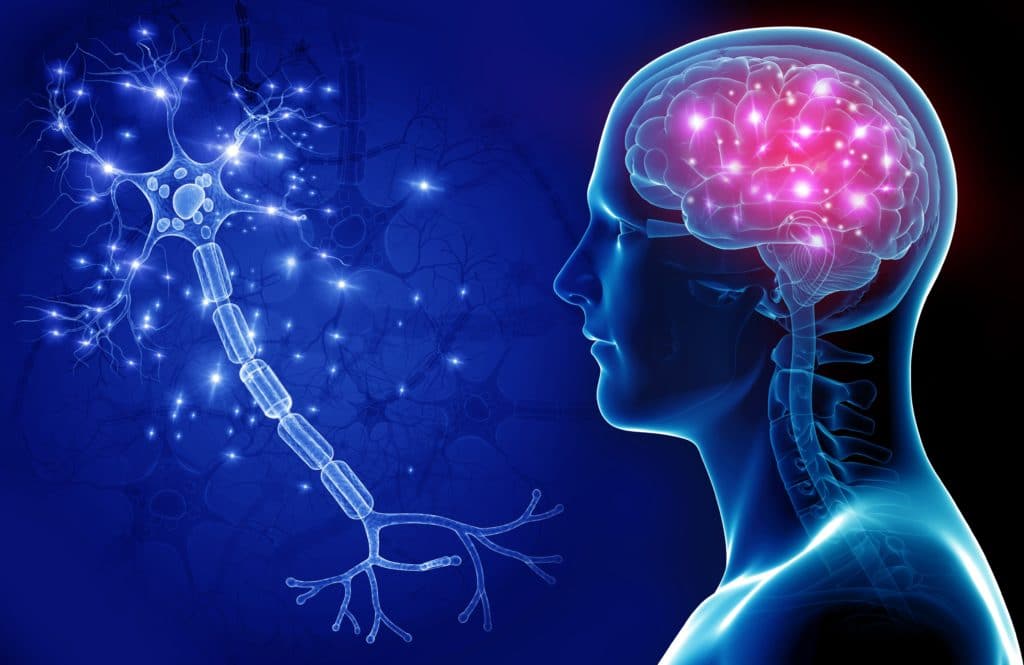
A stroke occurs when blood supply to part of the brain is interrupted, either by a clot (ischemic stroke) or by bleeding (hemorrhagic stroke). Within minutes, brain cells begin to die, and every hour of delay dramatically reduces the chance of full recovery. Acute stroke treatment includes intravenous thrombolysis with tissue plasminogen activator (tPA), mechanical thrombectomy, aneurysm clipping, endovascular coiling, decompressive craniectomy, and carotid endarterectomy. Once the patient is stabilized, the focus shifts to neurorehabilitation, where the brain's ability to rewire itself (neuroplasticity) is used to restore movement, speech, cognition, and independence.
The reason people look at getting stroke treatment abroad is simple: in many high-income countries, insurance covers only two to four weeks of inpatient rehabilitation, which is far less than the three to six months of intensive therapy that neurological research shows produces the best outcomes. Abroad, patients can access three to five hours of daily therapy, robotic-assisted devices like Lokomat, Armeo, and Erigo, transcranial magnetic stimulation (TMS), aquatic therapy, and multidisciplinary teams of neurologists, physiatrists, speech therapists, and neuropsychologists, all at a fraction of the cost they would pay at home.
How We Selected the Best and Cheapest Countries for Stroke Treatment
Not every country that offers affordable stroke care is a safe or clinically strong choice. To identify the best and cheapest countries for stroke treatment, we evaluated each destination against six objective criteria:
- Clinical quality and accreditation: JCI, ISO 9001, and national accreditation of stroke centers.
- Neurologist and neurosurgeon expertise: years of experience, number of procedures performed, and international training.
- Technology access: robotic rehabilitation (Lokomat, Armeo, Erigo, TheraSuit), TMS, AI-assisted imaging, neuro-ICU capabilities.
- Waiting times: how quickly international patients can begin acute care or rehabilitation.
- Total treatment cost: all-inclusive pricing compared to the average cost in the US and UK.
- Aftercare and continuity: language support, physical therapy follow-up, and remote consultations after the patient returns home.
Stroke Treatment Cost Comparison by Country
The table below compares average stroke treatment and neurorehabilitation costs across the most popular destinations. All figures cover a comprehensive package (acute care or one month of intensive inpatient rehabilitation) and are drawn from verified clinic invoices and international medical tourism data.
|
Country |
Acute Stroke Treatment (Thrombectomy / Surgery) |
Inpatient Rehabilitation (per month) |
Savings vs. USA |
|
Turkey |
$15,000 to $25,000 |
$3,000 to $8,000 |
Up to 85% |
|
India |
$8,000 to $18,000 |
$2,000 to $5,000 |
Up to 88% |
|
Thailand |
$18,000 to $28,000 |
$3,000 to $7,000 |
Up to 75% |
|
Spain |
$25,000 to $45,000 |
$4,000 to $8,000 |
Up to 70% |
|
South Korea |
$22,000 to $38,000 |
$5,000 to $9,000 |
Up to 60% |
|
Germany |
$35,000 to $65,000 |
$6,000 to $12,000 |
Up to 55% |
|
Switzerland |
$55,000 to $95,000 |
$12,000 to $22,000 |
Minimal |
|
United Kingdom |
$50,000 to $90,000 (private) |
$10,000 to $18,000 |
Minimal |
|
United States |
$70,000 to $150,000 |
$15,000 to $30,000 |
Baseline |
Prices reflect all-inclusive packages covering hospitalization, specialist fees, imaging, and therapy sessions. Individual quotes may vary depending on stroke type, patient condition, and length of stay.
Best and Cheapest Countries for Stroke Treatment Abroad
Below is a detailed breakdown of the top destinations for stroke care overseas. Each country is evaluated for clinical strength, leading clinics, cost, and who it is best suited for.
Turkey: The Best Country for Stroke Treatment Abroad
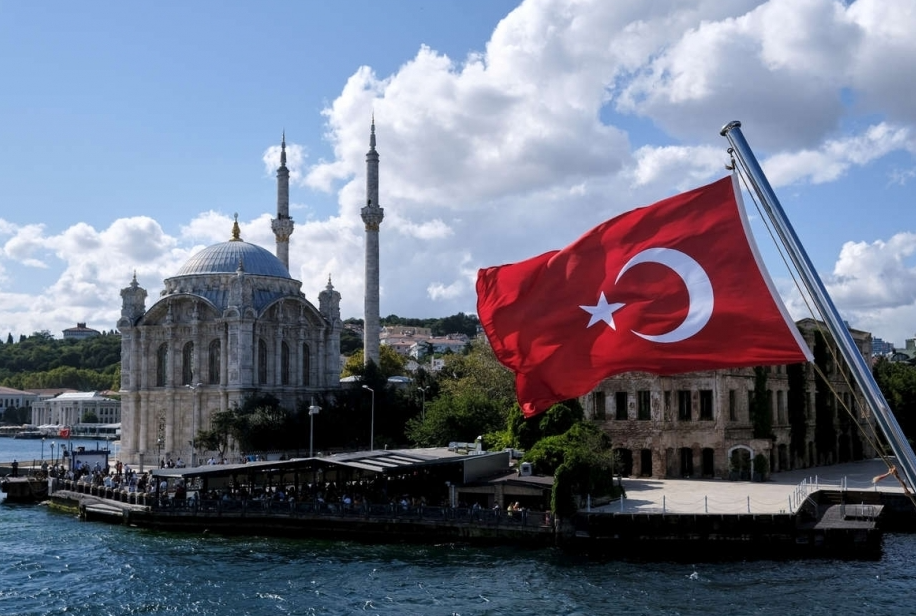
Turkey consistently ranks as the best country for stroke treatment abroad thanks to a combination of JCI-accredited hospitals, highly trained neurologists and neurosurgeons, advanced robotic neurorehabilitation, and prices that are 70 to 85% lower than in the United States. Istanbul alone has more than a dozen internationally accredited stroke centers with 24/7 neuro-interventional suites, dedicated door-to-needle protocols, and comprehensive multidisciplinary teams. Patients can typically begin acute treatment or intensive rehabilitation within 24 to 72 hours of arrival, avoiding the long waiting lists common in the UK, Canada, and much of Europe.
What makes Turkey particularly strong for stroke patients is the integration of acute care, surgical intervention, and three-to-five-hour daily neurorehabilitation sessions under one roof. Turkish clinics use Lokomat gait trainers, ArmeoPower for upper limb recovery, Erigo early mobilization tables, TheraSuit therapy, TMS, functional electrical stimulation, aquatic therapy, and speech-language therapy for aphasia. Major hospitals also run dedicated stroke units with CT and MRI available within minutes, mechanical thrombectomy 24/7, and neurocritical care.
Top hospitals for stroke treatment in Turkey:
- Memorial Şişli Hospital (Istanbul) , JCI-accredited, Turkey's first multi-robotic rehabilitation program in a hospital setting, serving patients from over 90 countries.
- Medipol Mega University Hospital (Istanbul) , 810-bed JCI-accredited facility with daily robotic rehabilitation, Lokomat, ArmeoPower, and Biodex balance systems.
- Anadolu Medical Center (Kocaeli, near Istanbul) , affiliated with Johns Hopkins Medicine, recognized for advanced neurosurgery and comprehensive stroke care.
- Acıbadem Healthcare Group (multiple locations) , one of Turkey's largest accredited networks with dedicated neurology and neurosurgery departments.
Average stroke treatment cost in Turkey:
- Mechanical thrombectomy: $15,000 to $25,000
- Intensive inpatient rehabilitation (1 month): $3,000 to $8,000
- Comprehensive 3-month rehabilitation package: $12,000 to $25,000
- Neurologist consultation and diagnostic workup: $120 to $400
For patients looking for the best balance between clinical excellence, affordability, and speed of access, Turkey is the clear leader among countries offering advanced stroke care abroad. You can explore related procedures in our guide to neurology treatment in Turkey.
Read: Stroke Treatment in Turkey
Germany: Best for Structured, Research-Backed Rehabilitation
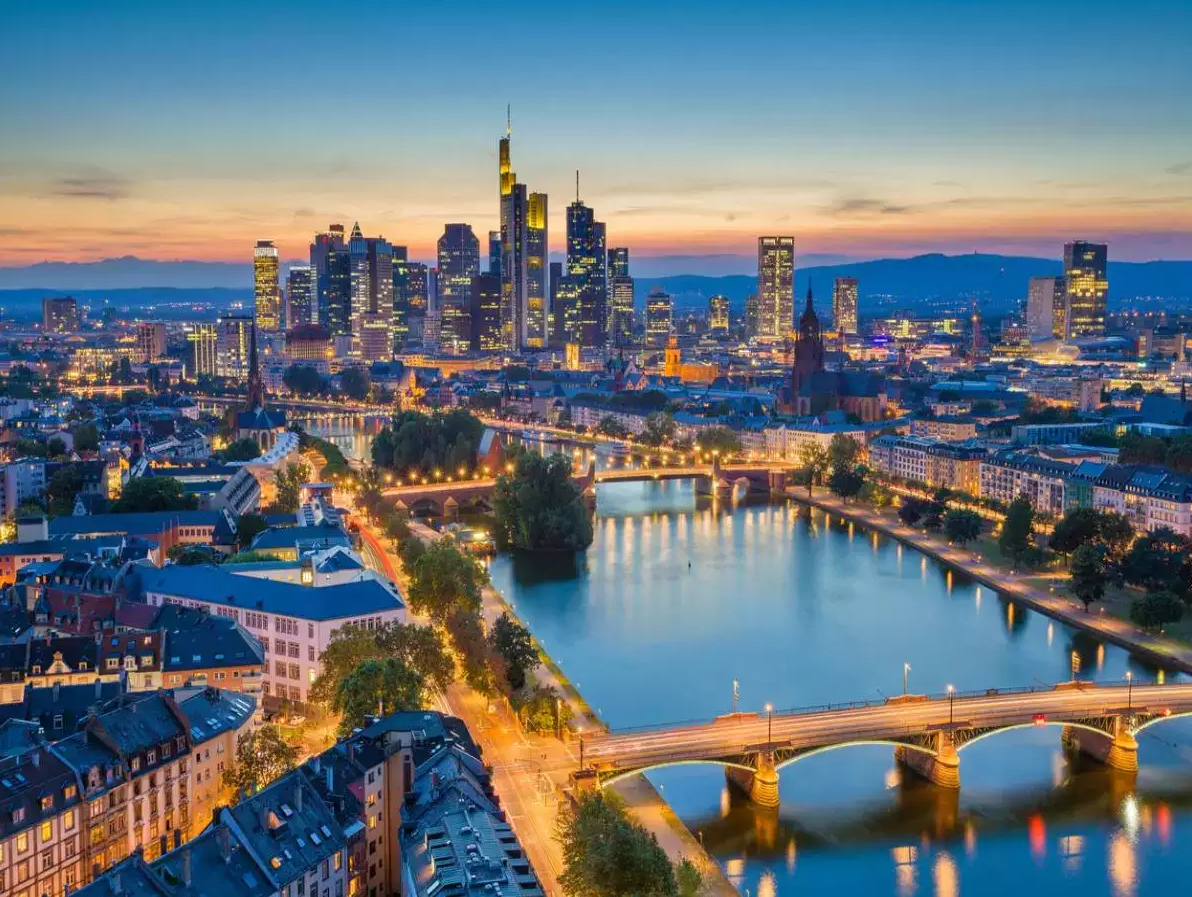
Germany is widely recognized as the global gold standard for structured post-stroke neurorehabilitation. The country uses a formal, science-based phase system (Phase A through Phase F) that progresses patients through increasing levels of independence, with each phase defined by measurable clinical criteria. Rehabilitation typically begins on day one of hospitalization, and studies consistently show success rates of 70 to 85% for motor improvement in mild to moderate cases. German university hospitals also lead in digital imaging, AI-assisted stroke diagnostics, and clinical trial access.
Top stroke clinics in Germany:
- Kliniken Schmieder , a network of specialized neurological rehabilitation hospitals, pioneer and leader in neurorehabilitation with its own research institute.
- Charité University Hospital Berlin , one of Europe's largest university hospitals with a dedicated stroke unit and research-driven protocols.
- Heidelberg University Hospital , known for emergency stroke care and second-opinion services for international patients.
- Helios Hospital Group , offers neurological rehabilitation across multiple sites, equipped with Lokomat and exoskeleton systems.
Average stroke treatment cost in Germany:
- Acute stroke care package: $35,000 to $65,000
- Inpatient rehabilitation (1 month): $6,000 to $12,000
- 6-week inpatient program: $50,000 to $65,000
Germany delivers excellent outcomes, but it is one of the most expensive destinations in continental Europe. It suits patients with severe or complex strokes who prioritize the most structured clinical environment and have the budget to match.
Switzerland: Premium Neurorehabilitation in a Therapeutic Setting
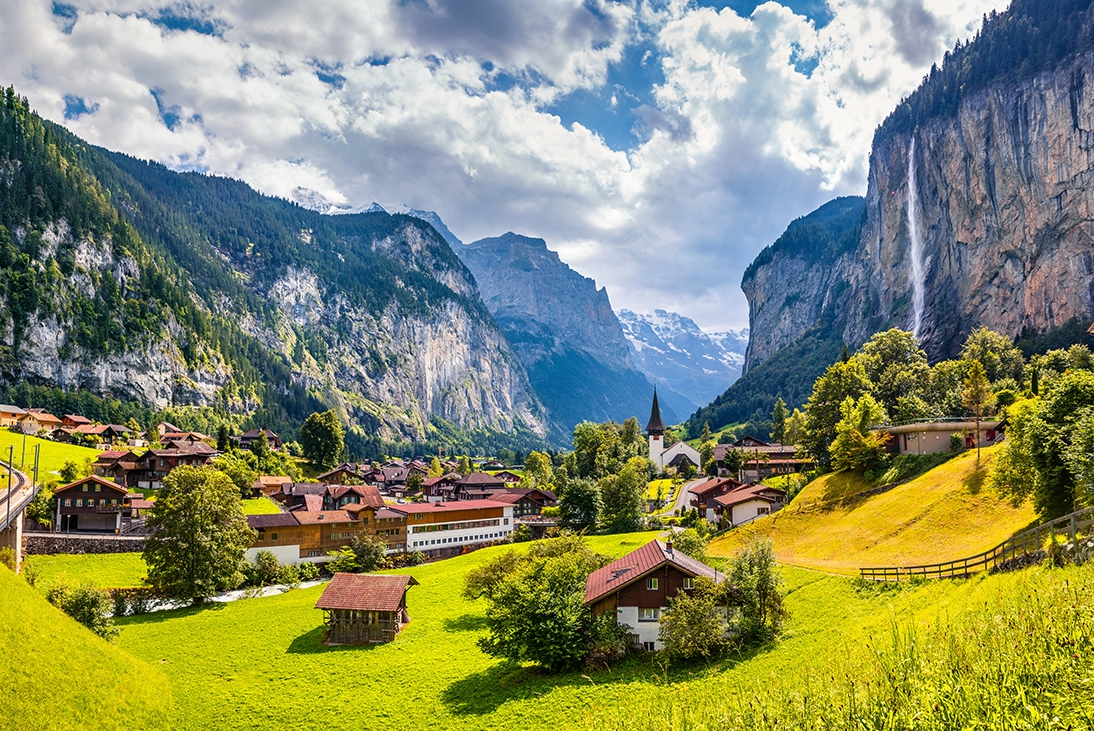
Switzerland is home to some of the world's most prestigious private neurorehabilitation centers. Clinics here combine individualized intensive therapy, robotic technology, and a premium hospitality environment that supports both patient and family. Programs are typically longer (four to twelve weeks) and use evidence-based approaches to motor, cognitive, and speech recovery.
Top stroke rehabilitation centers in Switzerland:
- cereneo Schweiz AG (Vitznau and Hertenstein) , one of Europe's leading centers for intensive stroke recovery on Lake Lucerne.
- Rehaklinik Zihlschlacht , specialized neurological rehabilitation clinic with strong outcomes in motor and speech recovery.
- Clinique Valmont (Glion) , French-speaking rehabilitation clinic with panoramic views of Lake Geneva and advanced robotic equipment.
Average stroke treatment cost in Switzerland:
- Inpatient neurorehabilitation (1 month): $12,000 to $22,000
- Comprehensive acute care + rehab package: $55,000 to $95,000
Swiss centers are world-class, but prices are close to US levels. For more on this destination, see our detailed guide on rehabilitation after stroke in Switzerland.
India: Cheapest Country for Stroke Treatment Abroad

India is the cheapest country for stroke treatment abroad when pure price is the dominant factor. Major hospital networks offer comprehensive acute stroke care, neurosurgery, and intensive rehabilitation at costs that are 80 to 88% lower than in the United States. English-speaking specialists, many trained at UK and US institutions, and a well-developed medical tourism infrastructure make India practical for international patients despite the longer travel distance.
Top stroke hospitals in India:
- Apollo Hospitals (Chennai and Delhi) , comprehensive stroke centers with dedicated robotic rehabilitation equipment.
- Fortis Healthcare (Gurugram, Bangalore) , JCI-accredited neurology departments with 24/7 thrombectomy capacity.
- Manipal Hospitals (Bangalore) , advanced neurocritical care and structured stroke rehabilitation units.
- Max Super Speciality Hospital (Delhi) , known for minimally invasive neurological interventions and clinical trial access.
Average stroke treatment cost in India:
- Mechanical thrombectomy: $8,000 to $18,000
- Inpatient rehabilitation (1 month): $2,000 to $5,000
India is ideal for patients who prioritize absolute lowest cost and are comfortable with long-distance travel after stabilization. Clinical quality at tier-one hospitals is very high, though facility standards vary more than in Turkey or Germany.
Thailand: Excellent Rehabilitation with High Return-Home Rates
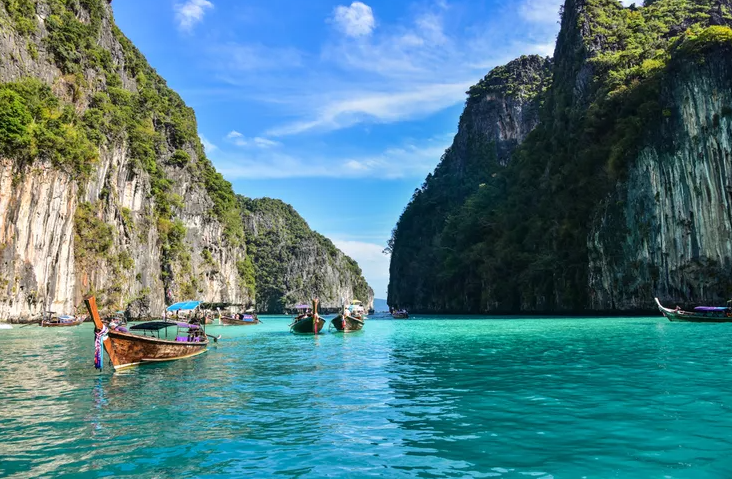
Thailand has built a strong reputation in neurological rehabilitation, with specialized clinics reporting that more than 95% of stroke patients return home within three months. Bangkok's major hospitals integrate EMG-driven robotics, TMS, constraint-induced movement therapy, and traditional Thai massage to reduce spasticity. The hospitality culture, English-speaking staff, and all-inclusive packages make Thailand a practical destination for longer programs.
Top stroke clinics in Thailand:
- Bumrungrad International Hospital (Bangkok) , JCI-accredited with a dedicated neuroscience center and experienced rehabilitation team.
- Bangkok Hospital , comprehensive neurology and neurosurgery services with international patient coordination.
- BNH Hospital , known for structured post-stroke rehabilitation and hydrotherapy pools.
Average stroke treatment cost in Thailand:
- Acute stroke treatment: $18,000 to $28,000
- Inpatient rehabilitation (1 month): $3,000 to $7,000
Spain: Intensive Neurorehabilitation in a Mediterranean Setting

Spain combines JCI-accredited hospitals with some of Europe's most intensive neurorehabilitation programs. Specialized centers treat thousands of stroke patients annually and report up to 85% motor improvement rates in mild to moderate cases. Robotic systems like Lokomat, TheraSuit technology, and exoskeletons are standard, and the Mediterranean climate supports longer recovery stays.
Top stroke rehabilitation centers in Spain:
- Guttmann Institute (Barcelona) , internationally renowned neurorehabilitation hospital specializing in brain injury and stroke recovery.
- Quirónsalud Group , extensive network of JCI-accredited hospitals with neurology departments across Madrid and Barcelona.
- Hospital Universitari Vall d'Hebron (Barcelona) , one of Spain's largest university hospitals with a comprehensive stroke unit.
Average stroke treatment cost in Spain:
- Acute stroke care: $25,000 to $45,000
- Inpatient rehabilitation (1 month): $4,000 to $8,000
South Korea: Advanced Technology and Rapid Access

South Korea is a technology-driven destination for stroke care, with advanced neuro-interventional suites, AI-assisted imaging, and some of the world's highest concentrations of robotic rehabilitation equipment. Seoul's tertiary hospitals operate dedicated stroke centers with rapid door-to-needle protocols and extensive post-stroke research programs.
Top stroke hospitals in South Korea:
- Asan Medical Center (Seoul) , Korea's largest hospital, with a dedicated comprehensive stroke center.
- Samsung Medical Center (Seoul) , JCI-accredited with advanced neurovascular intervention capabilities.
- Severance Hospital: Yonsei University , strong international patient department and high-volume stroke unit.
Average stroke treatment cost in South Korea:
- Acute stroke treatment: $22,000 to $38,000
- Inpatient rehabilitation (1 month): $5,000 to $9,000
Stroke Treatment Cost in High-Income Countries
To understand why so many patients choose to pursue stroke treatment overseas, it helps to look at what the same care costs in the United States and the United Kingdom. These countries offer some of the world's best hospitals, but their pricing structures and access restrictions often push international and self-paying patients toward more affordable destinations.
Stroke Treatment Cost in the United States
The United States is home to world-class neurology programs at institutions like the Cleveland Clinic, Johns Hopkins Hospital, Mayo Clinic, and Massachusetts General Hospital. However, acute stroke care in the US can easily cost $70,000 to $150,000, and inpatient rehabilitation facilities (IRFs) charge $15,000 to $30,000 per month. Insurance typically limits coverage to two to four weeks of inpatient rehab, after which patients are discharged to lower-intensity outpatient or home therapy, often far less than what research shows is optimal for neuroplastic recovery. For international self-paying patients, the total bill for acute care plus three months of rehabilitation frequently exceeds $150,000.
Stroke Treatment Cost in the United Kingdom
The United Kingdom has exceptional public stroke care through the NHS, anchored by institutions like the National Hospital for Neurology and Neurosurgery at Queen Square and Imperial College Healthcare. For NHS patients, the care is largely free at the point of use, but international patients and those choosing private care face very different numbers. Private acute stroke treatment typically costs $50,000 to $90,000, with inpatient rehabilitation at $10,000 to $18,000 per month. Waiting lists for elective neurological rehabilitation in the NHS can also extend for months, which is a particularly difficult problem after a stroke, where the first three to six months are the most important window for recovery.
Why Turkey Is the Best and Cheapest Country for Stroke Treatment Abroad
When clinical quality, cost, speed of access, and logistics are weighed together, Turkey consistently emerges as the overall winner. Patients receive care at JCI-accredited hospitals, treated by neurologists and neurosurgeons with extensive international training, using the same Lokomat, ArmeoPower, Erigo, TheraSuit, and TMS technologies available in Germany or Switzerland, but at 70 to 85% lower cost.
Key advantages of choosing Turkey:
- No waiting lists: international patients can typically start treatment within 72 hours of arrival, compared to weeks or months in the UK and Canada.
- JCI-accredited stroke units: Memorial, Medipol, Anadolu, and Acıbadem all meet the same clinical standards required by top US hospitals.
- 3-to-5-hour daily therapy: far more intensive than insurance-limited programs in the US or UK.
- All-inclusive packages: transfers, accommodation, interpreter, and translator services are typically bundled into the quoted price.
- Shorter travel from Europe and the Middle East: Istanbul is within 3 to 4 hours of most major European, Gulf, and North African cities.
|
Want to know exactly what stroke treatment in Turkey would cost in your case? A-Medical provides a free, detailed quote within 24 hours, with no commitment. 👉 Request Your Free Personalized Quote |
Types of Stroke Treatments Available Abroad
Modern stroke centers abroad offer the full spectrum of evidence-based treatments, matched to the stroke type (ischemic or hemorrhagic), the time window, and the individual patient's condition. Understanding the options helps patients and families make informed decisions when comparing clinics and quotes.
- Intravenous thrombolysis (tPA): a clot-dissolving medication given within 4.5 hours of symptom onset for ischemic stroke.
- Mechanical thrombectomy: a minimally invasive endovascular procedure that physically removes the clot, effective up to 24 hours in selected cases based on imaging.
- Aneurysm clipping and endovascular coiling: surgical and catheter-based techniques for hemorrhagic stroke and ruptured aneurysms.
- Decompressive craniectomy: emergency neurosurgery to relieve intracranial pressure after a massive stroke.
- Carotid endarterectomy and stenting: procedures that remove plaque from the carotid artery to prevent future strokes.
- Robotic-assisted neurorehabilitation: Lokomat for gait, ArmeoPower for arm function, Erigo for early mobilization, TheraSuit for body alignment.
- Transcranial magnetic stimulation (TMS): non-invasive brain stimulation that enhances neuroplasticity and motor recovery.
- Constraint-induced movement therapy (CIMT): intensive training of the affected arm, proven to improve upper limb function in moderate stroke.
- Speech and language therapy: melodic intonation therapy, constraint-induced language therapy, and computer-assisted programs for aphasia.
Stroke Rehabilitation Abroad: The Path to Full Recovery
Surviving the acute phase is only the beginning. Structured, intensive neurorehabilitation is what determines how much function a stroke survivor regains. The science is clear: the first three to six months after a stroke is the period of greatest neuroplasticity, when the brain is most capable of rewiring itself. Intensive, repetitive, task-specific practice during this window drives the strongest and most durable recovery. This is exactly where seeking intensive stroke rehabilitation abroad delivers its greatest advantage over insurance-limited rehabilitation in the US and UK.
A high-quality international neurorehabilitation day typically includes one to two hours of physiotherapy (often including robotic gait training), one hour of occupational therapy for activities of daily living, 30 to 60 minutes of speech-language therapy if aphasia is present, and additional sessions of neuropsychology, aquatic therapy, and recreational activities. Programs can last from two weeks to several months, and most leading clinics provide family accommodation and caregiver training as part of the package.
For a wider overview of international rehabilitation options beyond stroke, see our complete guide to the best countries and centers in the world for rehabilitation.
Why Patients Choose A-Medical for Stroke Treatment Abroad
Organizing stroke treatment abroad from a distance, often under emotional pressure and time constraints, is extremely difficult without expert support. A-Medical is a specialized medical tourism facilitator that handles every part of the journey, so families can focus on what really matters: recovery.
- No waiting lists: we arrange rapid appointments at Turkey's top JCI-accredited stroke centers, usually within 24 to 72 hours of initial contact.
- Best-matched clinics and doctors: we evaluate each patient's medical records and match them with the neurologist, neurosurgeon, and rehabilitation team best suited to their specific stroke type and recovery goals.
- All-inclusive affordable packages: a single transparent price covers hospitalization, therapy, accommodation, airport transfers, and interpreter support.
- Dedicated interpreter and translator services: so patients and family members can communicate clearly with medical teams at every step.
- Hotel and transfer coordination: comfortable accommodation near the hospital and door-to-door transport throughout the stay.
- Continuous aftercare: remote follow-up consultations with your Turkish neurologist after you return home, so rehabilitation plans continue seamlessly.
|
Ready to take the next step? A-Medical's medical coordinators will review your stroke case, match you with the best-suited JCI-accredited hospital in Turkey, and send you a detailed all-inclusive quote, usually within 24 hours. 👉 Contact A-Medical for a Free Consultation |