Contents
Knee Replacement in Mexico
Mexico is one of the clearest alternatives for self pay knee replacement because the cost gap versus the United States is large enough to change the decision for many patients. Current marketplace and hospital facing comparisons place total knee replacement in Mexico from about $7,000 to $15,800, while many US comparisons sit around $30,000 to $50,000 for a single knee. More premium or hospital based pathways can price higher, which is why patients should read “from” prices carefully rather than treat them as the final budget.
The best destination in Mexico depends on what you value most. Tijuana is strongest for border convenience, Cancun works well for patients who want a resort style recovery environment, Guadalajara and Puebla are often attractive on value, and Puerto Vallarta can suit patients who want a longer structured recovery stay in a calmer setting. City choice matters because knee replacement is not only a surgery. It is also a hospital stay, early rehabilitation period, and return to travel plan.
Why Mexico Is a Popular Destination for Knee Replacement
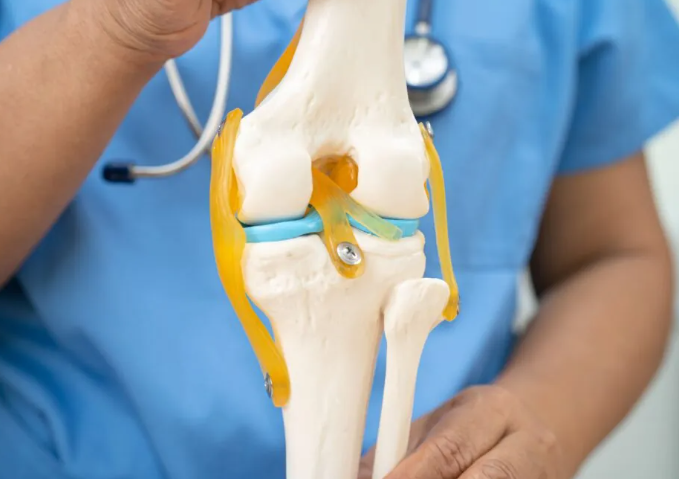
Patients choose Mexico because it combines shorter access, lower private pay pricing, and a mature orthopedic tourism market. Current overviews from Mexico focused marketplaces describe savings of roughly 50% to 80% versus US costs, depending on whether the case is total, partial, robotic, or bilateral.
There is also a practical travel advantage. For US and Canadian patients, many Mexican orthopedic cities are close enough to reduce flight time and make follow up more manageable. Tijuana and Mexicali appeal to border region patients, while Cancun and Puerto Vallarta often attract people who want a smoother recovery setting with hotel support and local transport built into the package.
What Knee Replacement Surgery Is and When It Is Needed
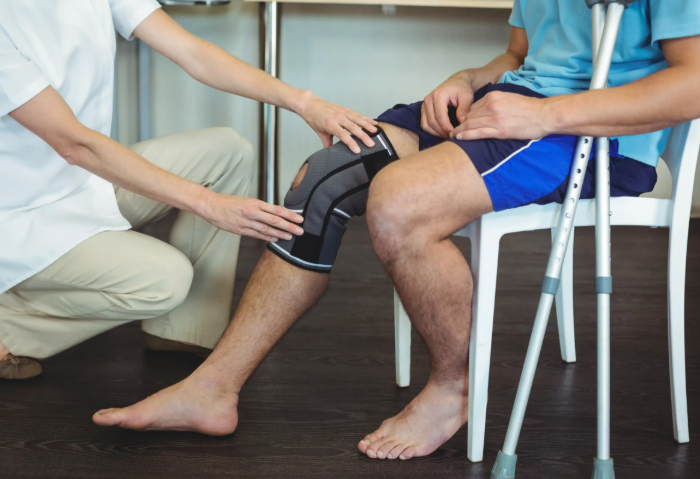
Knee replacement surgery replaces damaged joint surfaces with artificial components so the patient can reduce pain, improve walking, and regain function. In practical terms, it is usually considered when arthritis or joint wear has become severe enough that injections, medication, weight loss, and physiotherapy no longer provide enough relief.
The operation can involve the full joint or only one damaged compartment. That distinction matters because total knee replacement and partial knee replacement do not cost the same, do not suit the same anatomy, and do not always lead to the same travel and recovery pattern.
Who Is a Good Candidate for Knee Replacement in Mexico
A good candidate usually has persistent pain, reduced walking distance, stiffness, and imaging that confirms substantial joint damage. The decision should also take into account age, body weight, general health, ligament stability, alignment, and how much daily function has been lost.
For international patients, another practical candidate question is whether the person can travel, manage post operative rehabilitation, and stay locally long enough for early follow up. Mexico works best when the surgery plan and the travel plan fit each other.
Knee Replacement Cost in Mexico
Average Cost of Total Knee Replacement
Current Mexico wide comparisons place total knee replacement from about $7,000 to $15,800 for one knee, with city level pricing commonly shown around $11,400 in Tijuana, $12,800 in Cancun, $11,299 in Guadalajara, $9,500 in Puebla, $11,500 in Mexicali, $14,900 in Puerto Vallarta, and $13,000 in Ciudad Juarez. More premium hospital listings can also run higher, which is why hospital brand and package scope matter.
Average Cost of Partial Knee Replacement
Published comparisons usually place partial knee replacement around $10,500 to $12,000 in Mexico, with some city level examples showing $10,500 in Puebla and $12,000 in Tijuana. In the US, comparison pages commonly list partial replacement around $20,000 to $40,000.
What Affects the Cost of Knee Replacement in Mexico
The biggest cost drivers are procedure type, implant brand, surgeon profile, hospital level, and whether the case is robotic or standard. Published Mexico pricing specifically shows separate lines for Biomet, Zimmer Biomet, and robotic knee replacement, which makes it clear that implants and technology can materially change the quote.
Recovery structure also matters. A package with only surgery and a short hospital stay is not equivalent to one that includes rehabilitation, recovery-house nights, local transport, and physiotherapy. Guadalajara package examples, for instance, explicitly include the implant prosthesis, physiotherapy sessions, airport transportation, and eight nights in a recovery house.
What Is Usually Included in Knee Replacement Packages

Most all inclusive knee replacement packages in Mexico commonly include:
- Surgeon’s fee
- Hospital stay
- Anesthesia
- Implant cost
- Pre operative tests and imaging
- Medication during the stay
- Early physiotherapy during hospitalization
Some providers also include airport transfers, post operative support, accommodation, or a recovery-house stay.
Mexico vs US Cost Comparison
A simplified comparison looks like this:
Procedure
Mexico
United States
Total knee replacement, single knee
$7,000 to $15,800
$30,000 to $50,000
Partial knee replacement
$10,500 to $12,000
$20,000 to $40,000
Robotic knee replacement
About $11,000
$40,000 to $50,000
Bilateral knee replacement
About $25,000
$60,000 to $70,000
These are comparison ranges, not universal final quotes. They show why Mexico is so often shortlisted by uninsured and self pay patients.
Best Cities in Mexico for Knee Replacement
Tijuana

Tijuana is usually the most practical city for patients coming from California and the US Southwest. Its main advantage is border convenience. The current published cost point of about $11,400 for total knee replacement makes it competitive, and broader orthopedic pages show it as one of the strongest border access options for joint replacement.
Cancun
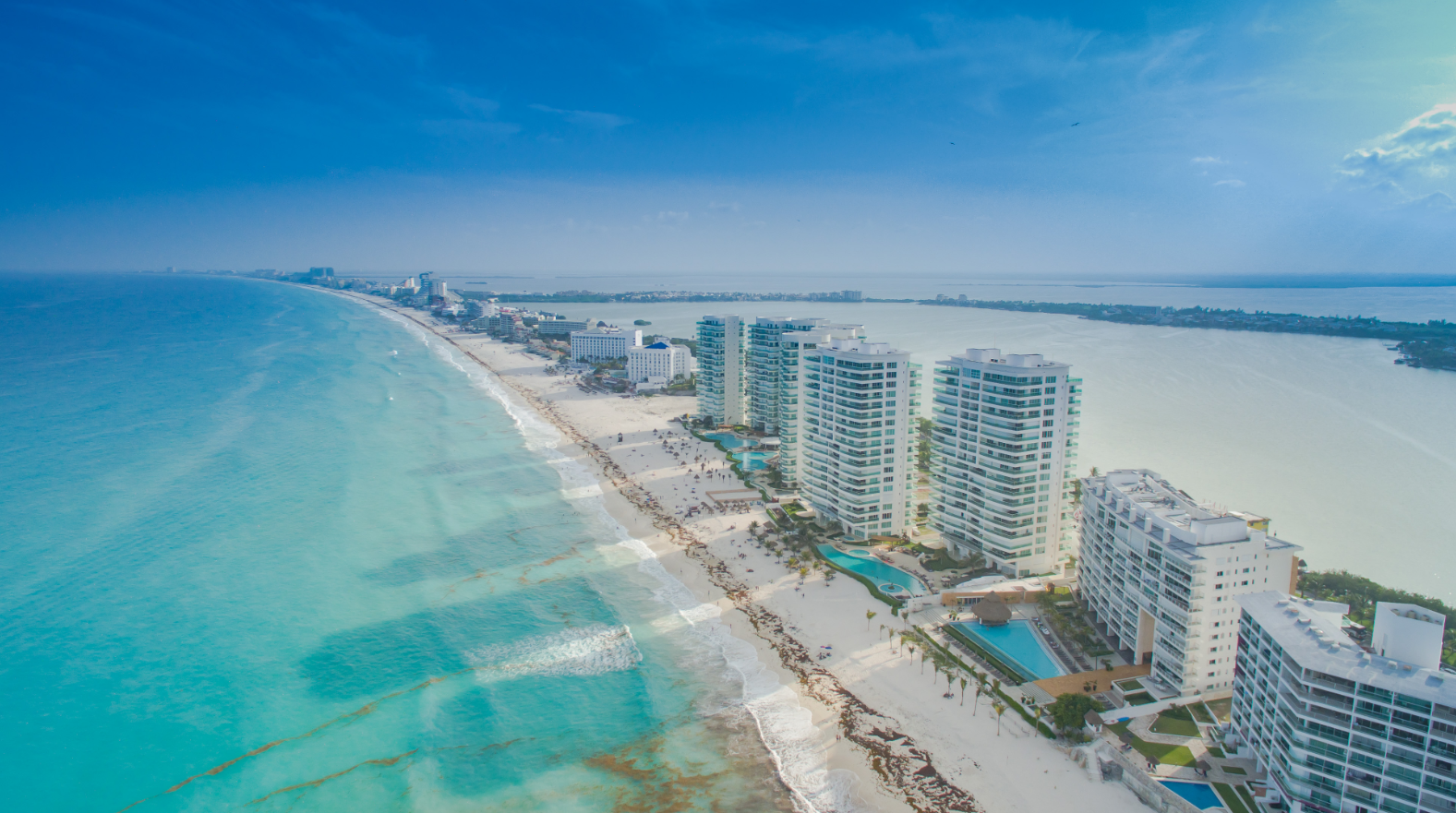
Cancun is more expensive than some inland cities at roughly $12,800 for total knee replacement, but it appeals to patients who want direct flights, a more comfortable hotel environment, and stronger resort style recovery logistics. Cancun also stands out because Hospital Amerimed Cancun appears in the current JCI accredited organizations list, which is a meaningful quality signal for international patients.
Guadalajara

Guadalajara is one of the stronger value cities for knee replacement, with currently published pricing around $11,299. It can also appeal to patients who want a more urban hospital environment outside the border corridor, and some package examples from Guadalajara are unusually detailed about recovery-house support and physiotherapy.
Puebla

Puebla is one of the most competitive value cities in current knee replacement comparisons, with total knee replacement around $9,500, partial knee replacement around $10,500, and robotic assisted knee replacement around $11,000 on published price lists. For patients focused on price-to-technology value, Puebla is one of the most interesting markets in Mexico right now.
Mexicali

Mexicali is another practical border choice, particularly for patients who want easier land access than a flight-based destination. Published city level comparisons put total knee replacement at around $11,500, which keeps it close to Tijuana while still operating in a different border setting.
Puerto Vallarta

Puerto Vallarta tends to sit higher at about $9,500 to $14,900 depending on the source and package structure, but it is often chosen because it combines orthopedic care with a calmer recovery environment. Package oriented sources also describe all inclusive pathways that cover surgery, rehabilitation, and accommodation.
Ciudad Juarez

Ciudad Juarez is typically listed around $13,000 for unilateral knee replacement in broader city tables, though some city specific pages say patients can access total knee replacement there for under $10,000. The main attraction is proximity for border region patients and package style orthopedic offers.
What Types of Knee Replacement Procedures Are Available in Mexico
Total Knee Replacement
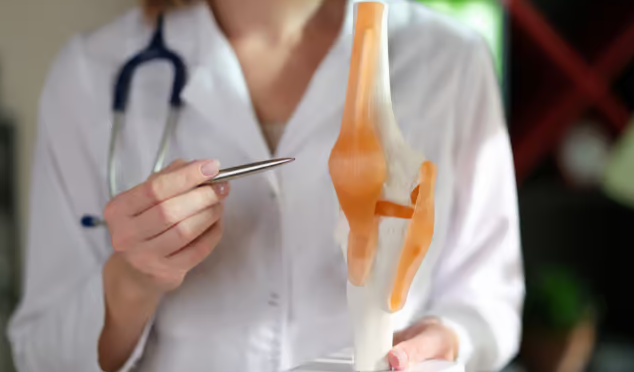
Total knee replacement replaces the full joint surface and remains the main procedure in the Mexican knee tourism market. It is the standard option for widespread osteoarthritis and more extensive cartilage loss.
Partial Knee Replacement
Partial knee replacement is used when only one compartment of the knee is severely damaged. It can preserve more of the native joint, but candidacy is narrower and the surgeon has to confirm that the remaining compartments and ligaments are suitable.
Bilateral Knee Replacement
Bilateral knee replacement treats both knees in one operative pathway. Current Mexico wide comparison pages place this around $25,000, well below common US comparison ranges of $60,000 to $70,000. It is a bigger travel and rehabilitation commitment, so the patient’s overall health and support system matter more.
Robotic Knee Replacement
Robotic knee replacement is available in Mexico and is currently shown around $11,000 in some published Mexico pricing. Official hospital content from ABC Medical Center states that robotic knee replacement is used there and promotes benefits such as shorter hospital stay, less post operative pain, and more precise implant placement.
Revision Knee Replacement
Revision knee replacement is the most complex category. It is relevant when a previous implant loosens, fails, wears out, or no longer functions well. Published orthopedic price lists in Mexico place revision total knee replacement around $25,000, which is far above a standard primary case and reflects the extra technical difficulty.
How the Knee Replacement Process Works in Mexico
Initial Medical Review and Record Submission
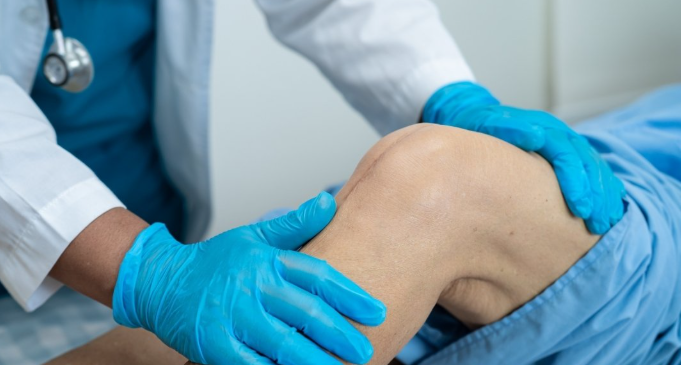
A serious knee replacement trip usually starts with imaging, orthopedic notes, prior treatment history, and a summary of symptoms. That is what allows the surgeon to decide whether the patient likely needs total, partial, robotic, or revision replacement.
Surgeon Evaluation and Treatment Planning
The surgeon then reviews alignment, implant strategy, medical fitness, and whether the patient is a realistic surgical candidate. This stage is where a partial knee plan may become total, or where robotic surgery may or may not make sense.
Travel Planning and Scheduling
After the treatment plan is reasonably clear, travel can be scheduled. City choice matters because border cities often suit shorter trips, while destinations like Cancun and Puerto Vallarta may fit patients who want a more comfortable recovery environment.
Pre-Operative Tests and Hospital Admission
The package often includes pre operative tests and imaging, but patients should verify this explicitly. Better organized packages clearly state whether pre op labs, X rays, implant selection, and anesthesia review are inside the base price.
Surgery and Hospital Stay
Typical international knee replacement pathways in Mexico often involve 3 to 5 days in hospital according to broader orthopedic recovery guides and package pages, though some marketplace snippets oversimplify this. For real planning, patients should assume a multi day hospital stay rather than a same day pathway.
Recovery, Rehabilitation and Follow-Up
Recovery usually includes physiotherapy, walking support, medication, and early mobility work. Multiple Mexico-focused pages also advise that out of town patients are often cleared to fly after about 10 to 14 days, which is a useful benchmark for return travel planning rather than a fixed rule for every case.
How to Choose the Best Knee Replacement Surgeon in Mexico
The best surgeon is not simply the one attached to the lowest package. A better surgeon should be able to explain whether the patient is suitable for total or partial replacement, whether robotics adds value, what implant system will be used, and what the realistic rehab path looks like. Mexico-focused orthopedic pages repeatedly stress board-certified orthopedists and surgeon subspecialization in joint replacement as major selection points.
A strong shortlist should check:
- Board certification or formal orthopedic specialization
- Routine experience in arthroplasty
- Clear explanation of implant and alignment strategy
- Realistic travel and rehab guidance
- Comfort with international patient follow up
What to Look For in a Hospital for Knee Replacement in Mexico

A hospital or orthopedic center should be able to support imaging, anesthesia, inpatient care, rehabilitation, and early complication management. In practice, good signs include hospital based arthroplasty, access to rehabilitation, and transparent package structure. JCI accreditation is another useful signal where available, especially in cities like Cancun.
Is Knee Replacement in Mexico Safe?
Knee replacement in Mexico can be safe, but safety depends on the provider, not the country label alone. The strongest indicators are hospital quality, surgeon training, implant transparency, and realistic post operative support. Broader orthopedic travel pages describe Mexico as a major orthopedic destination with internationally trained surgeons and savings of 50% to 70% compared with US pricing, but the safer choice is always the provider that explains the pathway clearly.
Travel and Recovery Planning for International Patients
Travel planning should follow the medical plan, not the other way around. For a standard unilateral replacement, many patients stay locally for 1 to 2 weeks to allow for follow up and early physical therapy. That planning window is one of the most important parts of a smooth medical travel experience because returning too early increases stress and makes follow up harder.
This is one of the moments where A-Medical can be genuinely useful without turning the guide into a sales page. The value is usually in helping patients compare what each city and package really means in terms of surgery, local stay, and early rehabilitation.
How A-Medical Helps You Plan Knee Replacement in Mexico
For knee replacement, A-Medical is most useful when the patient needs a clearer comparison rather than a larger pile of quotes. The practical value is in helping distinguish between marketplace “from” prices and more realistic hospital pathways, matching the city to the patient’s travel priorities, and checking whether the package really includes the parts that matter, such as implants, hospital stay, physiotherapy, and early recovery support.
Frequently Asked Questions About Knee Replacement in Mexico
How much does total knee replacement cost in Mexico?
Current public comparisons place it from about $7,000 to $15,800, with city examples such as $11,400 in Tijuana, $12,800 in Cancun, and $9,500 in Puebla.
How much does partial knee replacement cost in Mexico?
Published comparisons commonly place partial knee replacement around $10,500 to $12,000.
Is robotic knee replacement available in Mexico?
Yes. Official hospital content from ABC Medical Center confirms robotic knee replacement, and public Mexico price lists commonly place it around $11,000.
How long should I stay in Mexico after knee replacement?
A practical planning range is 1 to 2 weeks after surgery, with many out of town patients cleared to fly after about 10 to 14 days depending on recovery.
Which city is best for knee replacement in Mexico?
There is no single answer. Tijuana and Mexicali are strongest for border access, Puebla is strong on value, Cancun works well for comfort and flights, and Puerto Vallarta can fit patients who want a more recovery focused environment.