Contents
Neurology Treatment in Turkey
Access to top-notch neurological care in Turkey has become a compelling option for international patients seeking effective and affordable solutions. Neurological conditions can disrupt every aspect of life, from motor function to cognition. Delays in diagnosis or poor treatment choices can worsen the progression. Many patients struggle to access timely, specialized care in their home countries due to long wait times or high costs. Turkey offers a solution: rapid access to high-quality neurology services in internationally accredited hospitals with experienced specialists.
What is Neurology Treatment?
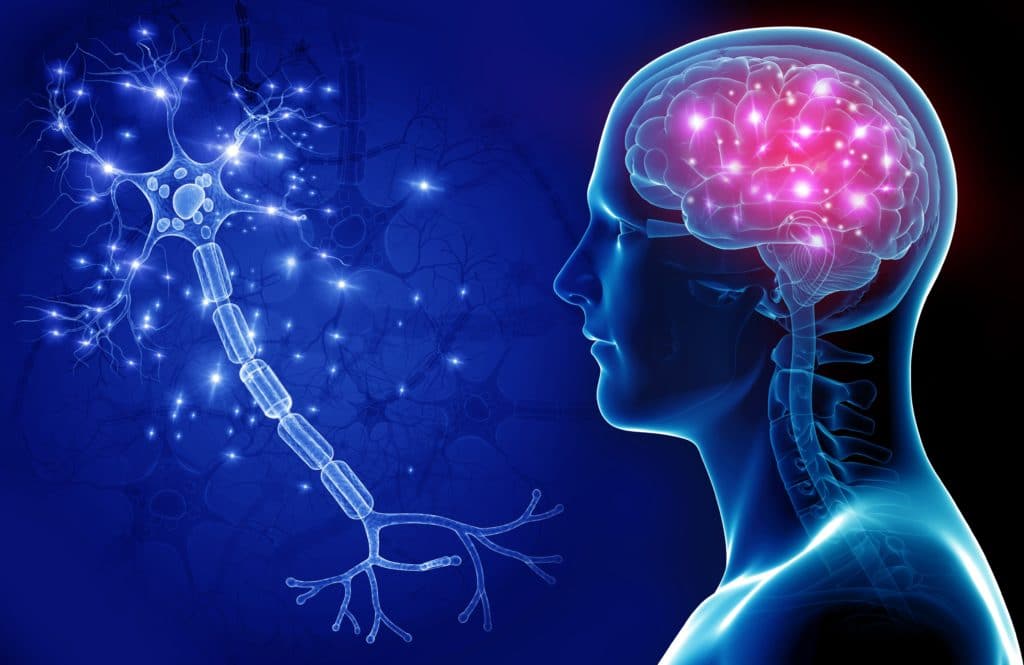
Neurology treatment encompasses the medical management and surgical intervention of disorders affecting the brain, spinal cord, and peripheral nervous system. It involves a comprehensive approach that ranges from non-invasive medication therapies to complex neurosurgical procedures like Deep Brain Stimulation (DBS).
Neurologists focus on diagnosing the root cause of symptoms such as seizures, muscle weakness, memory loss, and chronic pain using advanced imaging and electrophysiological tests. The goal is to restore function, halt disease progression, and improve the patient's quality of life through evidence-based protocols.
Modern neurology treatment also integrates rehabilitation and lifestyle modifications to support long-term recovery. Treatment plans are highly personalized, often involving a multidisciplinary team of neurosurgeons, physiotherapists, and psychiatrists working in unison. This holistic strategy ensures that every aspect of the patient's neurological health is addressed, rather than just treating isolated symptoms. In Turkey, these treatments are delivered in JCI-accredited hospitals that adhere to rigorous international safety standards.
Why is Neurology Treatment Performed?
Neurology treatment is performed to diagnose, manage, and cure conditions that impair the body's nervous system function. Primary objectives include controlling seizures in epilepsy, restoring mobility in Parkinson's disease, and preventing further brain damage after a stroke. Early intervention helps preserve cognitive abilities and physical motor skills that might otherwise deteriorate rapidly. Physicians also perform these treatments to alleviate chronic pain and manage debilitating symptoms that prevent patients from working or living independently.
Beyond symptom management, many neurological treatments aim to correct structural abnormalities within the brain or spine. Surgical interventions can remove tumors, relieve pressure on the spinal cord, or repair malformed blood vessels that pose a risk of hemorrhage. For progressive diseases like Multiple Sclerosis, treatment focuses on modifying the immune system's response to slow down the rate of relapse. Ultimately, these procedures are vital for extending life expectancy and ensuring that patients can maintain their dignity and functionality.
Who Needs Neurology Treatment?
Neurology treatment is suitable for anyone experiencing symptoms related to the nervous system or diagnosed with a dysfunction in this system. The following groups, in particular, can benefit from neurological care:
- Symptomatic Individuals: Individuals experiencing persistent headaches, dizziness, numbness, or unexplained muscle weakness.
- Diagnosed Conditions: Patients diagnosed with neurological conditions such as epilepsy, Parkinson’s, Alzheimer’s, or Multiple Sclerosis (MS).
- Stroke Survivors: Patients who have suffered a stroke and are in the active recovery or rehabilitation phase.
- Functional Disorders: Those struggling with chronic sleep disorders, movement disorders, or recurring balance problems.
- Nerve Damage: Individuals with peripheral nerve damage or nerve compression issues, such as herniated discs in the neck or lower back.
- Trauma & Tumors: People diagnosed with traumatic brain injuries or brain tumors requiring surgical or non-surgical management.
In addition, neurological evaluation and treatment are strongly recommended for older adults showing signs of cognitive decline or those clinically at risk of developing such conditions.
Neurology Treatment in Turkey
Advanced Diagnostic & Therapeutic Technologies
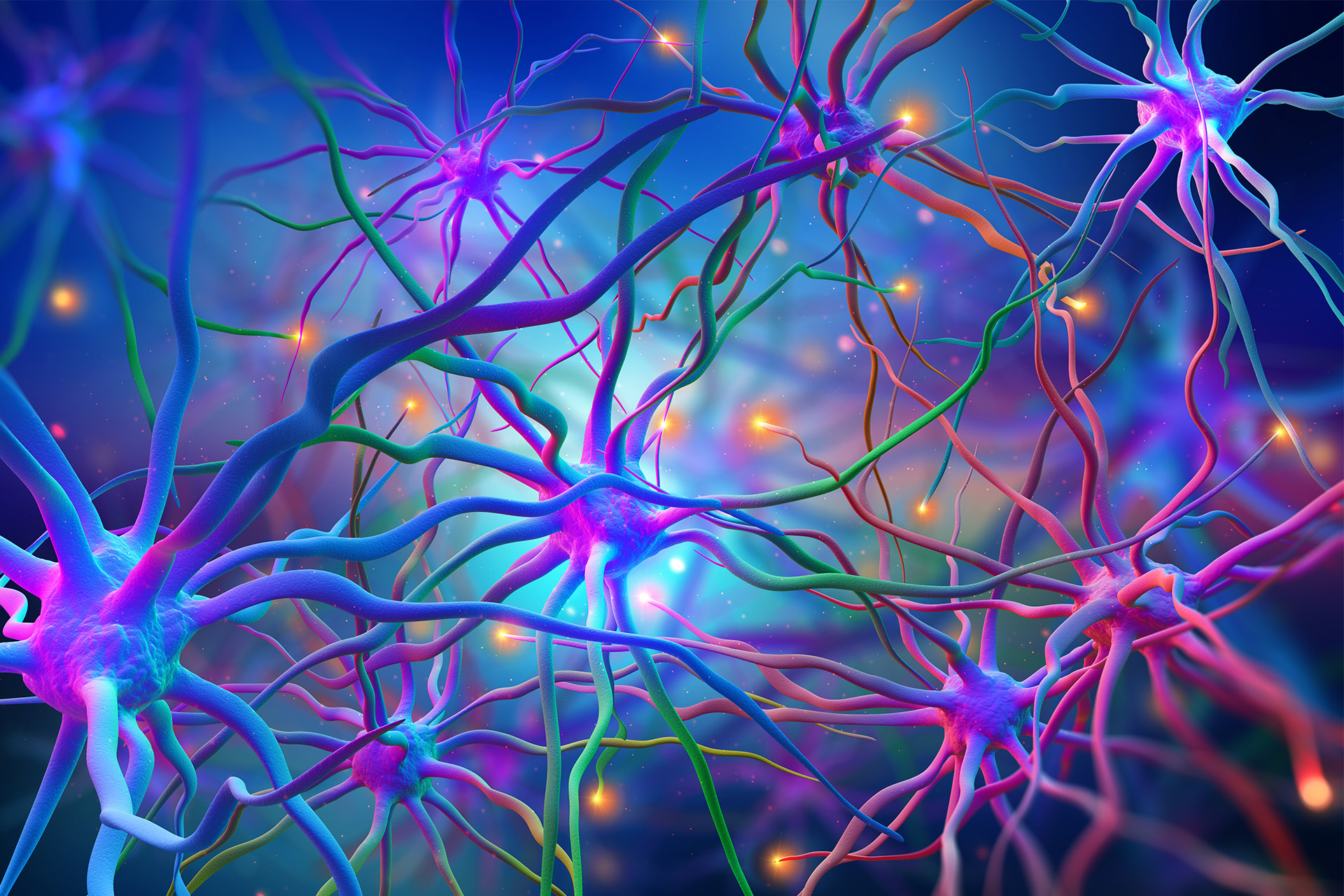
Turkey has invested billions in equipping its hospitals with the latest neurological technology available globally. Facilities routinely utilize 3 Tesla MRI machines, PET-CT scanners, and advanced electroencephalogram (EEG) units for precise mapping of brain activity. Robotic surgery systems, such as the Da Vinci, Gamma Knife and CyberKnife, allow for minimally invasive procedures with extreme precision. This technological infrastructure ensures that diagnoses are accurate and treatments are delivered with maximum safety and efficacy.
Access to Top-Rated Neurologists and Surgeons
The country boasts a vast pool of neurologists and neurosurgeons who have trained at prestigious institutions in Europe and the United States. These specialists are frequently published in international medical journals and hold memberships in global neurological societies. Their expertise covers niche areas such as movement disorders, neuro-oncology, and complex spinal surgeries. Patients receive care from doctors who are not only skilled clinicians but also active researchers at the forefront of medical science.
Affordable Neurology Costs without Compromising Quality
One of the primary drivers for medical tourism is the significantly lower cost of neurology treatment in Turkey. Patients can save 50% to 70% on procedures compared to prices in the UK, USA, or Western Europe. These savings are due to lower operational costs and favorable exchange rates, not a reduction in medical standards. This affordability makes top-notch neurological care in Turkey accessible to patients who might otherwise be priced out of life-saving treatments.
All-Inclusive Medical Tourism Services for International Patients
Turkish hospitals and medical tourism facilitators have perfected the patient experience by offering comprehensive care packages. These packages typically include airport transfers, luxury accommodation, translation services, and personal assistance throughout the treatment journey. Dedicated international patient departments ensure that language barriers do not compromise the quality of care or informed consent. This seamless service model allows patients to focus entirely on their recovery without the stress of logistical planning.
Top Hospitals for Neurology Treatment in Turkey
Florence Nightingale Hospital
Florence Nightingale Hospital is renowned for its comprehensive Center for Neurological Sciences, which integrates neurology, neurosurgery, and neuroradiology. The hospital excels in the treatment of cerebrovascular diseases, epilepsy, and movement disorders using a multidisciplinary approach. Their stroke center is equipped to provide rapid intervention, including thrombectomy, which is critical for minimizing brain damage. High patient success rates in complex spinal surgeries further solidify its reputation as a leader in the field.
Koç University Hospital
As a premier academic medical center, Koç University Hospital combines clinical excellence with cutting-edge research. Their neurology department is famous for handling rare and complex cases that require advanced genetic testing and innovative therapies. The hospital features state-of-the-art intensive care units dedicated specifically to neurocritical care patients. Professors at Koç are leaders in their fields, ensuring patients have access to the absolute latest treatment protocols.
American Hospital
The American Hospital in Istanbul has maintained a reputation for excellence for over a century, following North American medical standards. Its neurology department is distinguished by its specialized clinics for sleep disorders, headache management, and neuromuscular diseases. They utilize a patient-centered care model where treatment plans are tailored to the specific lifestyle needs of each individual. The hospital's affiliation with top US institutions ensures continuous knowledge exchange and quality assurance.
Acıbadem Hospital
Acıbadem Healthcare Group operates a network of hospitals that are frequently cited as the Best Neurology Hospital in Turkey for international patients. They possess one of the most advanced technological infrastructures in the region, including the latest Gamma Knife Icon for non-invasive brain surgery. Acıbadem’s stroke centers and epilepsy monitoring units are world-class, attracting patients from across the globe. Their vast network allows for seamless referrals and collaboration between sub-specialists for the most difficult cases.
Memorial Şişli Hospital
Memorial Şişli Hospital is a JCI-accredited facility known for its high success rates in neurosurgery and neurological rehabilitation. The hospital’s neurology department has a strong focus on neuro-oncology and the treatment of aggressive brain tumors. They offer comprehensive deep brain stimulation (DBS) programs for Parkinson's patients, significantly improving motor function. Memorial’s dedication to international quality standards makes it a safe choice for complex neurological procedures.
Liv Hospital Ulus
Liv Hospital Ulus positions itself as a premium healthcare provider, focusing on personalized medicine and high-end patient comfort. Their neurology department utilizes stem cell therapies and regenerative medicine techniques for neurodegenerative conditions. The hospital specializes in robotic neurosurgery, which minimizes recovery time and reduces surgical risks. Liv Hospital’s "Center of Excellence" approach ensures that patients receive focused expertise for specific conditions like Alzheimer’s and MS.
NPISTANBUL Brain Hospital
NPISTANBUL Brain Hospital holds the distinction of being the first private specialized neuropsychiatric hospital in Turkey. It is exclusively dedicated to brain health, offering an unparalleled depth of expertise in neurology, psychiatry, and neurosurgery. The hospital was the first in the world outside the USA to receive specific accreditation for its brain health services. Their integrated approach treats the brain as a whole, addressing both the physiological and psychological aspects of neurological disease.
Anadolu Medical Center (in affiliation with Johns Hopkins Medicine)
Anadolu Medical Center brings the world-renowned standards of Johns Hopkins Medicine to Turkey through a strategic affiliation. Their neurology and neurosurgery departments follow American clinical pathways and safety protocols strictly. The center is particularly strong in neuro-oncology, utilizing the CyberKnife and TrueBeam technologies for precise tumor targeting. Patients benefit from a collaborative tumor board review process that often includes consultation with Johns Hopkins specialists.
Medipol Mega University Hospital
Medipol Mega University Hospital is one of the largest private medical complexes in the country, boasting a massive capacity for neurological care. Their neurology department is famous for its specialized Parkinson's Disease and Movement Disorders Center. The hospital successfully performs hundreds of Deep Brain Stimulation (DBS) surgeries annually with excellent outcomes. Medipol offers a robust international patient support system, making it a favorite for medical tourists from Europe and the Middle East.
Medicana International Istanbul
Medicana International serves a large volume of international patients with a focus on affordable yet high-quality neurological care. The hospital’s neurology department provides 24/7 specialized care for acute neurological emergencies like stroke and brain trauma. They have developed strong rehabilitation programs that begin immediately after acute treatment to maximize recovery. Medicana combines experienced physician staff with modern diagnostic tools to deliver reliable healthcare outcomes.
Best Neurologists in Turkey
Turkey is home to internationally recognized specialists who have performed thousands of successful surgeries and treatments. Below is a list of some of the best neurologists and neurosurgeons in Turkey:
- Prof. Dr. Mustafa Bozbuğa – Renowned for his expertise in skull base surgery and complex neurovascular procedures.
- Dr. Ali Zırh – A leading specialist in functional neurosurgery, particularly Deep Brain Stimulation (DBS) for Parkinson's disease.
- Dr. Erdinç Özek – Highly experienced in general neurology and the management of chronic neurological disorders.
- Dr. Alican Tahta – Known for advanced neurosurgical interventions and minimally invasive spinal techniques.
- Dr. Ertuğrul Pınar, M.D. – Specializes in both diagnostic neurology and therapeutic management of acute conditions.
- Dr. Nejat Akalan – A distinguished professor with vast experience in pediatric neurosurgery and epilepsy surgery.
- Dr. Selçuk Göçmen – Expert in spinal surgery and neuro-oncology, utilizing the latest surgical technologies.
Why Choose A-Medical for Neurology Treatment?
Patients seeking neurological care abroad often face challenges in selecting reliable providers, managing travel logistics, and ensuring continuity of care. At A-Medical, we simplify this process by offering a full-service approach that prioritizes safety, clarity, and comfort throughout the medical journey.
At A-Medical, we:
- Partner with top-rated hospitals and certified neurologists across Turkey. We deliver reliable, high-quality treatment from start to finish.
- Arrange airport transfers, schedule doctor appointments, and provide professional interpreter support throughout your stay.
- Offer personalized treatment plans and present a clear, cost-effective price quote before your arrival. There are no hidden fees.
- Ensure full medical and administrative coordination, including medical reports, documentation, and post-treatment follow-up care.
- Support your entire journey. You can focus fully on your recovery while we handle the details.
How Much Does Neurology Treatment Cost in Turkey?
The cost of neurology treatment in Turkey is transparent and significantly lower than in the US or EU. Pricing varies based on the hospital, the complexity of the condition, and the specific technology required for treatment. Generally, patients can expect to pay 60-70% less for major surgeries and diagnostic packages. This cost advantage allows patients to access premium branded implants and top-tier medication without financial ruin.
Cost estimates for common neurology procedures in Turkey include:
- Neurology Consultation: $400 - $700
- Brain MRI (3 Tesla): $400 - $600
- Deep Brain Stimulation (DBS): $20,000 - $28,000
- Epilepsy Surgery: $10,000 - $20,000
- Spinal Surgery (Discectomy): $5,000 - $8,000
- Stroke Rehabilitation (per week): $1,500 - $3,000
Frequently Asked Questions About Neurology Treatment in Turkey
What common neurological diseases are treated in Turkey?
Turkish hospitals effectively treat a wide spectrum of neurological diseases ranging from acute emergencies to chronic degenerative conditions. The most commonly treated issues include epilepsy, Parkinson’s disease, multiple sclerosis (MS), and Alzheimer's disease. Surgeons also frequently perform procedures for brain tumors, spinal disc herniations, and cerebrovascular anomalies like aneurysms. Additionally, specialized clinics exist for the management of chronic migraines, sleep disorders, and peripheral neuropathy.
Stroke treatment: why is rapid intervention and rehabilitation critical?
Stroke treatment requires immediate action because millions of brain cells die for every minute that blood flow is restricted. Turkish stroke centers are equipped to administer clot-busting drugs or perform mechanical thrombectomies within the critical "golden hour" window. Rapid intervention significantly reduces the risk of permanent paralysis, speech loss, and cognitive disability. Following the acute phase, intensive rehabilitation is crucial to retrain the brain and restore lost physical functions.
What should patients expect during a neurological examination?
During a neurological examination, the doctor evaluates the patient's mental status, reflexes, coordination, and sensory function. The neurologist will test muscle strength, balance, eye movements, and speech to pinpoint the location of any nervous system damage. This physical exam is usually followed by diagnostic tests like MRIs or blood work to confirm a diagnosis. Patients should expect a thorough and non-invasive assessment that guides the creation of a tailored treatment plan.
Is there a cure for multiple sclerosis (MS)?
While there is currently no absolute cure for Multiple Sclerosis, modern treatments available in Turkey can effectively manage the disease. Neurologists use disease-modifying therapies (DMTs) to reduce the frequency and severity of relapses and slow the progression of disability. Treatment plans often include corticosteroids for acute attacks and newer oral or infusion medications for long-term maintenance. Emerging therapies, such as stem cell transplantation, are also being explored in specialized Turkish research centers.
Advanced management and care options for Alzheimer's and Dementia
Management of Alzheimer's and dementia in Turkey focuses on slowing cognitive decline and managing behavioral symptoms. Treatment involves a combination of cholinesterase inhibitors and memantine to support memory and thinking skills. Hospitals also offer cognitive stimulation therapy and support programs for families to help manage the daily challenges of caregiving. The goal is to maintain the patient's independence and quality of life for as long as clinically possible.
Chronic headaches & migraines: when should you see a neurologist?
You should see a neurologist if headaches are frequent, severe, or unresponsive to over-the-counter pain relievers. Warning signs include headaches accompanied by vision changes, numbness, confusion, or those that disrupt daily life and work. A neurologist can identify specific migraine triggers and prescribe specialized preventative medications or administer Botox injections. seeking professional help is essential to rule out underlying serious conditions and to find effective long-term relief.
What conditions do neurologists treat besides brain disorders?
Neurologists also treat disorders affecting the spinal cord, peripheral nerves, and muscles. These include conditions like neuropathies, myasthenia gravis, and spinal cord compression, in addition to epilepsy, stroke, and dementia.
How are neurological disorders different from mental health issues?
Neurological disorders involve structural or functional issues in the nervous system, while mental health conditions primarily affect mood, thought patterns, and behavior. The two can overlap but have different root causes and treatment approaches.
What symptoms should you never ignore before seeing a neurologist?
Sudden vision loss, severe headaches, difficulty speaking, and numbness on one side of the body require immediate neurological evaluation. These may signal serious conditions such as stroke or brain tumors.
Are all neurological diseases progressive by nature?
Not all neurological diseases are progressive. Some conditions, like migraines or certain neuropathies, are manageable and do not worsen over time, while others such as Parkinson’s or ALS may progress if untreated.
Can lifestyle changes improve neurological health?
Yes, healthy lifestyle habits can support neurological health and reduce symptom severity. Regular exercise, a balanced diet, quality sleep, and stress management play a critical role in maintaining brain and nerve function.
What is the role of physical therapy in treating nerve disorders?
Physical therapy improves mobility, strength, and coordination in patients with nerve damage. It is often used in rehabilitation programs for stroke, multiple sclerosis, or peripheral neuropathy to enhance daily function.