Contents
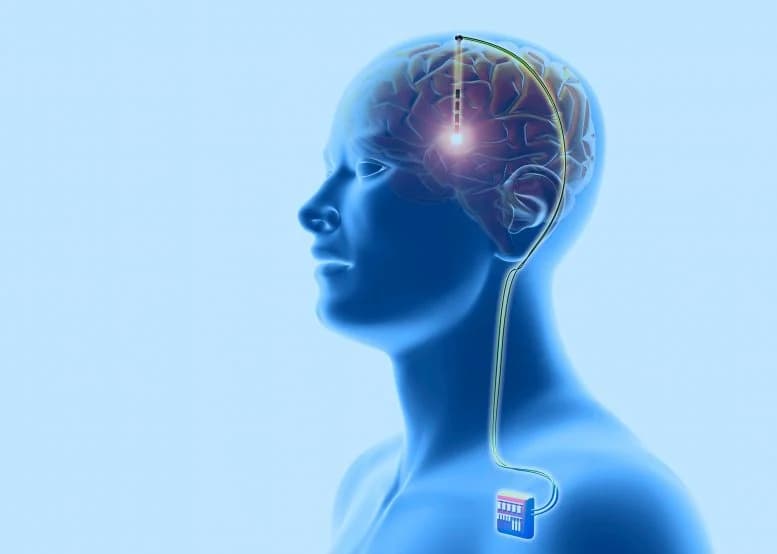
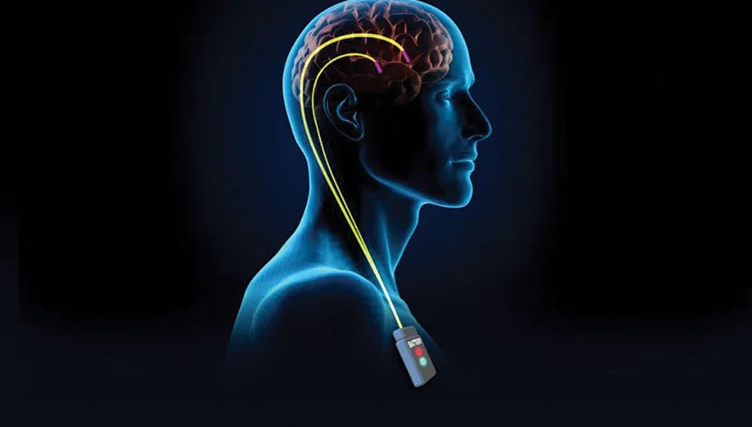
Deep brain stimulation (DBS) is one of the most effective surgical treatments for Parkinson's disease, essential tremor, and dystonia, yet its price swings wildly from one country to the next. The same operation that costs more than 100,000 USD in the United States can be done for under 20,000 USD in Turkey or India, a saving of 70 to 85 percent without giving up surgeon experience or device quality.
At A-Medical we help international patients arrange DBS in the strongest clinics across these countries at the best prices, with full medical tourism support from first consultation to post-surgery follow up. This guide ranks 10 countries by overall worth and shows the real 2026 price, the leading clinics, and the honest pros and cons of each.
Quick DBS Cost Comparison by Country (2026)
The table below gives a fast overview before the detailed country sections. All figures are 2026 averages for a complete bilateral DBS procedure including device, surgery, and hospital stay. Savings are calculated against the typical US bilateral price of 70,000 to 100,000 USD.
|
Country |
Average Cost (USD) |
Approx. (EUR) |
Savings vs USA |
Main Hub City |
|---|---|---|---|---|
|
Turkey |
$17,000 - $30,000 |
€16,000 - €28,000 |
70 - 80% |
Istanbul |
|
India |
$15,000 - $32,000 |
€14,000 - €30,000 |
70 - 82% |
Delhi / Chennai |
|
Mexico |
$17,000 - $27,500 |
€16,000 - €25,500 |
70 - 78% |
Mexico City / Monterrey |
|
Thailand |
$30,000 - $37,000 |
€28,000 - €34,500 |
55 - 60% |
Bangkok |
|
Spain |
$38,000 - $50,000 |
€35,000 - €46,000 |
45 - 55% |
Barcelona / Madrid |
|
Israel |
$48,000 - $55,000 |
€44,000 - €51,000 |
35 - 45% |
Tel Aviv |
|
Germany |
$55,000 - $85,000 |
€50,000 - €80,000 |
15 - 30% |
Berlin / Cologne |
|
Canada |
$40,000 - $70,000* |
€37,000 - €65,000 |
20 - 40% |
Toronto / Montreal |
|
United Kingdom |
$55,000 - $70,000* |
€51,000 - €65,000 |
10 - 30% |
London |
|
United States |
$70,000 - $100,000+ |
€65,000 - €93,000+ |
Reference |
Multiple |
* Canada and the UK fund DBS through public systems (Medicare provinces and the NHS) for eligible residents. The figures shown are private or self-pay estimates that apply to most international patients.
Why Patients Travel Abroad for Deep Brain Stimulation
Cost is the first reason people look outside their home country, but it is rarely the only one. DBS is a planned, non-emergency surgery, which makes it well suited to medical travel. The main drivers are:
- Price. A bilateral DBS in the US or UK can cost three to five times more than the same surgery in Turkey, India, or Mexico, and most insurers do not cover international patients.
- Waiting lists. In public systems such as the NHS in the UK or provincial programs in Canada, the wait for a DBS slot can run for many months. Private clinics abroad usually schedule surgery within 2 to 4 weeks.
- Surgeon volume. DBS outcomes depend heavily on how many cases a surgeon performs each year. Some high-volume centers abroad complete more procedures annually than several public hospitals combined.
- All-inclusive packages. Clinics in Turkey, India, and Mexico bundle the device, surgery, imaging, hospital stay, airport transfer, and follow up into one transparent price, which removes the surprise billing common in the US.
- Same devices. The leading brands (Medtronic, Abbott, and Boston Scientific) are the same worldwide, so a lower price does not mean an inferior implant.
How We Ranked These Countries
This list is not ordered by price alone. A country that is cheap but hard to reach, or fast but low on accredited hospitals, would mislead readers. Each country was scored on the same six criteria so the comparison stays consistent and fair:
- Total DBS price for a complete bilateral procedure in 2026 (device, surgery, hospital stay).
- Accreditation density such as JCI, ISO, or strong national standards like NABH in India and DGNC in Germany.
- Surgeon experience and English ability in the movement-disorder field.
- Average waiting time from inquiry to surgery date.
- Travel and visa ease for patients from the US, UK, Europe, and the Gulf.
- Aftercare and programming support, since a DBS device needs adjustment in the months after implantation.
Using these criteria, the order below runs from best overall worth to highest price. Turkey takes the top position because it combines low cost, a deep pool of high-volume neurosurgeons, more than 60 JCI-accredited hospitals, and easy access from three continents. The most expensive destinations (the US and the UK) come last, which is also where the savings argument is strongest.
The 10 Best Countries for Deep Brain Stimulation in 2026
1. Turkey: Best Overall Choice for DBS

Turkey is the strongest all-round choice for deep brain stimulation in 2026. It pairs some of the lowest prices in the world with a remarkable depth of surgical talent in movement disorders, and Istanbul sits within a four-hour flight of most of Europe, the Gulf, and North Africa. The country welcomes roughly 1.4 million medical tourists a year and runs a government oversight body, USHAS, that regulates international patient services. For DBS specifically, Turkish centers have built a reputation through surgeons who have each performed well over a thousand implantations.
Patients can read our full Deep Brain Stimulation in Turkey guide for clinic-level detail, and those weighing the wider picture may find the Parkinson's treatment in Turkey guide useful, since most DBS candidates have advanced Parkinson's.
A complete bilateral DBS package runs roughly 17,000 to 30,000 USD (about 16,000 to 28,000 EUR). That is a 70 to 80 percent saving against the 70,000 to 100,000 USD typical in the United States. Packages usually fold in the device, surgery, a 3 to 4 day hospital stay, imaging, airport transfer, and initial programming.
Turkey has more than 60 JCI-accredited hospitals. Istanbul-based movement-disorder centers led by stereotactic and functional neurosurgery specialists handle the bulk of international DBS cases, and most senior surgeons trained or fellowed in the US, UK, or Germany.
Advantages
- Lowest tier of pricing among quality destinations.
- Very high surgeon case volumes in DBS, which correlates with better outcomes.
- Short waiting time, often 1 to 2 weeks, and strong English plus German and Arabic support.
- Easy access: e-visa or visa-free entry for most nationalities and direct flights worldwide.
Drawbacks to consider
- Quality varies between clinics, so choosing an accredited movement-disorder center rather than a general hospital matters.
- Long-term device programming may need a return trip or coordination with a local neurologist at home.
Several Istanbul centers use intraoperative microelectrode recording at the single-cell level for electrode placement, a technique available in only a handful of centers worldwide, which improves targeting accuracy in difficult cases.
A-Medical matches each patient with a JCI-accredited Turkish movement-disorder team and arranges the full trip end to end. Ask us for a no-cost DBS quote for Turkey.
2. India: Lowest Price With High Hospital Volume
India is the global price leader for DBS and the busiest medical-tourism hub in Asia. Large hospital networks treat millions of patients a year, and the country's NABH and JCI-accredited centers offer DBS with the same imported devices used in the West. For cost-driven patients who can manage a longer flight, India is hard to beat. Readers comparing the two leading budget destinations can see our Turkey vs India for medical tourism breakdown.
DBS in India costs about 15,000 to 32,000 USD (roughly 14,000 to 30,000 EUR), with an average near 24,000 USD. Note the battery type: a non-rechargeable generator package starts around 22,000 USD, while a rechargeable one starts near 30,000 to 35,000 USD.
Top hospitals sit in Delhi, Chennai, Mumbai, Bangalore, and Hyderabad. Leading networks hold JCI and NABH accreditation, and senior DBS surgeons commonly have a thousand-plus procedures and overseas fellowships.
Advantages
- Among the lowest prices anywhere, often including a rechargeable device.
- English is widely spoken in medical settings.
- Very high patient throughput and mature international patient departments.
Drawbacks to consider
- Long flight times from Europe and North America, which matters for older patients.
- City and clinic choice strongly affects quality; a high-volume accredited center is essential.
Indian quotes often distinguish clearly between rechargeable and non-rechargeable implantable pulse generators. A rechargeable battery lasts up to 15 years versus 3 to 5 for a non-rechargeable one, so the higher upfront price can be cheaper across the life of the device.
3. Mexico: Best for North American Patients

For patients in the United States and Canada, Mexico offers Western-standard DBS a short flight or even a drive away. Border cities and Mexico City have built specialized international patient services, and the time-zone overlap makes pre- and post-op coordination simple. Our guide to medical tourism in Mexico covers the main hubs in more detail.
Expect 17,000 to 27,500 USD (about 16,000 to 25,500 EUR) for a full DBS package, a 70 to 78 percent saving versus the US. All-inclusive pricing is common.
Mexico City and Monterrey host the strongest functional-neurosurgery units, several with JCI accreditation and surgeons trained in the US. Hospital General de Mexico runs a specialized stereotactic and functional neurosurgery department.
Advantages
- Closest quality option for North Americans, with same-day return flights possible.
- No long-haul travel and minimal time-zone disruption for follow up.
- Strong all-inclusive package culture.
Drawbacks to consider
- Safety and quality vary by region, so the destination city should be chosen carefully.
- Fewer ultra-high-volume DBS centers than Turkey or India.
Patients from the US can often reach a Mexican border-city hospital faster than they can get a DBS appointment in their own state, and many clinics accept HSA and FSA funds toward the procedure.
4. Thailand: Asia's Premium Medical Tourism Hub
Thailand built the modern Asian medical-tourism model, and Bangkok hospitals are famous for hotel-grade comfort alongside serious clinical capability. For DBS it sits a tier above India and Turkey on price but offers a polished international patient experience that many travelers prize.
DBS in Thailand runs 30,000 to 37,000 USD (about 28,000 to 34,500 EUR), roughly 55 to 60 percent below the US price.
Bangkok's leading private hospitals hold JCI accreditation and operate under the Medical Council of Thailand. International departments are among the most experienced in the world at handling foreign patients.
Advantages
- Outstanding hospitality and international patient service.
- JCI-accredited facilities with strong rehabilitation and physiotherapy programs.
- Popular with Gulf, Australian, and Southeast Asian patients.
Drawbacks to consider
- Long travel times for patients from Europe and the Americas.
- Higher cost than the top budget destinations, with some non-medical extras in packages.
Bangkok centers integrate post-DBS rehabilitation into the package, which suits patients who want supervised recovery before flying home.
5. Spain: The Overlooked European Option
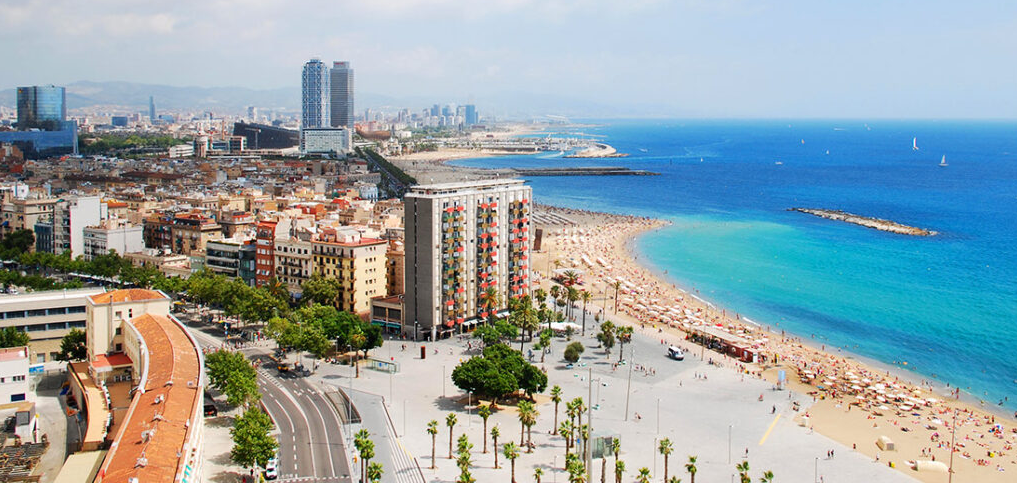
Spain rarely appears on DBS comparison lists, which is exactly why it is worth including. Barcelona and Madrid run advanced functional-neurosurgery units within the European Union regulatory framework, yet prices sit well below those in Germany, the UK, or Switzerland. For European patients who want to stay inside the EU without paying German prices, Spain is a genuine middle path.
Self-pay DBS in Spain costs roughly 38,000 to 50,000 USD (about 35,000 to 46,000 EUR). Spanish neurosurgery pricing typically runs 1.5 to 2 times lower than the US, UK, or Canada.
Spanish university hospitals follow EU medical-device and quality standards, and several Barcelona and Madrid centers have well-established movement-disorder programs with multilingual staff.
Advantages
- EU-standard care at a fraction of Northern European prices.
- Short flights for European patients and no long-haul travel.
- Strong rehabilitation infrastructure.
Drawbacks to consider
- More expensive than Turkey, India, or Mexico.
- Fewer ready-made international-patient packages than the major medical-tourism hubs.
Because Spain is inside the EU, follow-up programming can sometimes be coordinated with a patient's own EU neurologist under cross-border care arrangements, which few comparison guides mention.
6. Israel: High Technology and Robotic Precision
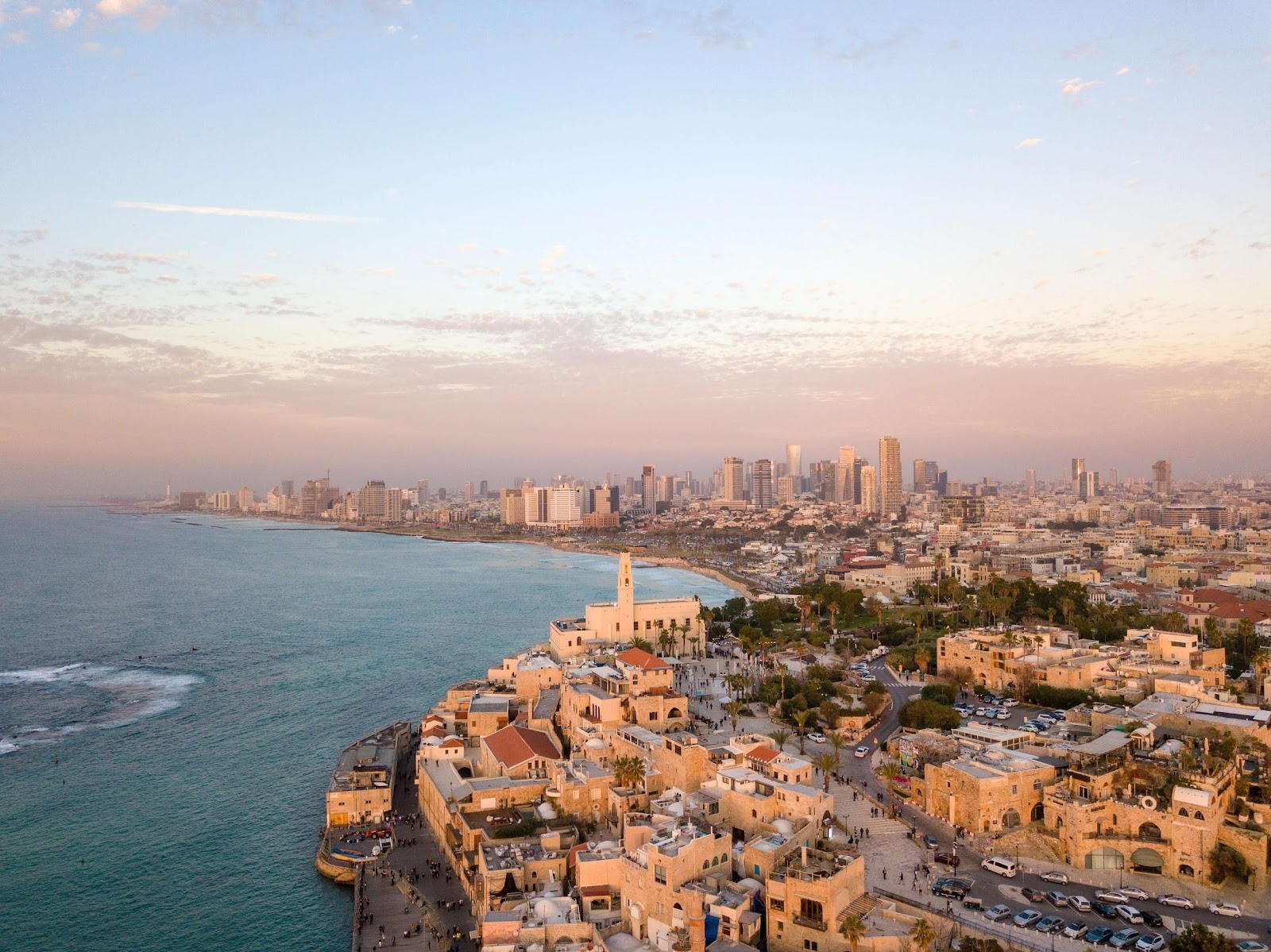
Israel is a destination for patients who prioritize the newest technology over the lowest price. Tel Aviv centers use robotic stereotactic systems for sub-millimeter electrode placement, and Israeli neurosurgeons are internationally recognized. It is a premium option, not a budget one, but it undercuts the US and UK while offering cutting research-level capability.
A complete bilateral DBS package in Israel averages 48,000 to 55,000 USD (about 44,000 to 51,000 EUR), around 35 to 45 percent below the US.
Tel Aviv Sourasky (Ichilov) Medical Center holds JCI accreditation and is ranked among the top hospitals worldwide for medical tourism. Its functional neurosurgery unit was the first in Israel to adopt the ROSA robotic system.
Advantages
- Robotic, image-guided precision and senior internationally trained surgeons.
- JCI-accredited flagship hospitals with strong outcomes.
- Cheaper than the US and UK for self-pay patients.
Drawbacks to consider
- Notably more expensive than Turkey, India, Mexico, or Spain.
- Travel and accommodation costs in Israel are high.
The use of robotic stereotactic platforms can shorten operative time and improve targeting in re-do or complex cases, which is a meaningful advantage for patients who were turned down elsewhere.
7. Germany: European Gold Standard at a Premium

Germany represents the high end of European neurosurgery, with rigorous standards and deep rehabilitation expertise. It is one of the most expensive destinations on this list, so the case on price is weaker, but for patients who want EU-grade care with extensive follow up and can afford it, German centers are excellent.
Self-pay DBS in Germany runs 55,000 to 85,000 USD (about 50,000 to 80,000 EUR). Complete packages at some centers reach 85,000 EUR. Savings versus the US are modest at 15 to 30 percent.
German hospitals are certified by the German Society of Neurosurgery (DGNC) and follow KTQ and DIN EN ISO 9001 standards. Surgeons are typically affiliated with the European and World Societies for Stereotactic and Functional Neurosurgery.
Advantages
- Among the highest surgical and quality standards in the world.
- Rehabilitation is integrated with neurology and physiotherapy.
- Thorough pre- and post-operative assessment.
Drawbacks to consider
- Highest cost of the European options here.
- Lengthy pre-surgery evaluation can extend the hospital stay and total bill.
German private clinics issue itemized billing under the GOA fee schedule, so international patients should request a binding cost estimate in advance to avoid the extended-stay charges that come from long evaluations.
8. Canada: Strong Public System, Limited Private Access

Canada performs DBS to a high standard, but the model is fundamentally different. The procedure is funded through provincial public health systems for eligible residents, which means it is effectively free for citizens but comes with waiting lists, and there is very limited private capacity for international self-pay patients. For non-residents, Canada is neither cheap nor fast.
There is no open private market price, but self-pay or non-resident estimates land around 40,000 to 70,000 USD (about 37,000 to 65,000 EUR). Residents pay little to nothing through Medicare provinces.
DBS programs operate in Alberta, British Columbia, Manitoba, Nova Scotia, Ontario, Quebec, and Saskatchewan. The number of qualified DBS neurosurgeons per province is small, often between one and five, which constrains capacity.
Advantages
- Excellent clinical standards and outcomes.
- Free or near-free for eligible residents.
- English and French language support.
Drawbacks to consider
- Long public waiting lists for residents.
- Very limited and costly access for international self-pay patients.
Because qualified DBS surgeons number as few as one to five per province, many Canadian patients facing long waits look across the border to Mexico, where the same surgery can be scheduled within weeks.
9. United Kingdom: NHS Coverage or Steep Private Fees
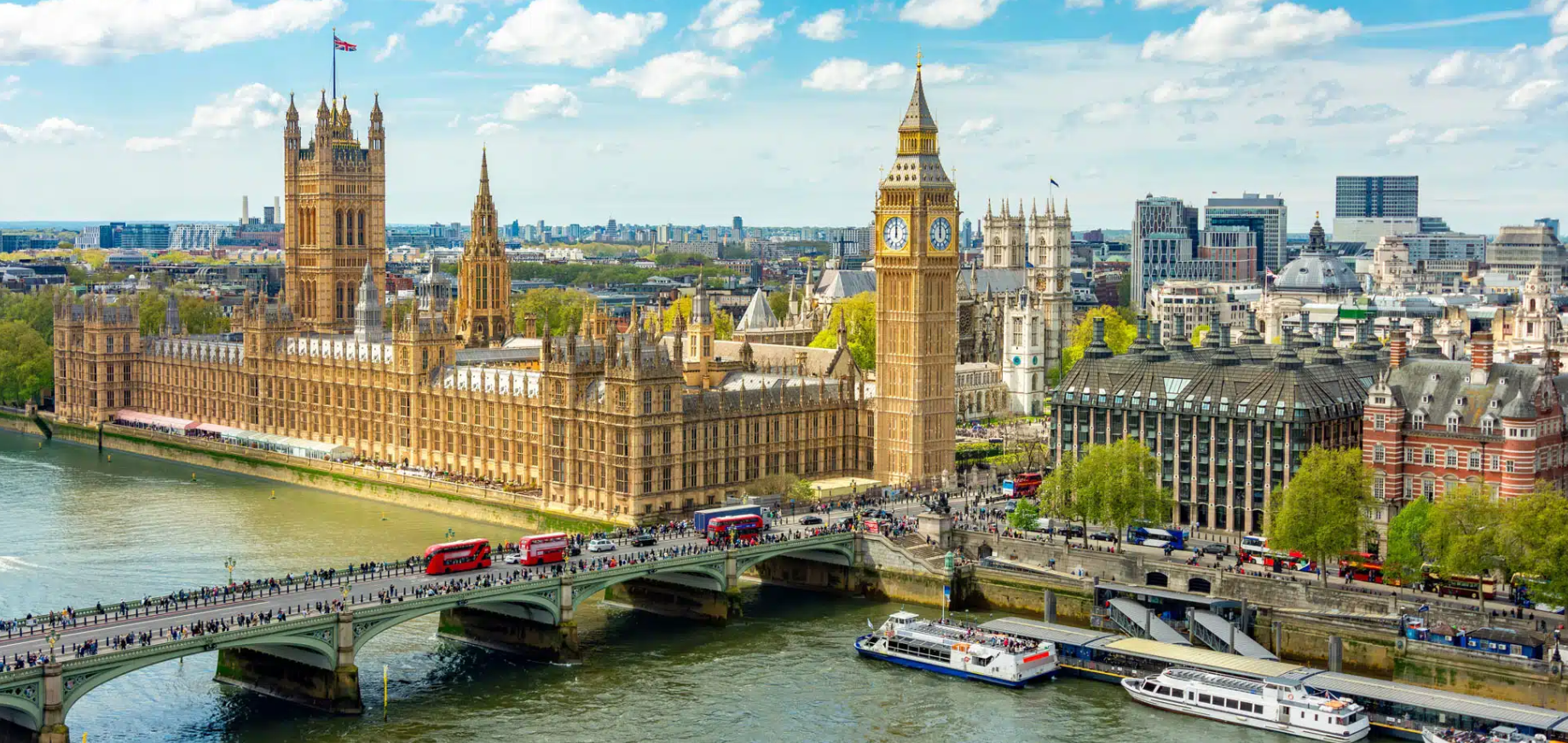
The UK mirrors Canada in structure. The NHS funds DBS for eligible patients, but the wait can stretch across many months, and going private inside the UK is one of the most expensive routes available. International patients pay full self-pay rates. The UK is included here mainly as a high-cost reference point and to explain why so many British patients travel for the procedure.
Private DBS in the UK costs roughly 55,000 to 70,000 USD (about 51,000 to 65,000 EUR), with full self-pay costs that can approach 60,000 GBP. NHS patients pay nothing but join a queue.
London teaching hospitals run top-tier functional neurosurgery units with highly experienced surgeons. Standards are excellent; the limitation is cost and access, not quality.
Advantages
- Top-tier surgical expertise and research centers.
- Free via the NHS for eligible residents who can wait.
- English-language care by default.
Drawbacks to consider
- Long NHS waiting lists.
- Private fees among the highest in Europe.
A UK patient paying privately at home can fund two complete DBS procedures abroad for the price of one in London, which is why Turkey and India are common destinations for British self-pay patients.
10. United States: The Highest-Cost Benchmark

The United States has outstanding DBS surgeons and the most advanced infrastructure, but it is also the single most expensive place in the world for the procedure. It anchors the bottom of this ranking purely on price. Insured American residents may have part of the cost covered, but international and uninsured patients face the full sticker price, which is why the US is the benchmark every other country is measured against.
Bilateral DBS in the US runs 70,000 to 100,000 USD or more (about 65,000 to 93,000 EUR). Unilateral procedures start near 35,000 to 60,000 USD, and the published worldwide ceiling for total DBS treatment sits just above 100,000 USD, recorded in the US.
US academic medical centers set many of the clinical standards used globally and offer the deepest research programs. Quality is not the issue; affordability for self-pay patients is.
Advantages
- World-leading surgeons, technology, and research access.
- Strict protocols and thorough long-term care for insured patients.
Drawbacks to consider
- The highest cost on earth for DBS, often exceeding 100,000 USD without insurance.
- International patients almost always pay out of pocket.
Independent academic research that adjusted DBS costs for inflation and currency found a worldwide price range from about 6,600 USD in Japan to over 100,000 USD in the US, the widest gap of any country studied.
DBS Comparison Table by Criteria (2026)
This table lets you scan all ten countries against the same factors at once.
|
Country |
Cost (USD) |
JCI / Major Accreditation |
Avg Wait |
Visa Ease |
Language |
|---|---|---|---|---|---|
|
Turkey |
$17K - $30K |
60+ JCI hospitals |
1 - 2 wks |
e-Visa / free |
EN, DE, AR |
|
India |
$15K - $32K |
JCI + NABH |
2 - 3 wks |
e-Visa |
English |
|
Mexico |
$17K - $27.5K |
JCI centers |
1 - 2 wks |
Easy / visa-free |
ES, English |
|
Thailand |
$30K - $37K |
JCI hospitals |
2 - 3 wks |
Visa on arrival |
English |
|
Spain |
$38K - $50K |
EU standards |
3 - 5 wks |
Schengen |
ES, English |
|
Israel |
$48K - $55K |
JCI (Ichilov) |
2 - 4 wks |
Varies |
EN, Hebrew |
|
Germany |
$55K - $85K |
DGNC / KTQ / ISO |
4 - 8 wks |
Schengen |
DE, English |
|
Canada |
$40K - $70K* |
Public programs |
Months* |
eTA |
EN, FR |
|
UK |
$55K - $70K* |
NHS / private |
Months* |
Standard visa |
English |
|
USA |
$70K - $100K+ |
Academic centers |
Weeks - months |
Visa needed |
English |
Which Country Is Right for You? A Quick Decision Guide
- For the lowest possible price: India, then Turkey. Both offer complete packages under 30,000 USD, often including a rechargeable device in India's case.
- Best overall balance of price, quality, and access: Turkey, thanks to high surgeon volumes, 60-plus JCI hospitals, and short flights from three continents.
- For North American patients: Mexico, for proximity, no long-haul flight, and easy time-zone follow up.
- To stay inside Europe without German prices: Spain, an EU-standard option that few comparison lists mention.
- For the newest technology: Israel, with robotic stereotactic placement, or Germany for integrated rehabilitation.
- If you want to avoid visa hurdles: Turkey or Mexico, both of which are visa-free or e-visa for most nationalities.
Hidden Costs to Check Before You Travel
A quoted DBS price does not always include everything. Before committing, confirm whether the package covers:
- Pre-operative assessments such as MRI, blood work, and neurological evaluation.
- The implantable pulse generator type. A rechargeable battery costs more upfront but lasts up to 15 years, versus 3 to 5 years for a non-rechargeable one that will need a replacement surgery later.
- Hospital stay length and any extension if pre-surgery evaluation runs long, which is common in Germany.
- Post-operative programming sessions, which fine-tune the device over several months.
- Accommodation, local transfers, and a companion's travel.
Aftercare and Device Programming Across Countries
DBS does not end at surgery. The neurostimulator needs adjustment over the first 3 to 6 months as the surgeon fine-tunes the electrical settings to the patient's symptoms. This is the most overlooked part of medical travel for DBS. Some patients return to the treating clinic for programming; others arrange follow up with a neurologist at home who can adjust the same device brand remotely or in person. When choosing a country, ask how programming will be handled after you fly home, and confirm that your home neurologist can support the specific device implanted. Patients treated for movement disorders other than Parkinson's may also find our guide to dystonia treatment abroad helpful, since DBS is a common option for medication-resistant cases.
How Long to Stay and When You Can Fly Home
Most DBS patients stay in the destination country for about 7 to 10 days. A typical timeline is one to two days of pre-operative testing, the implantation surgery, a 3 to 4 day hospital stay, and a few days of recovery and initial programming before discharge. Flying is generally discouraged for at least 5 to 7 days after intracranial surgery, and many surgeons prefer 10 to 14 days before a long-haul flight to reduce the small risk of swelling or clots at altitude. Patients traveling to India or Thailand from Europe or the Americas should budget for the longer recovery window that a long flight requires.
The A-Medical Advantage for DBS Abroad
Because Turkey ranks first overall, A-Medical's core support is built around getting patients into the right Turkish movement-disorder center quickly, while remaining able to coordinate care in other destinations. What patients get:
- Fast scheduling without a waiting list, usually within 1 to 2 weeks.
- Matching to a JCI-accredited clinic and a high-volume DBS neurosurgeon.
- Airport VIP welcome and private transfers.
- 4 and 5 star hotel or apartment accommodation options.
- Round-the-clock interpreter support in English, German, and Arabic.
- Free initial consultation and post-treatment follow up.
- Single-point coordination of the whole trip and a transparent, all-inclusive cost plan.
Tell A-Medical your diagnosis and home country, and we will return a clear, all-inclusive DBS quote with clinic options.
Conclusion
Deep brain stimulation costs more than 100,000 USD in the United States and steep private fees in the UK, yet the same operation, with the same devices and comparably experienced surgeons, is available for under 30,000 USD in Turkey, India, and Mexico. The right destination depends on your budget, how far you can travel, and how you want aftercare handled, but for most international patients Turkey offers the strongest balance of price, quality, and access. If you would like a clear, all-inclusive DBS quote and clinic options, A-Medical can arrange the entire process for you.
Frequently Asked Questions
Which country is the cheapest for deep brain stimulation?
India is generally the cheapest, with complete packages from about 15,000 USD, followed closely by Turkey and Mexico. All three sit 70 percent or more below US prices.
Which country offers the best overall choice for DBS?
Turkey, because it combines low cost with high surgeon volume, more than 60 JCI hospitals, short waiting times, and easy access from Europe, the Gulf, and beyond.
Is DBS surgery abroad safe?
Yes, when you choose a JCI or nationally accredited center with a high-volume movement-disorder surgeon. The devices used (Medtronic, Abbott, Boston Scientific) are identical worldwide, so quality depends on the clinic, not the country alone.
Will my insurance cover DBS in another country?
Usually not. Most insurers cover DBS only at home and only for residents. International patients typically pay out of pocket, which is exactly why the lower prices abroad matter so much.
Will I have visa problems traveling for DBS?
Rarely. Turkey and Mexico are visa-free or e-visa for most nationalities, India offers a simple e-visa, and Spain and Germany sit within the Schengen area. Plan a medical-purpose entry where required.
How is follow-up and programming handled after I go home?
The device needs adjustment over the first few months. Some patients return to the clinic; others arrange programming with a neurologist at home who supports the same device brand. Confirm this before you travel.
Are all countries on this list the same quality?
No. Clinical standards are excellent in the US, UK, Germany, and Israel, and very strong in the best accredited centers in Turkey, India, Mexico, Thailand, and Spain. The difference is price and access, and within any country the specific clinic matters most.
How long do I need to stay abroad for DBS?
Plan for roughly 7 to 10 days, covering testing, surgery, a 3 to 4 day hospital stay, and initial programming. Avoid long-haul flights for at least 7 to 14 days after the operation.