Contents
Related Topics
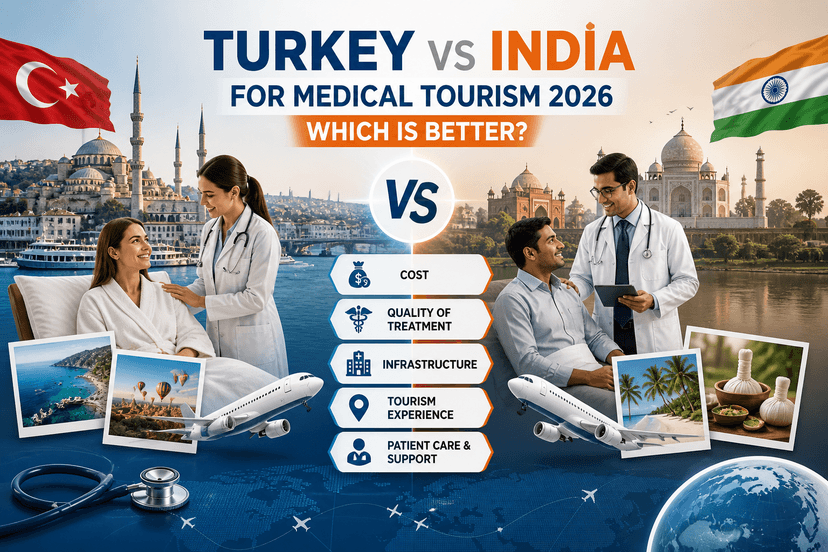
Two giants, one decision. Turkey and India for medical tourism together pull in more than 3.5 million international patients a year, and both pitch themselves as the smart alternative to $40,000 knee replacements in Boston or 18-month NHS waits in Manchester. So which one actually deserves your case file? It depends on what you need treated, where you live, what your visa situation looks like, and how comfortable you are flying nine hours versus three.
This is not a love letter to either country. It is a side-by-side look at what Turkey vs India medical tourism really delivers in 2026, with the prices, accreditations, hospital names, and patient pathways that matter when you are about to hand someone a passport and a pre-op checklist.
The state of medical tourism in 2026: a quick reality check
Global medical tourism is projected to reach roughly USD 312.5 billion by 2026, with the Asia-Pacific corridor (India, Thailand, Malaysia, Singapore) pulling about 60% of investment inflows. Turkey's slice of that pie is now an estimated USD 4.59 billion, while India's medical value travel sector is expected to clear USD 13 billion the same year. Big numbers. They translate into something concrete: more JCI-accredited hospitals competing for international cases, sharper price transparency, and patient pathways that look nothing like what they did even five years ago.
A few facts worth keeping in mind before the comparison gets going:
- Turkey hosts 42 JCI-accredited hospitals and processed approximately 1.8 million health tourists in 2023 (revenues hit roughly $10 billion in 2024 according to industry data, though 2025 saw a notable patient-volume dip after the HealthTürkiye portal made registration mandatory).
- India operates 45+ JCI-accredited facilities plus hundreds of NABH-certified hospitals, with Apollo, Fortis, Medanta, and Max accounting for the lion's share of inbound patients.
- In Newsweek's World's Best Hospitals 2026 list, four Indian hospitals broke into the global top 250: Medanta (Gurugram), AIIMS Delhi, PGIMER Chandigarh, and CMC Vellore. Turkey did not place a hospital in that top tier this cycle.
- Turkey's strength sits with cosmetic and aesthetic procedures (hair transplants alone account for roughly 50% of inbound cases). India's strength is in complex tertiary care: cardiac, oncology, orthopedic, and transplant medicine.
Cost comparison: where the real numbers land
Cost is usually the conversation starter. Both countries undercut Western pricing dramatically, but they do not undercut each other evenly. India tends to be cheaper for surgical and tertiary care; Turkey usually wins on cosmetic packages because of how all-inclusive bundles are structured. Here is what the 2026 numbers look like across the most-traveled procedures.
|
Procedure |
Turkey |
India |
UK |
USA |
|
Hair Transplant (3,000 grafts) |
$2,200 to $4,500 |
$2,000 to $4,000 |
£5,900 to £9,600 |
$10,000 to $15,000 |
|
Rhinoplasty |
$2,500 to $4,500 |
$1,800 to $3,500 |
£6,000 to £8,500 |
$8,000 to $15,000 |
|
Dental Implant (single) |
$400 to $800 |
$350 to $700 |
£1,800 to £3,000 |
$3,000 to $5,000 |
|
IVF (single cycle) |
$2,800 to $4,500 |
$2,500 to $4,000 |
£5,000 to £8,000 |
$15,000 to $25,000 |
|
Knee Replacement |
$8,500 to $13,000 |
$3,600 to $6,500 |
£12,000 to £20,000 |
$35,000 to $50,000 |
|
Hip Replacement |
$9,000 to $14,000 |
$5,500 to $7,500 |
£14,000 to £18,000 |
$40,000 to $60,000 |
|
Coronary Bypass (CABG) |
$12,000 to $18,000 |
$4,500 to $9,000 |
£18,000 to £30,000 |
$70,000 to $120,000 |
|
Liver Transplant |
$80,000 to $120,000 |
$28,000 to $35,000 |
£150,000+ |
$575,000+ |
|
Bariatric Surgery (Gastric Sleeve) |
$3,500 to $5,500 |
$5,000 to $7,000 |
£9,000 to £12,000 |
$20,000 to $30,000 |
A clearer pattern? India is the better value for cardiac surgery, orthopedic surgery, and transplants, often by a wide margin. A coronary bypass that runs $70,000 to $120,000 in the US can be done in India for under $9,000, even at a Medanta or Apollo flagship. Turkey is competitive on hair transplants, dental work, eye surgery, and cosmetic packages where the all-inclusive model (hotel, transfers, translator, post-op) bundles soft costs into the procedure price. For a patient flying from London for a 3,000-graft FUE, Turkey usually wins on convenience and total trip cost. For a patient from Lagos or Dhaka who needs a heart valve replaced, India almost always wins on price and clinical depth.
Best hospitals in Turkey vs India: the names that matter
A country is only as strong as the hospitals you actually walk into. Both Turkey and India have institutional brands that international patient coordinators recognize on sight, but the rosters look different.
Top hospitals for medical tourism in Turkey
- Acıbadem Healthcare Group: 24 hospitals, JCI-accredited, strong in oncology, cardiac surgery, and IVF. Their Maslak campus in Istanbul is the flagship for international patients.
- Memorial Healthcare Group: known for organ transplant volume (over 4,000 bone marrow transplants performed) and robotic surgery.
- Medicana Health Group: 12 hospitals, reputation for cardiology and pediatric cardiac surgery, popular with patients from the Gulf and North Africa.
- Liv Hospital: boutique-feel multi-specialty network, frequently used for neurosurgery, oncology, and complex orthopedic cases.
- Florence Nightingale Hospital: heart and vascular medicine, Istanbul-based, part of the Demiroğlu Bilim University network.
- Anadolu Medical Center: affiliated with Johns Hopkins Medicine International, particularly strong in oncology.
Top hospitals for medical tourism in India
- Medanta, The Medicity (Gurugram): ranked #1 in India by Newsweek 2026 (90.90% score), 1,600+ beds, 30+ specialties, founded by cardiac surgeon Dr. Naresh Trehan.
- Apollo Hospitals (Chennai, Delhi, Hyderabad): India's largest private chain, treats 200,000+ international patients from 175+ countries, exceptional in cardiac and transplant medicine.
- Fortis Healthcare: 28 facilities, performed 2,500+ liver transplants with success rates above 90%, network spans Delhi NCR, Mumbai, Bangalore.
- Max Healthcare: 30+ hospitals, leaders in CAR T-cell therapy, robotic surgery, and high-acuity oncology.
- Kokilaben Dhirubhai Ambani Hospital (Mumbai): top-10 globally ranked Indian hospital, multi-organ transplants, advanced neuro and cardiac care.
- AIIMS Delhi: public sector, but ranked #115 in the world by Newsweek; sets the academic benchmark for Indian medicine.
Choosing a hospital is usually the hardest part of the whole process. A-Medical matches you with the right facility based on your specific diagnosis, not whichever clinic happens to pay the highest commission. Get a free hospital recommendation from our medical coordinators before you commit to anything.
Which country wins for which procedure?

Forget the headline rankings for a second. Procedure-level comparison is where the decision actually gets made.
Hair transplant
Winner: Turkey. Istanbul performs over 500,000 hair transplants annually, and that volume builds clinical muscle memory you simply cannot replicate elsewhere. Sapphire FUE and DHI techniques are standard inclusions, not upgrades. Average all-inclusive package: $2,200 to $4,500 with hotel, transfers, PRP, and aftercare. India is competitive on price (around $2,000 to $4,000) but lacks Turkey's specialist density in this niche. For more on country-by-country options, see our guide to the best and cheapest countries for a hair transplant.
Cardiac surgery (CABG, valve replacement, angioplasty)
Winner: India. A coronary bypass averages $4,500 to $9,000 in India versus $12,000 to $18,000 in Turkey. Top Indian centers like Medanta and Fortis Escorts Heart Institute report cardiac success rates above 98%, on par with Cleveland Clinic. India's surgical volume is staggering. Medanta alone has performed over 15,000 cardiac surgeries.
Cosmetic and aesthetic surgery
Winner: Turkey, with caveats. For rhinoplasty, BBL, breast augmentation, and liposuction, Turkey's package model and surgeon volume make it the natural choice for European patients. Cosmetic surgeries make up roughly 15.57% of inbound cases. India is cheaper per procedure, but the cosmetic-tourism infrastructure (English-speaking aesthetic clinics, recovery hotels) is less mature.
Orthopedic surgery (knee and hip replacement)
Winner: India, clearly. A knee replacement costs $3,600 to $6,500 in India compared to $8,500 to $13,000 in Turkey. Indian orthopedic surgeons frequently train at major US and UK centers, and JCI-accredited hospitals like Apollo and Max use the same Stryker, Zimmer, and DePuy implants you would receive in any Western OR. Compare options across destinations in our breakdown of best countries for knee replacement surgery abroad.
Cancer treatment and oncology
Winner: India, though Turkey is closing the gap. India offers proton beam therapy at Apollo Proton Cancer Centre (one of only a handful of such facilities in Asia), CAR T-cell therapy at Max Healthcare, and decades of oncology depth at Tata Memorial. Turkey is expanding fast (oncology procedures are growing at a 16.56% CAGR through 2031), but India still has the surgeon density and treatment breadth for stage-3 and stage-4 cases. See our deeper analysis on best countries and hospitals for cancer treatment.
Dental treatment
Winner: Turkey, especially for full-mouth restorations and aesthetic dentistry. Turkey treated over 400,000 dental tourists in 2023, and Istanbul dental clinics built reputations around digital smile design and same-day implant techniques. India is cheaper on individual implants but lacks Turkey's dental-tourism packaging.
IVF and fertility treatment
Roughly tied. Both countries offer cycles in the $2,500 to $4,500 range with similar success rates at top clinics. India has the regulatory edge for surrogacy laws (though restrictions exist), while Turkey has a denser concentration of internationally-marketed fertility centers.
Organ transplant
Winner: India, by a significant margin on cost. A liver transplant at Apollo or Medanta costs $28,000 to $35,000 with success rates above 90%. The same procedure in Turkey runs $80,000 to $120,000. India also has the volume advantage. Fortis alone has completed 2,500+ liver transplants and 2,500+ kidney transplants.
Patient experience: visa, language, travel time
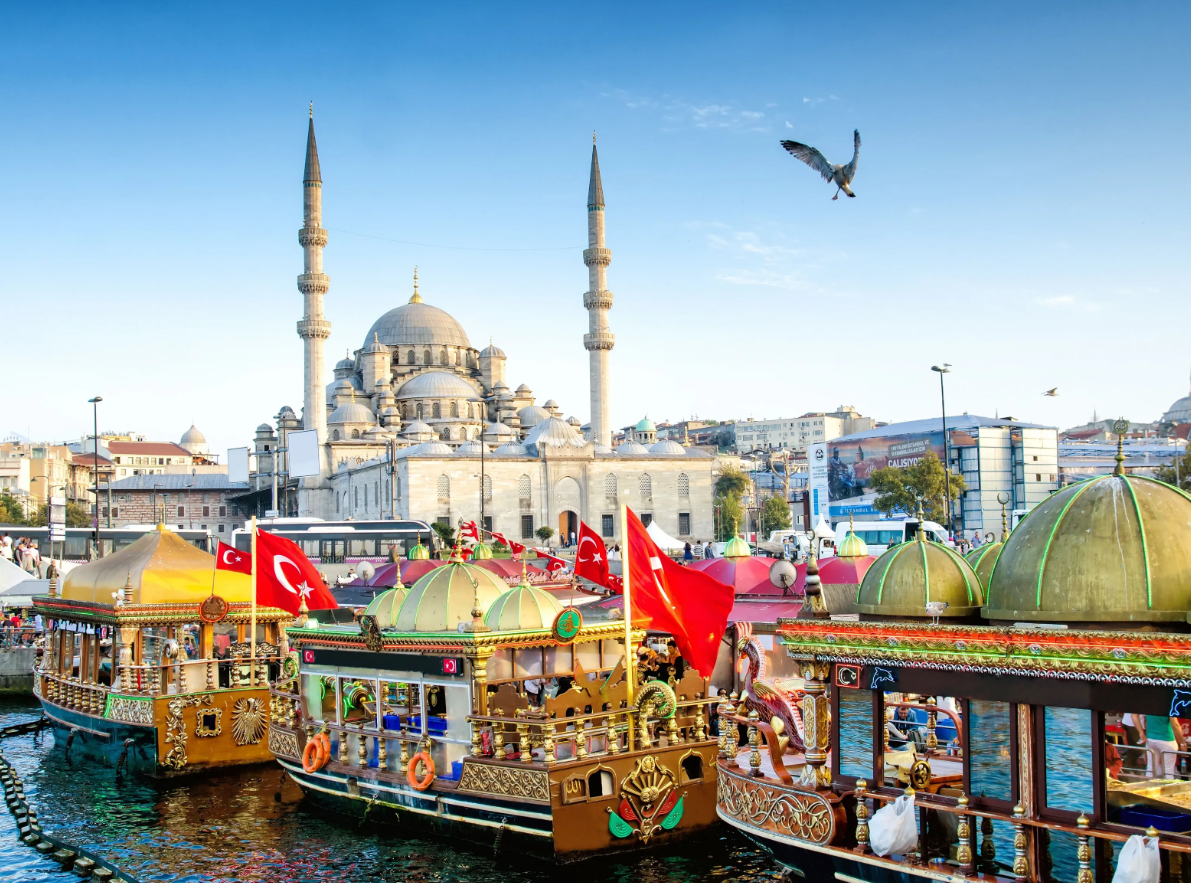
Clinical excellence is one variable. Getting to the operating table without losing your mind is another.
Visa and entry
- Turkey: Visa-free entry for 70+ countries; e-visa for another 40+. Since May 2025, all medical tourists must register through the HealthTürkiye portal, which combines visa processing with quality monitoring. Adds an administrative step but increases price transparency.
- India: Medical visa available to citizens of 165+ countries, valid for up to one year with triple-entry permitted. Application is digital and usually approved within 3 to 5 days. India also issues a separate Medical Attendant visa for accompanying family members, which Turkey does not formally offer.
Language and communication
- India: English is an official language. Almost every doctor at Apollo, Medanta, Fortis, and Max conducts consultations in English. No interpreter needed for British, American, Australian, or African patients.
- Turkey: Turkish is the working language. Top-tier hospitals provide professional interpreters in English, Arabic, Russian, and German, but smaller clinics depend on coordinator-arranged translators. Quality varies.
Travel time and connectivity
- Turkey: Istanbul is within 4 hours of London, Frankfurt, Dubai, and Riyadh. Turkish Airlines flies to 342 cities across 129 countries. For European, Middle Eastern, and North African patients, this is a decisive advantage.
- India: Direct flights from London (8.5 hours), Singapore (5 hours), Dubai (3 hours), Lagos (10 hours via Gulf hubs). Better positioned for African, Southeast Asian, and Gulf patients than for Europeans.
Recovery environment
Both countries offer post-op accommodations linked to hospitals. Many Turkish clinics partner with 4 and 5-star hotels in Istanbul's Şişli and Maslak districts; Indian hospitals like Medanta and Apollo have on-campus international guest houses. Climate matters more than people expect: Istanbul winters can be cold and wet, complicating recovery walks; Goa and Kerala (popular for Ayurvedic recovery extensions) offer year-round warmth.
Who is the best candidate for each country?
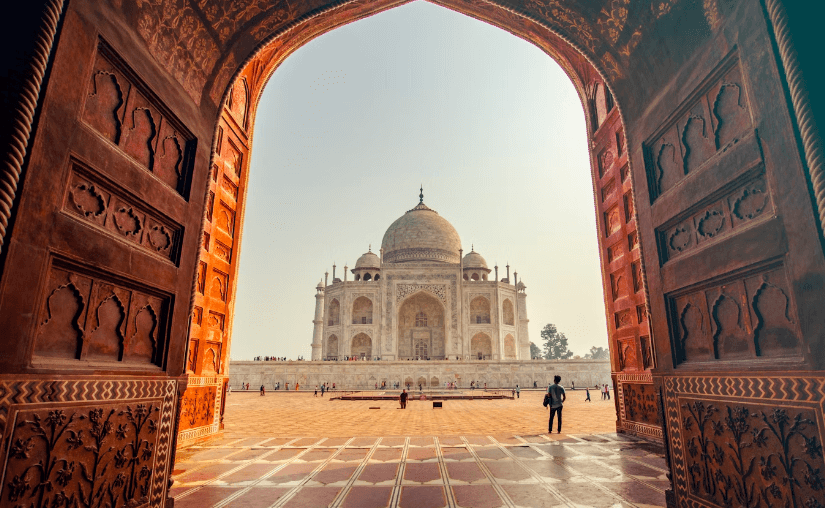
Turkey is the better choice if you:
- Live in Europe, the UK, the Gulf, or North Africa (4-hour flight radius from Istanbul).
- Need cosmetic surgery, hair transplant, dental work, or eye surgery.
- Want an all-inclusive package that bundles hotel, transfers, and aftercare.
- Prefer a shorter trip and faster recovery turnaround.
- Are comfortable working with a coordinator-arranged interpreter.
India is the better choice if you:
- Need complex tertiary care: cardiac surgery, organ transplant, advanced oncology, complex orthopedic procedures.
- Want significant cost savings on high-acuity procedures (50% to 70% lower than Turkey for surgical care).
- Speak English and want direct doctor-to-patient communication.
- Live in Africa, Southeast Asia, the Middle East, or are willing to travel further for substantially better pricing.
- Need a treatment that benefits from large surgical volumes and specialist depth.
The risks worth knowing about
Both destinations have failure stories that get cited often. They are worth understanding before booking.
- Turkey: The hair-transplant boom created a long tail of unlicensed operators and so-called "hair mills" where technicians (not surgeons) perform procedures. The term "Turkey teeth" became shorthand for over-aggressive dental work that destroys natural teeth in the name of veneer placement. Industry watchers have flagged that 2024 and 2025 patient volumes dropped by approximately 140,000 even as fees rose, suggesting market consolidation pressures.
- India: Quality varies sharply between Tier-1 metro hospitals (Delhi NCR, Mumbai, Chennai, Bangalore) and smaller regional facilities. Always verify JCI or NABH accreditation. Air pollution in northern Indian cities is a real consideration for patients with respiratory conditions during recovery.
- Universal: post-procedure complications are harder to manage 3,000 miles from home. Confirm follow-up protocols, telemedicine availability, and home-country specialist coordination before surgery, not after.
How A-Medical changes the equation
Picking a country is the easy part. Picking the right surgeon at the right hospital with the right pre-op workup, the right post-op recovery plan, and someone who actually picks up the phone when something feels off. That is where most independent medical-travel arrangements fall apart.
A-Medical coordinates the full pathway for patients heading to Turkey, India, and 20+ other treatment destinations. What that looks like in practice:
- No waiting lists. Procedures scheduled within days, not the 12-to-18 months you would face on the NHS or in Canada.
- Hospital and surgeon matching. You get matched to clinicians whose volumes and outcomes match your specific case, not whoever is cheapest or pays the highest referral fee.
- Translator and patient coordinator assigned to you for every appointment, every consultation, every pharmacy run.
- Airport transfers and accommodation handled before you land. You step off the plane, someone is holding a sign with your name on it.
- Transparent, all-inclusive pricing with no surprise add-ons mid-treatment.
- Pre-op medical record review by international coordinators so you arrive with a confirmed treatment plan, not a guess.
- Post-treatment follow-up coordinated with your home-country physician.
If you are weighing Turkey vs India for medical tourism and want a recommendation based on your actual diagnosis instead of a marketing brochure, contact our medical team for a free case assessment.
So which one is better in 2026?
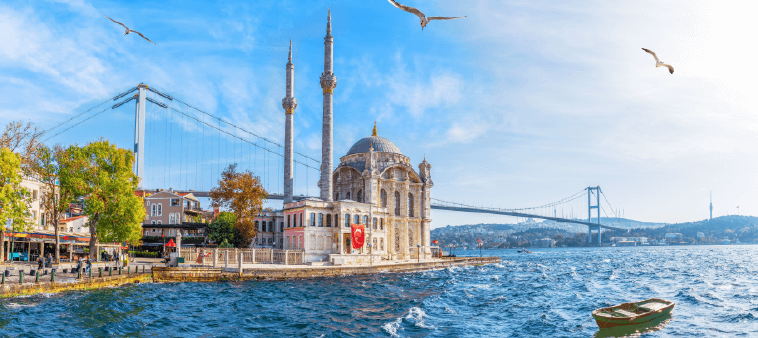
Neither, in absolute terms. Both, in context.
Turkey wins for cosmetic, dental, hair transplant, and eye procedures, especially for patients within a four-hour flight of Istanbul who value packaged convenience.
India wins for cardiac, oncology, transplant, complex orthopedic, and any high-acuity surgical care. The price gap on those procedures is wide enough that it justifies the longer flight for most patients globally.
If your decision were between these two for the same procedure, the answer almost always comes down to two questions: how complex is the surgery, and how far are you willing to fly? Cosmetic and elective in Turkey. Complex and curative in India. The data backs that up almost every time.
Frequently Asked Questions
Is Turkey or India cheaper for medical tourism in 2026?
India is roughly 30% to 70% cheaper than Turkey for cardiac surgery, organ transplants, and orthopedic procedures. Turkey is comparable or slightly cheaper for hair transplants and dental work due to all-inclusive packaging.
Which country has more JCI-accredited hospitals, Turkey or India?
Both are close: Turkey has 42 JCI-accredited hospitals, while India has 45+ JCI-accredited facilities plus hundreds of additional NABH-certified hospitals. India also placed four hospitals in Newsweek's World's Best Hospitals 2026 global top 250; Turkey did not.
Is English widely spoken in Indian hospitals?
Yes. English is an official language of India, and consultations at top hospitals like Apollo, Medanta, Fortis, and Max are conducted in English. Turkey relies on hospital-arranged interpreters, which works well at major chains but varies elsewhere.
Which country is better for cardiac surgery?
India is significantly better for cardiac surgery, both on cost (a CABG runs $4,500 to $9,000 in India versus $12,000 to $18,000 in Turkey) and on surgical volume. Indian flagship centers report cardiac success rates above 98%.
Is Turkey a safer choice than India for hair transplants?
Turkey is generally the safer choice for hair transplants because of its surgeon volume and specialist density (over 500,000 procedures performed annually). However, both countries have low-quality operators, so booking through an accredited facilitator like A-Medical reduces that risk dramatically.
How long is the medical visa valid for Turkey vs India?
India issues a medical visa valid for up to one year with triple entry, plus a separate Medical Attendant visa for accompanying family. Turkey uses a standard tourist visa or visa-free entry combined with mandatory HealthTürkiye portal registration since May 2025.
Which country offers shorter waiting times for surgery?
Both countries offer near-zero waiting times compared to Western public-healthcare systems. Most international patients at Apollo, Medanta, Acıbadem, or Memorial can have surgery scheduled within 3 to 7 days of arrival.