Contents
A brain tumor diagnosis forces two hard decisions at once: where to get treated and how to afford it. Craniotomy in the United States runs 70,000 to 150,000 USD, the UK private route runs 25,000 to 80,000 GBP with NHS waits of 6 to 18 months, and Germany sits at 26,000 to 35,000 EUR. The same operation in Turkey costs 8,000 to 20,000 USD at JCI-accredited hospitals, and India can go as low as 3,000 USD for standard cases. These gaps push thousands of patients across borders every year for neurosurgery they cannot get fast enough or cannot pay for at home.
This guide ranks the strongest destinations for brain tumor surgery, lists 2026 cost ranges by country, and shows which hospitals, accreditations, and surgical technologies matter most for primary tumors, metastatic disease, gliomas, meningiomas, and acoustic neuromas. If you want a second opinion on your MRI or a price quote from a specific hospital, A-Medical coordinates files, consultations, and travel for international neurosurgery patients across Turkey, Spain, Switzerland, and Mexico.
Quick Facts: Brain Tumor Treatment Abroad in 2026
|
Top Destinations |
Turkey, Germany, India, Spain, South Korea, Mexico, Israel |
|
Cheapest for Surgery |
India (3,000 to 8,000 USD), Turkey (8,000 to 20,000 USD) |
|
Best for Complex Cases |
Germany, United States, Switzerland, Israel |
|
Main Accreditation |
JCI, ISO 9001, TEMOS, NABH (India) |
|
Average Hospital Stay |
5 to 10 days plus 7 to 14 days follow-up |
|
Common Procedures |
Craniotomy, awake craniotomy, Gamma Knife, CyberKnife, endoscopic transsphenoidal resection |
Why Patients Travel Abroad for Brain Tumor Surgery
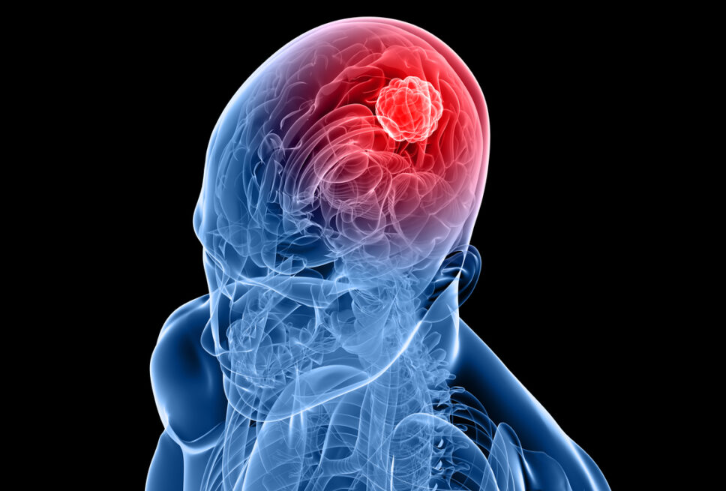
Three forces drive cross-border neurosurgery: cost, wait times, and access to specific surgical technology. A patient in the UK or Canada often faces a 4 to 12 month wait for elective neurosurgery, which is a serious problem when a meningioma or glioma is growing on imaging. American patients without strong insurance see six-figure bills for a single craniotomy. Patients from the Middle East, North Africa, Central Asia, and the CIS region also seek out hospitals where intraoperative MRI, awake mapping, neuronavigation, and Gamma Knife are routinely available, since these tools change outcomes in eloquent-area surgery.
A second factor we see at A-Medical is volume. The neurosurgery teams that publish the best results, particularly for low-grade gliomas and skull base tumors, perform the same operation hundreds of times a year. Volume hospitals in Istanbul, New Delhi, Frankfurt, and Tel Aviv handle case loads that smaller national centers cannot match, and outcomes follow.
How Brain Tumor Surgery Costs Vary by Country
Brain tumor surgery costs depend on five variables: tumor type, location (eloquent vs non-eloquent areas), surgical technique, hospital tier, and length of ICU stay. The figures below cover the surgery itself, anesthesia, imaging, a standard 3 to 8 day hospital stay, and basic medications. They exclude flights, accommodation, and post-operative radiotherapy or chemotherapy.
|
Country |
Craniotomy Cost (USD) |
Gamma Knife Cost (USD) |
Savings vs USA |
|
United States |
70,000 to 150,000 |
30,000 to 50,000 |
Baseline |
|
United Kingdom (private) |
35,000 to 95,000 |
20,000 to 35,000 |
30 to 40 percent |
|
Germany |
28,000 to 38,000 |
15,000 to 25,000 |
55 to 65 percent |
|
Switzerland |
40,000 to 60,000 |
22,000 to 35,000 |
45 to 55 percent |
|
Israel |
28,000 to 45,000 |
18,000 to 28,000 |
55 to 65 percent |
|
South Korea |
18,000 to 35,000 |
14,000 to 22,000 |
65 to 75 percent |
|
Spain |
15,000 to 30,000 |
12,000 to 20,000 |
70 to 80 percent |
|
Turkey |
8,000 to 20,000 |
6,500 to 12,000 |
80 to 90 percent |
|
Mexico |
12,000 to 28,000 |
9,000 to 16,000 |
75 to 85 percent |
|
India |
3,000 to 12,000 |
4,500 to 9,000 |
85 to 95 percent |
Sources: A-Medical internal pricing, hospital quotes 2026, Medical Tourism Index, Patients Beyond Borders.
Top Countries for Brain Tumor Treatment in 2026
1. Turkey: Best Cost-Quality Balance for High-Volume Neurosurgery

Turkey treats more than 1.5 million medical tourists a year, and neurosurgery is one of the fastest-growing categories. Istanbul concentrates the strongest centers: Acibadem, Memorial Bahcelievler, Anadolu Medical Center (Johns Hopkins-affiliated), American Hospital, and Liv Hospital. All hold JCI accreditation, and most run specialized neuro-oncology boards that combine neurosurgery, radiation oncology, and medical oncology in weekly tumor board reviews.
Cost range: 8,000 to 20,000 USD for craniotomy and 6,500 to 12,000 USD for Gamma Knife. Awake craniotomy with intraoperative mapping runs 15,000 to 22,000 USD at top centers.
What makes Turkey strong: Surgical volume, English-Arabic-Russian-German-speaking coordination teams, neuronavigation and intraoperative MRI in tier-1 hospitals, and short waits (surgery often scheduled within 7 to 14 days of arrival). For Turkey-specific options, see our detailed brain tumor treatment in Turkey guide and the broader neurosurgery in Turkey overview.
Limits: Very rare pediatric brain stem tumors or trials involving novel agents may still be better handled in Germany or the US.
2. Germany: Best for Complex and Recurrent Tumors
Germany leads Europe in skull base surgery, glioma resection with 5-ALA fluorescence guidance, and pediatric neurosurgery. Centers like Charite Berlin, University Hospital Heidelberg, University Hospital Hamburg-Eppendorf, and Helios Klinik Munich handle the cases other countries refer out. German neurosurgeons train for 8 to 12 years and most large centers run intraoperative MRI and 5-ALA fluorescence as standard.
Cost range: 28,000 to 38,000 EUR for tumor resection, plus 15,000 to 25,000 EUR for Gamma Knife or CyberKnife when indicated.
What makes Germany strong: Access to proton therapy, particle therapy (HIT Heidelberg), molecular tumor boards for recurrent glioblastoma, and tight follow-up protocols. Germany is the right choice when imaging is ambiguous, the tumor sits near eloquent cortex, or prior surgery elsewhere did not achieve gross total resection.
Limits: Cost is two to three times Turkey, and the visa process for some non-EU patients takes longer.
3. India: Cheapest Option for Standard Cases

India runs the lowest cost base for brain tumor surgery worldwide. Apollo Hospitals (Chennai, Delhi), Fortis Memorial (Gurgaon), Medanta The Medicity, BLK Super Specialty (Delhi), and Manipal Hospitals operate JCI- and NABH-accredited neurosurgery departments with high case volumes. Many Indian neurosurgeons trained in the US or UK and brought back full subspecialty expertise.
Cost range: 3,000 to 12,000 USD for craniotomy, 4,500 to 9,000 USD for Gamma Knife.
What makes India strong: Price, English-speaking medical staff, and fast scheduling (medical visa typically issued within 5 to 7 days). India is particularly strong for benign tumors like meningioma, pituitary adenoma, and acoustic neuroma where standard resection techniques apply.
Limits: Air pollution in Delhi can delay recovery for some patients; long flight times from Europe and North America make travel harder for late-stage cases.
4. Spain: EU Quality at Mid-Range Prices

Spain has emerged as a strong mid-tier option for European patients who want EU-standard care without German pricing. HM Hospitales, Quironsalud network, and Hospital Universitario La Paz in Madrid run modern neuro-oncology units. Spain holds particular strength in functional neurosurgery and intraoperative neurophysiology.
Cost range: 15,000 to 30,000 EUR for craniotomy, plus 12,000 to 20,000 EUR for radiosurgery.
What makes Spain strong: EU regulatory framework, easier Schengen visa access for many nationalities, and shorter recovery time before flights home thanks to milder climate.
5. South Korea: Strong for Skull Base and Pediatric Cases

Samsung Medical Center, Asan Medical Center, Severance Hospital, and Seoul National University Hospital perform some of the highest-volume skull base and pediatric neurosurgery in Asia. South Korea pioneered several minimally invasive endoscopic approaches and runs strong proton therapy programs.
Cost range: 18,000 to 35,000 USD for craniotomy, 14,000 to 22,000 USD for Gamma Knife.
6. Mexico: Closest Option for North American Patients

Mexico serves uninsured and underinsured Americans who want quality neurosurgery within driving or short-flight distance. Hospital Angeles and Christus Muguerza in Monterrey, Hospital CMQ in Guadalajara, and Galenia in Cancun run JCI-accredited units. For US patients, surgeons consult in English, pricing is transparent, and follow-up is logistically simple.
Cost range: 12,000 to 28,000 USD for craniotomy.
7. Israel: Research-Driven Care for Difficult Tumors
Sheba Medical Center, Assuta, Hadassah, and Rambam Health Care Campus rank among the world's top neuro-oncology centers. Israel runs strong clinical trial programs for glioblastoma, including DCVax-L, TTFields (Optune), and various immunotherapy combinations. Patients with recurrent high-grade glioma often consider Israel for trial access.
Cost range: 28,000 to 45,000 USD for craniotomy.
Surgical Techniques You Should Know About
Choosing a destination is half the decision. The other half is choosing the right operation. Five techniques cover the majority of modern brain tumor surgery, and each works best for specific tumor types.
Awake Craniotomy with Brain Mapping
The surgeon wakes the patient mid-procedure to map speech and motor function in real time. Standard care for tumors in eloquent areas like Broca's area or motor cortex. Available at top centers in Turkey, Germany, Israel, the US, and South Korea.
Gamma Knife and CyberKnife Radiosurgery
Non-invasive stereotactic radiation, often used for small (under 3 cm) meningiomas, acoustic neuromas, pituitary adenomas, and brain metastases.
Endoscopic Endonasal Transsphenoidal Surgery
Minimally invasive approach through the nose for pituitary adenomas and some skull base tumors. Recovery is faster than open craniotomy, with hospital stays of 2 to 4 days.
Intraoperative MRI and 5-ALA Fluorescence
These tools improve the extent of resection in glioma surgery. 5-ALA makes tumor tissue fluoresce pink under blue light, which helps surgeons remove more tumor without damaging normal brain. Standard at major German and US centers, increasingly available in Turkey and India.
Laser Interstitial Thermal Therapy (LITT)
Minimally invasive thermal ablation for deep-seated tumors that cannot be reached surgically. Mostly available in the US, Germany, and Israel.
Accreditation: What to Look For
Hospital accreditation matters more in neurosurgery than in most specialties because it forces hospitals to document infection rates, mortality data, surgical site practices, and post-op complication rates. Four labels carry weight:
- JCI (Joint Commission International): Most widely recognized. Required for many insurance reimbursements.
- NABH (India): Indian national standard, equivalent to JCI for cost, often easier audit cycles.
- TEMOS: European medical tourism standard, focused on international patient services.
- ISO 9001: Quality management baseline, not neurosurgery-specific but useful.
Ask the hospital for their specific neurosurgery department metrics: case volume per surgeon per year, 30-day mortality rate, and reoperation rate. A surgeon who does 200+ tumor resections a year is in a different league from one who does 30.
Expert Perspective: What Coordinators Actually Watch For
Most published guides stop at country and cost. Based on our case files at A-Medical, the variables that change patient outcomes the most are these:
- Time from MRI to surgery. A glioblastoma growing at 2 to 3 mm per week behaves very differently when operated at week 2 vs week 10. The fastest path we see in 2026 is Turkey and India (often under 14 days from initial contact), then Spain and Mexico (3 to 4 weeks), then Germany (4 to 8 weeks for non-emergencies).
- The pathologist, not just the surgeon. Modern glioma classification depends on molecular markers (IDH1/2, MGMT methylation, 1p/19q codeletion, ATRX, p53). A hospital that does not run these tests in-house is making treatment decisions without full data. All top centers in our network run full molecular profiling.
- The follow-up plan before you leave. Brain tumor patients need MRI every 3 months for the first 2 years. The hospital should send you home with a written radiation and chemotherapy schedule, contact information for the neuro-oncology team, and a teleconsultation arrangement. Hospitals that hand you a discharge summary and nothing else are not running real neuro-oncology programs.
- Second opinions before travel. We push patients to get a written second opinion on their MRI and pathology before booking surgery anywhere. About 15 to 20 percent of cases we see come in with an incorrect or incomplete initial diagnosis, which would have led to the wrong surgery.
Best Country by Tumor Type
|
Tumor Type |
Strongest Destinations |
Typical Cost Range (USD) |
|
Glioblastoma (GBM) |
Germany, Israel, USA, Turkey |
15,000 to 80,000 |
|
Low-grade glioma |
Germany, Turkey, South Korea |
12,000 to 40,000 |
|
Meningioma |
Turkey, India, Spain, Germany |
6,000 to 30,000 |
|
Pituitary adenoma |
Turkey, India, South Korea |
8,000 to 25,000 |
|
Acoustic neuroma |
Turkey, Germany, USA |
10,000 to 35,000 |
|
Brain metastases (single) |
Turkey, India, Spain |
7,000 to 25,000 |
|
Pediatric brain tumors |
Germany, South Korea, USA |
25,000 to 100,000 |
|
Skull base tumors |
Germany, South Korea, USA |
20,000 to 80,000 |
How the Process Works for International Patients
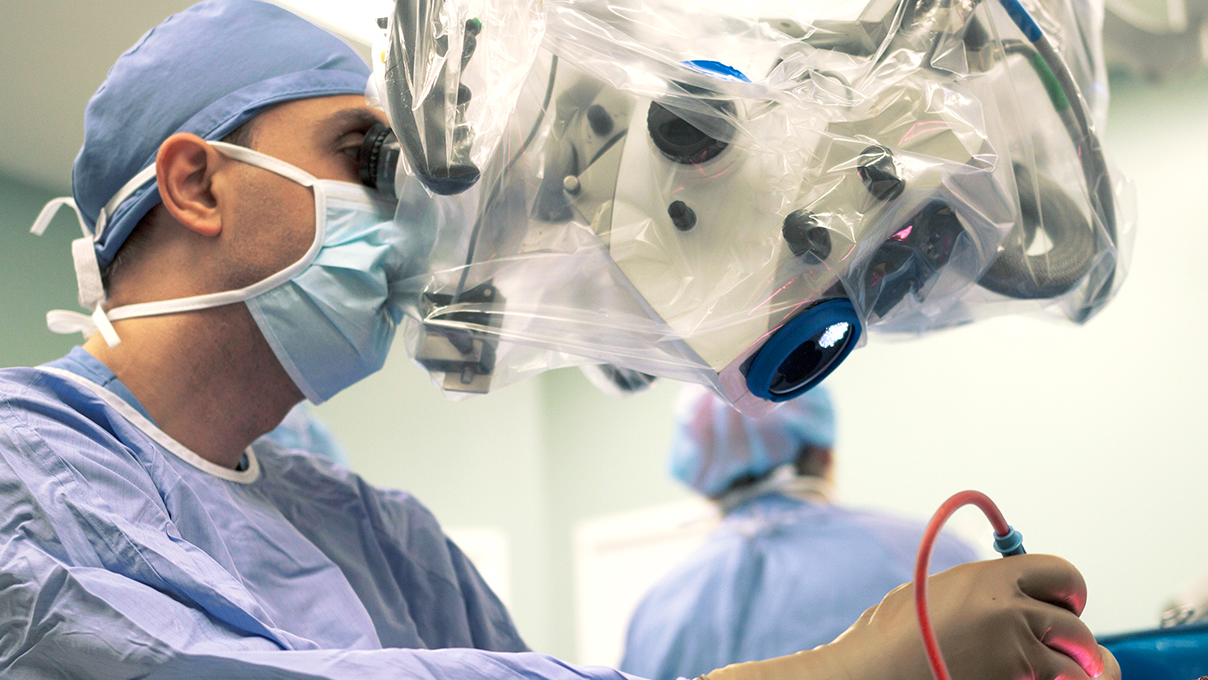
The treatment pathway looks similar across most destinations. What changes is the speed and the level of hand-holding. A typical sequence:
- Send MRI, CT, and pathology reports to the hospital or coordinator. Two to four neurosurgeons review the case and give written opinions within 3 to 5 days.
- Receive a treatment plan and quote that covers the surgical approach, expected hospital stay, and total package price.
- Apply for a medical visa if required. Turkey, Mexico, and Spain offer easy access for most nationalities; India issues e-medical visas in 5 to 7 days; Germany takes longer.
- Arrive 2 to 4 days before surgery for repeat imaging, anesthesia evaluation, and pre-op workup.
- Surgery and 3 to 8 day hospital stay, then 7 to 14 days outpatient recovery before flying home.
- Pathology results in 7 to 10 days with molecular profiling, then a written adjuvant treatment plan.
What an All-Inclusive Brain Tumor Package Covers
Most international hospitals quote package prices. The package usually includes:
- Pre-op consultations, blood work, and imaging (MRI, CT angiography if needed)
- Neurosurgeon and anesthesiologist fees
- Operating room, neuronavigation, and intraoperative monitoring
- ICU bed for the first 24 to 72 hours
- Standard room for the remaining stay
- Pathology with molecular markers
- Discharge medications and follow-up MRI at 6 weeks
Usually not included: flights, hotel after discharge, complications requiring extended ICU, post-op radiotherapy, chemotherapy, and rehabilitation services. Get these confirmed in writing before signing anything.
Red Flags When Choosing a Hospital or Facilitator
- No JCI, NABH, or TEMOS accreditation. Walk away.
- Surgeon cannot tell you their annual case volume. Major centers track this and share it openly.
- No molecular pathology mentioned. Modern brain tumor care requires IDH, MGMT, and 1p/19q testing as standard.
- Quotes that look 50 percent below market. Either the package excludes essential items, or the hospital is cutting corners.
- Pressure to pay deposits before written opinions. Legitimate hospitals send written reports first; deposits come after the patient agrees to the plan.
Medical Tourism Numbers Worth Knowing
The global medical tourism market reached around 165 billion USD in 2025 and is projected to pass 200 billion USD by 2027 (Statista, 2025). Neurosurgery represents 4 to 6 percent of inbound medical tourism by procedure count in Turkey and India, but a higher share by revenue because of the complexity.
Turkey reports more than 1.5 million international patients in 2024 (USHAS, 2025). India treats around 700,000 international patients annually (Ministry of Tourism, India). Both countries publish their oncology case volumes publicly, which is useful when comparing hospitals.
How A-Medical Coordinates Your Brain Tumor Treatment Abroad
A brain tumor diagnosis leaves little room for logistical friction. The surgical team has to review MRI and pathology before a treatment plan is confirmed. Molecular profiling results have to reach the neuro-oncology board before the operative approach is finalised. And the follow-up schedule, including radiation, chemotherapy, and surveillance imaging, has to be transferred to your local oncologist before you fly home.
A-Medical manages this entire sequence as a single coordinated process, with one point of contact from first inquiry through the first year of post-operative follow-up.
What we handle on your behalf:
- Review of your MRI DICOM files, pathology slides, and clinical history by our medical advisory board within 72 hours of receiving your records
- Written second opinion and treatment recommendation before any booking or deposit is confirmed
- Surgeon matching based on your specific tumor type, location, and prior treatment history, not on hospital availability
- Surgery scheduling within 7 to 14 days of confirmed booking at JCI-accredited neurosurgery centers in Turkey, Spain, Switzerland, or Mexico
- Pre-op workup coordination, including repeat MRI, angiography, and molecular pathology where indicated
- VIP airport transfers, hotel accommodation near the clinic, and daily transfer coverage during the outpatient recovery period
- 24/7 interpreter support in English, Arabic, Russian, German, and French throughout the stay
- Written adjuvant treatment plan on discharge, including radiation and chemotherapy schedule, formatted for handover to your local oncologist
- Teleconsultation follow-up with the operating neurosurgical team at six weeks, three months, six months, and twelve months post-op
- Direct communication line to the operating surgeon for the first 90 days after discharge
To receive a written clinical assessment and cost estimate, send your MRI files and pathology report through our contact form. A-Medical returns a treatment recommendation within 72 hours.
Final Thoughts
Brain tumor treatment abroad is not about finding the cheapest option. It is about finding the right combination of surgical expertise, accreditation, technology, and follow-up for your specific tumor type and budget. Turkey and India offer the strongest cost-quality ratio for standard cases. Germany, Israel, and the US handle the most complex cases. Spain and Mexico fit patients who want EU or North American proximity.
A-Medical coordinates international neurosurgery cases through partner hospitals in Turkey, Spain, Switzerland, and Mexico. We review MRI files, arrange written second opinions, negotiate package quotes, and stay with patients from the first contact through 12 months of post-operative follow-up. Send your imaging and we will return a written assessment within 72 hours.
Frequently Asked Questions
Is it safe to travel abroad for brain tumor surgery?
Safety depends on the hospital, not the country. JCI-accredited centers in Turkey, India, Germany, and Spain run mortality and complication rates that match or beat US and UK averages. The risk you add by traveling is mainly logistical: flight time after surgery, follow-up coordination, and language barriers, all of which a good coordinator handles.
Which country has the cheapest brain tumor surgery?
India is the cheapest at 3,000 to 12,000 USD for standard craniotomy. Turkey is the next cheapest at 8,000 to 20,000 USD, but most patients pick Turkey for the balance of cost, surgical volume, and travel logistics.
How long does the full treatment take?
Plan for 14 to 21 days abroad: 2 to 4 days pre-op workup, 3 to 8 days in hospital, and 7 to 14 days outpatient before flying. If radiotherapy follows, that adds 4 to 6 weeks, though many patients return home for radiation under a transferred treatment plan.
Can I get a second opinion before traveling?
Yes, and you should. Most international neurosurgery centers offer written second opinions within 3 to 5 days for a fee of 200 to 600 USD, or free as part of a treatment proposal. Send MRI DICOM files, pathology slides (if your home hospital performed a biopsy), and the full clinical summary.
Will my insurance cover brain tumor surgery abroad?
Most US private insurance plans do not cover elective treatment abroad. Some European insurance plans (especially BUPA, Allianz, AXA, Cigna Global) cover treatment in JCI-accredited hospitals when pre-approved. UK NHS patients can use the S2 form for some EU procedures. Always confirm coverage in writing before booking.
What happens if there are complications after I fly home?
Reputable international hospitals arrange teleconsultation follow-up at 6 weeks, 3 months, 6 months, and 12 months post-op, often free of charge. For acute complications, you go to your local emergency department and the international hospital sends records the same day. A-Medical patients in our network keep direct WhatsApp lines to the operating surgeon for the first 90 days.
Is awake brain surgery available abroad?
Yes. Awake craniotomy with cortical mapping is routinely performed at major centers in Istanbul, Frankfurt, Heidelberg, Seoul, Tel Aviv, and New Delhi. Costs range from 12,000 USD in Turkey to 35,000 EUR in Germany.
What is the success rate for brain tumor surgery abroad?
Outcomes depend on tumor type. For benign tumors like meningioma and pituitary adenoma, gross total resection rates at top international centers run 85 to 95 percent. For high-grade gliomas, the goal is maximum safe resection plus adjuvant therapy; median survival for glioblastoma after combined treatment is 14 to 24 months at experienced centers, with longer survival in IDH-mutant and MGMT-methylated subtypes.
Do I need someone to travel with me?
Yes. Brain tumor surgery requires a companion who can help with paperwork, medication management, and the first 7 to 10 days of recovery. Most hospitals provide a companion bed in the room at no extra cost.
Which is better for brain tumor surgery: Turkey or Germany?
For straightforward tumors in non-eloquent areas, Turkey offers equivalent surgical quality at one-third the cost. For recurrent glioblastoma, complex skull base cases, pediatric tumors, or cases requiring proton therapy, Germany is the stronger choice. Many patients combine both: surgery in Turkey, plus a separate consultation visit to Germany for adjuvant strategy