Contents
Related Topics
Neurosurgery in Turkey has turned into one of the most trusted destinations for patients who need complex brain, spine, and nerve operations without years on a waiting list. In Turkey, depending on the procedure and the hospital, neurosurgery prices generally start around 5,000 USD for minimally invasive spine interventions and range up to 30,000 to 35,000 USD for advanced brain tumor removals, cerebrovascular operations, or deep brain stimulation. Compare that with the United States, where the same brain tumor resection can easily cost 80,000 to 150,000 USD, or the United Kingdom, where private brain and spine surgery typically runs between 25,000 and 80,000 GBP and NHS patients frequently wait 6 to 18 months just for a consultation. In Germany and Switzerland, fees climb even higher, and insurance rules often exclude international patients altogether. That mix of long queues, closed appointment books, and inflated private pricing is exactly why so many people now choose neurosurgery treatment in Turkey instead.
Istanbul, Ankara, Izmir and Antalya host JCI-accredited hospitals where neurosurgeons trained in the US, Germany and the UK operate with 3 Tesla MRI, intraoperative neuronavigation, Gamma Knife, CyberKnife and robotic spine platforms. At A-Medical, we pair international patients with the right neurosurgeon and the right hospital, arrange fast appointments (usually within days, not months), and handle the full trip from airport transfer to interpreter support so you can focus only on your recovery.
Cost of Neurosurgery in Turkey (2026)
The final price of neurosurgery in Turkey depends on the type of operation, the hospital tier, the surgeon's seniority, the implants or devices used, and the length of hospital stay. To give you a realistic picture, here are typical all-inclusive package ranges for 2026 based on leading private hospitals in Istanbul and Ankara, compared with what the same procedures cost in Western countries:
- Brain tumor surgery (craniotomy): 8,000 to 20,000 USD in Turkey, vs 70,000 to 150,000 USD in the USA and 30,000 to 70,000 GBP in the UK.
- Spine and spinal cord surgery (discectomy, laminectomy, fusion): 5,000 to 15,000 USD in Turkey, vs 35,000 to 110,000 USD in the USA and 15,000 to 45,000 GBP in the UK.
- Cerebrovascular surgery (aneurysm clipping, AVM): 12,000 to 30,000 USD in Turkey, vs 80,000 to 180,000 USD in the USA.
- Deep brain stimulation (DBS) for Parkinson's: 20,000 to 30,000 USD in Turkey, vs 60,000 to 100,000 USD in the USA and 45,000 to 77,000 USD in the UK.
- Gamma Knife / stereotactic radiosurgery: 4,500 to 9,000 USD in Turkey, vs 25,000 to 60,000 USD in the USA.
- Peripheral nerve surgery (carpal tunnel, brachial plexus): 1,500 to 6,000 USD in Turkey, vs 10,000 to 30,000 USD in the USA.
So neurosurgery cost in Turkey is on average 60 to 80 percent lower than in North America and roughly 50 to 65 percent lower than in Western Europe, while the quality of equipment and the training level of the senior surgeons is very close. That price gap is the main reason why patients from the UK, Germany, the Netherlands, the Gulf countries, and the CIS region keep choosing neurosurgery in Turkey over treatment at home. If you want a precise quote for your specific MRI or CT findings, A-Medical can get you a written cost estimate from 2 to 3 hospitals within 48 hours.
What Is Neurosurgery?
Neurosurgery is the surgical branch of medicine that diagnoses and operates on disorders of the central and peripheral nervous system, which covers the brain, the spinal cord, the spinal column, the peripheral nerves, and the cerebrovascular system that supplies blood to all of these structures. Because the nervous system controls movement, sensation, speech, vision, cognition, and every autonomic function, even small lesions in the wrong location can be disabling or life-threatening, which is why this discipline demands exceptional precision and long training.
A neurosurgeon is not the same as a neurologist. Neurologists treat neurological diseases with medication and rehabilitation, while neurosurgeons operate when compression, bleeding, tumors, malformations, or mechanical instability cannot be solved any other way. Modern brain and nerve surgery in Turkey leans heavily on microsurgical technique, neuronavigation, intraoperative imaging, and, where possible, minimally invasive or endoscopic approaches to shorten recovery and protect healthy tissue.
What Conditions Are Treated with Neurosurgery?
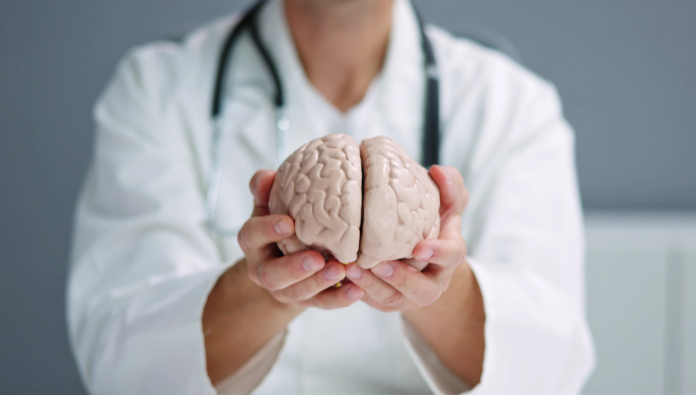
Turkish neurosurgery departments treat the full spectrum of cranial, spinal, vascular, functional, and peripheral nerve pathologies. The most common conditions managed surgically include:
- Brain tumors: gliomas, meningiomas, pituitary adenomas, acoustic neuromas, metastatic brain tumors, and skull base tumors.
- Spinal disorders: herniated discs, lumbar and cervical spinal stenosis, degenerative disc disease, spinal tumors, severe scoliosis, kyphosis, and vertebral fractures.
- Cerebrovascular diseases: intracranial aneurysms, arteriovenous malformations (AVMs), cavernomas, intracerebral hemorrhage, and ischemic stroke requiring mechanical thrombectomy.
- Hydrocephalus: excess cerebrospinal fluid managed with shunts or endoscopic third ventriculostomy.
- Functional and movement disorders: Parkinson's disease, essential tremor, dystonia, and drug-resistant epilepsy.
- Peripheral nerve problems: carpal tunnel syndrome, ulnar nerve entrapment, brachial plexus injuries, and nerve tumors.
- Trigeminal neuralgia and chronic pain: microvascular decompression, radiofrequency rhizotomy, and spinal cord stimulation.
- Head trauma: skull fractures, subdural and epidural hematomas, contusions, and traumatic brain injury.
- Pediatric neurosurgery: spina bifida, craniosynostosis, pediatric brain tumors, and congenital hydrocephalus.
Types of Neurosurgery in Turkey
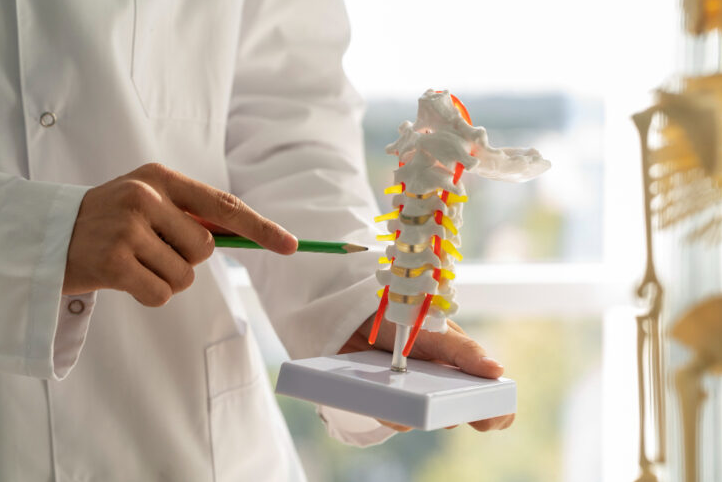
Neurosurgery in Turkey is organized into well-defined subspecialties, and most top hospitals have specialized teams for each. Your case will be reviewed in a multidisciplinary tumor board or spine council before the final plan is set.
Brain Tumor Surgery
Brain tumor surgery aims to remove as much of the tumor as safely possible while protecting functional brain tissue. Depending on size and location, surgeons use awake craniotomy (for tumors near speech or motor areas), endoscopic transsphenoidal surgery (for pituitary adenomas, through the nose), or standard microscopic craniotomy. Turkish centers like Acıbadem, Memorial, and Anadolu Medical Center perform hundreds of these operations every year and frequently combine resection with Gamma Knife or CyberKnife for residual tumor control. If radiosurgery is the better option for your case, you can read our full guide on Gamma Knife surgery in Turkey before deciding.
Spine and Spinal Cord Surgery
Spinal neurosurgery covers herniated disc removal (microdiscectomy), decompression for spinal stenosis, spinal fusion (TLIF, PLIF, ALIF), artificial disc replacement, scoliosis correction, and tumor resection inside the spinal canal. Minimally invasive spine surgery (MISS) with endoscopic and tubular techniques is now the default option for most lumbar and cervical disc cases, which means 1 to 2 cm incisions, less blood loss, and return to walking on day one.
Cerebrovascular Surgery (Aneurysm, Hemorrhage)
This is arguably the most demanding area of neurosurgery. It includes microsurgical clipping of intracranial aneurysms, endovascular coiling and flow diverter placement, AVM resection, bypass surgery for Moyamoya disease, and emergency evacuation of intracerebral or subdural hemorrhage. Turkish cerebrovascular teams work inside hybrid operating rooms that combine angiography and neurosurgery in a single suite.
Functional Neurosurgery (Parkinson's, Epilepsy)
Functional neurosurgery treats neurological symptoms by modulating specific brain circuits rather than removing tissue. The main procedures are deep brain stimulation (DBS) for Parkinson's disease, essential tremor, and dystonia; focused ultrasound (MRgFUS) for tremor; and epilepsy surgery, including temporal lobectomy and vagus nerve stimulation. For a full breakdown of DBS candidates, hospitals, and costs, see our detailed overview of Deep Brain Stimulation in Turkey.
Peripheral Nerve Surgery
Peripheral nerve surgery addresses entrapment and injury of nerves outside the brain and spinal cord. Carpal tunnel release, cubital tunnel decompression, brachial plexus repair, nerve tumor excision, and nerve grafting after trauma are all performed routinely. Most of these procedures are day-case operations with same-day discharge.
How Neurosurgery Is Performed in Turkey

Every patient entering a neurosurgery program in Turkey goes through roughly the same structured pathway. First, you send your MRI, CT, and medical reports to the hospital or to A-Medical remotely, and a senior neurosurgeon reviews them and sends back a treatment plan plus a cost estimate, usually within 2 to 3 working days. Once the plan is accepted, imaging is repeated on arrival if needed, blood work and anesthesia clearance are done, and the operation is scheduled, often within the first 48 to 72 hours after you land.
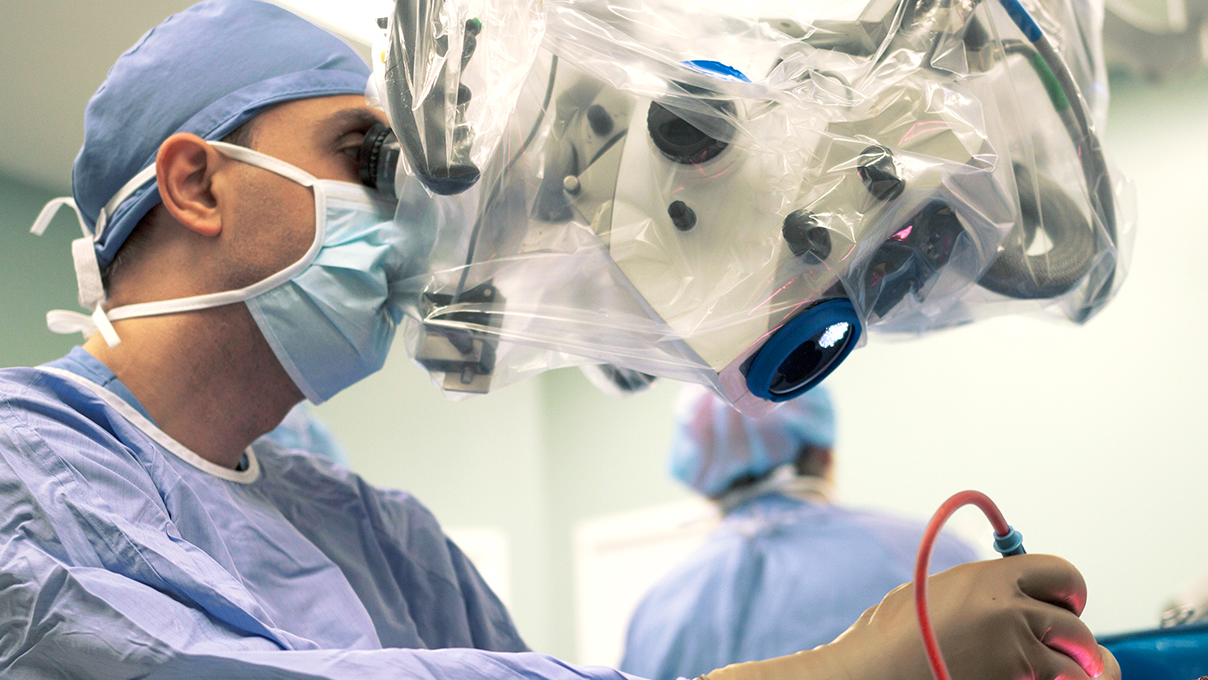
In the operating room, the surgeon uses a combination of high-magnification microscopes, neuronavigation systems, and intraoperative neuromonitoring to track nerve function in real time. For brain tumors close to language or motor areas, awake surgery with intraoperative mapping is an option. After the operation you spend 1 to 3 nights in the neurosurgical intensive care unit, then 2 to 5 nights in a private hospital room, and a further week to 10 days in a nearby hotel before flying home. Follow-up is handled by video consultation from your country.
Advanced Technologies Used in Neurosurgery
One of the real reasons neurosurgery in Turkey has grown so fast is the level of technology that private hospital groups have installed in the last decade. These are the most important systems you will actually see used in your operation:
Minimally Invasive Techniques
Endoscopic transsphenoidal pituitary surgery, tubular retractor spine surgery, keyhole craniotomy, and endoscopic third ventriculostomy for hydrocephalus all reduce tissue damage and recovery time. For spine in particular, spine surgery in Turkey is now often done through 1 to 2 cm skin incisions with overnight hospital discharge.
Neuronavigation Systems
Neuronavigation acts like a GPS for the brain. Using preoperative MRI or CT, the system tracks the surgeon's instruments inside the skull in real time with millimeter precision. Every large neurosurgery center in Istanbul runs either BrainLab or Medtronic StealthStation navigation.
Intraoperative MRI
Intraoperative MRI (ioMRI) lets the team scan the brain in the middle of the operation to confirm how much of a tumor has been removed before closing. This meaningfully increases the complete resection rate for gliomas and pituitary tumors.
Robotic-Assisted Neurosurgery
Robotic platforms such as Mazor X and ExcelsiusGPS guide pedicle screw placement in spine surgery with sub-millimeter accuracy. For functional cases, ROSA robotic systems are used for DBS lead placement and stereoelectroencephalography in epilepsy. Gamma Knife Icon and CyberKnife are also considered robotic-radiosurgical platforms and are installed at several Istanbul hospitals.
Who Is a Good Candidate for Neurosurgery in Turkey?
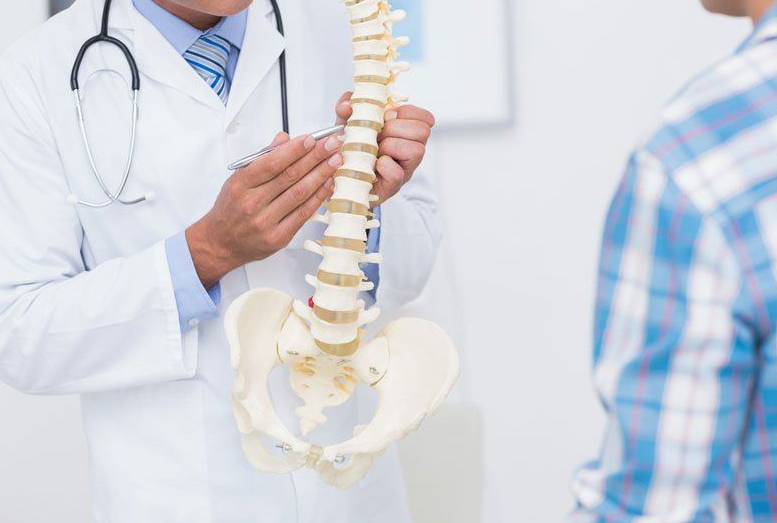
Not every neurological patient needs surgery, and not every surgical candidate is a good fit for a medical tourism route. You are likely a good candidate if one or more of the following is true:
- You have a confirmed diagnosis of a brain tumor, spinal lesion, aneurysm, AVM, movement disorder, or severe nerve compression that has been recommended for surgery by a qualified neurologist or neurosurgeon.
- Your condition is stable enough for a 3 to 4 hour flight and cabin pressure changes, as confirmed by your home physician.
- You are facing a long public waiting list in the UK, Canada, Australia or Scandinavia and your symptoms are progressing.
- Private surgery in your country is quoted at a level you cannot realistically afford.
- You need access to advanced technology (DBS, Gamma Knife, awake craniotomy, ioMRI) that is not available in your region.
- You are medically fit for general anesthesia, or for awake surgery if that is what the case requires.
- You do not have uncontrolled infections, end-stage organ failure, or bleeding disorders that would make surgery unsafe abroad.
Symptoms That Require Neurosurgical Evaluation
Many neurosurgical conditions are quiet until they suddenly aren't. See a neurosurgeon, or at least a neurologist, if you notice any of the symptoms below, especially if they are new, progressive, or unilateral (affecting only one side of the body):
- Persistent, worsening, or early-morning headaches, particularly when combined with nausea or vomiting.
- Seizures of any kind in an adult, or a change in seizure pattern if you already have epilepsy.
- New weakness, numbness, or tingling in an arm, leg, or one side of the face.
- Loss of balance, frequent falls, or coordination problems.
- Sudden speech problems, difficulty finding words, or confusion.
- Vision changes such as double vision, partial loss of vision, or unexplained blurring.
- Severe lower back or neck pain that radiates into the leg or arm, especially with weakness or bladder problems.
- Tremor, rigidity, or slow movement that is no longer controlled by medication.
- Any loss of consciousness, memory gaps, or personality changes.
- Facial pain in the trigeminal nerve distribution that is triggered by touch, chewing, or cold air.
Recovery After Neurosurgery
Recovery timelines depend heavily on what was done. After minimally invasive spine surgery, most patients walk the same evening, leave the hospital within 1 to 3 days, and fly home after 7 to 10 days. After a standard craniotomy for a brain tumor, expect 1 to 3 nights in neuro ICU, 4 to 7 more nights in the hospital, and a total stay in Turkey of 14 to 21 days before clearance to fly. DBS recovery is usually quicker than craniotomy because the surgery itself is targeted and the main programming work happens over weeks after implantation. Functional rehabilitation, physiotherapy, and speech therapy can be organized in Istanbul or continued at home.
General recovery principles after any neurosurgical procedure in Turkey:
- Early mobilization, usually within 24 hours, reduces the risk of blood clots and pneumonia.
- Pain is controlled with scheduled acetaminophen and short courses of stronger analgesics, rarely opioids long term.
- Wound care and staple or stitch removal is done before you fly home; your interpreter attends every follow-up visit.
- Driving and heavy lifting are avoided for 4 to 6 weeks for brain cases and 6 to 12 weeks for spinal fusion.
- Online follow-up with your Turkish neurosurgeon continues for at least 6 to 12 months at no extra cost through A-Medical.
Risks and Complications of Neurosurgery
Every honest conversation about brain and spine surgery has to include risks. The overall complication rate at experienced Turkish neurosurgery centers is comparable to top hospitals in the US and Europe, but potential complications include:
- Neurological deficits: weakness, numbness, vision changes, or speech problems, especially when the lesion is near eloquent brain areas.
- Infection: wound infection, meningitis, or hardware infection after spinal instrumentation.
- Bleeding: intraoperative or postoperative intracranial or epidural hemorrhage.
- Cerebrospinal fluid (CSF) leak: most often after skull base or spinal dura surgery; usually self-limiting.
- Seizures: new-onset seizures, particularly after cortical surgery.
- Deep vein thrombosis and pulmonary embolism: prevented with early mobilization and compression stockings.
- Anesthesia-related events: rare but possible, especially in long cranial operations.
- Hardware failure or adjacent segment disease: specific to spine fusion patients, usually years after surgery.
- Recurrence: some tumors and some disc herniations can recur and require repeat treatment.
Success Rates of Neurosurgery in Turkey
Across the top JCI-accredited hospitals in Istanbul and Ankara, published outcomes for neurosurgery in Turkey are comparable to leading Western centers. For elective microdiscectomy, meaningful pain relief is reported in roughly 90 to 95 percent of patients. For pituitary adenoma transsphenoidal surgery, gross total resection rates of 75 to 90 percent are typical for non-invasive tumors. For DBS in Parkinson's disease, motor symptom improvement averages 40 to 60 percent and medication requirements drop by about 50 percent. Aneurysm clipping and coiling carry morbidity rates of 3 to 7 percent in experienced hands, again in line with international benchmarks.
Keep in mind that "success rate" depends heavily on the specific pathology and the surgeon's volume. For Parkinson's treatment in Turkey, for example, outcomes are tightly linked to patient selection and neurologist-neurosurgeon coordination, which is exactly where A-Medical focuses its hospital matching.
Why Choose Turkey for Neurosurgery?
Patients from more than 100 countries now fly to Turkey for neurosurgical treatment every year. The reasons are consistent across the medical tourism market:
- Cost savings of 60 to 80 percent compared to the US, UK, Germany, and Switzerland without compromise on implant quality.
- No waiting lists. Surgery is usually scheduled within 1 to 2 weeks of file acceptance.
- JCI-accredited hospitals with more than 30 neurosurgery centers meeting international quality standards.
- Senior surgeons trained abroad in the US, Germany, France, and Johns Hopkins-affiliated programs.
- Advanced technology including 3 Tesla MRI, intraoperative MRI, Gamma Knife Icon, CyberKnife, ROSA, Mazor X, and neuronavigation.
- All-inclusive packages that cover surgery, hospitalization, medications, interpreter, hotel, and transfers in a single transparent price.
- Easy access with direct flights to Istanbul from every major European, Middle Eastern, and African hub, plus a simple e-visa or visa-on-arrival system.
- English, Arabic, Russian, German, and French-speaking medical staff in patient coordination offices.
Best Private Hospitals for Neurosurgery in Turkey
These are the hospital groups most international patients end up choosing for cranial, spinal, and functional neurosurgery. A-Medical works with the neurosurgery departments of all of them and will recommend the one that fits your diagnosis, budget, and preferred city.
Acıbadem Healthcare Group

Acıbadem runs more than 20 hospitals across Turkey and is the largest JCI-accredited private group in the country. Its neurosurgery department handles everything from awake craniotomy and skull base tumors to complex cerebrovascular cases and pediatric neurosurgery, with full Gamma Knife and CyberKnife support. Acıbadem Maslak and Acıbadem Altunizade are the two flagship sites for international patients.
Memorial Hospitals Group
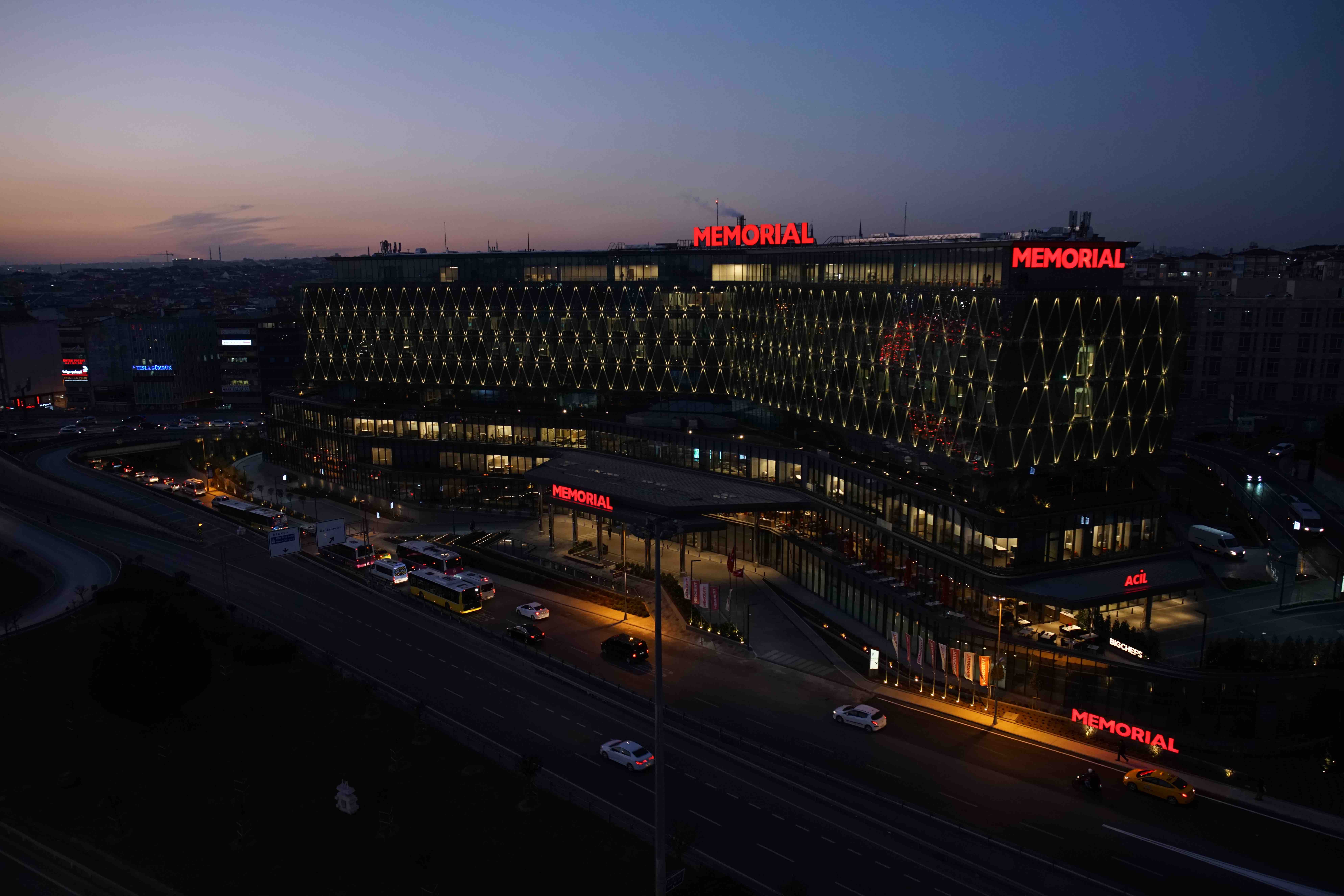
Memorial Şişli was the first JCI-accredited hospital in Turkey. The group has strong volumes in brain tumor surgery, spine surgery, and DBS, with multiple surgeons focused specifically on functional neurosurgery and movement disorders. Memorial Bahçelievler and Memorial Ankara also run major neurosurgery programs.
Medicana Health Group

Medicana International Istanbul and Medicana Ataşehir treat large numbers of international neurosurgery patients every year. Particular strengths include minimally invasive spine surgery, endoscopic pituitary surgery, and pediatric neurosurgery. Pricing at Medicana is often slightly lower than at Acıbadem and Memorial, which makes it a frequent choice for budget-conscious patients.
Liv Hospital Group
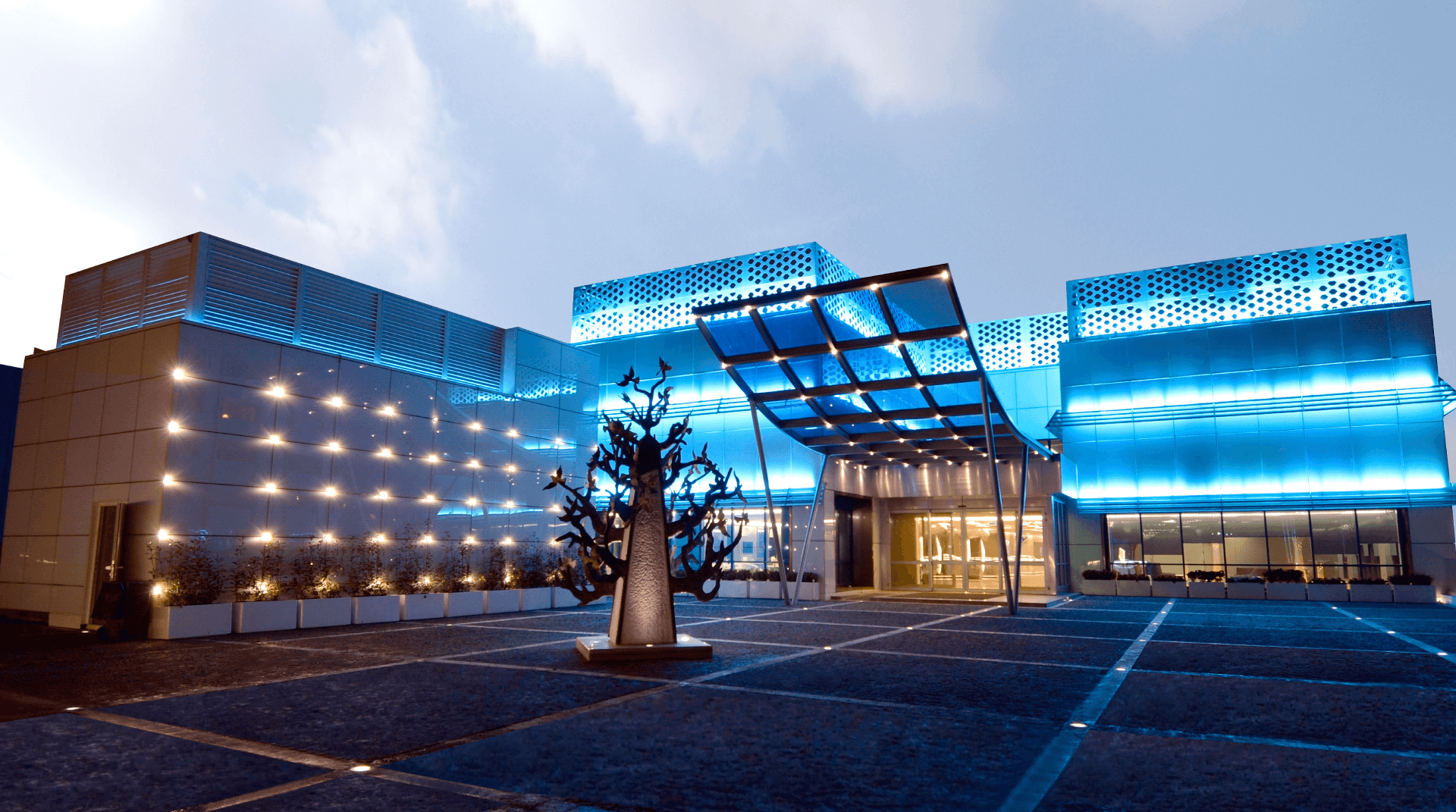
Liv Hospital, part of the Istinye University network, operates in Ulus, Vadistanbul, and Ankara. Its neurosurgery faculty includes internationally recognized names in pituitary surgery, spine deformity, and cerebrovascular work, and Liv Vadistanbul is AOSpine-recognized for global spine education.
Medical Park Hospitals
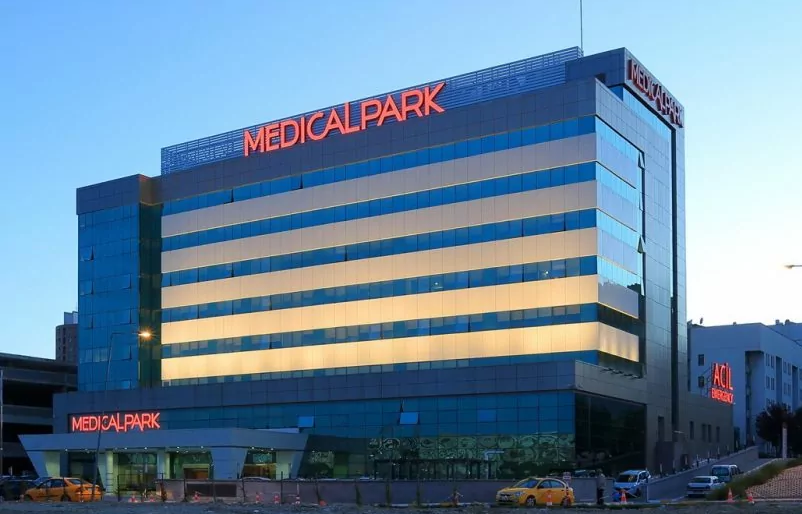
Medical Park and its premium brand VM Medical Park form the largest hospital chain in Turkey by facility count. Bahçelievler and Göztepe campuses in Istanbul run high-volume neurosurgery services, and the group is particularly active in transplantation medicine, which feeds into strong neurocritical care capability.
Optimed Health Group
Optimed is a smaller private group on the Anatolian and European sides of Istanbul focused on accessible pricing without sacrificing technical equipment. Its neurosurgery team covers spine, peripheral nerve, and basic cranial cases, and is a frequent choice for patients with straightforward disc disease on tighter budgets.
NPISTANBUL Brain Hospital
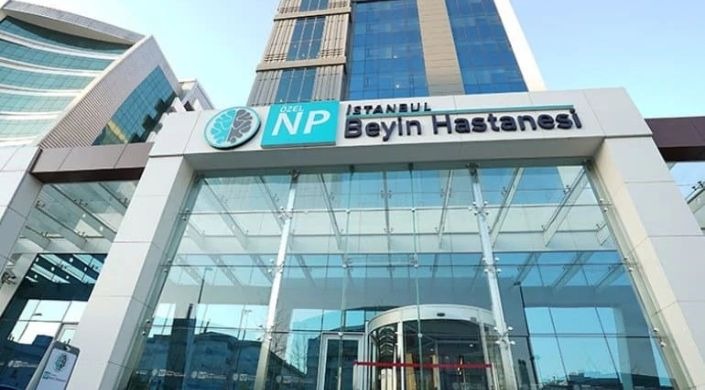
NPISTANBUL is the only fully specialized brain hospital in Turkey. Affiliated with Üsküdar University, it combines neurology, neurosurgery, psychiatry, and neuroimaging under one roof and is particularly strong in functional neurosurgery, epilepsy surgery, and DBS. Patients with complex movement disorders or drug-resistant epilepsy are often directed here.
Florence Nightingale Hospitals
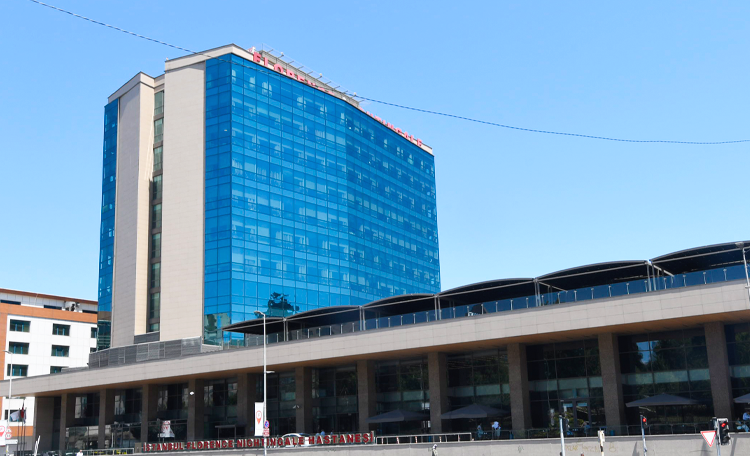
Istanbul Florence Nightingale, part of the Group Florence Nightingale network, was the first hospital in the region to perform robotic surgery and liver transplantation. Its neurosurgery clinic handles brain tumors, cerebrovascular surgery, and full spine care, and the Şişli main campus has JCI accreditation.
How A-Medical Can Help?
A-Medical is a medical tourism facilitator that matches international patients with vetted Turkish hospitals and senior neurosurgeons. We are not the hospital and we are not paid by the patient at quote stage, which means we can compare options honestly and pick the center that fits your clinical picture, not just the one with the biggest marketing budget. When you choose neurosurgery in Turkey through A-Medical, you get:
- No waiting lists. We book your consultation and surgery within 1 to 2 weeks of file approval.
- Fast appointments, including pre-operative MRI, CT, blood work, and anesthesia clearance scheduled back to back on your first day.
- Matching with the right neurosurgeon and the right hospital for your exact pathology, rather than a one-size-fits-all package.
- Transparent all-inclusive pricing confirmed in writing, usually 40 to 70 percent cheaper than Western private care.
- Airport pick-up in a private vehicle and full city transfers during your stay.
- Accommodation in medical-tourism-friendly hotels near the hospital, chosen based on your budget.
- Full interpreter support in English, Russian, Arabic, and several other languages during every consultation and round.
- Post-operative follow-up by video call with your Turkish neurosurgeon for at least 6 to 12 months after you go home.
- Honest second opinions from multiple hospitals so you can make an informed decision.
If you already have an MRI or CT report, send it to us and we will come back with a surgeon's opinion and a written cost estimate, usually within 48 hours.
Frequently Asked Questions About Neurosurgery in Turkey
How much does neurosurgery cost in Turkey?
Neurosurgery in Turkey typically costs between 5,000 and 35,000 USD depending on the procedure, which is 60 to 80 percent cheaper than equivalent surgery in the United States or the United Kingdom. Brain tumor surgery averages 8,000 to 20,000 USD, while spine surgery usually falls between 5,000 and 15,000 USD.
Is neurosurgery in Turkey safe?
Yes, neurosurgery in Turkey is safe when performed at JCI-accredited hospitals such as Acıbadem, Memorial, Medicana, or Liv. These hospitals use the same surgical equipment and follow the same international protocols as leading US and European centers, with complication rates in line with global benchmarks.
How long do I need to stay in Turkey for neurosurgery?
Plan on 7 to 10 days in Turkey for minimally invasive spine surgery and 14 to 21 days for brain tumor surgery or complex cerebrovascular operations. The stay covers preoperative tests, the surgery itself, hospital discharge, follow-up checks, and stitch or staple removal before you fly home.
Do Turkish neurosurgeons speak English?
Most senior neurosurgeons at leading private hospitals in Istanbul and Ankara speak fluent English, and many also speak German, French, or Arabic. A-Medical additionally provides an in-person medical interpreter during every consultation, hospital round, and discharge session so nothing gets lost in translation.
Can I avoid long waiting lists by choosing neurosurgery in Turkey?
Yes, this is one of the main reasons international patients come. Once your MRI or CT file is accepted by the hospital, surgery is usually scheduled within 1 to 2 weeks, compared with 6 to 18 months of NHS or public system waiting in the UK, Canada, and much of Europe.
What should I send to get a quote for neurosurgery in Turkey?
Send your most recent MRI or CT scan (the actual DICOM images if possible, not just the report), the written radiology report, a short summary of your symptoms, and a list of current medications. With this, A-Medical can return a surgeon's opinion and a written cost estimate from 2 to 3 hospitals within 48 hours.
Are the implants and devices used in Turkish neurosurgery the same as in Europe?
Yes, top Turkish hospitals use the exact same implants and devices as leading Western hospitals, including Medtronic and Boston Scientific DBS systems, Stryker and Depuy spine hardware, and BrainLab or Medtronic neuronavigation. The brand and model of any implant is confirmed in writing inside your all-inclusive package quote.
Conclusion
Neurosurgery in Turkey has matured into a serious, internationally respected option for patients dealing with brain tumors, spine disease, aneurysms, movement disorders, and peripheral nerve problems. You get JCI-accredited hospitals, foreign-trained senior surgeons, the same robotic and imaging platforms used in New York or Berlin, and you avoid the 6 to 18-month waiting lists and inflated private pricing that most Western healthcare systems now impose. Between cost savings of 60 to 80 percent, fast scheduling, and full A-Medical support from landing to follow-up, choosing neurosurgery treatment in Turkey is, for many international patients, simply the more rational path. If you think surgery might be in your future, the best next step is to send us your imaging and let a neurosurgeon tell you, honestly, whether you need an operation at all, and if so, which hospital is the right fit for your specific case.