Glioma
A glioma is a type of brain tumor that develops in the central nervous system and originates from glial cells. These cells play a vital role in maintaining the health and function of nerve cells. When genetic mutations occur in glial cells, uncontrolled growth can lead to tumor formation. Gliomas can develop in different parts of the brain and spinal cord. The most common locations include the cerebral hemispheres, brainstem, cerebellum, and spinal cord. The tumor’s size, location, and growth rate vary significantly from one patient to another. Although gliomas are relatively rare compared with other cancers, some subtypes are more common than others. Understanding glioma types, symptoms, diagnosis, and treatment options is essential for early detection and effective care. Specialized treatment is available at leading centers such as Sheba Medical Center. Glioma Types Glioma is an umbrella term that includes several subtypes, classified based on the type of glial cell involved and the tumor’s location. Astrocytoma Astrocytomas arise from astrocytes, star-shaped glial cells that support and protect neurons. These tumors often infiltrate healthy brain tissue, making high-grade astrocytomas difficult to remove completely. Grades: Grade 1: Pilocytic astrocytoma, SEGA, pleomorphic xanthoastrocytoma Grade 2: Diffuse astrocytoma Grade 3: Anaplastic astrocytoma Grade 4: Glioblastoma Most diagnosed gliomas are astrocytomas, ranging from low-grade to highly aggressive forms. Brainstem Glioma Brainstem gliomas develop in the brainstem, a region that controls vital functions such as breathing and heart rate. Because of their location, surgery is often not possible. Types: Focal brainstem gliomas: Slow-growing, localized, less aggressive Diffuse intrinsic pontine glioma (DIPG): Rapidly growing, highly aggressive, infiltrates surrounding tissue Ependymoma Ependymomas originate from ependymal cells, which line the ventricles of the brain and the central canal of the spinal cord. Grades: Grade 1–2: Low-grade, often found in the spinal cord Grade 3: High-grade, more common in the brain Mixed Glioma Mixed gliomas contain more than one type of glial cell. Their behavior and aggressiveness depend on the specific cell combination and tumor grade. Oligodendroglioma Oligodendrogliomas arise from oligodendrocytes, cells that insulate nerve fibers. Grades: Grade 2: Slow-growing, low-grade Grade 3 (Anaplastic): Fast-growing, aggressive Optic Pathway Glioma Optic gliomas develop along the optic nerve, optic chiasm, or hypothalamus, often affecting vision. Stages: Stage 1: Optic nerve involvement Stage 2: Optic chiasm involvement Stage 3: Hypothalamic involvement Glioma Symptoms Symptoms depend on tumor location and size. Common signs include: Persistent or worsening headaches Difficulty with balance and walking Vision problems Nausea and vomiting Sudden seizures Confusion or memory problems Personality or behavioral changes Speech difficulties Unexplained weight changes Symptoms vary widely, and not all patients experience the same signs. Risk Factors Known factors associated with a higher risk of glioma include: Genetic conditions: Neurofibromatosis type 1, Turcot syndrome, Li-Fraumeni syndrome Family history: Rare, but reported in some families Previous exposure to ionizing radiation, especially childhood radiotherapy Age: More common in children aged 5–8 and adults aged 45–65 Glioma Diagnosis Diagnosis involves multiple steps: Physical exam and medical history Neurological examination CT scan for structural imaging MRI for detailed tumor visualization Biopsy to identify tumor type and grade Lumbar puncture (in select cases) Molecular testing to guide personalized treatment Glioma Grading Gliomas are graded from 1 to 4, based on how abnormal the tumor cells appear and how fast they grow. Low-Grade Gliomas (Grades 1–2) Slow-growing Less aggressive Often treated with surgery ± chemotherapy Generally favorable prognosis High-Grade Gliomas (Grades 3–4) Rapid growth Highly malignant May arise spontaneously or from lower-grade tumors Require aggressive treatment Glioma Treatment Options Treatment depends on tumor type, grade, and location: Surgery Radiation therapy Chemotherapy High-dose chemotherapy with bone marrow transplant (select cases) Targeted therapy, which attacks cancer cells while sparing healthy tissue Glioma Prognosis (Approximate 5-Year Survival Rates) Grade 1: ~95% Grade 2: ~40–50% Grade 3: ~25–30% Grade 4: ~5–10% Prognosis varies based on individual factors and response to treatment.


Patients served
Countries
Clinics
Experienced doctors
Your Benefits and Guarantees with Amedical
Experience a seamless and secure breast lift journey with Amedical.
Transparent Prices and Flexible Installment Plans
No hidden fees — only official clinic prices. You can pay for your breast lift directly at the clinic upon arrival and use a flexible installment plan if needed.

Verified Clinics and Doctors Only
Amedical is fully committed to your safety. We cooperate exclusively with medical institutions that meet high international standards in breast lift procedures and are licensed to serve international patients.

Free 24/7 Support Service
Amedical provides free expert assistance. Your personal medical coordinator supports you before, during, and after your treatment, helping to resolve any issues. You are never alone on your breast lift journey.

Your personal AMedical medical coordinator

Supports you at every stage
Helps choose the right clinic and doctor
Ensures quick and convenient access to information
Loading clinics...
Our Trusted Doctors
Our doctors are highly skilled and experts in their fields.

PD Dr. med. Patrick Weber is a highly respected specialist in the implantation and revision of hip and knee endoprostheses. With extensive academic and surgical experience, he is recognized as one of Germany’s leading experts in modern joint replacement surgery. During his many years at the University Hospital of Munich (LMU) – Klinikum Großhadern, Dr. Weber served as Head of Hip Arthroplasty and Deputy Head of Knee Arthroplasty, gaining comprehensive expertise across the full spectrum of endoprosthetic surgery—including highly complex cases such as hip dysplasia and post-traumatic osteoarthritis. Expertise in Minimally Invasive Hip Replacement (AMIS) For many years, Dr. Weber has specialized in the minimally invasive, muscle-sparing implantation of hip prostheses using the AMIS method. He is internationally regarded as a reference surgeon and instructor for this advanced technique, which supports faster recovery and improved mobility. Another major focus of his work is the revision and replacement of existing hip and knee implants, particularly in cases of loosening, pain, or implant failure. Key Areas of Specialization Dr. Weber’s surgical expertise includes: Hip replacement surgery using the AMIS approach Knee replacement surgery, including unicondylar (partial) knee prostheses Implantation of hip and knee prostheses in complex anatomical situations, such as: Hip dysplasia Post-traumatic arthritis Revision arthroplasty (exchange of hip and knee prostheses) Conditions Treated Dr. Weber provides expert care for patients with: Coxarthrosis (hip osteoarthritis) Gonarthrosis (knee osteoarthritis) Painful or loosened endoprostheses Femoral head necrosis (avascular necrosis) Academic & International Recognition With more than 150 scientific publications and international lectures, PD Dr. Weber is a regularly invited speaker at leading national and global congresses focused on joint replacement and endoprosthetics. His combination of surgical precision, minimally invasive expertise, and academic leadership makes him a trusted authority in advanced hip and knee arthroplasty.
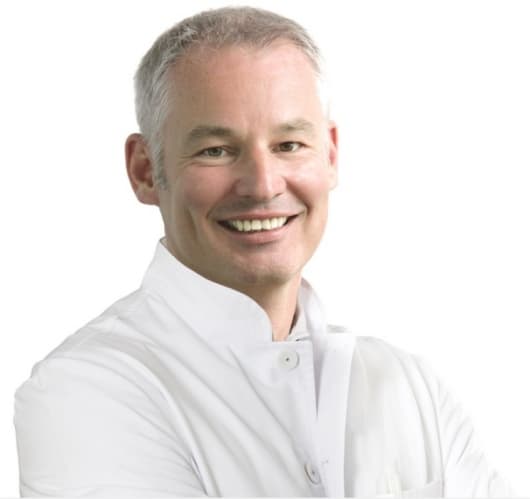
Director of the Hip Center – ATOS Clinic Munich The Hip Center at ATOS Clinic Munich is led by Dr. med. Raimund Völker, a founding member of the clinic and one of the most experienced specialists in hip endoprosthetics worldwide. Dr. Völker is among the very few internationally recognized surgeons who exclusively dedicate their practice to hip surgery. This exceptional level of specialization provides significant advantages for patients, allowing for highly precise treatment planning, advanced surgical expertise, and consistently outstanding outcomes. With over 20 years of experience in both standard hip replacement and bone-preserving hip resurfacing, Dr. Völker offers each patient the most suitable procedure based on individual anatomy, lifestyle, and long-term goals. Excellence in Hip Arthroplasty & Implant Quality Unlike standard approaches that rely on routine implants, Dr. Völker uses only high-quality, long-established original prosthetic systems at ATOS Clinic. This ensures: Maximum implant durability Long-term safety Excellent functional results His philosophy combines proven methods with innovation to provide the best possible joint replacement strategy for every patient. Minimally Invasive & Muscle-Sparing Surgery Dr. Völker applies modern surgical techniques that are: Minimally invasive Muscle-sparing Bone-conserving These approaches support faster recovery, improved mobility, and enhanced joint stability. Together with individualized implant selection and early intensive physiotherapy, patients benefit from an optimized Fast Track Recovery program. Key Areas of Expertise & Procedures Dr. Völker’s clinical focus includes: Diagnosis and treatment of hip osteoarthritis and its causes Advanced cartilage treatment options, including MRI-based cartilage cell therapy Total hip replacement (total endoprosthesis) Hip resurfacing surgery following the McMinn method (BHR) Short-stem hip prostheses Minimally invasive hip replacement techniques Enhanced Recovery Programs (ERP) Computer-assisted navigation for surgical precision
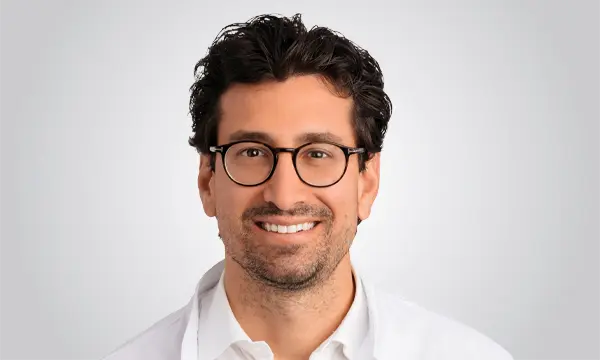
Specialist in orthopaedics and accident surgery, sports medicine Medical Director ATOS Clinic Munich Prof. Dr. med. Mark Tauber provides the entire spectrum of modern shoulder surgery. His main focus is on the minimally invasive treatment of upper arm head fractures and the arthroscopic treatment of shoulder pathologies Range of Services: Implantation and replacement of shoulder prostheses Arthroscopic suture of the rotator cuff Revisions after failed rotator cuff rupture Care of upper arm head fractures and long-term consequences Arthroscopic and open shoulder stabilisation after dislocation Dislocations of the shoulder joint Early osteoarthritis of the shoulder, cartilage regeneration Calculus shoulder Frozen shoulder
Related Articles
Stay informed with our latest medical insights and health tips
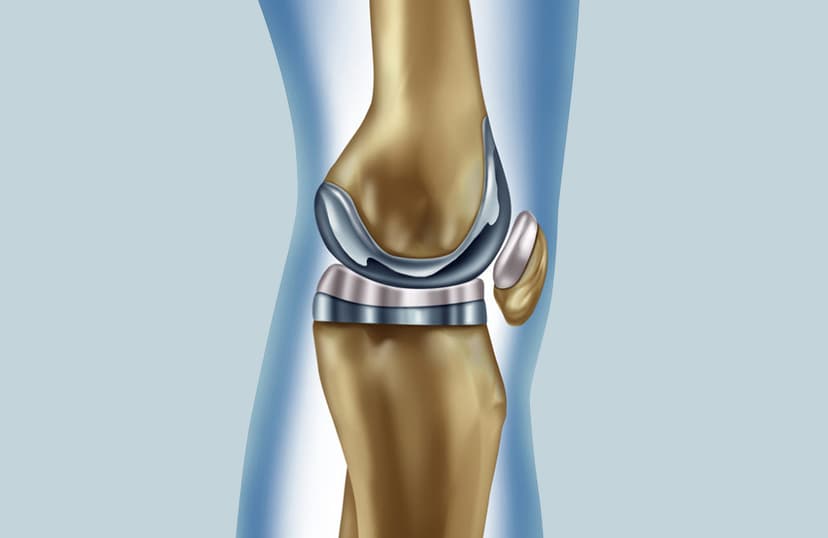
Best and Cheapest Countries for Hip Replacement Surgery Abroad
In this article, we offer a comprehensive guide for individuals considering hip replacement surgery abroad.
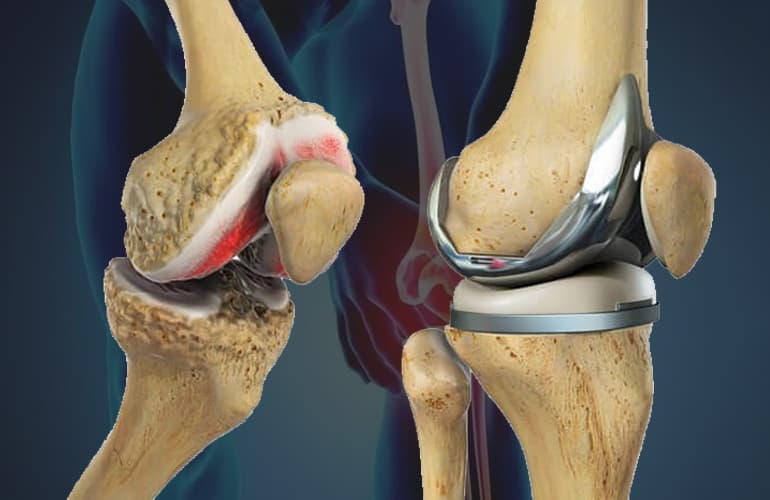
Best Clinics for Total Knee Replacement Surgery Abroad
Finding the best clinics for total knee replacement surgery abroad is a crucial decision for patients looking for high-quality, cost-effective, and advanced medical care.

Multiple Sclerosis (MS) Treatment in Turkey
Access world-class Multiple Sclerosis treatment in Turkey with up to 60% savings. Our 2026 guide details advanced therapies like Stem Cell and DBS, top JCI-accredited hospitals, and all-inclusive pack...
Country Treatment
Find the best treatment options available in your country.
Get a free consultation
Talk to our experts and discover the best solution for your needs completely free of charge.