Contents
Multiple sclerosis is a common autoimmune disorder in humans, occurs when the body's immune system mistakenly attacks itself. This leads to issues such as muscle weakness, balance problems, and speech impairment, affecting the central nervous system. The severity of this chronic disorder varies from person to person.
Turkey is the best and most affordable destination for multiple sclerosis treatment. The country offers budget-friendly, comfortable, and highly successful options for international patients.
Turkey's clinics have proven success in treating MS disease, elevating patients' quality of life. Renowned doctors utilize advanced methods, contributing significantly to the effective management of MS.
This article focuses on MS treatment in Turkey, covering the methods employed, the best clinics and doctors, general information about the disease, and treatment costs.
Multiple Sclerosis Treatment in Turkey at a Glance
- Average Cost: $3,000 - $20,000 (Varies by treatment type)
- Key Treatments: Stem Cell Therapy, Deep Brain Stimulation (DBS), Physiotherapy, Medication
- Success Rate: High success in symptom management and slowing progression
- Hospital Quality: JCI-Accredited, ISO Certified World-Class Facilities
- Waiting Time: None (Immediate appointment)
- Duration of Stay: 3 days to 3 weeks (Depending on the procedure)
- Language Support: English, Arabic, Russian (Dedicated interpreters available)
- Visa Procedure: Easy E-Visa availability for many countries
What is multiple sclerosis?
Multiple sclerosis is a condition caused by the breakdown of the protective sheath around nerve fibers in the brain and spinal cord, known as the myelin sheath. This damage results in hardening of myelin tissues, forming sclerosis. These scleroses turn into plaques, which can grow in the nervous system, hindering message transmission along the nerves.
Despite its rarity, multiple sclerosis stands out as one of the most widespread autoimmune disorders worldwide. In 2026, close to 3 million individuals worldwide contend with multiple sclerosis, with Turkey hosting approximately 100,000 cases.
What causes multiple sclerosis?
The exact cause of multiple sclerosis remains uncertain. Some factors believed to contribute to its development include climate, region of residence, viral infections, genetic predisposition, and certain diseases.
Scientists suggest that the higher incidence of MS in northern countries, compared to those near the equator, may be linked to vitamin D deficiency. This connection is based on the lower number of sunny days in the north.
MS is commonly diagnosed between ages 20-40, more often in women. The reason for this gender difference is not yet understood.
What are the symptoms of multiple sclerosis?
The symptoms of MS are varied and differ among patients. The severity, attack frequency, and intervals can vary as well. Two common symptoms include difficulty walking and fatigue.
MS can lead to challenges in walking, increasing the risk of injuries from falls. This difficulty may result from issues like maintaining balance, numbness in legs or feet, muscle weakness, and muscle spasticity.
About 80% of MS patients experience fatigue, which can significantly impact daily life and work. This feeling of tiredness weakens individuals, making it challenging to carry out regular activities.
Other common symptoms of MS:
- Difficulty maintaining balance
- Numbness in legs or feet
- Muscle weakness
- Muscle spasticity
- Slurred speech
- Bladder and bowel issues
- Dizziness
- Blurry vision
- Challenges with thinking, memory, or focus
- Feelings of depression
Diagnosis of multiple sclerosis in Turkey
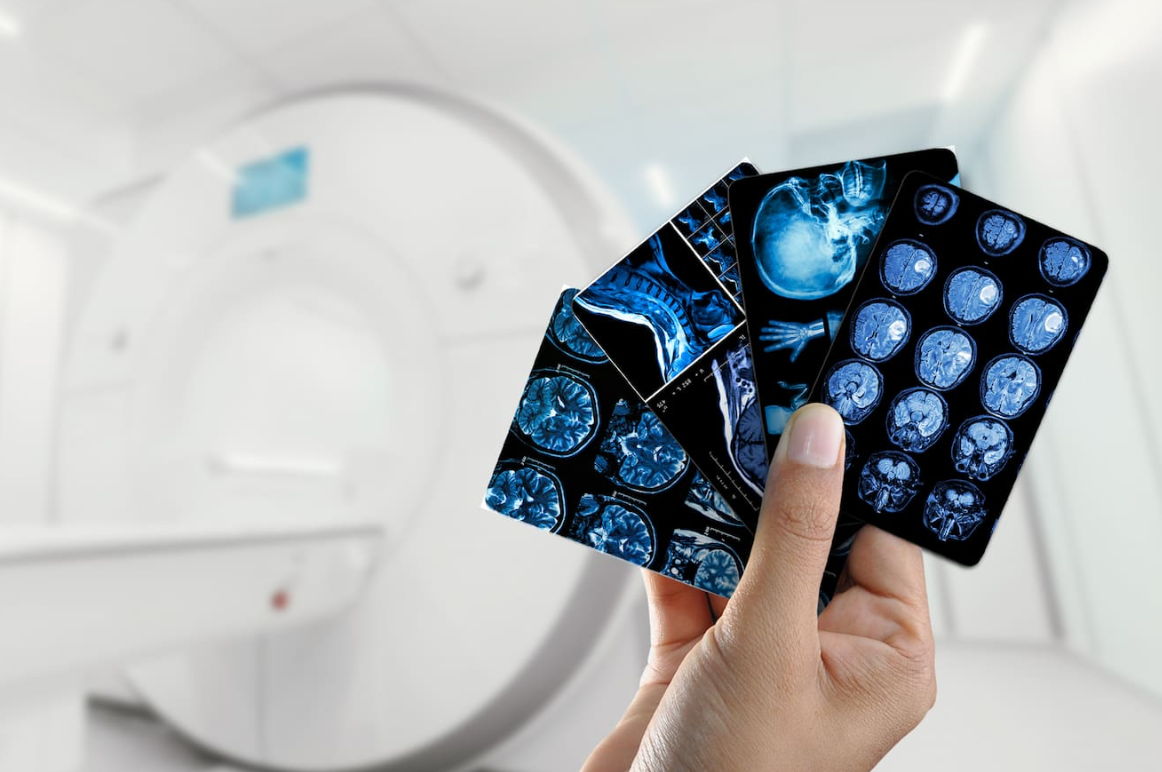
Turkish clinics employ advanced imaging devices and diagnostic techniques for early detection of multiple sclerosis (MS). Thanks to immunological monitoring technologies, precise diagnoses in the initial stages of MS are now achievable in Turkey.
In the initial MS diagnosis phase, Turkish doctors conduct physical and neurological examinations, requiring evidence of damage to at least two distinct regions of the central nervous system, such as the spinal cord, brain, and optic nerves.
During the patient's clinical history assessment, pertinent details like birthplace, family and medical history, travel experiences, and environmental exposures are gathered. Tests evaluating strength, balance, coordination, mental, emotional, and language functions, as well as reflexes, walking, vision, and other senses, are conducted.
Turkish neurologists use the following diagnostic methods to make an accurate diagnosis of MS:
- Magnetic Resonance Imaging (MRI) Scan
- Optical Coherence Tomography (OCT)
- Spinal Tap
- Blood Tests
- Visual Evoked Potentials (VEP) Test
- Analysis of cerebrospinal fluid (lumbar puncture)
Multiple Sclerosis (MS) Treatment in Turkey
Turkish clinics offer effective treatments for multiple sclerosis, enhancing the patient's well-being and resilience against MS. These treatments focus on reducing MS attacks, addressing symptoms, safeguarding and restoring nervous system functions, and slowing down the disease's progression.
The key methods employed for MS treatment in Turkey include:
- Physiotherapy
- Plasmapheresis
- Drug treatment
- Speech therapy correction
- Psychotherapy
- Stem cell treatment
- Deep brain stimulation
MS treatment typically begins with medication, incorporating Immunomodulators, immunosuppressants, and Corticosteroids. Biopolymers and non-steroidal anti-inflammatory drugs are also utilized, improving nerve impulse transmission and neuron nourishment.
Innovative Multiple Sclerosis Treatment Methods in Turkey
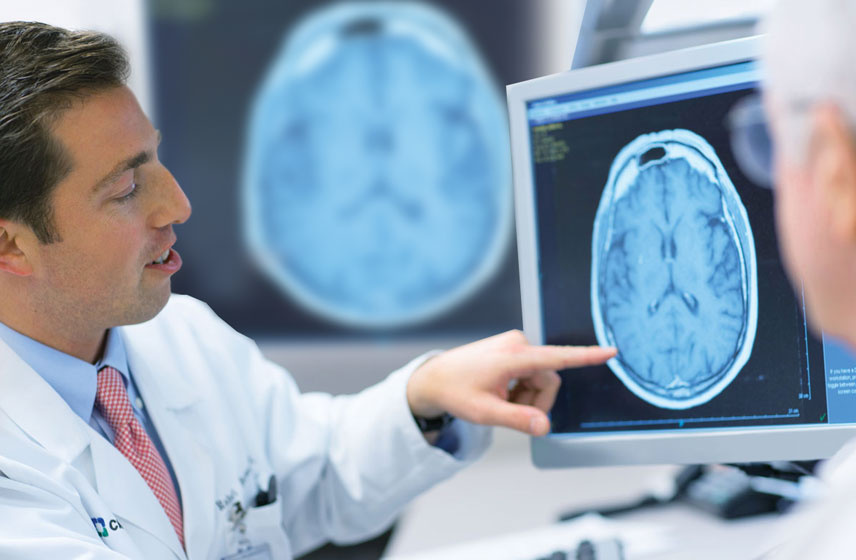
Two main innovative methods stand out in the treatment of multiple sclerosis in Turkey and provide a high success rate. One of these is deep brain stimulation and the other is stem cell therapy.
Deep Brain Stimulation in for Multiple Sclerosis Treatment in Turkey
Deep Brain Stimulation, a modern approach for conditions like Parkinson's disease, essential tremor, brain tumors, and MS disorders, deactivates specific brain areas without causing permanent damage.
In treating MS, Deep Brain Stimulation doesn't offer a complete cure since it can't eliminate multiple sclerosis. However, it effectively manages symptoms like vision loss, weakness, and severe tremors associated with the condition.
Dr. Ali Zirh, an Associate Professor, conducts the Deep Brain Stimulation procedure to treat MS in Turkey via A-Medical. He has gained global recognition for helping over 1500 patients using this method.
Stem cell treatment
Mesenchymal stem cells (MSCs) are adult stem cells located in different body parts like bone marrow, skin, and fatty tissue. They generate cells supporting proper function in other stem cells.
In treating multiple sclerosis, mesenchymal stem cells offer a recent breakthrough. Studies reveal their effectiveness in repairing myelin damage, preventing harm to the protective myelin sheath.. Stem cell therapy not only slows down but also aids in halting the progression of the disease.
Turkey is currently excelling in multiple sclerosis treatment through stem cells, marking significant success in this field.
Benefits of Multiple Sclerosis Treatment in Turkey
Many patients opt for overseas multiple sclerosis treatment, drawn by advantages like high-quality care, direct access to leading doctors, and lower expenses. In the United States, annual treatment costs can soar to $100,000, totaling around $130,000 for diagnosis and treatment. In contrast, Turkey offers an average cost of $16,000, ranging from a minimum of $500 to a maximum of $60,000. It's essential to note that these figures are averages and may fluctuate.
Let's take a look at other benefits that lead people to choose Turkey for multiple sclerosis treatment.
First-class doctors & surgeons
In Turkey's JCI-accredited clinics, highly successful doctors treat multiple sclerosis with excellent outcomes. Accessing top-tier, experienced, and successful doctors in Turkey is more convenient and affordable than in other countries.
There is no waiting period
In many countries, people seeking treatment for multiple sclerosis often endure lengthy waiting times, spanning several months. However, in Turkey, this isn't an issue. Our official partnerships with JCI-accredited clinics enable swift acceptance for our patients, allowing them to promptly begin their treatment.
Accommodation and transportation
Experience seamless Multiple Sclerosis treatment in Turkey with A-Medical. Benefit from discounted rates for cozy stays in 4/5 star hotels.
Upon arrival, a private driver and car await you at the airport for hassle-free transportation to the clinic. Depart with ease as our private driver ensures a direct trip back to the airport. Enjoy convenience at every step.
There is no language barrier
Getting treatment in another country can be stressful because of language barriers with doctors. At A-Medical health tourism, we solve this problem by providing a dedicated assistant. Your assistant serves as a translator and support, making sure communication is smooth and assisting you at every step.
Multiple sclerosis treatment cost in Turkey
Many international patients wonder how much does multiple sclerosis treatment cost in Turkey. In general, the multiple sclerosis treatment cost in Turkey ranges between $3,000 and $20,000 depending on the treatment method required. For an accurate cost estimate, kindly send your medical details and records to us on WhatsApp.
Contact us today via WhatsApp for a free intake and get your personalized plan immediately.
What affects the price of multiple sclerosis treatment in Turkey?
Factors affecting multiple sclerosis treatment cost in Turkey:
- Type of Treatment: Standard drug therapies differ significantly in price compared to advanced procedures like Stem Cell Therapy or Deep Brain Stimulation (DBS).
- Stage of the Disease: Early-stage management may require fewer resources than advanced-stage rehabilitation.
- Choice of Medical Facility: Prices may vary slightly between university hospitals and private JCI-accredited clinics.
- Duration of Hospitalization: The length of your stay in the hospital for observation or rehabilitation affects the total cost.
- Additional Therapies: Physical therapy, speech therapy, or psychological support sessions included in the package.
Choosing multiple sclerosis treatment in Turkey is a smart, budget-friendly decision, costing 50-60% less compared to Europe, the United Kingdom, and the United States.
Multiple Sclerosis Treatment Cost Comparison: Turkey vs. USA, UK, Germany, Israel
Turkey offers a significant financial advantage without compromising medical quality. When compared to the United States, the United Kingdom, and European countries like Germany, patients can save up to 60-70% on their medical expenses. Below is a general comparison of estimated costs for comprehensive MS treatment and management:
- United States: Treatment costs can exceed $100,000 annually depending on the therapy.
- United Kingdom: Private care and advanced treatments often range above $40,000.
- Germany: Medical care for MS generally starts from $35,000 for international patients.
- Israel: Advanced treatment packages are typically around $30,000 - $40,000.
- Turkey: Comprehensive treatment packages range between $3,000 and $20,000 depending on the method.
Are There Hidden Fees in MS Treatment with A-Medical?
Transparency is our core principle at A-Medical. International patients often worry about unexpected costs or hidden fees, but we eliminate this risk entirely.
- Free Medical Planning: We schedule your doctor appointments and create your treatment plan completely free of charge before you even arrive.
- Upfront Cost: You will know the final estimated cost of your treatment before your travel.
- Direct Payment to the Clinic: A-Medical does not collect payment for the treatment. You make your payments directly to the hospital or clinic where you receive care.
- No Agency Fees: We do not charge you any mediation or hidden agency fees for our services.
Top 10 Hospitals for Multiple Sclerosis Treatment in Turkey

Top 10 hospitals for Multiple sclerosis treatment in Turkey:
- Florence Nightingale Hospital
- Koç University Hospital
- American Hospital
- Acıbadem Hospital
- Memorial Şişli Hospital
- Liv Hospital Ulus
- Anadolu Medical Center (in affiliation with Johns Hopkins Medicine)
- NP Istanbul Brain Hospital
- Medipol Mega University Hospital
- Medicana International Istanbul
Best Doctors for Multiple Sclerosis Treatment in Turkey
The best doctors and surgeons in Turkey for multiple sclerosis ms treatment are:
- Prof. Dr. Azmi Hamzaoğlu (Florence Nightingale Hospital)
- Assoc. Prof. Dr. Ali Zırh (Medipol University Hospital)
- Prof. Dr. Aksel Siva (American Hospital)
- Prof. Dr. Ayşe Altıntaş (Koç University Hospital)
- Bülent Kahyaoğlu (American Hospital)
How A-Medical Can Help?
A-Medical simplifies your entire treatment journey in Turkey, ensuring a seamless and stress-free experience. We manage every step of the process so you can focus solely on your recovery.
- Quick & Easy Access: We bypass long waiting lists and schedule your appointments immediately.
- Free Medical Planning: We organize your treatment plan and consultations before you even arrive, completely free of charge.
- Full Logistics Support: We handle your accommodation bookings, VIP airport transfers, and local transportation.
- Best Price Guarantee: Benefit from exclusive discounts and fixed prices at top-tier clinics only available through us.
- 24/7 Personal Assistance: You are never alone; our dedicated assistants and interpreters are with you at every stage.
Contact us today via WhatsApp for a free intake and get your personalized plan immediately.