Contents
Turkey has become one of the leading destinations for families seeking autism treatment abroad. With internationally accredited clinics, experienced developmental specialists, and therapy costs that are significantly lower than in the USA or UK, the country offers structured and evidence-based care for children diagnosed with Autism Spectrum Disorder (ASD). Whether families need behavioral therapy, speech and language intervention, occupational therapy, or advanced options like stem cell therapy, Turkey provides comprehensive programs with minimal waiting times. This guide covers everything international families need to know about autism treatment in Turkey, including therapy types, clinic options, costs for 2026, and how A-Medical supports the entire process.
What Is Autism Spectrum Disorder?

Autism Spectrum Disorder is a neurodevelopmental condition that affects how a person communicates, interacts with others, and processes sensory information. According to the Centers for Disease Control and Prevention (CDC), approximately 1 in 36 children in the United States is diagnosed with autism. The condition appears in early childhood, usually before age three, and persists throughout a person's life. ASD is characterized by a wide range of symptoms that vary in severity. Some children may have mild difficulties with social interaction, while others may have significant challenges with speech, behavior, and daily living skills.
The term "spectrum" reflects the diversity in how autism presents itself. Children on the spectrum may show advanced abilities in specific areas such as memory, math, or music, while facing difficulties in communication or emotional regulation. Autism is not a disease and cannot be "cured" in the traditional sense. However, with early diagnosis and consistent, structured intervention, individuals with ASD can achieve meaningful improvements in communication, social skills, independence, and overall quality of life. This is why families worldwide are seeking high-quality autism treatment options in countries like Turkey, where care is both affordable and clinically advanced.
Signs and Symptoms of Autism
Parents often notice the first signs of autism between 12 and 36 months of age. Recognizing these indicators early is critical because early intervention programs lead to better developmental outcomes. Common signs and symptoms of autism include:
- Limited or no eye contact during conversations or play
- Delayed speech development or complete absence of spoken language
- Difficulty understanding social cues, facial expressions, or body language
- Repetitive behaviors such as hand-flapping, rocking, or lining up objects
- Strong resistance to changes in routine or environment
- Sensory sensitivities, including overreaction or underreaction to sounds, textures, light, or taste
- Difficulty forming or maintaining peer relationships
- Echolalia, which involves repeating words or phrases heard from others
- Challenges with imaginative play or understanding abstract concepts
Not every child with ASD will show all these symptoms, and the severity varies significantly from one individual to another. Some children may have co-occurring conditions such as ADHD, anxiety, epilepsy, or gastrointestinal problems, which can complicate diagnosis and treatment planning. Early screening using validated tools such as the Modified Checklist for Autism in Toddlers (M-CHAT) and professional evaluation by a pediatric neurologist or child psychiatrist can help confirm the diagnosis and begin therapy promptly.
How Autism Is Diagnosed in Turkey

Turkey follows internationally recognized diagnostic protocols for ASD, including criteria outlined in the DSM-5 (Diagnostic and Statistical Manual of Mental Disorders, Fifth Edition). Leading clinics in Istanbul, Ankara, and Izmir use a multidisciplinary evaluation approach that combines:
- Pediatric neurology consultation and neurological examination
- Child and adolescent psychiatry assessment
- Standardized autism-specific screening tools such as ADOS-2 (Autism Diagnostic Observation Schedule) and CARS (Childhood Autism Rating Scale)
- QEEG functional brain imaging to evaluate brain activity patterns
- Speech-language and developmental assessments
- Genetic testing and blood panels when appropriate
- EEG and MRI scans to rule out other neurological conditions
A comprehensive diagnostic evaluation in Turkey typically costs between $850 and $3,500, depending on the clinic and the scope of testing. Clinics such as NP Istanbul Brain Hospital, which is JCI-accredited and ranked among the top brain hospitals in Europe, offer full diagnostic packages that include brain mapping, genetic counseling, and detailed developmental reports. The evaluation process usually takes two to five days, after which the medical team provides a clear diagnosis and a personalized treatment plan.
Who Is a Good Candidate for Autism Treatment?

Almost any child or adult diagnosed with ASD can benefit from structured therapy. However, the best candidates for autism treatment in Turkey typically include:
- Children who have received a formal ASD diagnosis and need an intensive, structured therapy program
- Families who face long waiting lists for therapy services in their home country
- Children aged 2 to 12 years who are within the critical window for early intervention
- Patients who have not shown adequate progress with local therapy options
- Families seeking a multidisciplinary approach combining behavioral, speech, occupational, and sensory therapies
- Candidates for stem cell therapy, typically children aged 3.5 years and older with a minimum body weight of 20 kilograms
The ideal treatment plan depends on the child's specific needs, age, severity of symptoms, and any co-occurring conditions. A thorough evaluation by the clinical team in Turkey will determine the most appropriate combination of therapies and the recommended intensity of the program.
Types of Autism Treatment in Turkey

Turkey offers a wide range of therapeutic interventions for autism, from well-established behavioral methods to innovative regenerative approaches. Families traveling to Turkey for autism treatment can access the following evidence-based therapies under one roof at most multidisciplinary clinics.
Behavioral Therapy (ABA Therapy)
Applied Behavior Analysis (ABA) is the most widely researched and recommended behavioral intervention for autism. ABA therapy breaks down complex skills into smaller, manageable steps and uses positive reinforcement to encourage desired behaviors. In Turkey, ABA programs are delivered by certified therapists who tailor each session to the child's developmental level and goals. Intensive ABA programs, which may include 20 to 40 hours of therapy per week, have shown significant improvements in communication, social interaction, self-care skills, and reduction of challenging behaviors. A single ABA session in Turkey typically costs between $40 and $80, which is a fraction of the $120 to $200 per hour charged in the United States.
Speech and Language Therapy
Communication difficulties are among the core challenges of ASD. Speech and language therapy in Turkey addresses both verbal and non-verbal communication skills. Therapists work on articulation, vocabulary development, sentence construction, pragmatic language (understanding social context), and augmentative and alternative communication (AAC) methods for non-verbal children. Sessions are typically 30 to 60 minutes long and can be integrated into a broader therapy schedule. Many clinics in Turkey use video-based documentation to track progress over time, allowing families to see measurable improvements.
Occupational Therapy
Occupational therapy (OT) helps children with autism develop the fine motor skills, self-care abilities, and adaptive behaviors needed for daily life. Turkish OT specialists focus on hand-eye coordination, dressing, feeding, handwriting, and play skills. They also address sensory processing issues that often accompany autism. For families looking to explore broader options for developmental care, you can review the top new treatments for autism in 2026 to learn about emerging therapies used alongside traditional OT approaches.
Sensory Integration Therapy
Many children with autism experience sensory processing difficulties. They may be hypersensitive to certain sounds, textures, or lights, or they may seek out intense sensory input. Sensory integration therapy, delivered in specially designed sensory rooms equipped with swings, tactile surfaces, weighted blankets, and other tools, helps children regulate their responses to sensory stimuli. This type of therapy is commonly offered alongside occupational therapy in Turkish clinics and is an essential part of comprehensive autism care.
Educational and Special Needs Programs
Turkey provides structured educational support for children with autism through both private and government-funded programs. Special education services are regulated by the Ministry of National Education and include individualized education plans (IEPs), classroom support, and one-on-one instruction. For international families, private therapy centers in cities like Istanbul offer English-language educational assessments and structured learning programs that can be combined with clinical therapy sessions.
Stem Cell Therapy for Autism
Stem cell therapy has emerged as an innovative treatment option for autism in Turkey. This regenerative approach involves administering mesenchymal stem cells (MSCs), typically derived from human umbilical cord tissue or the patient's own bone marrow or adipose tissue. The goal is to reduce neuroinflammation, improve cerebral blood flow, and support neurological repair. Turkey is one of the countries at the forefront of this approach, with specialized clinics offering protocols that include intravenous infusion, intrathecal administration, and supportive therapies such as hyperbaric oxygen therapy (HBOT), transcranial magnetic stimulation (TMS), and ozone therapy.
Stem cell therapy for autism in Turkey typically costs between $5,000 and $19,000 per session, depending on the type of stem cells used, the number of sessions, and the clinic. Some packages include accommodation, airport transfers, and follow-up consultations. For families interested in stem cell options across different countries, the guide to the best and cheapest countries for stem cell therapy provides a useful comparison.
It is important to note that stem cell therapy for autism is still considered experimental by many international medical bodies. While clinics in Turkey report improvement rates of up to 75-85% in areas such as speech, social interaction, and behavioral regulation, results vary between individuals. Families should discuss the potential benefits and limitations with the clinical team before proceeding.
Early Intervention for Autism in Children
Research consistently demonstrates that early intervention is the single most important factor in improving long-term outcomes for children with autism. Programs that begin before age five, ideally before age three, take advantage of the brain's heightened neuroplasticity during the early years. Children who receive intensive early intervention show greater improvements in language development, cognitive function, adaptive behavior, and social skills compared to those who start therapy later.
In Turkey, early intervention programs are available through specialized autism centers and developmental pediatric clinics. These programs typically combine ABA therapy with speech therapy, occupational therapy, and parent training. The structured nature of Turkish therapy programs, combined with the availability of appointments without long waiting lists, makes Turkey a practical choice for families who cannot afford to wait months or even years for therapy at home.
Autism Treatment Plans in Turkey
Most Turkish clinics design individualized treatment plans for each child based on a thorough initial evaluation. A typical autism treatment plan in Turkey includes a combination of behavioral, developmental, and therapeutic interventions tailored to the child's specific needs. Treatment intensity can range from a few sessions per week to intensive daily programs lasting several weeks. The medical team regularly reviews progress and adjusts the plan accordingly.
A standard therapy program may include 20 to 40 hours per week of combined therapies, with daily schedules that alternate between ABA, speech, OT, and sensory integration sessions. For international families, many clinics offer structured packages that include all therapy sessions, medical evaluations, accommodation, transportation, and translator support. These packages are designed to minimize logistical stress so families can focus entirely on their child's care.
How Effective Is Autism Treatment?
The effectiveness of autism treatment depends on several factors, including the child's age at the start of therapy, the intensity and consistency of the program, the type of therapies used, and whether co-occurring conditions are addressed. Studies show that children who receive intensive ABA therapy for at least two years demonstrate significant gains in IQ, adaptive behavior, language, and social skills.
In Turkey, clinics that offer multidisciplinary programs report high rates of functional improvement, particularly when therapy begins during early childhood. Speech therapy has been shown to improve both verbal and non-verbal communication in the majority of children who receive consistent treatment. Occupational therapy helps children develop independence in daily activities. For stem cell therapy, Turkish clinics report improvement rates in the range of 75-85% for symptoms including attention, social engagement, and language, though individual results vary. The key to effective treatment is a consistent, long-term commitment to therapy combined with family involvement and home-based reinforcement strategies.
Cost of Autism Treatment in Turkey (2026)
One of the most significant advantages of choosing Turkey for autism care is affordability. The cost of autism treatment in Turkey is substantially lower than in the USA, UK, or most European countries, without compromising the quality of care. Below is a detailed breakdown of therapy costs for 2026.
Therapy Session Costs in Turkey
|
Treatment Type |
Cost in Turkey (2026) |
|
Comprehensive Diagnostic Evaluation |
$850 - $3,500 |
|
ABA Therapy (per session) |
$40 - $80 |
|
Speech Therapy (per session) |
$40 - $70 |
|
Occupational Therapy (per session) |
$40 - $70 |
|
Intensive Monthly Therapy Program |
$2,000 - $5,000 |
|
Stem Cell Therapy (per session) |
$5,000 - $19,000 |
|
Neuromodulation Package (TMS, 21 days) |
$12,000 - $19,000 |
|
Full Diagnostic + Hospitalization Package |
$2,000 - $5,000 |
Cost Comparison: Turkey vs USA vs UK
The following table compares the estimated annual and session-based costs of autism treatment across Turkey, the United States, and the United Kingdom.
|
Treatment |
Turkey |
USA |
UK |
|
ABA Therapy (per hour) |
$40 - $80 |
$120 - $200 |
$80 - $150 |
|
Annual ABA Program (20-40 hrs/week) |
$10,000 - $25,000 |
$40,000 - $100,000 |
$30,000 - $70,000 |
|
Speech Therapy (per session) |
$40 - $70 |
$75 - $150 |
$60 - $120 |
|
Comprehensive Diagnostic Evaluation |
$850 - $3,500 |
$2,500 - $6,000 |
$2,000 - $5,000 |
|
Stem Cell Therapy (per session) |
$5,000 - $19,000 |
$23,000 - $60,000 |
$20,000 - $50,000 |
|
Average Annual Family Cost |
$12,000 - $30,000 |
$60,000+ |
$40,000 - $70,000 |
As shown above, families can save between 50% and 80% on therapy costs by choosing Turkey over the USA or UK. In the United States, annual costs for families with an autistic child average around $60,000, covering ABA therapy, speech therapy, occupational therapy, special education, and medical expenses. In the UK, long NHS waiting lists force many families to seek private care, which can be equally expensive. Turkey offers comparable clinical quality at a fraction of these costs, making it a practical and sustainable option for long-term therapy.
Factors Affecting Autism Treatment Costs

Several factors influence the total cost of autism care in Turkey:
- Type and intensity of therapy (intensive daily programs cost more than weekly sessions)
- Duration of stay (some families choose multi-week or multi-month programs)
- City and clinic (Istanbul clinics tend to have higher prices than those in Ankara or Izmir)
- Whether stem cell therapy or neuromodulation is included in the treatment plan
- Package inclusions such as accommodation, airport transfers, and interpreter services
- The child's age and the complexity of co-occurring conditions
Why Choose Turkey for Autism Treatment?
Turkey has positioned itself as a leading destination for medical tourism, and autism care is no exception. Families from Europe, the Middle East, Central Asia, and beyond are choosing Turkey for several compelling reasons:
- No waiting lists: Unlike the NHS in the UK or public healthcare systems in many countries, Turkish clinics offer rapid access to therapy. Families can begin treatment within days of arriving.
- Internationally accredited clinics: Many hospitals and therapy centers in Turkey hold JCI (Joint Commission International) accreditation, ensuring compliance with global healthcare standards.
- Multidisciplinary teams: Turkish autism centers employ neurologists, child psychiatrists, speech therapists, behavioral analysts, occupational therapists, and special educators who work collaboratively on each case.
- English-speaking staff: Major clinics in Istanbul and Ankara have English-speaking medical and support staff, making communication seamless for international families.
- Advanced treatment options: In addition to standard behavioral therapies, Turkey offers stem cell therapy, transcranial magnetic stimulation, QEEG-guided neurofeedback, and hyperbaric oxygen therapy.
- Affordable long-term care: Turkey's cost structure allows families to commit to extended therapy programs that would be financially prohibitive in the USA or UK.
- Family-friendly environment: Clinics prioritize family comfort, offering parent training, remote follow-up consultations, and support for siblings during the treatment period.
For families comparing autism care destinations globally, the best countries for autism treatment guide provides a detailed country-by-country comparison of therapy quality, costs, and infrastructure.
Best Clinics for Autism Treatment in Turkey
Turkey has several world-class clinics and hospitals specializing in autism diagnosis and therapy. Below are some of the most recognized facilities for autism treatment in Turkey:
NP Istanbul Brain Hospital
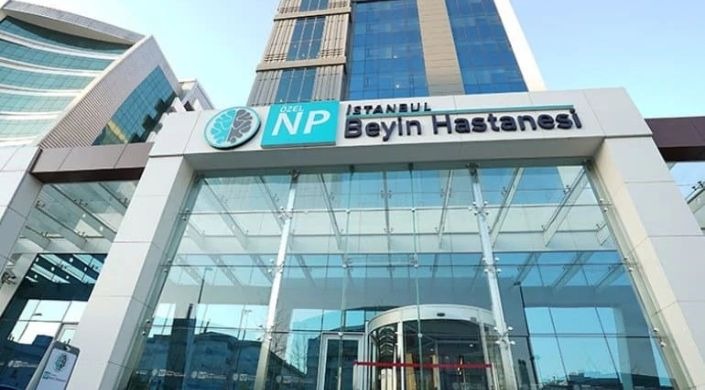
NP Istanbul Brain Hospital is one of Europe's top-ranked brain hospitals and a pioneer in neuropsychiatric care. The hospital holds JCI and ISO certifications and offers a comprehensive autism diagnostic package that includes QEEG brain mapping, ADOS-2 screening, genetic counseling, and detailed developmental evaluations. The autism team includes child and adolescent psychiatrists, pediatric neurologists, speech-language pathologists, and clinical psychologists. NP Istanbul uses advanced neuromodulation techniques such as TMS and neurofeedback to complement behavioral therapy. The hospital has treated thousands of international patients and provides personalized therapy protocols for children across the autism spectrum.
Memorial Sisli Hospital
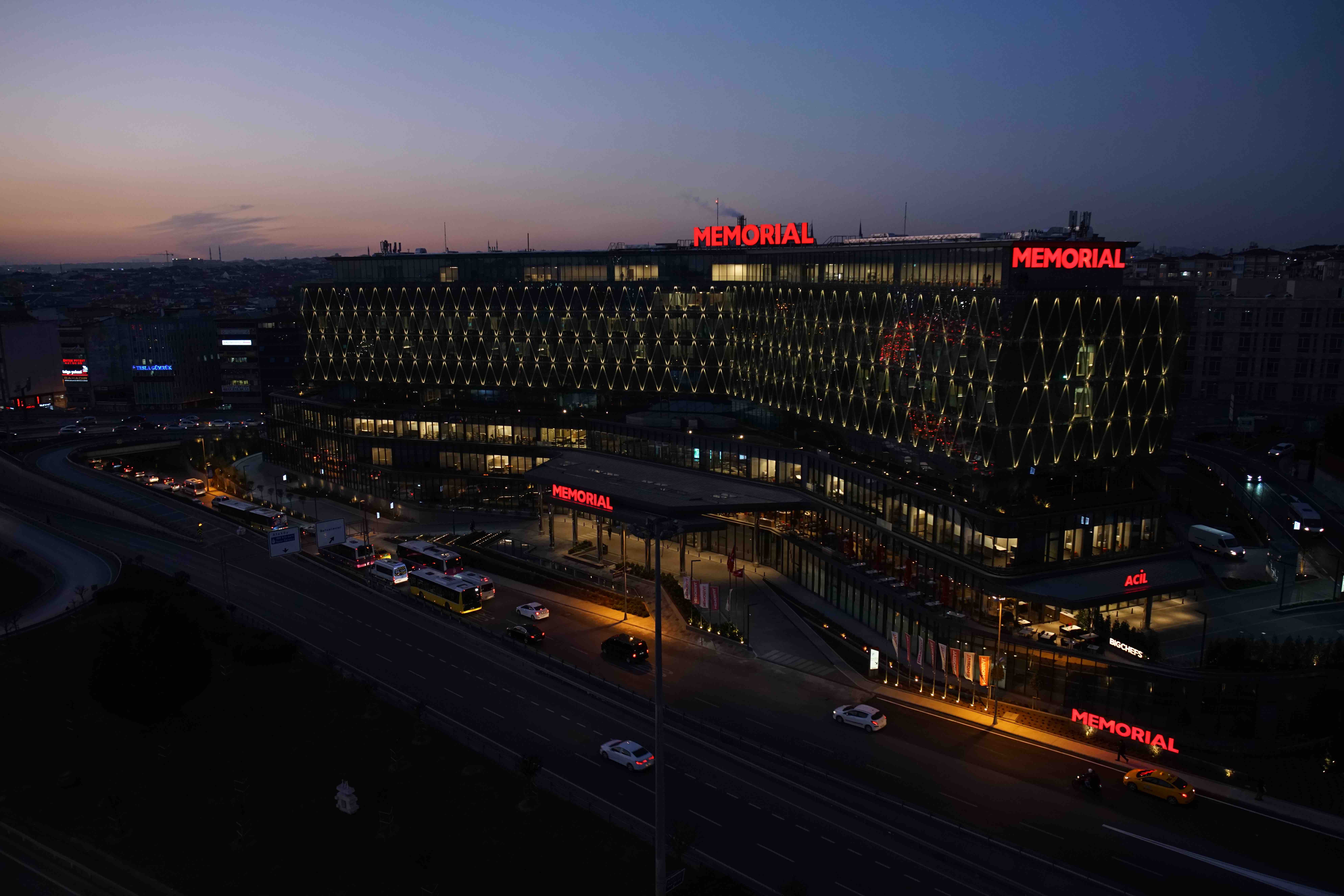
Memorial Sisli Hospital is part of Turkey's first JCI-accredited medical network and is widely regarded as one of the country's leading healthcare institutions. The hospital offers structured autism treatment programs that include ABA therapy, speech therapy, occupational therapy, and stem cell therapy. Memorial Sisli has a dedicated pediatric department with specialists experienced in neurodevelopmental disorders. The hospital's stem cell program, led by experienced hematologists, uses UC-MSC (umbilical cord mesenchymal stem cell) therapy for autism, with sessions typically costing around $7,500 each. The hospital serves patients from over 92 countries and provides comprehensive international patient services including accommodation coordination and language support.
Liv Hospital Istanbul
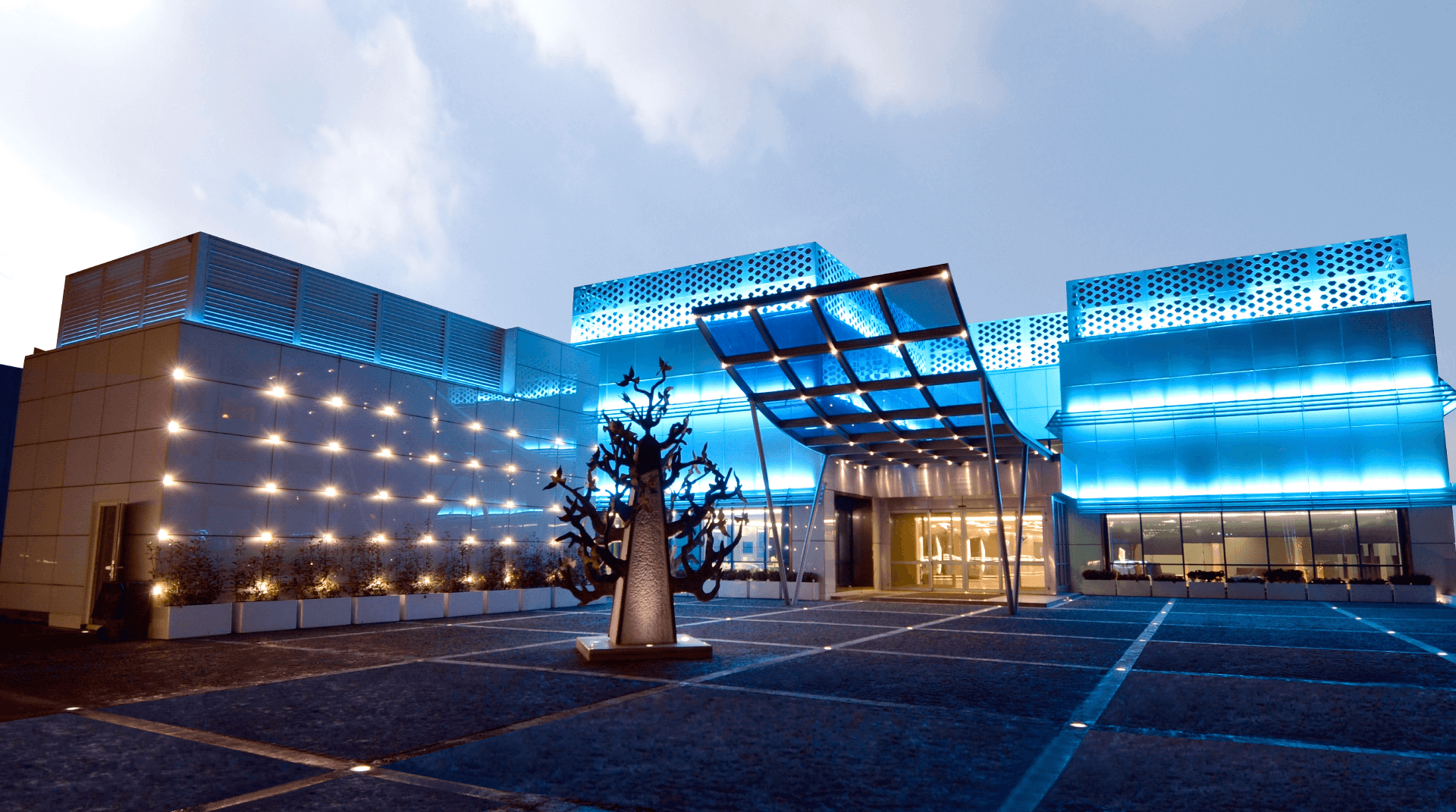
Liv Hospital is a JCI and TUV-accredited institution known for its integration of advanced medical technology with personalized patient care. The hospital's autism program features a multidisciplinary team that develops individualized treatment plans for each child. Liv Hospital is particularly noted for its use of electronic patient records, video documentation of therapy sessions, and structured progress reporting. The hospital maintains ongoing communication with families through remote consultation options, making it possible to continue monitoring progress after returning home. International families consistently praise Liv Hospital for its transparent approach and detailed clinical reporting.
Medipol Mega University Hospital
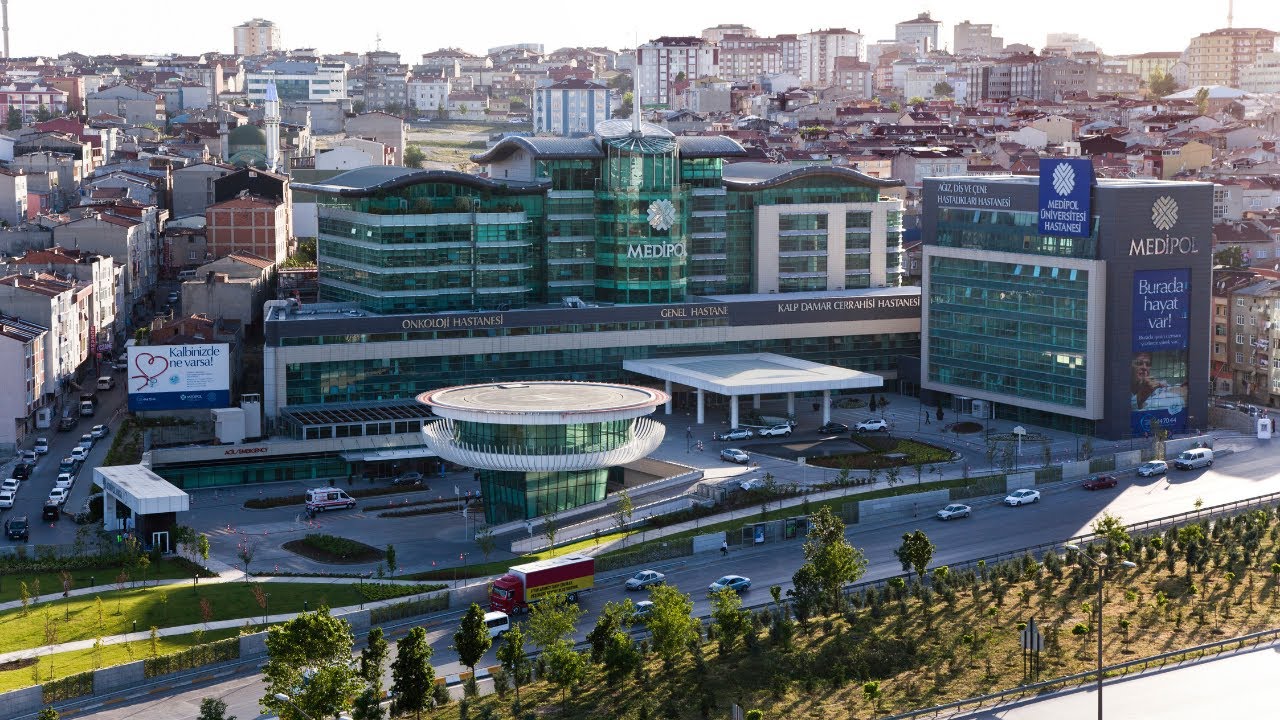
Medipol Mega University Hospital is one of the largest multidisciplinary medical centers in Turkey, equipped with advanced diagnostic and treatment technologies including the Da Vinci Surgical System, Cyber Knife, and Gamma Knife. For autism care, Medipol offers both diagnostic evaluations and therapeutic interventions, including stem cell therapy and neuromodulation. The hospital's autism team includes senior physicians with expertise in pediatric hematology, cellular therapies, and neurodevelopmental assessments. Medipol's size and resources allow it to provide comprehensive care under one roof, which is especially convenient for families traveling from abroad.
Hisar Intercontinental Hospital
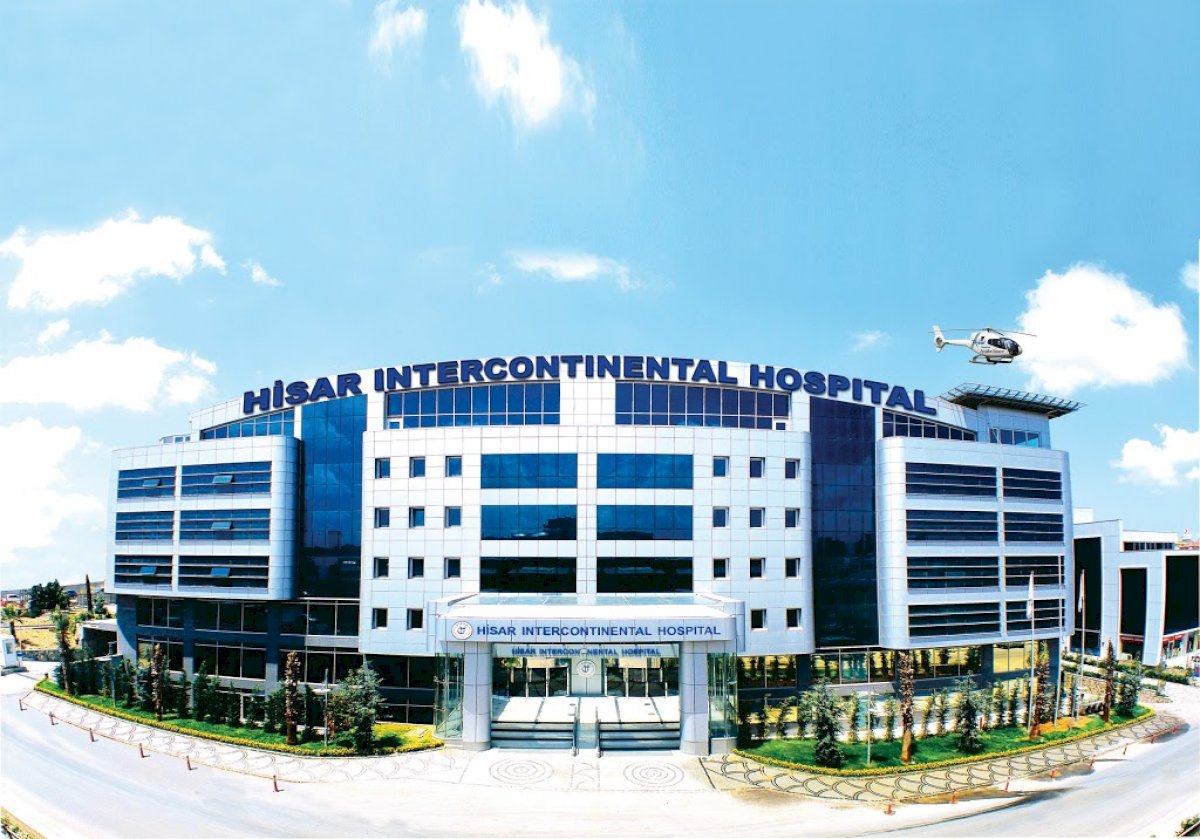
Hisar Intercontinental Hospital is a JCI-accredited private hospital in Istanbul known for its personalized approach to autism care. The hospital's ENT and neurodevelopmental team, led by experienced specialists, offers structured autism evaluation and therapy programs. With over 1,100 autism-related treatments performed, the hospital has developed efficient diagnostic protocols and therapy plans that cater specifically to international patients. Hisar offers competitive pricing, with initial consultation and diagnostic packages starting around $320.
How A-Medical Can Help?
Navigating autism treatment abroad can feel overwhelming, especially when families are dealing with language barriers, unfamiliar healthcare systems, and the emotional weight of seeking care for their child. This is exactly where A-Medical makes a difference.
A-Medical is a medical tourism platform that connects international families with the best clinics and doctors in Turkey for autism treatment. With A-Medical, families benefit from:
- No waiting lists: A-Medical arranges fast appointments so your child can begin therapy without delays.
- Clinic and doctor matching: Based on your child's specific diagnosis, age, and therapy needs, A-Medical identifies the most suitable clinic and specialist team in Turkey.
- Accommodation and logistics: A-Medical coordinates comfortable, family-friendly accommodation near the treatment center, along with airport transfers and local transportation.
- Interpreter services: Professional interpreters are provided throughout the medical and therapy process to ensure clear communication between families and the clinical team.
- Affordable pricing: A-Medical negotiates transparent, competitive pricing with partner clinics, ensuring families receive the best value without hidden costs.
- Ongoing support: From the initial consultation to post-treatment follow-up, A-Medical provides continuous guidance and support at every step.
If you are considering autism treatment in Turkey for your child, contact A-Medical today for a free consultation and personalized treatment plan.
Conclusion
Turkey offers one of the most accessible, affordable, and clinically advanced environments for autism treatment in 2026. With a strong network of JCI-accredited hospitals, experienced multidisciplinary teams, and a wide range of therapies from ABA and speech therapy to stem cell treatment, Turkey provides families with structured, evidence-based care that delivers real results. The cost savings compared to the USA and UK are significant, often reaching 50-80%, without sacrificing quality. Combined with the fast appointment access, English-speaking staff, and comprehensive international patient services, Turkey stands out as a top choice for families seeking the best possible care for their child with autism.
Frequently Asked Questions
Can autism be cured?
No, autism cannot be cured because it is a lifelong neurodevelopmental condition. However, structured therapy programs including ABA, speech therapy, and occupational therapy can significantly improve communication, social skills, behavior, and independence. With consistent intervention, many children with ASD make meaningful developmental progress.
At what age should treatment start?
Treatment should start as early as possible, ideally before age three. Early intervention takes advantage of the brain's neuroplasticity during the first years of life, leading to more significant and lasting improvements in language, cognitive function, and adaptive behavior. However, therapy at any age can still produce positive results.
How long does autism therapy take?
Autism therapy is a long-term commitment. Most children benefit from ongoing therapy for several years. Intensive programs may include 20 to 40 hours of therapy per week. The duration and intensity of treatment depend on the child's needs, age, and the severity of symptoms. Regular progress evaluations help the clinical team adjust the treatment plan over time.
Is autism treatment in Turkey effective?
Yes, autism treatment in Turkey is effective. Turkish clinics use the same evidence-based therapies recommended by international medical guidelines, including ABA, speech therapy, and occupational therapy. Multidisciplinary teams and personalized treatment plans contribute to positive outcomes. For stem cell therapy, clinics report improvement rates of 75-85% in areas such as social interaction, attention, and language development.
How much does autism treatment cost in Turkey compared to the USA?
Autism treatment in Turkey costs between 50% and 80% less than in the United States. A single ABA therapy session costs $40 to $80 in Turkey versus $120 to $200 in the USA. An intensive annual therapy program in Turkey may cost $10,000 to $25,000, compared to $40,000 to $100,000 in the USA. Stem cell therapy sessions range from $5,000 to $19,000 in Turkey, while the same treatment in the USA can cost $23,000 to $60,000.
Is Turkey safe for medical tourism?
Yes, Turkey is one of the safest and most established medical tourism destinations in the world. The country's healthcare sector is regulated by the Turkish Ministry of Health, and many hospitals hold international accreditations such as JCI. Turkey treated over 1.2 million international patients in recent years, and its medical infrastructure continues to expand with modern facilities and highly trained professionals.
What should I bring for my child's autism treatment in Turkey?
Families should bring all relevant medical records, previous diagnostic reports, therapy progress notes, and any medications the child is currently taking. Valid travel documents and health insurance information are also essential. Clinics will verify all documentation upon arrival and may request additional testing during the initial evaluation.