Contents
Top Destinations for Medical Tourism in Mexico
Mexico treats about 1.2 million international medical travelers a year by several widely cited estimates, and many patients report 35% to 80% savings versus comparable US private-pay pricing. That mix of lower costs, shorter travel distances, and broad procedure availability is why medical tourism in Mexico continues to grow.
Key takeaways:
- Best for dental implants and major dental work: Los Algodones and Tijuana
- Best for bariatric surgery: Tijuana and Guadalajara
- Best for complex hospital-based care: Mexico City and Monterrey
- Best for IVF and recovery-oriented travel: Cancun and Mexicali
The best destination in Mexico depends less on the country itself and more on the treatment category, expected recovery, and whether you need a clinic-style procedure or full hospital infrastructure. Border cities usually work better for shorter, repeat-visit care, while larger cities such as Mexico City and Monterrey are stronger for complex, hospital-based treatment.
Why Mexico Is a Leading Destination for Medical Tourism
Mexico attracts patients because it offers significant savings without forcing US and Canadian travelers into long-haul medical travel. It also has a mature private healthcare sector regulated by COFEPRIS, with many hospitals designed around international-patient workflows, English-speaking staff, and pre-arrival coordination.
Another reason is specialization by city. Mexico is not one uniform medical tourism market. Tijuana dominates many border-access procedures, Los Algodones is unusually concentrated around dentistry, Mexico City offers stronger tertiary hospital infrastructure, and Cancun blends treatment with easier recovery logistics.
Top Destinations for Medical Tourism in Mexico
Mexico City
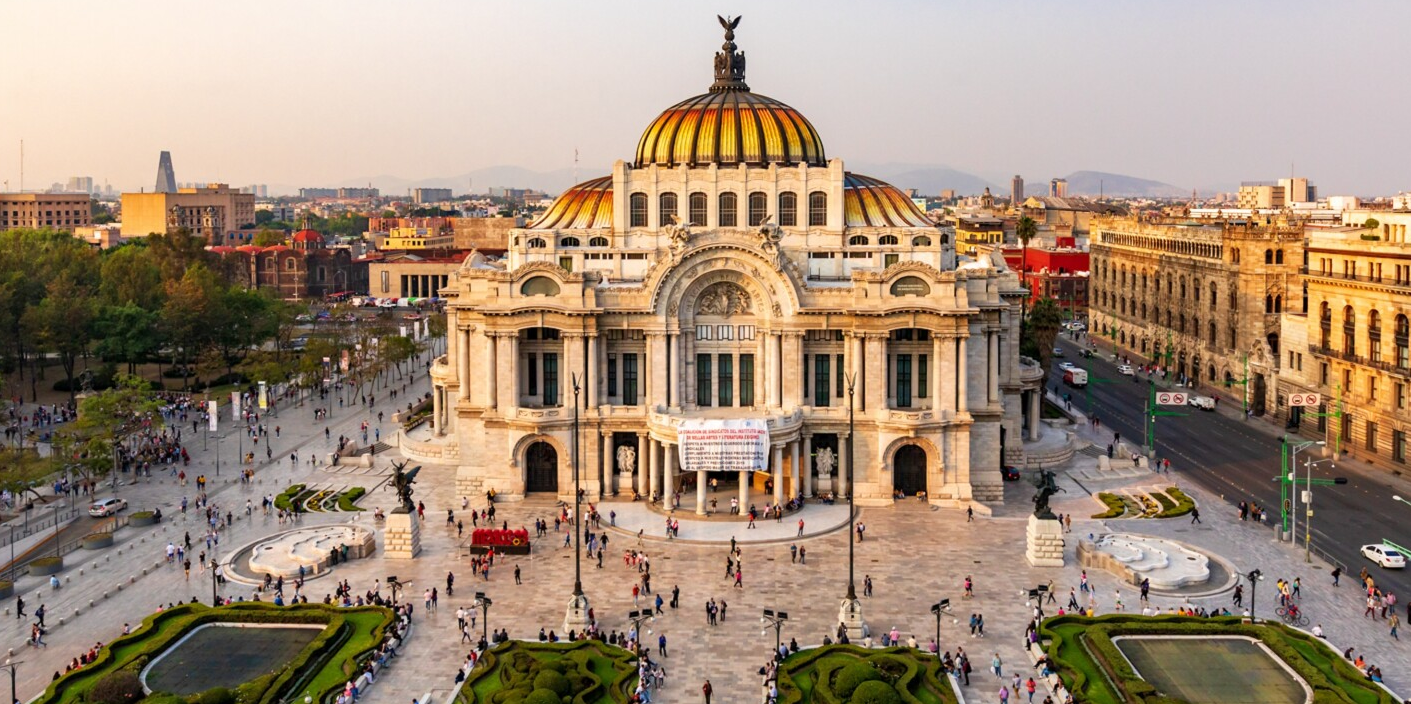
Mexico City is one of the strongest destinations for patients who need large-hospital infrastructure, complex diagnostics, oncology, fertility treatment, or advanced multispecialty care. It stands out because it offers the deepest concentration of tertiary private hospitals in the country.
Key hospital names matter here. Médica Sur is one of the most important entities in Mexico medical tourism because it is JCI accredited and part of the Mayo Clinic Care Network, a combination that gives it unusually strong trust signals for international patients. Other major names include ABC Medical Center and additional capital-based private systems with international patient coordinators and broad specialist coverage.
Mexico City usually makes the most sense when the case is too complex for a border clinic model. It is less convenient than Tijuana or Mexicali for very short trips, but much stronger for full hospital-based evaluation, second opinions, and complex inpatient care.
Cancun
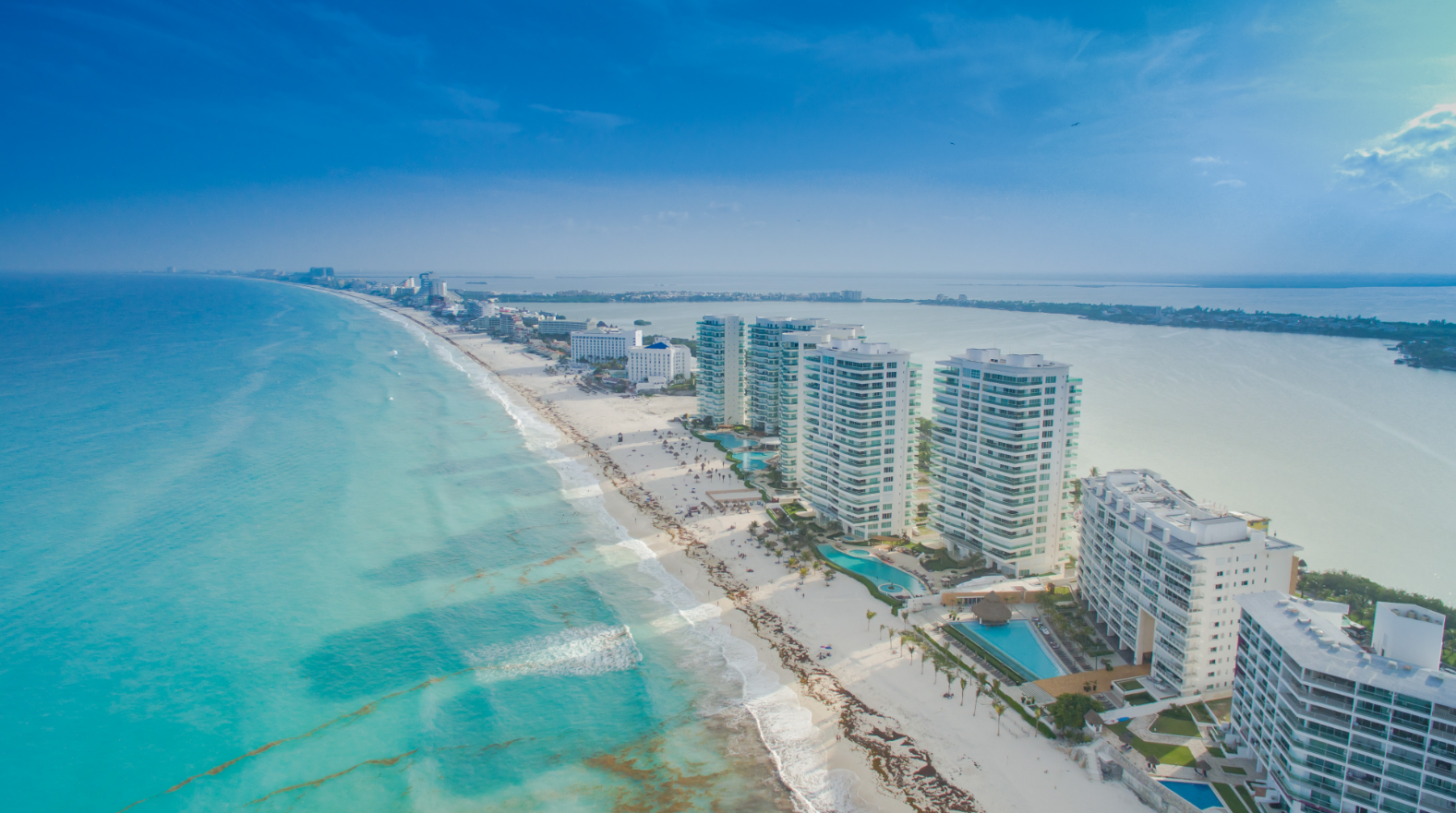
Cancun is one of the most attractive destinations for patients who want direct international flights, recovery-friendly accommodation, and private hospital access in one place. It is especially relevant for IVF, cosmetic procedures, selected dental work, and package-style treatment planning.
A major trust signal here is Hospital Amerimed Cancun, which appears in the JCI international accreditation database. That matters because many destination-style cities have strong hotel infrastructure, but fewer have internationally visible hospital accreditation signals.
Cancun usually suits patients who care about comfort and logistics as much as price. It is often less convenient than a border city for repeated short visits, but stronger for patients who want an all-inclusive treatment trip with more recovery support.
Guadalajara
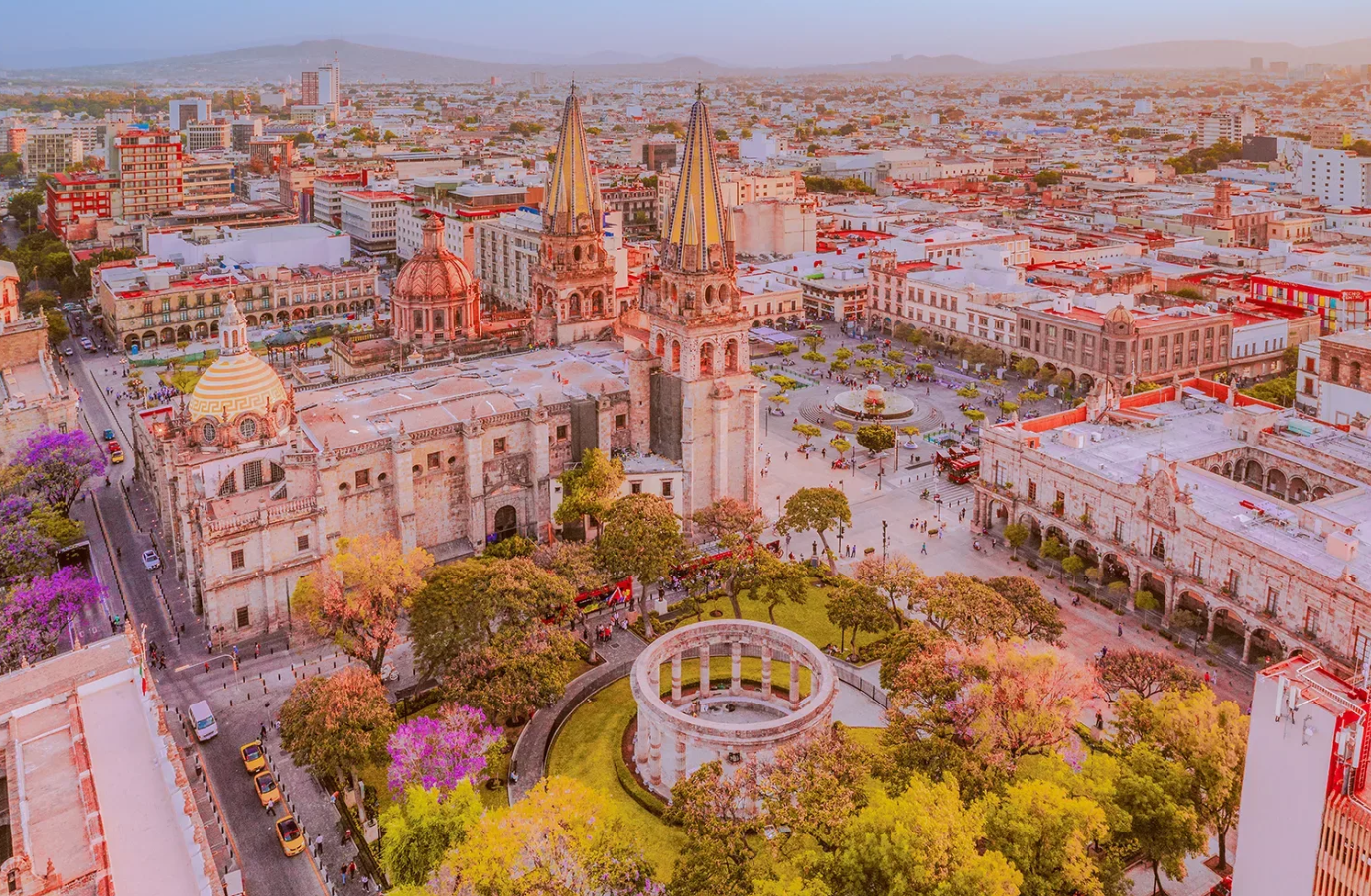
Guadalajara is one of the better choices for patients researching bariatric surgery in Guadalajara, orthopedics, and more advanced private hospital care outside the capital. It appears consistently in bariatric and multispecialty medical tourism listings.
This city often works well for patients who want a major urban medical center without the scale and cost profile of Mexico City. It can be a better fit than Cancun when the treatment requires a more hospital-centered environment rather than a medical vacation model.
Monterrey
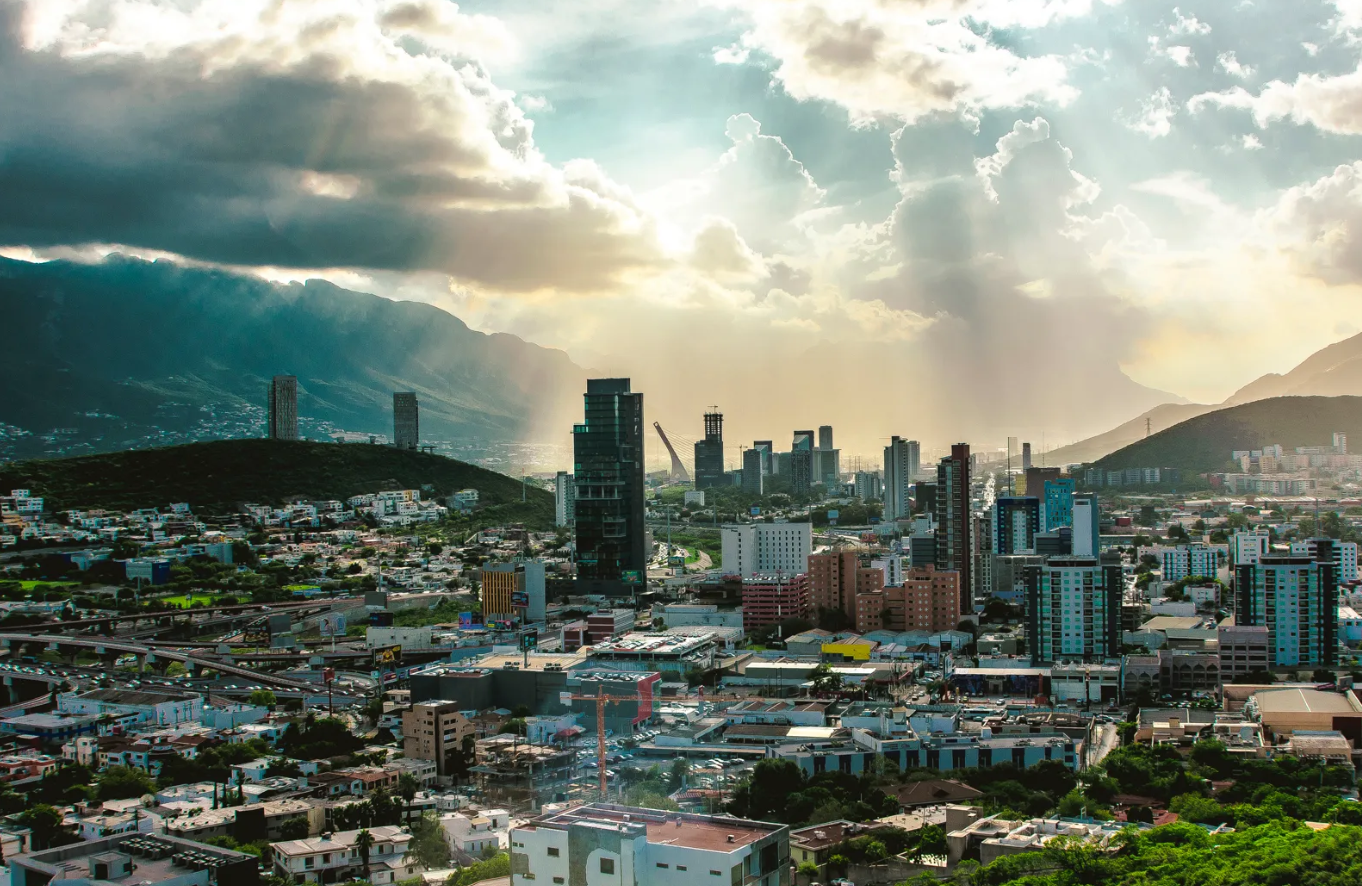
Monterrey is one of Mexico’s strongest cities for complex tertiary care, especially oncology, cardiology, orthopedics, and neurospecialties. It is more “advanced medical center” than “low-cost tourism destination,” and that is exactly why it matters for difficult cases.
Key hospital names include Hospital San José TecSalud and the broader TecSalud ecosystem, which is repeatedly associated with advanced specialty care. Monterrey is usually best for patients who need serious hospital infrastructure, not those simply looking for the cheapest possible outpatient procedure.
Tijuana
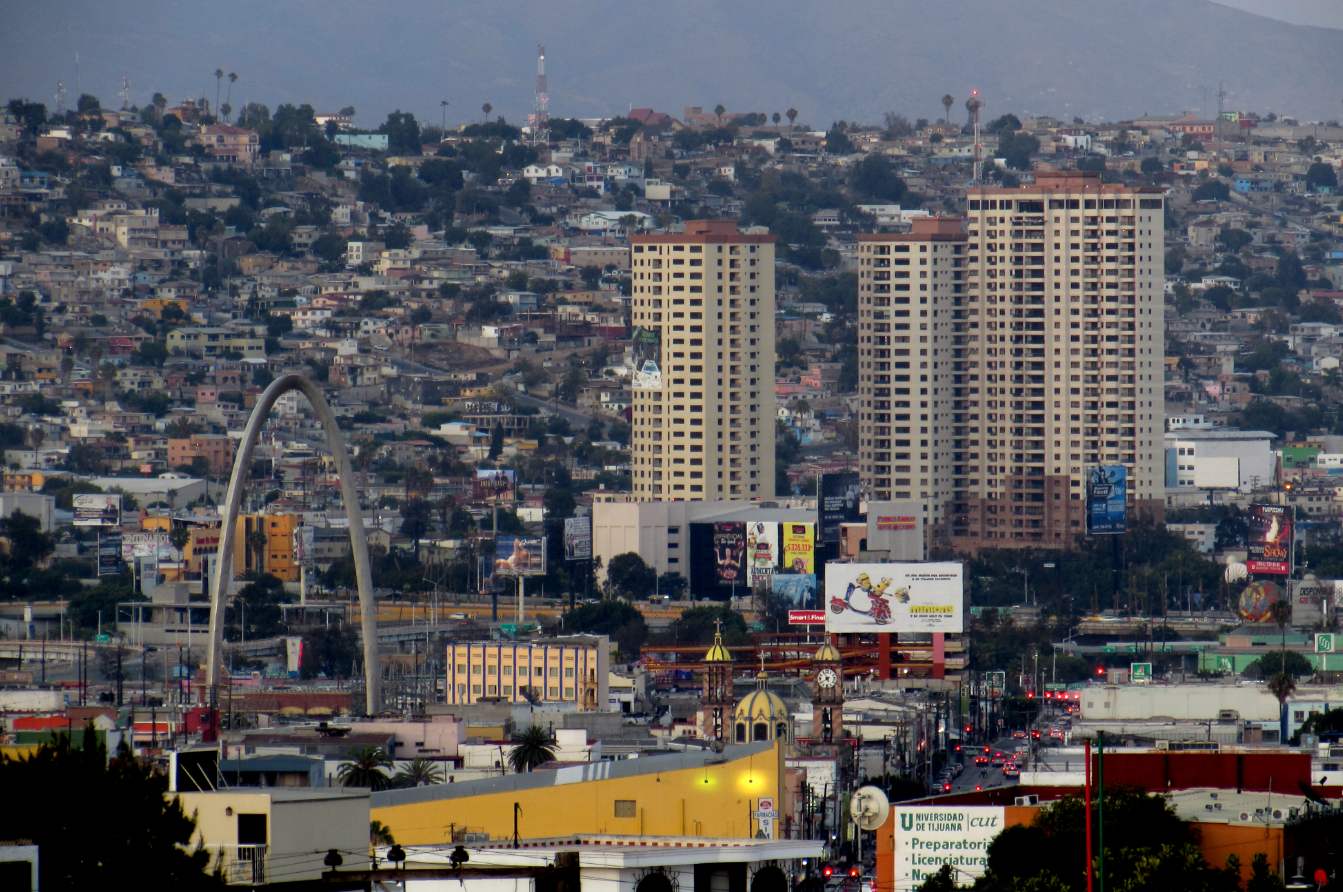
Tijuana is one of the most visible medical tourism cities in the world and one of the strongest answers to queries like best city in Mexico for bariatric surgery and medical tourism Mexico near the border. Its biggest advantage is practical access for West Coast patients, especially those coming from California.
Tijuana is especially strong for bariatric surgery, cosmetic surgery, and dentistry. It works best for patients who want convenience, repeat visits, shorter travel times, and a lower-friction medical travel experience.
Mexicali
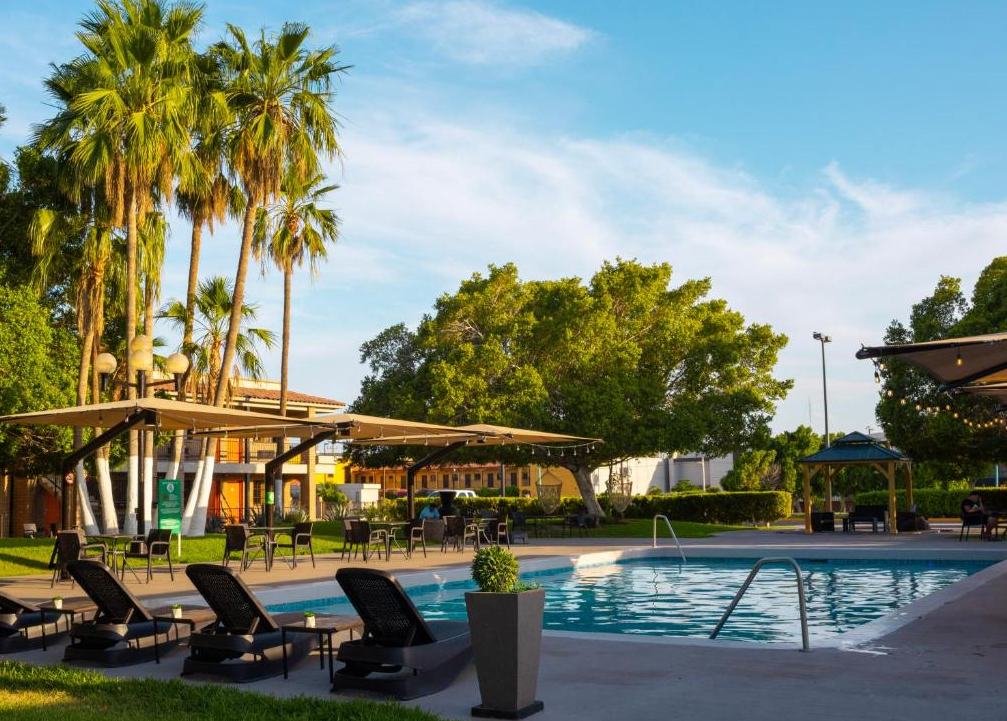
Mexicali is an important border destination for patients who want easier cross-border planning without the scale and intensity of Tijuana. It is particularly relevant for fertility treatment, selected hospital-based care, and patients who value a more practical treatment route from the US.
A key name here is Hospital de la Familia, which is frequently mentioned in treatment-abroad discussions around fertility and broader hospital care. Mexicali tends to work well when the patient wants a true hospital pathway in a border-city model.
Puebla
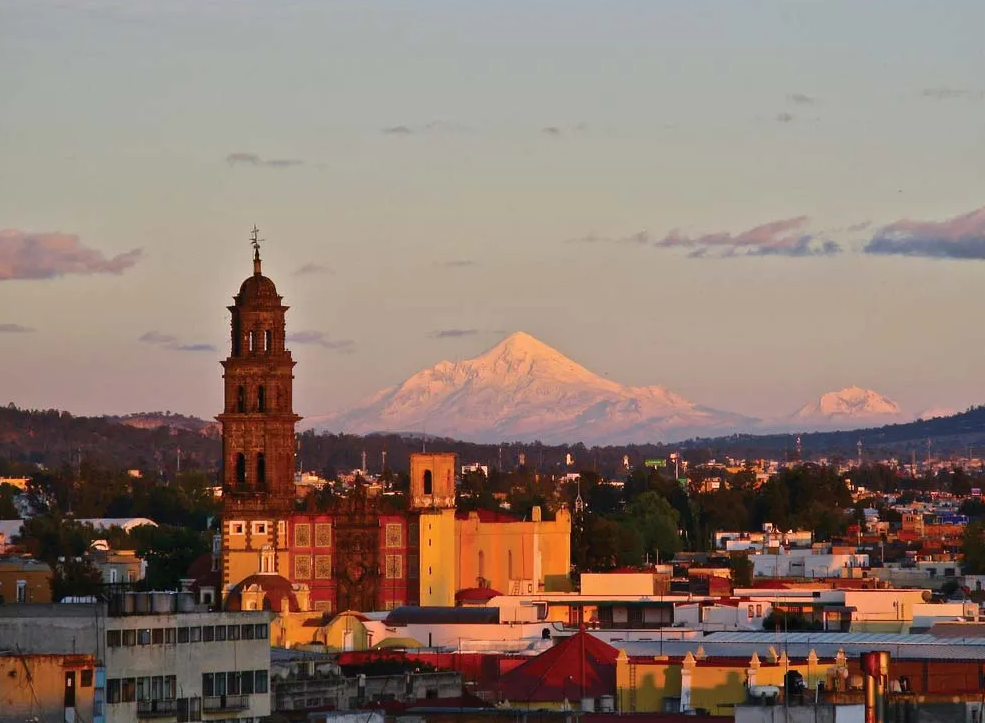
Puebla is a quieter but increasingly visible option for patients researching bariatric surgery, orthopedics, dental implants, and cosmetic procedures in central Mexico. It is usually not the first city people name, but that lower profile can actually be an advantage for patients who want a calmer environment with good private care access.
Puebla may be especially useful when the patient wants to stay closer to central Mexico medical infrastructure without committing to the size and intensity of Mexico City itself.
Merida
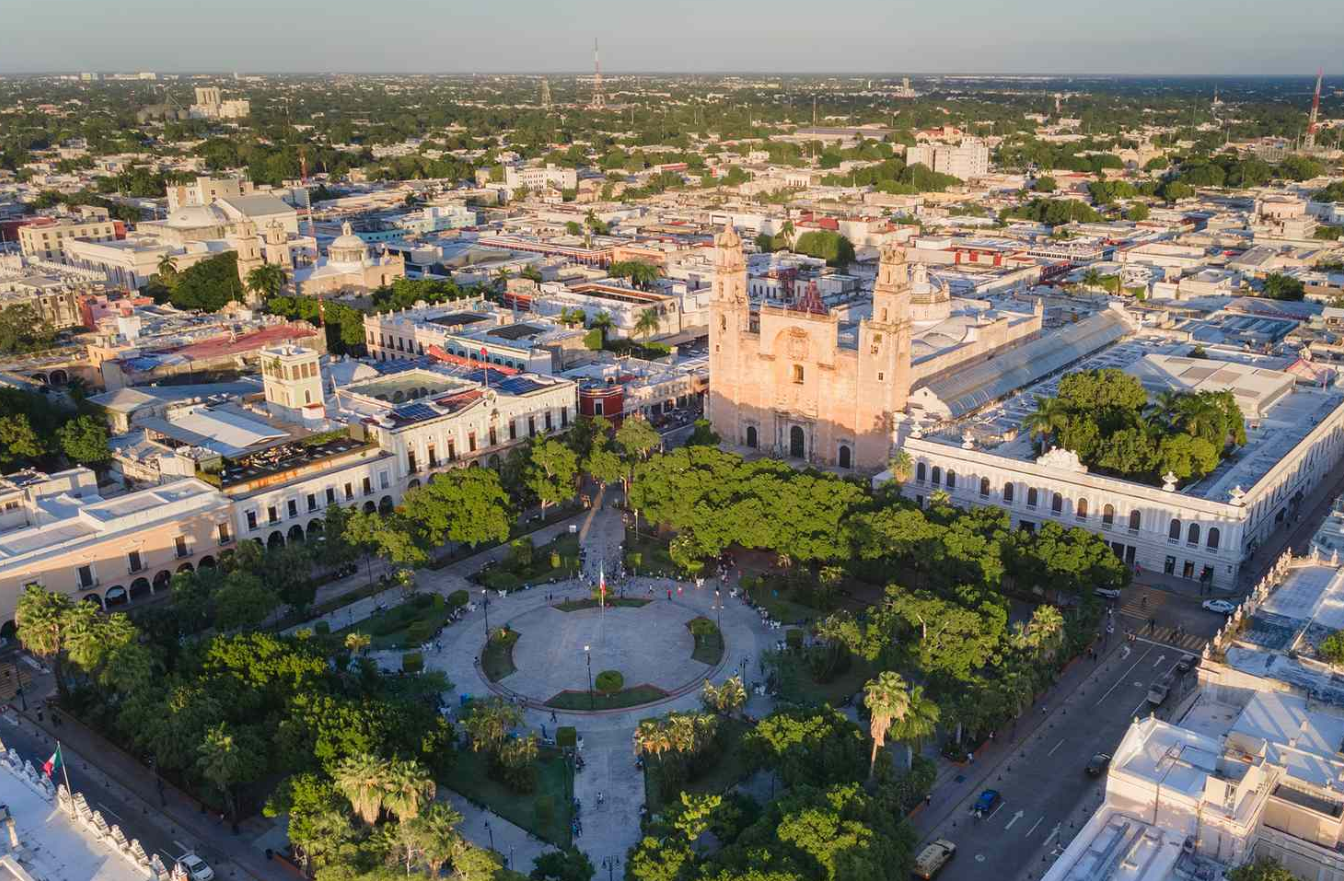
Merida is one of the more understated medical tourism destinations in Mexico, but specialist listings consistently show broad coverage in bariatric surgery, fertility, oncology, cardiology, ophthalmology, and general surgery.
Merida is often a good fit for patients who want a calmer recovery setting, solid specialty coverage, and less congestion than the capital. It is not always the cheapest option, but it can be one of the most balanced.
Which Mexican Cities Are Best for Different Medical Procedures
| Procedure | Best city or cities | Why |
|---|---|---|
| Dental Implants and Major Dental Work | Los Algodones, Tijuana | Border access, dense dental infrastructure, high savings |
| Bariatric Surgery | Tijuana, Guadalajara | Strong surgery clusters and repeat-visit practicality |
| IVF and Fertility | Cancun, Mexicali, Mexico City | Better private fertility ecosystems and easier planning |
| Complex Oncology | Mexico City, Monterrey | Larger hospitals, broader specialist access |
| Cosmetic Surgery | Tijuana, Cancun, Mexico City | Strong private-clinic markets and recovery options |
| Cardiology and Tertiary Care | Mexico City, Monterrey | Better hospital infrastructure and specialist depth |
| Orthopedics | Monterrey, Guadalajara, Puebla | Strong surgical and hospital-based coverage |
The biggest mistake patients make is choosing the destination first and the treatment logic second. A better approach is to start with the procedure type, complexity level, and expected number of visits, then narrow down the city.
Cost Differences Between Medical Tourism Destinations in Mexico
Border cities often feel cheaper in total-trip terms because travel is easier and shorter. Even when the procedure itself is not dramatically cheaper, the total pathway often costs less once flights, hotel nights, internal transfers, and time away from work are included.
A simple US versus Mexico comparison helps make that clearer:
| Procedure | Typical Mexico range | Typical US range | Common savings |
|---|---|---|---|
| Dental Implant | $750 to $1,200 | $3,000 to $5,000 | 60% to 75% lower |
| All-on-4 Per Arch | $8,900 to $12,000+ | $20,000 to $35,000+ | 40% to 65% lower |
| IVF Cycle | $4,500 to $8,200 | $12,000 to $18,000+ before meds | Often 40% to 70% lower |
| Bariatric Surgery | Often substantially lower than US private pay | Often much higher in US private pay | Usually major savings |
| Cosmetic Surgery | Often 35% to 70% lower | Higher US private-pay pricing | Varies by city and surgeon |
Larger cities such as Mexico City and Monterrey may cost more overall because they are more likely to involve bigger hospitals, more advanced diagnostics, and more complex care. Cancun can also price higher in total-trip terms if recovery accommodation becomes part of the package.
Safety and Accreditation in Mexico
Safety depends much more on the hospital or clinic than on the country label alone. Mexico’s private healthcare sector is regulated by COFEPRIS, and many hospitals targeting international patients emphasize international accreditation, infection control, English-speaking staff, and formal international patient coordination.
A strong practical filter is JCI accreditation. Another high-value signal is institutional affiliation. For example, Médica Sur in Mexico City is both JCI accredited and part of the Mayo Clinic Care Network, which gives it an unusually strong credibility profile in Mexico medical tourism.
How to Choose the Right Destination for Treatment in Mexico
A simple way to choose is to follow this order:
- Define the exact procedure and whether it is clinic-based or hospital-based.
- Decide whether you need one trip or repeated follow-up visits.
- Shortlist cities that match the procedure type.
- Compare hospitals or clinics, not just cities.
- Review what the quote includes, especially diagnostics, accommodation, and follow-up.
- Check safety signals such as accreditation, English-speaking staff, and pre-arrival coordination.
This process matters because the “best city” is rarely universal. The right answer changes if you need a dental implant, bariatric surgery, IVF, oncology, or a major orthopedic procedure.
Travel, Recovery, and Accommodation Planning in Mexico
Travel planning changes depending on where you go. Tijuana and Mexicali are often easiest for short, efficient medical trips. Cancun works better when you want direct international flights and a destination-style recovery setting. Mexico City, Guadalajara, and Monterrey are usually more appropriate when the medical infrastructure matters more than the tourism layer.
Recovery planning also depends on the procedure. Cosmetic surgery, bariatric surgery, fertility care, and complex orthopedics all create different timelines. That is why destination choice should be linked to length of stay, whether a companion is needed, and whether follow-up happens in person or remotely.
How A-Medical Helps You Plan Medical Treatment in Mexico
Choosing Mexico is only the first step. The harder part is deciding which city, which hospital or clinic, and which travel setup actually fit your case. That is where A-Medical helps as a medical tourism coordination company.
We help patients by:
- Comparing cities based on treatment type and complexity
- Collecting and organizing medical records
- Sending files for advance review when needed
- Clarifying what quotes include and exclude
- Helping compare border-city, capital-city, and destination-style treatment models
- Supporting travel planning, accommodation, and pre-arrival coordination
That makes it easier to choose between a border-access model such as Tijuana, Mexicali, or Los Algodones, a hospital-centered city such as Mexico City or Monterrey, or a recovery-focused destination such as Cancun.
Frequently Asked Questions
How much does medical tourism cost in Mexico?
That depends on the procedure and the city. Many patients report 35% to 80% savings compared with US private-pay pricing, but the real total also includes flights, accommodation, and the number of visits required.
Is it safe to have surgery in Mexico?
It can be safe when you choose the right private hospital or clinic. Strong signs include COFEPRIS regulation, JCI accreditation, English-speaking staff, and a clear international-patient process.
Which Mexican city is best for dental implants?
Los Algodones is the clearest answer for many patients because of its unusually dense dental infrastructure and border accessibility. Tijuana is also a strong option, especially for West Coast travelers.
Do Mexican hospitals accept US insurance?
Some do for certain arrangements, but many medical tourism cases are still private-pay. Patients should confirm reimbursement rules, direct billing, and documentation requirements before they travel.
What is JCI accreditation?
JCI, or Joint Commission International, is an internationally recognized hospital accreditation standard. It is one of the clearest trust signals international patients can use when comparing hospitals abroad.