Contents
Related Topics
Bariatric Surgery in Turkey
Obesity is a growing health crisis that affects millions of people around the world, and for many, diet and exercise alone are not enough to achieve lasting results. Bariatric surgery in Turkey has become one of the best solutions for patients looking for effective, safe, and affordable weight loss procedures. With prices starting from $3,000 to $5,500 for most procedures, Turkey offers savings of 60 to 75 percent compared to countries like the United States, the United Kingdom, and Australia, where the same operations can cost anywhere from $15,000 to $30,000. Beyond the cost advantage, long waiting lists in the NHS (often 12 months or more), limited insurance coverage in the US, and difficulty getting timely appointments in many Western healthcare systems have pushed thousands of international patients toward Turkey every year. Turkish hospitals deliver high-volume bariatric care with internationally accredited facilities, experienced surgeons, and all-inclusive packages that cover everything from airport transfers to post-operative follow-up.
Cost of Bariatric Surgery in Turkey (2026)

One of the biggest reasons patients choose Turkey for weight loss surgery is the significant cost difference. Turkish clinics can offer lower prices without sacrificing quality because of lower operational costs, favorable exchange rates, and government support for medical tourism. Here is how bariatric surgery costs in Turkey compare to other countries in 2026:
|
Procedure |
Turkey |
United Kingdom |
United States |
Australia |
|
Gastric Sleeve |
$3,000 - $5,000 |
$10,000 - $16,000 |
$15,000 - $23,000 |
$14,000 - $24,000 |
|
Gastric Bypass |
$3,500 - $6,500 |
$12,000 - $20,000 |
$20,000 - $30,000 |
$18,000 - $30,000 |
|
Mini Gastric Bypass |
$3,200 - $5,500 |
$10,000 - $15,000 |
$18,000 - $25,000 |
$15,000 - $22,000 |
|
Gastric Balloon |
$1,500 - $3,500 |
$4,000 - $8,000 |
$6,000 - $9,000 |
$4,500 - $8,000 |
These prices in Turkey typically include the surgeon's fee, anesthesia, operating room charges, hospital stay (2 to 3 nights), hotel accommodation (4 to 5 nights), pre-operative lab tests, post-operative medications, and VIP airport transfers. In contrast, prices quoted in the UK, US, and Australia often cover only the surgery and hospital stay, leaving patients to arrange and pay separately for everything else.
What Is Bariatric Surgery?
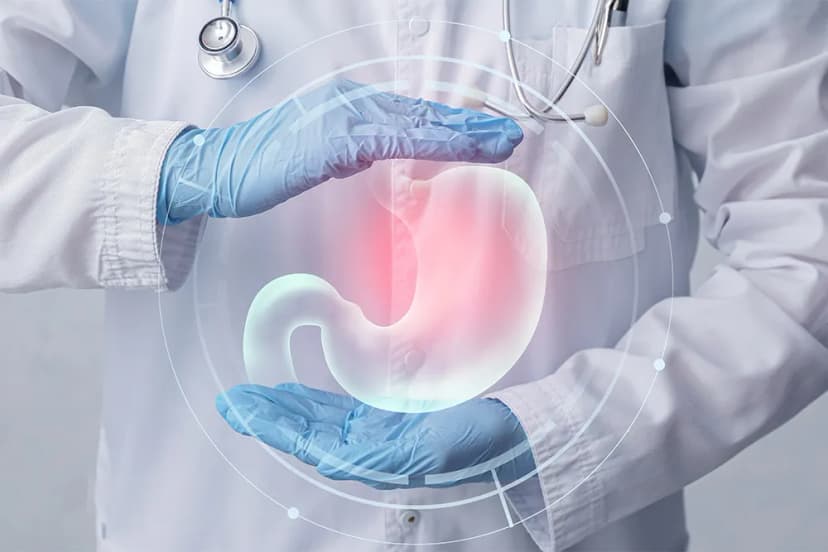
Bariatric surgery refers to a group of surgical procedures performed on the stomach or intestines to help patients with severe obesity lose weight. These operations work by either restricting the amount of food the stomach can hold, reducing nutrient absorption in the intestines, or a combination of both. Bariatric procedures are not cosmetic surgeries. They are medically necessary interventions designed to treat obesity and its related conditions, including type 2 diabetes, high blood pressure, sleep apnea, fatty liver disease, and joint problems.
The term bariatric comes from the Greek word "baros," meaning weight. Modern bariatric surgery techniques are mostly performed laparoscopically, meaning surgeons operate through small incisions using a camera and specialized instruments. This minimally invasive approach results in less pain, shorter hospital stays, and faster recovery times compared to traditional open surgery.
Who Is a Good Candidate for Bariatric Surgery in Turkey?

Not everyone qualifies for weight loss surgery. Bariatric surgeons evaluate each patient carefully to determine whether surgery is the right option. According to international guidelines from organizations such as the International Federation for the Surgery of Obesity (IFSO) and the American Society for Metabolic and Bariatric Surgery (ASMBS), candidates typically include:
- Adults with a Body Mass Index (BMI) of 40 or higher (severe obesity)
- Adults with a BMI of 35 to 39.9 who also have at least one obesity-related health condition such as type 2 diabetes, hypertension, obstructive sleep apnea, or heart disease
- Patients who have tried and failed to lose weight through supervised diet programs, exercise, and medication
- Patients who are psychologically prepared for the lifestyle changes required after surgery
- Adults between the ages of 18 and 65 (some clinics may evaluate patients outside this range on a case-by-case basis)
- Non-smokers or those willing to quit smoking at least 4 to 6 weeks before surgery
If you are unsure whether you qualify for bariatric surgery in Turkey, you can share your medical history and recent lab results with the A-Medical team for a free preliminary assessment before making any travel plans.
Types of Bariatric Surgery in Turkey
Turkish bariatric centers offer the full range of obesity surgery procedures. Each type has specific advantages depending on the patient's BMI, medical history, and weight loss goals. Your surgeon will recommend the most suitable option based on a thorough evaluation.
Gastric Sleeve (Sleeve Gastrectomy)
Gastric sleeve surgery is the most commonly performed bariatric procedure worldwide, and Turkey is no exception. During this operation, the surgeon removes approximately 75 to 80 percent of the stomach, leaving behind a narrow, banana-shaped tube or "sleeve." This dramatically reduces the amount of food you can eat at one time. It also lowers levels of ghrelin, the hormone responsible for hunger signals, which means patients feel less hungry after surgery.
The procedure takes about 60 to 90 minutes and is performed laparoscopically through 4 to 5 small incisions. Patients can expect to lose 60 to 70 percent of their excess body weight within the first 18 months. Gastric sleeve in Turkey is particularly popular among patients with a BMI between 35 and 45 who prefer a simpler procedure without intestinal rerouting.
Gastric Bypass (Roux-en-Y)
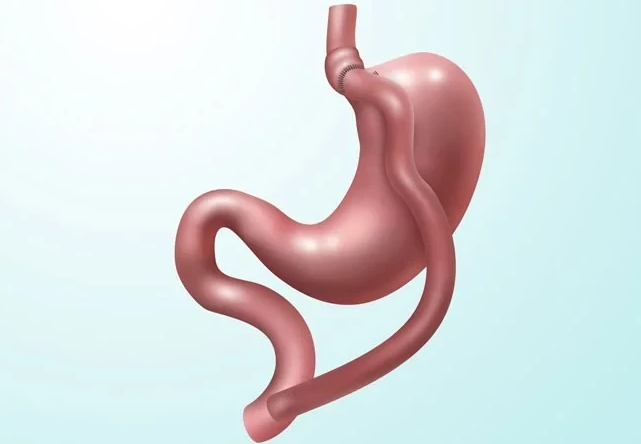
Gastric bypass surgery is considered the gold standard for patients with higher BMI levels or those with type 2 diabetes. In this procedure, the surgeon creates a small pouch from the top of the stomach and connects it directly to a lower section of the small intestine. This bypasses a large portion of the stomach and the upper part of the small intestine, which means fewer calories and nutrients are absorbed.
The surgery typically takes 120 to 180 minutes. Patients can expect to lose around 70 to 80 percent of their excess weight within 12 to 18 months. Gastric bypass in Turkey is especially effective for patients who struggle with conditions like gastroesophageal reflux disease (GERD) or metabolic syndrome.
Mini Gastric Bypass
The mini gastric bypass, also known as the one-anastomosis gastric bypass (OAGB), is a simplified version of the traditional Roux-en-Y. Instead of two surgical connections (anastomoses), only one is made. This reduces operating time to about 60 to 90 minutes and may lower the risk of certain complications.
Weight loss results are similar to the standard bypass, with patients typically losing 65 to 75 percent of excess weight. It is a good option for patients who need the metabolic benefits of a bypass but prefer a less complex operation. Mini gastric bypass is widely offered at bariatric clinics in Turkey and is gaining popularity among international patients.
Gastric Balloon
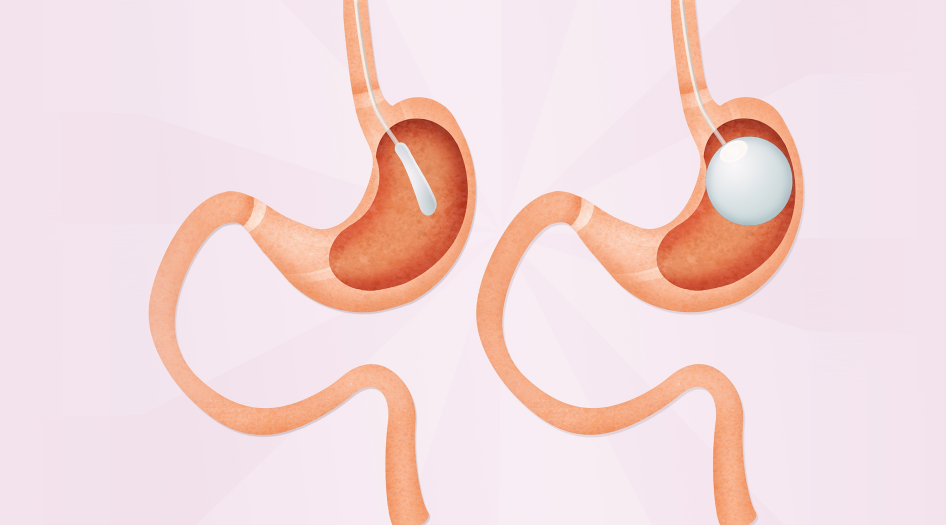
The gastric balloon is a non-surgical, temporary weight loss solution. A soft silicone balloon is placed inside the stomach through an endoscopic procedure (no incisions required) and then filled with saline. The balloon takes up space in the stomach, helping patients feel full faster and eat smaller portions.
The balloon remains in place for 6 to 12 months before being removed. Patients can expect to lose 10 to 15 percent of their total body weight during this period. It is often recommended for patients with a BMI between 27 and 35 who are not yet candidates for surgical procedures or who want to lose weight before a larger surgery. The gastric balloon procedure in Turkey takes about 20 to 30 minutes, and most patients go home the same day.
How Bariatric Surgery Is Performed

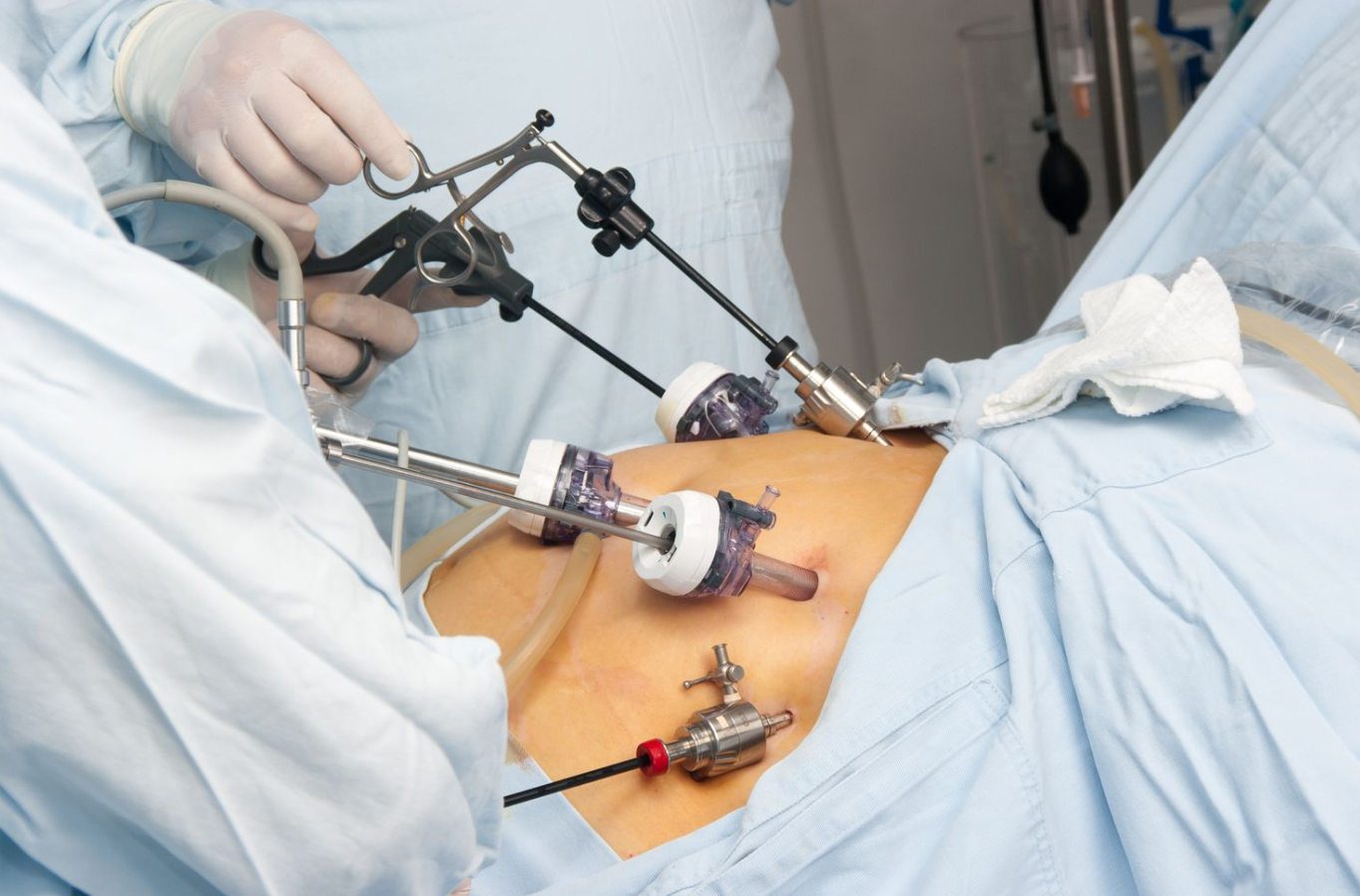
Most bariatric procedures in Turkey are performed using laparoscopic (keyhole) surgery. The surgeon makes 3 to 5 small incisions (each about 0.5 to 1.5 cm) in the abdomen, through which a tiny camera (laparoscope) and surgical instruments are inserted. The surgeon views the procedure on a high-definition monitor and performs the operation with precision.
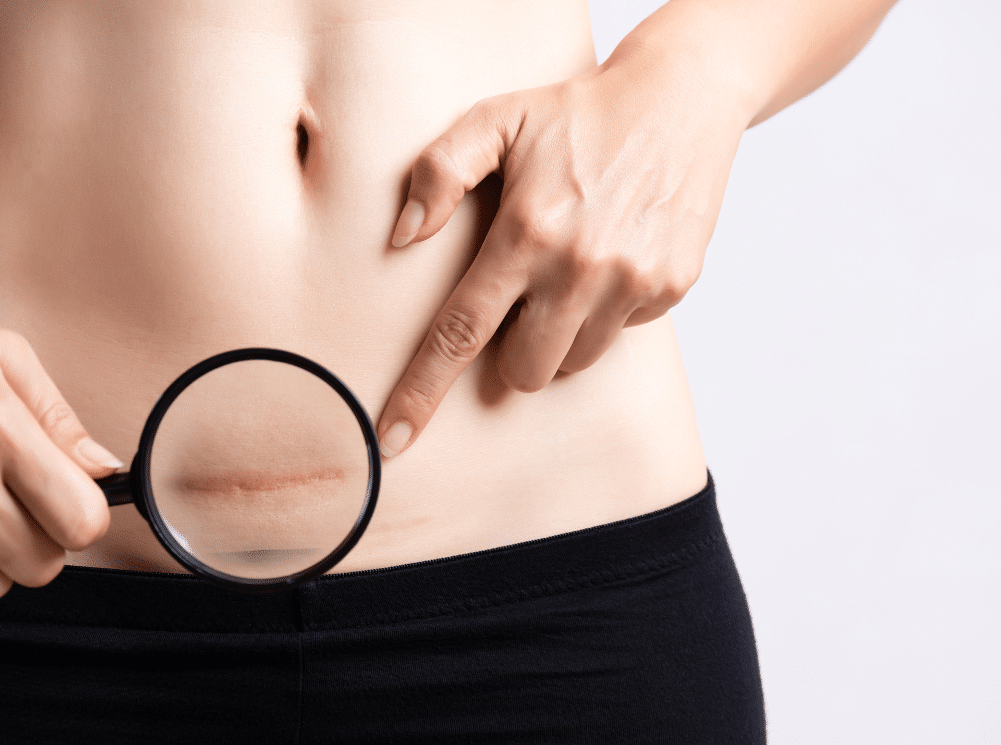
Laparoscopic surgery offers several advantages over traditional open surgery, including less blood loss, reduced risk of infection, smaller scars, less post-operative pain, and a faster return to normal activities. Some advanced hospitals in Turkey also offer robotic-assisted bariatric surgery using the Da Vinci surgical system, which provides even greater precision during complex procedures.
All operations are performed under general anesthesia. Before surgery, patients undergo a full set of pre-operative tests including blood work, an electrocardiogram (ECG), a chest X-ray, an abdominal ultrasound, and an upper endoscopy to evaluate the condition of the stomach.
Expected Weight Loss After Bariatric Surgery in Turkey
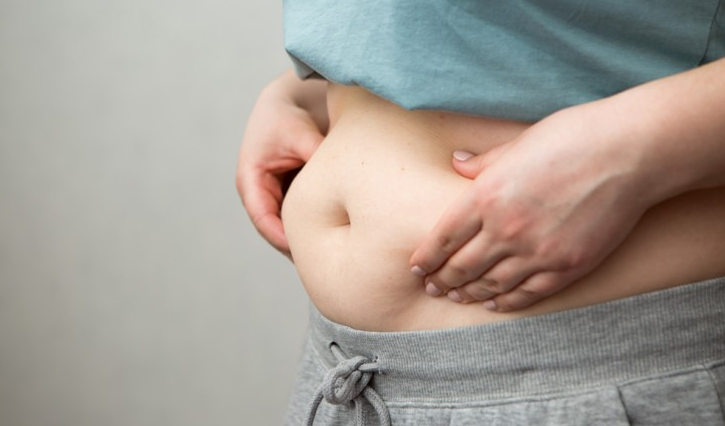
Results vary depending on the type of procedure, the patient's starting weight, and how closely they follow post-operative dietary and exercise guidelines. Here is a general overview of what you can expect:
|
Procedure |
Excess Weight Loss (12-18 Months) |
Total Body Weight Loss (1 Year) |
|
Gastric Sleeve |
60% - 70% |
20% - 25% |
|
Gastric Bypass |
70% - 80% |
25% - 35% |
|
Mini Gastric Bypass |
65% - 75% |
22% - 30% |
|
Gastric Balloon |
30% - 40% |
10% - 15% |
Most patients experience rapid weight loss in the first 6 months after surgery, which then gradually slows down. By the 12 to 18-month mark, patients typically reach their maximum weight loss. Maintaining results requires lifelong commitment to healthy eating, regular exercise, vitamin supplementation, and follow-up appointments with your bariatric team.
Recovery After Bariatric Surgery

Recovery from weight loss surgery in Turkey follows a structured timeline. Most patients stay in the hospital for 2 to 3 nights after surgery. During this time, the medical team monitors vital signs, manages pain, and ensures there are no early complications such as bleeding or leaks.
After discharge, patients typically spend 4 to 5 additional nights at a nearby hotel, with daily check-ups at the clinic. Most patients can return to light daily activities within 1 to 2 weeks and resume full work duties within 3 to 4 weeks. Heavy lifting and intense exercise should be avoided for at least 6 weeks.
The post-operative diet progresses in stages: clear liquids for the first 1 to 2 days, full liquids for 1 to 2 weeks, pureed foods for 2 to 3 weeks, soft foods for 2 to 3 weeks, and then a gradual return to solid foods. Your surgeon and dietitian will provide a detailed nutrition plan before you leave the hospital.
Risks and Complications of Bariatric Surgery in Turkey
Like any major surgical procedure, bariatric surgery carries potential risks. However, complication rates at high-volume, accredited Turkish hospitals are in line with international benchmarks. Being informed about these risks helps patients make a confident decision. Potential risks include:
- Bleeding at the surgical site
- Infection at incision points
- Anastomotic or staple line leaks (the most serious early complication)
- Blood clots (deep vein thrombosis or pulmonary embolism)
- Nausea and vomiting during early recovery
- Nutritional deficiencies (iron, calcium, vitamin B12, vitamin D)
- Dumping syndrome (rapid gastric emptying, more common after bypass)
- Stricture (narrowing) at the surgical connection point
- Gastroesophageal reflux (GERD), particularly after sleeve gastrectomy
- Weight regain if dietary and lifestyle guidelines are not followed
Choosing a surgeon with a high annual case volume (200 or more procedures per year) at a JCI-accredited or Ministry of Health-certified facility significantly reduces these risks. The mortality rate for bariatric surgery at experienced centers is very low, typically less than 0.1 to 0.3 percent.
Life After Bariatric Surgery (Diet and Lifestyle)
Surgery is a powerful tool, but long-term success depends on the patient's commitment to a new way of eating and living. After bariatric surgery, patients need to make permanent changes to their diet and daily habits.
- Eat small, protein-rich meals throughout the day (5 to 6 small meals instead of 3 large ones)
- Chew food slowly and thoroughly before swallowing
- Avoid sugary drinks, carbonated beverages, and high-fat foods
- Take daily vitamin and mineral supplements (multivitamin, B12, iron, calcium, vitamin D)
- Drink at least 1.5 to 2 liters of water daily, but avoid drinking during meals
- Begin light physical activity within the first two weeks and gradually build up to 150 minutes of moderate exercise per week
- Attend regular follow-up appointments with your bariatric team for blood work and nutritional monitoring
- Seek psychological support if needed, as emotional eating patterns can return
When followed consistently, these changes allow patients to maintain their weight loss results and significantly improve their overall quality of life, including better mobility, improved self-confidence, and resolution or improvement of conditions like diabetes, hypertension, and sleep apnea.
Why Choose Turkey for Bariatric Surgery?
Turkey has become the top medical tourism destination in Europe and one of the most popular globally. The country welcomed over 1.5 million international patients in recent years, with bariatric surgery being among the most requested procedures. Here is what makes Turkey stand out:
Experienced Bariatric Surgeons
Turkish bariatric surgeons perform a very high volume of procedures every year. Many have completed advanced fellowship training at hospitals in Europe, the US, or Japan. Surgeons with 1,000 or more career operations are common at top Turkish bariatric centers. This level of experience directly translates into lower complication rates and better outcomes.
Advanced Surgical Techniques
Leading hospitals in Turkey use the latest laparoscopic and robotic-assisted techniques for bariatric surgery. Equipment is regularly updated to match the standards found in top hospitals in Europe and the United States. Many centers also use advanced stapling devices, leak test protocols, and intra-operative endoscopy to minimize complications.
Affordable Treatment Options
As outlined in the cost section above, bariatric surgery prices in Turkey are 60 to 75 percent lower than in Western countries. This is not because of lower quality but because of Turkey's lower cost of living, competitive private hospital market, and the favorable exchange rate of the Turkish Lira. All-inclusive packages make budgeting straightforward, with no hidden fees.
Fast Treatment Access
There are no waiting lists for bariatric surgery in Turkey. While NHS patients in the UK may wait 12 months or longer just for an initial consultation, patients traveling to Turkey can typically have their surgery scheduled within 2 to 4 weeks of their first inquiry. This fast access can be life-changing for patients whose health is deteriorating while they wait.
International Patient Services
Turkish hospitals have built extensive infrastructure to serve international patients. Most large hospitals have multilingual patient coordinators, translation services in 10 or more languages, VIP transfer fleets, partnered hotels near the hospital, and online follow-up systems. Patients from the UK, US, Canada, Australia, the Middle East, and Europe regularly travel to Turkey for these procedures and report smooth, well-organized experiences.
BMI and Eligibility Criteria for Weight Loss Surgery in Turkey
Understanding your BMI is the first step in determining whether you qualify for weight loss surgery. BMI (Body Mass Index) is calculated by dividing your weight in kilograms by the square of your height in meters. For example, a person who weighs 120 kg and is 1.70 m tall has a BMI of approximately 41.5, which falls into the severe obesity category.
|
BMI Range |
Classification |
Surgery Eligibility |
|
18.5 - 24.9 |
Normal Weight |
Not eligible |
|
25 - 29.9 |
Overweight |
Not typically eligible |
|
30 - 34.9 |
Obese (Class I) |
May qualify with comorbidities |
|
35 - 39.9 |
Severely Obese (Class II) |
Eligible with comorbidities |
|
40+ |
Morbidly Obese (Class III) |
Eligible |
Some clinics in Turkey may evaluate patients with a BMI as low as 30 if they have significant obesity-related conditions. The gastric balloon, which is a non-surgical option, may be available for patients with a BMI starting from 27.
What to Expect During Your Trip to Turkey for Bariatric Surgery
Planning a medical trip can feel overwhelming, but with the right support, it becomes a straightforward process. Here is a typical timeline for patients traveling to Turkey for weight loss surgery:
- Day 1: Arrival in Turkey. Airport pickup by VIP transfer. Check-in to your hotel. Rest and settle in.
- Day 2: Hospital visit for pre-operative tests (blood work, ECG, chest X-ray, abdominal ultrasound, upper endoscopy). Consultation with your bariatric surgeon and anesthesiologist.
- Day 3: Surgery day. Admission to the hospital. Surgery performed under general anesthesia (duration varies by procedure). Recovery in your private room with medical monitoring.
- Days 4 to 5: Hospital stay. Leak test to confirm there are no complications. Gradual introduction of clear liquids. Pain management and mobility exercises.
- Days 6 to 8: Discharge to hotel. Daily check-ups at the clinic. Transition to full liquid diet. Resting and light walking.
- Day 9 to 10: Final check-up. Receive your discharge summary, dietary plan, and medication prescriptions. VIP transfer to the airport for your flight home.
Most patients should plan for a total trip of 7 to 10 days. A companion can join you at no additional accommodation cost at most partnered hotels.
Bariatric Surgery and Type 2 Diabetes Remission

One of the most significant health benefits of bariatric surgery is its ability to put type 2 diabetes into remission. Studies have shown that gastric bypass surgery leads to diabetes remission in up to 80 percent of patients, while sleeve gastrectomy achieves remission rates of about 55 to 65 percent. This happens because the surgery changes gut hormone levels, improves insulin sensitivity, and leads to significant calorie reduction.
For patients with type 2 diabetes who also struggle with obesity, bariatric surgery may be the single most effective intervention available. Many patients are able to reduce or completely stop their diabetes medications within weeks of the operation. If you are considering weight loss surgery in Turkey and you have diabetes, it is essential to discuss this with your bariatric surgeon, as the choice of procedure may be influenced by your metabolic health.
Comparing Bariatric Procedures: Which Surgery Is Right for You?
Choosing the right procedure depends on multiple factors. Your surgeon will guide you, but understanding the differences can help you ask better questions and feel more prepared.
|
Feature |
Gastric Sleeve |
Gastric Bypass |
Mini Bypass |
Gastric Balloon |
|
Surgery Type |
Restrictive |
Restrictive + Malabsorptive |
Restrictive + Malabsorptive |
Non-surgical |
|
Operating Time |
60-90 min |
120-180 min |
60-90 min |
20-30 min |
|
Hospital Stay |
2-3 nights |
3-4 nights |
2-3 nights |
Same day |
|
Reversible |
No |
Rarely |
Rarely |
Yes |
|
Best for BMI |
35-45 |
40+ |
35-50 |
27-35 |
|
Diabetes Remission |
Good |
Excellent |
Very Good |
Moderate |
Long-Term Vitamin and Nutrition Plan After Bariatric Surgery
Nutritional deficiencies are one of the most common long-term concerns after bariatric surgery. Because the stomach is smaller and, in some procedures, nutrient absorption is reduced, patients must take daily supplements for the rest of their lives. Without proper supplementation, patients may develop deficiencies in:
- Iron: Low iron levels can cause anemia, fatigue, and weakness
- Vitamin B12: Deficiency can lead to nerve damage, memory problems, and fatigue
- Calcium and Vitamin D: Insufficient levels increase the risk of osteoporosis and bone fractures
- Folate: Particularly important for women of childbearing age
- Zinc and Copper: Essential for immune function and wound healing
Regular blood tests (every 3 to 6 months in the first year, then annually) are critical for monitoring and adjusting supplement doses. Your bariatric team will provide specific supplement recommendations based on the type of surgery you had.
Best Private Hospitals for Bariatric Surgery in Turkey
Turkey is home to numerous accredited hospitals that specialize in bariatric and metabolic surgery. These hospitals hold certifications from JCI (Joint Commission International), ISO, and the Turkish Ministry of Health. Here are some of the leading facilities:
American Hospital Istanbul
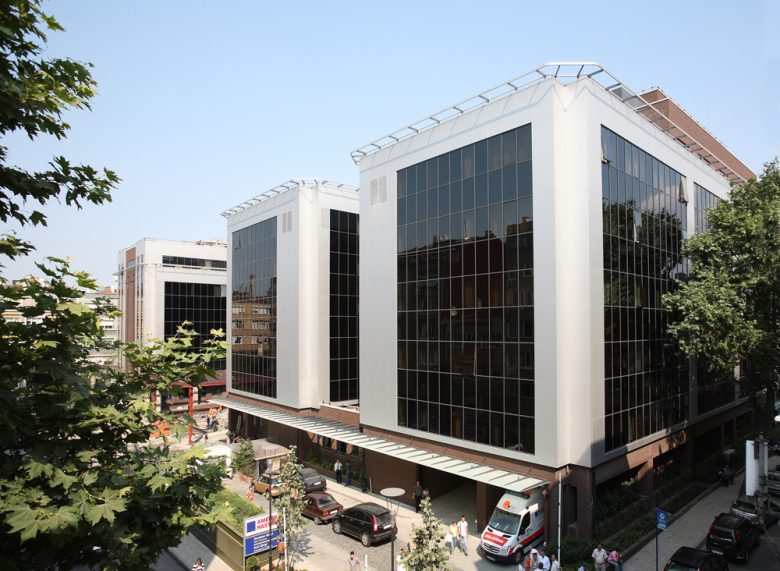
Founded in 1920, American Hospital Istanbul is one of the oldest and most prestigious private medical institutions in Turkey. Located in the upscale Nisantasi district of Istanbul, the hospital operates with 241 beds, 41 intensive care beds, and 12 operating rooms. It was the first private hospital in Turkey to earn JCI accreditation (in 2002) and has maintained it through multiple renewal cycles. The hospital employs over 670 physicians across 33 medical departments, and more than 20,000 surgical procedures are performed here annually. Its Obesity Center brings together bariatric surgeons, endocrinologists, psychiatrists, and dietitians in a multidisciplinary model, with bariatric specialists who carry over 25 years of surgical experience from training programs in Turkey, the US, and Europe. American Hospital also holds a strategic partnership with MD Anderson Cancer Center at the University of Texas.
Optimed Health Group
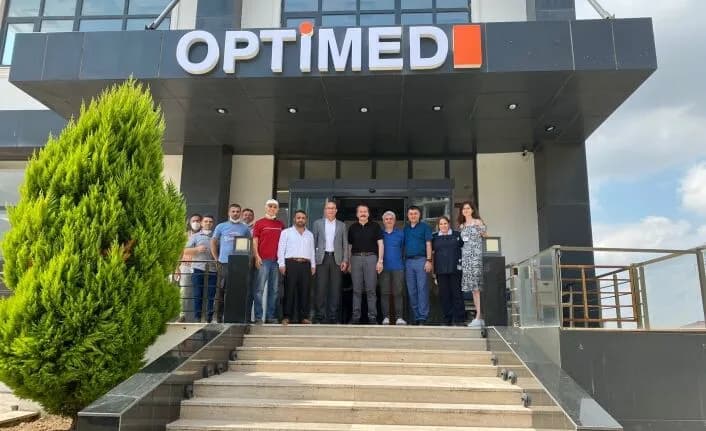
Optimed Health Group is a growing private healthcare network in Turkey that has built a reputation for serving international patients at a high volume. The group operates modern surgical suites equipped for laparoscopic and minimally invasive bariatric procedures. Its bariatric program includes pre-operative evaluation, surgery, nutritional counseling, and long-term post-operative follow-up. Optimed partners with experienced general surgeons who specialize in sleeve gastrectomy, gastric bypass, and revision bariatric surgery. The group also provides full medical tourism support, including airport transfers, hotel accommodation, and multilingual patient coordination.
Hisar Hospital Intercontinental
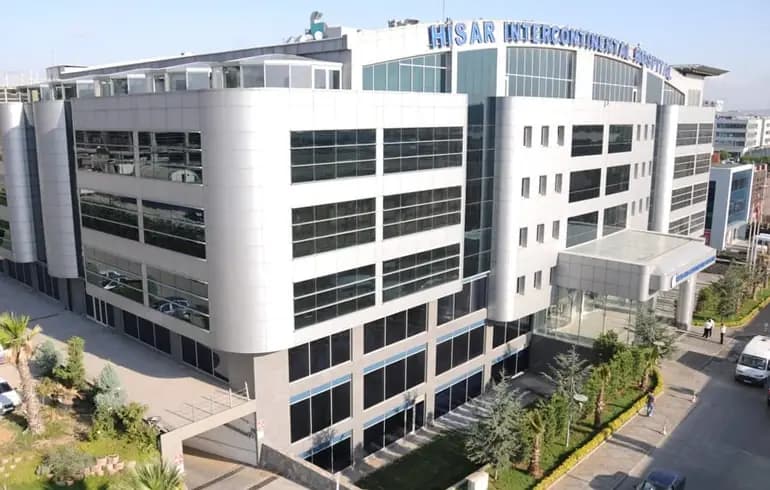
Hisar Hospital Intercontinental is an internationally accredited multi-specialty hospital located on the Anatolian side of Istanbul. The hospital holds JCI accreditation and operates with a strong general surgery and bariatric department. Its bariatric team performs gastric sleeve, gastric bypass, and mini gastric bypass procedures using laparoscopic techniques. Hisar is known for offering full medical tourism packages that include pre-operative testing, hospital stay, post-operative hotel accommodation, and ground transportation. The hospital also provides multilingual patient coordinators and online follow-up support for international patients after they return home.
Medipol Mega University Hospital
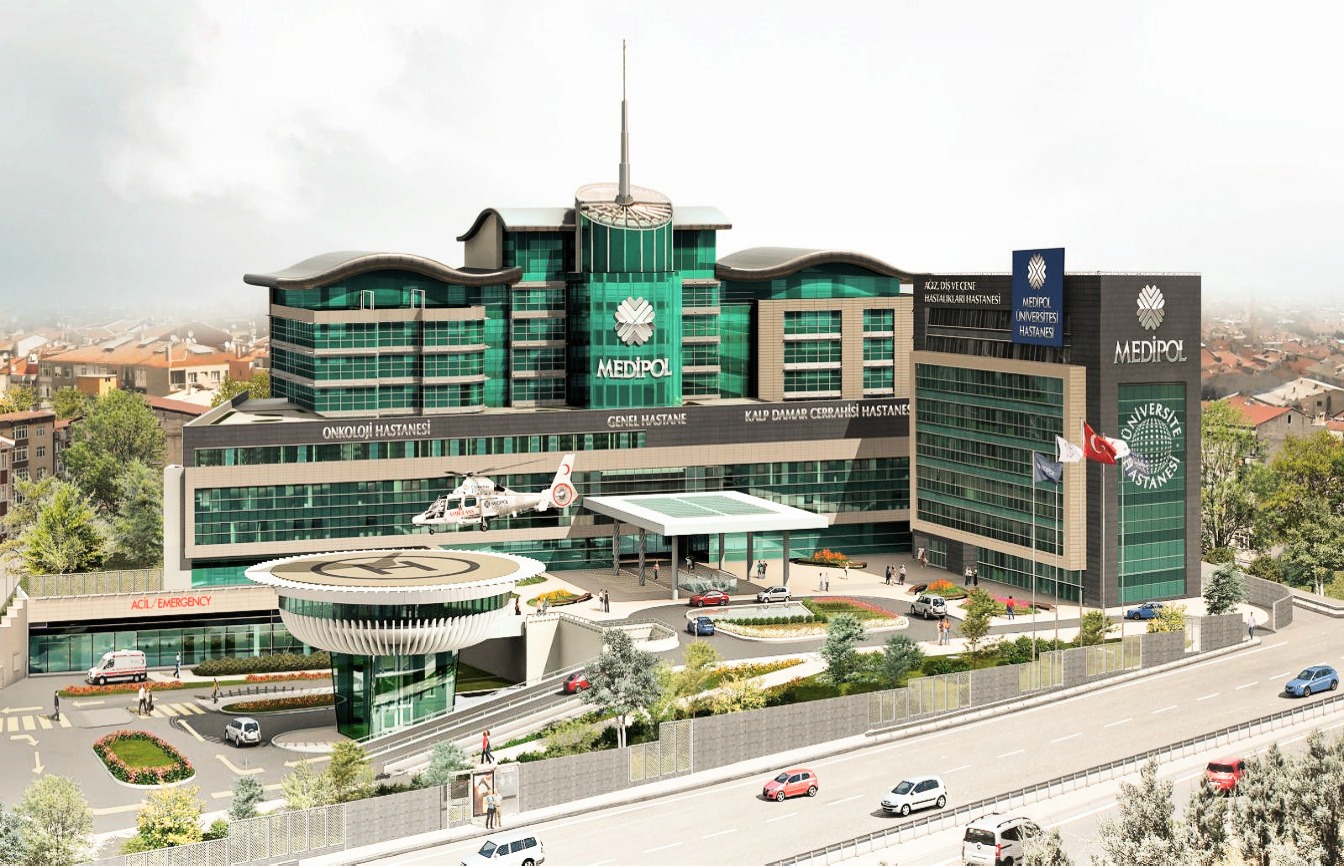
Medipol Mega University Hospital is one of the largest private university hospitals in Europe, located in Istanbul. The complex consists of four specialized hospitals (General, Cardiovascular Surgery, Oncology, and Dental) with a total capacity of over 470 beds, more than 130 intensive care units, and 25 operating rooms that can run simultaneously. Medipol holds JCI Academic Medical Center accreditation, making it the first hospital in Turkey to achieve this distinction. Its bariatric surgery department operates within a multidisciplinary model that includes endocrinologists, dietitians, psychiatrists, cardiologists, and general surgeons. The hospital uses robotic-assisted surgical systems and advanced laparoscopic equipment for bariatric procedures, and its research partnership with the Regenerative and Restorative Medicine Research Center gives patients access to some of the newest treatment protocols available.
Lokman Hekim Health Group
![Hip Replacement Surgery in Turkey: Cost, Best Hospitals & Recovery [2026] related image](https://amedical.az/storage/blog/content/2026/04/db8c8c99-c5e1-4e77-b12c-4b2a80e3ed8b.png)
Lokman Hekim Health Group is a well-established Turkish healthcare brand with multiple hospital locations across the country, including facilities in Istanbul and Ankara. The group is accredited by the Turkish Ministry of Health for medical tourism services and offers bariatric surgery programs that cover the full spectrum of weight loss procedures, from gastric sleeve and bypass to gastric balloon. Lokman Hekim hospitals feature modern operating theaters, in-house laboratories, and dedicated aftercare programs that include nutritional guidance and post-operative monitoring. The group has expanded its international patient services in recent years, with multilingual coordinators and partnerships with nearby hotels to accommodate patients traveling from abroad.
Acibadem Healthcare Group

Acibadem is Turkey's largest private hospital network, founded in 1991, now operating 29 hospitals and 24 medical centers across Turkey and internationally. The group employs approximately 26,000 staff, including over 3,800 physicians and 5,400 nurses. All Acibadem hospitals hold JCI accreditation, and the network is also recognized with LEED Gold certification for environmentally sustainable hospital design and ISO 15189 accreditation for its central laboratory. In bariatric surgery, Acibadem offers gastric sleeve, Roux-en-Y gastric bypass, mini gastric bypass, and gastric balloon procedures performed with Da Vinci robotic-assisted surgery and advanced laparoscopic equipment. The group's bariatric teams include surgeons with decades of experience, many performing over 200 procedures per year. Acibadem also operates its own university (Acibadem Mehmet Ali Aydinlar University) and has a Clinical Simulation and Advanced Endoscopic Robotic Surgery Training Center (CASE), which holds a global "Center of Excellence" certification.
Medical Park Hospitals
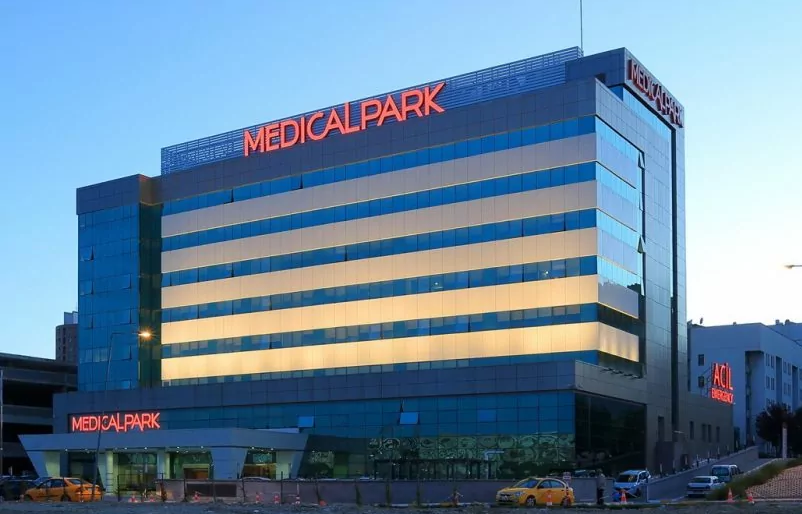
Medical Park Hospitals is one of Turkey's largest hospital chains, with facilities spread across major cities including Istanbul, Ankara, Antalya, Izmir, and others. The network is part of the MLP Care group and serves a high volume of both domestic and international patients. Medical Park hospitals are equipped with modern laparoscopic surgery suites and offer bariatric procedures including gastric sleeve, gastric bypass, and revision bariatric surgery. Many of its bariatric surgeons have trained at international institutions and perform several hundred weight loss procedures each year. Medical Park offers all-inclusive bariatric packages for international patients, including hospital stay, hotel accommodation, transfer services, and multilingual coordination.
Liv Hospital

Liv Hospital is a premium hospital brand in Turkey, with locations in Istanbul (Ulus and Bahcesehir) and Ankara. The name "Liv" stands for "Leading International Vision," reflecting the hospital's focus on serving international patients. Liv Hospital operates with modern infrastructure, including advanced imaging centers, fully equipped operating theaters, and private recovery suites. Its bariatric surgery department offers gastric sleeve, gastric bypass, mini gastric bypass, and gastric balloon procedures with full concierge-style patient services. International patients receive a dedicated coordinator who manages every detail from airport pickup to post-operative hotel stays and follow-up appointments. Liv is known for combining clinical quality with a hospitality-oriented patient experience.
Memorial Hospital
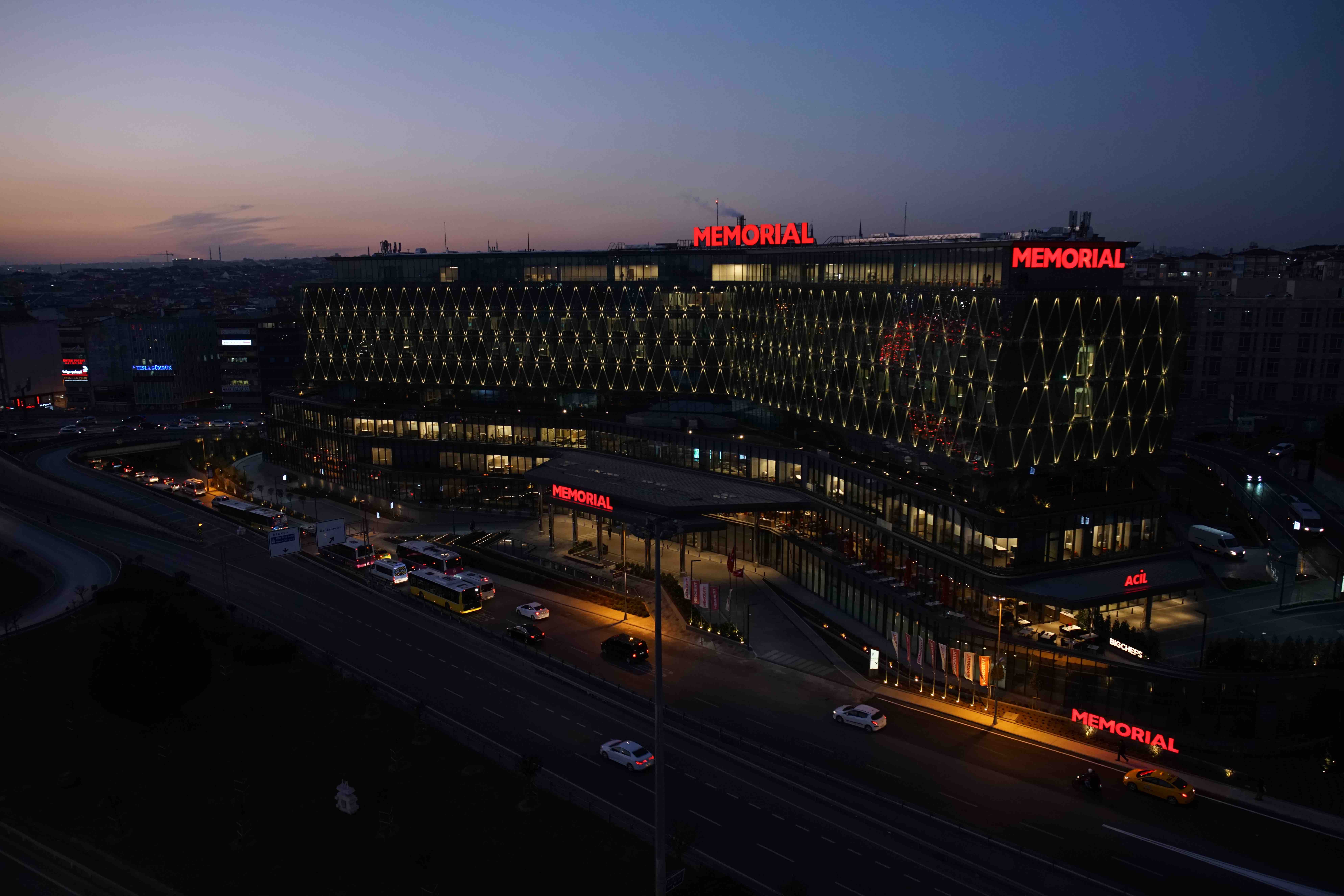
Memorial Hospital is a JCI-accredited hospital chain with locations in Istanbul (Sisli, Atasehir, Bahcelievler), Ankara, and Antalya. Memorial Sisli was the first hospital in Turkey and the 21st worldwide to receive JCI accreditation. The group operates specialized bariatric surgery departments across multiple locations, with surgeons who have extensive experience in laparoscopic sleeve gastrectomy, Roux-en-Y gastric bypass, and revision bariatric procedures. Memorial hospitals are equipped with advanced surgical technology and maintain strict safety protocols aligned with international benchmarks. The hospital group treats patients from over 167 countries annually and provides a full range of medical tourism services, including VIP transfers, hotel accommodation, interpreter support, and long-term post-operative follow-up programs.
Bolge Hospital Turkey
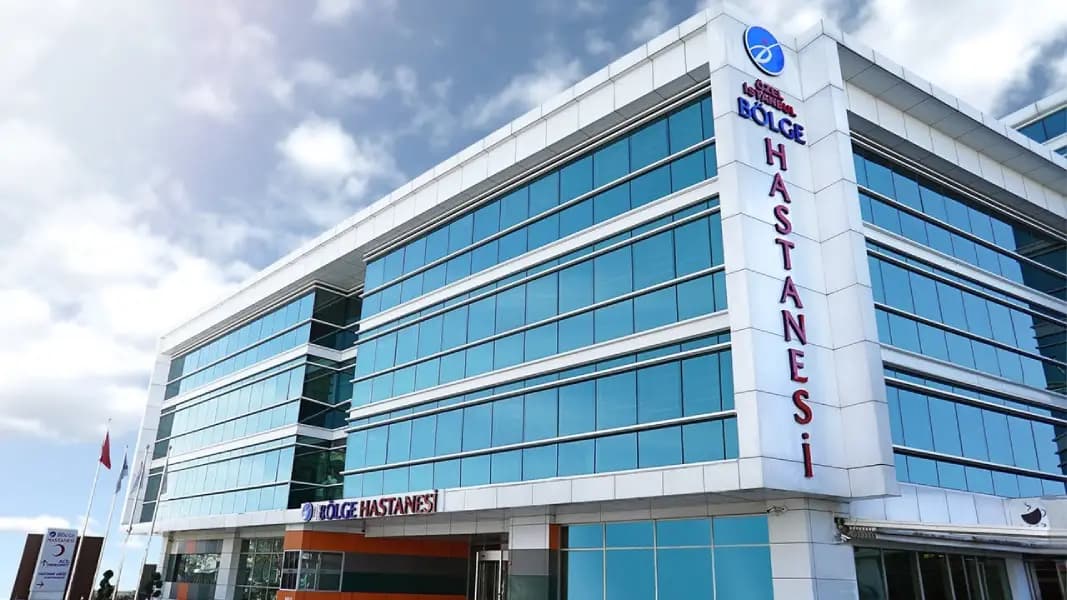
Bolge Hospital is a regional hospital in Turkey that has gained growing recognition among international patients seeking affordable bariatric surgery. The hospital offers gastric sleeve, gastric bypass, and gastric balloon procedures performed by experienced general surgeons. While smaller in scale compared to the large hospital groups, Bolge provides a more personalized patient experience with close surgeon-patient interaction throughout the treatment process. The hospital offers competitive pricing and all-inclusive packages that cover surgery, hospital stay, accommodation, and transfers, making it an accessible option for patients looking for quality care at a lower price point.
How A-Medical Can Help?
A-Medical is a medical tourism facilitator that connects international patients with the best hospitals and surgeons in Turkey. If you are considering bariatric surgery in Turkey but do not know where to start, our team handles the entire process from your first inquiry to your post-operative follow-up at home. Here is what we offer:
- Free initial consultation and BMI assessment with a bariatric specialist
- Matching with the best-suited surgeon and hospital based on your medical profile and budget
- No waiting lists, with surgeries typically scheduled within 2 to 4 weeks
- All-inclusive packages covering hospital stay, hotel accommodation, airport transfers, and interpreter services
- Multilingual patient coordinators available throughout your stay
- Transparent pricing with no hidden fees
- Post-operative follow-up support after you return home
- Assistance with travel logistics, visa guidance, and companion accommodation
Whether you are exploring weight loss surgery options abroad or have already decided on a procedure, A-Medical simplifies the process so you can focus on your health and recovery. Contact our team today to get a personalized treatment plan and a no-obligation price quote.
Conclusion
Bariatric surgery in Turkey offers a real opportunity for people struggling with obesity to transform their health and quality of life. With experienced surgeons, accredited hospitals, affordable all-inclusive packages, and zero waiting times, Turkey has earned its position as one of the leading destinations for weight loss surgery in the world. Whether you are considering a gastric sleeve, gastric bypass, mini bypass, or gastric balloon, the key is to work with a trusted team that will guide you through every step.
A-Medical is here to help you find the right surgeon, the right hospital, and the right treatment plan at a price that works for your budget. Reach out to our team today for a free consultation and take the first step toward a healthier life.
Preparing for Bariatric Surgery Abroad: A Pre-Operative Checklist
Proper preparation is key to a safe and successful outcome. Here is what you should do in the weeks before traveling to Turkey for weight loss surgery:
- Get a full physical examination and blood work from your local doctor
- Share your complete medical history, current medications, and recent test results with your Turkish surgical team
- Follow the pre-operative diet recommended by your surgeon (usually a liver-shrinking diet for 2 to 4 weeks)
- Stop smoking at least 4 to 6 weeks before surgery
- Discontinue blood-thinning medications as advised by your surgeon
- Arrange time off work (typically 2 to 4 weeks depending on the procedure)
- Pack comfortable, loose-fitting clothing for your trip
- Purchase travel insurance that covers medical procedures abroad
Frequently Asked Questions About Bariatric Surgery in Turkey
Is bariatric surgery in Turkey safe for international patients?
Yes, bariatric surgery in Turkey is safe when performed at accredited hospitals by experienced surgeons. Many Turkish bariatric centers hold JCI accreditation and perform hundreds of procedures annually, with complication rates that match or outperform European and American averages.
How much does bariatric surgery cost in Turkey compared to the UK and US?
Bariatric surgery costs in Turkey range from $3,000 to $6,500 depending on the procedure, compared to $15,000 to $30,000 in the US and $10,000 to $20,000 in the UK. Turkish prices typically include all-inclusive packages with hospital stay, hotel, transfers, and follow-up care.
How long do I need to stay in Turkey after weight loss surgery?
Most patients need to stay in Turkey for 7 to 10 days after weight loss surgery. This includes 2 to 3 nights in the hospital and 4 to 5 nights at a nearby hotel with daily medical check-ups before flying home.
What is the minimum BMI required for bariatric surgery?
The minimum BMI for bariatric surgery is generally 40, or 35 with at least one obesity-related health condition like type 2 diabetes, high blood pressure, or sleep apnea. For non-surgical options like the gastric balloon, the minimum BMI is typically 27 to 30.
Can bariatric surgery help with type 2 diabetes?
Yes, bariatric surgery is one of the most effective treatments for type 2 diabetes remission. Gastric bypass achieves diabetes remission in up to 80 percent of patients, while gastric sleeve surgery shows remission rates of 55 to 65 percent, often reducing or eliminating the need for diabetes medication.
Will I need to take vitamins for the rest of my life after surgery?
Yes, lifelong vitamin and mineral supplementation is required after bariatric surgery. This typically includes a daily multivitamin, vitamin B12, iron, calcium, and vitamin D. Regular blood tests help monitor your levels and adjust doses as needed.