
Contents
A lung transplant ranks among the most demanding organ procedures in medicine, and the price gap between countries is enormous. The same operation that bills past $1.2 million in the United States can cost a fraction of that in Asia and parts of Europe, with savings reaching 80 to 95 percent depending on the destination and whether you need a single or double lung. This guide reviews eight countries that treat international patients, gives real 2026 price ranges in USD and EUR, and explains the one factor that decides everything: whether a foreign patient can legally join the donor waiting list at all.
The best and cheapest countries for lung transplant abroad are not always the obvious ones, so the ranking below weighs cost against donor access, surgical volume, and accreditation rather than price alone.
A-Medical coordinates the full process for international lung transplant patients, from donor eligibility confirmation and surgeon matching to travel, accommodation, and post-treatment follow-up. Contact us today to receive your personalized treatment plan within 24 hours.
Use the quick comparison below to scan the field, then read each country section for the detail that drives a safe decision.
|
Country |
Single Lung (USD / EUR) |
Savings vs USA |
Top Hub City |
|---|---|---|---|
|
Turkey |
$180k - $300k / €165k - €275k |
75% - 85% |
Istanbul, Ankara |
|
India |
$33k - $180k / €30k - €165k |
85% - 95% |
Hyderabad, Chennai |
|
Spain |
$180k - $260k / €165k - €240k |
75% - 85% |
Madrid, Barcelona |
|
Germany |
$200k - $320k / €185k - €295k |
70% - 80% |
Hannover, Munich |
|
Singapore |
$190k - $340k / €175k - €310k |
70% - 80% |
Singapore |
|
United Kingdom |
$110k - $165k / €100k - €150k |
85% - 90% |
London, Newcastle |
|
UAE |
$350k - $475k / €320k - €435k |
60% - 70% |
Dubai, Abu Dhabi |
|
United States |
$1.2M - $1.6M / €1.1M - €1.47M |
Baseline |
Multiple |
Figures reflect 2026 estimates covering surgery, hospital stay, and first-year follow-up. Double lung transplants add roughly 25 to 40 percent. They exclude flights, accommodation, and long-term immunosuppressant medication.
How We Ranked These Countries

Most lists rank lung transplant destinations on price alone, which misleads patients badly. A cheap quote means nothing if the country bars foreigners from its donor registry. We applied the same seven criteria to every country so you can compare like with like:
- Donor access for international patients — the single biggest barrier, since most nations prioritize their own citizens for organ allocation.
- Average procedure cost in USD and EUR, single and double lung.
- Surgical volume and outcomes — how many lung transplants the centers actually perform each year.
- Accreditation — JCI, ISO, NABH, GHA, and TEMOS certification of the treating hospitals.
- Surgeon training and English fluency for clear communication with overseas patients.
- Average evaluation and wait timeline for the work-up that precedes listing.
- Visa and entry conditions for the patient and an accompanying carer.
Turkey leads this list because it combines an active deceased-donor program that accepts qualifying foreign patients, high JCI density, and prices well below Western Europe. India follows closely as the most affordable serious option in the world. Spain earns its place on the strength of the planet's best organ donation system, even though access rules tighten for non-residents.
The 8 Best and Cheapest Countries for a Lung Transplant
Each profile below follows the same shape: overview, price, accreditation, advantages, drawbacks, and one detail the other guides skip. The best and cheapest countries for lung transplant abroad reward patients who match the right medical profile to the right donor system, so read the drawbacks as carefully as the prices.
1. Turkey

Turkey hosts more than 60 JCI-accredited hospitals and treats over 1.4 million medical tourists a year, backed by the state-supported USHAS health tourism authority. For lung transplantation, centers in Istanbul and Ankara run organized thoracic programs with surgeons who trained in the United States and Europe and who operate in English. The country runs an active deceased-donor allocation system and treats eligible international patients, which is rarer than most lists admit.
Cost: Single lung $180,000 to $300,000 (about €165,000 to €275,000); double lung from $250,000 (about €230,000). The same single lung procedure costs $1.2 million to $1.4 million in the United States, so patients save roughly 75 to 85 percent. Quotes usually fold in interpreter support, airport transfer, and hotel-style recovery accommodation.
Accreditation: JCI and ISO certified hospitals; surgeons board-certified in thoracic surgery.
Advantages
- Foreign patients can qualify for the donor program, unlike many higher-priced rivals.
- Short evaluation timelines and no multi-year domestic waiting list for private-pathway patients.
- Direct flights from the UK, Europe, the Gulf, and Central Asia into Istanbul.
- All-inclusive packages bundle transfer, translation, and aftercare coordination.
Drawbacks to weigh
- Annual lung transplant volume sits below India and Spain, so case numbers matter when you choose a center.
- Donor matching still depends on blood type and organ availability, never on payment.
Turkey allows an accompanying family member to stay through the full recovery window on a standard tourist e-visa, which removes a logistics headache that derails many transplant trips.
2. India

India is the most affordable serious lung transplant destination on Earth and one of the highest-volume programs in Asia. Hospital groups in Hyderabad and Chennai have built specialized heart and lung transplant teams, and Indian surgeons routinely treat patients from the Gulf, Africa, and South Asia. Hospitals such as KIMS in Hyderabad, MGM Healthcare in Chennai, and Medanta in Gurugram report large transplant case loads.
Cost: Single lung from $33,000 to $180,000 (about €30,000 to €165,000) depending on hospital tier; double lung $200,000 to $250,000 (about €185,000 to €230,000). Pre-transplant testing and a year of immunosuppressants add $5,000 to $7,500 (about €4,600 to €6,900). Savings against the US reach 85 to 95 percent, the deepest on this list.
Accreditation: JCI, NABH, and NABL accredited hospitals; English-speaking specialists.
Advantages
- Lowest cost worldwide for a transplant of this complexity.
- High surgical volume and strong outcomes at the leading centers.
- No language barrier, since doctors practice medicine in English.
- Established medical-visa pathway for patients and two attendants.
Drawbacks to weigh
- Long-haul flights from Europe and the Americas add cost and recovery strain.
- Quality varies sharply between top centers and smaller hospitals, so center selection is critical.
Indian law lets a foreign patient list with a related living-related angle only for certain organs; for lungs, deceased-donor allocation applies, so confirm the hospital's NOTTO registration before you travel.
3. Spain

Spain runs the most successful organ donation system in the world, with the highest deceased-donor rate of any country and a national transplant organization that other nations study as a model. Hospitals in Madrid and Barcelona perform lung transplants with excellent survival data. Spain belongs on any honest list of the best and cheapest countries for lung transplant abroad for the quality of its donor pipeline.
Cost: Single lung $180,000 to $260,000 (about €165,000 to €240,000) in the private sector; double lung higher. Patients save 75 to 85 percent versus the US while gaining access to a world-leading donor system.
Accreditation: JCI and Joint Commission affiliated centers; strong national transplant oversight.
Advantages
- Unmatched donor availability driven by an opt-out donation culture.
- High survival rates and mature post-transplant rehabilitation.
- Short flights from across Europe and reliable Schengen access.
Drawbacks to weigh
- Public-system organs go to residents first, so non-residents rely on private pathways and clear eligibility checks.
- Costs run above India and on par with Turkey without the bundled-package model.
Spain's donation rate means waiting times for listed patients tend to be shorter than in donor-scarce countries, a quiet advantage that rarely appears in price-only comparisons. Spain's wider offering appears in this medical tourism in Spain overview.
4. Germany
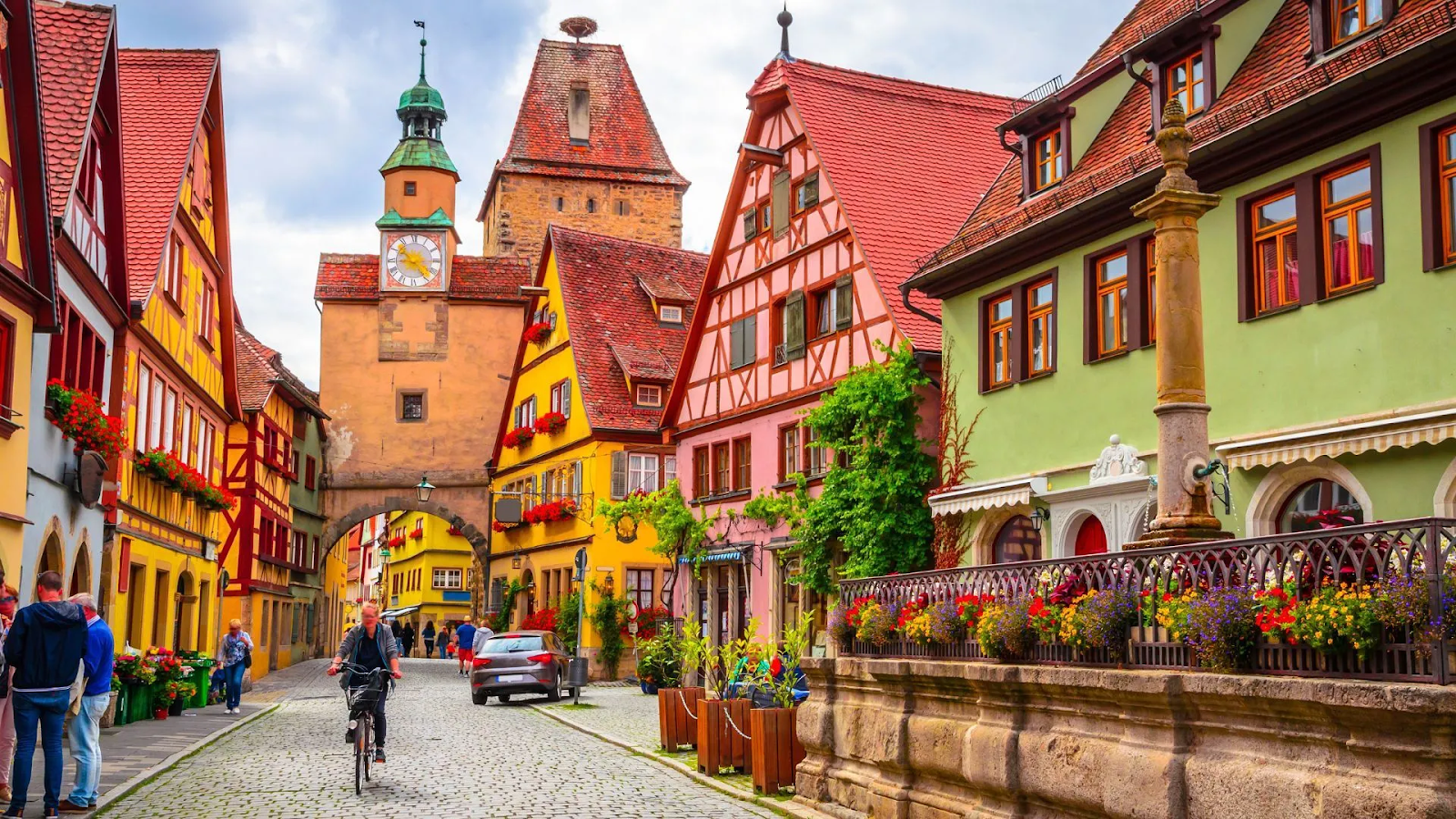
Germany pairs cutting research with deep transplant experience. Hannover Medical School runs one of Europe's largest lung transplant programs, and university hospitals in Munich and Heidelberg add further capacity. German outcomes rank among the best in Europe, and the post-transplant rehabilitation network is dense.
Cost: Single lung $200,000 to $320,000 (about €185,000 to €295,000). Savings against the US reach 70 to 80 percent. Germany sits at the premium end of the European range.
Accreditation: University hospital standards; ISO and national certification.
Advantages
- Very high surgical expertise and research-driven protocols.
- Excellent rehabilitation and long-term follow-up infrastructure.
- Strong regulatory oversight and transparency.
Drawbacks to weigh
- Organ allocation through Eurotransplant prioritizes residents, which narrows access for outside patients.
- Higher cost than Turkey, India, and Spain.
Germany allocates organs through the Eurotransplant network shared with seven countries, so a non-resident's realistic route is usually a self-funded private agreement with strict eligibility review.
5. Singapore

Singapore offers Asia's most advanced hospital technology and a transplant program built to international standards. The city-state attracts patients from across Southeast Asia who want top-tier facilities and English-language care without traveling to Europe or North America.
Cost: Single lung $190,000 to $340,000 (about €175,000 to €310,000). Savings versus the US run 70 to 80 percent, with premium facilities justifying the upper range.
Accreditation: JCI accredited hospitals; internationally trained specialists.
Advantages
- Leading-edge technology and infection-control standards.
- English-speaking medical teams and strong governance.
- Regional hub with excellent connectivity across Asia.
Drawbacks to weigh
- Most expensive Asian option on this list.
- Small donor pool limits the number of organs available to non-residents.
Singapore's HOTA opt-out law boosts its donor rate among residents, but allocation rules still place citizens first, so confirm a defined organ pathway before planning travel.
6. United Kingdom
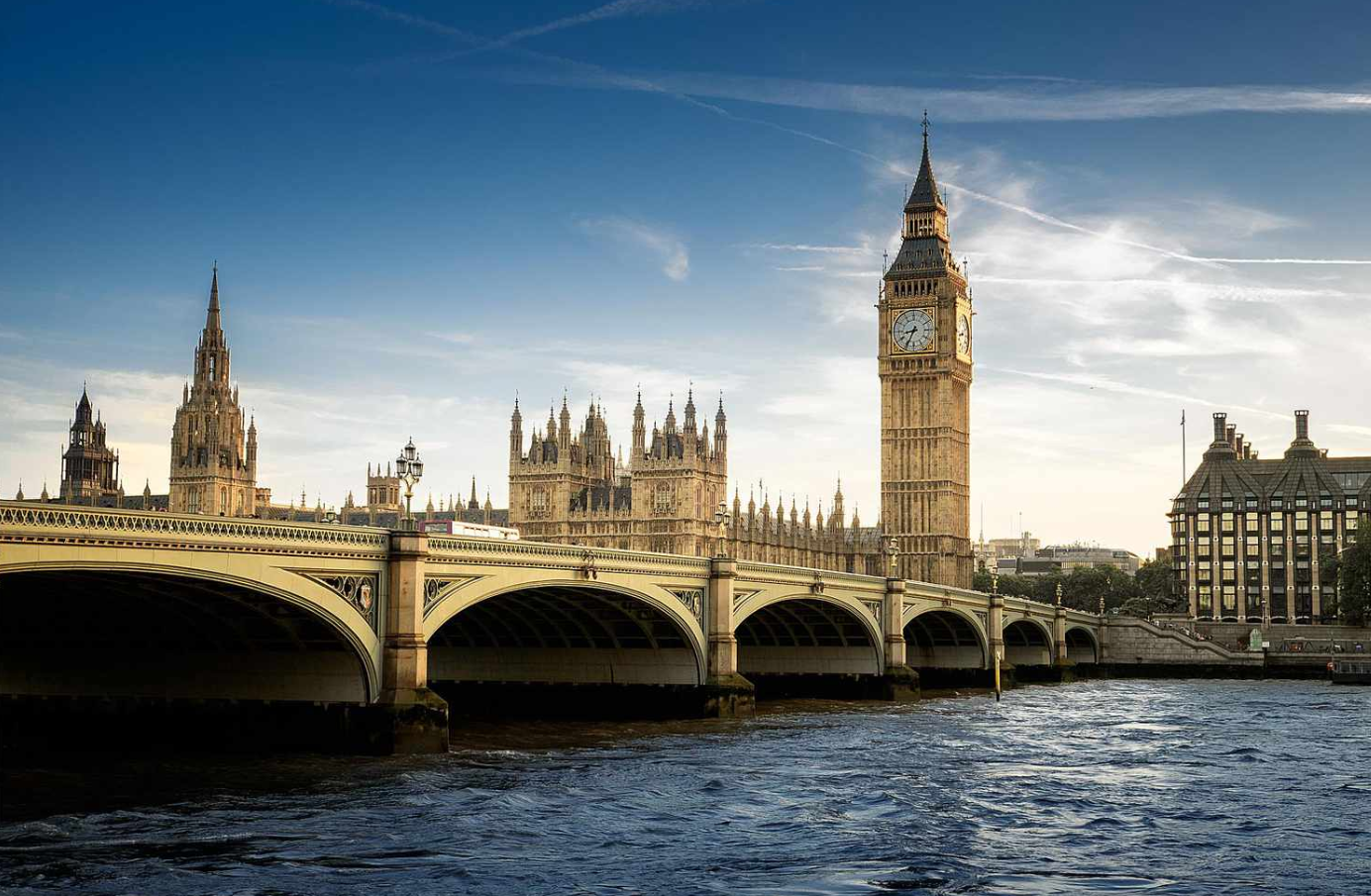
The United Kingdom runs respected lung transplant centers at the Royal Brompton Hospital in London and the Freeman Hospital in Newcastle. For self-funding international patients, UK private pricing undercuts much of Western Europe, although NHS donor organs follow strict residency-based allocation.
Cost: Single lung roughly £80,000 to £120,000 ($110,000 to $165,000, about €100,000 to €150,000) on a private basis. Savings against the US reach 85 to 90 percent on the procedure fee.
Accreditation: CQC-regulated centers; long-established transplant units.
Advantages
- Highly experienced surgical teams with strong published outcomes.
- English-language care and clear clinical governance.
- Competitive private procedure pricing.
Drawbacks to weigh
- NHS organ allocation prioritizes UK residents, which heavily restricts donor access for visitors.
- Accommodation and living costs in London run high.
The UK separates the procedure fee from organ access; a foreign patient may fund the surgery yet still face residency rules on the waiting list, which is why eligibility confirmation comes before any deposit.
7. United Arab Emirates

The United Arab Emirates has invested heavily in transplant capability in Dubai and Abu Dhabi, and it stands out for a practical reason: it operates programs designed to accept international patients rather than turning them away. Facilities are new, luxurious, and staffed by globally recruited surgeons.
Cost: Single lung $350,000 to $475,000 (about €320,000 to €435,000); double lung $400,000 to $475,000. Savings against the US run 60 to 70 percent, the smallest discount here, offset by genuine access.
Accreditation: JCI accredited hospitals; international clinical staff.
Advantages
- Built to serve international patients, easing the access problem.
- Premium facilities and broad language support.
- Strong air connectivity from Europe, Africa, and Asia.
Drawbacks to weigh
- Highest cost outside the US and Western Europe.
- Younger transplant program than India, Spain, or Germany, so volume is lower.
The UAE's openness to non-resident transplant candidates makes it a fallback when donor-access rules block cheaper countries, a trade-off of price for eligibility that suits Gulf-based and African patients.
8. Thailand
Thailand anchors Southeast Asian medical tourism and pairs affordable pricing with JCI-accredited Bangkok hospitals. Lung transplantation is less common here than dental, cardiac, or orthopedic work, yet leading centers handle complex thoracic surgery and serve a large international caseload across other specialties.
Cost: Single lung roughly $120,000 to $250,000 (about €110,000 to €230,000) at major private hospitals. Savings against the US reach 80 to 90 percent.
Accreditation: JCI accredited hospitals; English-speaking international departments.
Advantages
- Affordable pricing with strong hospitality and aftercare.
- Mature medical tourism infrastructure and visa support.
- Comfortable recovery environment with established patient services.
Drawbacks to weigh
- Lower lung transplant volume than India or Spain.
- Donor organ availability for non-residents is limited, so confirm the pathway early.
Thailand's strength lies in the wraparound recovery experience and cost, but lungs sit outside its highest-volume specialties, so a candid volume question to the center matters more here than anywhere else on the list.
Lung Transplant Country Comparison Table
This table puts the seven decision criteria side by side so you can scan the full field at once.
|
Country |
Single Lung Cost |
Donor Access for Foreigners |
Accreditation |
Volume |
Visa |
|---|---|---|---|---|---|
|
Turkey |
$180k - $300k |
Yes, eligible |
JCI / ISO |
Moderate |
e-Visa |
|
India |
$33k - $180k |
Yes, with checks |
JCI / NABH |
High |
Medical visa |
|
Spain |
$180k - $260k |
Private pathway |
JCI |
High |
Schengen |
|
Germany |
$200k - $320k |
Restricted |
University |
High |
Schengen |
|
Singapore |
$190k - $340k |
Limited |
JCI |
Low |
e-Visa / VOA |
|
UK |
$110k - $165k |
Restricted |
CQC |
Moderate |
Standard visa |
|
UAE |
$350k - $475k |
Yes, designed for |
JCI |
Low |
e-Visa / VOA |
|
Thailand |
$120k - $250k |
Limited |
JCI |
Low |
VOA / e-Visa |
Which Country Should You Choose?
Match your priority to the destination that serves it best.
- For the lowest possible cost: India, where prices fall 85 to 95 percent below the US while leading centers keep outcomes high.
- For the best donor access as a foreign patient: Turkey and the UAE, the two destinations built to list and treat international candidates rather than restrict them.
- For the shortest waiting time once listed: Spain, on the back of the world's highest deceased-donor rate.
- For treatment inside Europe with short flights: Spain or Germany, both reachable on a Schengen visa.
- For the highest-technology hospitals in Asia: Singapore, if budget allows the premium.
- For balanced cost, access, and connectivity: Turkey, which is why it leads this ranking.
How to Choose the Right Country for a Lung Transplant
Cost is the last filter, not the first. Work through the questions below in order, because a cheap quote collapses the moment a country refuses to list a non-resident.
- Confirm donor eligibility first. Ask the hospital in writing whether a foreign patient can join the allocation registry and on what terms.
- Check surgical volume. A center that performs many lung transplants a year carries lower risk than one that does a handful.
- Verify accreditation. Look for JCI, NABH, or equivalent national certification, not marketing claims.
- Map the total cost. Add flights, accommodation, a carer's stay, and a year of immunosuppressants to the headline quote.
- Plan the timeline. Evaluation, listing, surgery, and recovery can span weeks to months, so budget for the stay.
Hidden Costs to Consider Before Going Abroad
The quoted price rarely tells the whole story. International patients run into the same recurring extras:
- Pre-transplant evaluation: CT scans, pulmonary function tests, and blood work add several thousand dollars before surgery is even scheduled.
- Immunosuppressant medication: Lifelong anti-rejection drugs are a permanent cost that the surgery quote excludes.
- Extended accommodation: Recovery and follow-up can require a stay of one to three months, plus lodging for a carer.
- Flights and a fit-to-fly delay: Most patients cannot fly for several weeks after a lung transplant, so the return trip lands later than expected.
- Complication contingency: ICU time and treatment for rejection or infection can raise the bill, so set aside a reserve.
Risks of Choosing the Cheapest Option

The lowest quote can cost the most in the end. A center with little lung transplant volume carries higher complication risk, and a country that bars foreign patients from its donor list may take a deposit before the eligibility problem surfaces. Watch for three warning signs: a hospital that cannot show its annual transplant numbers, a broker that guarantees an organ on a fixed date (donor matching never works that way), and a quote that omits immunosuppressants or aftercare. Price matters, but for an operation this serious, donor access and surgical volume protect your life far more than a discount does.
Expert Perspective
Thoracic transplant specialists make one point repeatedly to international patients: the destination question is really a donor question. As clinicians working in high-volume programs put it, a lung transplant abroad succeeds when three things line up, namely a surgical team that performs the operation often, a hospital with intensive-care depth for the difficult first weeks, and a legal pathway onto the donor registry. Price should be the final tiebreaker, never the opening filter. Specialists also stress that the first year after surgery decides long-term survival, so a clear plan for immunosuppressant management and rejection monitoring back home matters as much as the operation itself. The best and cheapest countries for lung transplant abroad are the ones where surgical skill, donor access, and honest aftercare planning meet, not simply the ones with the lowest sticker price.
Plan Your Lung Transplant Abroad with A-Medical
A lung transplant requires precise coordination across medical, legal, and logistical lines. A-Medical handles every step so nothing falls through the gaps.
- Clinic and surgeon matching based on your diagnosis, transplant type, and donor eligibility
- Written confirmation of donor-allocation eligibility before any travel commitment
- MRI and medical record submission to the receiving transplant team
- Preliminary online consultation with the treating physician
- Doctor appointment scheduling and full pre-operative coordination
- Best-price negotiation with partner hospitals on your behalf
- Travel planning and flight guidance
- Accommodation arrangements near the hospital for you and your companion
- Airport and inter-city transfer organization throughout your stay
- Interpreter support during all hospital appointments and consultations
- Post-treatment remote follow-up coordination and home-country handover
Contact us today to receive a surgeon match, donor eligibility check, and detailed cost plan within 24 hours.
Frequently Asked Questions
Which country is the cheapest for a lung transplant?
India is the cheapest, with single lung procedures starting around $33,000 and savings of 85 to 95 percent against the United States. Confirm the hospital's transplant volume and donor pathway before booking.
Which country is the safest for a lung transplant?
Spain, Germany, and high-volume Indian centers post the strongest outcomes. Safety tracks surgical volume and ICU depth, so a busy program in any of these countries is safer than a low-volume one anywhere.
Can foreign patients get on a lung donor waiting list abroad?
Not everywhere. Most countries prioritize residents. Turkey and the UAE run pathways for eligible international patients, while Germany, the UK, and public-system Spain restrict access. Always get eligibility confirmed in writing first.
How much does a double lung transplant cost abroad?
A double lung transplant runs roughly 25 to 40 percent above a single. Expect about $200,000 to $250,000 in India and higher in the UAE and Western Europe, against $1.4 million to $1.6 million in the United States.
Why is Turkey ranked first on this list?
Turkey combines an active donor program that accepts qualifying foreign patients, more than 60 JCI-accredited hospitals, prices 75 to 85 percent below the US, and direct flights from many regions. That mix of access and affordability puts it ahead.
Does insurance cover a lung transplant performed overseas?
Often only partly, and many policies exclude transplants abroad or cap the payout. Read your policy wording and get written pre-authorization before you travel, since the medication and aftercare costs continue for life.
How long must I stay in the country after surgery?
Plan for one to three months. You need time for the work-up, the operation, ICU and ward recovery, and early follow-up, and most patients cannot fly for several weeks afterward.
Do all these countries offer the same quality?
No. Quality varies sharply between top centers and smaller hospitals within the same country. Judge each program on its annual lung transplant volume, accreditation, and outcomes rather than on the country name alone