Contents
Spinal Fusion Surgery in Switzerland
For patients dealing with chronic back pain, spinal instability, or degenerative conditions, spinal fusion surgery in Switzerland offers a combination of world-class surgical precision, cutting-edge technology, and an outstanding healthcare infrastructure. Switzerland has long been recognized as one of the leading destinations for complex orthopedic and neurosurgical procedures, and spinal fusion is no exception. Whether you are considering a single-level lumbar fusion or a multi-level cervical stabilization, Swiss hospitals deliver consistently high outcomes backed by rigorous safety protocols and internationally trained spine surgeons.
This guide provides an in-depth look at what spinal fusion surgery involves, the conditions it treats, the types of procedures available, realistic cost expectations, recovery timelines, and why Switzerland stands out as a premier destination for this procedure. If you are exploring your options for spinal fusion Switzerland through medical tourism, this resource is designed to help you make an informed and confident decision.
Cost of Spinal Fusion Surgery in Switzerland (2026)
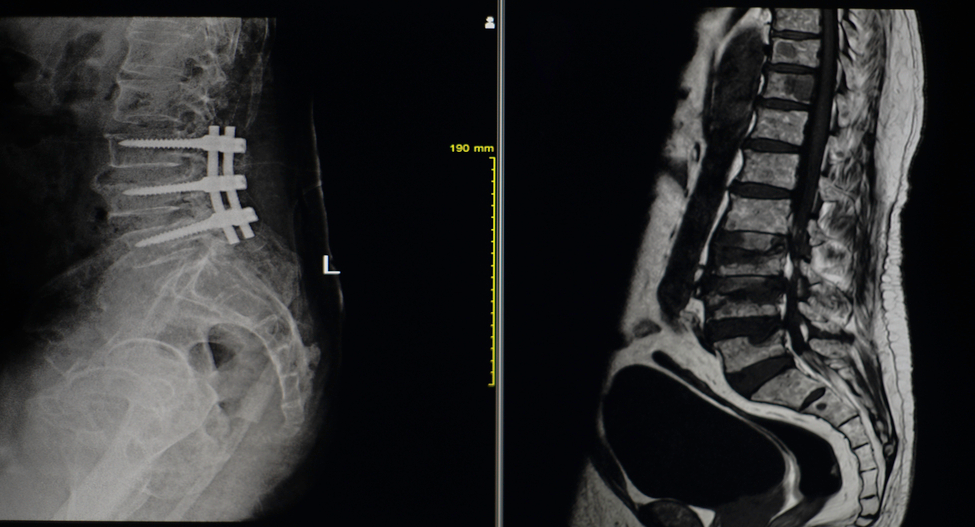
The cost of spinal fusion surgery in Switzerland typically ranges from $25,000 to $50,000 USD for a single-level procedure. Multi-level fusions, revision surgeries, and cases requiring advanced robotic navigation or custom implants may exceed $60,000. These figures generally include the surgeon's fees, hospital stay (3 to 5 nights), anesthesia, implant hardware (titanium screws, rods, or cages), pre-operative imaging (MRI, CT scan, X-ray), and initial post-operative care.
While Switzerland is not the cheapest destination for spinal surgery, the pricing reflects the exceptional quality of care, the use of premium-grade implants, and the unmatched safety record of Swiss hospitals. For many patients, particularly those with complex or high-risk spinal conditions, the investment in Swiss healthcare is justified by superior clinical outcomes and a significantly lower complication rate compared to many other countries.
Several factors influence the final cost of your procedure:
- The number of spinal levels being fused (single-level vs. multi-level)
- Surgical approach used (minimally invasive, open posterior, anterior, or lateral)
- Type and brand of implants and bone graft materials (autograft, allograft, or synthetic substitutes like BMP)
- Hospital tier and geographic location within Switzerland (Zurich, Bern, Geneva, or Lausanne)
- Length of hospital stay and whether intensive care is required
- Pre-operative diagnostics and post-operative rehabilitation needs
Cost of Spinal Fusion Surgery in the United States
In the United States, spinal fusion surgery is one of the most expensive orthopedic procedures. The average cost ranges from $50,000 to $150,000 depending on the hospital, the state, and the complexity of the case. A single-level lumbar fusion in a hospital setting averages around $60,000, while multi-level procedures or those involving robotic assistance can easily surpass $100,000. These figures often do not include surgeon's fees, anesthesiologist charges, or extended rehabilitation, which can add $10,000 to $30,000 more. Even with health insurance, out-of-pocket costs frequently range between $5,000 and $15,000 due to deductibles and coinsurance. Long waiting times for specialist consultations and pre-authorization delays add further frustration for patients in acute pain.
Cost of Spinal Fusion Surgery in the United Kingdom
In the United Kingdom, spinal fusion surgery is available through the NHS at no direct cost to the patient. However, NHS waiting lists for elective spinal procedures can stretch from several months to over a year, leaving patients in prolonged pain and reduced mobility. For those opting for private care, the cost of spinal fusion in the UK ranges from £10,000 to £20,000 (approximately $12,500 to $25,000 USD) for a single-level procedure. London-based private hospitals such as those on Harley Street tend to charge at the higher end of this range. While the UK offers competent spinal surgeons, patients often cite limited access to the latest robotic and navigation technologies that are standard in Swiss spine centers.
Why Switzerland Offers Better Value for Spinal Fusion Surgery
When comparing the cost of spinal fusion surgery in Switzerland with the US and UK, Switzerland occupies a middle ground in pricing while delivering care that is widely considered among the best in the world. Unlike the US, where billing is often opaque and fragmented, Swiss hospitals typically offer transparent, all-inclusive pricing. Unlike the UK, where NHS wait times can delay treatment by months, Swiss clinics provide rapid access with minimal waiting periods. Swiss hospitals also lead in the adoption of robotic-assisted spine surgery, intraoperative 3D navigation, and neuromonitoring, technologies that improve implant accuracy and reduce complication rates. For patients seeking the highest standard of spinal care without the unpredictability of US healthcare costs or the delays of the NHS, spinal fusion Switzerland represents a compelling option.
What Is Spinal Fusion Surgery?
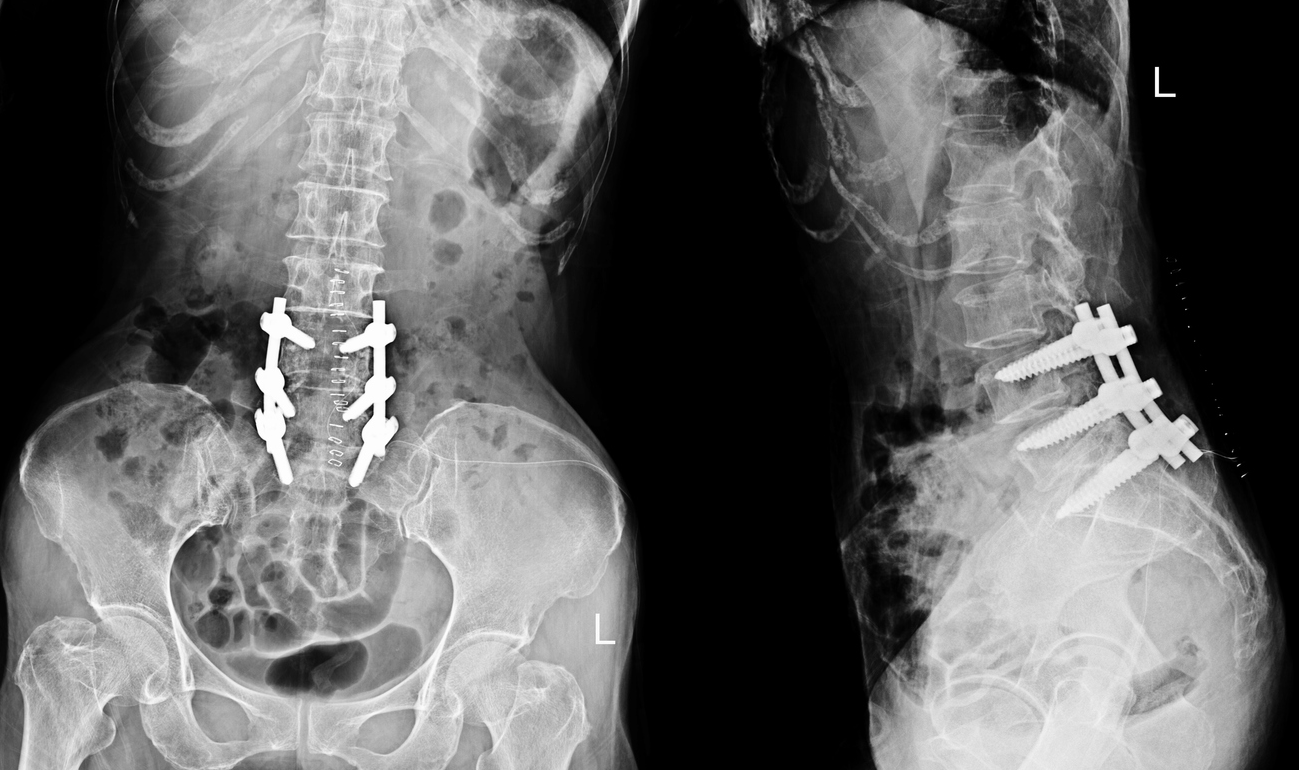
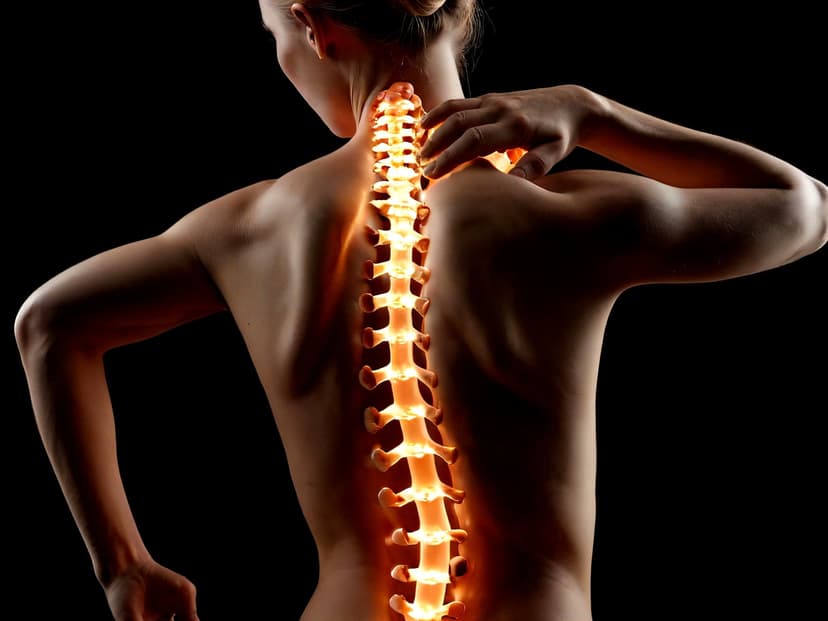
Spinal fusion surgery is a surgical procedure that permanently joins two or more vertebrae in the spine into a single, solid bone. The primary goal is to eliminate painful motion between vertebral segments that have been damaged by injury, disease, or degeneration. During the procedure, a surgeon places bone graft material (taken from the patient's own body, a donor, or a synthetic substitute) between the affected vertebrae. Metal hardware, including titanium screws, rods, plates, or interbody cages, is used to hold the vertebrae in the correct position while the bone graft heals and the fusion solidifies.
The surgery is typically performed under general anesthesia and can last between two and six hours depending on the number of levels fused and the surgical approach. Spinal fusion does not restore movement to the fused segment; instead, it stabilizes the spine, reduces nerve compression, corrects alignment, and alleviates chronic pain. It is usually considered only after conservative treatments such as physical therapy, medication, and epidural injections have failed to provide adequate relief. If you are exploring options for spinal fusion surgery abroad, understanding the fundamentals of the procedure is the essential first step. For a broader comparison of global destinations, you can review our guide on spinal fusion surgery abroad.
Conditions Treated with Spinal Fusion
Spinal fusion is not a one-size-fits-all procedure. It is indicated for a specific range of spinal conditions where instability, deformity, or nerve compression causes significant pain and functional limitation. The most common conditions treated with spinal fusion include:
- Degenerative disc disease (DDD), where the intervertebral discs lose hydration and height, leading to chronic pain and reduced spinal flexibility
- Spondylolisthesis, a condition in which one vertebra slips forward over the one below it, causing nerve compression and instability
- Spinal stenosis, the narrowing of the spinal canal that puts pressure on the spinal cord and nerve roots
- Scoliosis and kyphosis, abnormal curvatures of the spine that may worsen over time and require surgical correction
- Vertebral fractures resulting from trauma, osteoporosis, or metastatic disease
- Spinal tumors that compromise vertebral integrity and require stabilization after tumor removal
- Failed previous spinal surgeries (revision cases) where initial procedures did not achieve adequate fusion or symptom relief
- Spinal infections that have weakened the vertebral structure and require debridement followed by stabilization
Each of these conditions requires a thorough diagnostic workup, including MRI, CT scan, and dynamic X-rays, before a decision for fusion is made.
Types of Spinal Fusion Procedures
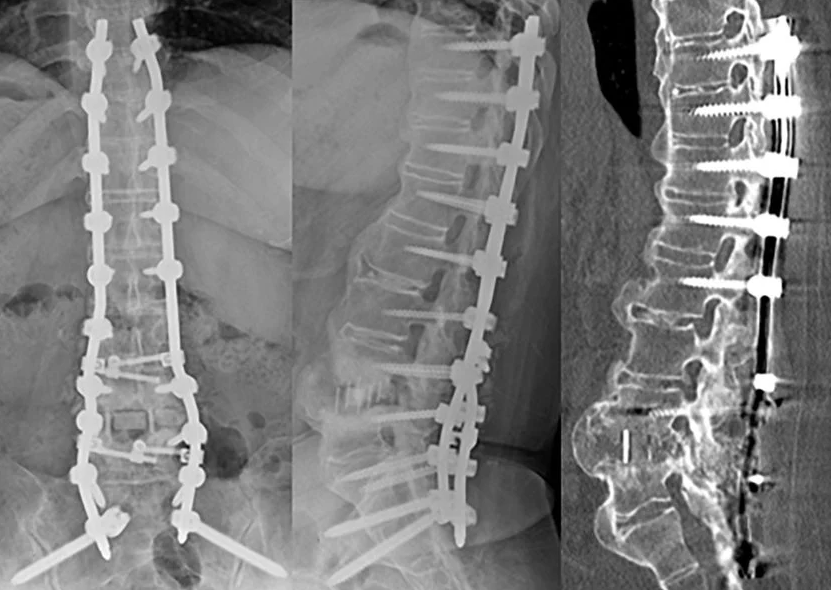
There are several approaches to spinal fusion, each suited to different spinal conditions, levels of the spine, and patient anatomy. Swiss spine centers offer the full spectrum of fusion techniques, allowing surgeons to tailor the procedure to each patient's specific needs.
Lumbar Spinal Fusion
Lumbar spinal fusion targets the lower back (L1 through S1) and is the most frequently performed type of spinal fusion worldwide. Common techniques include Posterior Lumbar Interbody Fusion (PLIF), Transforaminal Lumbar Interbody Fusion (TLIF), Anterior Lumbar Interbody Fusion (ALIF), and Lateral Lumbar Interbody Fusion (LLIF/XLIF). The choice of technique depends on the specific disc levels involved, the degree of instability, and whether decompression of the neural elements is also required. Lumbar fusion is most often indicated for degenerative disc disease, spondylolisthesis, and recurrent disc herniation at the L4-L5 or L5-S1 segments.
Cervical Spinal Fusion
Cervical spinal fusion addresses the neck region (C1 through C7) and is commonly performed using an anterior approach known as Anterior Cervical Discectomy and Fusion (ACDF). In this technique, the surgeon accesses the spine through a small incision in the front of the neck, removes the damaged disc, and replaces it with a bone graft or cage to facilitate fusion. Posterior cervical fusion may be necessary for more complex cases involving multi-level instability or deformity correction. Cervical fusion is frequently indicated for cervical disc herniation, cervical spondylosis, cervical myelopathy, and traumatic neck injuries.
Minimally Invasive Spinal Fusion (MIS Fusion)
Minimally invasive spinal fusion uses smaller incisions, tubular retractors, and specialized instruments to access the spine with less disruption to the surrounding muscles and soft tissues. This approach results in less blood loss, reduced post-operative pain, shorter hospital stays, and faster recovery compared to traditional open surgery. Swiss hospitals are among the global leaders in minimally invasive spine surgery, with many centers using intraoperative CT-guided navigation and robotic assistance to enhance the precision of screw placement and implant positioning. MIS fusion is suitable for many single-level and some two-level lumbar and cervical procedures.
How Spinal Fusion Surgery Is Performed
The surgical process for spinal fusion involves several carefully coordinated steps. Before the operation, the patient undergoes comprehensive pre-operative assessments, including blood work, imaging studies (MRI, CT scan, and X-rays), an electrocardiogram, and a consultation with the anesthesiologist. The patient is asked to stop blood-thinning medications and smoking well in advance of surgery, as both can impair healing and increase complication risk.
On the day of surgery, general anesthesia is administered. The surgeon makes an incision in the back (posterior approach), the abdomen (anterior approach), or the side (lateral approach), depending on the technique being used. Damaged disc material or bone spurs are removed to decompress the nerves. A bone graft, which may be an autograft (from the patient's iliac crest), an allograft (donor bone), or a synthetic substitute, is placed between the vertebrae to promote bone growth and fusion. Titanium screws, rods, or interbody cages are then inserted to stabilize the segment while the graft heals. In Swiss hospitals, intraoperative neuromonitoring is routinely used to track nerve function throughout the procedure, and robotic navigation systems ensure precise hardware placement. The incision is closed with sutures or staples, and the patient is moved to a recovery area for close monitoring.
Who Is a Good Candidate for Spinal Fusion?
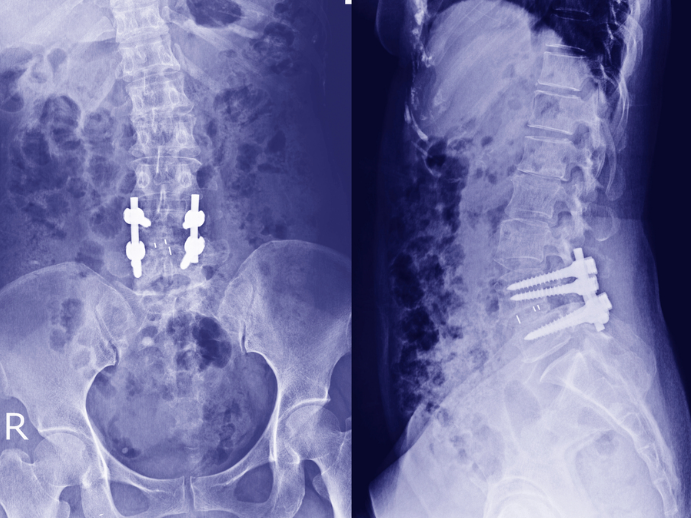
Not every patient with back pain is a suitable candidate for spinal fusion. The procedure is typically recommended when a specific structural problem in the spine has been identified and conservative treatments have been exhausted. Good candidates for spinal fusion generally include:
- Patients with confirmed degenerative disc disease causing chronic, debilitating pain that has not responded to at least 6 months of conservative treatment
- Individuals diagnosed with spondylolisthesis (Grade II or higher) with documented instability on flexion-extension X-rays
- Patients with spinal stenosis accompanied by instability or deformity requiring both decompression and stabilization
- Those with vertebral fractures (traumatic or osteoporotic) that have failed to heal with bracing or conservative management
- Patients requiring revision surgery after a failed prior spinal procedure (pseudarthrosis or hardware failure)
- Individuals with scoliosis or kyphosis whose curvature is progressive and causing neurological symptoms
Patients who smoke, have uncontrolled diabetes, severe obesity, or active infections may face higher complication rates and may need to address these issues before surgery can proceed. A thorough evaluation by a spine specialist is essential to determine candidacy.
Risks and Complications of Spinal Fusion Surgery
As with any major surgical procedure, spinal fusion carries potential risks. While complication rates in accredited Swiss hospitals are significantly lower than global averages due to advanced technology and strict safety protocols, patients should be aware of the following possible risks:
- Pseudarthrosis (non-union): The vertebrae fail to fuse properly, which may result in continued pain and potentially require revision surgery
- Adjacent segment disease (ASD): The spinal segments above or below the fusion may experience accelerated degeneration due to altered biomechanics, potentially leading to new symptoms over time
- Nerve damage: Injury to spinal nerves during surgery can cause numbness, weakness, or, in rare cases, bowel or bladder dysfunction
- Surgical site infection: Deep infection around the implanted hardware may require prolonged antibiotic treatment or additional surgery for hardware removal
- Hardware complications: Screw loosening, rod breakage, or implant migration can occur, particularly in patients with osteoporotic bone
- Blood clots (deep vein thrombosis or pulmonary embolism): Prevented with blood thinners, compression stockings, and early mobilization
- Bleeding and hematoma formation at the surgical site
- Adverse reactions to general anesthesia
It is important to note that the risk of these complications is significantly reduced when the surgery is performed by experienced spine surgeons in a high-volume, accredited hospital. Swiss spine centers maintain some of the lowest infection and complication rates in Europe, thanks to stringent sterilization protocols, laminar airflow operating theaters, and the routine use of intraoperative neuromonitoring.
Success Rate of Spinal Fusion Surgery
The success rate of spinal fusion surgery generally ranges between 70% and 90%, depending on the underlying condition, the patient's overall health, and the surgical technique employed. In accredited Swiss hospitals, success rates for robotic-assisted spinal fusion procedures have been reported to exceed 95%, with high patient satisfaction and low revision rates. Patients undergoing fusion for spondylolisthesis and single-level degenerative disc disease tend to have the highest success rates, while those with multi-level disease, prior failed surgeries, or significant comorbidities may experience more variable outcomes.
Success is typically measured by pain reduction, improved functional capacity, radiographic evidence of solid bone fusion, and patient-reported quality of life improvements. It is essential to have realistic expectations: while spinal fusion can dramatically reduce pain and improve stability, it does not restore motion to the fused segment, and some patients may experience residual stiffness or discomfort. For a broader understanding of spine surgery abroad and how different countries compare in outcomes and pricing, see our detailed resource on best and cheapest countries for spine surgery abroad.
Recovery Timeline After Spinal Fusion Surgery
Recovery from spinal fusion is a gradual process that unfolds over several months. Understanding the typical timeline can help patients plan their stay in Switzerland and set realistic expectations for their return to normal activities.
- Days 1 to 3 (Hospital stay): Pain is managed with medication. Patients begin gentle walking under supervision within 24 hours of surgery. Drainage tubes, if used, are typically removed on day 2.
- Weeks 1 to 6: Patients are discharged with a back brace if needed. Light walking is encouraged, but bending, twisting, and lifting more than 2 to 3 kilograms are restricted. Wound care instructions are provided, and non-dissolvable sutures or staples are removed within 10 to 14 days.
- Weeks 6 to 12: Gradual increase in activity levels. Physical therapy begins in earnest, focusing on core strengthening, flexibility, and posture correction. Many patients can return to sedentary or desk-based work during this period.
- Months 3 to 6: Continued rehabilitation. Most patients experience significant pain improvement. Return to moderate physical activity is possible for many, though high-impact sports and heavy manual labor remain off-limits.
- Months 6 to 12: Full bone fusion typically occurs. The surgeon confirms successful fusion through follow-up imaging. Patients can gradually resume most normal activities, though some permanent restrictions on heavy lifting or high-impact movements may apply.
Post-Surgery Rehabilitation and Physical Therapy
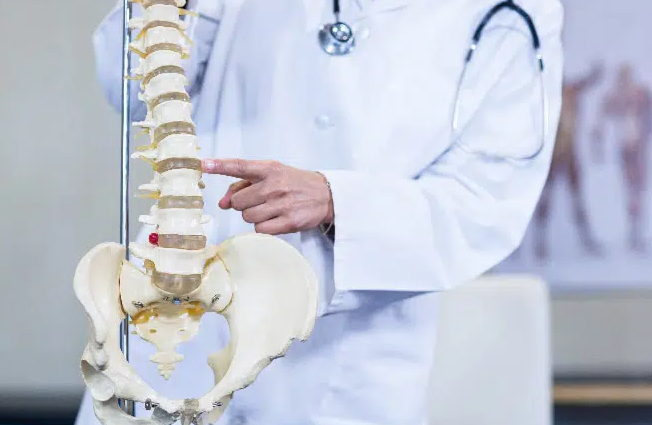
Rehabilitation is a critical component of a successful spinal fusion outcome. Swiss medical centers provide structured post-operative rehabilitation programs that are designed by multidisciplinary teams, including physiotherapists, pain management specialists, and spine surgeons. These programs typically begin with gentle mobilization exercises in the hospital and progress to a comprehensive outpatient rehabilitation regimen over the following months.
Key components of post-fusion rehabilitation include core stabilization exercises, postural re-education, flexibility training, cardiovascular conditioning (such as walking, swimming, or stationary cycling), and pain management strategies. Switzerland is home to several world-renowned rehabilitation centers, including facilities in the Lake Geneva region and the Swiss Alps, where patients can combine medical recovery with the therapeutic benefits of the natural environment. For international patients, A-Medical can coordinate post-operative rehabilitation at a partnered Swiss facility to ensure continuity of care.
Why Choose Switzerland for Spinal Fusion Surgery?
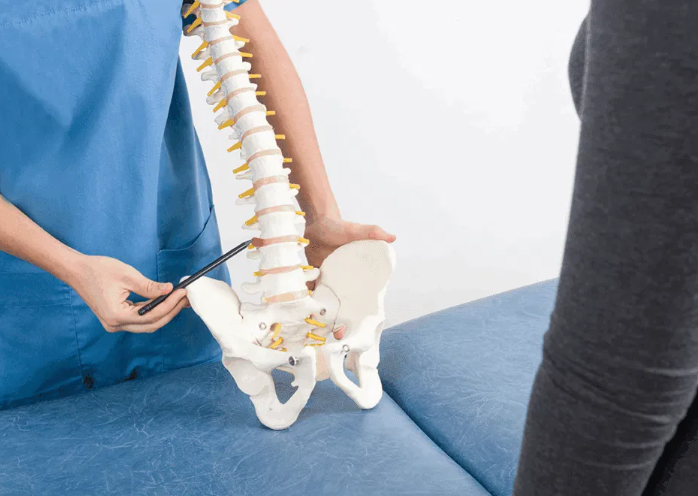
Switzerland consistently ranks among the top healthcare systems in the world, and its spine surgery capabilities are no exception. Choosing spinal fusion surgery in Switzerland means gaining access to a healthcare ecosystem defined by precision, innovation, and patient-centered care. Here are the key reasons why Switzerland is a preferred destination for spinal fusion:
Advanced Spine Centers
Swiss hospitals operate dedicated spine centers staffed by multidisciplinary teams that include neurosurgeons, orthopedic spine surgeons, pain specialists, neurologists, radiologists, and physiotherapists. These centers handle a high volume of complex spinal cases, including multi-level fusions, deformity corrections, revision surgeries, and spinal tumor resections. The concentration of expertise under one roof ensures efficient, coordinated care from diagnosis through recovery.
Experienced Spine Surgeons
Swiss spine surgeons are among the most extensively trained in the world. Many hold dual board certifications in neurosurgery and orthopedic surgery, and have completed advanced fellowship training at leading international institutions. They regularly participate in global spine conferences, publish peer-reviewed research, and contribute to the development of new surgical techniques and implant technologies.
Cutting-Edge Technology
Swiss hospitals are global leaders in the adoption of advanced spine surgery technologies. These include robotic-assisted surgery platforms, intraoperative CT-guided navigation (O-arm, Brainlab), real-time 3D imaging, and continuous intraoperative neuromonitoring (IONM). These technologies significantly improve the accuracy of screw placement, reduce the risk of nerve injury, and contribute to better long-term fusion outcomes. The integration of these systems is standard practice in Swiss spine centers, not an optional add-on.
High Patient Safety Standards
Switzerland enforces some of the strictest clinical quality control protocols in the world. Hospitals are regularly audited by national and international accreditation bodies, and they maintain exceptionally low infection rates. Operating theaters feature laminar airflow systems, and sterilization procedures follow the most rigorous international standards. The Swiss Federal Office of Public Health (FOPH) oversees hospital performance metrics, ensuring transparency and accountability in patient outcomes.
Personalized Treatment Plans
Every patient undergoing spinal fusion in Switzerland receives a fully individualized treatment plan. This begins with a detailed review of medical records and imaging, followed by a face-to-face or telemedical consultation with the treating surgeon. The surgical approach, implant selection, and rehabilitation program are all tailored to the patient's specific diagnosis, anatomy, lifestyle, and recovery goals. This level of personalization is a hallmark of Swiss healthcare and is a key factor in the consistently high patient satisfaction rates reported by Swiss spine centers.
Best Clinics for Spinal Fusion Surgery in Switzerland
Switzerland is home to several internationally recognized hospitals and clinics that specialize in spinal surgery. Below are some of the top institutions where patients can receive spinal fusion surgery in Switzerland with confidence:
University Hospital Zurich (USZ)

As one of Europe's leading academic medical centers, University Hospital Zurich operates a comprehensive spine center that handles the full range of spinal conditions, from degenerative disease to complex deformity correction and spinal oncology. The hospital integrates robotic navigation, intraoperative 3D imaging, and neuromonitoring into every spinal fusion procedure. Its affiliation with the University of Zurich ensures access to the latest research and clinical innovations in spine surgery.
Hirslanden Klinik Beau-Site
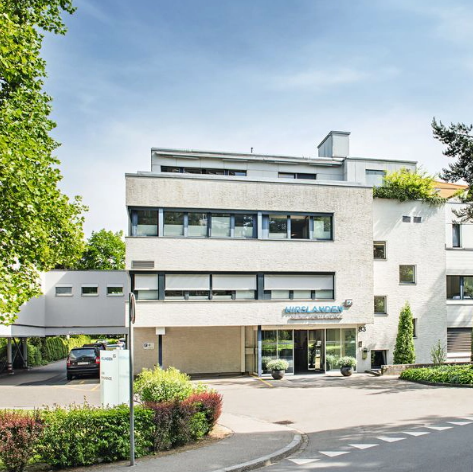
Part of the Hirslanden Private Hospital Group, Switzerland's largest private healthcare network, Klinik Beau-Site in Bern offers advanced spinal fusion procedures performed by highly experienced surgeons. The Hirslanden network is known for its adoption of robotic-assisted spine surgery and its standardized safety protocols across all 11 Swiss locations. The clinic provides a premium patient experience with private rooms, multilingual staff, and dedicated international patient coordinators.
Hopital de La Tour
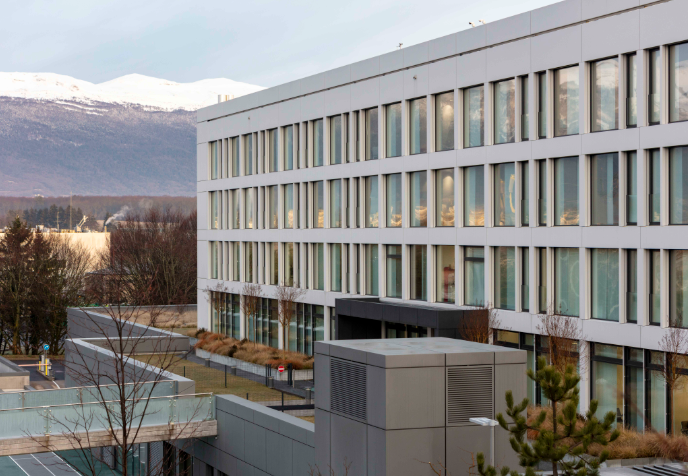
Located in Geneva, Hopital de La Tour is a leading private hospital with a well-established spine surgery department. The hospital is recognized for its multidisciplinary approach to spinal care, combining surgical expertise with comprehensive rehabilitation services. Its central Geneva location makes it easily accessible for international patients traveling for spinal fusion Switzerland.
Clinique Generale Ste-Anne
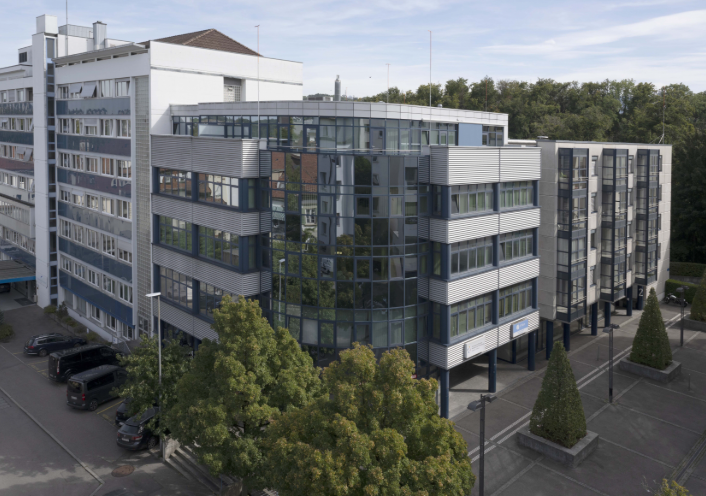
Clinique Generale Ste-Anne in Fribourg offers specialized orthopedic and neurosurgical services, including spinal fusion. The clinic is known for its patient-centric approach, combining modern surgical facilities with a warm, supportive care environment. It treats a wide range of spinal conditions, including degenerative disc disease, spondylolisthesis, and post-traumatic instability.
Bethesda Hospital Basel
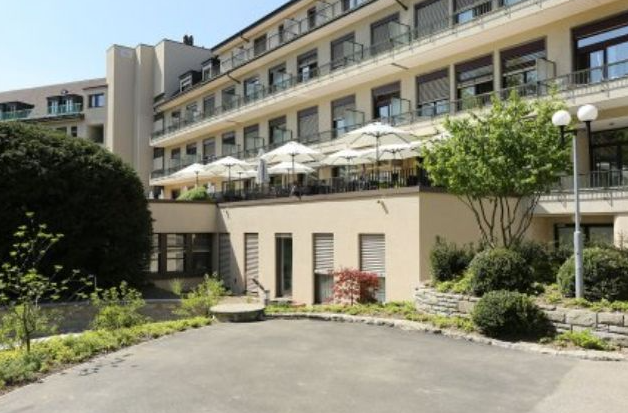
Bethesda Hospital in Basel houses a dedicated spinal surgery department that focuses on both conservative and surgical treatment of spinal disorders. The hospital is affiliated with the University of Basel and benefits from a strong academic foundation in spine research. Its surgeons have particular expertise in minimally invasive fusion techniques and revision spinal surgery.
Other Notable Clinics for Spine Surgery in Switzerland
Additional Swiss institutions offering high-quality spinal fusion procedures include Providence Hospital, Rosenklinik Rapperswil, Privatklinik Hohenegg, and Privatklinik Meiringen. Each of these facilities maintains the rigorous standards that define Swiss healthcare and caters to international patients with dedicated support services. Patients considering spine surgery in Turkey as an alternative can also compare costs and outcomes in our guide on spine surgery in Turkey.
How A-Medical Can Help?
Navigating the Swiss healthcare system as an international patient can be complex. A-Medical simplifies the entire process, from your initial consultation to your safe return home. As a trusted medical tourism facilitator, A-Medical connects patients with the best spine surgeons and clinics in Switzerland, ensuring that every aspect of your treatment journey is expertly managed.
Here is what A-Medical provides:
- Personalized clinic and surgeon matching based on your specific diagnosis, medical history, and treatment preferences
- No waiting lists: fast-track appointment scheduling with leading Swiss spine specialists
- Transparent, all-inclusive pricing with no hidden fees
- Accommodation arrangements near your chosen hospital
- Professional interpreter and translation services throughout your stay
- Airport transfers and local transportation coordination
- Post-operative follow-up coordination and rehabilitation planning
- The most affordable access to premium Swiss spinal care through our established hospital partnerships
Whether you are exploring your first consultation or ready to book your surgery, A-Medical is here to ensure that your experience with spinal fusion surgery in Switzerland is seamless, safe, and successful. Contact A-Medical today to get a free, personalized treatment plan.
Conclusion
Spinal fusion surgery in Switzerland represents the pinnacle of modern spinal care. From the precision of robotic-assisted surgical platforms to the rigor of Swiss safety standards and the dedication of internationally trained spine specialists, every element of the treatment pathway is designed to deliver optimal outcomes. Whether you are dealing with degenerative disc disease, spondylolisthesis, spinal stenosis, or a complex revision case, Swiss hospitals provide the expertise, technology, and personalized care needed to help you regain stability, reduce pain, and improve your quality of life.
For patients seeking the best possible care without the exorbitant costs of the US or the long waiting times of the UK's NHS, spinal fusion Switzerland offers a compelling and proven alternative. With A-Medical as your medical tourism partner, the entire process, from your first inquiry to your full recovery, is handled with professionalism, transparency, and genuine care for your well-being. Take the first step toward a pain-free life by reaching out to A-Medical today.
Frequently Asked Questions About Spinal Fusion Surgery in Switzerland
How long do I need to stay in Switzerland for spinal fusion surgery?
Most patients undergoing spinal fusion surgery in Switzerland should plan for a total stay of 10 to 14 days. This includes 3 to 5 days of hospitalization and an additional 5 to 9 days for initial recovery, wound monitoring, and post-operative follow-up appointments before traveling home.
Is minimally invasive spinal fusion available in Swiss hospitals?
Yes, minimally invasive spinal fusion is widely available across leading Swiss spine centers. Swiss hospitals routinely use robotic-assisted surgery, intraoperative CT navigation, and tubular retractor systems to perform spinal fusions through smaller incisions, resulting in less tissue damage, reduced blood loss, and faster recovery.
What is the success rate of spinal fusion surgery in Switzerland?
The success rate of spinal fusion in accredited Swiss hospitals ranges from 85% to over 95%, depending on the condition treated and the surgical technique used. Robotic-assisted procedures in Swiss centers report particularly high fusion rates and patient satisfaction, with low revision rates compared to international averages.
Can I combine spinal fusion surgery with rehabilitation in Switzerland?
Absolutely. Switzerland is home to world-class rehabilitation centers, and many patients choose to begin their post-operative physical therapy in Switzerland before returning home. A-Medical can arrange a seamless transition from your surgical hospital to a partnered rehabilitation facility.
Does A-Medical help with visa, travel, and accommodation for spinal fusion in Switzerland?
Yes, A-Medical provides full logistical support for international patients, including assistance with medical visa documentation, airport transfers, hotel or apartment bookings near the hospital, and interpreter services. The goal is to eliminate all non-medical stress so you can focus entirely on your treatment and recovery.
How does the cost of spinal fusion in Switzerland compare to the USA and UK?
Spinal fusion in Switzerland typically costs between $25,000 and $50,000 for a single-level procedure, which is significantly lower than the US average of $50,000 to $150,000. Compared to UK private care (approximately $12,500 to $25,000), Switzerland is moderately higher in price but offers faster access, more advanced technology, and consistently higher clinical standards.