
Contents
A stem cell program in the United States can cost far more than many patients expect. In Mexico, stem cell treatment is often marketed from about $1,600 to $9,500, while more complex neurological or specialty protocols may go much higher. That price gap is one of the main reasons international patients start comparing stem cell treatment in Mexico.
Price alone is not enough. The more important question is whether the clinic explains the cell source, delivery method, evidence level, safety process, and realistic outcome for your condition. As A-Medical, we help patients compare those details before they commit to flights, deposits, or treatment packages.
Quick facts
- General stem cell treatment in Mexico: often about $1,600 to $9,500
- Knee and orthopedic protocols: often about $1,400 to $2,000
- Mesenchymal stem cell therapy: often about $2,700 to $3,900
- Neurological protocols: can range from about $5,000 to $35,000
- Typical stay: often 3 to 7 days, but longer plans are possible for evaluation, repeat dosing, or monitoring
- Main treatment hubs: Tijuana, Cancun, Monterrey, and other private medical tourism centers
How Much Does Stem Cell Treatment Cost in Mexico?
Stem cell treatment in Mexico usually costs less than in the United States, but pricing varies sharply because this is not one standard treatment. Cell source, condition, dose, delivery route, number of sessions, and clinic packaging all change the final quote.
| Treatment Type | Typical Mexico Price | Estimated US Price |
|---|---|---|
| General Stem Cell Therapy | $1,600 to $9,500 | $5,000 to $30,000+ |
| Mesenchymal Stem Cell Therapy | $2,700 to $3,900 | $8,000 to $20,000+ |
| Knee And Joint Protocols | $1,400 to $2,000 | $5,000 to $8,000 |
| Autism-Related Protocols | $5,000 to $10,470 | $8,000 to $25,000+ |
| Retina-Related Protocols | $15,000 to $25,000 | $20,000 to $40,000+ |
| Muscular Dystrophy-Related Protocols | $20,000 to $35,000 | $25,000 to $50,000+ |
The price changes because clinics may be offering very different things under the same label. One center may use allogeneic products from donor tissue. Another may use autologous cells taken from the patient. One plan may involve IV delivery only, while another may combine intra-articular, IV, or other targeted delivery routes.
For many patients, the Mexico comparison becomes relevant when local prices feel out of reach. In practical terms, a treatment marketed around $2,700 to $3,900 in Mexico may be priced closer to $8,000 to $20,000+ in the US, while a broader regenerative program in Mexico may still remain below the $15,000 to $50,000+ range often seen in US private-pay listings.
What Is Stem Cell Therapy and How Does It Work?
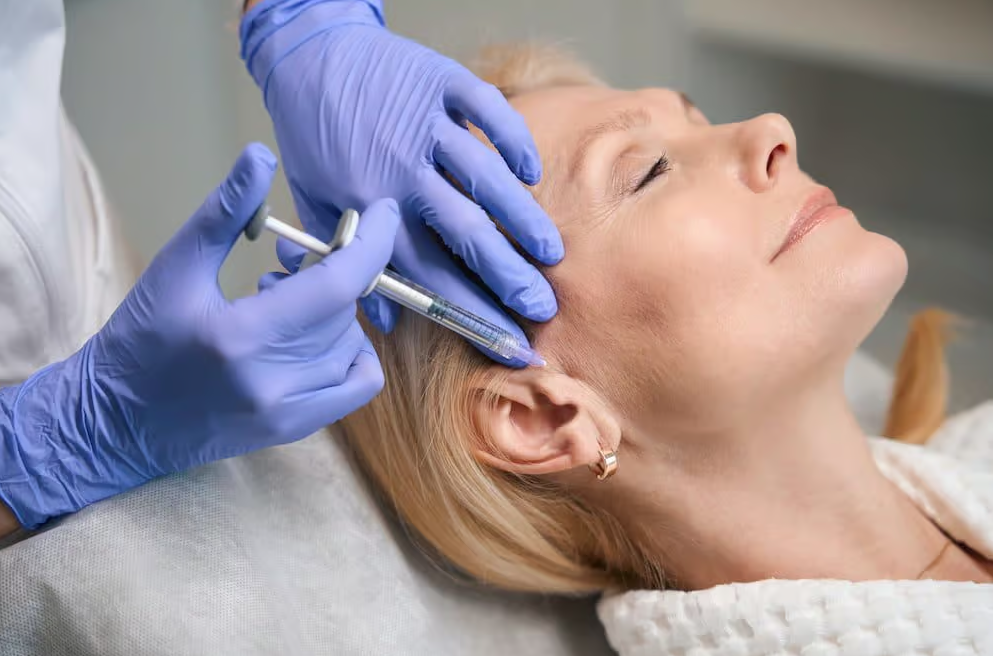
Stem cell therapy refers to treatments that use living cells or cell-derived products to support repair, inflammation control, or regenerative processes. In commercial medical tourism settings, this usually means mesenchymal stem cells, umbilical cord-derived products, bone marrow-derived cells, exosomes, or related regenerative approaches.
Patients should understand one core difference early. Some products are autologous, which means they come from your own body. Others are allogeneic, which means they come from donor material. That distinction matters because sourcing, screening, processing, and evidence can differ significantly.
Mesenchymal Stem Cell Therapy
Mesenchymal stem cell therapy is one of the most heavily marketed options in Mexico. Clinics commonly position MSCs for orthopedic pain, inflammatory problems, autoimmune conditions, and some neurological complaints.
The important question is not whether a clinic uses the term MSC. The important question is what tissue source it uses, how the cells are processed, how they are delivered, and what condition-specific rationale the clinic gives.
Umbilical Cord-Derived Stem Cells
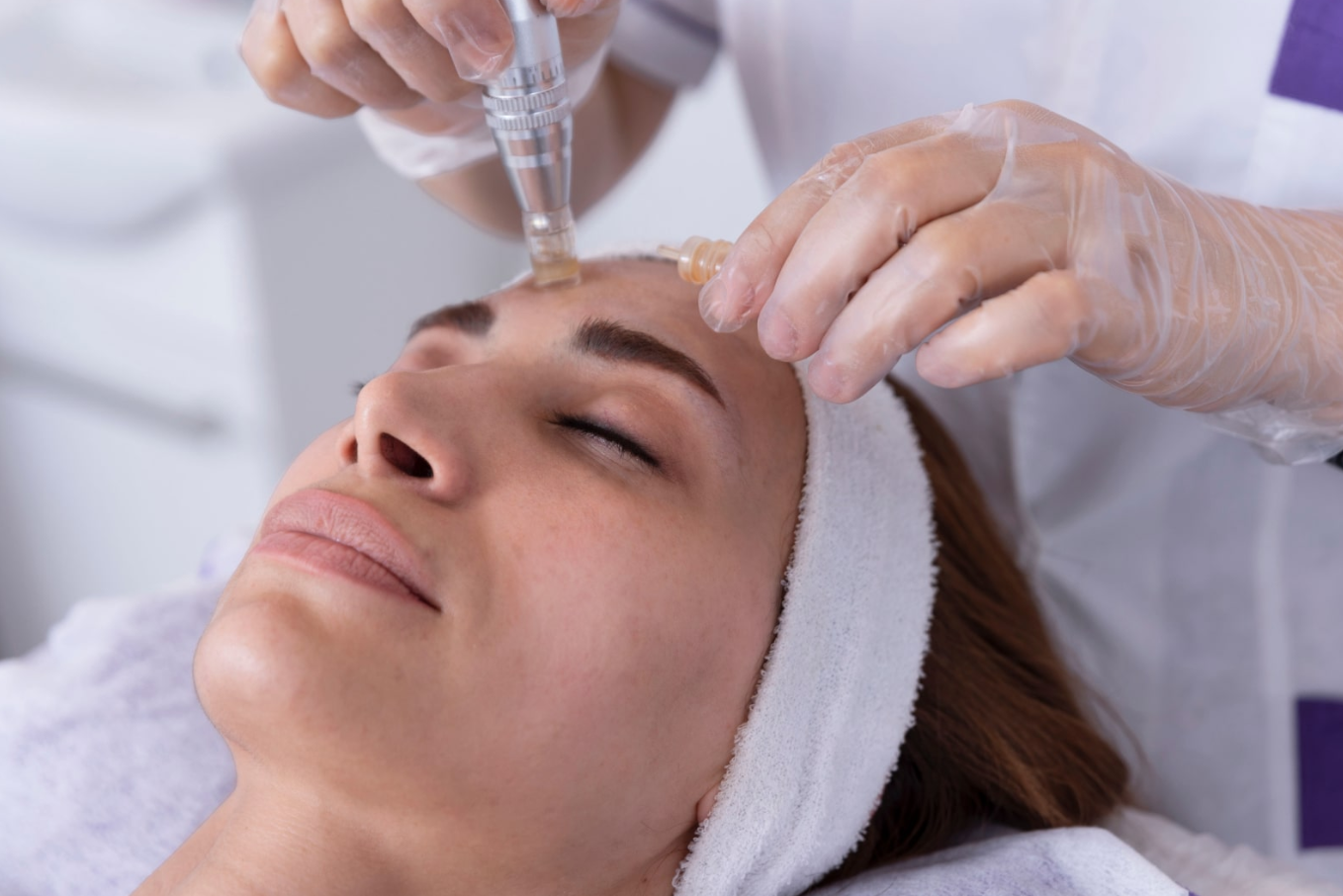
Umbilical cord-derived products are widely promoted in the regenerative medicine market. Clinics often describe them as ready-to-use donor-derived therapies for a broad list of conditions.
Patients should ask direct questions about sourcing, donor screening, processing standards, and whether the product is being offered as an investigational or commercial intervention.
Bone Marrow-Derived Stem Cells
Bone marrow-derived approaches usually involve collecting cells from the patient and preparing them for treatment. This can appeal to patients who prefer their own biological material over donor-derived products.
Even here, clarity matters. Patients should understand how the cells are collected, what concentration method is used, where they will be administered, and what realistic outcomes the clinic expects.
Exosome and Regenerative Medicine Approaches
Exosomes are increasingly visible in both therapeutic and anti-aging marketing. Clinics often present them as advanced regenerative options, sometimes alongside PRP, IV therapies, or broader wellness protocols.
Patients should be careful with assumption-based marketing. Just because a clinic offers exosomes or a regenerative package does not automatically mean the treatment is well proven for the condition being targeted.
What Conditions Are Commonly Treated With Stem Cell Therapy in Mexico?
Mexican clinics market stem cell treatment across a wide range of chronic and degenerative conditions. That broad marketing does not mean every indication has the same evidence level.
Orthopedic and Joint Conditions
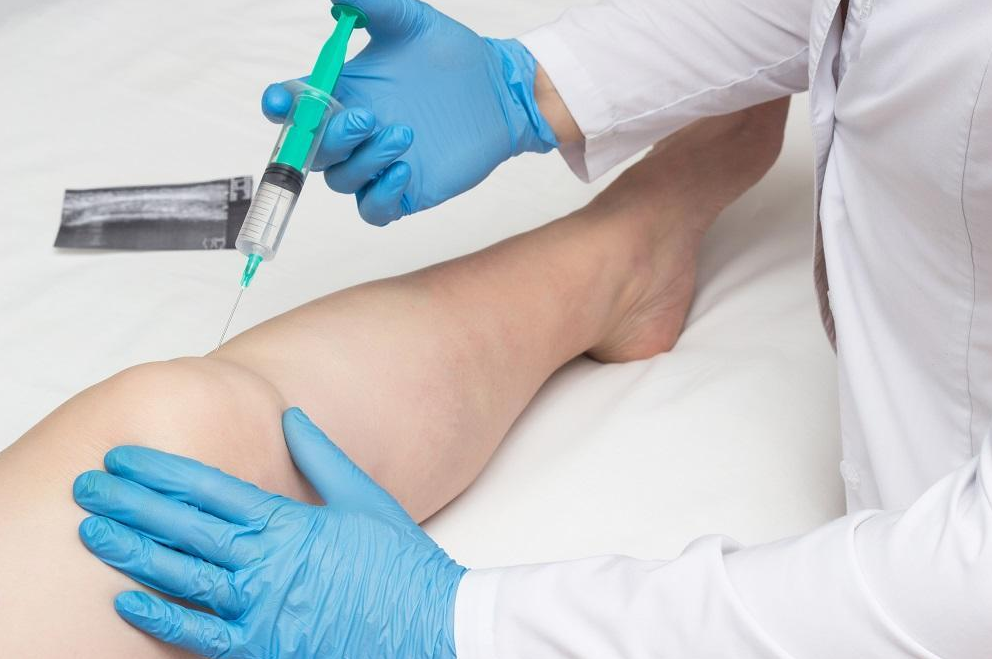
Orthopedic cases are among the most common reasons patients explore regenerative treatment. Clinics often market therapy for:
- Knee osteoarthritis
- Shoulder pain
- Hip pain
- Sports injuries
- Cartilage wear
- Tendon and ligament problems
This area tends to be easier for patients to evaluate because the goal is often pain reduction or function improvement rather than a cure claim. Even so, patients should still ask what degree of benefit is realistic and how long improvement may take.
Autoimmune and Inflammatory Conditions
Autoimmune and inflammatory conditions are also heavily marketed. These may include rheumatoid arthritis, lupus, chronic inflammatory syndromes, and related immune problems.
This is one of the areas where patients should be especially cautious. Broad claims about immune reset, reversal, or major recovery need close scrutiny. A good clinic should explain uncertainty clearly and avoid dramatic promises.
Neurological Disorders
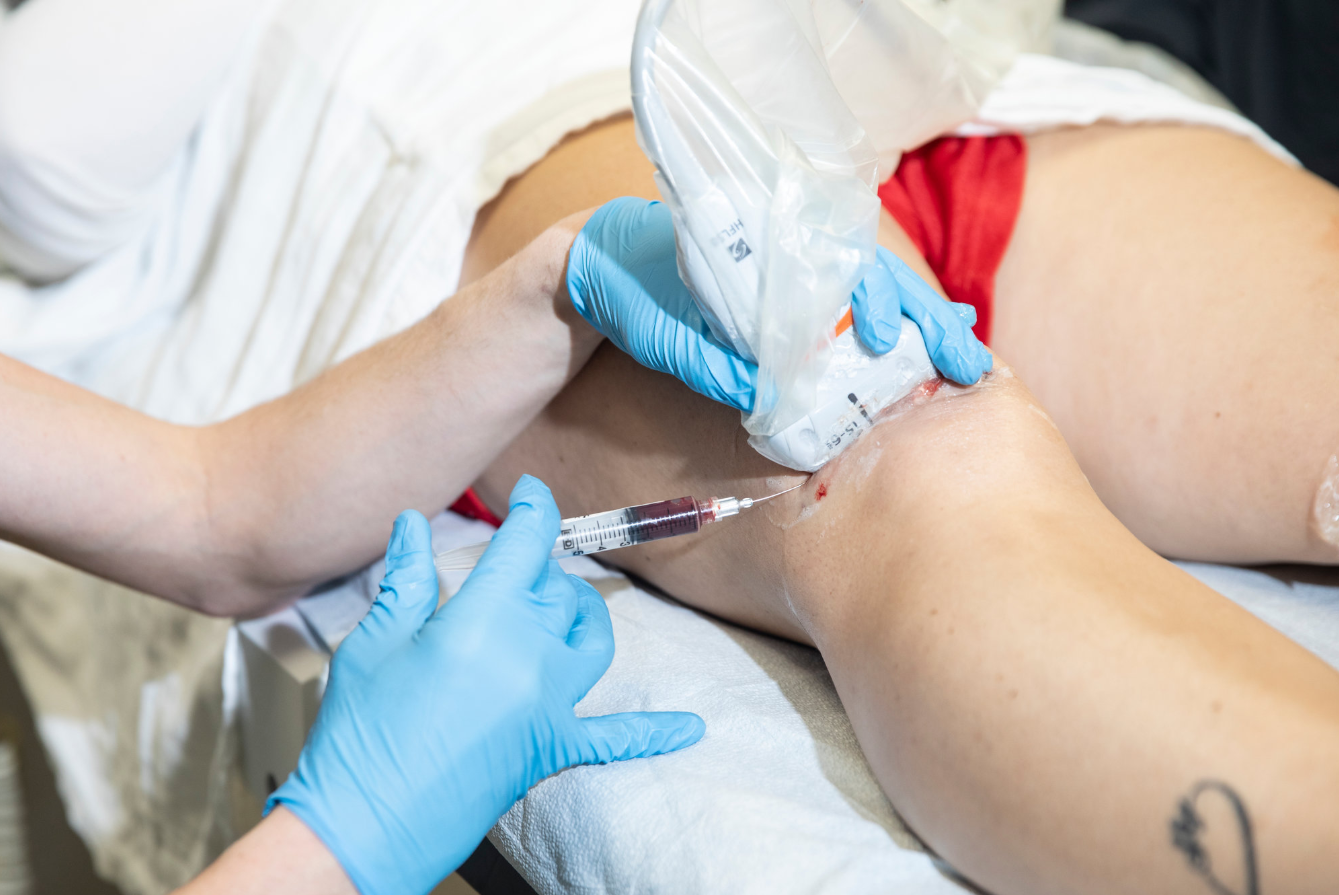
Neurological indications are another major marketing category. These may include multiple sclerosis, neuropathy, autism spectrum conditions, muscular dystrophy, retinal disease, and other complex diagnoses.
Patients need diagnosis-specific review here. Neurological treatment plans often carry some of the widest price variation and the highest uncertainty. A generic sales pitch is not enough for this category.
Anti-Aging and Regenerative Medicine Applications
Anti-aging and longevity-style programs are common in the private regenerative market. These may include exosomes, IV regenerative protocols, PRP, and broader wellness-focused packages.
These programs appeal to patients who are not targeting one clear disease. They also require careful expectation-setting because the evidence behind anti-aging claims is often weaker than patients assume.
Is Stem Cell Treatment in Mexico Safe and Legal?
Stem cell treatment in Mexico can be safe in some settings, but it is not automatically safe just because a clinic offers it. The better question is whether the clinic explains the product, the evidence, the physician oversight, the consent process, and the realistic risks clearly.
COFEPRIS and Mexico’s regulatory framework
A key term patients should know is COFEPRIS, Mexico’s main health regulatory authority. Patients often see clinics refer to regulatory compliance, but they should not assume that every commercial claim equals full proof of effectiveness for every condition.
That is why A-Medical focuses on advance review. We help patients look past broad marketing language and ask whether the protocol, condition match, and supporting explanation actually make medical sense.
Red flags to watch for:
Watch for these warning signs before booking:
- Cure language instead of realistic outcome language
- No clear explanation of cell source
- No physician review before payment
- No breakdown of delivery method
- No informed discussion of risk or uncertainty
- No follow-up plan after treatment
- No clear answer when you ask whether the treatment is investigational
A safer clinic usually explains:
- What product is being used
- How it is sourced or prepared
- Who supervises the treatment
- How the product is delivered
- What side effects or limits are expected
- What follow-up happens after you return home
What International Patients Should Know Before Traveling for Stem Cell Treatment
Before traveling, patients should confirm the full treatment pathway, not just the procedure name. That includes whether they need lab tests, imaging, medication changes, pre-arrival evaluation, or more than one treatment day.
Tijuana, Cancun, and Monterrey are among the city hubs patients often compare because they combine private medical infrastructure with easier travel logistics. The best city depends on the clinic, the protocol, and whether you prefer border access or airport-based travel.
A common stem cell treatment journey may look like this:
- Remote consultation and medical-record review
- Physician assessment and protocol discussion
- Confirmation of candidacy
- Arrival, labs, or in-person evaluation
- Treatment day with IV, injection, or combined delivery
- Observation period
- Discharge plan and follow-up guidance
This is another area where A-Medical adds value. We help collect records, send them to clinics before travel, request a pre-review, and work to get a clearer answer on candidacy, protocol, and cost before the patient makes a travel decision.
Recovery timeline and what to expect
Recovery depends on the condition and treatment method. Some patients return to light activity quickly, especially after IV-based protocols. Joint injections or orthopedic plans may involve soreness, temporary activity changes, and a longer period before the patient judges the result.
Many regenerative clinics describe improvement as gradual rather than immediate. Patients should ask what the realistic timeline is for their condition, whether repeat treatment is expected, and how long the clinic suggests waiting before judging the result.
How to Choose the Right Stem Cell Clinic in Mexico
The best clinic is not the one with the broadest condition list or the most aggressive testimonials. The better clinic is the one that explains why your condition fits the protocol, what evidence supports the plan, what risks exist, and what follow-up is available.
A practical clinic checklist includes:
- Condition-specific experience
- Clear explanation of allogeneic versus autologous treatment
- Direct explanation of delivery route
- Realistic language instead of cure claims
- Pricing transparency
- Follow-up planning
- Willingness to review records before travel
For medical tourism patients, clarity before travel matters just as much as the treatment day itself. That is why A-Medical helps compare clinic responses, not only prices. We look at whether the plan sounds medically coherent, whether the quote is complete, and whether the clinic gives a usable explanation rather than a generic sales pitch.
Best Clinics for Stem Cell Treatment in Mexico

The best clinics for stem cell treatment in Mexico commonly include Stem Solutions (Monterrey), Giostar Stem Cell Therapy (Cancun / Playa del Carmen), Juventa Regenerative Medicine (Playa del Carmen), Dr. Ireri Asteinza Clinic (Mexico City), MexStemCells Clinic (Mexico City), Progencell Stem Cell Therapies (Tijuana), and Regenerative Medicine by ITC (Tijuana). These clinics stand out in different ways. Some are better known for orthopedic and regenerative protocols, while others are more visible for broader condition-based stem cell programs, anti-aging applications, or international patient coordination. When comparing them, the most important point is not just the clinic name. You should also check the cell source, treatment rationale, physician oversight, follow-up structure, and how clearly the clinic explains whether the protocol is investigational or part of a more established treatment pathway. As A-Medical, we help patients compare these clinics more carefully by organizing medical records, sending them for pre-review, clarifying candidacy, and helping patients understand which clinic response is more realistic, transparent, and medically coherent before they commit to treatment abroad.
How A-Medical Helps You Plan Stem Cell Treatment Abroad
Stem cell treatment abroad is one of the easiest areas for patients to misread because similar words can describe very different therapies. Two clinics may both say stem cell therapy while offering different products, different evidence levels, and very different levels of physician review.
As A-Medical, we help patients:
- Organize and prepare medical records
- Send records to clinics before travel
- Request pre-treatment doctor review
- Clarify candidacy before booking
- Compare protocol details and pricing
- Understand what is included in the treatment package
- Reduce uncertainty before flights and deposits are paid
That support matters because the strongest decision is rarely based on one marketing page. It usually comes from comparing how each clinic explains the treatment logic, safety process, and total pathway.
Frequently Asked Questions
Is stem cell therapy legal in Mexico?
Mexico has a regulatory framework for health and clinical research, but legality does not mean every marketed protocol has the same evidence or approval status for every condition. Patients should check how the clinic explains the treatment and what oversight applies.
How much does stem cell therapy cost in Mexico?
General treatment is often marketed from about $1,600 to $9,500, while some orthopedic cases may start lower and some neurological protocols can rise much higher.
Is stem cell therapy in Mexico safe?
It can be safe in selected settings, but safety depends on the specific clinic, product, physician oversight, and how clearly risks and limitations are explained.
What is COFEPRIS?
COFEPRIS is Mexico’s main health regulatory authority. Patients often see the term in clinic marketing, but they should still ask how the clinic’s specific protocol is regulated and explained.
How long does stem cell treatment take to work?
That depends on the condition and delivery method. Some patients notice changes sooner, while others assess progress over weeks or months rather than days.
What are the risks of stem cell therapy in Mexico?
The risks depend on the protocol, product, route of administration, and the condition being treated. Patients should ask about side effects, treatment limits, follow-up, and what the clinic would do if the response is poor or complications appear.
Which is the best stem cell clinic in Mexico?
There is no single best clinic for every patient. The better choice depends on the condition, protocol, physician review quality, transparency, and how well the clinic explains what it is actually offering.