Contents
Robotic Surgery in Turkey: Costs, Best Clinics and Patient Guide (2026)
Turkey has become one of the leading destinations for robotic surgery, with prices typically ranging between $5,500 and $22,000 depending on the procedure, compared to $25,000 to $55,000 for the same operations in the United States and £12,000 to £20,000 in private UK hospitals. While NHS patients often wait six to twelve months for elective robotic procedures and US patients face significant out-of-pocket costs even with insurance, Turkish JCI-accredited hospitals offer scheduling within two to three weeks, surgeons trained at Johns Hopkins and Cleveland Clinic, and the same Da Vinci Xi technology used in Western centers. This guide breaks down what robotic surgery in Turkey actually costs in 2026, which clinics deliver consistent outcomes for international patients, and what your week-by-week timeline looks like from arrival to discharge.
What Is Robotic Surgery and How Does It Work?
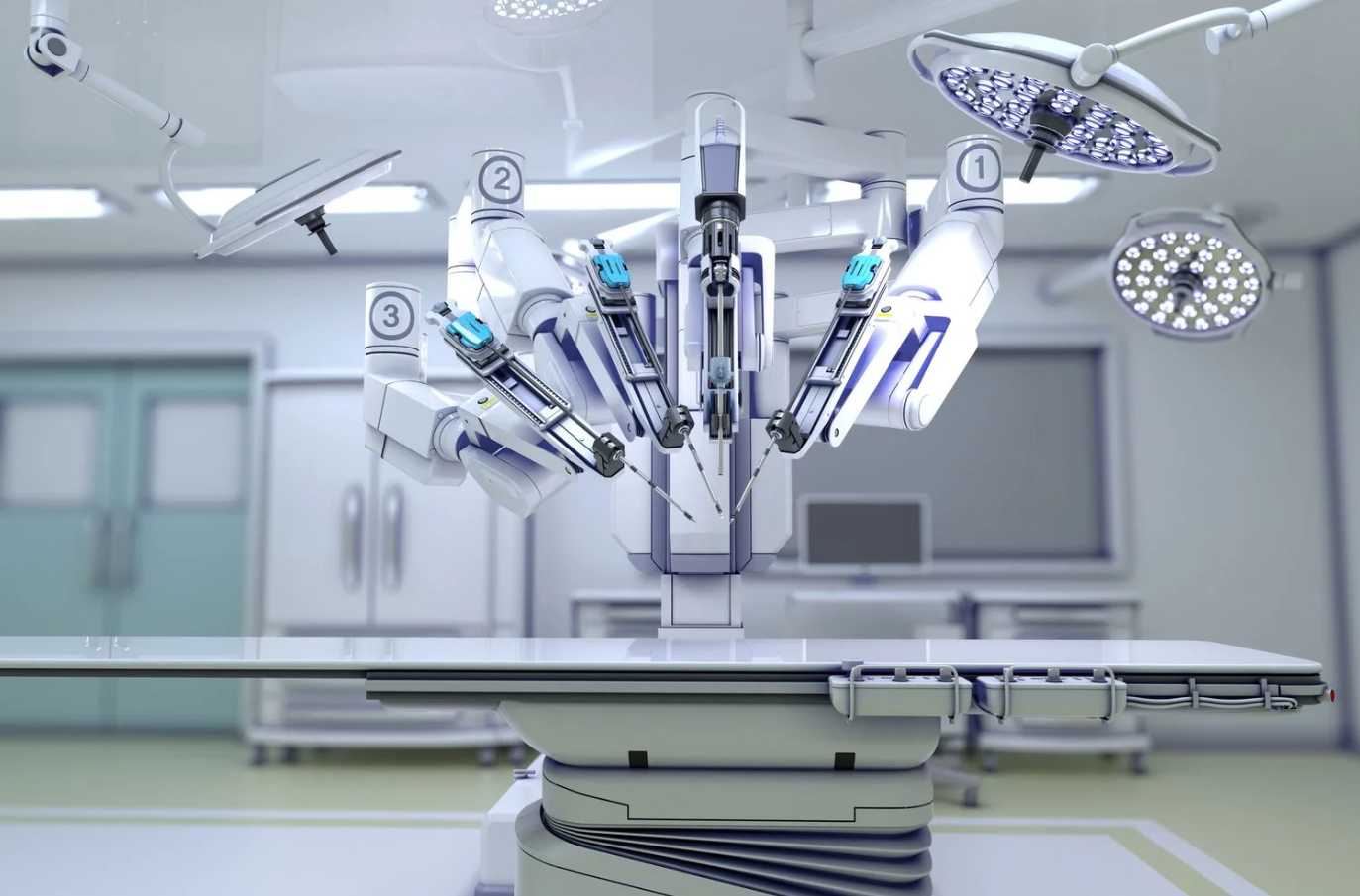
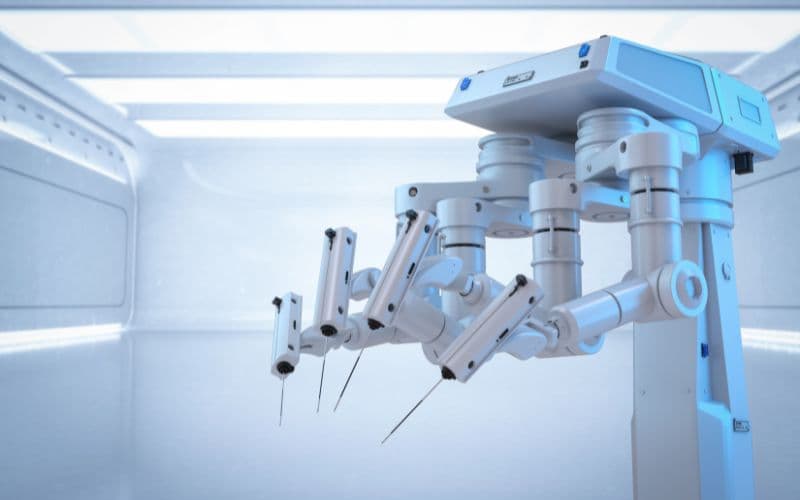
Robotic surgery, also called robot-assisted surgery, is a minimally invasive technique where the surgeon operates through small incisions using a console that controls robotic arms holding miniaturised instruments. The system translates the surgeon's hand movements into precise, scaled motions inside the patient's body, with 3D high-definition magnified vision and instruments that bend further than the human wrist. The Da Vinci Xi platform, manufactured by Intuitive Surgical, dominates clinical use worldwide and is the system installed in most leading Turkish hospitals.
Despite the name, the robot does not act on its own. Every motion is directly controlled by a trained surgeon sitting at a console next to the operating table. What changes is the level of precision: tremor filtration, motion scaling at ratios up to 5:1, and a stereoscopic view that traditional laparoscopy cannot match. For complex procedures inside narrow anatomical spaces, such as the pelvis or thoracic cavity, this difference often determines whether nerves, blood vessels, and surrounding tissue can be preserved.
Most Common Robotic Surgery Procedures Performed in Turkey
Turkish hospitals run high-volume robotic programmes across several specialties. The most frequently performed procedures for international patients include:
- Robotic radical prostatectomy for localised prostate cancer, with nerve-sparing techniques that preserve urinary and sexual function in 75 to 90 percent of cases
- Robotic hysterectomy for benign and oncological gynaecological conditions, including endometrial cancer staging and complex endometriosis
- Robotic nephrectomy (partial or radical) for kidney tumours, often with nephron-sparing approaches that preserve healthy kidney tissue
- Robotic cardiac surgery including mitral valve repair, atrial septal defect closure, and select coronary bypass procedures through small lateral incisions
- Robotic bariatric surgery such as Da Vinci sleeve gastrectomy and gastric bypass, particularly favoured for patients with high BMI where laparoscopic visualisation is limited
- Robotic colorectal surgery for colon and rectal cancer resections, where the narrow pelvic anatomy benefits from articulated instruments
- Robotic thoracic surgery for lung lobectomy, mediastinal mass removal, and thymectomy in myasthenia gravis cases
- Robotic gynaecological oncology including Wertheim-Meigs hysterectomy and lymph node dissection for cervical and endometrial cancers
How Much Does Robotic Surgery in Turkey Cost in 2026?
Pricing varies significantly by procedure complexity, surgeon volume, hospital tier, and whether VIP transfers and hotel accommodation are included in the package. The figures below reflect all-inclusive package prices verified across Istanbul's JCI-accredited hospitals as of early 2026.
|
Procedure |
Turkey (USD) |
Hospital Stay |
|
Robotic Radical Prostatectomy |
$14,000 - $19,000 For related treatment options abroad, patients may also explore cochlear implant abroad at accredited international hospitals. |
2-4 nights |
|
Robotic Hysterectomy |
$11,000 - $13,500 |
1-3 nights |
|
Robotic Partial Nephrectomy |
$13,000 - $16,000 |
3-5 nights |
|
Robotic Mitral Valve Repair |
$20,000 - $28,000 For related treatment options abroad, patients may also explore stem cell therapy in Georgia at accredited international hospitals. |
5-7 nights |
|
Da Vinci Gastric Sleeve |
$5,650 - $8,300 |
3 nights |
|
Robotic Colorectal Resection |
$13,500 - $18,000 |
4-6 nights |
|
Robotic Wertheim-Meigs |
$18,000 - $22,000 |
3-5 nights |
Most package prices in Istanbul include surgeon and anaesthetist fees, robotic console use, operating theatre time, hospitalisation in a private room, basic pathology, airport transfers in a private vehicle, and interpreter support. They do not usually include flight tickets, extended hotel stays beyond the standard 5 to 7 nights, revision procedures, or unrelated medical conditions discovered during pre-operative workup. Final pricing varies based on clinic, surgeon experience, and the patient's medical condition.
Robotic Surgery Cost Comparison: Turkey vs UK, USA, Germany
|
Procedure |
Turkey |
UK |
USA |
Germany |
|
Robotic Prostatectomy |
$14,000 |
£18,500 |
$27,000 |
€25,000 |
|
Robotic Hysterectomy |
$11,500 |
£14,000 |
$25,000 |
€22,000 |
|
Robotic Nephrectomy |
$13,000 |
£16,000 |
$55,000 |
€28,000 |
|
Robotic Mitral Valve |
$22,000 |
£35,000 |
$75,000 |
€45,000 |
|
Average Wait Time |
2-3 weeks |
6-12 months (NHS) |
4-8 weeks |
3-6 weeks |
The cost gap is not driven by lower quality. Turkish hospitals operate the same Da Vinci Xi consoles, follow the same surgical protocols, and many lead surgeons trained at Johns Hopkins, Cleveland Clinic, Memorial Sloan Kettering, or European reference centres. The price difference reflects three factors: lower operating costs (staff salaries, real estate, ancillary services), favourable currency exchange against the USD and GBP, and the Turkish government's active support of medical tourism through USHAŞ (the Ministry of Health's international health services agency).
You can read more about the broader cost structure across specialties in our detailed guide to treatment costs in Turkey. Final pricing depends on the clinic, the surgeon's experience level, and the patient's individual condition.
For related treatment options abroad, patients may also explore medical check-ups abroad at accredited international hospitals.
Get a personalised quote: A-Medical provides free pre-operative reviews from JCI-accredited robotic surgery centres in Istanbul, with a written cost breakdown within 48 hours of submitting your medical reports.
Best Robotic Surgery Hospitals in Turkey
The following hospitals operate the highest-volume robotic surgery programmes in Turkey, all located in Istanbul within 30 to 50 minutes of Istanbul Airport (IST) or Sabiha Gökçen Airport (SAW). All hold JCI accreditation and operate Da Vinci Xi systems, with several also using the latest Da Vinci SP single-port platform.
1. Memorial Şişli Hospital
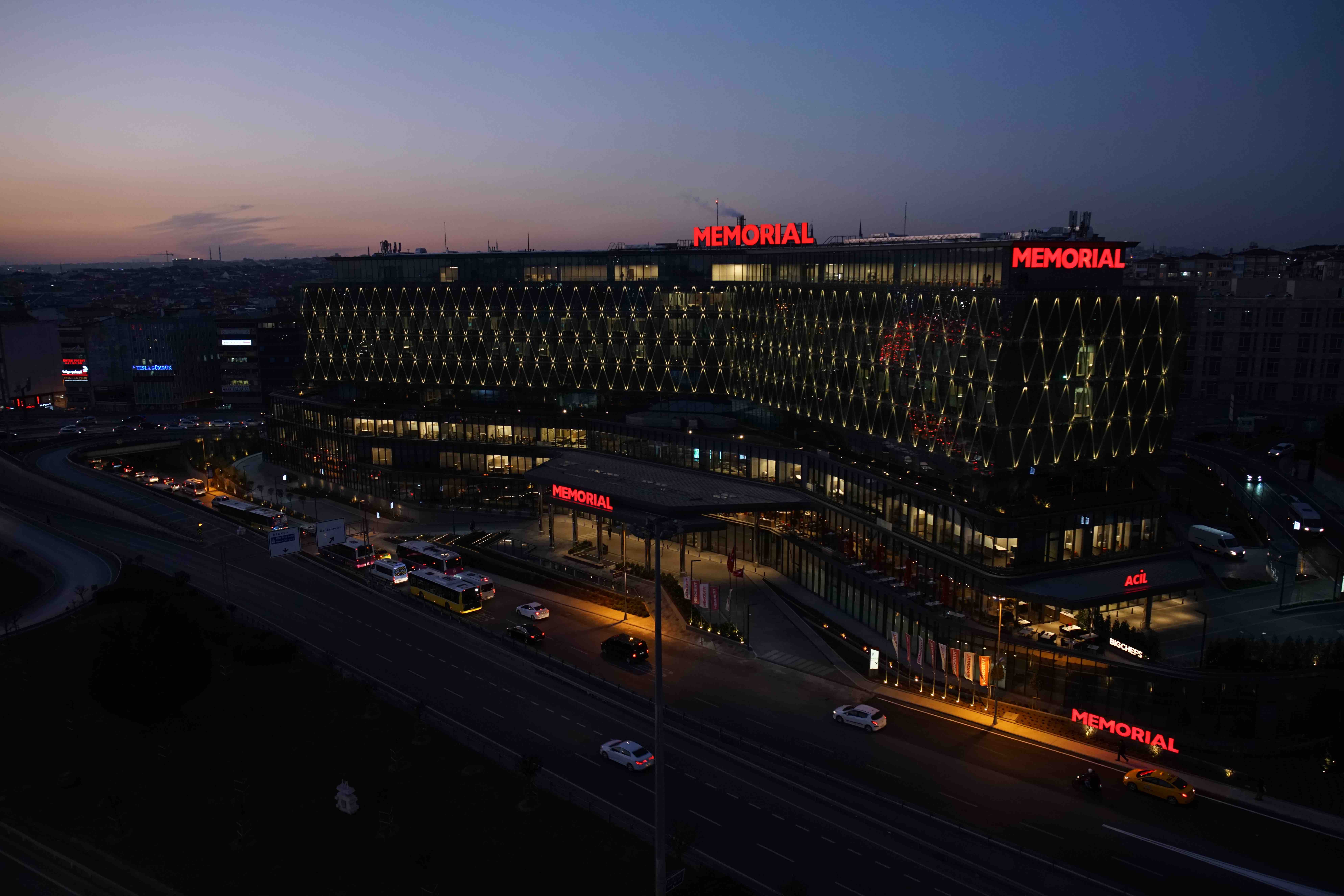
Memorial Şişli was the first hospital in Turkey to receive JCI accreditation back in 2002 and the 21st worldwide. The 53,000 m² facility houses 13 operating theatres and runs one of the country's busiest robotic urology and gynaecology programmes. Memorial performed Turkey's first robotic kidney transplant using the Da Vinci Xi system. The hospital is known for high-volume robotic prostatectomy (over 1,000 cases by senior surgeons), robotic colorectal resections, and robotic cardiac valve repairs. Patients from 167 countries are treated annually, and the international department coordinates VIP transfers, accommodation, and interpreter services in over 12 languages.
2. Acıbadem Healthcare Group

Acıbadem operates 6 specialised Robotic Surgery Centres across its hospital network, with the flagship robotic programmes based at Acıbadem Maslak, Acıbadem Altunizade, and Acıbadem Atakent. The group holds multiple JCI accreditations and registered with Harvard Medical International (now Partners Harvard Medical International) in 2003. Acıbadem uses both the Da Vinci Xi for soft-tissue surgery and the Mako Rio robotic arm and Navio knee robot for orthopaedic procedures. The group treats around 5 million patients per year and runs 16 Heart Care Centres, several of which perform robotic mitral valve repair and robotic atrial septal defect closures.
3. Anadolu Medical Center
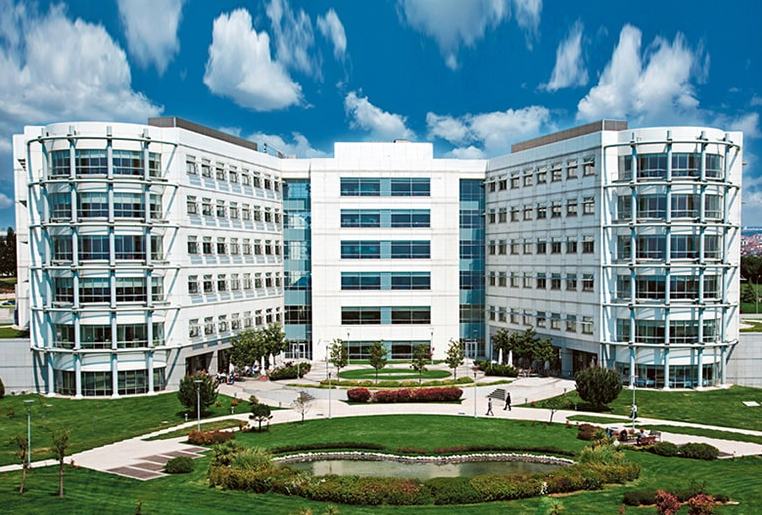
Located on the Asian side of Istanbul in Gebze, Anadolu Medical Center is affiliated with Johns Hopkins Medicine, meaning its protocols mirror American treatment standards and patients can request second-opinion consultations through Johns Hopkins specialists. The hospital is JCI, ESMO, and OECI certified. Anadolu's urology team performs robotic prostatectomy, nerve-sparing partial nephrectomy, and robotic adrenalectomy at high volumes, with senior surgeons such as Prof. Dr. Ilker Tinay having completed over 900 robotic procedures. The hospital also offers robotic gynaecology, thoracic surgery, and cardiac surgery using the Da Vinci Xi platform.
4. Medipol Mega University Hospital
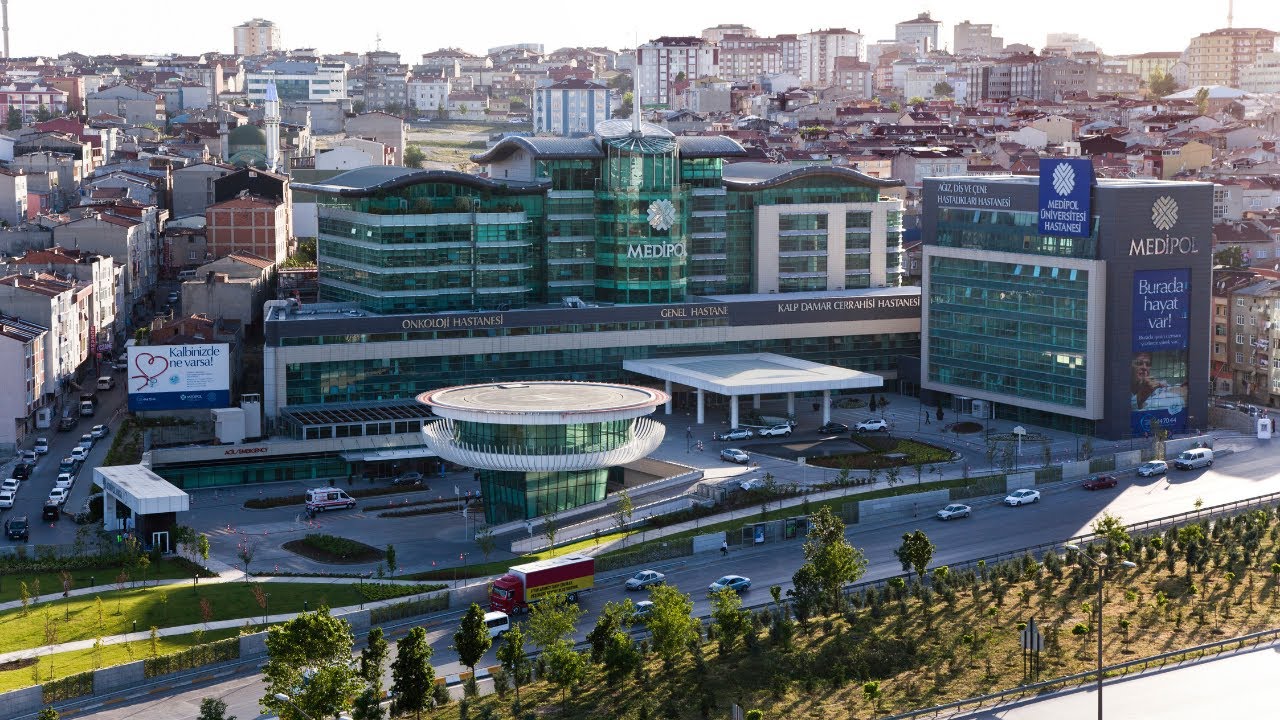
Medipol Mega is the first JCI-accredited academic hospital in Turkey and one of the largest private medical complexes in the country, with 25 operating theatres and a helipad. Medipol pioneered robotic cardiovascular surgery in Turkey and remains one of the few private centres performing heart transplants and VAD/LVAD implantations. The hospital's Da Vinci Xi programme covers urology, gynaecology, general surgery, and select cardiac procedures. Medipol also runs robotic gynaecological oncology, with Wertheim-Meigs operations performed by ESGO-trained professors. The hospital treats over 400,000 patients per year across all departments.
5. Istanbul Florence Nightingale Hospital
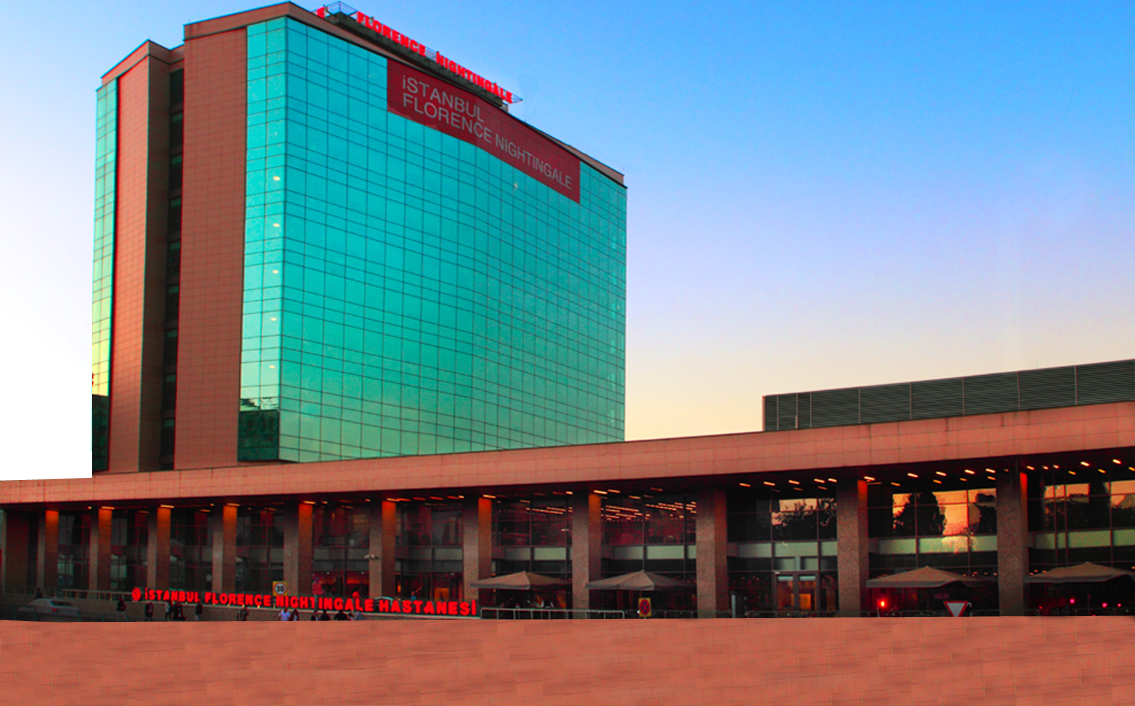
Florence Nightingale, located in Şişli, is Turkey's first Smart-and-Green hospital, built to TÜV Hessen Green Building Certificate standards. The 18-storey, 50,254 m² facility holds JCI and ISO accreditations, with 11 operating theatres equipped with smart technology integration and a heliport for air ambulance transfers. The hospital performs over 300 Da Vinci surgeries annually for urological conditions alone and was Turkey's first private centre to undertake robotic heart surgery and open foetal surgery. The robotic gynaecological oncology team is led by professors trained at Florida Hospital's Minimally Invasive Gynaecology Fellowship.
6. Liv Hospital Ulus
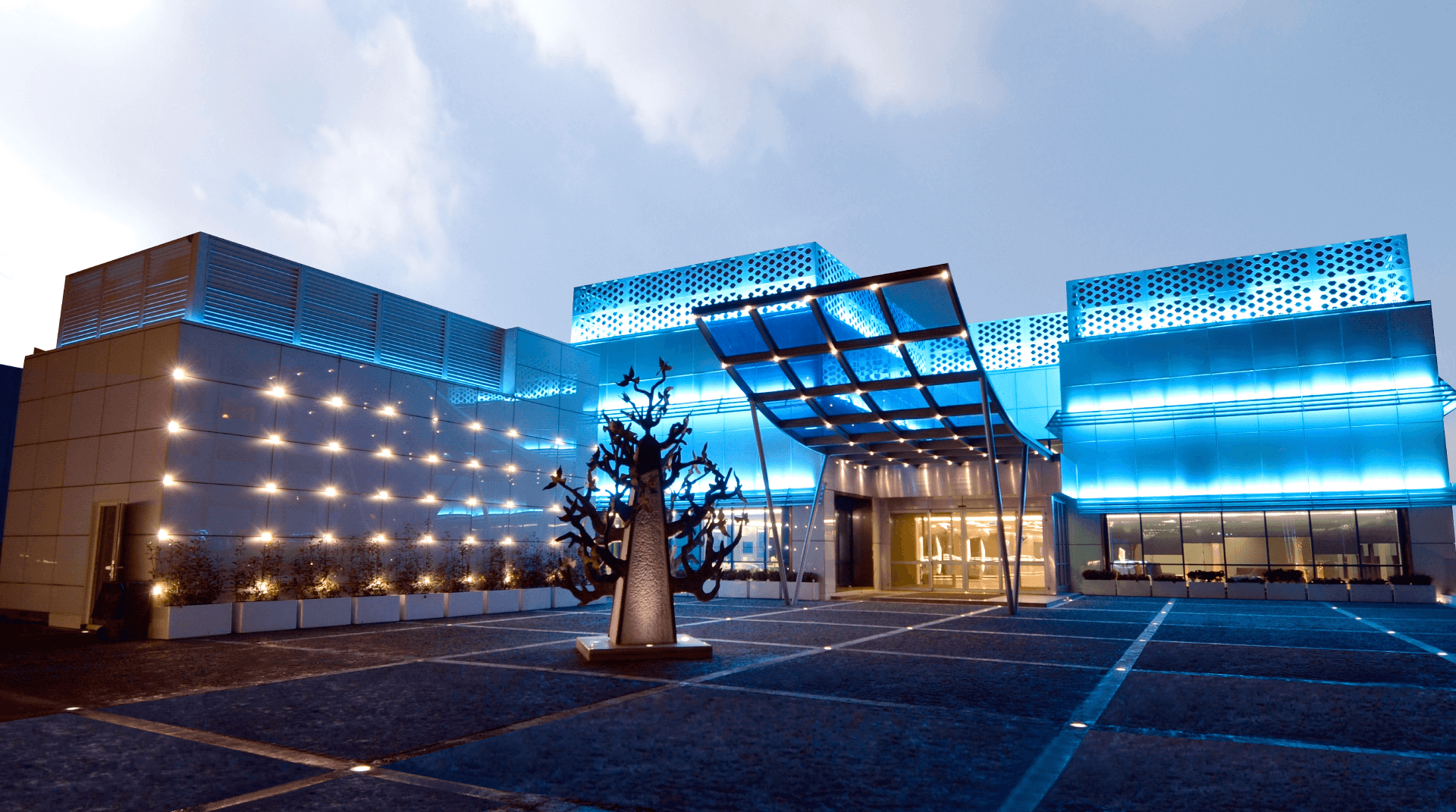
Liv Hospital Ulus is part of the MLP Care Group and runs an active robotic-assisted surgery department covering general surgery, urology, gynaecology, and cardiac specialties. The hospital uses the Da Vinci Xi system for procedures including radical prostatectomy, hysterectomy, partial nephrectomy, and complex hernia repair. Liv's international patient department offers all-inclusive packages with airport-hotel-clinic transfers, hotel coordination near the Etiler district (one of Istanbul's most walkable neighbourhoods for recovery), and English, German, Russian, and Arabic interpreter services on call 24/7.
Why Choose Turkey for Robotic Surgery?
The case for choosing Turkey rests on more than price. Three structural factors give Turkish hospitals an edge for international robotic surgery patients:
- High procedure volume. Major Istanbul hospitals like Memorial and Acıbadem perform several thousand robotic procedures per year combined, which translates into more experienced surgical teams. Volume correlates directly with outcomes in robotic surgery.
- Latest generation equipment. Most leading hospitals operate the Da Vinci Xi (4th generation) and a few have the Da Vinci SP single-port platform. Some Turkish centres received Xi systems before equivalent NHS trusts in the UK.
- Western-trained surgeons. A significant proportion of senior robotic surgeons completed fellowships at Johns Hopkins, Cleveland Clinic, Memorial Sloan Kettering, Karolinska, or European reference centres, then returned to Turkey for higher case volumes than they would see in the UK or Germany.
- No waiting lists. Procedures are typically scheduled within 14 to 21 days of medical record review, compared to 6 to 12 months on the NHS for non-urgent cases or 4 to 8 weeks in private US hospitals.
- Government oversight. USHAŞ, under the Turkish Ministry of Health, regulates international health services and accredits facilities authorised to treat foreign patients, providing an additional regulatory layer beyond JCI.
Step-by-Step Process for Robotic Surgery in Turkey
The path from initial enquiry to discharge typically takes 2 to 4 weeks total for non-urgent cases. The standard timeline at A-Medical-coordinated hospitals follows seven stages:
- Stage 1 - Free online consultation (day 1 to 3): You submit medical reports, imaging (MRI, CT, PET), pathology results, and current medication list. A surgeon reviews the file and confirms whether you are a candidate for robotic versus open or laparoscopic surgery.
- Stage 2 - Treatment plan and quote (day 3 to 5): The hospital issues a written all-inclusive quote with itemised costs, suggested travel dates, and the planned hospital stay duration.
- Stage 3 - Travel preparation (day 5 to 14): Most international patients enter Turkey visa-free or with an e-visa obtained online in 10 minutes. UK, EU, and most Middle Eastern citizens do not need a medical visa for short stays. Direct flights to Istanbul (IST) operate from 120+ cities.
- Stage 4 - Arrival and pre-operative assessment (day 1 to 2 in Turkey): VIP airport pickup, transfer to your hotel or directly to the hospital, blood work, ECG, anaesthetic consultation, and final surgeon meeting. Most pre-op tests are completed in a single day.
- Stage 5 - Surgery (typically day 2 or 3): The robotic procedure itself takes 2 to 5 hours depending on complexity. General anaesthesia is used in all cases.
- Stage 6 - Hospital recovery (2 to 7 nights): Length depends on the procedure. Robotic prostatectomy patients usually leave hospital after 2 to 4 nights, hysterectomy after 1 to 2, and cardiac procedures after 5 to 7. A 24/7 nurse and interpreter remain available throughout.
- Stage 7 - Hotel recovery and discharge (3 to 10 days): Patients move to a 4 or 5-star hotel near the hospital, attend follow-up consultations, then fly home. Total stay in Turkey averages 7 to 14 days depending on procedure.
Recovery After Robotic Surgery: What to Expect
One of the strongest arguments for robotic over open surgery is the recovery curve. Compared to open procedures, robotic patients experience less blood loss (1 to 2 percent transfusion rate versus 40 to 45 percent for open prostatectomy), smaller scars (3 to 5 incisions under 1 cm versus a single 10 to 12 cm incision), shorter hospitalisation, and faster return to work, typically within 14 days for most procedures.
Pain levels are usually well controlled with oral analgesics from day 2 onwards. Most patients walk on the day of surgery or the day after. Strenuous activity, heavy lifting above 5 kg, and driving are restricted for 4 to 6 weeks. Sexual activity is typically resumed at 6 weeks for prostatectomy and hysterectomy patients, subject to surgeon clearance.
How Long Should You Stay in Turkey After Robotic Surgery?
The recommended total stay depends on the procedure but follows a consistent pattern: hospital stay plus 5 to 7 days of monitored hotel recovery before flying. For robotic prostatectomy, plan 8 to 10 days total. For robotic hysterectomy, 6 to 8 days. For robotic cardiac procedures, 12 to 14 days. Flying earlier than the surgeon's clearance increases the risk of deep vein thrombosis and incision complications.
A-Medical reserves hotels within 5 to 15 minutes of the hospital, with rooms suitable for post-operative recovery (firm mattresses, accessible bathrooms, room service from approved menus). A companion can stay in the same room or an adjoining room at no additional charge in most packages.
What to Look for When Choosing a Robotic Surgery Clinic
Not every hospital advertising robotic surgery has the volume or equipment to deliver consistent outcomes. Five criteria separate genuine robotic centres from clinics that own a Da Vinci system but underuse it:
- Surgeon case volume. Outcomes plateau after roughly 250 cases for prostatectomy and 100 for hysterectomy. Ask for the surgeon's annual procedure count and total career volume in writing.
- Equipment generation. The Da Vinci Xi (4th gen) and Da Vinci SP (single-port) are current. Older Si or S systems are still in clinical use but offer less articulation and inferior 3D imaging.
- Accreditation stack. JCI is the global benchmark. Additional certifications such as ESMO (oncology), OECI (cancer institutes), or ESGO (gynaecological oncology) signal subspecialty rigour.
- Multidisciplinary team. For oncological cases, ask whether your file goes through a tumour board (urooncology, radiation oncology, medical oncology, pathology) before surgery is scheduled.
- Post-operative follow-up. Reputable centres offer 12 months of remote consultation included in the package, not 30 days. This matters when a question arises three months after returning home.
Why Patients Choose A-Medical for Robotic Surgery in Turkey
A-Medical coordinates robotic surgery for international patients across Istanbul's top JCI-accredited hospitals. Patients booking through A-Medical receive:
- Direct scheduling within 14 to 21 days with no waiting lists, including for oncological cases
- All-inclusive transparent pricing with written quotes covering surgery, anaesthesia, hospitalisation, transfers, and interpreter support
- Pre-matched surgeon and clinic based on procedure type, case complexity, and surgeon volume in your specific subspecialty
- VIP airport meet-and-greet at Istanbul Airport (IST) or Sabiha Gökçen (SAW) and private vehicle transfers throughout your stay
- 4 and 5-star hotel coordination within 5 to 15 minutes of the hospital, with companion-friendly room options
- 24/7 multilingual interpreter support in English, German, Russian, Arabic, French, and Azerbaijani
- Free pre-operative online consultation with the assigned surgeon before you commit to travel
- 12-month post-operative follow-up with the surgical team via video consultation at no additional cost
- Single-point coordination from initial enquiry through return home, with one assigned case manager
Ready to take the next step? Send your medical reports for a free review and receive a written treatment plan, surgeon match, and all-inclusive quote within 48 hours.
You may also find our guides on the best and cheapest countries for robotic prosthetic surgery and how medical travel to Turkey works useful when comparing destinations and planning your trip.
Frequently Asked Questions
Is robotic surgery in Turkey safe for international patients?
Yes. Major Istanbul hospitals such as Memorial Şişli, Acıbadem, Anadolu Medical Center, and Medipol Mega hold JCI accreditation, follow the same surgical protocols as US and European centres, and report complication rates below 5 percent for most robotic procedures. Many senior surgeons trained at Johns Hopkins, Cleveland Clinic, or European reference hospitals.
How much can I save by having robotic surgery in Turkey instead of the UK or USA?
Patients typically save 50 to 75 percent compared to private US hospitals and 40 to 60 percent compared to UK private clinics, even after adding flights and hotel costs. A robotic prostatectomy that costs $27,000 in the US runs around $14,000 to $19,000 all-inclusive in Istanbul.
How long does it take to schedule robotic surgery in Turkey?
Most procedures are scheduled within 14 to 21 days of submitting medical records. Oncological cases that require multidisciplinary tumour board review may take 21 to 28 days. NHS waiting lists for the same procedures often run 6 to 12 months.
Do I need a visa to travel to Turkey for robotic surgery?
UK, EU, and most Middle Eastern citizens enter visa-free for stays under 90 days. US, Canadian, and Australian citizens need an e-visa, which is issued online in 10 minutes for around $50. No medical visa is required for standard treatment stays.
What is the success rate of robotic surgery in Turkey?
Success rates match international benchmarks: 90 to 95 percent cancer control for robotic prostatectomy, 95 percent for kidney-sparing nephrectomy, and over 95 percent for benign hysterectomy. Complication rates run below 5 percent at high-volume Turkish centres, comparable to leading US and European hospitals.
Will my insurance cover robotic surgery abroad?
Most UK NHS, US private, and EU public insurance plans do not cover elective treatment abroad. However, some private health insurers (Bupa, AXA PPP, Cigna Global) reimburse pre-approved international procedures. A-Medical can issue itemised invoices in the format your insurer requires for reimbursement claims.
Can a family member stay with me during my recovery?
Yes. All A-Medical packages allow one companion to stay in your hotel room at no additional charge. Most hospitals also accommodate one family member overnight in the patient's private room during hospitalisation, with meals included.
Medical Disclaimer
This article is for informational purposes and does not constitute medical advice. Each patient's situation is unique, and outcomes vary based on individual medical history, the specific procedure, and post-operative compliance. A definitive evaluation requires consultation with a qualified specialist. Final pricing depends on clinic, surgeon experience, and the patient's individual condition.