Contents
Stem Cell Therapy for Multiple Sclerosis Abroad
Living with multiple sclerosis is an everyday negotiation with uncertainty. It impacts energy, mobility, independence, and the way patients experience daily life. While conventional treatments slow the disease, they rarely stop it. For many, the available options at home feel limited, repetitive, or simply insufficient.
This is where stem cell therapy for multiple sclerosis abroad enters the conversation. Patients are not just chasing a medical solution; they are searching for hope, access, and control over their future. Across countries like Germany, Turkey, and Thailand, advanced clinics offer innovative treatments that give MS patients real choices-and a new perspective.
Read: Best and Cheapest Countries for Multiple Sclerosis Treatment Abroad
What Is Stem Cell Therapy for Multiple Sclerosis?
Stem cell therapy for multiple sclerosis involves using regenerative cells to reset or support the immune system and help repair damaged nerve tissue. It’s not one treatment but a category of therapies with different approaches depending on the type and stage of MS.
The most established approach is hematopoietic stem cell transplantation. This procedure involves collecting a patient’s stem cells, using chemotherapy to remove immune memory, then reintroducing the stem cells to rebuild the system. Another method, mesenchymal stem cell therapy, uses tissue-derived cells to reduce inflammation and support neural repair.
Stem cell therapy does not cure MS, but many patients experience fewer relapses, reduced symptoms, or slowed progression. Clinics abroad evaluate each case carefully to match the right therapy with the right patient profile.
What Improvements Do Patients Most Commonly Report After Stem Cell Therapy?
Patients receiving stem cell therapy for multiple sclerosis frequently report measurable improvements in both physical function and daily quality of life. According to a 2025 systematic review in Multiple Sclerosis and Related Disorders, which analyzed data from 34 clinical trials, patients saw notable progress in walking ability, vision, and auditory performance following mesenchymal stem cell (MSC) therapy.
Beyond these functional gains, individuals commonly experience:
- Improved fatigue management
- Reduced relapse frequency
- Enhanced energy and stamina for everyday activities
First-person accounts add human context to these findings. Carla Wallace, a UK patient with relapsing-remitting MS, described how stem cell therapy allowed her to regain independence, returning to activities like school runs, cooking, and even travel with her children. To learn more about her story, take a look at her full experience with stem cell therapy for multiple sclerosis.
Clinical data supports these outcomes. The MESEMS international trial, partially funded by the MS International Federation (MSIF), reported strong tolerability for MSC therapy and early indicators of functional benefit. Although larger, controlled trials are still in progress, the trend across current studies is consistent: stem cell therapy improves quality of life for many patients with MS, particularly when administered in a structured, personalized clinical environment.
Why Do Patients Choose Stem Cell Treatment Abroad?

Patients travel for stem cell therapy abroad for several reasons. One of the biggest drivers is access. In many countries, stem cell therapies are restricted to clinical trials or are unavailable altogether due to regulations or funding.
In contrast, international clinics offer clear treatment pathways with shorter wait times and flexible eligibility. Many patients also choose to travel because the total cost of treatment abroad, even with flights and accommodations, is lower than private care at home.
But it's not just about cost or access. Patients value the support systems built into these programs. They include bilingual staff, airport pickups, and coordinators who manage logistics and medical schedules from start to finish.
Types of Stem Cell Therapies Used for MS (HSCT, MSC, etc.)
Clinics offering advanced stem cell therapy for multiple sclerosis rely mainly on two types:
- Hematopoietic Stem Cell Transplantation (HSCT): A high-intensity approach where the patient’s immune system is temporarily wiped out and rebuilt using their own stem cells.
- Mesenchymal Stem Cell Therapy for MS: A gentler method that uses stem cells from fat or bone marrow to calm inflammation and support nerve protection.
Some clinics offer combinations or variations depending on disease type: progressive MS, relapsing remitting MS, or even early-onset cases. Each method is built around halting disease activity, not just slowing it.
Eligibility Criteria for MS Stem Cell Treatment
To qualify for stem cell therapy for MS international, patients typically need to meet several medical requirements. These are not cosmetic treatments, eligibility is strict for safety and success.
Most clinics will require:
- A diagnosis of multiple sclerosis with documented progression
- Failure or suboptimal response to conventional treatments
- An age range between 18 and 55
- Stable cardiac, liver, and kidney function
Other factors include MRI scans showing recent disease activity, an Expanded Disability Status Scale (EDSS) score under a specific threshold, and the ability to travel safely. Each clinic will conduct a medical review before approval.
How the Stem Cell Therapy Process Works Abroad

Getting stem cell therapy abroad usually starts with a remote consultation. Patients send medical records, undergo evaluation, and receive a treatment plan tailored to their case.
Once accepted, they travel to the clinic. For HSCT, treatment includes stem cell collection, immune system suppression, and reinfusion. This process may require three to four weeks abroad. For MSC therapy, the process is quicker-usually involving several infusions over a few days.
After therapy, patients stay nearby for monitoring and recovery. Clinics provide follow-up instructions and coordinate ongoing check-ins, often using telemedicine platforms.
Best Countries for Stem Cell Therapy for Multiple Sclerosis
Different countries offer different strengths in stem cell therapy for multiple sclerosis abroad. Patients choose based on access, cost, language, and clinical reputation.
Here are the best countries for stem cell therapy for multiple sclerosis:
Germany
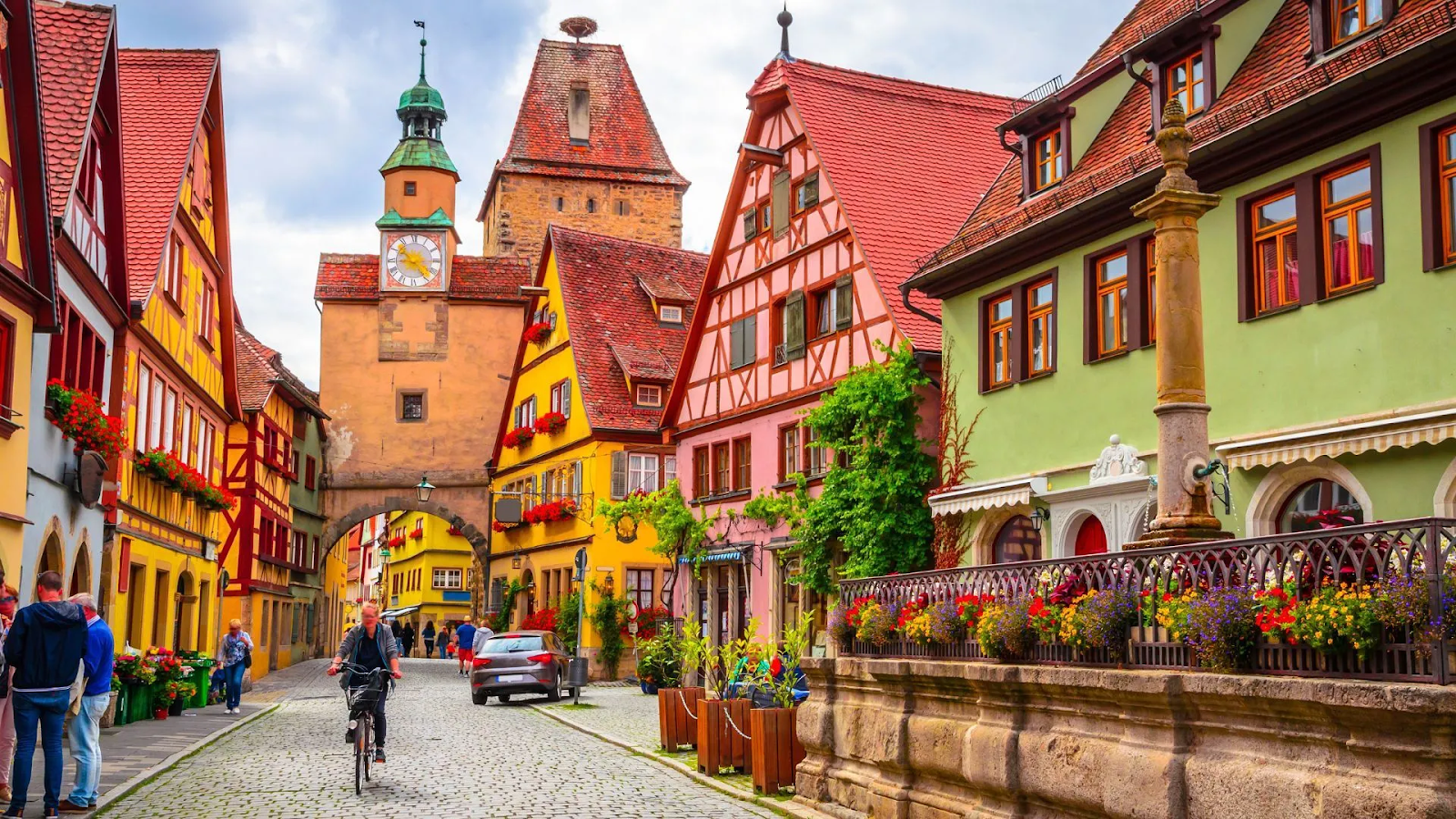
Stem cell therapy for multiple sclerosis in Germany is defined by strict medical regulation, hospital-based treatment protocols, and close alignment with academic research institutions. Major medical hubs such as Frankfurt and Heidelberg provide both HSCT and MSC therapies within fully licensed hospital environments, ensuring intensive monitoring and standardized safety procedures. Treatment programs often involve multidisciplinary teams and documented clinical outcomes, which appeals to patients seeking evidence-driven care and long-term follow-up.
Switzerland

Stem cell therapy for multiple sclerosis in Switzerland is positioned around precision medicine, individualized diagnostics, and a high standard of patient privacy. Clinics prioritize comprehensive pre-treatment assessments, often extending the evaluation phase before confirming eligibility or protocol selection. Treatment programs reflect a premium healthcare model, combining advanced clinical oversight with private recovery environments and personalized concierge-level support.
Turkey

Stem cell therapy for multiple sclerosis in Turkey combines internationally accredited hospital care with cost-efficient treatment models tailored for medical travelers. Major hospitals in Istanbul provide HSCT and MSC therapies supported by experienced teams, English-speaking coordinators, and integrated treatment packages that simplify travel, accommodation, and follow-up care for patients from Europe and the Middle East.
Thailand

Stem cell therapy for multiple sclerosis in Thailand is distinguished by its strong private-hospital ecosystem, JCI-accredited facilities, and early adoption of mesenchymal stem cell protocols for neurological conditions. Bangkok-based clinics operate under Thailand Medical Council oversight and combine in-house GMP-certified laboratories with short inpatient or outpatient treatment cycles. This structure allows patients to access regulated MSC therapy with faster scheduling and recovery-oriented care compared to Western hospital systems.
Georgia

Georgia has become known for its patient-first model in stem cell therapy for autoimmune diseases abroad. Clinics such as Mardaleishvili Medical Centre offer structured protocols, published outcomes, and multilingual coordination.
It is a cost-effective choice that balances safety with accessibility.
Best Clinics for MS Stem Cell Therapy Abroad
Patients exploring stem cell therapy for multiple sclerosis abroad often look for trusted, experienced clinics that offer transparent protocols, certified safety standards, and personalized care.
Here are the best clinics for stem cell therapy for multiple sclerosis treatment abroad:
- ANOVA Institute for Regenerative Medicine
- Heidelberg University Hospital
- Vitalia24
- Liv Hospital Istanbul
- Medicana Istanbul
- Memorial Hospital Istanbul
- Hisar Intercontinental Hospital
- Biruni University Hospital
- Vega Clinic
- Mardaleishvili Medical Centre
ANOVA Institute for Regenerative Medicine (Frankfurt, Germany)
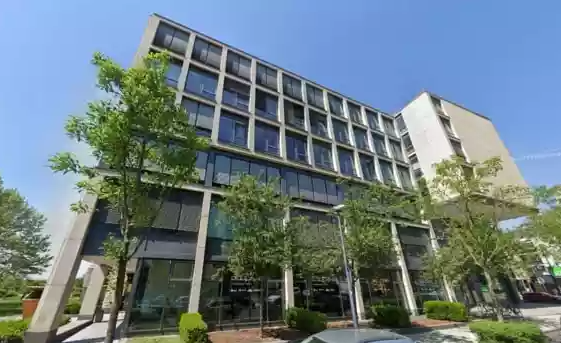
ANOVA Institute for Regenerative Medicine in Offenbach, Germany is the first clinic in Europe to offer mesenchymal stem cell secretome (MSEC) therapy for multiple sclerosis stem cell treatment. This unique, cell-free therapy is derived from the regenerative components of stem cells, specifically exosomes and paracrine factors, obtained via minimally invasive liposuction from the patient's own fat tissue. With the ability to create up to 20 frozen doses from one session, the clinic enables long-term, repeated treatment without loss of potency.
This approach supports patients with relapsing remitting MS, primary progressive MS, and secondary progressive MS by targeting immune modulation and neural regeneration. ANOVA combines scientific precision with clinical safety, conducting extensive diagnostics including MRI and immune analysis before any procedure. The clinic is legally licensed, GMP-certified, and bi-annually inspected by German health authorities, ensuring both innovation and compliance. Led by Dr. Michael Stehling and Dr. Johannes Atta, the clinic tailors each therapy plan to the patient’s medical condition and travel capacity, providing a structured, results-focused alternative to traditional MS care.
Heidelberg University Hospital (Heidelberg, Germany)
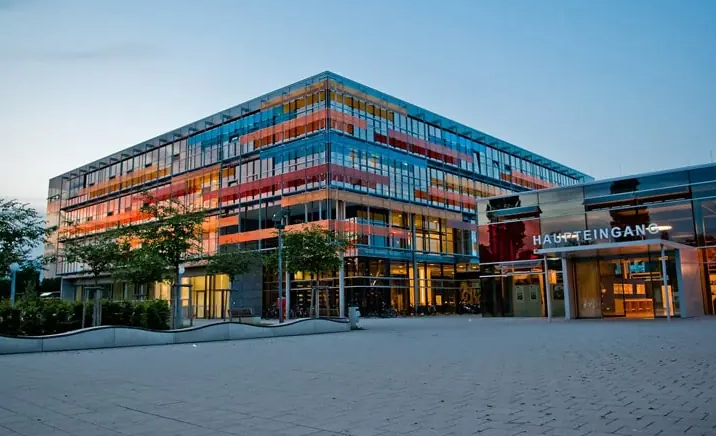
Heidelberg University Hospital is one of Europe’s most advanced centers for hematopoietic stem cell transplantation for MS. With a strong research foundation, the hospital provides high-dose immunoablation followed by autologous stem cell reinfusion, primarily targeting patients with aggressive or treatment-resistant forms of relapsing remitting MS. The transplant unit works in alignment with EBMT guidelines and maintains strict eligibility criteria, ensuring patient safety and predictable outcomes.
As an academic hospital, Heidelberg also runs several MS-focused clinical trials, contributing to international protocols and registries. The team provides full-cycle care: diagnostics, immune reset, hospital stay, and rehabilitation. The hospital's structured environment and academic transparency make it a trusted destination for patients exploring stem cell therapy for multiple sclerosis abroad.
Vitalia24
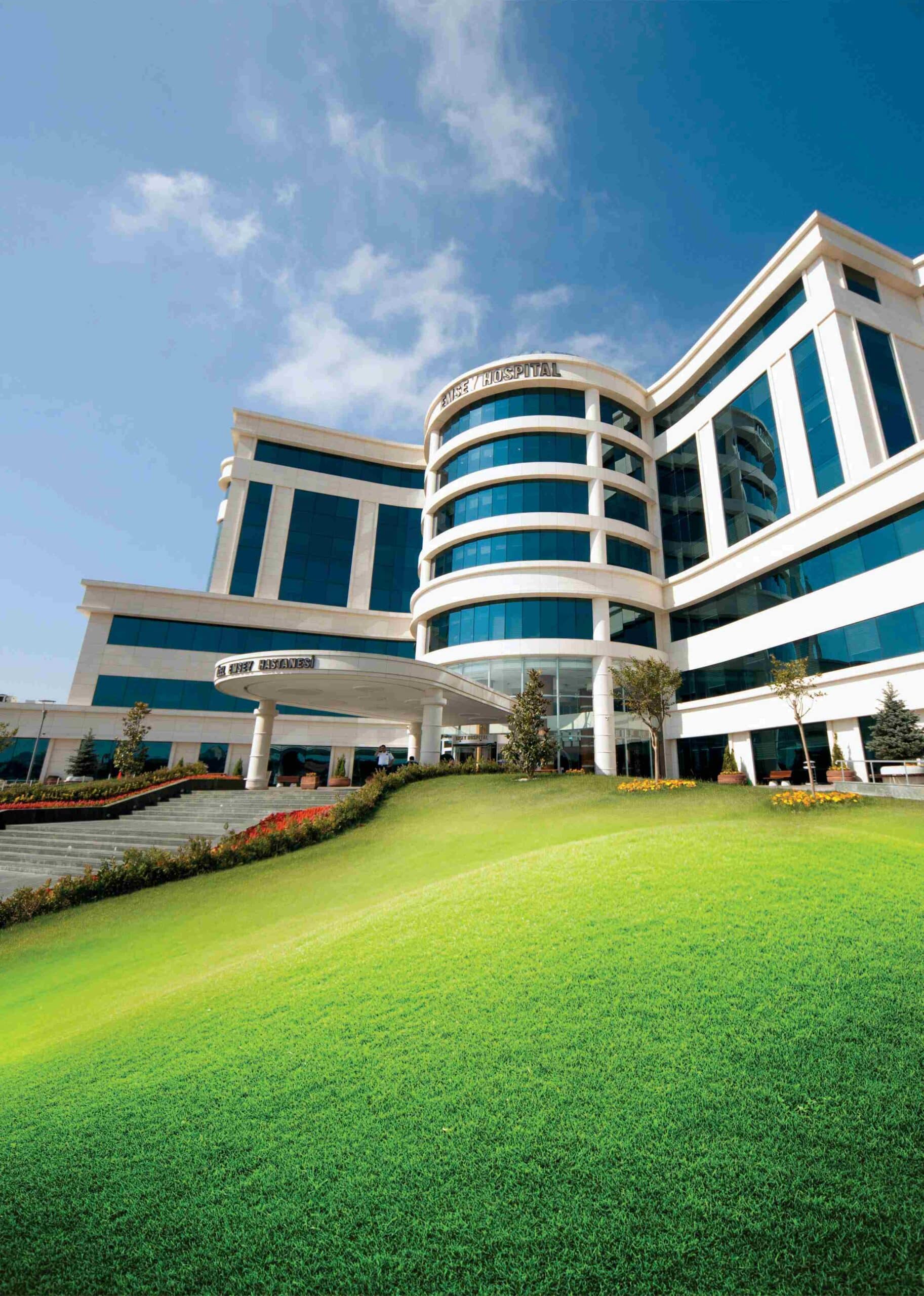
Vitalia24 is a pan-European regenerative medicine group providing cross-border access to stem cell treatment for multiple sclerosis outside country. With a presence in several EU countries, the organization coordinates therapies using both hematopoietic stem cell transplantation (HSCT) and mesenchymal stem cell therapy for MS, tailored to the patient’s specific disease course and progression.
Their model focuses on medically structured journeys. Patients undergo virtual pre-assessments, lab reviews, and imaging diagnostics before travel. Once accepted, Vitalia24 arranges everything,from flights and accommodations to treatment timelines and post-care. This full-spectrum service appeals to patients seeking a clear, guided path toward multiple sclerosis stem cell therapy overseas without dealing with fragmented systems.
Liv Hospital Istanbul
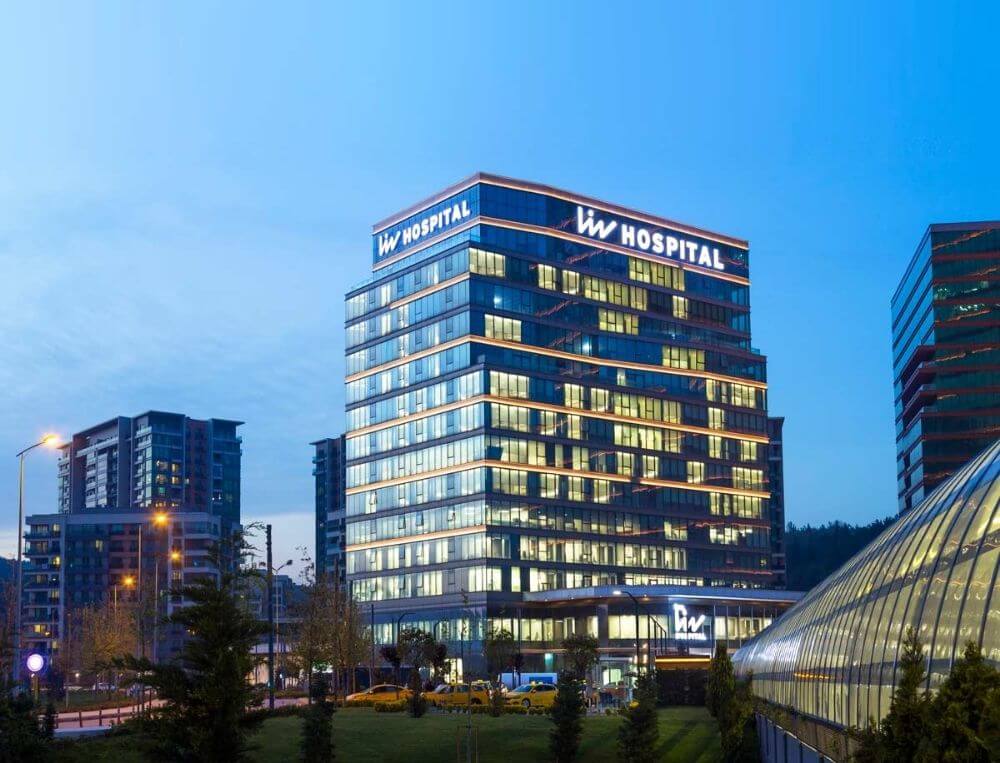
Liv Hospital Istanbul is one of Turkey’s leading private hospitals offering stem cell therapy abroad for primary progressive MS and relapsing-remitting forms of the disease. The hospital operates a dedicated regenerative medicine unit supported by neurology, immunology, and rehabilitation departments. Their multidisciplinary team evaluates each case to determine eligibility for mesenchymal stem cell or combined treatment approaches.
With JCI accreditation and modern infrastructure, Liv Hospital provides international patients with personalized care plans, English-speaking coordinators, and transparent pricing models. The hospital also supports follow-up care through remote consultations and collaborates with rehabilitation centers for post-treatment recovery.
Medicana Istanbul
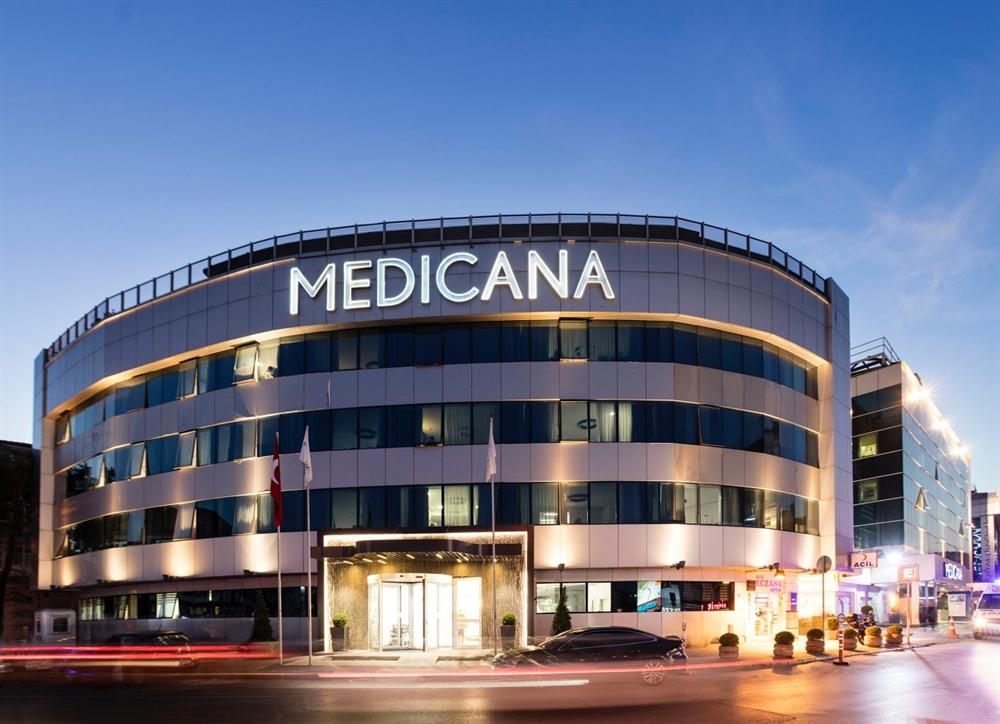
Medicana Istanbul is part of a well-established hospital group in Turkey known for its accessible pricing and advanced medical services. The facility offers MS stem cell therapy abroad with an emphasis on pre-treatment diagnostics and patient education. Patients undergo full lab screening, MRI evaluation, and neurological assessment before receiving stem cell procedures.
The clinic integrates patient support services such as visa assistance, hotel coordination, and post-treatment monitoring. Medicana’s regenerative medicine team includes experienced hematologists and neurologists who personalize protocols for both progressive and relapsing MS patients, with clear communication at every stage.
Offers bundled packages including diagnostics, therapy, and recovery support. Uses updated protocols for MS stem cell therapy abroad.
Memorial Hospital Istanbul

Memorial Hospital Istanbul offers comprehensive services for autologous stem cell therapy for MS, integrating regenerative techniques within a modern hospital environment. The facility uses both bone marrow-derived and adipose-derived mesenchymal stem cells, applied intravenously or intrathecally depending on disease stage. All treatments follow EU-GMP standards and are reviewed by a multidisciplinary board.
The hospital supports patients throughout the journey with 24/7 international coordination, English-speaking staff, and personalized treatment plans. Patients are monitored closely before and after therapy with advanced imaging, neurological scoring, and immune response tracking.
Hisar Intercontinental Hospital
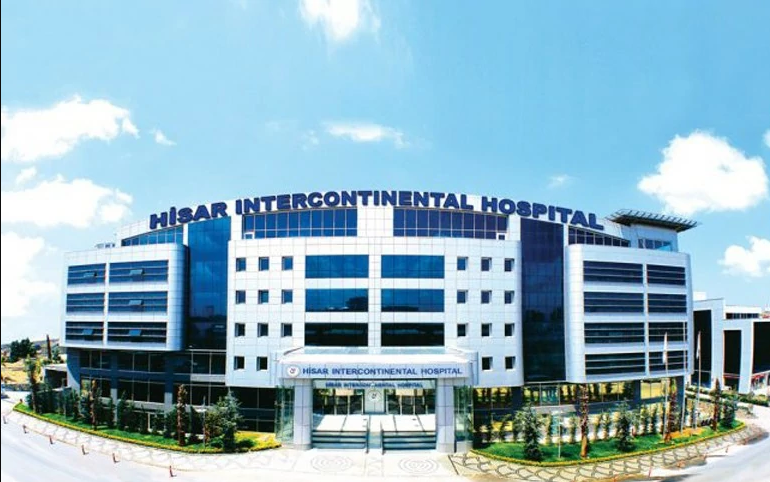
Hisar Intercontinental Hospital provides specialized care in international stem cell therapy for MS, offering cell-based treatments tailored to the patient’s form of multiple sclerosis. The hospital’s regenerative medicine department works closely with neurology and physical therapy units to ensure a holistic approach.
Located in Istanbul, Hisar is JCI-accredited and equipped with high-end diagnostics, sterile cell processing labs, and international patient services. Their team assists with travel logistics, documentation, and follow-up scheduling, helping international patients access affordable and trusted care for MS.
Provides international stem cell therapy for MS with English-speaking staff and transparent cost structures.
Biruni University Hospital
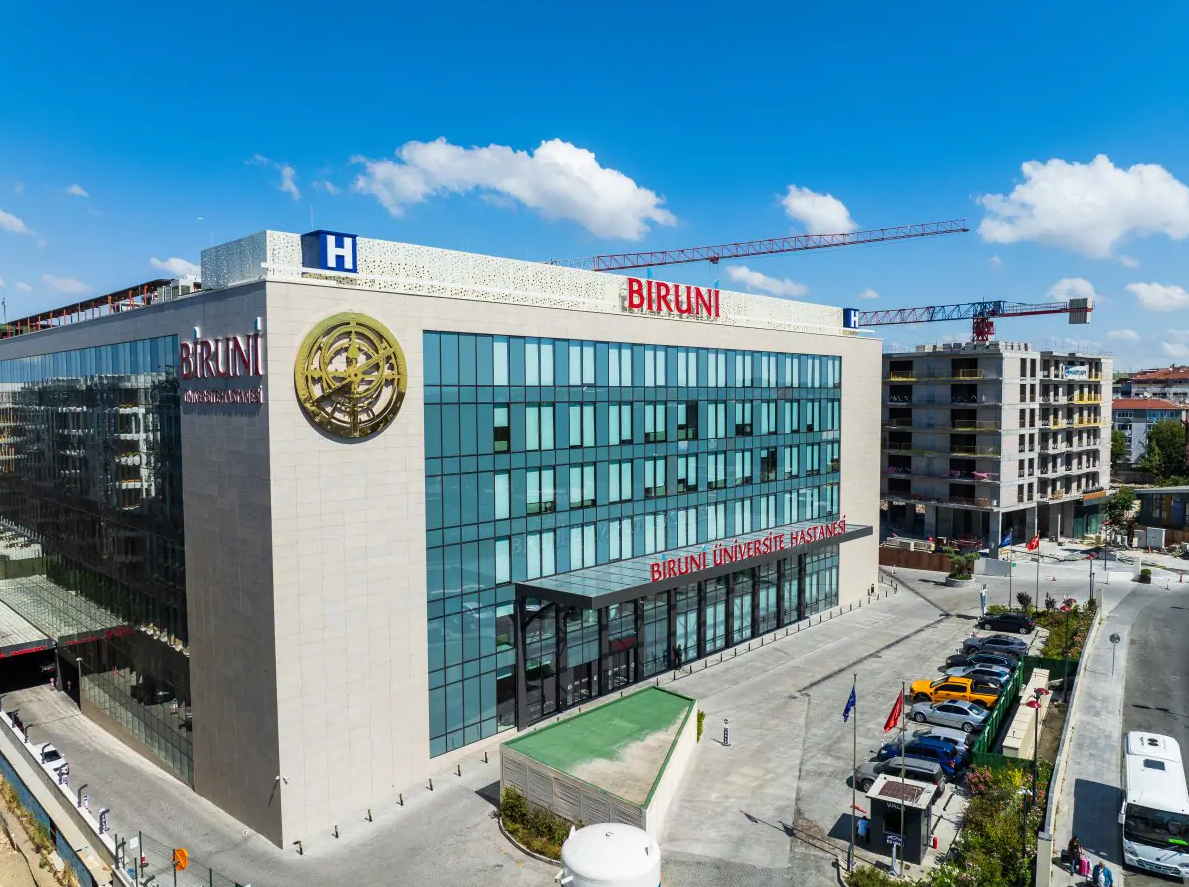
Biruni University Hospital bridges academic research with clinical care, offering long term results of stem cell therapy for MS through a structured, evidence-based approach. The facility participates in MS-focused studies and applies strict protocols for both patient selection and treatment delivery.
The hospital's regenerative medicine unit focuses on autologous stem cell therapy for MS, leveraging bone marrow-derived cells in patients with both progressive and relapsing forms of the disease. Clinical assessments include MRI, EDSS scoring, and immunological.
Vega Clinic (Bangkok, Thailand)

Vega Clinic in Bangkok is a leading provider of stem cell clinics for multiple sclerosis, known for combining high-tech regenerative treatments with medical tourism support. The clinic primarily uses adipose-derived mesenchymal stem cells, supported by lab monitoring and neurological evaluations.
Beyond treatment, Vega integrates full-service medical travel packages, covering airport transfers, interpreter services, and hotel stays. They also collaborate with neuro-rehabilitation centers to offer post-treatment support tailored to MS symptoms like spasticity, fatigue, or gait disturbances. For patients seeking privacy and comfort along with clinical care, Vega remains a trusted option in Southeast Asia.
Mardaleishvili Medical Centrezed in stem cell clinics for multiple sclerosis with a hospitality-driven approach and neurorehab facilities.
Mardaleishvili Medical Centre
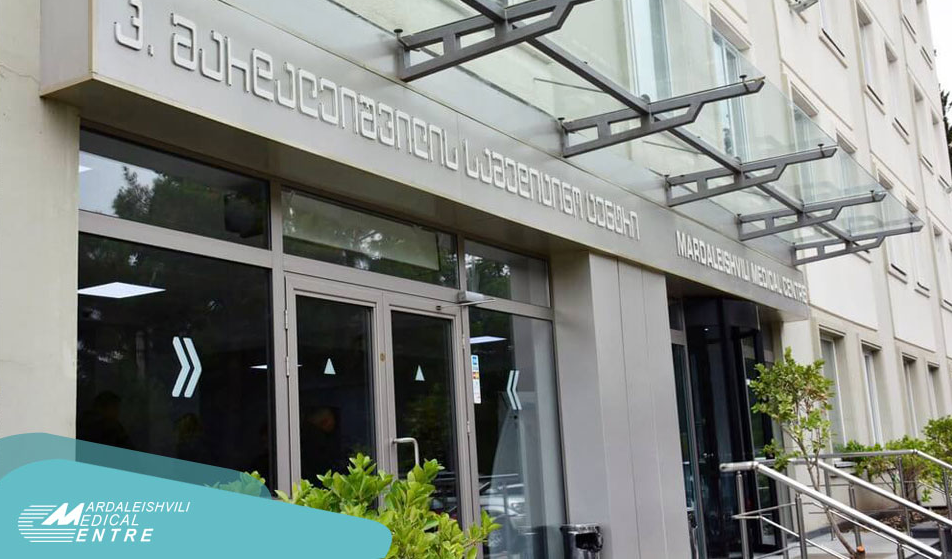
Mardaleishvili Medical Centre in Tbilisi, Georgia is one of the region’s top centers for stem cell therapy abroad for secondary progressive MS and advanced cases. The clinic performs both HSCT and MSC procedures, depending on patient condition and history. It adheres to EU medical standards and has published treatment outcomes in international journals.
Treatment includes neurological exams, cell harvesting, immune system analysis, and personalized recovery timelines. Patients are supported with multilingual staff, visa assistance, and follow-up planning. The center’s transparent approach, combined with lower costs compared to Western Europe, makes it a compelling option for affordable stem cell therapy for MS abroad.
Treatment Costs: How Prices Differ Across Countries
Cost of stem cell therapy for MS abroad varies based on country, clinic, and therapy type. Here is the cost of stem cell therapy for MS abroad by country:
- Germany / Switzerland: from $45,000 to $80,000
- Thailand: from $25,000 to $40,000
- Turkey: from $18,000 to $30,000
- Georgia: from $17,000 to $28,000
Factors influencing cost include therapy intensity (HSCT vs MSC), hospital stay length, and travel support. Always request a full cost breakdown before committing.
Safety Standards and Accreditation of International Clinics
Safety is non-negotiable. Top clinics adhere to international medical standards like JCI or ISO. They maintain sterile lab environments, emergency protocols, and informed consent policies.
Is stem cell therapy for MS safe abroad? Yes, when performed in licensed clinics with a clinical track record. Patients should verify all certifications, and review patient success stories or medical board listings.
Travel, Accommodation and Patient Support Services
Medical travel can be overwhelming. That is why many providers now offer stem cell therapy abroad packages for MS patients. These include:
- Airport transfers and accommodation near the clinic
- Language support and 24/7 contact staff
- Pre-travel planning and visa assistance
This reduces stress, ensures smoother care, and helps caregivers focus entirely on the healing process.
Risks and Possible Side Effects of Stem Cell Therapy
Every medical procedure involves risks. For HSCT, risks include immune suppression, nausea, and short-term vulnerability to infections. For MSC, side effects are typically mild: fatigue, fever, or localized discomfort.
Clinics review these risks in detail before treatment. Clear informed consent, lab monitoring, and follow-up care help minimize complications.
Expected Outcomes and Recovery Timeline
MS stem cell therapy success rate varies by treatment type and disease stage. HSCT has shown strong results in halting relapse in aggressive cases. MSC tends to help with fatigue, inflammation, and quality of life improvements.
Recovery time after stem cell therapy for MS depends on the method. MSC recovery can take weeks, while HSCT recovery stretches into months. Clinics provide structured follow-up protocols to track outcomes.
How to Choose the Right Clinic for MS Stem Cell Treatment Abroad
Choosing a clinic is not just a financial decision. It is a strategic one. Patients should:
- Review best stem cell clinics for multiple sclerosis abroad based on credentials
- Ask for patient case studies, recovery timelines, and success data
- Clarify what is included in the treatment package and aftercare
The best clinics focus on transparent communication, clinical integrity, and long-term support.
How A-Medical Can Help?
A-Medical connects you with vetted, high-performing clinics for stem cell therapy for MS international. Their team handles everything: eligibility, planning, coordination, and recovery support.
They specialize in:
- Matching your condition with the most suitable clinic
- Providing access to top stem cell clinics abroad for multiple sclerosis
- Supporting patients before, during, and after treatment
Choosing stem cell therapy for multiple sclerosis abroad does not have to be overwhelming. With the right partner, it becomes a guided, structured, and confident step toward taking back control of your health.
FAQ
Does timing matter more than hospital choice in bone marrow transplantation?
Yes. In many cases, the stage of the disease at the time of transplant has a greater impact on outcomes than the hospital itself. Patients who undergo transplantation during active disease progression or after multiple failed chemotherapy lines often experience lower engraftment success and higher complication rates, even in top-tier hospitals.
Why do success rates published by hospitals often look higher than real-world outcomes?
Hospital-reported success rates are usually based on selected patient groups, not all applicants. Many clinics exclude high-risk patients, advanced-stage cases, or those with severe comorbidities from their statistics, which inflates reported success percentages.
Which patients should NOT travel abroad for a bone marrow transplant?
Not every patient is a good candidate for international treatment. Patients with unstable organ function, active uncontrolled infections, or rapidly progressing disease may face higher risks when travel delays treatment initiation or limits emergency response access.
Is a higher transplant cost associated with better outcomes?
No. Higher cost does not automatically translate to better transplant results. Outcomes depend more on donor matching quality, conditioning protocol suitability, post-transplant infection control, and GVHD management than on hospital pricing or luxury infrastructure.
Why do some patients relapse after a technically successful transplant?
A technically successful transplant does not guarantee long-term disease control. Relapse risk increases if minimal residual disease is present before transplant, if immune reconstitution is delayed, or if post-transplant monitoring is insufficient.
Is donor type more important than donor availability speed?
Donor compatibility quality is more important than how fast a donor is found. A quickly available but poorly matched donor can significantly increase GVHD risk and long-term complications compared to a slightly delayed but better-matched donor.
Why do age limits for bone marrow transplantation differ between clinics?
Age limits are not universal because biological age matters more than chronological age. Some clinics accept older patients with strong organ function, while others apply strict age cutoffs due to protocol risk tolerance and ICU capacity.
What is the most common mistake patients make before deciding on a transplant abroad?
The most common mistake is choosing a clinic before confirming transplant eligibility and timing. Many patients contact hospitals too late in disease progression or without updated diagnostics, limiting treatment options regardless of clinic quality.
How can two patients receive the same transplant but experience completely different outcomes?
Individual immune response variability plays a major role in transplant outcomes. Genetic immune markers, prior treatment burden, infection history, and microbiome differences can significantly influence recovery, GVHD risk, and long-term remission.
Why are bone marrow transplant outcomes in Turkey often better than expected for international patients?
Turkey’s strength lies in case volume and donor access speed rather than technology alone. Turkish transplant centers perform a high number of bone marrow transplants every year, which improves physician decision-making, complication management, and donor coordination. This experience advantage often results in better real-world outcomes, especially for complex cases, compared to lower-volume centers in Western countries.
What do most patients misunderstand about bone marrow transplant costs in Turkey?
The biggest misconception is assuming the lowest price equals the best value. In Turkey, cost differences usually reflect donor complexity, ICU duration, and post-transplant monitoring intensity rather than hospital quality. Patients who compare packages instead of clinical scope often underestimate long-term care needs.