Treatment Abroad – Find Verified Clinics, Reviews & Prices
Treatment Abroad made simple by A-Medical. Explore top clinics worldwide and start your journey toward better health today
We make healthcare abroad
simple, transparent, and fully guided from start to finish
Submit Your Request
Tell us about your treatment needs. We carefully review your case and match you with the most suitable hospitals and doctors.
Get Official Price Quotes
We provide verified treatment offers and proformas directly from hospitals — no middlemen, full transparency.
Connect with Doctors
We arrange direct calls or video consultations with hospitals and doctors so you can discuss your treatment plan confidently.
Confirm & Start Treatment
Once you accept the treatment plan, we schedule your hospital appointment and support you throughout your medical journey.
Clinics
Discover our network of world-class medical facilities offering comprehensive healthcare services
Why Choose Us
With us, you are in safe hands. We focus on quality, transparency, and patient-first care. Here’s what sets us apart
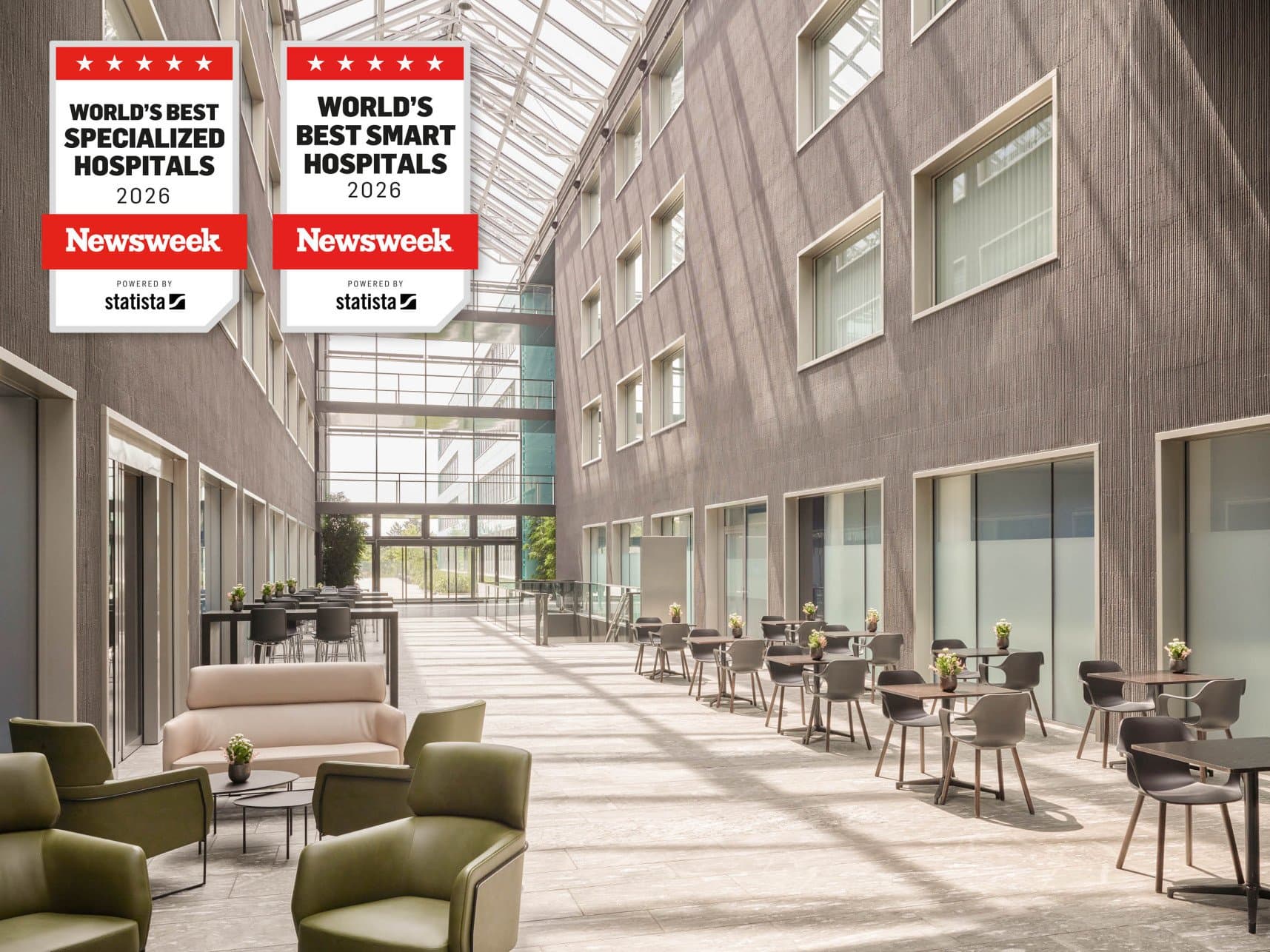
Only Accredited Hospitals
We partner exclusively with internationally accredited and top-ranked hospitals.
Direct & Transparent Payments
You pay directly at the hospital, with no hidden fees.
Free Direct Call & Video Consultation
Speak with our experts and doctors before making any decisions.
Best Doctor & Hospital Match
We carefully select the most suitable specialist and clinic for your treatment needs.
Worldwide Hospital Network
Access to a vast global network across 90+ countries.
More Affordable Pricing
We negotiate better prices from hospitals than you would get by contacting them directly.
Medical Conditions
Explore our comprehensive coverage of medical conditions and find the right treatment options

West syndrome
West syndrome, also called Infantile Epileptic Spasms Syndrome (IESS), is a rare and severe form of epilepsy that starts in infancy. It is marked by infantile spasms, a chaotic brain activity pattern on EEG (hypsarrhythmia), and developmental delays or regression. Key characteristics Infantile spasms: Brief episodes of muscle stiffening or jerking, often in clusters. Movements may be mild twitches or stronger “jackknife” bends of the body. Hypsarrhythmia: Abnormal and disorganized brain activity seen on EEG. Developmental regression: Infants may stop progressing or lose skills like rolling, sitting, or babbling. Symptoms and onset Symptoms usually appear between 3 and 12 months of age. Spasms are brief but frequent, often happening after waking. Causes The condition can be linked to structural brain problems, genetic mutations, metabolic disorders, or infections. Diagnosis EEG is used to detect hypsarrhythmia. MRI can show brain abnormalities. Genetic and laboratory tests may reveal underlying causes. Treatment There is no cure. Treatment aims to stop spasms and support development. Medications: Vigabatrin, ACTH, and corticosteroids are commonly used. Diet therapy: The ketogenic diet may reduce seizures in some children. Surgery: Considered if seizures come from a specific brain area and don’t respond to other treatments. Rehabilitation: Psychomotor therapy helps address developmental delays.

Strabismus
Strabismus

Ischaemic stroke
What is an ischaemic stroke? An ischaemic stroke, also called a cerebral infarction, happens when a blood clot or other obstruction blocks an artery supplying blood to the brain. This blockage sharply reduces blood flow, depriving brain tissue of oxygen and nutrients. Without oxygen, brain cells begin to die within minutes. Ischaemic strokes are the most common type of stroke, accounting for around 80% of all cases, and they are a medical emergency. Rapid treatment is critical to limit brain damage, disability, and life-threatening complications. Types of ischaemic stroke 1. Thrombotic stroke Caused by a blood clot (thrombus) that forms directly in an artery supplying the brain Commonly linked to atherosclerosis, where fatty plaques narrow the arteries Often develops during sleep or rest 2. Embolic stroke Occurs when a clot forms elsewhere in the body, most often in the heart The clot travels through the bloodstream and becomes lodged in a brain artery Frequently associated with atrial fibrillation, heart valve disease, or recent heart attack 3. Lacunar stroke Involves blockage of small, deep arteries within the brain Usually caused by long-standing high blood pressure leading to thickened vessel walls Can also be linked to diabetes or rare genetic conditions Symptoms of an ischaemic stroke Symptoms depend on which area of the brain is affected, but commonly include: Sudden numbness or weakness, especially on one side of the face, arm, or leg Sudden difficulty speaking or understanding speech Sudden vision problems in one or both eyes Sudden dizziness, loss of balance, or difficulty walking Sudden severe headache with no known cause When to seek emergency medical attention – ACT FAST Call emergency services immediately if you notice: F – Face drooping when smiling A – Arm weakness when raising one or both arms S – Speech difficulty or slurred speech T – Time to call emergency services Early treatment can be lifesaving and can significantly reduce long-term disability. What causes an ischaemic stroke? Several conditions can lead to artery blockage, including: Atherosclerosis (plaque build-up in arteries) Blood clots from the heart, often due to atrial fibrillation or heart valve disease High blood pressure, which damages and narrows blood vessels Carotid artery disease, causing reduced blood flow to the brain Blood disorders, such as sickle cell disease or clotting abnormalities Inflammatory or genetic blood vessel diseases Complications and related conditions An ischaemic stroke can cause long-term or permanent complications, such as: Paralysis or weakness, usually on one side of the body Speech and swallowing difficulties (dysphagia) Memory, concentration, and cognitive problems Chronic pain, numbness, or abnormal sensations Depression, anxiety, and emotional changes Secondary issues including pneumonia, pressure sores, or deep vein thrombosis due to reduced mobility How can ischaemic strokes be prevented? Prevention focuses on controlling risk factors and maintaining vascular health: Control blood pressure, diabetes, and cholesterol Eat a balanced, heart-healthy diet low in saturated fat and salt Exercise regularly Stop smoking and limit alcohol intake Take prescribed medications for heart rhythm disorders or clot prevention Attend regular health check-ups to monitor stroke risk factors
Get a free consultation
Talk to our experts and discover the best solution for your needs completely free of charge.

Related Articles
Stay informed with our latest medical insights and health tips
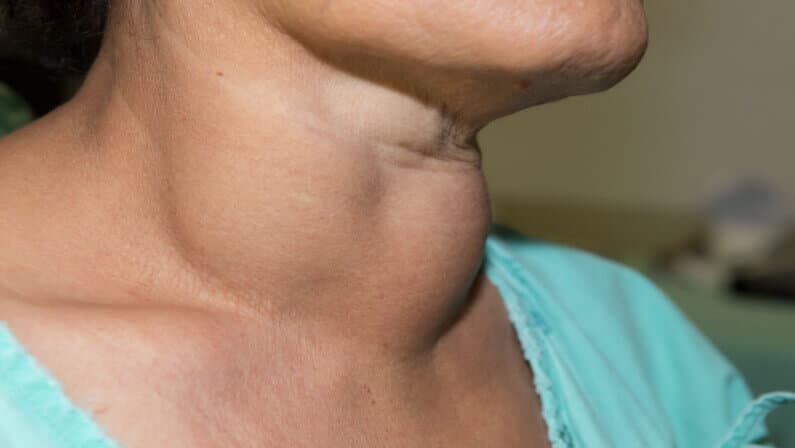
Burun Tutulması Səbəbləri və Müalicəsi
Burun tutulması, burun boşluqlarında hava axınının qismən və ya tam şəkildə məhdudlaşmasıdır.

Alternative Treatments for Lyme Disease
Many patients look for alternative treatments for Lyme disease after completing antibiotic therapy but continuing to experience fatigue, joint pain, and cognitive difficulties.

Open Heart Surgery in Turkey - Best Surgeons, Clinics and Costs
In this article, we will focus on Turkey, which is one of the most preferred countries by international patients for open heart surgery in the world, and open heart surgery in Turkey. In our article, ...
Our doctor is highly skilled and an expert in their field.