Subarachnoid Haemorrhage
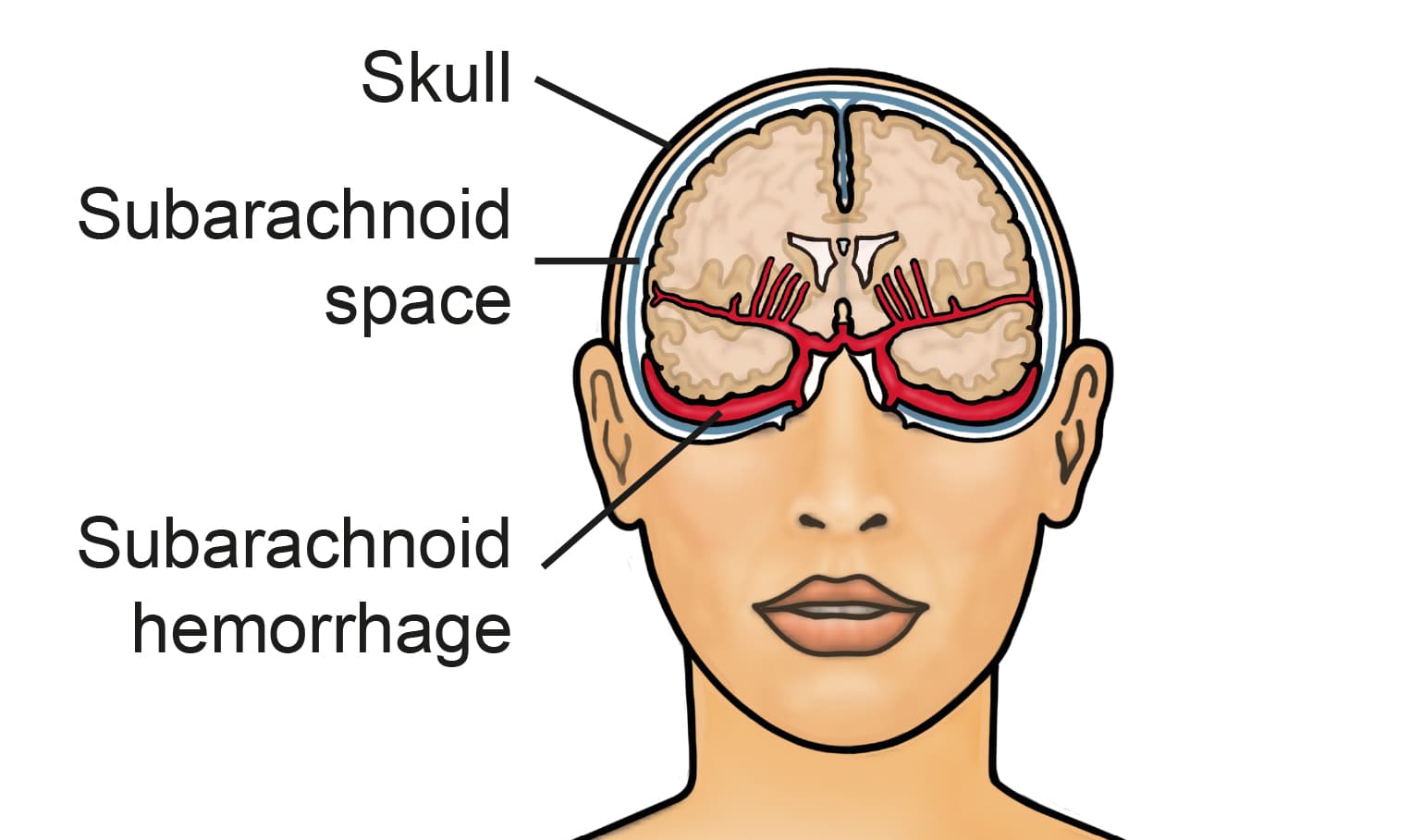
What Is a Subarachnoid Haemorrhage? A subarachnoid haemorrhage (SAH) is a serious and potentially life-threatening type of haemorrhagic stroke. It occurs when bleeding develops in the subarachnoid space—the area between the brain and the thin protective membranes (meninges) that cover it. This space normally contains cerebrospinal fluid (CSF), which cushions and protects the brain and spinal cord. When bleeding occurs in this area, it can rapidly increase pressure inside the skull, damage brain tissue, and disrupt normal brain function. Subarachnoid haemorrhage is a medical emergency and requires immediate diagnosis and treatment. Difference Between Subarachnoid Haemorrhage and Subdural Haematoma Although both conditions involve bleeding inside the skull, they occur in different locations: Subarachnoid haemorrhage (SAH): Bleeding occurs in the subarachnoid space, between the brain and the membranes covering it. Subdural haematoma: Bleeding occurs between the dura mater (the outermost membrane) and the arachnoid membrane. These differences are important because they affect symptoms, causes, and treatment approaches. Symptoms of Subarachnoid Haemorrhage Symptoms usually appear suddenly and are often severe. Common signs include: Sudden, intense headache often described as a “thunderclap headache” Nausea and vomiting Stiff neck due to irritation of the meninges Sensitivity to light (photophobia) Blurred or double vision Loss of consciousness, ranging from brief fainting to coma Seizures Confusion, disorientation, or difficulty thinking clearly Any sudden severe headache should be treated as a medical emergency. Causes of Subarachnoid Haemorrhage Primary Causes Ruptured cerebral aneurysm: The most common cause; occurs when a weakened blood vessel bulges and bursts Head trauma: Due to falls, road traffic accidents, or direct blows to the head Arteriovenous malformations (AVMs): Abnormal tangles of blood vessels that are prone to rupture Contributing Risk Factors Blood clotting disorders Use of blood-thinning medications Chronic high blood pressure (hypertension), which weakens blood vessels over time Complications and Related Conditions Subarachnoid haemorrhage can result in severe short- and long-term complications, including: Re-bleeding, particularly in the early period after the initial haemorrhage Cerebral vasospasm, where brain blood vessels narrow and restrict blood flow Hydrocephalus, an accumulation of cerebrospinal fluid that may require surgical drainage Seizure disorders Long-term disability, including paralysis, speech difficulties, memory loss, and emotional or behavioural changes The severity of complications depends on the extent and location of the bleeding and how quickly treatment is initiated. How Can Subarachnoid Haemorrhage Be Prevented? While not all cases are preventable, reducing risk factors can significantly lower the likelihood of a subarachnoid haemorrhage: Regular monitoring and control of high blood pressure Maintaining a healthy, balanced diet low in saturated and trans fats Engaging in regular physical activity Avoiding smoking and limiting alcohol consumption Proper management of chronic conditions such as diabetes and heart disease Routine medical check-ups and screenings, especially for individuals with a family history of aneurysms

Patients served
Countries
Clinics
Experienced doctors
Your Benefits and Guarantees with Amedical
Experience a seamless and secure breast lift journey with Amedical.
Transparent Prices and Flexible Installment Plans
No hidden fees — only official clinic prices. You can pay for your breast lift directly at the clinic upon arrival and use a flexible installment plan if needed.

Verified Clinics and Doctors Only
Amedical is fully committed to your safety. We cooperate exclusively with medical institutions that meet high international standards in breast lift procedures and are licensed to serve international patients.

Free 24/7 Support Service
Amedical provides free expert assistance. Your personal medical coordinator supports you before, during, and after your treatment, helping to resolve any issues. You are never alone on your breast lift journey.

Your personal AMedical medical coordinator

Supports you at every stage
Helps choose the right clinic and doctor
Ensures quick and convenient access to information
Loading clinics...
Our Trusted Doctors
Our doctors are highly skilled and experts in their fields.
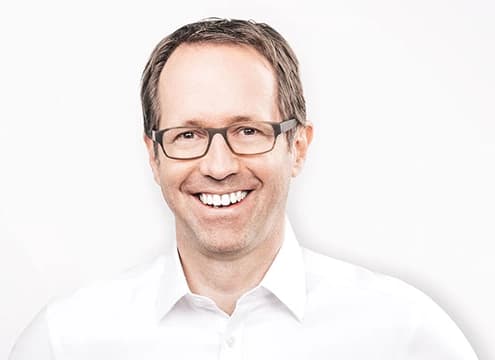
PD Dr. med. Patrick Weber is a highly respected specialist in the implantation and revision of hip and knee endoprostheses. With extensive academic and surgical experience, he is recognized as one of Germany’s leading experts in modern joint replacement surgery. During his many years at the University Hospital of Munich (LMU) – Klinikum Großhadern, Dr. Weber served as Head of Hip Arthroplasty and Deputy Head of Knee Arthroplasty, gaining comprehensive expertise across the full spectrum of endoprosthetic surgery—including highly complex cases such as hip dysplasia and post-traumatic osteoarthritis. Expertise in Minimally Invasive Hip Replacement (AMIS) For many years, Dr. Weber has specialized in the minimally invasive, muscle-sparing implantation of hip prostheses using the AMIS method. He is internationally regarded as a reference surgeon and instructor for this advanced technique, which supports faster recovery and improved mobility. Another major focus of his work is the revision and replacement of existing hip and knee implants, particularly in cases of loosening, pain, or implant failure. Key Areas of Specialization Dr. Weber’s surgical expertise includes: Hip replacement surgery using the AMIS approach Knee replacement surgery, including unicondylar (partial) knee prostheses Implantation of hip and knee prostheses in complex anatomical situations, such as: Hip dysplasia Post-traumatic arthritis Revision arthroplasty (exchange of hip and knee prostheses) Conditions Treated Dr. Weber provides expert care for patients with: Coxarthrosis (hip osteoarthritis) Gonarthrosis (knee osteoarthritis) Painful or loosened endoprostheses Femoral head necrosis (avascular necrosis) Academic & International Recognition With more than 150 scientific publications and international lectures, PD Dr. Weber is a regularly invited speaker at leading national and global congresses focused on joint replacement and endoprosthetics. His combination of surgical precision, minimally invasive expertise, and academic leadership makes him a trusted authority in advanced hip and knee arthroplasty.
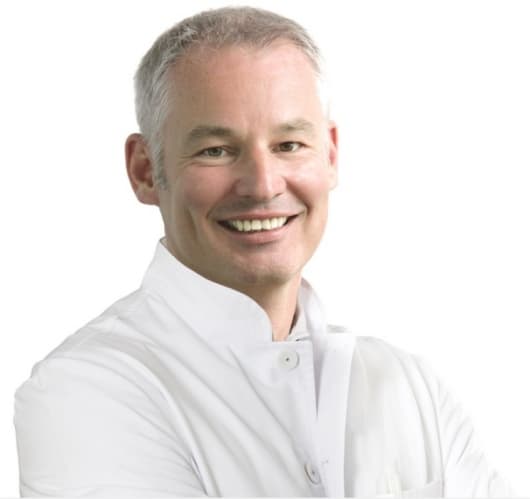
Director of the Hip Center – ATOS Clinic Munich The Hip Center at ATOS Clinic Munich is led by Dr. med. Raimund Völker, a founding member of the clinic and one of the most experienced specialists in hip endoprosthetics worldwide. Dr. Völker is among the very few internationally recognized surgeons who exclusively dedicate their practice to hip surgery. This exceptional level of specialization provides significant advantages for patients, allowing for highly precise treatment planning, advanced surgical expertise, and consistently outstanding outcomes. With over 20 years of experience in both standard hip replacement and bone-preserving hip resurfacing, Dr. Völker offers each patient the most suitable procedure based on individual anatomy, lifestyle, and long-term goals. Excellence in Hip Arthroplasty & Implant Quality Unlike standard approaches that rely on routine implants, Dr. Völker uses only high-quality, long-established original prosthetic systems at ATOS Clinic. This ensures: Maximum implant durability Long-term safety Excellent functional results His philosophy combines proven methods with innovation to provide the best possible joint replacement strategy for every patient. Minimally Invasive & Muscle-Sparing Surgery Dr. Völker applies modern surgical techniques that are: Minimally invasive Muscle-sparing Bone-conserving These approaches support faster recovery, improved mobility, and enhanced joint stability. Together with individualized implant selection and early intensive physiotherapy, patients benefit from an optimized Fast Track Recovery program. Key Areas of Expertise & Procedures Dr. Völker’s clinical focus includes: Diagnosis and treatment of hip osteoarthritis and its causes Advanced cartilage treatment options, including MRI-based cartilage cell therapy Total hip replacement (total endoprosthesis) Hip resurfacing surgery following the McMinn method (BHR) Short-stem hip prostheses Minimally invasive hip replacement techniques Enhanced Recovery Programs (ERP) Computer-assisted navigation for surgical precision
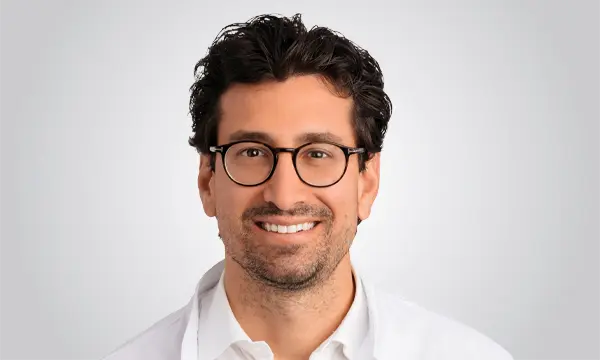
Specialist in orthopaedics and accident surgery, sports medicine Medical Director ATOS Clinic Munich Prof. Dr. med. Mark Tauber provides the entire spectrum of modern shoulder surgery. His main focus is on the minimally invasive treatment of upper arm head fractures and the arthroscopic treatment of shoulder pathologies Range of Services: Implantation and replacement of shoulder prostheses Arthroscopic suture of the rotator cuff Revisions after failed rotator cuff rupture Care of upper arm head fractures and long-term consequences Arthroscopic and open shoulder stabilisation after dislocation Dislocations of the shoulder joint Early osteoarthritis of the shoulder, cartilage regeneration Calculus shoulder Frozen shoulder
Related Articles
Stay informed with our latest medical insights and health tips

Retinal Transplant in Turkey - Best Clinics and Surgeons
People from around the world choose Turkey for retina transplant surgery. Highly skilled doctors in modern clinics, equipped with the latest medical technologies, perform these surgeries.

Best Countries for Panic Attack and Anxiety Treatment
Choosing the best country for panic attack treatment can be daunting, especially when considering options in foreign countries. A-Medical specializes in taking the stress out of this process by offeri...
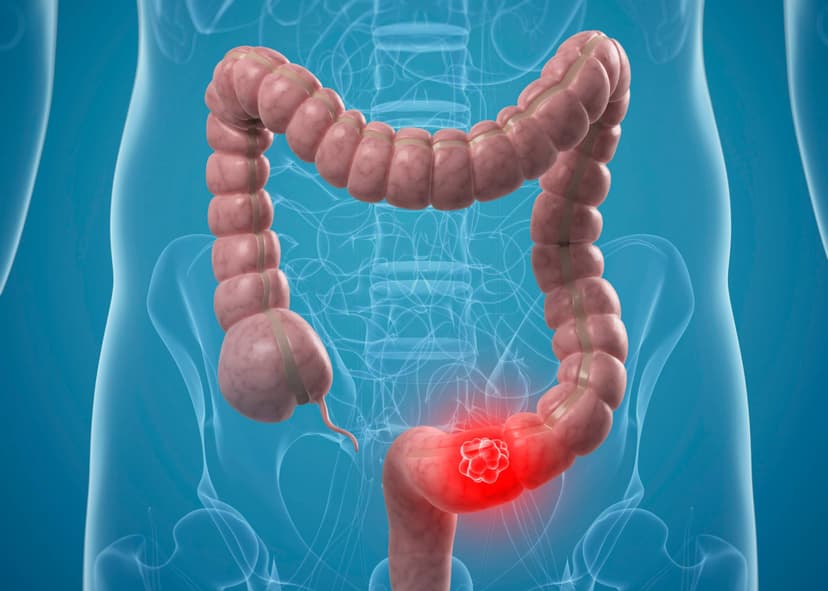
Colon Cancer Treatment in Turkey - Best Clinics & Doctors
International patients highly prefer Turkey for colon treatment due to its cost-effectiveness and excellent medical services.
Country Treatment
Find the best treatment options available in your country.
Get a free consultation
Talk to our experts and discover the best solution for your needs completely free of charge.