Pediatric Chronic Myeloid Leukemia (CML)
Chronic myeloid leukemia (CML) is a rare type of blood cancer that develops in the bone marrow when immature white blood cells, called myeloid cells, begin to grow and multiply at an abnormal rate. These abnormal cells crowd out healthy blood cells, leading to anemia, infection risk and bleeding problems. CML is strongly linked to a specific genetic change known as the Philadelphia chromosome, which leads to the production of an abnormal protein that drives uncontrolled cell growth. CML most commonly affects adults and is rare in children, accounting for about 3% of childhood leukemia cases. When it does occur in children, careful diagnosis and specialized treatment are essential. CML progresses through three phases: Chronic phase – early stage, usually mild symptoms Accelerated phase – disease becomes more aggressive Blast (acute) phase – behaves like acute leukemia and is life-threatening Pediatric CML Signs and Symptoms CML in children can vary widely. Some children have clear symptoms, while others may be diagnosed during routine blood tests. Common symptoms include: Persistent fatigue and weakness Easy bruising or bleeding, even after minor injuries Bone pain, especially in the legs and long bones Night sweats and chills Unexplained weight loss Abdominal pain or fullness (often due to enlarged spleen) Pale skin caused by anemia Persistent or recurrent fever These symptoms are not specific to CML, so proper medical evaluation is always required. Pediatric CML Diagnosis To confirm CML, doctors use several tests: Blood Tests Complete Blood Count (CBC): High white blood cell count, low red blood cells and platelets Peripheral Blood Smear: Detects immature cells (blasts) and abnormal blood cell shapes Bone Marrow Aspiration and Biopsy Samples of liquid and solid bone marrow are examined to identify leukemia cells and assess disease phase. Flow Cytometry Uses laser technology to analyze leukemia cells in detail, helping confirm the diagnosis. Imaging Tests Used to assess organ involvement: CT scan: Detects enlarged spleen, liver or lymph nodes MRI: Evaluates organs, bones and tissues Ultrasound: Checks spleen, liver, kidneys and sometimes brain involvement Pediatric CML Treatment Options Treatment depends on disease phase, response to therapy and overall health. Targeted Therapy (First-Line Treatment) Uses tyrosine kinase inhibitors (TKIs) Targets the genetic abnormality caused by the Philadelphia chromosome Highly effective and often allows long-term disease control Chemotherapy Used less commonly as a stand-alone treatment May be combined with targeted therapy Often used before a bone marrow transplant Bone Marrow (Stem Cell) Transplant Considered when targeted therapy fails or disease is advanced Replaces diseased marrow with healthy stem cells Offers the only potential cure, but carries higher risks Key Takeaway Although pediatric CML is rare, modern targeted therapies have transformed outcomes, allowing many children to live normal, active lives. Early diagnosis, close monitoring and treatment at specialized centers are critical for the best results.


Patients served
Countries
Clinics
Experienced doctors
Your Benefits and Guarantees with Amedical
Experience a seamless and secure breast lift journey with Amedical.
Transparent Prices and Flexible Installment Plans
No hidden fees — only official clinic prices. You can pay for your breast lift directly at the clinic upon arrival and use a flexible installment plan if needed.

Verified Clinics and Doctors Only
Amedical is fully committed to your safety. We cooperate exclusively with medical institutions that meet high international standards in breast lift procedures and are licensed to serve international patients.

Free 24/7 Support Service
Amedical provides free expert assistance. Your personal medical coordinator supports you before, during, and after your treatment, helping to resolve any issues. You are never alone on your breast lift journey.

Your personal AMedical medical coordinator

Supports you at every stage
Helps choose the right clinic and doctor
Ensures quick and convenient access to information
Loading clinics...
Our Trusted Doctors
Our doctors are highly skilled and experts in their fields.

PD Dr. med. Patrick Weber is a highly respected specialist in the implantation and revision of hip and knee endoprostheses. With extensive academic and surgical experience, he is recognized as one of Germany’s leading experts in modern joint replacement surgery. During his many years at the University Hospital of Munich (LMU) – Klinikum Großhadern, Dr. Weber served as Head of Hip Arthroplasty and Deputy Head of Knee Arthroplasty, gaining comprehensive expertise across the full spectrum of endoprosthetic surgery—including highly complex cases such as hip dysplasia and post-traumatic osteoarthritis. Expertise in Minimally Invasive Hip Replacement (AMIS) For many years, Dr. Weber has specialized in the minimally invasive, muscle-sparing implantation of hip prostheses using the AMIS method. He is internationally regarded as a reference surgeon and instructor for this advanced technique, which supports faster recovery and improved mobility. Another major focus of his work is the revision and replacement of existing hip and knee implants, particularly in cases of loosening, pain, or implant failure. Key Areas of Specialization Dr. Weber’s surgical expertise includes: Hip replacement surgery using the AMIS approach Knee replacement surgery, including unicondylar (partial) knee prostheses Implantation of hip and knee prostheses in complex anatomical situations, such as: Hip dysplasia Post-traumatic arthritis Revision arthroplasty (exchange of hip and knee prostheses) Conditions Treated Dr. Weber provides expert care for patients with: Coxarthrosis (hip osteoarthritis) Gonarthrosis (knee osteoarthritis) Painful or loosened endoprostheses Femoral head necrosis (avascular necrosis) Academic & International Recognition With more than 150 scientific publications and international lectures, PD Dr. Weber is a regularly invited speaker at leading national and global congresses focused on joint replacement and endoprosthetics. His combination of surgical precision, minimally invasive expertise, and academic leadership makes him a trusted authority in advanced hip and knee arthroplasty.
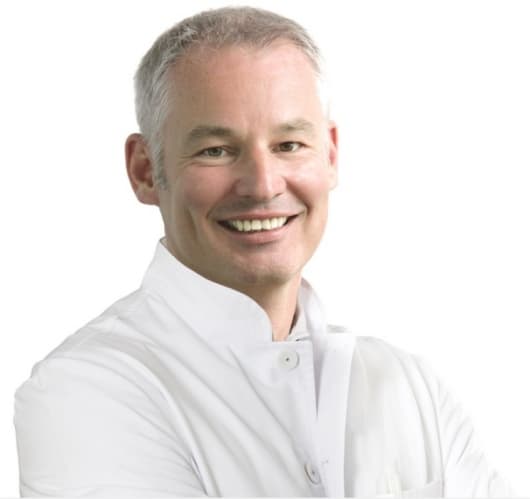
Director of the Hip Center – ATOS Clinic Munich The Hip Center at ATOS Clinic Munich is led by Dr. med. Raimund Völker, a founding member of the clinic and one of the most experienced specialists in hip endoprosthetics worldwide. Dr. Völker is among the very few internationally recognized surgeons who exclusively dedicate their practice to hip surgery. This exceptional level of specialization provides significant advantages for patients, allowing for highly precise treatment planning, advanced surgical expertise, and consistently outstanding outcomes. With over 20 years of experience in both standard hip replacement and bone-preserving hip resurfacing, Dr. Völker offers each patient the most suitable procedure based on individual anatomy, lifestyle, and long-term goals. Excellence in Hip Arthroplasty & Implant Quality Unlike standard approaches that rely on routine implants, Dr. Völker uses only high-quality, long-established original prosthetic systems at ATOS Clinic. This ensures: Maximum implant durability Long-term safety Excellent functional results His philosophy combines proven methods with innovation to provide the best possible joint replacement strategy for every patient. Minimally Invasive & Muscle-Sparing Surgery Dr. Völker applies modern surgical techniques that are: Minimally invasive Muscle-sparing Bone-conserving These approaches support faster recovery, improved mobility, and enhanced joint stability. Together with individualized implant selection and early intensive physiotherapy, patients benefit from an optimized Fast Track Recovery program. Key Areas of Expertise & Procedures Dr. Völker’s clinical focus includes: Diagnosis and treatment of hip osteoarthritis and its causes Advanced cartilage treatment options, including MRI-based cartilage cell therapy Total hip replacement (total endoprosthesis) Hip resurfacing surgery following the McMinn method (BHR) Short-stem hip prostheses Minimally invasive hip replacement techniques Enhanced Recovery Programs (ERP) Computer-assisted navigation for surgical precision
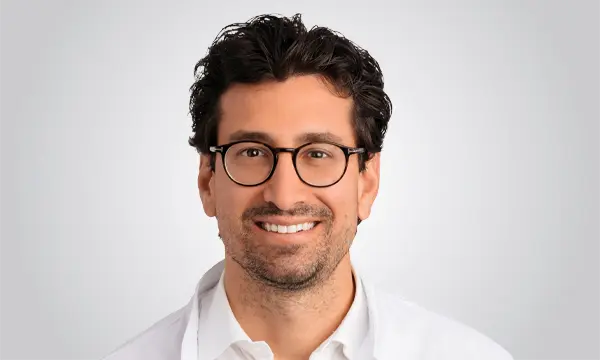
Specialist in orthopaedics and accident surgery, sports medicine Medical Director ATOS Clinic Munich Prof. Dr. med. Mark Tauber provides the entire spectrum of modern shoulder surgery. His main focus is on the minimally invasive treatment of upper arm head fractures and the arthroscopic treatment of shoulder pathologies Range of Services: Implantation and replacement of shoulder prostheses Arthroscopic suture of the rotator cuff Revisions after failed rotator cuff rupture Care of upper arm head fractures and long-term consequences Arthroscopic and open shoulder stabilisation after dislocation Dislocations of the shoulder joint Early osteoarthritis of the shoulder, cartilage regeneration Calculus shoulder Frozen shoulder
Related Articles
Stay informed with our latest medical insights and health tips
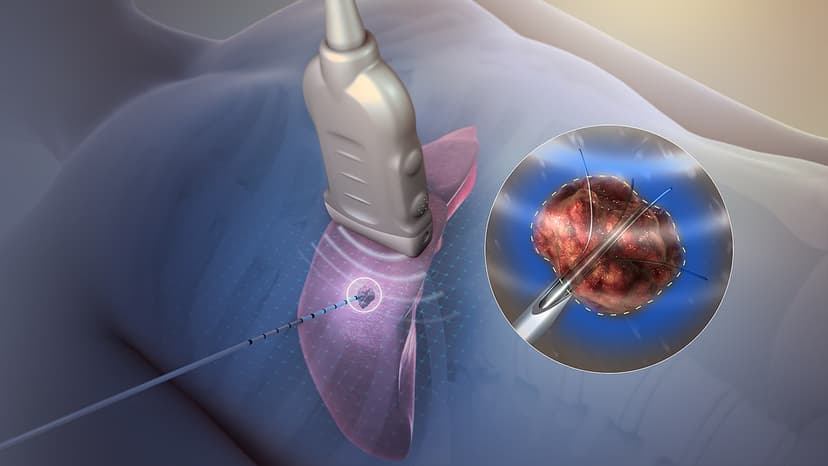
Radiofrequency Ablation in Turkey (Chronic Pain Treatment)
For those struggling with chronic pain, we recommend radiofrequency ablation treatment in Turkey. In Turkey, this treatment is cost-effective, ensuring high-quality medical service and a remarkable su...

Best Countries and Clinics for Bone Marrow Transplant
Every year, thousands of patients and their families face the emotional and logistical complexities of planning a bone marrow transplant abroad.
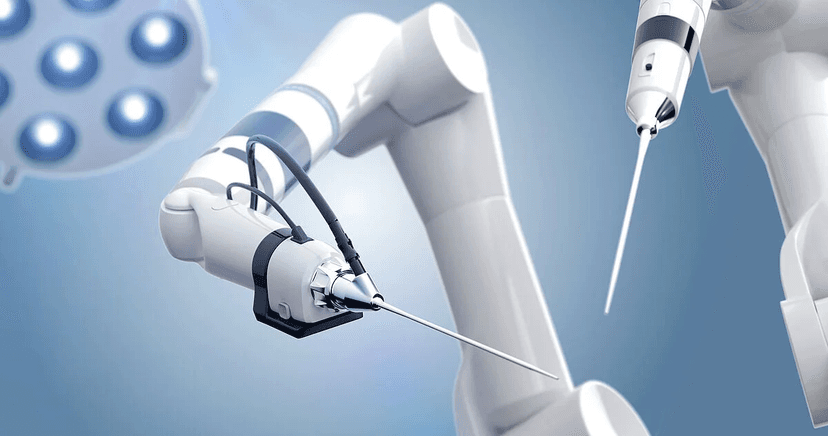
Best and Cheapest Countries for Robotic Prosthetic Surgery
For international patients, identifying the best country for robotic prosthetic surgery or the cheapest country for robotic prosthetic surgery is an important part of treatment planning.
Country Treatment
Find the best treatment options available in your country.
Get a free consultation
Talk to our experts and discover the best solution for your needs completely free of charge.