
Contents
Families across Europe, the Gulf, the CIS region and Africa increasingly look to Turkey when their child needs a pediatric bone marrow transplant, and the financial reason is clear. The same procedure that costs roughly $350,000 to $850,000 in the United States or £280,000 and above privately in the UK is delivered in Istanbul, Antalya and Ankara for $30,000 to $90,000, depending on whether it is an autologous or allogeneic transplant. Add NHS waiting times of three to nine months and US insurance pre-authorization delays into the equation, and the case for treating a child in Turkey becomes a matter of timing as well as cost. With JCI accredited pediatric transplant units, success rates of 91 to 96 percent in children, and HLA donor registries integrated with European and global banks, Turkey now performs more than 3,500 bone marrow transplants every year.
What Is a Pediatric Bone Marrow Transplant?
A pediatric bone marrow transplant, also called pediatric hematopoietic stem cell transplantation or HSCT, is a procedure that replaces a child's diseased or damaged bone marrow with healthy hematopoietic stem cells. The new cells then rebuild the immune system and the production of red blood cells, white blood cells and platelets. In children, the procedure is most often used to treat acute and chronic leukemia, lymphoma, severe aplastic anemia, thalassemia major, sickle cell disease, primary immunodeficiencies and certain inherited metabolic disorders.
Types of BMT Performed in Children in Turkey
- Autologous transplant: the child's own stem cells are collected, frozen and reinfused after high-dose chemotherapy. Used in some lymphomas and solid tumors such as neuroblastoma.
- Allogeneic transplant from a matched sibling donor: first-line option when a fully HLA matched brother or sister is available. Highest success rates in pediatric leukemia.
- Matched unrelated donor (MUD) transplant: stem cells sourced through global registries when no family match exists. Turkey has access to the Bone Marrow Donors Worldwide (BMDW) network.
- Haploidentical transplant: uses a half matched parent or sibling. Turkish centers are particularly experienced with haplo protocols and post-transplant cyclophosphamide to reduce graft versus host disease.
- Cord blood transplant: stem cells from umbilical cord blood, useful in younger children and for certain genetic disorders.
When Is BMT Recommended for a Child?
- Acute lymphoblastic leukemia (ALL) that has relapsed or is high-risk at diagnosis
- Acute myeloid leukemia (AML) and juvenile myelomonocytic leukemia
- Severe aplastic anemia not responding to immunosuppressive therapy
- Beta thalassemia major and sickle cell disease in eligible children
- Severe combined immunodeficiency (SCID) and other primary immunodeficiencies
- Hodgkin and non-Hodgkin lymphoma after relapse
- Inherited metabolic disorders such as Hurler syndrome and adrenoleukodystrophy
Pediatric Bone Marrow Transplant Cost in Turkey vs Other Countries
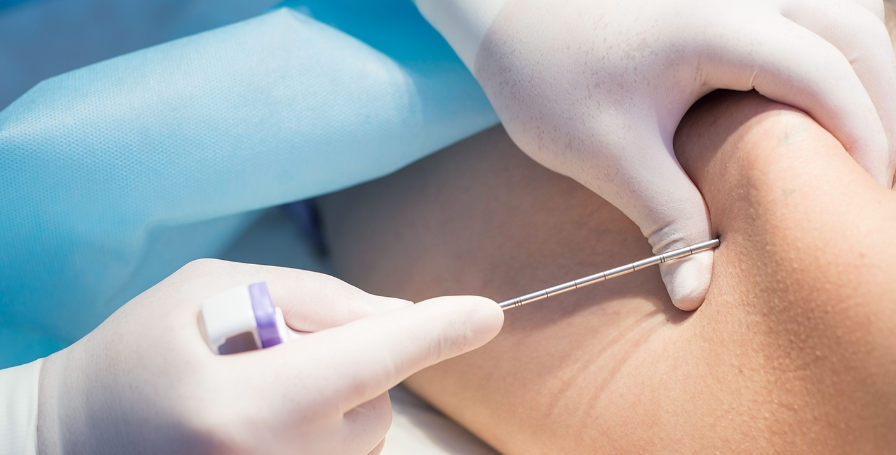
The price of a pediatric BMT in Turkey starts at around $30,000 for autologous procedures and reaches $80,000 to $90,000 for the most complex haploidentical or matched unrelated donor transplants in children. The same procedure in the United States or the United Kingdom can cost ten times more in the private sector. The table below shows current 2026 ranges for pediatric or pediatric-equivalent HSCT, including hospitalization and conditioning therapy.
|
Country |
Autologous BMT |
Allogeneic BMT |
Average Wait Time |
|---|---|---|---|
|
Turkey |
$30,000 to $45,000 |
$60,000 to $90,000 |
2 to 4 weeks |
|
USA |
$350,000+ |
$600,000 to $850,000 |
4 to 12 weeks |
|
UK (Private) |
£280,000+ |
£500,000 to £700,000 |
3 to 9 months (NHS) |
|
Germany |
$150,000 to $250,000 |
$180,000 to $270,000 |
4 to 8 weeks |
Pediatric cases tend to sit at the higher end of the Turkish range because they require specialized pediatric protocols, smaller cell processing equipment and longer isolation stays. Final pricing depends on the diagnosis, donor type, the child's weight and the chosen hospital. All prices include a written quote with no hidden fees when arranged through A-Medical.
Why Treatment in Turkey Costs Less
- Lower hospital operating costs and competitive private healthcare market
- Government incentives for medical tourism through USHAŞ and the T.C. Ministry of Health
- High volume centers that perform 100+ pediatric transplants per year, which lowers the per-case cost
- Favorable currency exchange against USD, EUR and GBP
- No insurance billing layer for international self-pay families
If you are weighing options across multiple destinations, our overview of the best countries and clinics for bone marrow transplant walks through Turkey, Germany, Spain, India and South Korea side by side.
Step by Step Process for Pediatric BMT in Turkey
Coordinating a pediatric transplant from another country has stages that families rarely see described clearly. The timeline below reflects what most A-Medical patients experience between first contact and discharge home.
- Week 1: Free remote consultation. Send recent blood work, biopsy reports and the child's medical history. The transplant team reviews and confirms eligibility within 48 to 72 hours.
- Week 2: Hospital match and quote. Based on the diagnosis we propose two or three suitable centers with a fixed all-inclusive price.
- Week 3: Travel arrangements. Visa invitation letter, flights, airport transfer and accommodation are confirmed. Donor identification begins in parallel if a sibling match is needed.
- Week 4: HLA typing and pre-transplant workup. Cardiac, pulmonary, renal and dental clearance for the child. Donor evaluation if applicable.
- Week 5 to 6: Conditioning therapy. High-dose chemotherapy and sometimes total body irradiation prepare the bone marrow.
- Day 0: Stem cell infusion. Cells are infused through a central line. The procedure itself takes one to four hours.
- Day +1 to +30: Engraftment monitoring. The child stays in a HEPA-filtered isolation room. Daily blood counts, infection prevention, transfusion support.
- Day +30 to +100: Post-transplant care. Outpatient follow-up at the hospital while staying in nearby family accommodation. Most families fly home around day +90 to +100.
Top 8 Hospitals for Pediatric Bone Marrow Transplant in Turkey
Turkey has eight hospitals that A-Medical regularly works with for pediatric HSCT cases. Each has a separate pediatric transplant unit, JCI accreditation and at least one full-time pediatric oncohematologist. Below is a profile of each, with a focus on what matters for parents traveling internationally with a child.
Anadolu Medical Center, Istanbul
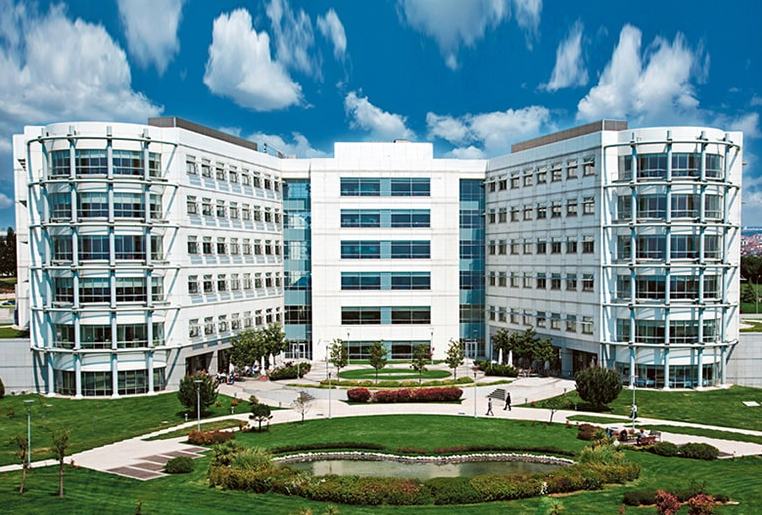
Affiliated with Johns Hopkins Medicine since 2005, Anadolu Medical Center in Gebze (40 minutes from Istanbul Sabiha Gökçen Airport) opened its bone marrow transplant unit in 2010 and has since performed over 3,000 transplants. The pediatric BMT unit has 14 isolation rooms with HEPA filtration and positive pressure ventilation. Anadolu treats pediatric leukemia, thalassemia, lymphoma and inherited bone marrow failure syndromes, with reported success rates of 85 to 90 percent for matched donor cases. The international patient department offers care in 15+ languages.
Why parents choose Anadolu: highest case volume in Turkey, Johns Hopkins academic ties, separate pediatric isolation unit, transparent fixed price packages.
American Hospital Istanbul
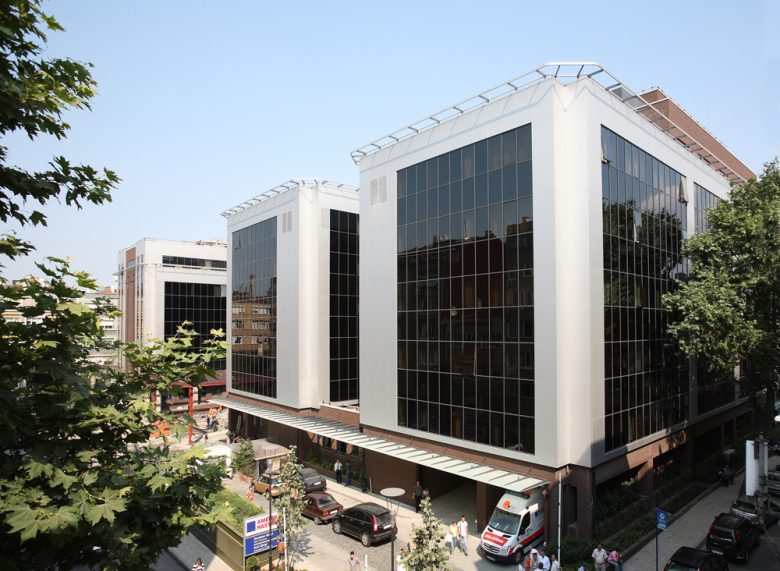
Operated by the Koç Healthcare Group and historically tied to Mount Sinai (New York), American Hospital Istanbul runs one of the most established adult and pediatric BMT programs in the country. The pediatric hematology and oncology center is led by senior professors with European Group for Blood and Marrow Transplantation (EBMT) credentials. Located in Nişantaşı, Istanbul, the hospital is 45 minutes from Istanbul Airport and offers JCI accreditation since 2002, one of the longest in Turkey.
Why parents choose American Hospital: long-standing US affiliation, multilingual pediatric team, central Istanbul location with hotel options within walking distance.
Medipol Mega University Hospital, Istanbul
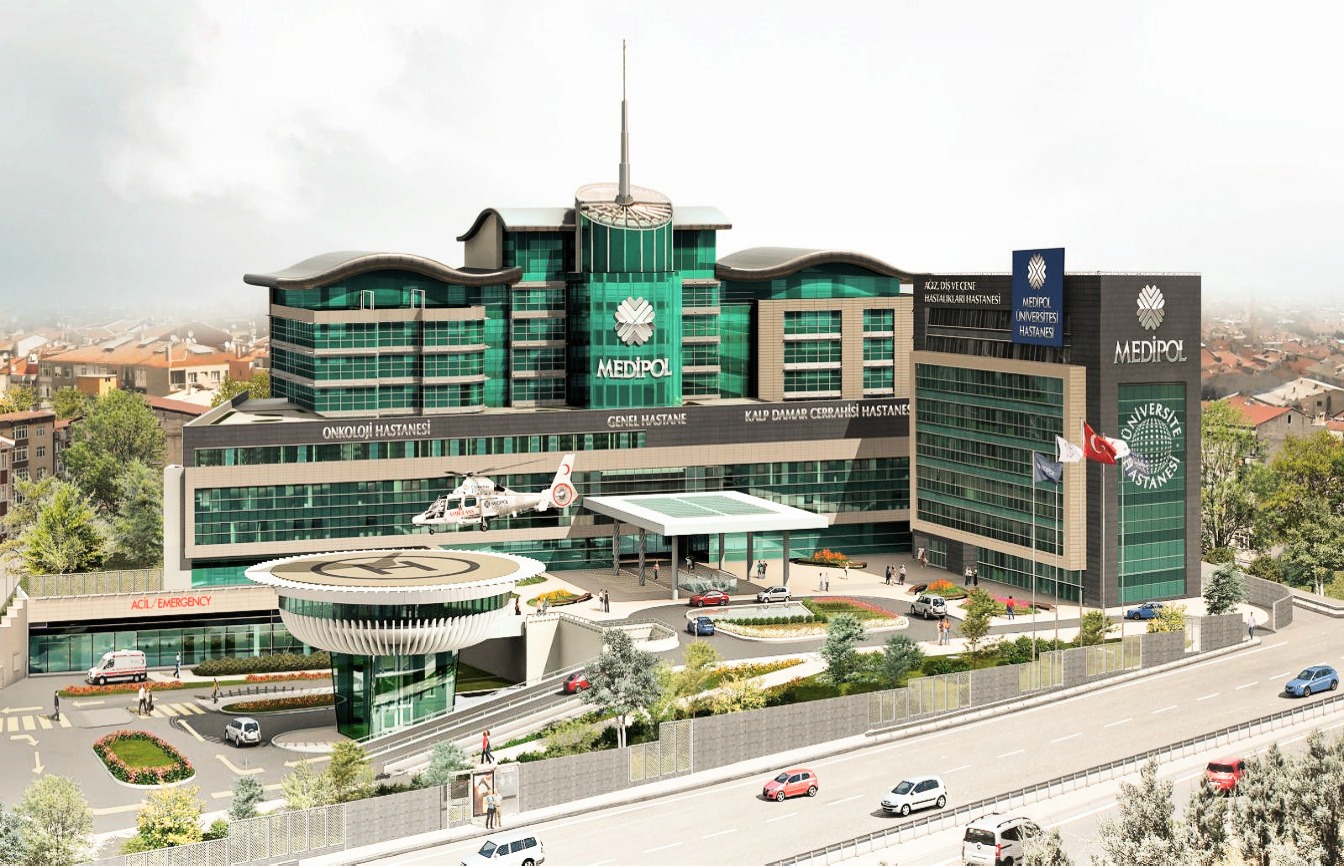
Medipol Mega University Hospital in Bağcılar, Istanbul, houses the Pediatric Hematopoietic Stem Cell Transplants Center under Prof. Dr. Gülyüz Öztürk, one of Turkey's most published pediatric BMT specialists. Medipol reports a 92 percent success rate across autologous, allogeneic and haploidentical pediatric transplants. The unit handles complex cases including thalassemia major, sickle cell disease and primary immunodeficiencies, and is one of the few centers in Turkey routinely offering pediatric haploidentical protocols. Distance to Istanbul Airport is approximately 30 minutes.
Why parents choose Medipol: pediatric haploidentical expertise, very high case volume in thalassemia and sickle cell, university hospital research backing.
Acibadem Healthcare Group, Istanbul

Acibadem operates BMT units in several of its 22 hospitals, with the largest pediatric center at Acibadem Atakent Hospital in Istanbul. The hospital was the first private institution in Turkey to perform a successful pediatric haploidentical transplant. The pediatric BMT unit is part of a larger pediatric oncology center, which means children also have rapid access to radiation oncology, surgical oncology and pediatric ICU. Acibadem holds JCI accreditation and is a member of the European Group for Blood and Marrow Transplantation.
Why parents choose Acibadem: integrated pediatric oncology under one roof, strong haploidentical track record, multiple Istanbul locations to choose from.
Medical Park Antalya Hospital Complex
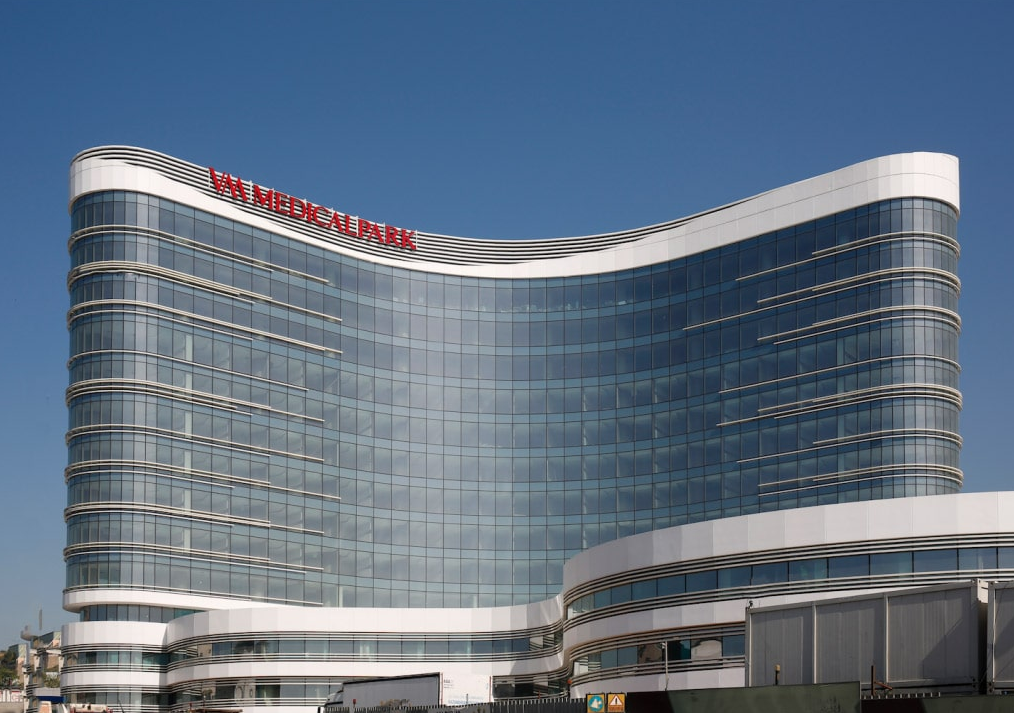
If your priority is a calmer climate during a long stay, Medical Park Antalya is the strongest pediatric BMT option outside Istanbul. The Antalya complex reports a 97 percent success rate for adult bone marrow transplants and 100 percent first-100-day survival in selected pediatric cohorts (2021 data). The hospital is part of the Medical Park network, which performs more kidney, liver and bone marrow transplants annually than most centers in Western Europe combined. Antalya's mild Mediterranean climate is often easier on children recovering from conditioning chemotherapy than Istanbul winters.
Why parents choose Medical Park Antalya: 97 percent reported success rate, packages typically include 45 to 60 days of hospitalization, mild climate beneficial for recovery.
Liv Hospital, Istanbul

Liv Hospital in Ulus, Istanbul, is part of the MLP Care Group and is recognized as a leading pediatric bone marrow transplant center in Turkey. The pediatric hematology clinic integrates services across medical oncology, radiation oncology and immunology, which is critical for relapsed leukemia cases that may need transplant after additional chemotherapy. Liv runs a small, high-touch pediatric BMT unit, which appeals to families who want a less hospital-feeling environment for a child facing months of treatment.
Why parents choose Liv: high-touch pediatric BMT environment, strong immunology backup, modern facility design.
Memorial Hospital Group (Şişli and Ankara)
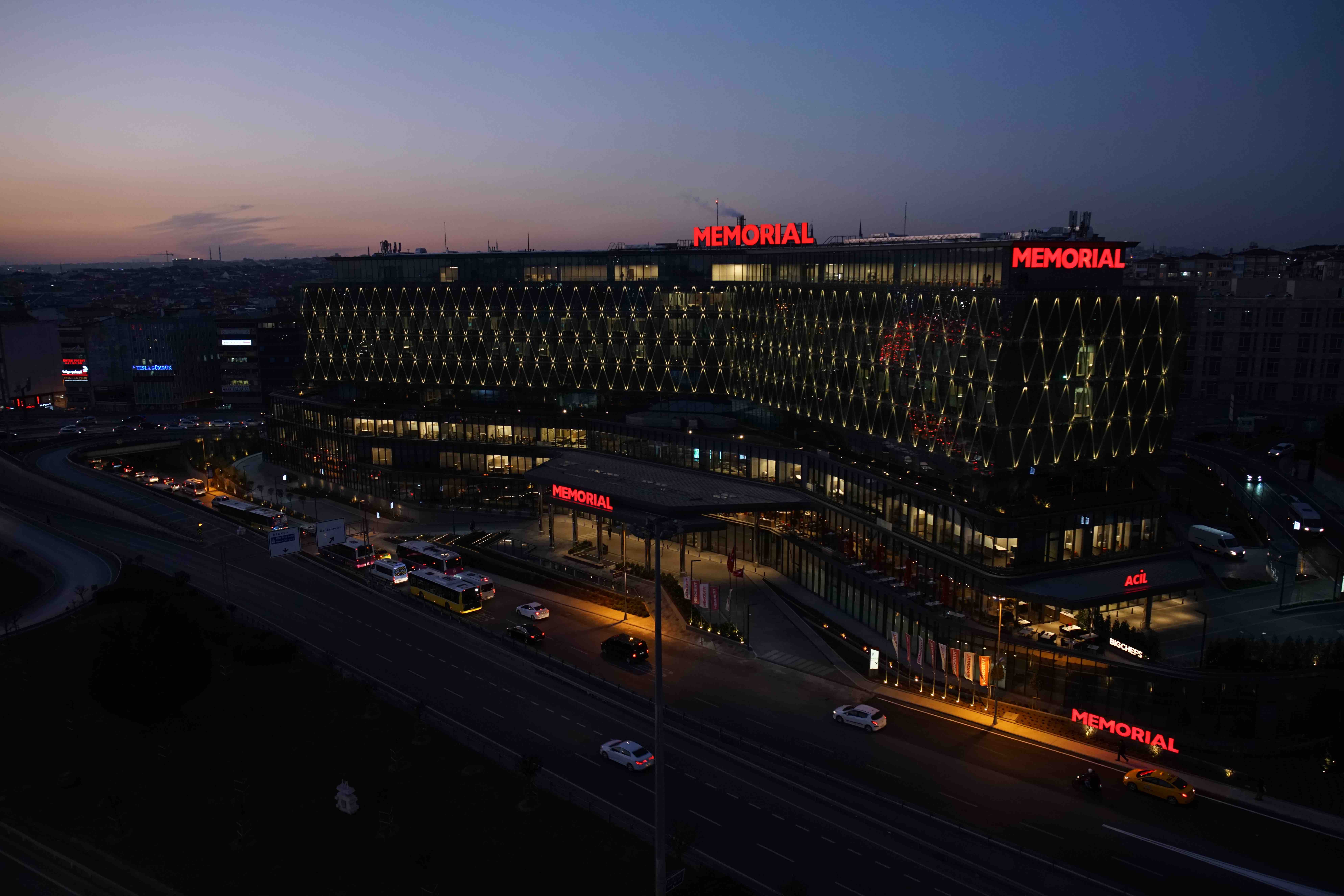
Memorial Şişli Hospital in Istanbul performs more than 100 stem cell transplants every year and reports an 80 to 90 percent success rate. Memorial Ankara Hospital operates a separate pediatric bone marrow transplant unit that focuses specifically on children with blood cancers, thalassemia and aplastic anemia. Memorial was the first Turkish hospital to receive JCI accreditation and is part of the Joint Commission International network. Both Memorial sites have isolation units designed specifically for pediatric patients with parental rooming-in.
Why parents choose Memorial: pediatric-only BMT unit in Ankara away from big-city Istanbul stress, parental rooming-in policy, longest JCI track record in Turkey.
Florence Nightingale Hospitals, Istanbul
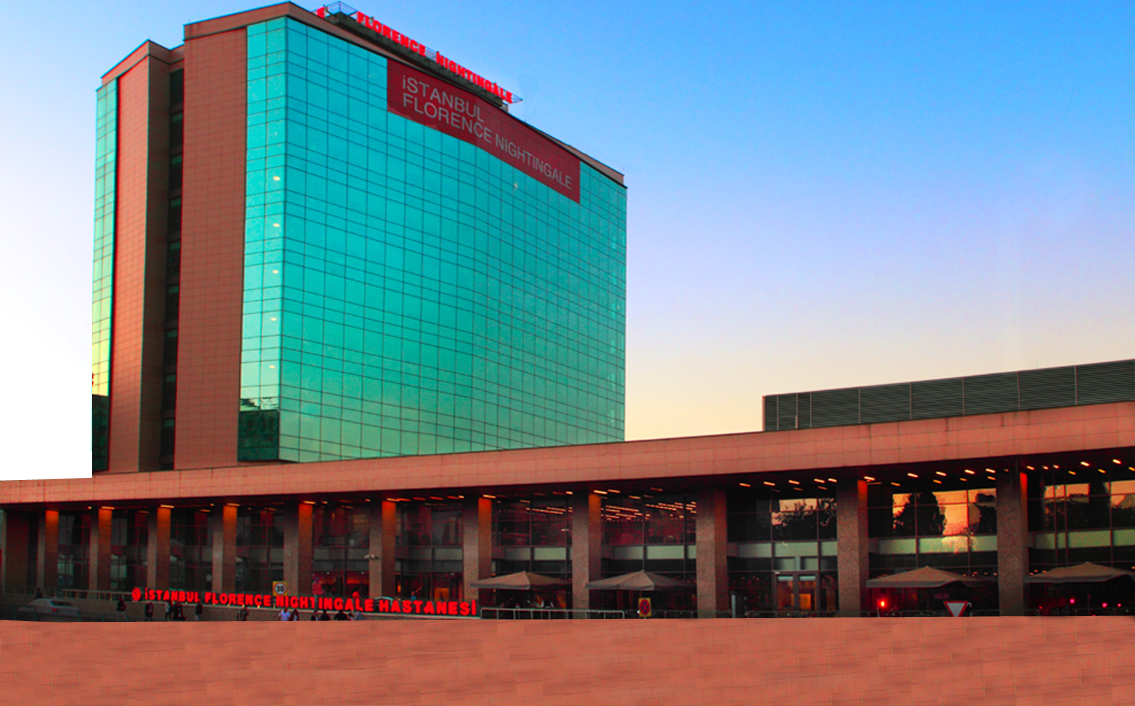
Part of the Group Florence Nightingale (Demiroğlu Bilim University), Florence Nightingale Hospitals run pediatric hematology programs across their Istanbul branches and are particularly known for treating thalassemia and sickle cell disease in children from Mediterranean and Gulf countries. The hospital has performed BMT procedures for over two decades and works closely with Turkey's national HLA donor registry. International patient services include Arabic and Russian-speaking pediatric coordinators.
Why parents choose Florence Nightingale: thalassemia and sickle cell expertise, university hospital research base, strong service for Gulf and CIS families.
How Long Does a Family Need to Stay in Turkey?
Pediatric bone marrow transplant is the longest stay procedure A-Medical coordinates. Plan for a minimum of 60 days and a likely stay of 90 to 120 days, broken down as follows.
- Pre-transplant evaluation and conditioning: 14 to 21 days, mostly outpatient with daily hospital visits.
- Inpatient transplant phase: 30 to 45 days in the isolation room. Only one parent is allowed in the unit at a time.
- Outpatient follow-up phase: 30 to 60 days at a hotel or apartment within 30 minutes of the hospital. Daily blood counts and clinic visits taper to weekly.
- Discharge home: typically around day +90 to +100 if engraftment is solid and there are no major complications.
A-Medical books accommodation specifically chosen for BMT families: HEPA filtered rooms in some hotels, kitchen access for special diets, and proximity that allows the child to be back in the hospital within 20 minutes if a fever develops.
Donor Matching for International Pediatric Patients
One of the most common questions A-Medical receives from families is whether a donor will be available for their child in Turkey. The answer depends on the type of transplant the child needs.
If a Sibling Donor Is Available
HLA typing of the patient and siblings is done in Istanbul within 7 to 10 days after arrival. If a fully matched sibling exists, the donor child travels with the family and the transplant proceeds on schedule. Around 25 to 30 percent of pediatric cases find a matched sibling.
If No Sibling Match Exists
Turkish centers query both the national TÜRKÖK registry and international registries through Bone Marrow Donors Worldwide (BMDW). For Mediterranean and Middle Eastern HLA profiles, Turkey actually has stronger registry depth than most Western European countries. Match search typically takes 8 to 16 weeks.
If Time Is Critical: Haploidentical Option
When a child cannot wait for an unrelated donor search, Turkish centers, especially Medipol and Acibadem, perform haploidentical transplants using a half matched parent. With post-transplant cyclophosphamide protocols, pediatric outcomes from haplo donors now approach those of matched unrelated donors. This is one of the most important practical advantages Turkey offers over countries with smaller pediatric BMT programs.
Visa, Travel and Documentation for Pediatric BMT Patients
Turkey allows visa-free or e-visa entry for citizens of more than 70 countries, which covers most A-Medical pediatric BMT patients. For families from countries that require a sticker visa, A-Medical issues a hospital invitation letter that supports a medical visa application. The child travels with both legal guardians where possible, since one parent must always be available at the hospital. Standard documentation needed:
- Passports valid for at least 6 months for the child and both parents
- Medical records, biopsy and bone marrow reports translated to English
- Recent imaging (CT, MRI, PET) on a DVD or via secure cloud transfer
- HLA typing report if previously done in your home country
- List of current medications with dosages and brand equivalents
- Power of attorney from any non-traveling legal guardian
What to Expect After Pediatric BMT
Recovery from a pediatric bone marrow transplant unfolds in distinct phases. Knowing what is normal at each stage helps parents avoid unnecessary worry, and helps them spot the few red flags that need immediate medical attention.
First 100 Days
This is the highest risk window for infections and graft versus host disease. Daily blood counts, frequent transfusions and strict isolation rules apply. Most children remain on prophylactic antibiotics, antifungals and antivirals for the entire 100 day period. Schools and travel are not yet possible.
Months 3 to 12
The immune system slowly rebuilds. The child usually returns home around day +90 to +100 with a clear medication plan. A-Medical coordinates remote monthly follow-ups with the Turkish transplant team via secure video calls. Re-vaccination starts around 6 to 12 months post-transplant since the original childhood vaccines are wiped out by conditioning.
Year 2 and Beyond
Most pediatric BMT survivors return to school and normal activities by year 2. Annual long-term follow-up checks for late effects such as endocrine issues, fertility considerations and secondary cancers continue for life. A-Medical includes the first 12 months of follow-up coordination in the package, and offers extended remote follow-up at a fixed annual fee afterwards.
Risks and Complications Parents Should Understand
Pediatric BMT is a high-stakes treatment. Parents deserve a frank picture of what can go wrong, not a marketing version. The major risks include:
- Infections: bacterial, viral (CMV, EBV) and fungal infections during the neutropenic phase. The leading cause of early mortality.
- Graft versus host disease (GVHD): the donor immune cells attack the child's tissues. Acute GVHD affects skin, gut and liver. Chronic GVHD can persist for years.
- Graft failure: the new marrow does not engraft. Rare with current protocols, but a second transplant may be needed.
- Veno-occlusive disease of the liver: treatable if caught early through routine post-transplant monitoring.
- Disease relapse: the original cancer or marrow disorder can return. Highest risk in the first 2 years.
- Late effects: height delays, hormonal issues, fertility concerns, secondary malignancies. These are managed through long-term survivorship clinics.
How to Choose the Right Pediatric BMT Clinic in Turkey
Picking a hospital is not just about price or success rate. For a pediatric transplant, consider the following criteria, in roughly this order of importance.
- Pediatric-specific BMT unit (separate from adult unit) with isolation rooms designed for children and parental presence.
- Annual pediatric case volume above 30 transplants per year, ideally 50+.
- JCI accreditation and FACT accreditation (or active FACT application) for cellular therapy programs.
- A pediatric oncohematologist who has been at the same center for at least 5 years, indicating program stability.
- Access to haploidentical and unrelated donor protocols, not just matched sibling transplants.
- Pediatric ICU on the same floor or one floor away from the BMT unit.
- Translation services in your language available 24/7, not only office hours.
- Written, fixed price quote with clear inclusions and a defined plan if complications extend hospital stay.
For comparison with other centers worldwide, our overview of the best clinics for pediatric leukemia treatment abroad puts Turkish hospitals next to options in Germany, Spain and Switzerland.
Why Families Choose A-Medical for Pediatric BMT in Turkey
A-Medical has coordinated complex pediatric transplants since the company's founding, and we work only with hospitals that meet a strict set of criteria for international children. When booking through us, parents get:
- Direct access to JCI accredited pediatric BMT units without waiting list delays. Treatment can usually start within 3 to 4 weeks of first contact.
- A fixed all-inclusive price with no hidden fees, written in advance. If complications extend the hospital stay, we negotiate a clear cap so parents are not surprised.
- Hospital matching based on the child's specific diagnosis. We do not direct every family to the same hospital regardless of need.
- VIP airport pickup at Istanbul, Sabiha Gökçen, Ankara or Antalya airports. Direct ambulance transfer is arranged when the child arrives in fragile condition.
- Family accommodation chosen for BMT recovery: HEPA filtered rooms when needed, kitchens for special diets, walking distance or fast transfer to the hospital.
- 24/7 medical translator coverage in English, Arabic, Russian, German, French and several other languages, available by phone for the entire stay.
- Free pre-treatment online consultation. Send the medical file and we respond with an eligibility assessment within 48 hours.
- Twelve months of post-transplant remote follow-up coordination, including help with medication sourcing back home.
- Single point of contact from first inquiry through one-year follow-up. The same coordinator handles everything from quotes to discharge.
Ready to discuss your child's case? Send us your medical reports for a free pediatric BMT consultation and receive a hospital match plus a complete written quote within 48 hours.
A Final Note for Parents
This article is informational and is not medical advice. Every pediatric bone marrow transplant case is unique, and treatment recommendations depend on the child's specific diagnosis, age, weight, prior treatments and donor availability. A definitive plan requires review by a qualified pediatric hematologist or transplant physician who has examined the child's full medical record. A-Medical's role is to coordinate that review with leading Turkish pediatric BMT centers and to handle the practical and financial side so that families can focus on their child.
Frequently Asked Questions
Is pediatric bone marrow transplant safe in Turkey?
Yes. Top Turkish pediatric BMT centers report success rates of 91 to 96 percent in children, with selected cohorts reaching 100 percent first-100-day survival. JCI accreditation and EBMT membership are the standard markers of safety to look for.
How much does a pediatric bone marrow transplant cost in Turkey in 2026?
Pediatric autologous transplants start at around $30,000 and go up to $45,000. Allogeneic, haploidentical and matched unrelated donor pediatric transplants range from $60,000 to $90,000. The figure typically includes pre-transplant workup, conditioning therapy, the transplant itself and 30 to 45 days of hospitalization.
How long does my family need to stay in Turkey for the procedure?
Plan for 90 to 120 days total. The child is hospitalized for 30 to 45 days during the transplant phase, then needs another 30 to 60 days of close outpatient follow-up before flying home. Both parents are usually present for the first month and at least one parent stays the full duration.
Can a parent stay in the hospital room with the child?
Yes. All major Turkish pediatric BMT units allow one parent to room in with the child during the inpatient phase. The parent must follow the same isolation protocols, including hand hygiene, masks and limited entries and exits. Parental rooming-in is one of the standard features of pediatric BMT in Turkey.
What happens if my child needs a donor we cannot find at home?
Turkey's TÜRKÖK national registry plus access to Bone Marrow Donors Worldwide gives strong donor coverage, especially for Mediterranean, Middle Eastern and Central Asian HLA types. If no unrelated match is found, haploidentical transplant from a parent is offered, particularly at Medipol, Acibadem and Anadolu.
Will my child be able to fly home safely after the transplant?
Yes, once the transplant team confirms stable engraftment, no active infection and good oral intake, usually around day +90 to +100. A-Medical arranges a private medical escort for the flight if needed and coordinates a handover to a pediatric hematologist in your home country.
Does Turkey treat thalassemia and sickle cell disease in children with BMT?
Yes, and Turkish centers are among the most experienced worldwide. Florence Nightingale, Medipol and Memorial perform high volumes of pediatric BMTs for beta thalassemia major and sickle cell disease, with success rates above 90 percent for children transplanted before significant organ damage develops